When Rehab Hasn’t Worked Before
If you have been to rehab before and relapsed, it does not mean treatment cannot work for you. Relapse after rehab is common. What usually needs to change is the assessment you start with, whether the conditions underneath the addiction are treated, how far you are from your home environment, and what support is in place after you leave.
You’ve been to Residential Treatment Before
You know the first few days: the new routines, the groups, the sense that maybe this time things really could be different. Maybe, for a while, they were. Then you went home, life closed back in, and somewhere along the way the old pattern found you again.
So if part of you is here looking for help, and part of you is wondering why you would risk hoping again, that makes complete sense. Both parts are trying to protect you.
We have worked with thousands of people who stood exactly where you are standing now.
The Cabin Chiang Mai is a 30-bed residential addiction and mental health rehabilitation centre on the Ping River in Northern Thailand. Our patient records show that we have treated more than 7,000 clients since 2009, and many of them came to us after another attempt at rehab had not held.
You’re Not Starting from Zero
It can feel as though going back to treatment means going back to the beginning. It absolutely doesn’t. You know things now that you didn’t know last time.
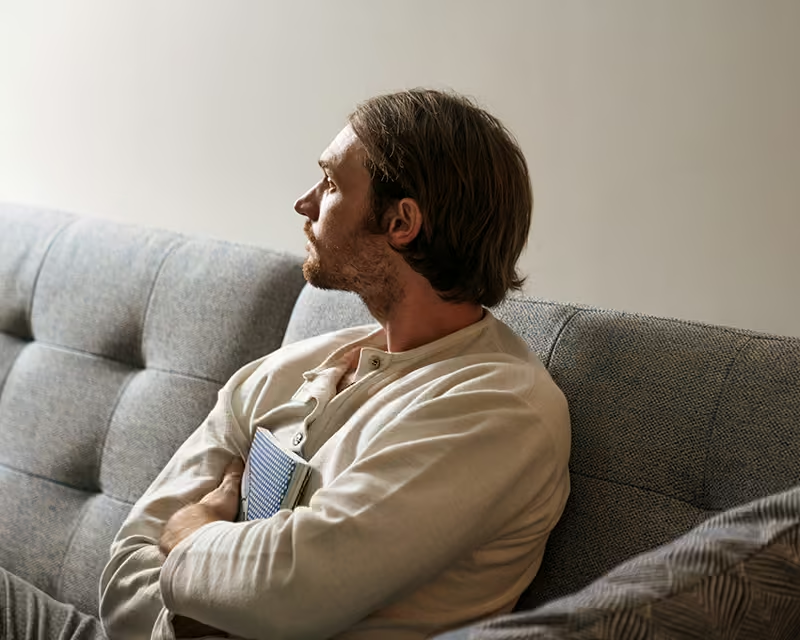
Take a moment to remember and reflect:
Whatever your answers are, they are not evidence of failure. They are information. Information that you have a choice to learn from and act on to give recovery a chance again.
Relapse doesn’t mean recovery isn’t for you
Going back to using after treatment is common. The National Institute on Drug Abuse puts relapse rates for substance use disorders at roughly 40 to 60 percent. That is similar to relapse rates it reports for other long-term medical conditions like asthma and diabetes.
When treatment for asthma or high blood pressure stops working, nobody decides the person is beyond help. They look at what got in the way and change the approach. You deserve the same thinking. You are not beyond help.

What You Might Be Thinking Right Now
I am incredibly grateful that I chose The Cabin. This decision brought me back to life. It’s a wonderful place to gain health, self-discovery, and courage. The team is highly competent and caring, which makes this place even more wonderful and simplifies the healing process. These eight weeks were the best thing I’ve ever given myself. There’s nothing I could recommend that compares to The Cabin. I’ve been through countless rehabs in my 14 years of addiction to heroin, crack, and alcohol, but none of them have changed me like this one. I was supported through my detox with such compassion and love, unlike so many other clinics where I was treated like a junkie.
With much love and respect, I thank the entire team at The Cabin.
You are amazing and unique. Thank you. Love and Peace.
Sabrina


It takes courage to ask twice
The first time you asked for help, you may not have known what you were asking for. This time you do. You know how hard the work is, you know what it costs. And yet you are still here, reading this.
That isn’t weakness. Asking for help again takes a particular kind of courage: the kind that sets pride aside and says, honestly, I just can’t do this on my own anymore. In our experience, that honesty is often where things begin changing for good.
What Would Be Different This Time?
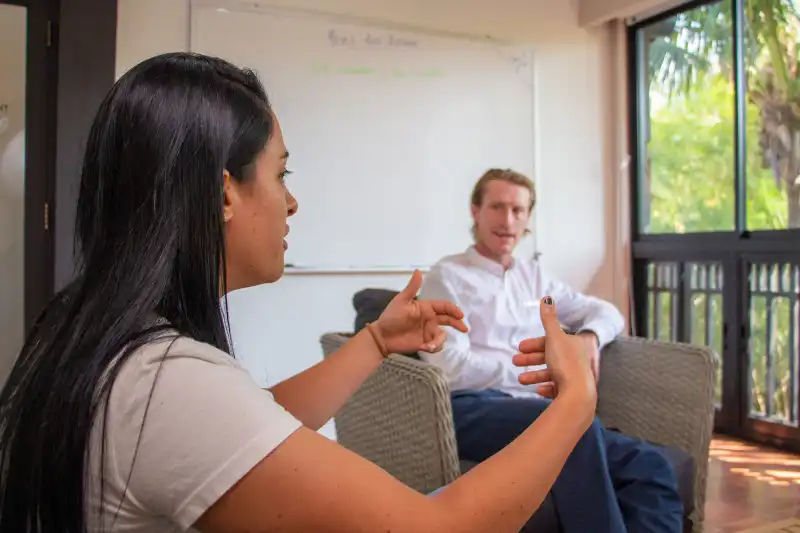
Coming Home is Often Where It Slipped
For many people, treatment itself wasn’t where things fell apart. It was the return home: the structure gone, the pressures back, nowhere obvious to turn.
That is why every client leaves with a relapse prevention plan, international continuing care support, and lifetime free access to our Alumni Community and weekly Peer Support Network groups. Our international network of clinicians runs those groups across multiple time zones, so that support is available wherever home is. Some ex-clients stay connected to the community for years, with numerous gatherings across the world.

Honest about What We Can Offer
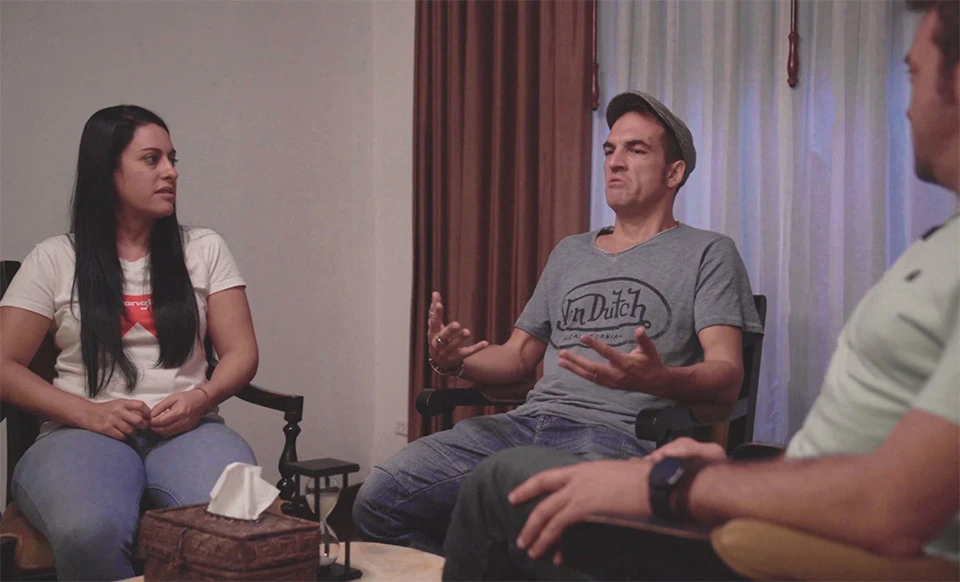
No one can guarantee recovery, and anyone who promises it deserves your caution. What we can tell you is that since 2009 we have treated more than 7,000 people, and many of them came to us after another attempt at rehab hadn’t held. We won’t ask you to pretend the past didn’t happen. We will help you use it.
Many members of our team did not have a linear recovery journey.
One Conversation with No Commitments to Start
The first step is a free, confidential assessment call with our Admissions team. No charge and no obligation, we speak with dozens of people seeking help every week.
It is a clinical and confidential conversation, not a sales call. When you call, we will ask what happened last time, what has changed since, what worries you, and what you need from treatment now. Then we will tell you honestly whether we think we can help. If we are not the right fit, we will say so, and help point you towards somewhere that is.
If you are ready to move quickly, say so on the call. We are often able to arrange admission at short notice, assessed case by case.

A Year from Now
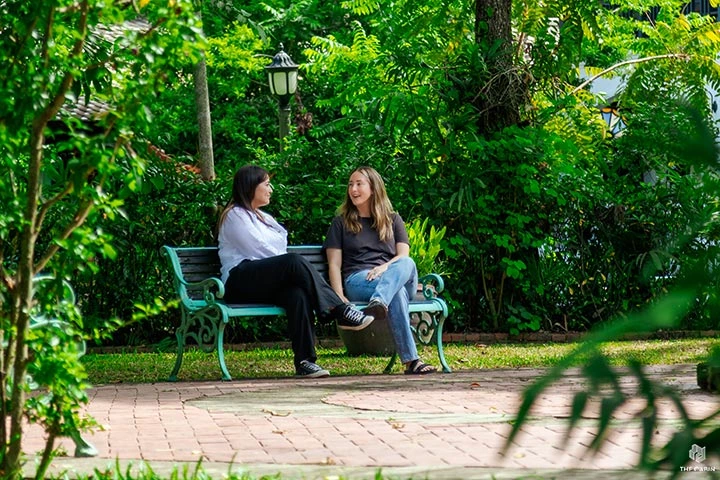
Imagine it is a year from now, and you are looking back at today. Not at everything that happened in between. Just at this moment: sitting where you are, reading this, deciding whether to reach out.
Whatever else that year held, think about what it might mean that you made the call.


For Partners and Family Members
When Someone You Love has Been to Rehab before, You may be Carrying More Than Worry
You may remember the phone call when they said they were going into treatment. You may remember the relief, the hope, the effort it took to get them there. And you may remember the moment, weeks or months later, when you realised things were slipping again. Perhaps you have been through that more than once. By now, you may feel frightened, exhausted, angry, guilty for feeling angry, or simply unsure what you are supposed to do next.
None of that makes you uncaring. And a previous relapse does not mean you were foolish to hope for the best outcome the first time.
Why the First Attempt at Rehab may Not Have Held
Most of the time, this is more complicated than someone simply not trying hard enough. It does not necessarily mean the previous treatment centre was bad either. Sometimes the problem is the setting. Sometimes it is the length or approach of treatment. Sometimes the most important work never got done. Often the answer is complex, and some of the hardest parts of recovery come after a person returns home from treatment
If the earlier treatment was close to home, the same people, places and pressures may have been waiting outside the door. The stay may have been too short to make lasting changes, or the wish to keep everything private may have meant that some of the help they needed was never fully put in place.

If they were in another residential programme, issues such as trauma, anxiety or low mood may have sat underneath the addiction without being properly addressed. The approach may simply not have suited them. Or there may have been too little support once they returned home, which is where progress can become hardest to hold. Our own programmes run from 4 to 12 weeks, are delivered under the Changing Pathways model, and are followed by continuing care through our international network of clinicians.
The useful question for families is not “Why did they fail?” It is “What was missing in the recovery process, and what needs to be different now?”
What You can do Before Making another decision
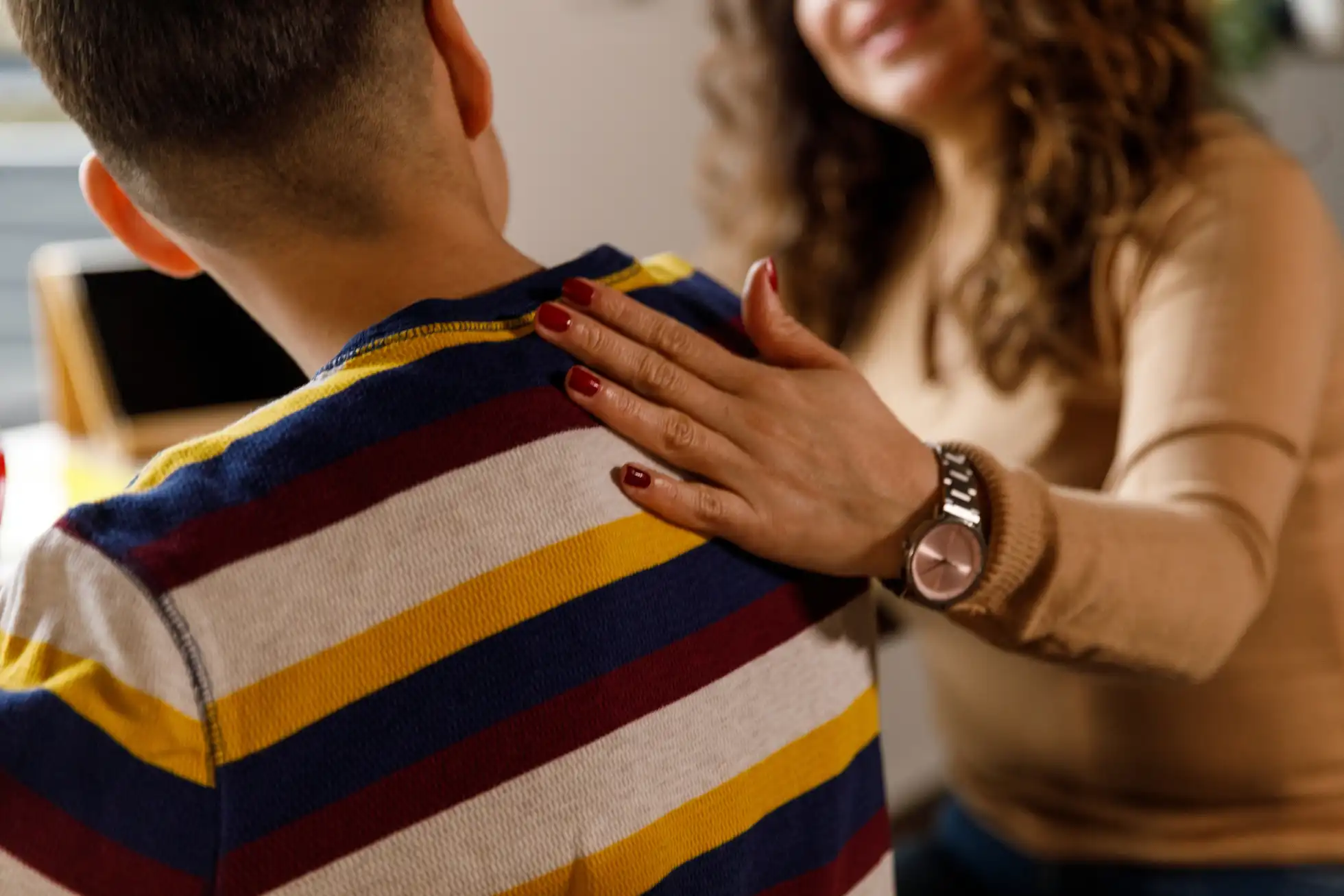
Start with a conversation. A free family consultation costs nothing and commits you to nothing. We can talk through what happened last time, what might help now, what you can say to your loved one, and what you can do if they refuse treatment. If timing is urgent, tell us. We are often able to arrange admission at short notice, assessed case by case.
If we do not think we are the right fit for your loved one’s treatment, we will tell you. Our aim is to help you make a better decision.
You should not have to carry this part alone
Up to two of your loved ones can join our 8-week Family Programme online. Families also receive lifetime access to our Peer Support Network, including free weekly online groups, with separate groups for partners and for parents. Because those groups are run by our international network of clinicians across multiple time zones, you can use that support wherever you are, including long after the residential programme has ended.
That matters because the period after treatment can be hard on families too. You may be the person picking up the phone when things go wrong, wondering what to do, and trying to support someone you love without losing yourself in the process. We do not believe families should be left alone with that.

Who we can and cannot help
Being clear about this protects your loved one and saves everyone time. We treat substance addictions including alcohol, drugs and prescription medicines; behavioural addictions including gambling, internet and gaming and disordered eating; and the mental health conditions that commonly sit alongside them, including depression, anxiety and trauma.

We are not the right place for everyone. For example, we are not suitable for someone who needs acute psychiatric care, or a level of medical support beyond what a licensed residential rehabilitation centre can safely provide. We provide medical withdrawal supervision on site where it is clinically appropriate, and we are allied with the leading international hospitals in Chiang Mai for anything beyond that.
Tell us what is happening during the assessment call. If we are not the right place, we will do our best, in confidence, to help you find somewhere that is. Getting the fit right matters more to us than taking every admission.
Frequently Asked Questions
START ON YOUR JOURNEY TOWARDS A BETTER LIFE
LET US KNOW HOW WE CAN HELP?
Fill in the form below and someone from our team will get back to you shortly.