Drug and Alcohol Rehab in Thailand
Certified under Healthcare Accreditation (HA) and licensed by Thailand’s Ministry of Public Health.
Rehab in Thailand: The Cabin Chiang Mai Reviews
Real stories from our clients—read verified reviews from those who began their recovery journey with us.
The Cabin is here to support your recovery journey
PROVEN EVIDENCE-BASED ADDICTION TREATMENT IN A LUXURY SETTING
The Cabin is a luxury rehab centre in Chiang Mai, Thailand, that offers personalised treatment for addiction and substance abuse. Our idyllic location on the banks of the Ping River provides a comfortable environment for your recovery journey. With over 7000 successful recoveries, we are recognised as the top rehab in Thailand. Seek help from The Cabin for a holistic approach to your health and well-being.
 Many of The Cabin’s therapists are from the UK, and they work closely with this society.
 FDAP is the professional group for the substance use field, helping The Cabin improve our standards of practice.
 APACS, A Singapore-based association works with The Cabin works to improve professional practices in addiction.
 NAATP is a US-led organization, supporting The Cabin by focusing on industry standards and providing training, data, and advocacy.
 AHPRA sets the safety and qualification standards for Australian health professionals; The Cabin follows these rules for our Australian practitioners.
 APCB is a multinational group that certifies mental health professionals in the Asia-Pacific region. The Cabin works with their framework.
What We Treat at The Cabin Chiang Mai

Alcohol Addiction Treatment
Excessive alcohol use can quietly erode physical well-being, emotional balance, and personal stability. At The Cabin, we provide medically supported early recovery phase and personalised therapy designed to break destructive cycles and rebuild confidence, purpose, and long-term resilience.

Drug Addiction Treatment
Substance dependency affects every layer of life—from mental clarity to relationships and career. Our evidence-based program addresses the root causes of drug addiction with integrated therapies that support lasting behavioural change and personal empowerment.

Cocaine Addiction Treatment
Cocaine use often creates a false sense of control while deeply damaging physical and psychological health. Our treatment focuses on rewiring thought patterns, healing the nervous system, and guiding individuals toward a grounded, drug-free future.

Heroin Addiction Treatment
Heroin addiction can take hold rapidly, impacting brain function and overall health. At The Cabin, our structured early recovery phase and compassionate treatment environment offer a clear path forward—focusing on healing, stability, and relapse prevention.

GHB Addiction Treatment
GHB misuse often goes unnoticed until dependence becomes dangerous. We deliver discreet, expert care that targets both the physiological and psychological aspects of addiction—helping individuals regain autonomy and inner strength.

Ketamine Addiction Treatment
Ketamine abuse may lead to cognitive decline, emotional detachment, and physical health concerns. Our comprehensive program blends neuroscience-backed treatment with personalised recovery plans to rebuild self-awareness and sustainable wellbeing.

Mental Health Treatment
Mental health struggles—depression, anxiety, trauma, and executive burnout—can quietly erode daily functioning and emotional stability. We provide structured residential care, psychiatric support, and evidence-based therapies such as CBT and DBT in a private, recovery-focused setting—helping clients rebuild resilience and a sustainable path forward.
Best Rehab Thailand “Therapist and Counsellor”
Meet the people who make your cabin escape possible. We’re adventurers, storytellers, and hosts who believe in creating space where you can rest, recharge, and reconnect with nature. Read More
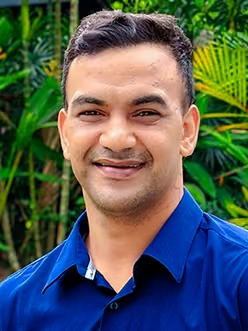
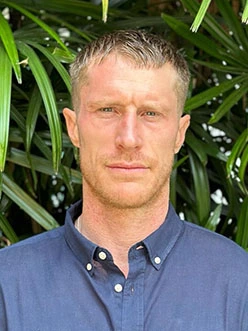
 Ryan Erispe is the Clinical Director at the Cabin, with experience as an addiction therapist from South Africa. He leads teams, develops programs, and empowers clients through evidence-based, trauma-informed care.
- Jordan Scott is an addiction counsellor with a degree from the University of Bath. He recently worked at Sharp Action on Addiction, focusing on group therapy.
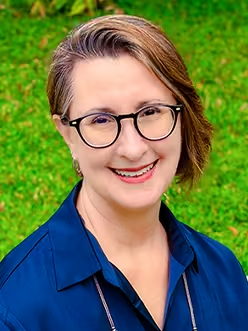
- Sharon Filbeck is a Primary Therapist at The Cabin, specialising in Recovery Counselling—phD in Counselling Psychology and BA in Anthropology.
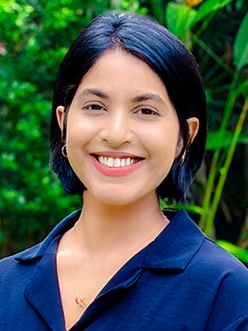
- Anushree is a dedicated psychotherapist with a Master’s in Counselling Psychology and extensive clinical experience in addiction and trauma.
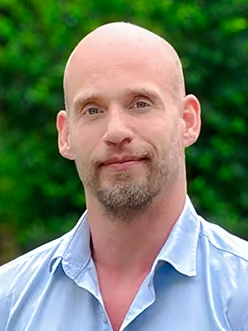
- Harald van Geest is a Primary Therapist and social psychologist with over 15 years of experience treating addiction and dual diagnosis.
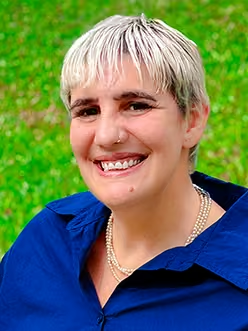
- Tanya van Leeuwen is a seasoned therapist with over seven years of experience specializing in residential addiction treatment and recovery.
Most Respected Rehab in Asia
OUR APPROACH TO LUXURY INPATIENT DRUG REHAB IN THAILAND
The Cabin Group is praised worldwide by experts and the media for our upscale alcohol and drug rehab centre. Our rehab in Chiang Mai, a top-notch inpatient wellness centre, provides personalised treatments as part of our residential rehab programme. With our experienced team’s support, you can overcome substance abuse and enhance your mental well-being. Your stay at our addiction treatment Thailand marks the start of your journey to sobriety.
Rehab Thailand Treatment Programmes
LEARN MORE ABOUT OUR TREATMENT
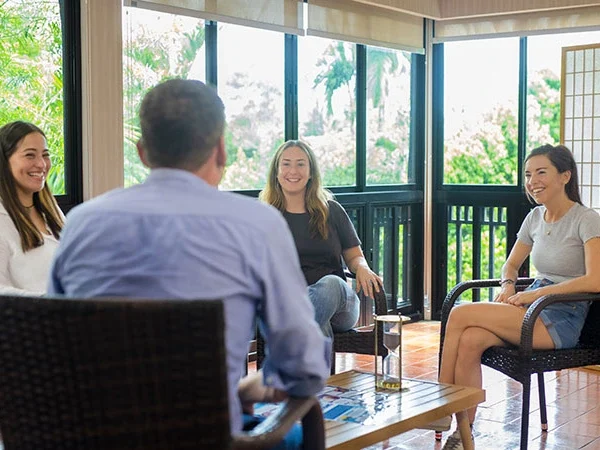



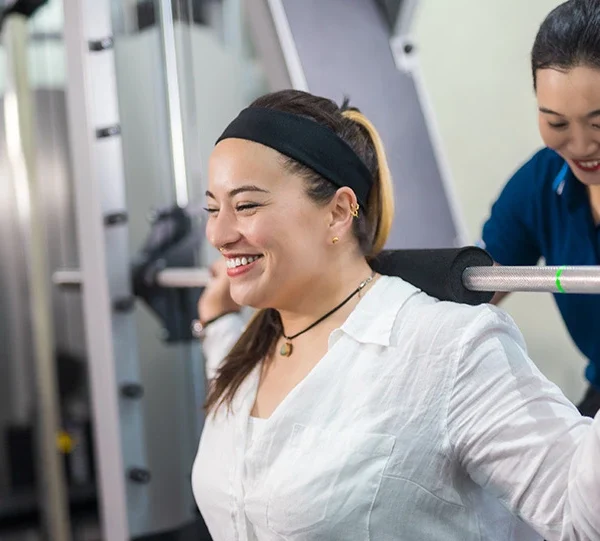
We understand that going through the difficult and sometimes risky process of withdrawal should never be faced alone. At our center for treating alcohol addiction in Thailand, you’ll receive continuous care from a team of skilled medical professionals and dedicated addiction therapists who ensure your early recovery phase and therapy are both safe and effective.
With their expertise, you’ll be fully supported every step of the way, receiving the appropriate guidance and care throughout your recovery journey. Here’s what you can typically expect during our alcohol addiction treatment:
Medical Withdrawal is a crucial first step in alcohol addiction treatment, as it helps safely manage the physical symptoms of withdrawal while clearing the body of harmful substances. During this process, individuals are closely monitored by medical professionals to ensure a safe and comfortable experience, minimising the risks associated with early recovery phase. early recovery phase prepares the body and mind for the next stages of treatment, allowing individuals to focus fully on their recovery journey.
At The Cabin’s inpatient treatment centre, our effective residential treatment programme boasts a 96% completion rate. Our unique method, Changing Pathways, combines Cognitive Behavioural Therapy (CBT), our own modernised version of the 12 Steps programme and Mindfulness Meditation, with an additional emphasis on physical fitness.
This innovative and world-class treatment programme is unique to any other alcohol addiction treatments offered in Thailand and is complemented by our highly accredited staff and, of course, the warm hospitality of Thai locals.
At The Cabin, we understand how vital aftercare is in preventing relapse, which is why we make sure every client has access to ongoing alcohol addiction help, also after leaving Thailand.
Our complimentary aftercare program offers regular online group therapy sessions, allowing clients to connect with their counsellor and peers in a familiar, supportive setting. This group dynamic has been shown to significantly boost the effectiveness of our alcohol addiction treatment program.
For those seeking more personalized care, we also provide options for paid one-on-one sessions, additional group therapy, or family counseling. With outpatient clinics in cities like Hong Kong, Singapore, and Sydney, as well as global telemedicine services, we provide continuous support no matter where our clients are.
We begin by getting to know you and your situation. This helps us create a recovery plan that works specifically for you. Your recovery journey is guided through three key phases: the Medical Withdrawal Programme to manage withdrawal safely, the Residential Drug Treatment Programme offering comprehensive therapy and holistic care, and the Aftercare Programme to support your long-term success and well-being.
Before you begin your recovery journey, we perform a thorough medical assessment to determine if you have a physical dependence that requires early recovery phase. If needed, our licensed medical team will create a personalised early recovery phase plan tailored to your individual situation.
In our Medical Withdrawal Programme, you’ll receive 24/7 supervision to ensure your safety and comfort throughout the process. Our team will monitor your progress closely, making any necessary adjustments to support your well-being providing you with a strong foundation for the next steps in your recovery.
The Cabin’s Residential Drug Treatment Programme offers a transformative experience in Thailand’s serene setting. Our acclaimed ‘Changing Pathways’ treatment approach combines modern, evidence-based therapies with holistic approaches. We offer programs ranging from 4 to 12 weeks.
During your stay, you’ll work closely with our expert team to uncover and address the root causes of your addiction. We’ll equip you with practical tools to manage cravings, build healthier habits, and rediscover joy in sober living.
Recovery doesn’t end when you leave our centre. We’ll work with you to create a solid plan for your return home and connect you with local support groups and counsellors.
But what sets us apart is our unique Online Video Continuing Care Programme. It lets you join face-to-face group sessions or one-on-one counselling from anywhere in the world. It’s our commitment to your long-term success.
We understand that living with a mental health condition—whether depression, anxiety, trauma, or burnout—can feel overwhelming, and it should never be faced alone. At our mental health retreat in Thailand, you’ll receive continuous care from a team of skilled medical professionals and dedicated therapists who ensure your assessment, stabilisation, and therapy are all safe and effective.
With their expertise, you’ll be fully supported every step of the way, receiving the right guidance and care throughout your recovery journey. Here’s what you can typically expect during your mental health treatment with us:
Your recovery begins with a thorough clinical evaluation, not assumptions. Our seasoned counsellors and medical professionals take the time to understand your full story—your symptoms, history, and goals—so nothing is overlooked from day one. This psychiatric and psychological assessment becomes the foundation of a treatment plan built specifically around your condition and severity, whether that’s depression, anxiety, trauma, burnout, or a co-occurring presentation.
Our Residential Tailored Therapy Programme offers a transformative experience in Thailand’s serene riverside setting. Our acclaimed ‘Changing Pathways’ approach combines evidence-based therapies such as CBT and DBT with holistic practices, blending Western methods with Eastern techniques. With programmes ranging from 4 to 12 weeks, you’ll work closely with our expert team to address the root causes of your mental health condition—building practical tools for emotional regulation, healthier routines, and lasting stability.
Leaving our riverside retreat isn’t goodbye. Recovery continues well beyond your stay, and we’re committed to your long-term success through our Continuing Care Programme. Benefit from free weekly online group sessions and personalised one-on-one counselling—accessible from anywhere in the world, so the support you built here travels home with you.
THE BEST DRUG AND ALCOHOL REHAB IN THAILAND!
We operate our luxury residential treatment centre surrounded by the natural beauty of Chiang Mai. You can engage with various treatment methods with our internationally certified therapists and begin on the road to sober living. Fully licensed by the Thai Ministry of Public Health, our drink and drug rehab in Thailand uses proven treatment methods to treat addiction, and you’ll experience a deep transformation on your path toward a new life.
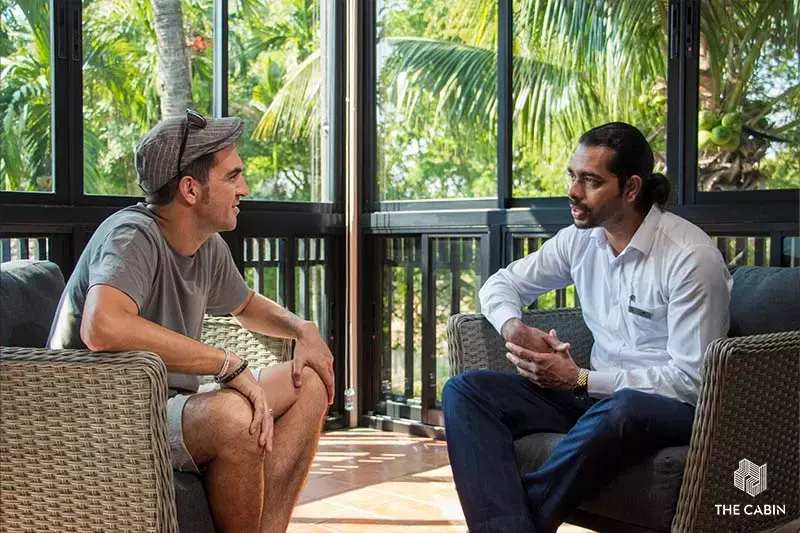
Luxury Addiction Treatment Centre With Tailored Treatment Programmes
At our luxury rehabs, each treatment is customised to you. Our team identifies the root causes of addiction before starting recovery, as they can differ widely. In Thailand’s addiction rehab centres, you’ll find a caring space with group therapy and CBT. Choosing The Cabin means top-notch early recovery phase for drugs and alcohol in Thailand.

Thailand The Ideal Destination For Our Drug And Alcohol Rehab In Asia
Leave Your Triggers Behind. Choosing our luxury treatment centres as the destination to begin healing your alcohol or drug addiction promises a safe and comfortable environment. And there are many good reasons to embrace rehab in Asia. Cost is far lower than in Western countries due to the general cost of living. Thai rehab centres offer privacy from your home country and work, allowing you to go on a “holiday” to Thailand and be part of the recovery community.
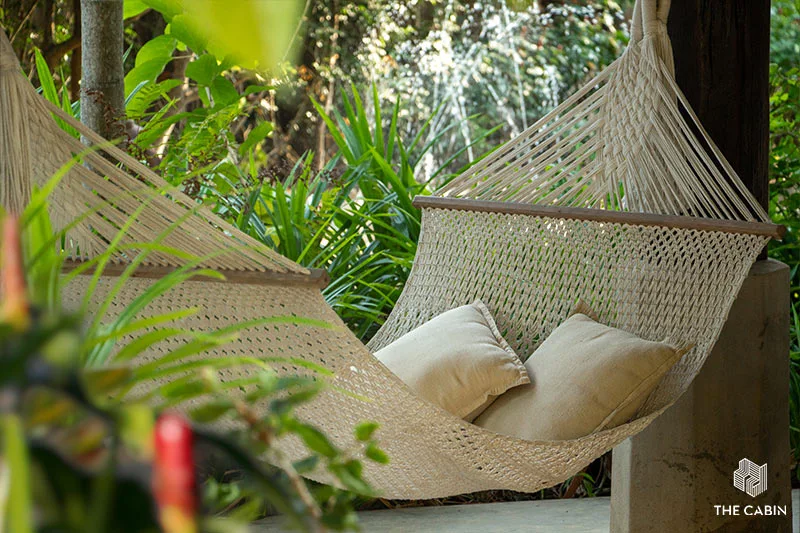

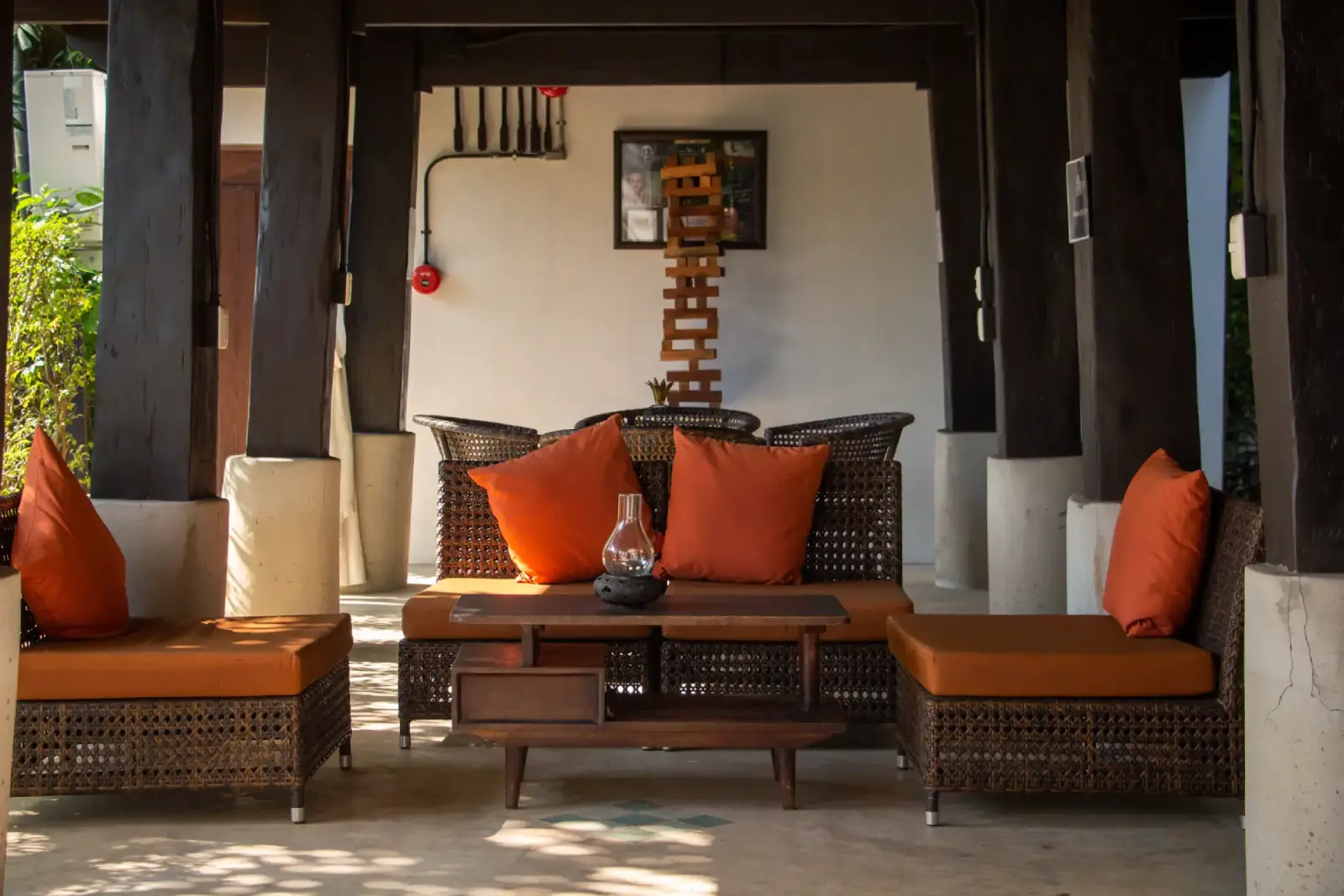
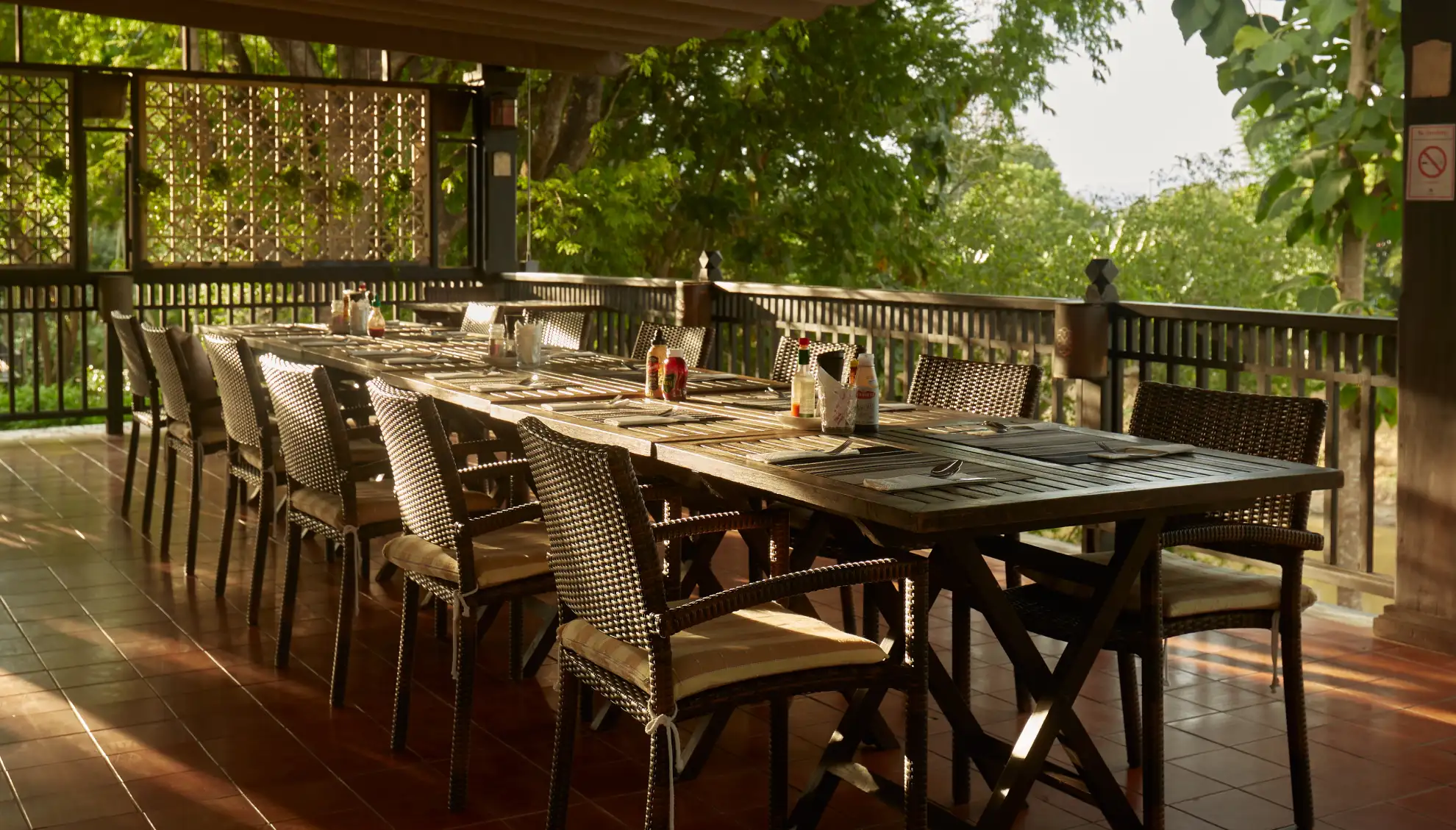
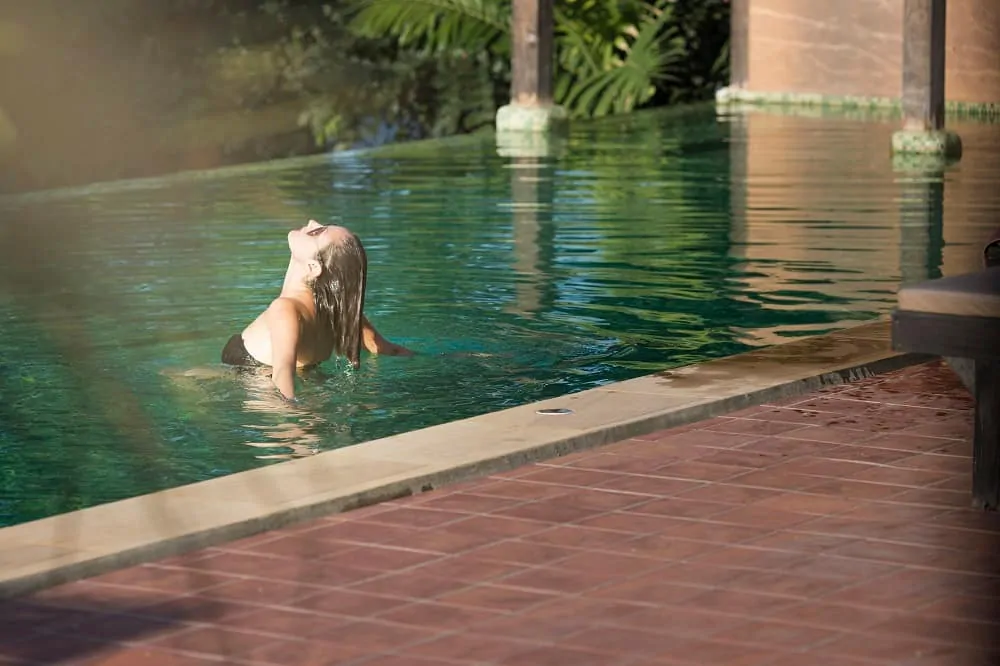


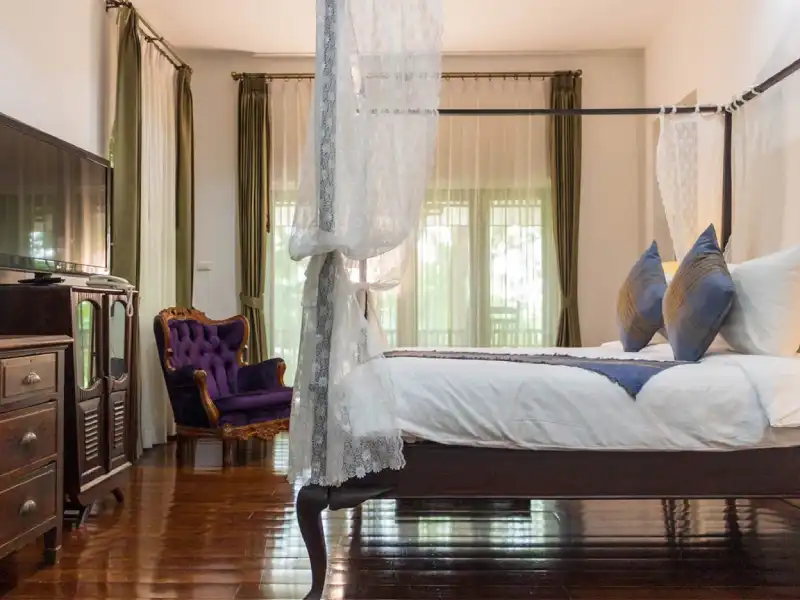
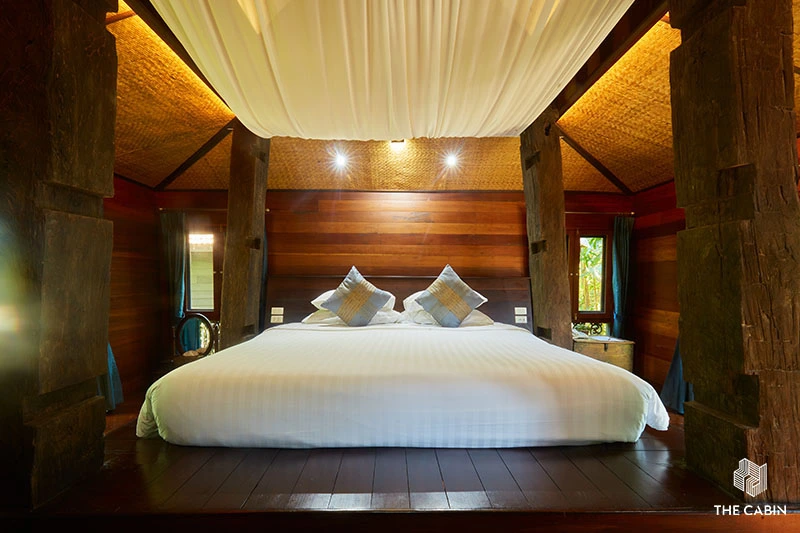
Outstanding Accommodations And Facilities
A Luxury Addiction Treatment Centre. Our luxury drug and alcohol rehabs will tailor each treatment program individually. Reasons for addiction vary greatly, so before recovery starts, our therapists and clinical team look for the underlying issues causing the addiction. The Cabin Chiang Mai, Thailand, rehab centres put you in a supportive environment that includes group therapy sessions and CBT (Cognitive Behavioural Therapy), among others. Checking into The Cabin assures you of receiving the best drug and beginning recovery from alcohol retreat in Thailand.

A Multi-disciplinary Integrative Team With A Passion To Create Lasting Recovery
You’re in good hands with experts. Our Clinical Team has more than 10 years of collective experience treating people from all over the world successfully. This team of highly experienced counsellors, therapists, nurses, psychiatrists, holistic staff, personal fitness trainers, and massage therapists – our emotional support dog- will look after you throughout your treatment journey. This team has expertise across a wide range of treatment modalities: CBT, mindfulness, 12-step principles, targeted group and one-on-one therapy, EMDR, art therapy, holistic treatment, and psychological counselling. The team works together in a cross-functional framework to put the client at the centre of the treatment experience.

The Cabin Thailand Rehab Centre Is Professionally Recognised Globally
The Cabin addiction rehab centres are globally recognised throughout the addiction treatment community. The group’s luxury recovery centres are honoured members of the British Psychological Society, Federation of Drug & Alcohol Practitioners (UK), Association of Psychologists and Counsellors (Singapore), and National Association of Addiction Treatment Providers. Many major insurance companies use us as their provider. Our facilities, including our Thailand rehab centre, have received much positive attention in the press, with many celebrities choosing us to beat their addiction issues.
Frequently Asked Questions
We are the most respected rehab in Asia – providing comprehensive,
- Comfortable, casual clothing suitable for the tropical climate
- Workout attire for fitness activities
- Personal toiletries and medications
- Swimwear
- Sunscreen and hat
- Chargers for electronic devices
- Notebook and pen for journaling
- The Cabin provides linens, towels, laundry service, and basic toiletries.
 The Mail on Sunday: The Cabin Rehab’s expert-led treatment programs and idyllic, supportive environment have been featured, underscoring its reputation for providing high-quality care.
 CNN GO : The Cabin Rehab was spotlighted for its effective and compassionate care, showcasing its unique position as a top-tier rehab facility in Asia.
 Marie Claire: The publication highlighted The Cabin Rehab as a trusted destination for personal transformation and well-being, acknowledging its role in helping individuals reclaim their lives.
 The Guardian: The Cabin Rehab’s evidence-based methods and commitment to comprehensive, holistic recovery were covered, cementing its status as a respected institution in the field of addiction rehabilitation.
 The Australian: Coverage in this national publication has emphasized The Cabin Rehab’s global reach and its reputation for attracting clients from around the world seeking a permanent path to recovery.
 News Com Au: Featured for its unique setting and professional team, the outlet has showcased The Cabin Rehab as a premier choice for those seeking discrete, effective, and transformative treatment.
Read More Addiction, Substance Abuse Treatment and Rehab Article
Articles on addiction, substance abuse treatment, and rehab from The Cabin Rehab Thailand, covering recovery, treatment approaches, and the journey to overcoming addiction with insight and understanding.


OUR LOCATION
WE ARE HERE
9 Khua Mung, Saraphi District, Chiang Mai 50140 Thailand
Located on the banks of the Ping River of Northern Thailand, our outstanding accommodations and luxury facility boasting lush greenery, swimming pools and a subtropical climate is an ideal environment to find breathing space and clarity.