Co-Occurring Disordered Eating Rehab in Thailand
Understanding the emotional needs and survival strategies that sit beneath struggles with food, body image and self-worth.Food struggles typically involve more than food, often appearing as coping mechanisms alongside addiction. At The Cabin, we offer compassionate treatment for both the behaviours and their emotional roots, addressing the cause to support lasting recovery.
Rehab in Thailand: The Cabin Chiang Mai Reviews
Real stories from our clients—read verified reviews from those who began their recovery journey with us.
Understanding Co-Occurring Disordered Eating
Disordered eating and addiction frequently occur alongside one another. While society often views eating issues primarily through the lens of food, weight or appearance, the reality is much deeper.
At The Cabin, we understand that struggles with food are deeply connected to emotional well-being, self-worth and identity. You don’t need a formal eating disorder diagnosis to be suffering. Many people experience profound distress around body image, exercise and eating patterns that quietly drain their quality of life.

From a psychological perspective, these behaviours rarely happen in a vacuum — they are often survival strategies. Whether you find yourself restricting food to feel a sense of control during emotional chaos, bingeing to soothe distress and loneliness, or following strict food and exercise rules to find predictability in an overwhelming world, these actions serve a purpose. They may bring relief in the moment, but over time, they tend to harden into rigid, isolating loops that become exhausting to sustain and increasingly difficult to break on your own.
At The Cabin, we take a compassionate, clinically informed approach to co-occurring disordered eating and addiction. Rather than focusing on symptoms alone, we help you understand the emotional needs, coping strategies and life experiences that may sit beneath your relationship with food, your body, your self-worth and any substance use — and we help you build healthier ways to meet those needs, so recovery can last.
How We Treat Co-Occurring Disordered Eating
Recovery isn’t about achieving perfection around food, exercise or appearance. It’s about developing healthier ways to meet your emotional needs, respond to distress, and build a more balanced relationship with yourself.
Our approach combines evidence-based addiction treatment with psychological support that addresses the emotional and behavioural patterns often tied to disordered eating.
Treatment focuses on helping you:
Every plan is tailored to you, recognising that your experiences, challenges and recovery goals are unique. We know how hard — and how isolating — it can be to face disordered eating and addiction at the same time. From your first day, you’re supported by a specialist clinical team who treat the two together rather than in isolation. Here’s how treatment usually unfolds.
Clinical Assessment
Your journey begins with a thorough medical and clinical assessment. This helps us understand your health, your history and the needs beneath your relationship with food and any substance use — and it becomes the foundation for a treatment plan built around you.
Residential Treatment
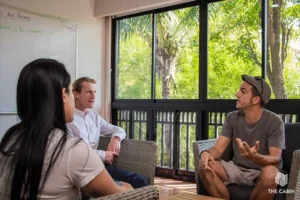
Your personalised plan is grounded in The Cabin’s Changing Pathways approach, integrating individual therapy, group sessions, specialist disordered-eating work and supportive guidance to help you rebuild a healthier relationship with food. Alongside this, holistic therapies — mindfulness, yoga, somatic movement, art psychotherapy, EMDR and dynamic neurofeedback — support your emotional and physical well-being, all in a calm, restorative setting.
Ongoing Support & Aftercare
Recovery doesn’t end when your stay does. Our aftercare keeps you connected through online group sessions and continued contact with your counsellor and peers, wherever you are — helping you carry your progress into everyday life and stay supported for as long as you need.
The Day in the Life at The Cabin Chiang Mai
From the moment you arrive, your care is designed to help you feel safe, supported and understood. After a thorough assessment, your clinical team builds a personalised plan around your needs, history and recovery goals — and your days balance therapeutic work with movement, nourishment, rest and reflection.
|
7:00 am |
Yoga |
|
7:30 am |
Breakfast |
|
9:00 am |
Process Group |
|
10:15 am |
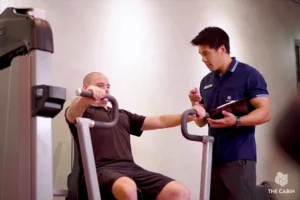
Fitness Session |
|
11:30 am |
Psych Ed GPs 1, 2, 3 Trauma |
|
12:30 pm |
Lunch |
|
2:00 pm |
Counselling, Holistic |
|
4:00 pm |
Personal Training, Massage |
|
5:00 pm |
Group Holistic |
|
6:00 pm |
Dinner |
|
7:00 pm |
Offsite NA, AA Onsite |
|
10:00 pm |
Bedtime |
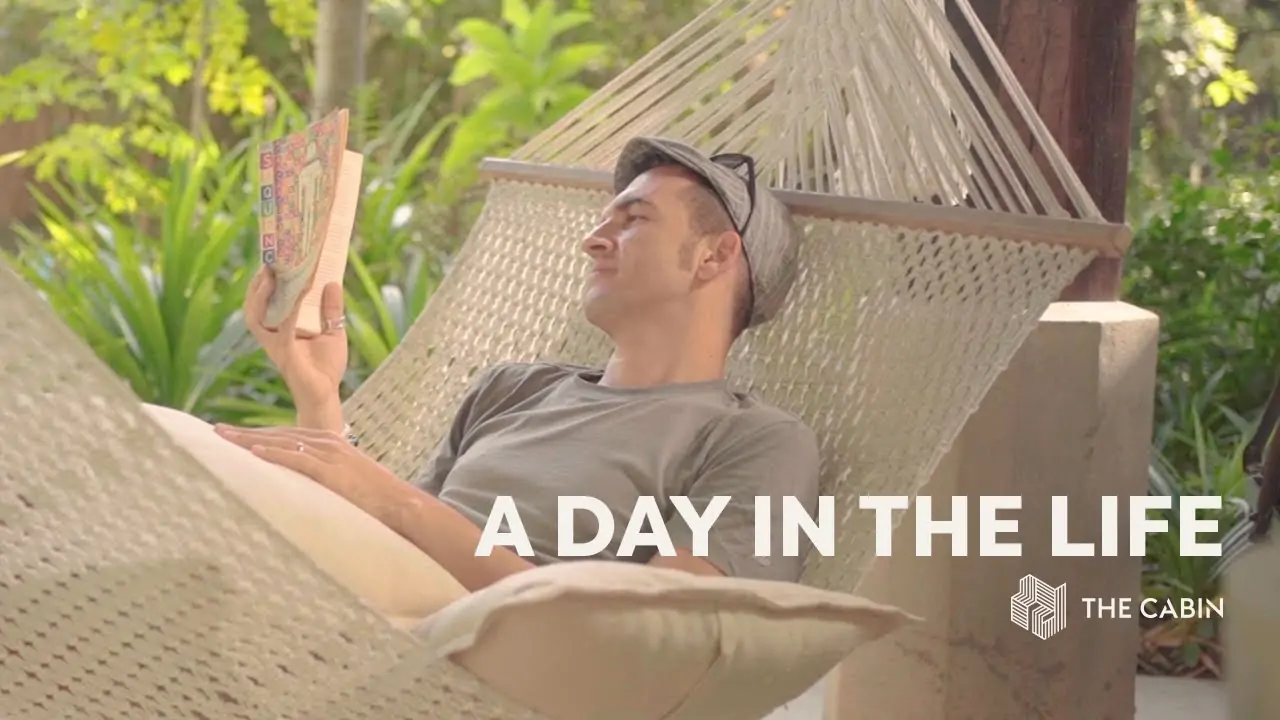
Throughout, you’ll take part in therapies tailored to you — which may include art therapy, yoga or somatic movement — building the coping skills and confidence that support lasting recovery. Our Medical Advisory Board oversees the whole process, so you receive the highest standard of care at every step.
Our Specialists
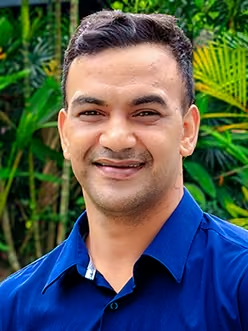
Ryan Eripse
Clinical Director
BAPSA M9898337
ASCHP 2073411
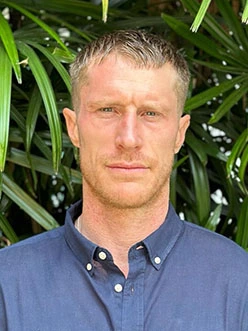
Jordan Scott
Counsellor
ADAP Member
(Certification 1444)
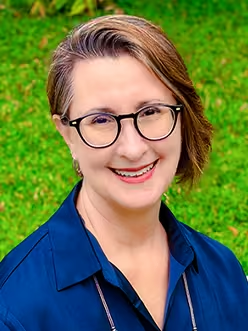
Sharon Filbeck
Counsellor
PhD Counselling Psychology

Anushree Peddhadda
Counsellor
BSc (Hons), MA Counselling Psychology
Why Choose The Cabin
Choosing The Cabin Chiang Mai means a recovery experience built around you. Some of what sets our treatment apart:

- Personalised treatment plans — care shaped around your specific needs, history and goals.
- A whole-person approach — individual and group therapy that helps you break the compulsive patterns around food while rebuilding self-esteem and addressing what drives them.
- Integrated, comprehensive care — mindfulness, yoga, art psychotherapy and somatic movement supporting your mental, emotional and physical well-being.
- An expert team — Western-trained specialists, many with their own recovery experience, overseen by our Medical Advisory Board.
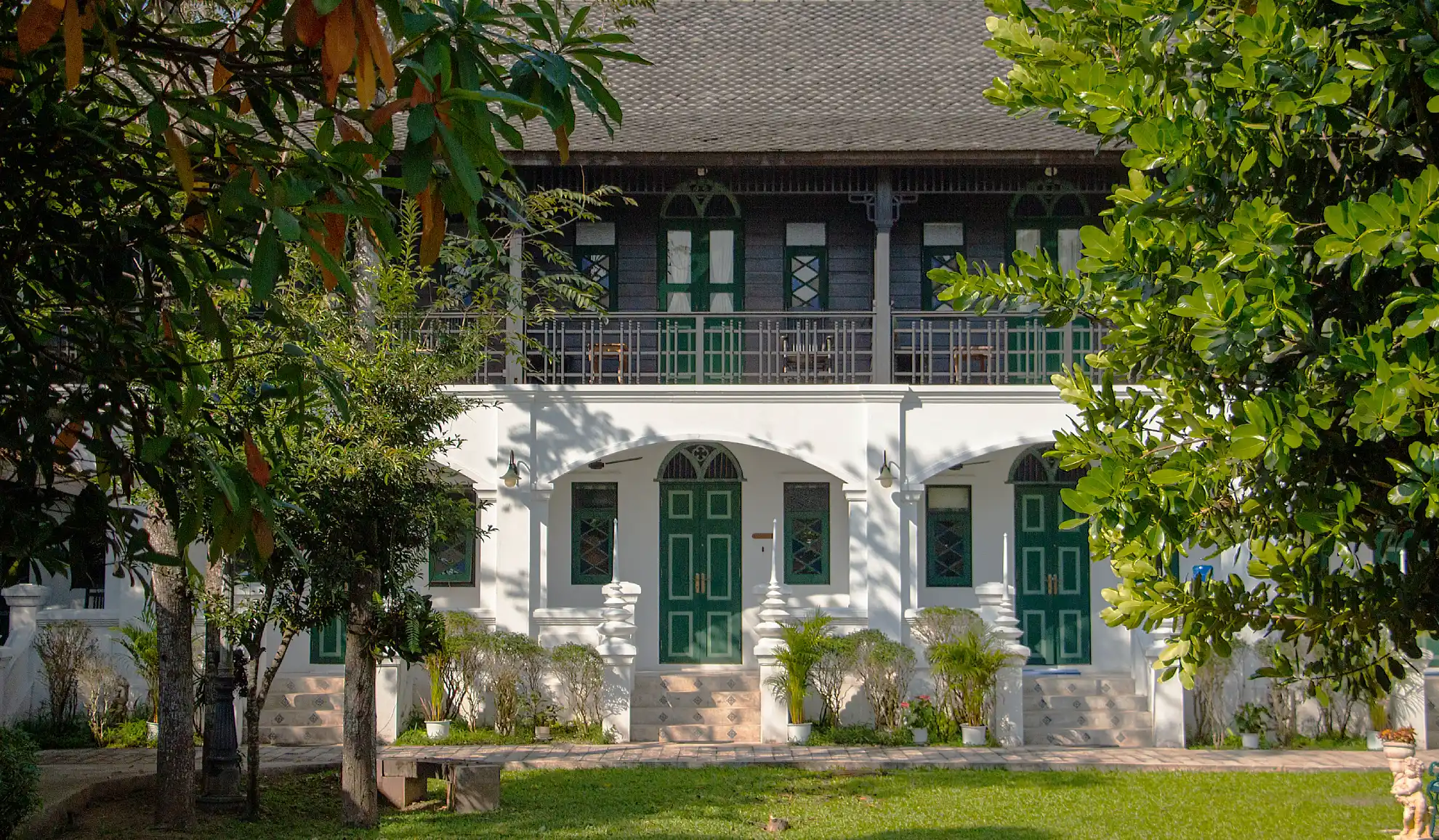
- A healing environment — tranquil, private surroundings in the mountains of Northern Thailand.
- Ongoing support — aftercare with online group sessions and optional one-to-one counselling to protect your long-term recovery.
Why Residential Treatment Helps
Inpatient treatment gives you something everyday life rarely can: time, distance and round-the-clock support to focus fully on recovery. In a calm, structured environment, our personalised plans help you break the compulsive patterns around food and address what drives them, through methods such as group therapy and art psychotherapy — supported around the clock by Western-trained specialists and experienced medical staff, including a lead psychiatrist, psychologists and nurses. As part of your care, you’re supported to rebuild a calmer, healthier relationship with food, and our aftercare keeps that support going once you return home.



Frequently Asked Questions
about Co-Occurring Disordered Eating Treatment in Thailand
Begin Your Path to Recovery
For Healthcare Professionals Referring Clients
We value our partnerships with healthcare providers. If you’re a GP, psychiatrist, psychologist, counsellor, or case manager looking to refer a client, we’re here to collaborate. Reach out to us via email, phone, or our online contact form, and we’ll guide you through our referral process.
For Individuals Seeking Treatment
Choosing to get help is a big step, and we’re here to support you every step of the way. Our program is designed to help you overcome your struggles with technology and provide you with a chance for real personal growth.
For Loved Ones Seeking Support
We recognise the impact addiction has on families and friends. Our specialised care tackles addiction and related mental health concerns, creating a compassionate environment where your loved ones can find the healing they need.