Short and long-term effects of heroin negatively affect the brain and central nervous system.

Heroin is commonly found in powder or tar-like forms. It is dangerous because it rapidly enters the bloodstream, causing intense euphoria. The drug’s highly addictive nature makes it a major health risk. Abuse occurs when people use heroin repeatedly, ignoring the harmful consequences, such as physical dependence and experiencing an increase in their tolerance. The drug alters brain function, making it difficult to stop use without professional help.
Recognizing the short-term and long-term effects of heroin is crucial for prevention, awareness, and treatment. The short-term effects include euphoria, drowsiness, and respiratory depression, all of which pose serious risks, especially when combined with other substances. Long-term use can lead to significant health problems, including liver damage, heart infections, and cognitive impairments. The quick transition from occasional use to addiction, highlights the importance of being aware of heroin’s consequences.
Distinguishing between heroin’s immediate and lasting effects is necessary. The short-term effects can mask the harmful long-term consequences, encouraging continued use. Awareness of the immediate and lasting dangers allows for earlier intervention, helping to reduce overdose rates and improving recovery outcomes for those struggling with drug abuse. Identifying heroin’s distinct effects aids in creating more focused prevention and treatment methods.
Short-Term Effects of Heroin
1. Euphoria or Rush
Euphoria, or a rush, is an intense, sudden feeling of pleasure or excitement that occurs shortly after heroin is used. The drug rapidly crosses the blood-brain barrier, causing a surge in dopamine production, which results in feelings of intense joy and well-being.
The effect is highly addictive. The sudden, intense pleasure creates a desire to repeat the experience, which can quickly lead to tolerance, dependence, and addiction.
No, euphoria or rush does not cause death. The repeated pursuit of the sensations may result in overdose, and when higher doses are consumed in an attempt to prolong the effect.
2. Warm Flushing of the Skin
Warm flushing of the skin is a common effect of heroin use, where the skin may feel warm and appear reddened or flushed. Warm flushing occurs due to the drug’s impact on the body’s blood vessels, causing them to dilate and increase blood flow to the skin’s surface.
The flushing can cause discomfort. It indicates that the body is reacting to the drug, potentially leading to other effects like dizziness or nausea.
No, warm flushing of the skin does not cause death, but it can be a sign of overdose if accompanied by other severe symptoms.
3. Dry Mouth
Dry mouth, or cottonmouth, is a common side effect of heroin use. It occurs when the drug reduces saliva production, leaving the mouth feeling dry and uncomfortable.
Dry mouth leads to discomfort and increases the risk of dental issues, including cavities and gum disease, if left untreated.
No, dry mouth itself does not cause death, but persistent dry mouth contributes to oral health problems over time.
4. Heavy Arms and Legs
Heavy arms and legs are the sensation of extreme weakness or lethargy in the limbs. The effect occurs when heroin depresses the central nervous system. It may impair motor functions and cause the muscles to feel weak and difficult to move.
The effect may impair a person’s ability to perform physical tasks, increasing the risk of accidents. Prolonged weakness contributes to overall physical decline in heavy users.
No, heavy arms and legs do not cause death, but if combined with other symptoms of overdose, it indicates the need for immediate medical attention.
5. Severe Itching
Severe itching is a common side effect of heroin use, occurring due to the drug’s interaction with histamine release in the body, which causes skin irritation and a strong urge to scratch.
Severe itching is generally not dangerous, but persistent itching may lead to skin damage if scratching becomes excessive. It can contribute to discomfort and anxiety.
No, severe itching does not cause death. It may indicate an allergic reaction or overdose, which can be life-threatening if not treated.
6. Nausea and Vomiting
Nausea and vomiting are common physical responses to heroin use. The drug alters the normal function of the digestive system, slowing gastric motility and stimulating the brain’s vomiting centre, leading to unpleasant symptoms.
Nausea and vomiting lead to dehydration, which strains the body’s systems. Chronic vomiting results in malnutrition and weight loss, further affecting a person’s overall health.
No, nausea and vomiting themselves do not cause death, but they signal a deeper issue, including overdose, which can be fatal if not treated.
7. Drowsiness or Nodding off
Drowsiness or nodding off is a common effect of heroin use, where the user experiences an overwhelming sense of sleepiness or a state of semi-consciousness. The effect occurs as the drug depresses the central nervous system, slowing brain activity and inducing a sedative effect.
Drowsiness can impair motor skills, concentration, and reaction time, increasing the risk of accidents. Excessive drowsiness can lead to unresponsiveness, indicating potential overdose in severe cases.
No, drowsiness or nodding off alone does not cause death. If accompanied by other signs of overdose, including slow breathing or unresponsiveness, it may be life-threatening.
8. Clouded Thinking and Slowed Mental Function
Clouded thinking and slowed mental function are states of mental fog or confusion often experienced during heroin use. The drug interferes with cognitive processes, impairing memory, concentration, and the ability to think clearly.
These effects may severely impair decision-making, increasing the likelihood of accidents, risky behaviors, or poor judgment. Chronic use can lead to long-term cognitive decline and mental health issues.
No, clouded thinking and slowed mental function do not directly cause death. However, prolonged use can lead to more severe health consequences, including overdose, which can be fatal.
9. Slowed Breathing and Heart Rate
Slowed breathing and heart rate are a result of heroin’s depressive effects on the nervous system. The drug reduces the signals that regulate heart and lung function, causing both to slow down.
Slowed functions put the body at risk by reducing oxygen flow, which leads to insufficient organ function. It can cause a lack of oxygen in the blood, putting vital organs in a problematic situation.
Yes, if the slowing of breathing and heart rate becomes too slow, it may lead to fatal respiratory failure or cardiac arrest. Immediate medical attention is necessary to prevent these life-threatening consequences.
Long-Term Effects of Heroin
1. Physical Dependence and Tolerance
Physical dependence and tolerance occur when the body becomes used to heroin, requiring higher doses for the same effect. The body adapts to the drug, and stopping or reducing use can result in withdrawal symptoms.
The effect is highly addictive. The sudden, intense pleasure creates a desire to repeat the experience, which can quickly lead to tolerance, dependence, and addiction.
Yes, physical dependence and tolerance increase the likelihood of fatal overdose. Larger doses overwhelm the body’s systems, leading to life-threatening conditions.
2. Addiction
Addiction develops when heroin alters brain function, leading to compulsive drug use. The brain adapts to the drug, causing a strong need to continue use to avoid withdrawal symptoms. The pursuit of obtaining and using heroin overrides normal functions and decision-making over time.
Addiction affects mental and physical health. The constant need for the drug damages the organs, reduces cognitive ability, and may destroy relationships. It becomes difficult to function without the substance, leading to a deep cycle of dependency.
Yes, addiction increases the risk of death. The cycles of repeated use and escalating doses raise the likelihood of overdose and other fatal health complications.
3. Brain Changes Affecting Decision-making and Behaviour
Brain changes from heroin use disrupt normal cognitive functions. Heroin alters the brain’s reward system, leading to impaired decision-making and dangerous behaviour. These changes make it difficult to control impulses, resulting in risky actions and compulsive drug-seeking behaviour.
The negative changes affect judgment, leading to poor choices, risky behaviours, and a disregard for long-term consequences. The brain’s ability to process information and plan effectively becomes impaired over time.
Yes, the altered decision-making process may contribute to fatal outcomes. Risky behaviours, including using higher doses or combining drugs, increase the likelihood of an overdose and accidental death.
4. Collapsed Veins (from injection use)
Collapsed veins occur when heroin is repeatedly injected into the same veins, causing them to become scarred and weakened. The veins lose their ability to expand and contract properly, leading to blockages and reduced blood flow over time.
Collapsed veins increase the risk of infections, abscesses, and blood clots. The long-term damage to veins makes it harder to inject drugs, leading to further harm as consumers search for new injection sites.
Yes, collapsed veins raise the risk of serious complications. Infections or blood clots may travel to vital organs, potentially causing life-threatening conditions, including sepsis, stroke, or a pulmonary embolism.
5. Liver, Kidney, and Lung Disease
Heroin use impacts the liver, kidneys, and lungs, as the organs are responsible for processing the drug and its toxins. The strain can lead to chronic diseases over time, including cirrhosis, kidney failure, and respiratory conditions.
The damage to vital organs compromises the body’s ability to process toxins and maintain essential functions. This type of damage may lead to long-term health deterioration, making it harder for the body to recover from other complications.
Yes, the cumulative damage from prolonged heroin use results in organ failure. Liver, kidney, and lung diseases may progress to critical stages, causing life-threatening complications and eventual death if untreated.
6. Chronic Constipation and Gastrointestinal Issues
Chronic constipation and gastrointestinal issues arise from heroin’s depressive effects on the gastrointestinal system. The drug interferes with the natural movement of the intestines, slowing digestion and causing long-term problems in nutrient absorption and bowel functions.
These issues put additional stress on the digestive tract, leading to painful blockages, difficulty in passing waste, and increasing the potential for long-term damage to the intestines. The issues noted may impair digestive health, also directly affecting appetite and nutrition.
Yes, untreated gastrointestinal issues can lead to severe complications, including bowel perforation or a ruptured intestine. The conditions can become life-threatening if not addressed promptly.
7. Heart Infections and Abscesses
Heart infections and abscesses develop when heroin users inject the drug with unclean needles. A dirty injection process introduces bacteria into the bloodstream, which travel to the heart, causing infections like endocarditis. Abscesses form when localised infections occur under the skin or in muscle tissue.
Heart infections and abscesses can lead to severe complications, including damage to heart valves, organ failure, or sepsis. The presence of abscesses may result in tissue damage, making recovery difficult and increasing vulnerability to further infections.
Yes, heart infections and abscesses are fatal. Infections like endocarditis may lead to septic shock. Untreated abscesses can also cause widespread infection, resulting in life-threatening conditions.
8. Infectious Disease
Heroin use increases susceptibility to infectious diseases among users, especially those who inject the drug. The practice of sharing needles or using non-sterile equipment exposes the body to harmful pathogens, making it easier for infections to take hold.
Chronic exposure to infections weakens the immune system, leaving users vulnerable to a range of diseases that complicate other aspects of health. Some infections (Hepatitis C) remain asymptomatic for years, gradually damaging organs before becoming apparent.
Yes, untreated infections may lead to fatal consequences. Human Immunodeficiency Virus (HIV) and Hepatitis B/C can cause irreversible damage to vital organs, potentially leading to liver failure, cancer, or other life-threatening conditions over time.
9. Sexual Dysfunction in Men
Sexual dysfunction in men occurs with prolonged heroin use, due to its impact on the nervous and hormonal systems. The drug disrupts the production of testosterone and impairs blood flow, leading to issues including erectile dysfunction, reduced libido, and difficulty achieving orgasm.
Sexual dysfunction affects physical health and emotional well-being, leading to relationship issues and reduced self-esteem. Chronic use can lead to long-term reproductive health problems if not addressed or treated.
No, sexual dysfunction itself does not directly cause death. The underlying health issues caused by prolonged heroin use, including heart problems or liver disease, can be life-threatening if untreated.
10. Menstrual Irregularities in Women
Menstrual irregularities occur in women who use heroin due to the drug’s impact on the hypothalamic-pituitary-ovarian axis, which regulates the menstrual cycle. Heroin disrupts the production of hormones like estrogen and progesterone, leading to irregular periods or the cessation of menstruation.
The disruptions lead to infertility and long-term reproductive issues. The impact on the endocrine system may extend beyond menstruation, affecting other areas of health like bone density and cardiovascular function.
No, menstrual irregularities do not cause death. The broader hormonal disruptions caused by heroin use can lead to serious long-term health consequences, if untreated, including an increased risk of osteoporosis and heart disease.
11. Mental Health Problems
Mental health problems arise from heroin use due to its impact on brain chemistry. The drug alters neurotransmitter systems, particularly the parts involved in mood regulation, leading to conditions like anxiety, depression, and paranoia.
Mental health problems from heroin use can severely affect daily functioning, leading to isolation, emotional instability, and a reduced ability to cope with stress. Long-term use can escalate the issues, increasing the risk of suicidal thoughts and self-harm.
Yes, mental health problems linked to heroin use leads to death. Depression, anxiety, and other psychological disorders may result in self-destructive behaviours, including overdoses and suicide.
Why is Heroin Dangerous in Both the Short Term and Long Term?
Heroin is dangerous in the short term and long term because it disrupts critical bodily functions and alters brain chemistry. Immediate effects include intense euphoria, slowed breathing, impaired decision-making, nausea, drowsiness, and a high risk of overdose leading to death. The effects occur quickly after use and place immense strain on the body, causing rapid physical and psychological damage. Long-term heroin use can result in persistent health problems, including addiction, organ damage affecting the liver, kidneys, and lungs, collapsed veins from injections, chronic constipation, hormonal imbalances, mental health disorders, and increased vulnerability to infections.
Prolonged use can reshape the brain’s reward system, creating dependence while weakening judgment, emotional control, and stress response. The combination of immediate and chronic effects generates a cycle of physical and psychological deterioration, raising the probability of fatal outcomes, severe illness, and lasting health impairment.
How does Heroin Work in the Brain and Body?

Heroin affects the brain and body by binding to opioid receptors, which regulate pain, reward, and stress responses. Activation of these receptors produces intense feelings of euphoria while suppressing pain signals.
This type of interaction triggers the release of dopamine in brain regions responsible for reward and motivation, reinforcing repeated use and creating strong dependence. Respiratory and cardiac functions slow, as the drug depresses the central nervous system, and gastrointestinal activity becomes irregular.
Long-term exposure alters neural circuits, impairing judgment, emotional regulation, and stress response. Heroin changes brain structure and function, demonstrating how drugs affect the brain by disrupting natural communication between neurons, as well as weakening the systems that control pleasure and survival instincts.
What Happens If You Snort Heroin?
The results of snorting heroin are listed below.
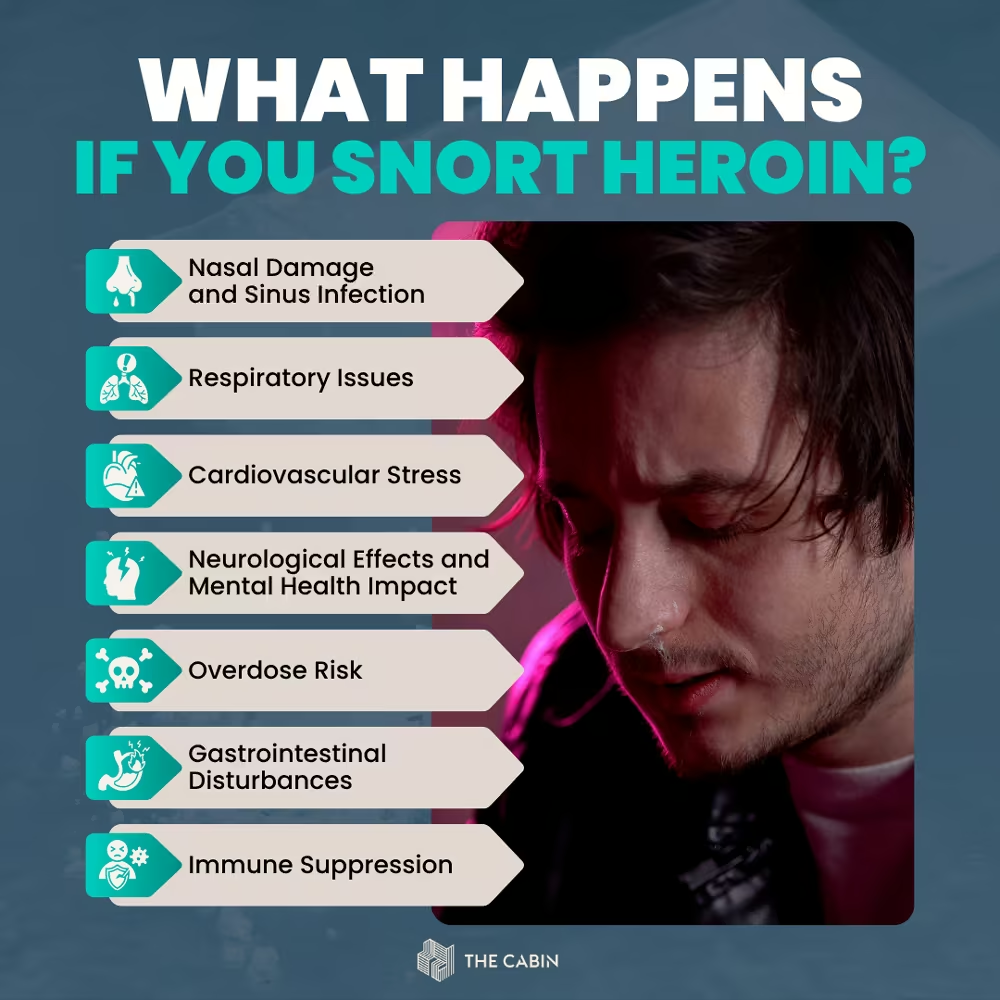
- Nasal Tissue Damage: Repeated snorting can irritate and erode nasal membranes, which may lead to chronic nosebleeds, inflammation, and a loss of sense of smell.
- Sinus Infections: The use of heroin may increase susceptibility to bacterial infections in the sinus cavities, causing pain, pressure, and potential long-term sinusitis.
- Respiratory Complications: Heroin particles may enter the lungs, leading to inflammation and increasing the risk of conditions including bronchitis, pneumonia, and long-term lung damage.
- Cardiovascular Stress: Snorting heroin can cause an initial increase in heart rate and blood pressure, which may later lead to depressant effects on the cardiac function.
- Neurological Effects: The rapid onset of euphoria may encourage repeated use, which may alter brain circuits in areas responsible for reward and decision-making, which may lead to substance dependence.
- Overdose Risk: The quick absorption of heroin through the nasal route can increase the likelihood of respiratory depression and overdose, which may lead to unconsciousness or death.
- Gastrointestinal Disturbances: Heroin use may disrupt the autonomic nervous system, leading to symptoms like constipation, nausea, and abdominal pain.
- Immune System Suppression: Long-term heroin use may weaken the immune system, increasing the risk of infections, and slowing recovery from illnesses.
- Mental Health Impairment: Frequent use may contribute to anxiety, depression, and other mental health issues, increasing the likelihood of long-term psychological disorders.
What are the Effects of Smoking Heroin?
The effects of smoking heroin are listed below.
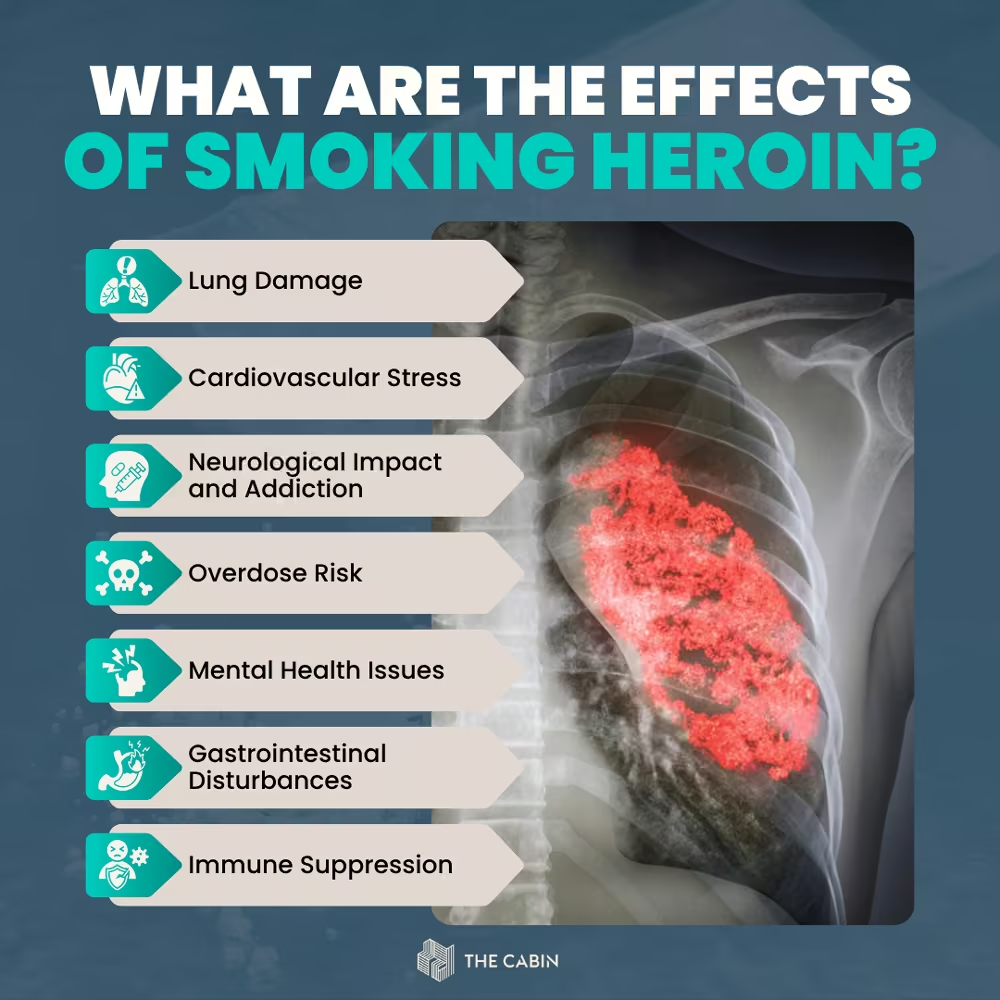
- Lung Damage: Smoking heroin irritates and damages the lungs, leading to chronic conditions including bronchitis, pneumonia, and long-term respiratory issues.
- Cardiovascular Stress: This method of use increases the heart rate and raises blood pressure, overstressing the cardiovascular system. It may contribute to heart problems and increased risk of stroke or arrhythmias over time.
- Neurological Impact: Smoking heroin triggers a rapid release of dopamine, causing intense euphoria. It increases the desire for continued use, which may lead to addiction and cognitive impairments over time.
- Overdose Risk: The fast absorption of heroin via the lungs increases the risk of overdose. Respiratory depression is a serious concern, where breathing slows to life-threatening levels.
- Mental Health Issues: Long-term heroin use may result in mental health disorders, including depression, anxiety, and mood swings, all of which may worsen as the drug alters brain chemistry.
- Immune System Suppression: Smoking heroin weakens the immune system, increasing the likelihood of infections and slows the recovery time from illnesses.
- Addiction: The rapid onset of euphoria reinforces repeated use, making it difficult to stop without medical treatment and outside support. Addiction becomes more likely with prolonged use, leading to long-term dependence.
What are the Dangers of Injecting Heroin?
The dangers of injecting heroin are listed below.
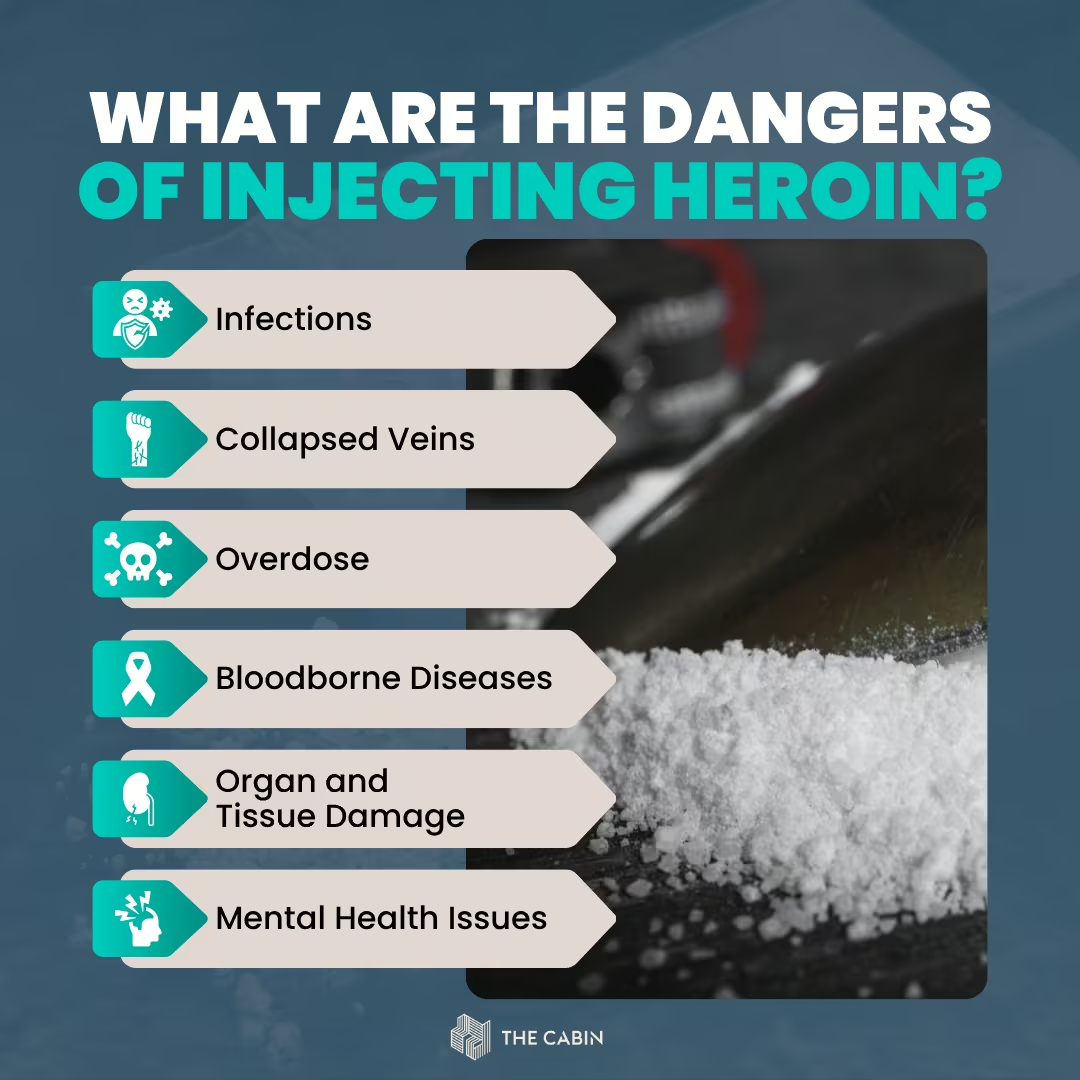
- Infections: Using unclean needles or injecting in unsanitary conditions introduces bacteria into the bloodstream, which increases the risk of diseases like abscesses, cellulitis, and endocarditis (heart valve infection).
- Collapsed Veins: Repeated injection into the same veins causes scarring and weakness, leading to vein collapse and increases the difficulty of finding usable veins.
- Overdose: Injecting heroin directly into the bloodstream results in a fast onset of effects. The risk of overdose is often higher because users may increase the dose to experience the same euphoria, leading to fatal respiratory depression.
- Bloodborne Diseases: Sharing needles or equipment puts users at risk of contracting HIV, Hepatitis B, and Hepatitis C, which all cause long-term health complications.
- Organ Damage: Injecting heroin repeatedly can damage the liver and kidneys, as the body struggles to process the drug. The damage inflicted may lead to long-term health problems, including organ failure.
- Tissue Damage: The drug can cause damage to the tissue surrounding the injection site, leading to necrosis, abscess formation, or gangrene in severe cases.
- Mental Health Issues: Chronic use of heroin by injection can lead to mental health problems, including anxiety, depression, and cognitive impairments due to the impact on brain function.

What Health Risks Come from Short-Term Heroin Consumption?
The health risks that come from short-term heroin consumption are respiratory failure, coma, and death. Overdose is a major concern as heroin depresses the respiratory system, which may lead to respiratory failure, coma, or possibly death. The danger increases when heroin is mixed with other depressants, like alcohol or benzodiazepines, since the substances amplify the depressant effects, causing extreme slowing of the heart and breathing. Injecting heroin introduces additional risks, primarily infections. The use of unclean needles or injecting in unsanitary environments increases the likelihood of serious illnesses, including abscesses and bloodborne diseases(HIV and Hepatitis).
Contributing factors include alcohol addiction when heroin is used in conjunction with alcohol, reinforcing the risk of overdose and long-term health complications. These risks demonstrate how heroin consumption can have immediate and potentially fatal consequences on a person’s physical and mental health.
How does Heroin Affect the Body in the Short Term?
Heroin affects the body in the short term by impacting various organ systems. Heroin alters neurotransmitter activity in the brain, affecting dopamine, which leads to intense bursts of euphoria. The chemical alterations reinforce repeated use and promote addiction by disrupting the natural reward mechanisms. The lungs are also affected by respiratory depression, as heroin slows breathing, potentially leading to shallow or irregular respiration. It can result in a lack of oxygen in the body, further contributing to life-threatening conditions.
The heart experiences a slowed-down pumping rate, reducing blood flow and potentially leading to cardiovascular instability. The skin may flush due to the dilation of blood vessels, and users often experience itching due to heroin’s effect on histamine release. These effects, while temporary, illustrate the immediate harm heroin causes to vital organ systems, making it clear how dangerous even short-term use can be.
How Does Long-Term Heroin Use Affect the Brain?
Long-term heroin use affects the brain by significantly changing its function. The drug interferes with neurotransmitter systems, particularly dopamine, which plays a role in regulating pleasure and reward. The disruption results in a reduced ability to feel pleasure from everyday activities, reinforcing the need for more heroin to achieve any sense of well-being.
Prolonged use also leads to structural changes in the brain, specifically in areas related to decision-making, memory, and behaviour. These changes impair cognitive abilities and emotional regulation. Loss of white matter in the brain is one of the most severe effects. White matter is essential for communication between different regions of the brain, and its loss contributes to difficulties in processing information, poor decision-making, and reduced motor function. The cumulative effect of these alterations leads to long-term cognitive and behavioural impairments.
What are the Physical Long-Term Effects of Heroin?
The physical long-term effects of Heroin are listed below.
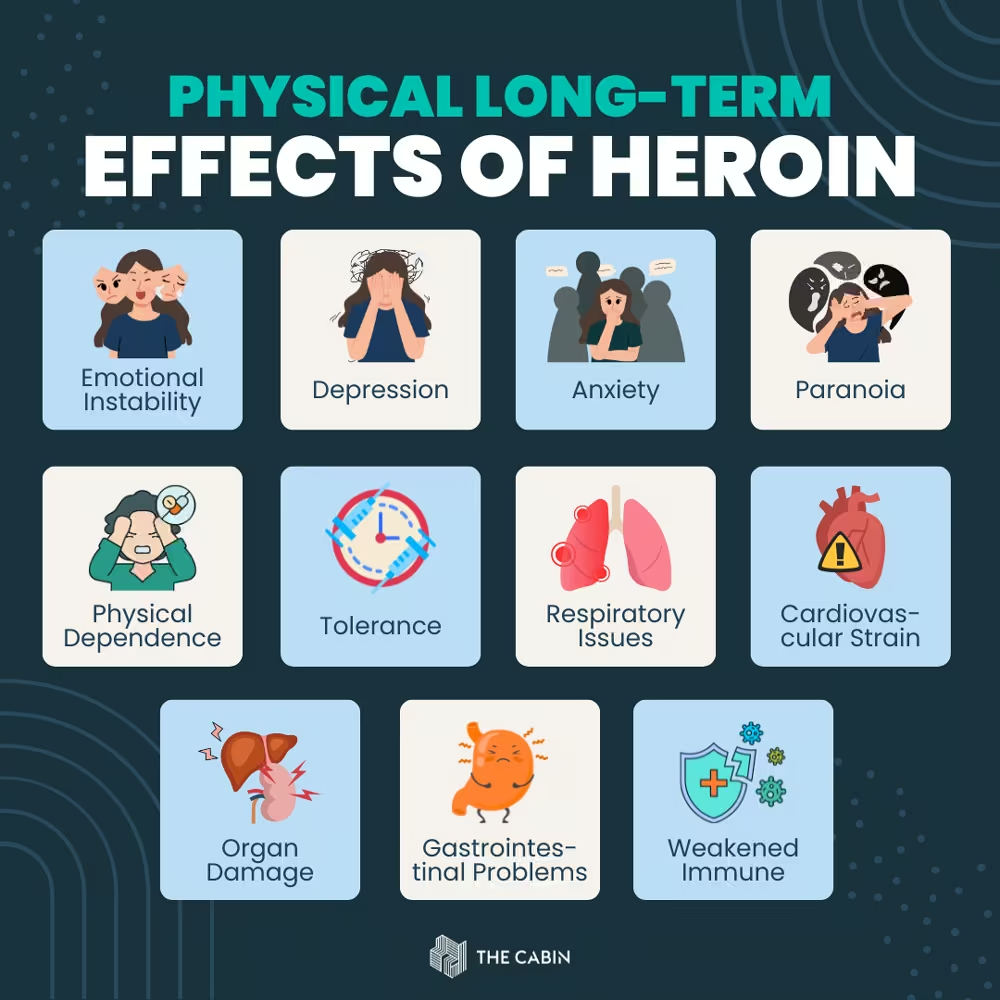
- Emotional Instability: Heroin disrupts the brain’s ability to regulate emotions, leading to frequent mood swings, irritability, and difficulty managing stress.
- Depression: Chronic heroin use alters neurotransmitter functions, particularly those affecting serotonin and dopamine levels, resulting in persistent feelings of sadness, loss of interest, and emotional numbness.
- Anxiety: Prolonged heroin use affects the body’s stress-response system, making users more prone to heightened anxiety and constant worry.
- Paranoia: Heroin changes cognitive processing, leading to distorted thinking and increased feelings of suspicion or mistrust, resulting in paranoia.
- Physical Dependence: The body adapts to the presence of the drug, leading to physical dependence. Withdrawal symptoms occur when the drug is not available.
- Tolerance: Users need larger doses to achieve the desired effects over time, increasing the risk of overdose and intensifying the cycle of addiction.
- Respiratory Issues: Chronic use can cause long-term damage to the lungs, leading to conditions including chronic bronchitis, pneumonia, and reduced lung capacity.
- Cardiovascular Strain: Heroin use can damage the heart and blood vessels, contributing to heart conditions, irregular heartbeats, and an increased risk of stroke or heart attack.
- Organ Damage: The liver and kidneys suffer from the long-term effects of heroin use, potentially leading to liver disease, kidney failure, and other organ complications.
- Gastrointestinal Problems: Chronic constipation and digestive issues, including loss of appetite and nausea, are common among long-term heroin users.
- Weakened Immune System: Heroin weakens the immune system, making users more susceptible to infections and illnesses.
How does Long-Term Heroin Use Affect Life Expectancy?
Long-term heroin use affects life expectancy by significantly increasing the risk of early death. Overdose is the most common cause of death among heroin users, as the drug severely depresses the respiratory system, leading to respiratory failure. Infections caused by unsanitary injection practices contribute to a higher mortality rate. Endocarditis, skin abscesses, and bloodborne diseases like HIV and Hepatitis are conditions that are prevalent among heroin users. Heroin use causes organ damage, especially in the liver and kidneys. Chronic use leads to liver disease, kidney failure, and cardiovascular issues, all of which further reduce life expectancy. These combined factors result in a significantly shorter lifespan for those who use heroin long-term.
Can Heroin Cause Permanent Damage?
Yes, heroin can cause permanent damage. Prolonged use of the drug leads to physical and mental health issues that may last for a lifetime. The brain undergoes significant changes in areas responsible for decision-making, memory, and emotional regulation. The changes can result in cognitive impairments, emotional instability, and a reduced ability to experience pleasure without the drug. Heroin causes damage to vital organs, including the liver, kidneys, and lungs. Chronic use of heroin can lead to liver disease, kidney failure, and respiratory issues that may not be reversible. Heroin users who inject the drug are at a higher risk for infections, including bloodborne diseases such as HIV and Hepatitis, which may lead to permanent health complications. The damage caused by heroin use is often irreversible, contributing to long-term physical and mental health decline.
What does Heroin Overdose Look Like?
A heroin overdose looks like a person being unconscious, having difficulty breathing, and showing signs of slowed or stopped body function. The most noticeable symptoms include extreme drowsiness or unresponsiveness, where the person becomes difficult or impossible to wake. Breathing may become slow or irregular, with some individuals experiencing very shallow or even absent breaths, leading to respiratory failure. In more severe cases, the individual may stop breathing entirely. Pupils constrict to a tiny size, a clear sign of opioid overdose. The skin appears pale or blue, especially around the lips and fingertips, due to oxygen deprivation. The person may have a weak or absent pulse, and the skin may feel cold or clammy. The individual may enter a coma or experience death if not treated immediately in extreme cases. Rapid administration of naloxone, an opioid antagonist, is essential to reverse the overdose effects and restore normal breathing.
Get the Help You Need Today!
Addiction recovery takes work, and even the decision to get clean can be a scary thought. But at The Cabin Chiang Mai, we have decades of combined experience helping heroin addicts move towards a healthy, happy life in recovery.
It’s important to remember that addiction is a chronic disease, which means it only gets worse over time if left untreated. If you want to take control your addiction and regain your life, contact us for a free assessment so we that we can help you get started today.

The Cabin Clinical Team
Our team boasts over 10 years of experience working with individuals struggling with addiction and mental health challenges. This extensive experience allows us to provide comprehensive assessments, develop personalized treatment plans, and deliver evidence-based interventions tailored to meet your unique needs.