Drug injection side effects vary and can include localised reactions (redness, swelling, and pain at the injection site) and systemic effects (fever, fatigue, allergic responses, or organ-specific complications), depending on the kind of medication used.
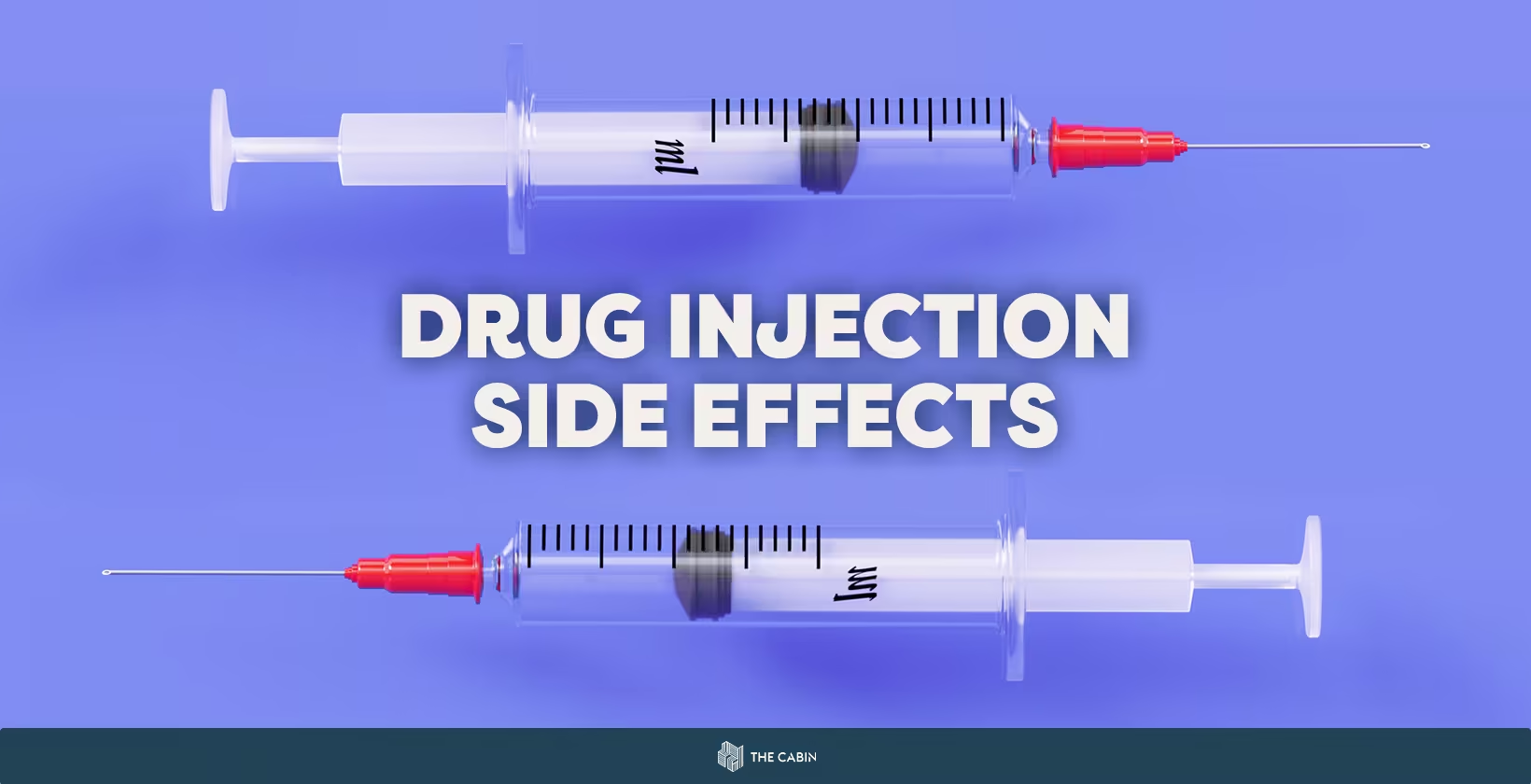
The process of administering substances directly into the body using needles, with the most common methods being intravenous (IV), intramuscular (IM), and subcutaneous (SC) injections. People inject drugs for various reasons, primarily to achieve a faster high and higher bioavailability. Intravenous injection delivers substances directly into the bloodstream, providing an immediate effect, while intramuscular and subcutaneous injections take slightly longer but offer more direct absorption than oral consumption.
Common substances injected include heroin, methamphetamine, cocaine, and various opioids, which act rapidly on the brain, increasing the risk of addiction and can create long-term health damage. This method presents severe health risks (infections, vein damage, and overdose. Injecting drugs may increase their potency and speed of their effects. Drug injection practices expose individuals to harmful consequences, including the potential for dangerous injection sites, collapsed veins, and transmission of bloodborne diseases. Long-term Drug Abuse associated with frequent injections exacerbates the risks (Lipodystrophy, tissue damage, toxicity, and immune suppression), leading to severe physical and psychological harm.
1. Pain at the Injection Site

Pain at the injection site occurs when the tissue surrounding the needle entry becomes irritated during the drug administration process. Exacerbated irritation results from repeated needle penetration, pressure from injected substances, or the body’s response to the chemical composition of the medication. Pain may feel sharp at first, and then settle into a dull ache.
Low to Moderate Severity
The intensity varies depending on the medication type, injection technique, and injection frequency. Severe pain or signs of infection (persistent redness, warmth, or pus) may require medical attention.
Management Tips
- Apply a cold compress immediately after the injection to reduce swelling.
- Keep the injection area clean and dry to prevent infection.
- Rotate injection sites to avoid irritation in the same area.
- Use a mild pain reliever under medical supervision if discomfort continues.
- Seek medical evaluation if pain worsens or signs of infection appear.
2. Swelling or Redness Around the Injection Site
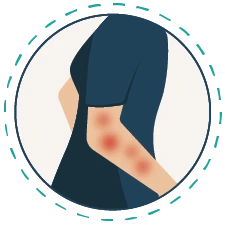
Swelling or redness around the injection site occurs when blood vessels and tissues react to the injection process. The body identifies the injection as a minor injury, which triggers a local immune response. It leads to fluid buildup, dilation of blood vessels, and visible redness or puffiness in the area.
The skin may feel warm or tight due to the increased blood flow and localised irritation. This response is a part of the healing process and appears within a few hours (two to six hours) after the injection.
Low Severity
Swelling or redness usually resolves without medical attention, as the reaction varies (needle size, injection technique, and sensitivity of the skin). Repeated injections in the same area increase the likelihood of prolonged irritation. Severe cases will present infection, allergic reaction, or will not heal properly. Medical evaluation becomes necessary if the redness spreads, pain intensifies, or pus forms under the skin.
Management Tips
- Elevate the affected area when possible to reduce fluid buildup.
- Apply a cold compress to ease inflammation and limit blood vessel expansion.
- Avoid touching or rubbing the site to prevent further irritation or contamination.
- Rotate injection locations to allow healing and reduce stress on specific areas.
- Contact a healthcare provider if swelling worsens, hardens, or shows signs of infection.
3. Bruising or Discolouration of the Skin Where the Injection Was Given
Bruising or discolouration of the Skin where the Injection was given occurs when small blood vessels under the skin rupture during the injection process used in drug addiction treatment. Needle insertion damages capillaries, allowing blood to leak into the surrounding tissue. The trapped blood appears as dark patches ranging from blue and purple to yellow or green as the body reabsorbs the blood. Discolouration remains localised and forms within hours (6 to 12 hours) of the injection. The area often feels sore or tender, but it rarely causes long-term harm.
Low to Moderate Severity
Bruising remains a minor side effect in some cases and fades within five to ten days. The size of the bruise depends on the depth of injection, needle size, and technique used. Repeated injections in the same site increase the chance of more visible or longer-lasting marks. Severe bruising, hard lumps, or persistent discolouration beyond two weeks indicate poor circulation, repeated trauma, or clotting issues requiring clinical attention.
Management Tips
- Apply a cold compress during the first twenty-four hours to reduce blood spread.
- Elevate the limb or area to limit blood flow and minimise discolouration.
- Avoid pressure or further injections in the bruised area until it is fully healed.
- Use warm compresses after two days to stimulate circulation and help reabsorb trapped blood.
- Consult a medical provider if bruises become unusually large, painful, or last beyond the expected healing time (six to twelve hours).
4. Itching, Tenderness, or Warmth at the Injection Site
Itching, tenderness, or warmth at the injection site occurs when the body reacts to tissue disruption caused by the needle or injected substance during drug addiction treatment. Itching results from mild inflammation or histamine release, as part of the healing process. Tenderness forms due to pressure on nerve endings and surrounding tissue. Warmth appears as the blood flow increases in response to localised irritation. Symptoms (localised redness, warmth sensation, and tingling or crawling sensations) occur together and begin within a few hours (2 to 12 hours) after injection.
Low to High Severity
The reactions are mild and temporary. Symptoms appear within 2 to 12 hours and begin to resolve within 24 to 72 hours. Prolonged or worsening symptoms may indicate infection, allergic response, or injection technique issues. Warmth that spreads or intensifies with swelling and fever may require medical assessment.
Management Tips
- Apply a cold compress during the first 24 hours to reduce inflammation and soothe irritation.
- Avoid scratching the area to prevent further skin damage or infection.
- Keep the site clean and dry to support proper healing.
- Switch injection sites regularly to reduce repeated irritation to the same area.
- Seek medical evaluation if redness spreads, pain increases, or discharge appears.
5. Fever, Chills, or General Feeling of Being Unwell
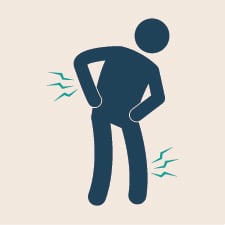
Fever, chills, or a general feeling of being unwell are systemic side effects that may occur following certain injections used during drug addiction treatment. These types of symptoms reflect the body’s immune response to either the injected medication or a potential infection introduced during the injection process. A fever indicates that the body has recognised a perceived threat and is raising its temperature to fight it.
Chills accompany the fever as the body attempts to adjust its internal temperature through muscle contractions. A general feeling of being unwell (fatigue, headache, muscle aches, nausea, or a lack of energy) signals that the body is under physical stress.
Reactions may appear within 6 to 24 hours after the injection, and vary in intensity depending on the recipient’s health, immune system sensitivity, and the cleanliness of the injection process. Injections contaminated through poor technique, improper storage of substances, or unsterile equipment can lead to infections and stronger systemic reactions. In some cases, the injected drug itself triggers an inflammatory response that spreads beyond the injection site, leading to a feeling of generalised discomfort.
Low to High Severity
Mild fever (below 100.4°F), brief fatigue, or light chills without other symptoms typically resolve within 24 to 48 hours. Less severe symptoms (Fever, Chills, and Headache) are not considered dangerous and often pass without medical treatment. A persistent fever above 100.4°F, severe chills, body pain, or symptoms lasting beyond 48 hours indicate infection, drug reaction, or sepsis, all require immediate medical attention.
Management Tips
- Rest in a quiet, comfortable environment to conserve energy and reduce physical stress.
- Drink plenty of water to stay hydrated and support temperature regulation.
- Apply a cold compress to the forehead or neck to lower a fever.
- Avoid further injections until a healthcare provider has evaluated symptoms.
- Seek medical care if fever exceeds 102°F, chills become uncontrollable, or symptoms worsen over time (6 to 24 hours).
6. Nausea or Vomiting
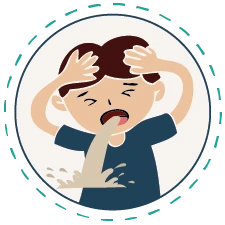
Nausea or vomiting occurs after receiving an injection during drug addiction treatment, due to the body’s systemic response to the medication or stress on the digestive system. Nausea presents as an unsettled stomach, queasiness, or the urge to vomit, while vomiting involves the forceful expulsion of stomach contents.
These reactions stem from how the brain’s chemoreceptor trigger zone responds to certain drugs when they affect neurotransmitter levels or disrupt internal balance. The body may view the injected substance as a threat, triggering the digestive system to purge in self-defence.
Nausea or vomiting could begin within 30 minutes to 6 hours after the injection. The intensity of symptoms varies based on the medication type, dose, and the patient’s sensitivity. Nausea is worsened by dehydration, an empty stomach, or emotional stress linked to treatment in some cases. Repeated vomiting may increase the risk of dehydration, electrolyte imbalance, and complications that affect recovery progress.
Low Severity
Mild nausea without vomiting, or one isolated vomiting episode that resolves within 24 hours, is generally considered low in severity. The symptom (Nausea) does not require medical treatment when managed with simple strategies.
Management Tips
- Sip clear fluids(water or oral rehydration solutions) to prevent dehydration.
- Eat bland foods (toast or crackers) in small amounts to settle the stomach.
- Avoid strong odours, greasy food, or caffeine during the recovery period.
- Rest in an upright or slightly elevated position to reduce gastric pressure.
- Seek medical care if vomiting persists beyond 24 hours, becomes severe, or includes signs of blood or dehydration.
7. Headache or Dizziness
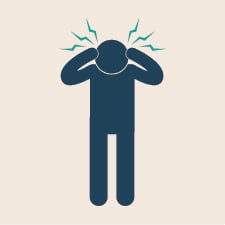
Headache or dizziness occurs within one to four hours after receiving injections during drug addiction treatment, due to the body’s neurological or vascular response to the medication. A headache results from tension, vascular dilation, or a reaction to chemical compounds in the injected substance.
Dizziness happens when there is a drop in blood pressure, a change in brain chemistry, or dehydration caused by the treatment. These types of symptoms (headaches or dizziness) may reflect temporary imbalances in blood flow or nerve sensitivity as the body adjusts to foreign substances or metabolic changes introduced by the injection.
Headache or dizziness begins one to four hours after the injection and may last for several hours (4 to 12 hours in mild cases and 24 hours to moderate/severe cases), depending on dosage, hydration status, and individual tolerance. Medications can affect central nervous system receptors, leading to pressure behind the eyes, throbbing sensations in the temples, or difficulty maintaining balance. Movement, light, or sound can intensify discomfort. Severe or persistent symptoms may signal a more serious reaction or underlying condition that needs medical evaluation.
Low Severity
Mild headaches or brief lightheadedness without vomiting, fainting, or vision problems usually resolve on their own within 4 to 12 hours, and rarely require medical treatment.
Management Tips
- Rest in a dark, quiet space to reduce sensory triggers.
- Drink water slowly to restore hydration and restore blood pressure balance.
- Avoid sudden movements or standing too quickly to prevent falls.
- Apply a cold compress to the forehead or neck to relieve head pressure.
- Contact a healthcare provider if symptoms persist beyond 24 hours or interfere with basic functioning.
8. High Blood Sugar or Fluctuations in Blood Glucose Levels
High blood sugar or fluctuations in blood glucose levels may occur after certain injections used in drug addiction treatment, due to hormonal responses or medication side effects. Some medications may interfere with insulin sensitivity or trigger stress-related hormones (cortisol and adrenaline), which can elevate glucose levels. This effect disrupts the body’s ability to regulate blood sugar, particularly in patients with preexisting metabolic conditions. Fluctuations can lead to sudden spikes or drops in blood glucose, resulting in unwanted symptoms (thirst, fatigue, blurred vision, or shakiness).
Blood sugar changes may begin within 4 to 8 hours after an injection, depending on the drug’s composition and the individual’s baseline glucose control. Patients with diabetes or insulin resistance are more vulnerable to sharp fluctuations. Inconsistent eating patterns, dehydration, or lack of physical activity during treatment may worsen the imbalance. Persistent high levels or unstable glucose patterns increase the risk of complications (dizziness, confusion, or delayed recovery).
Low Severity
Mild increases in blood sugar without symptoms, or brief episodes of fatigue or thirst that resolve with hydration and food intake, are considered low severity and may last for a few hours (four to twelve hours) to one day.
Management Tips
- Monitor blood glucose regularly within the first 8 to 24 hours after injection.
- Maintain a balanced meal schedule to support stable glucose levels.
- Drink water to aid metabolic function and reduce sugar concentration.
- Engage in light activity, if advised, to help lower elevated blood sugar.
- Consult a healthcare provider if symptoms worsen or if glucose levels remain above normal ranges for over 24 hours.
9. Allergic Reaction

An allergic reaction may occur when the immune system identifies a substance in the injection as harmful and responds with defence mechanisms. Certain medications or preservatives used in injectable formulations can trigger an immune response in drug addiction treatment. Reactions vary based on the individual’s sensitivity and the substance involved.
Unwanted symptoms may result from the release of histamine and other chemicals that affect the skin, respiratory system, or circulatory function. Common signs include rash, itching, swelling, shortness of breath, or, in some severe cases, anaphylaxis.
Allergic symptoms appear quickly, often within 15 minutes to 2 hours after the injection. Mild reactions typically remain localised to the skin, while moderate to severe responses may spread rapidly and affect breathing, blood pressure, or consciousness. The risk increases with repeated exposure to the same medication or use of compounds known to cause hypersensitivity. Prompt recognition and treatment are necessary to prevent escalation.
Low Severity
Localised itching, mild rash, or slight redness that resolves within a few hours without systemic involvement is classified as low severity.
Management Tips
- Apply a cold compress to the affected area to reduce itching and inflammation.
- Take an antihistamine under medical supervision to counter the allergic response.
- Avoid scratching to prevent skin damage and secondary infection.
- Monitor for new symptoms such as swelling of the lips, tongue, or difficulty breathing.
- Seek emergency medical care if signs of anaphylaxis appear or symptoms intensify rapidly.
10. Infection at the Injection Site
Infection at the injection site occurs when bacteria enter the skin or tissue during or after drug administration. Improper sterilisation, contaminated equipment, or poor aftercare may result in an infection during drug addiction treatment. Bacteria introduced through the needle can multiply in the tissue, leading to inflammation, pus formation, and systemic symptoms. The infected area may appear swollen, red, and warm to the touch. Pain increases over time, and pus or foul-smelling discharge may be present.
Symptoms of infection usually begin within 24 to 72 hours after the injection. Infections may remain localised or spread to the surrounding tissue or the bloodstream if untreated. Delayed treatment increases the risk of abscess, cellulitis, or sepsis. Patients with weakened immune systems, poor hygiene practices, or repeated injections in the same area face a higher risk of complications.
Low Severity
A mild infection with minor redness, warmth, or discomfort that remains localised and improves within 48 hours with basic care is generally considered low severity.
Management Tips
- Clean the area gently with mild soap and water to prevent bacterial growth.
- Apply a warm compress to increase circulation and encourage drainage.
- Avoid pressing, squeezing, or puncturing the site to prevent deeper infection.
- Keep the injection site exposed to air and avoid tight clothing around the area.
- Seek medical treatment if swelling increases, pus develops, or a fever appears after 48 hours.
How does Injecting Drugs Work in the Body?
Injecting drugs works in the body by delivering substances directly into the bloodstream or tissue, allowing rapid absorption and immediate effects. The drug injection bypasses the digestive system and moves through the circulatory system once it enters the body. Its substance reaches the brain quickly and alters chemical signals by stimulating or blocking neurotransmitters. This type of interference affects mood, perception, coordination, and judgment. Opioids, for example, bind to receptors that control pain and reward, creating intense euphoria followed by sedation. Stimulants (Caffeine, Nicotine, and Cocaine) can increase dopamine activity, leading to heightened alertness and energy before a sharp crash.
Injection creates a faster and stronger reaction when compared to other routes of use. The speed increases the risk of overdose and dependence. Repeated exposure alters brain function and reduces the ability to feel pleasure without the drug. Physical effects may include slowed breathing, irregular heart rate, and changes in body temperature. The body adapts, requiring larger doses to achieve the same effect. This cycle strengthens addiction and causes widespread harm to organs, behaviour, and mental health.
Which Parts of the Body do People Use to Inject Drugs?
The parts of the body people use to inject drugs into are the inner elbow, the forearm veins, and the back of the hand, as they can achieve fast absorption and strong effects. The method and location depend on the type of drug, the user’s experience, and vein accessibility. The common injection sites include the arms, particularly the forearm and inner elbow, due to the large veins and ease of access. Veins provide direct entry into the bloodstream, allowing the drug to act quickly on the brain and nervous system.
Hands, legs, feet, and the groin are other areas to receive injections. The veins in these regions become targets when arm veins collapse from repeated use. Injecting into the neck or the femoral vein in the groin may increase the risk of infection or arterial damage. Intramuscular injections are sometimes used when veins are no longer accessible, with drugs injected into the thigh or upper arm muscle. Each site presents unique dangers, including vein scarring, abscess formation, nerve injury, and increased risk of life-threatening infections. The selection of the injection site reflects the desperation of the individual and the disease progression in long-term drug use.
What Drugs are Commonly Injected?
The drugs commonly injected are listed below.
- Heroin: Heroin is an opioid derived from morphine that suppresses the central nervous system. The drug produces intense euphoria, pain relief, and calmness. Prolonged use leads to tolerance, dependence, and severe withdrawal symptoms.
- Methamphetamine: Methamphetamine is a potent stimulant that increases dopamine levels in the brain. The drugs heighten energy, alertness, and focus. Repeated use causes nerve damage and cardiovascular strain.
- Cocaine: Cocaine acts as a powerful stimulant that creates a short but intense euphoric rush. It elevates heart rate, constricts blood vessels, and increases the risk of heart attack and stroke.
- Fentanyl: Fentanyl is a synthetic opioid used medically for pain relief. The synthetic opioid causes rapid respiratory depression and can cause an accidental overdose, due to its high potency when misused.
- Morphine: Morphine is a prescription opioid used to relieve severe pain. It may cause euphoria, sedation, and dependency that disrupts normal body function when injected illicitly.
- Buprenorphine: Buprenorphine is prescribed for opioid addiction treatment. Misuse may produce sedation and reduced breathing. Medical use under supervision supports withdrawal management.
- Ketamine: Ketamine is a dissociative anaesthetic that alters perception and causes hallucinations. It disrupts memory, coordination, and awareness when injected repeatedly.
- Prescription Amphetamines: Prescription amphetamines (Adderall and Dexedrine) are injected to stimulate focus and energy. Misuse results in mood swings, high blood pressure, and heart problems linked to Injectable Drugs.
What are the Signs and Symptoms of a Drug Injection Infection?
The signs and symptoms of a drug injection infection are listed below.
- Redness and Swelling: The skin around the injection site appears red, inflamed, and raised. Swelling increases as bacteria multiply and the body releases fluid to fight the infection.
- Warmth and Tenderness: The affected area feels hot and painful when touched. Warmth results from increased blood flow, while tenderness signals local inflammation.
- Pus or Discharge: Yellow or green fluid draining from the site indicates bacterial infection. The discharge may have a foul odour and can cause further skin irritation.
- Hard Lump or Abscess Formation: A firm, painful lump may develop as pus collects beneath the skin. Untreated abscesses enlarge and can rupture or spread infection into deeper tissues.
- Fever and Chills: Elevated temperature and shivering occur when the infection spreads beyond the injection site. These symptoms show the body’s immune system is responding to bacterial toxins.
- Fatigue and Weakness: This immune response consumes energy, leading to exhaustion and general discomfort. Persistent fatigue signals that the infection may be spreading.
- Discolouration or Dark Patches: The skin around the injection site may turn purple, blue, or black if tissue death occurs. Discolouration or dark patches indicate a severe or untreated infection.
- Swollen Lymph Nodes: Glands in the neck, armpits, or groin enlarge as the body filters infected fluid. Swelling in these areas points to systemic involvement.
What are the Signs of Infection from Shooting Up?
The signs of infection from shooting up are listed below.
- Pain and Swelling: The injection site becomes visibly enlarged and increasingly sore. Swelling forms as fluid collects in response to tissue damage and bacterial growth.
- Redness and Heat: The skin around the area turns red and feels warm to the touch. These changes reflect inflammation, which is caused by the immune system’s response to an infection.
- Pus or Fluid Leakage: Thick yellow, green, or white discharge forms under the skin or drains from the puncture site. The fluid may smell unpleasant and stain clothing or bandages.
- Hard Lump or Abscess: A firm, round mass forms beneath the skin as pus accumulates. Abscesses are painful, increase in size, and may rupture if not treated.
- Fever and Chills: Body temperature rises, and cold sensations follow as infection spreads. These symptoms reflect the body’s effort to fight off bacteria.
- Fatigue and Muscle Weakness: The body responds to infection by redirecting energy toward immune activity. General tiredness and loss of strength may follow.
- Discoloured Skin: The area may turn dark purple, blue, or black if blood flow decreases or tissue begins to die. Skin discolouration signals an advanced infection.
- Swollen Glands: Lymph nodes in the neck, armpits, or groin enlarge as they filter infection. The swelling becomes noticeable and may feel tender under pressure.
What are the Signs of a Blood Clot from Shooting Up?
The signs of a blood clot from shooting up are listed below.
- Sudden Swelling: The injected limb swells noticeably, especially around the area below the clot. The skin may appear tight, stretched, or enlarged without visible injury.
- Persistent Pain: A deep, throbbing ache develops near the site of injection. The pain intensifies when walking, standing, or moving the affected limb.
- Hard Vein or Rope-like Texture: The vein feels firm or cord-like under the skin. Pressing the area produces tenderness and a noticeable ridge.
- Skin Discolouration: The skin around the clot turns dark red, purple, or bluish. The discolouration does not fade and spreads as circulation becomes blocked.
- Warmth Over the Vein: The surface of the skin feels warmer than the surrounding area. Heat signals inflammation as the body responds to trapped blood.
- Limited Movement or Heaviness: The limb feels heavy or stiff. Range of motion decreases as swelling and pressure increase.
- Numbness or Tingling: Loss of circulation causes a pins-and-needles sensation. Prolonged numbness indicates impaired blood flow.
- Shortness of Breath or Chest Pain: These signs appear if the clot breaks off and travels to the lungs, creating a pulmonary embolism. The condition can become life-threatening and requires emergency care.
What are the Signs of a Missed Vein During Injection?
The signs of a missed vein during injection are listed below.
- Immediate Burning or Stinging: A sharp, uncomfortable sensation begins right after the injection. The burning intensifies with movement or touch.
- Rapid Swelling: A soft, raised lump forms at the injection site. The area expands quickly as fluid builds in the tissue.
- No Blood Return: Pulling back the plunger yields no blood in the syringe. The result confirms that the needle tip is not inside the vein.
- Discolouration at the Site: Skin surrounding the site turns red, purple, or bluish. The discolouration remains fixed or becomes darker with time.
- Tightness or Hardness: The tissue around the site becomes firm and inflexible. A solid mass forms under the skin due to the body’s reaction.
- Pain That Worsens Over Time: The pain increases rather than fades. The discomfort spreads beyond the original injection area.
- Limited Movement or Pressure Sensitivity: Flexing or stretching the limb causes soreness. Pressing the site results in sharp or throbbing pain.
- Delayed Onset of Drug Effects: The drug’s effect fails to begin as expected. The delayed reaction confirms the substance entered soft tissue rather than a vein, identifying the signs of a missed vein on insertion.

What Happens if You Inject in the Wrong Place or Hit a Nerve?
Injecting in the wrong place or hitting a nerve can cause immediate pain, tissue damage, and possible long-term complications. The drug enters muscle, fat, or nerve pathways instead of the bloodstream when a needle punctures tissue outside the vein. The substance may irritate the surrounding area, producing burning, swelling, and inflammation. Injecting near a major nerve triggers sharp, electric-like pain that radiates through the limb. Nerve injury leads to numbness, tingling, or weakness lasting for days or even permanently. Paralysis or chronic pain develops in severe cases if the nerve structure is destroyed. Injecting into an artery or near vital structures may increase the risk of blood vessel rupture, tissue death, or amputation. Abscesses, infections, and blood clots follow when bacteria or toxic substances remain trapped beneath the skin. The affected area becomes red, warm, and hard as the disease progresses. Accurate injection placement prevents severe complications and preserves nerve and tissue function.
Can a Collapsed Vein Kill You?
No, a collapsed vein can not kill you directly. The damage affects blood flow in the affected vein, but surrounding veins may take over circulation in the area. The vein walls collapse when repeated injections cause trauma, irritation, or clot formation. A collapse limits future access for injections and weakens local tissue health. Infection, abscesses, or tissue death may follow if the injection continues in the damaged area. Indirect risks (sepsis, endocarditis, or deep vein thrombosis) may occur if contaminated material enters the bloodstream through poor injection practices. Life-threatening outcomes result from complications tied to infection or blood clots, not from the collapse alone.
What do Track Marks from Drug Use Look Like?
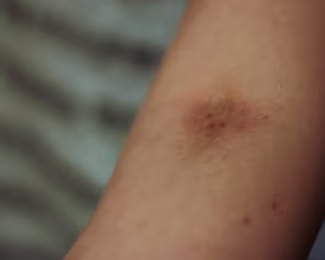
Track marks from drug use look like scars, puncture wounds, or discolouration on the skin near veins. The marks develop from repeated needle injections that damage tissue and cause blood vessel trauma. Fresh track marks appear as red or purple dots or lines with mild swelling. Older marks appear as darkened scars or scabs. Infections may cause raised bumps or pus-filled blisters. Bruising around the site suggests missed veins or blood pooling under the skin.
Common locations (forearms, hands, legs, ankles, or groin areas). Repeated injections in one area cause vein hardening or visible collapse. Poor hygiene or shared needles may cause abscesses, which appear as red, hot, painful lumps.
What are the Dangers of Injecting with a Dirty Needle?
The dangers of injecting with a dirty needle are listed below.
- Bloodborne Diseases: Contaminated needles transmit Hepatitis B, Hepatitis C, and HIV. These viruses damage the liver or immune system and may cause lifelong illness.
- Skin and Soft Tissue Infections: Bacteria from reused needles cause cellulitis or abscesses. The infections may appear as red, swollen, painful areas that require medical drainage or antibiotics.
- Sepsis: Bacteria enter the bloodstream and can trigger a systemic inflammatory response. Sepsis progresses rapidly and may lead to organ failure or death without proper and prompt treatment.
- Endocarditis: Dirty injections allow bacteria to reach the heart valves. Infected valves disrupt circulation and may need surgical replacement.
- Tetanus: Bacterial spores enter puncture wounds and produce neurotoxins. Muscle stiffness, spasms, and breathing difficulty follow without vaccination protection.
- Vein Damage: Repeated use of unclean needles damages the vein walls and surrounding tissue. The result includes clots, blockages, and collapsed veins.
- Foreign Particle Injection: Residue from prior use introduces particles or drugs not intended for injection. A reaction can cause inflammation or an allergic response in the surrounding tissue.
How to Prevent Infections from Injection Drug Use?
To prevent infections from injection drug use, follow the ten steps listed below.
- Use Sterile Equipment: Obtain clean needles and syringes from authorised harm reduction programs. Never reuse or share any injection tools.
- Clean the Injection Site: Wash the area with soap and water before injecting. Apply an alcohol swab to remove surface bacteria and reduce skin pathogens.
- Wash Hands Thoroughly: Use soap and warm water to remove dirt and bacteria from the hands. Dry with a clean towel or air dry before handling equipment.
- Prepare Drugs with Clean Water: Use sterile water vials or single-use ampoules to dissolve substances. Avoid tap water, puddle water, or saliva that contains harmful organisms.
- Avoid Touching Needle Tips: Hold needles by the barrel and avoid contact with sharp ends. Contaminated needle tips introduce bacteria directly into the bloodstream.
- Dispose of Tools Safely: Place used needles in puncture-proof sharps containers. Keep disposal units away from children and public areas.
- Inspect Injection Sites Daily: Look for swelling, pain, redness, or drainage. Seek prompt care when signs of infection develop.
- Rotate Injection Locations: Change sites frequently to allow healing. Repeated injections in one area increase tissue damage and increase the risk of infection.
- Avoid Using Damaged Veins: Select veins that appear healthy and unobstructed. Bruised or hardened veins raise the chance of an abscess or blood clot.
- Seek Medical Advice When Needed: Consult medical professionals if wounds worsen, fevers occur, or swelling spreads. Early treatment prevents progression into a serious illness.
How to Recover from the Effects of Drug Injection?
To recover from the effects of drug injection, follow the ten steps listed below.
- Seek Medical Attention. Consult a healthcare professional for immediate care if signs of infection, blood clots, or abscesses are present. Medical intervention prevents serious complications, such as sepsis.
- Clean Injection Sites. Regularly clean any wounds or scars caused by an injection. Use antiseptic solutions to avoid infection and promote healing.
- Hydrate and Rest. Drink plenty of water to flush toxins from the body. Get adequate sleep to support immune function and physical recovery.
- Monitor for Infections. Watch for swelling, pus, or redness at the injection site. Seek treatment if any of these symptoms appear, increase in size, and/or spread to other areas.
- Manage Pain. Use over-the-counter pain relievers, such as ibuprofen or acetaminophen, to manage mild pain or discomfort. Always follow the recommended dosage.
- Avoid Further Drug Use. Stay away from further drug use to prevent additional damage to veins, tissues, and the immune system. Consider joining a recovery or support program to maintain sobriety.
- Use Warm Compresses. Apply a warm compress to the injection site to reduce swelling and improve circulation. The compresses promote faster healing and may offer pain relief.
- Consult Addiction Support Services. Reach out to a counsellor or therapist to address underlying addiction issues. Ongoing therapy helps reduce the risk of relapse and can help in avoiding long-term damage.
- Rotate Injection Sites. To allow veins time to heal and reduce damage to each site, start by changing injection sites regularly. Repeated injections in the same area increase the risk of scarring and infection.
- Follow-Up Care. Regularly visit healthcare providers for check-ups to ensure the healing process is progressing. Follow professional advice to avoid long-term complications.

How does Drug Rehabilitation Help Addicts Recover Successfully?
Drug rehabilitation helps addicts recover successfully by addressing the underlying causes of addiction through a comprehensive, multi-faceted approach. Structured programs provide physical and psychological support, ensuring a balanced recovery process. Medical supervision during the early recovery phase period prevents withdrawal complications and ensures a safer transition into sobriety. Psychological therapy focuses on emotional healing, addressing trauma, stress, and mental health issues that contribute to addiction. Behavioural therapies, such as Cognitive Behavioural Therapy (CBT), teaches patients how to replace negative thought patterns with healthier coping strategies.
Social support within rehabilitation centers offers a stable environment that encourages accountability and communal growth. Group therapy and peer interactions allow patients to share experiences, build trust, and develop long-lasting relationships. Aftercare programs ensure continued support and structure for when individuals complete their primary treatment phase. Ongoing therapy and community involvement also help maintain recovery and prevent relapse. The success of treatment is deeply rooted in the principles and practices of Drug Rehabilitation.
Looking for Drug Addiction Treatment?
Drug use comes with an enormous range of risks, but those that are associated with injecting drugs can be more dangerous. The best thing that a drug user can do is seek treatment and get help. At The Cabin Chiang Mai, we specialise in treating a variety of addictions. Our resort-style facilities are located on the river banks of Chiang Mai, Thailand, providing the most peaceful environment to heal from addiction. The time to seek help is now.

The Cabin Clinical Team
Our team boasts over 10 years of experience working with individuals struggling with addiction and mental health challenges. This extensive experience allows us to provide comprehensive assessments, develop personalized treatment plans, and deliver evidence-based interventions tailored to meet your unique needs.