Kratom may be legal, but for those in recovery, it is a dangerous risk. This Southeast Asian plant can be highly addictive and often serves as a “bridge” back to harder substances. Learn why Kratom is not a safe alternative for maintaining sobriety.
Kratom drug addiction continues to generate widespread discussion among medical experts and policymakers in the United States. The drug’s effects include stimulation and sedation, depending on dosage, while its claimed benefits focus on pain relief, mood elevation, and increased energy. Kratom drug has recently gained attention in Europe and North America and remains legal by default under federal law. Comparisons have been drawn between Kratom and synthetic substances (bath salts and spice), which were once legal before being restricted by the Drug Enforcement Administration. Kratom powder and Kratom drink are common forms of consumption, making the substance easily accessible to consumers seeking either stimulation or relaxation. Kratom is a natural plant cultivated mainly in Southeast Asia, where its leaves have long been used for their stimulant and sedative properties, unlike synthetic drugs. The growing debate centers on Kratom’s potential for addiction, its short-term impact on mood and energy, and the limited evidence supporting its reported medical value.
Can you become addicted to Kratom?
Yes, you can become addicted to Kratom, because its active alkaloids, mitragynine and 7-hydroxymitragynine, bind to the brain’s opioid receptors and produce narcotic-like effects. Continuous use leads to tolerance, requiring larger doses to achieve the same results, which develops into physical and psychological dependence. Kratom consumers who use Kratom regularly experience withdrawal symptoms (irritability, insomnia, anxiety, muscle pain, and fatigue) once their use stops. Regular kratom use is associated with dependence and withdrawal, according to research titled “Kratom Use and Mental Health: A Systematic Review” by Dr. M. T. Swogger in 2018. The body adapts to Kratom’s effects, creating cravings and compulsive use that are difficult to control. Health experts recommend professional treatment involving behavioral therapy and medically supervised early recovery to manage withdrawal and promote long-term recovery from Kratom addiction safely.
What is Kratom?
Kratom (Mitragyna speciosa) is a tropical evergreen tree belonging to the coffee family, and is native to Thailand, Myanmar, and Malaysia. Indigenous populations have long used the plant for medicinal and social purposes, valuing its ability to relieve pain and increase stamina during labor-intensive work. Fresh leaves were traditionally chewed to experience their effects, while modern users in Western regions prefer dried leaves, powders, teas, or capsules. Kratom is recognized for producing different physiological responses depending on dosage, acting as a mild stimulant in small quantities and as a sedative in larger ones. Kratom’s primary active compound, mitragynine, functions as an alkaloid that interacts with the brain’s mu and delta opioid receptors, creating effects similar to opioids and differing in intensity and chemical structure. The plant served multiple purposes (alleviating pain, managing diarrhea, and assisting patients recovering from opium dependence). Agricultural laborers used the leaves to maintain energy and endurance during long hours of fieldwork in Thailand. Kratom is now banned in Thailand, Myanmar, and Malaysia, because of concerns about its psychoactive effects and dependence potential, despite its long-standing role in traditional medicine. Kratom’s presence in the United States revived debates on its legality, safety, and medicinal value, maintaining its status as a controversial yet important substance in contemporary pharmacology.
How is Kratom Used and Consumed?
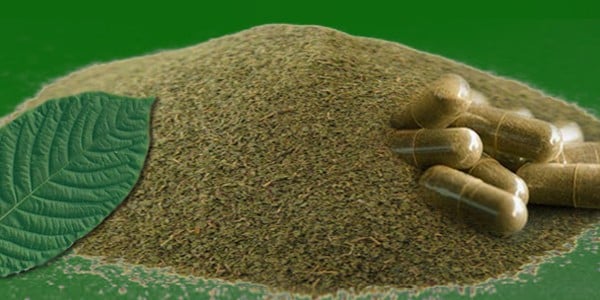
Kratom is used by consumers seeking either stimulation or sedation, depending on the amount taken and personal tolerance. Kratom acts as a stimulant that increases energy, alertness, and focus in smaller quantities, while in larger amounts, it produces calming and pain-relieving effects. The plant has long been used in Southeast Asia in Thailand, Malaysia, and Indonesia, where laborers traditionally chewed fresh leaves to combat fatigue and increase endurance during long working hours.
Kratom is consumed in several forms (powdered leaves, brewed tea, and capsules made from dried plant material). The powder is mixed into beverages for quick absorption, while tea is prepared by boiling crushed leaves to extract active alkaloids. Capsules are preferred for convenience and controlled dosage in Western markets. A typical intake ranges from one to five grams for stimulating effects and five to fifteen grams for relaxation or pain relief. Inconsistent preparation and lack of regulation can lead to varying potency and purity, increasing the risk of contamination and unpredictable outcomes. The growing demand for Kratom has prompted public health authorities to question its safety and long-term impact on users.
How long does it take to Get Addicted to Kratom?
It takes two to eight weeks of continuous Kratom use to get addicted, depending on dosage and frequency. The plant’s alkaloids, mitragynine and 7-hydroxymitragynine, interact with opioid receptors in the brain, producing effects that resemble morphine and other narcotics. Repeated exposure creates tolerance, prompting the need for larger doses to experience the same impact. Dependence begins to form once the body adjusts to constant stimulation of the receptors. Withdrawal symptoms emerge when use stops (muscle pain, anxiety, irritability, and sleep disruption). Kratom consumers who consume Kratom multiple times daily develop dependence faster, within a two to eight-week period. This type of addiction follows a pattern similar to opioid dependence, though the intensity varies among users. Regular use without medical guidance increases the risk of health complications and reinforces the potential for psychological and physical addiction to Kratom.
What are the Effects of Kratom on the Body and Mind?
The effects of Kratom on the body and mind are stimulating and sedative, depending on the amount consumed and duration of use. Kratom increases alertness, energy, and sociability at lower doses, producing a mild stimulant effect that supports physical endurance and concentration. The plant shifts to a sedative role at higher doses, creating relaxation, pain relief, and euphoria through its alkaloids, mitragynine and 7-hydroxymitragynine, which interact with opioid receptors in the brain. Physical effects include nausea, constipation, sweating, dry mouth, and reduced appetite. Psychological effects range from calmness and elevated mood to confusion, anxiety, and, in severe cases, hallucinations. Long-term consumption results in tolerance, dependence, and withdrawal symptoms (irritability, insomnia, and muscle pain). Chronic exposure has been associated with liver damage, tremors, and reduced cognitive function. The contrasting stimulant and depressant characteristics of Kratom make its influence unpredictable and increase the risk of relapse among patients recovering from addiction.
What are the Claimed Benefits of Kratom?
The claimed benefits of Kratom are listed below.
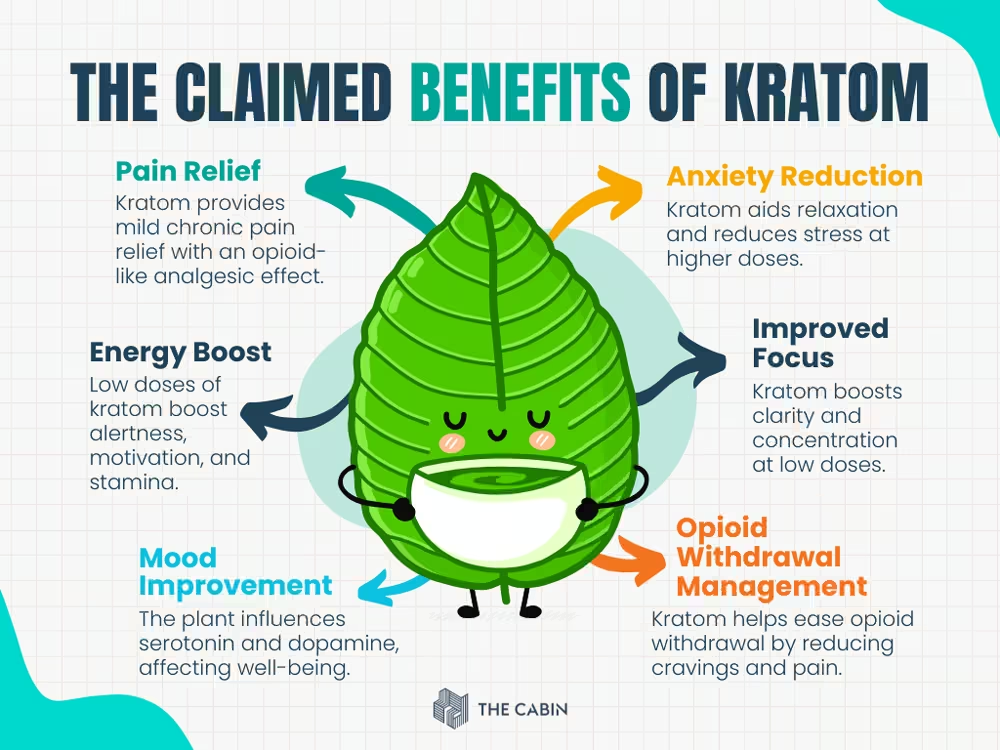
- Pain Relief: Kratom is used to ease chronic pain through its alkaloids, mitragynine and 7-hydroxymitragynine, which bind to opioid receptors in the brain and produce analgesic effects similar to mild opioids.
- Energy Boost: Low doses of Kratom stimulate the nervous system, increasing alertness, motivation, and physical stamina. Workers in Southeast Asia have traditionally used it to reduce fatigue and maintain productivity during labor.
- Mood Improvement: Users report improved mood, relaxation, and emotional balance. The plant’s interaction with serotonin and dopamine pathways influence feelings of well-being and optimism.
- Opioid Withdrawal Management: Kratom is used to ease withdrawal discomfort among patients recovering from opioid dependence, as its compounds produce mild opioid-like effects that help reduce cravings and pain.
- Anxiety Reduction: Kratom’s sedative properties help calm the mind and promote tranquility at higher doses that induce relaxation and lower stress responses.
- Improved Focus: The stimulating effects of Kratom at smaller doses increase cognitive clarity and concentration, aiding in sustained mental performance.
Self-medicating with Kratom carries significant risk due to the absence of medical regulation, potential for dependence, and uncertain product purity. Professional guidance is strongly advised before any use.
Is Kratom an Opioid?
No, Kratom is not an opioid, but it produces opioid-like effects through its chemical composition. Kratom (Mitragyna speciosa) originates from Southeast Asia and contains active alkaloids (mitragynine and 7-hydroxymitragynine). The compounds bind to the brain’s mu and delta opioid receptors, creating effects similar to opioids (pain relief, sedation, and euphoria). The pharmacological behavior of Kratom has caused ongoing debate among researchers and medical professionals over its classification, as it mimics opioids in action but differs in chemical structure. Authorities consider it an atypical opioid, because of its receptor activity, while others classify it as a psychoactive botanical substance. Kratom poses significant health risks despite being natural (dependency, withdrawal symptoms, and potential toxicity). The perception of safety due to its herbal origin is misleading, as natural substances produce powerful and addictive physiological effects comparable to synthetic drugs, contributing to Opioid Addiction when misused.
Can Kratom Cause Addiction and Drug Relapses?
Yes, Kratom causes addiction and drug relapses through its influence on the brain’s opioid receptors. The alkaloids mitragynine and 7-hydroxymitragynine attach to mu and delta receptors, producing effects similar to narcotics. Prolonged exposure leads to tolerance and physical dependence, requiring higher doses to achieve the same sensations. A patient experiencing withdrawal symptoms after stopping use exhibits muscle pain, fatigue, anxiety, insomnia, and irritability. The symptoms drive repeated use and make quitting difficult, because the body and mind begin to rely on Kratom to maintain normal function and avoid withdrawal discomfort. Patients recovering from substance abuse face an increased risk of relapse because Kratom activates the same neurological pathways associated with previous opioid dependence. The substance’s availability as a natural substance gives a false impression of safety, making it appealing, even though it is a harmful alternative for self-medication. Professional medical support is necessary for safe recovery, providing withdrawal management, therapy, and structured guidance to prevent relapse and restore long-term stability linked to Drug Relapse.
What are the Negative Side Effects of Kratom?
The negative side effects of Kratom are listed below.
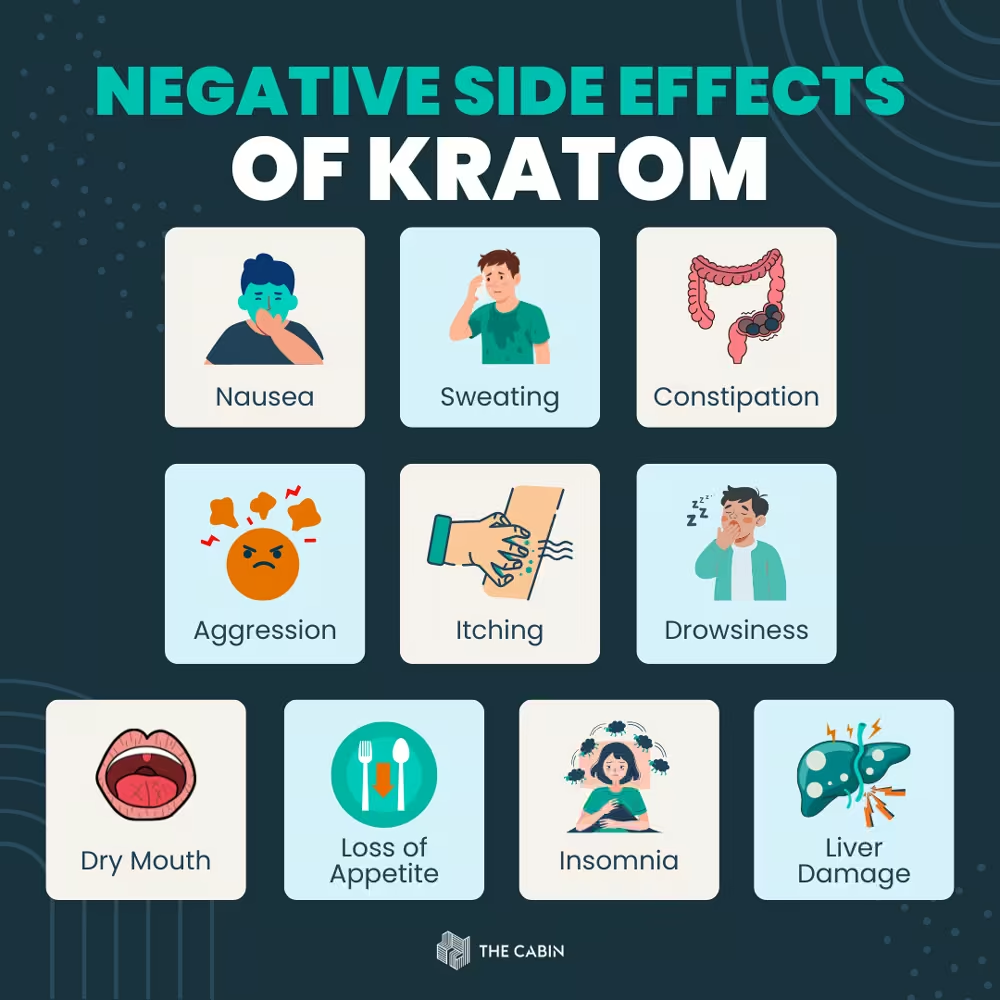
- Nausea: Kratom use results in stomach discomfort and vomiting, due to irritation of the digestive tract and overstimulation of the central nervous system.
- Sweating: Increased perspiration occurs as the body reacts to the stimulating effects of Kratom’s alkaloids on the sympathetic nervous system.
- Constipation: The plant’s opioid-like properties slow down bowel movement, leading to chronic digestive blockage in frequent users.
- Aggression: Long-term consumption influences mood regulation and triggers irritability, hostility, or unpredictable anger in some individuals.
- Itching: The activation of opioid receptors prompts the release of histamines, which cause skin irritation and persistent itching.
- Drowsiness: High doses induce sedation, fatigue, and loss of focus, affecting coordination and alertness.
- Dry Mouth: Reduced saliva production occurs due to the impact of Kratom’s alkaloids on the body’s autonomic functions.
- Loss of Appetite: Patients experience decreased hunger, which contributes to malnutrition and weight loss over time.
- Insomnia: Stimulant effects at lower doses disrupt normal sleep cycles, leading to restlessness and poor sleep quality.
- Liver Damage: Prolonged use has been linked to jaundice and elevated liver enzymes, suggesting toxic effects on liver function.
What are the Long-Term Effects of Kratom?
The long-term effects of Kratom are listed below.
- Dependence: Continuous exposure to Kratom’s alkaloids leads to physical and psychological dependence, making it difficult for the body to function normally without the drug.
- Tolerance: Long-term users require higher doses to achieve the same effects, increasing the risk of overdose and severe side effects.
- Withdrawal Symptoms: Prolonged use produces withdrawal reactions when discontinued (irritability, anxiety, muscle pain, insomnia, and fatigue).
- Liver Damage: Chronic consumption causes elevated liver enzymes, jaundice, and fatigue due to toxic buildup in liver tissues.
- Kidney Stress: Persistent use places strain on the kidneys, reducing filtration efficiency and causing metabolic imbalance.
- Cognitive Impairment: Extended use interferes with concentration, memory, and decision-making, leading to decreased cognitive performance.
- Mood Disorders: Dependence disrupts neurotransmitter balance, triggering depression, irritability, or mood instability over time.
- Weight Loss: Reduced appetite and metabolic changes cause significant weight reduction and nutritional deficiencies.
- Skin Pigmentation: Long-term exposure has been linked to darkening of the skin on the face and cheeks, due to metabolic changes.
- Insomnia: Sleep disturbances persist even after discontinuation, as the body struggles to restore the natural circadian rhythm.
- Hormonal Imbalance: Extended use affects endocrine function, reducing testosterone and altering sexual health in chronic users.
- Psychosis: Severe or prolonged consumption results in hallucinations, paranoia, and delusional thinking due to disrupted brain chemistry.
What do Experts Say About Kratom’s Role in Addiction Recovery?
Experts say that Kratom’s role in addiction recovery remains controversial among researchers and clinicians in terms of its safety and effectiveness. Kratom exhibits therapeutic and addictive properties, offering short-term relief from withdrawal, while simultaneously creating the risk of dependency with prolonged use. The study highlights that the alkaloids mitragynine and 7-hydroxymitragynine stimulate the same opioid receptors affected by narcotic drugs, which contributes to tolerance and compulsive behavior, according to research titled ‘Kratom Use and Mental Health: A Systematic Review’ by Dr. Marc T. Swogger in 2019. Addiction experts caution that using Kratom as a self-treatment method replaces one addiction with another, and interferes with sustainable recovery. Researchers propose that Kratom serves as a harm-reduction tool under strict medical supervision, though evidence supporting its safety remains limited and largely anecdotal. Medical authorities recommend clinically approved treatments (methadone, buprenorphine, and naltrexone), supported by behavioral therapy and structured rehabilitation programs. Each evidence-based intervention provides a safer and more effective path toward long-term sobriety and offers a reduced relapse risk linked to Addiction Recovery.

What is the Kratom Controversy About?
The Kratom controversy is about whether the substance is allowed to remain legal in the United States. Bhutan, Australia, Finland, Poland, Lithuania, Myanmar, Malaysia, and Thailand have all banned it due to health and safety concerns. The Drug Enforcement Administration (DEA) has labeled Kratom a ‘drug of concern’, though it is not classified as a controlled substance. A drug becomes controlled after proven evidence demonstrates significant health risks and a strong potential for abuse. Indiana, Tennessee, Vermont, and Wyoming have prohibited Kratom. Florida and New Jersey have postponed similar bills, until further research clarifies their health impact. There are many cases of seizures and respiratory depression linked to Kratom, though deaths remain infrequent. Limited scientific investigation continues to delay regulatory decisions, as research on the drug is still in its early stages. The American Kratom Association describes it as a natural pain reliever and an alternative to methadone for treating opiate dependence. Substance abuse specialists and public health officials caution that Kratom’s addictive qualities create serious risks. Dr. Edward W. Boyer, a professor of emergency medicine at the University of Massachusetts Medical School, warned that using Kratom recreationally or to self-treat opioid dependence exposes consumers to dangers that are comparable to narcotic drugs.
How is Kratom Causing Relapses Instead of Helping Drug Addicts?
Kratom is causing relapses instead of helping drug addicts by reactivating the brain’s opioid receptors that control reward and dependence. The plant’s alkaloids, mitragynine and 7-hydroxymitragynine, produce effects similar to narcotics (euphoria, relaxation, and pain relief). Patients in recovery use Kratom to manage withdrawal symptoms, and continuous use develops into tolerance and physical dependence. The brain begins to rely on the substance to maintain balance, creating cravings that push users toward stronger opioids once Kratom’s effects weaken. Reported cases include recovering addicts who relapsed into heroin use, after developing a heavy Kratom dependence. The addicts then require repeated rehabilitation programs and efforts to overcome the new addiction. The drug’s easy access and reputation as a natural treatment encourage misuse, misleading users into believing it is safe for withdrawal management. Addiction specialists explain that Kratom’s interaction with the brain reinforces the same compulsive behavior patterns linked to opioid abuse. Medical professionals emphasize structured recovery programs, counseling, and medication-assisted therapies as safer and more effective approaches for preventing relapse and sustaining long-term recovery.
FAQs About Kratom
Is Kratom Safe to Use?
No, Kratom is not safe to use, because its alkaloids, mitragynine and 7-hydroxymitragynine, activate opioid receptors and cause addiction, dependence, and withdrawal. Reported effects include nausea, liver injury, and respiratory distress. The Food and Drug Administration and Centers for Disease Control and Prevention warn that Kratom’s unregulated production increases contamination and overdose risks. Medical experts recommend professional treatment over Kratom use for pain or addiction recovery.
Can You Overdose on Kratom?
Yes, you can overdose on Kratom when consumed in excessive amounts or combined with other drugs. The alkaloids mitragynine and 7-hydroxymitragynine overstimulate the brain’s opioid receptors, causing dangerous physiological reactions. Symptoms of overdose include nausea, confusion, vomiting, rapid or irregular heartbeat, respiratory failure, and seizures. An overdose can lead to coma or death in severe cases or instances involving alcohol, opioids, or sedatives. Reports from the Centers for Disease Control and Prevention confirm several fatalities linked to Kratom toxicity, connected to mixed substance use. Unregulated manufacturing increases the risk of overdose, because of unpredictable purity and dosage levels. Medical experts stress that Kratom must never be used without supervision, as its unmonitored consumption poses life-threatening risks.
Is Kratom Legal and Safe to Use?
No, Kratom is not legal to use in some countries, because of its addictive nature and health risks. Malaysia, Myanmar, Australia, Poland, and Finland have banned it, while the United Kingdom prohibits its sale under the Psychoactive Substances Act. Some regions, like Canada and parts of the United States (Colorado and California), permit restricted sales without medical claims. Thailand re-legalized Kratom in 2021 for controlled medical and research use. However, global authorities remain cautious due to its potential for addiction and toxicity.
Does Kratom Help with Pain or Anxiety?
Yes, Kratom helps relieve pain and anxiety temporarily, because its alkaloids, mitragynine and 7-hydroxymitragynine, interact with opioid receptors in the brain to produce analgesic and calming effects. Low doses stimulate energy and focus, while higher doses create sedation and reduce pain perception. Consumers report reduced anxiety and tension after consumption, which explains its growing popularity among patients seeking natural relief. Kratom’s benefits are short-lived and accompanied by significant health risks (dependency, tolerance, and withdrawal). The absence of standardized regulation results in inconsistent potency and contamination risks that make dosage unpredictable. Health agencies warn that prolonged use increases the risk of addiction and mental instability. Medical professionals recommend approved treatments and therapy for managing pain or anxiety instead of using Kratom, which remains unproven and potentially harmful in long-term use.
Are There Safer Alternatives to Kratom for Energy and Recovery?
Yes, there are many safer alternatives to Kratom for energy and recovery that provide similar benefits without addictive risks. Natural options to increase energy include caffeine, which can be found in coffee or tea. Caffeine stimulates alertness by increasing dopamine and adenosine activity in the brain. Adaptogenic herbs (Ginseng and Rhodiola Rosea) improve stamina and reduce fatigue through hormonal balance and stress regulation. Medical professionals recommend supervised treatments (methadone, buprenorphine, and naltrexone) for recovery from substance dependence, which stabilize brain chemistry and reduce cravings safely. Nutritional approaches involving balanced diets, hydration, and regular exercise promote energy restoration and mental clarity without the dangers of psychoactive compounds. Evidence-based therapies (cognitive behavioral therapy and mindfulness training) further strengthen recovery and emotional stability. Each of these alternatives are proven to support long-term health and recovery goals, without the concerns of dependency risks linked to Kratom use.
You don’t Have to Face Withdrawal Alone!
Experts warn that kratom activates opiate receptors in the brain, which can lead to relapse for those recovering from addiction. Many professionals and former addicts have shared how kratom’s addictive nature has caused them to return to heavier substance use.
If you’re in recovery, it’s important to avoid kratom due to its potential risks. The legality of kratom is uncertain, but the dangers it poses are not worth the risk of relapse. At The Cabin, we provide experienced care for all forms of addiction. If you’re struggling or feel a relapse coming on, reach out to your sponsor or addiction counsellor for support.

The Cabin Clinical Team
Our team boasts over 10 years of experience working with individuals struggling with addiction and mental health challenges. This extensive experience allows us to provide comprehensive assessments, develop personalized treatment plans, and deliver evidence-based interventions tailored to meet your unique needs.