Signs of heroin addiction can be physical, behavioural, and emotional changes (weight loss, secretive actions, mood swings, and neglect of personal care) that reveal the body’s and mind’s dependence on the drug. Signs of heroin addiction are seen through a variety of changes that show the body’s growing dependence on the drug.
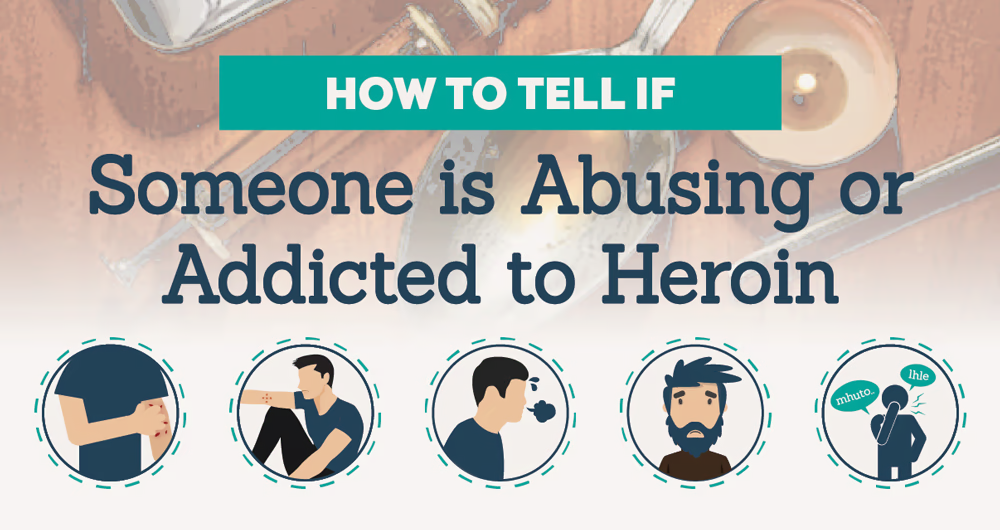
Physical signs include constricted pupils, slowed breathing, flushed skin, and visible track marks from injections. Other symptoms may include weight loss, poor hygiene, and slow or slurred speech, as the body weakens from continued drug intake. These examples of physical symptoms show how heroin alters the body’s normal function and appearance over time.
Indicators of heroin dependence, such as emotional changes and behavioural concerns, may become more apparent over time. Individuals addicted to heroin experience memory loss, poor decision-making, and social withdrawal. Secretive behaviour, neglect of responsibilities, financial difficulties, and theft are some warning signs of an active heroin addiction. Emotional signs include mood swings, irritability, and deep sadness, along with a loss of motivation and social connection. The brain and body adapt to the substance in heroin use, abuse, and addiction, a chronic disorder that makes it challenging to stop without help. The strong release of dopamine caused by heroin creates intense euphoria, which the brain starts to crave more and more, repeatedly, making the addiction powerful and hard to control.
What are the Physical Signs of a Heroin Addict?
The physical signs of a Heroin addict are listed below.
- Constricted or Pinpoint Pupils: Heroin causes constant pupil constriction by disrupting the brain’s control of eye muscles, making it one of the most consistent and visible signs of heroin use.
- Slowed Breathing: Heroin depresses the central nervous system, reducing breathing rate and oxygen intake, which can lead to life-threatening respiratory failure.
- Runny Nose: Repeated heroin use or withdrawal irritates the nasal passages, leading to persistent nasal discharge or congestion, especially among consumers who inhale the drug.
- Itchy Skin/Skin Picking: Heroin triggers histamine release that causes intense itching, leading to scratching or skin damage that may result in sores or infections.
- Flushed Skin: Heroin widens blood vessels and releases histamines, producing redness and warmth on the face, neck, and chest as a visible reaction to the drug.
- Track Marks: Repeated heroin injections leave visible scars or puncture wounds along veins, leading to infections and vein damage from frequent needle use.
- Weight Loss: Heroin suppresses appetite and disrupts nutrition, causing noticeable thinness and physical weakness over time.
- Nausea or Vomiting: Heroin disrupts digestion and brain signals, another example of the effects of drugs that lead to frequent nausea and vomiting during early use or withdrawal.
- Neglected Hygiene: Heroin use leads to poor personal care and cleanliness, due to reduced motivation and focus on basic self-maintenance.
- Slurred or Slow Speech: Heroin depresses brain activity and muscle control, resulting in slowed, unclear, or delayed speech patterns.
1. Constricted or Pinpoint Pupils

Heroin (an opioid) causes the pupils to shrink to a tiny size even in dim lighting, making it one of the most recognisable physical signs of heroin use. The drug affects the brain’s control over the muscles responsible for adjusting pupil size, resulting in a constant constricted appearance. This change in the eyes can be observed regardless of surrounding light, showing the drug’s direct influence on the body’s nervous system.
How common is it?
Pupil constriction is widespread among consumers who use heroin. It occurs because opioids interfere with the brain’s standard signals that control dilation, preventing the pupils from widening properly. The physical effect is present in nearly all cases of opioid use, making it one of the most consistent and visible indicators of exposure to the drug.
How risky is it?
Pupil constriction is widespread among consumers who use heroin. It occurs because opioids interfere with the brain’s standard signals that control dilation, preventing the pupils from widening properly. The physical effect is present in nearly all cases of opioid use, making it one of the most consistent and visible indicators of exposure to the drug.ug.
2. Slowed Breathing

Slowed breathing (respiratory depression) occurs when heroin affects the brain areas that control respiration. The drug causes the body to take in less oxygen by reducing the rate and depth of breathing. This change in slowed breathing is one of the clearest physical signs of opioid influence, showing how heroin directly impacts the central nervous system. The body’s natural rhythm becomes weaker, making it difficult to maintain normal oxygen levels.
How common is it?
The rate of slowed breathing is higher among consumers who use heroin. It results from the drug’s sedative effects, which relax the brain’s control over the lungs and airways. Heroin consumers may experience a noticeable drop in breathing rate soon after taking the drug, making it a dangerous physical reaction to opioid intake. This particular symptom can be observed across different levels of use, from mild to severe dependence.
How risky is it?
Slowed breathing is one of the most dangerous effects of heroin use, because it can lead to life-threatening conditions. The brain and other organs suffer from oxygen deprivation when oxygen levels fall too low. Severe cases may result in loss of consciousness, permanent brain damage, or even death. Immediate medica
3. Runny Nose

A runny nose is a common physical sign linked to heroin use, resulting from irritation of the nasal passages or withdrawal symptoms. Repeated use of heroin, particularly when inhaled or snorted, can inflame the nasal lining and cause mucus discharge. The body reacts to the chemical effects of the drug by producing excess fluid, which can make the nose appear constantly runny or congested. A runny nose can become more noticeable as the amount of use increases, giving a visible clue to ongoing drug exposure.
How common is it?
The problem of a runny nose is common among heroin users who inhale the drug through the nose. The nasal passages are sensitive to the powder form of heroin, which causes irritation and inflammation with repeated exposure. Withdrawal from heroin can trigger cold-like symptoms (runny or stuffy nose, sneezing, and watery eyes). It is often a frequent occurrence during both active use and periods of withdrawal.
How risky is it?
A runny nose is not dangerous, but it can signal underlying damage to the nasal tissues or infection from repeated irritation. Nasal exposure over a long period of time can result in chronic inflammation, nosebleeds, or tissue erosion in severe cases. This symptom may reflect a body under stress, especially when combined with other heroin effects (respiratory problems or weakened immunity). A body under stress requires medical attention and proper care.
4. Itchy Skin/Skin Picking

Itchy skin (skin picking) is a noticeable physical sign among consumers using heroin. The sensation occurs because heroin releases histamines in the body, creating persistent itching that leads to scratching or picking at the skin. Repeated scratching can cause redness, sores, or small wounds, which sometimes become infected. This behaviour can make the skin on the arms and face appear irritated or damaged, as this is where itching is more frequent.
How common is it?
Itchy skin is a common reaction to heroin use. The drug’s chemical effects cause a strong histamine release, which produces an intense itch that most consumers experience. Continuous exposure to opioids increases the likelihood of skin irritation, and repeated scratching becomes a habitual response. Skin damage can develop over time (scabs or scars), which are visible indicators of prolonged use.
How risky is it?
The presence of itchy skin on its own is not life-threatening, but picking at it repeatedly can lead to infection and scarring. Open wounds from scratching can allow bacteria to enter the body, leading to complications, if left untreated. Persistent irritation may cause pain, discomfort, and visible skin damage, which can affect hygiene and general health. Medical care and proper wound treatment are essential to prevent further problems.
5. Flushed Skin
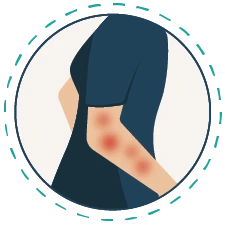
Flushed skin is a visible physical sign of heroin use that occurs when the drug affects blood vessels in the body. Histamine is released after heroin is ingested, triggering redness and warmth in areas (face, neck, and chest. The reaction gives the skin a flushed or blotchy look, showing how the body responds to the substance’s chemical effects.
How common is it?
Heroin users experience flushed skin soon after the drug has been taken. The redness happens, because heroin causes blood vessels to widen as part of the body’s response to histamine release. Consumers display flushed skin during use, making it a frequent and noticeable physical effect linked to heroin consumption.
How risky is it?
Flushed skin by itself is not life-threatening, but it shows that heroin is influencing circulation and internal chemical balance. Redness, itching, sweating, and lightheadedness may indicate stronger physical reactions or irritation. Prolonged heroin use can place stress on the heart and skin, which may lead to more serious health problems over time.
6. Track Marks

Track marks are visible scars or puncture wounds that appear on the skin where heroin is injected. The marks develop along veins in the arms, hands, or legs and result from repeated needle use. The marks can range from small red dots to darkened scars as the skin and veins become damaged over time. Infections, swelling, or bruising may form around the injection sites, showing the physical strain caused by frequent injections.
How common is it?
Track marks are widespread among people who inject heroin. Repeated needle use in the same areas causes irritation and damage to the veins, leaving behind permanent marks. Consumers may move to new injection sites as veins collapse or scar, resulting in visible wounds throughout the body. The pattern makes track marks one of the most consistent physical indicators of injection drug use.
How risky is it?
Patients need to be aware that track marks pose significant health risks due to the potential for infection, vein damage, and tissue breakdown. Unclean needles or poor hygiene can lead to bacterial infections, abscesses, or bloodborne diseases (hepatitis or Human Immunodeficiency Virus). Severe infections or vein collapse can require medical intervention, making proper treatment and care essential for reducing complications linked to injection use.
7. Weight Loss
Weight loss is a common physical sign among consumers using heroin, caused by changes in appetite, metabolism, and lifestyle habits. The drug reduces the desire for food and energy, leading to poor nutrition and skipped meals. Prolonged use can result in visible thinness, muscle loss, and an overall frail appearance, which reflects the body’s struggle to maintain balance while under the influence of opioids.
How common is it?
Weight loss is very common among people with long-term heroin use. This condition develops as the body prioritizes the effects of the drug over normal functions (hunger and digestion). Limited food intake and irregular eating habits contribute to a steady decline in body mass, making weight loss one of the most visible physical changes linked to heroin dependence.
How risky is it?
Significant weight loss can be risky, because it weakens the immune system and reduces the body’s ability to recover from illness or injury. Poor nutrition increases the chance of fatigue, dizziness, and organ strain. A drug’s severe side effects can worsen health problems when combined with weight loss, necessitating medical attention and nutritional recovery support.
8. Nausea or Vomiting
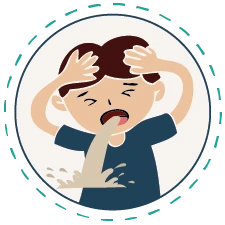
Nausea or vomiting is a common physical reaction to heroin use caused by the drug’s impact on the digestive system and brain. Heroin alters how the brain communicates with the stomach, leading to discomfort and a strong urge to vomit. The reaction occurs because opioids slow down normal body functions (digestion), which can create an unsettled feeling in the stomach and lead to vomiting shortly after use.
How common is it?
Nausea and vomiting are very common among heroin consumers during the early stages of use or withdrawal. The body reacts strongly to opioids as it adjusts to the chemical changes in the nervous system. Consumers often experience repeated episodes of nausea, until the body develops some level of tolerance to the drug, making it a consistent and recognizable symptom.
How risky is it?
The symptoms of nausea and vomiting themselves are not life-threatening, but can cause dehydration and weakness if they last for an extended period. Persistent vomiting can lead to loss of essential fluids and nutrients, creating additional strain on the body. Choking or aspiration can result from vomiting entering the lungs, leading to serious complications requiring medical care.
9. Neglected Hygiene

Neglected hygiene is a visible physical sign among individuals struggling with heroin use. Regular self-care routines (bathing, grooming, and changing clothes) may decline due to reduced motivation or focus on drug use. The substance affects behaviour and priorities, leading to a noticeable lack of attention to appearance and cleanliness. Skin issues, dental problems, and body odour can all occur as a result of neglecting personal care.
How common is it?
The drug’s strong effect on daily routines and mental alertness causes heroin consumers to neglect hygiene. The substance can alter brain function and reduce interest in maintaining basic health habits. Individuals under the influence may focus their time and energy on seeking or using the drug, rather than personal grooming or cleanliness, leading to consistent patterns of poor hygiene.
How risky is it?
Neglected hygiene increases the risk of several health complications. Poor skin care can lead to infections from unclean injection sites or open wounds. Limited oral care may result in gum disease or tooth decay, while unwashed clothing and surroundings can cause bacterial or fungal growth. Addressing hygiene neglect is essential, as it signals deeper physical and psychological distress that requires medical and social support.
10. Slurred or Slow Speech
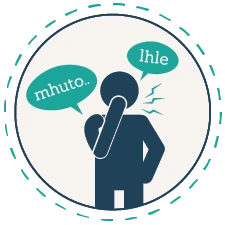
Slurred or slow speech is a noticeable physical sign of heroin use that occurs when the drug slows down the brain’s communication with the muscles that control speech. The person may sound drowsy, have delayed responses, or struggle to form clear sentences. This happens because heroin depresses the central nervous system, leading to reduced alertness and impaired coordination. Speech patterns can fluctuate depending on the amount of heroin in the body and how frequently it is used.
How common is it?
Slurred or slow speech is common among consumers of heroin, since the drug directly affects the areas of the brain responsible for speech and motor control. The sedative effects of opioids cause the brain to send slower signals to the mouth and tongue, making words sound mumbled or drawn out. The symptom appears in many consumers under the influence, making it one of the more visible behavioral changes linked to heroin intake.
How risky is it?
Slurred speech alone is not life-threatening, but it signals that heroin is depressing vital brain functions. A combination of shallow breathing, confusion, or loss of consciousness can indicate opioid exposure or overdose. Medical attention is needed if slow speech occurs with these warning signs, as delayed treatment can lead to severe health complications.
What do Heroin Addicts Look Like?
Heroin addicts look like individuals with visible physical and behavioural changes caused by repeated drug use. The skin may appear pale or unhealthy, with dark circles under the eyes and noticeable weight loss due to poor nutrition. Track marks or small scars appear along the arms, hands, or legs from repeated injections. The body may seem weak, and personal hygiene becomes neglected, showing through unkempt hair, dirty clothing, or dental issues. The posture may seem slouched or tired, and facial expressions show exhaustion or confusion from the drug’s sedative effects.
Heroin addicts look like people who have lost focus on daily routines and social connections. Speech may sound slow or slurred, and movements appear sluggish, as the drug affects coordination. Emotional signs (mood swings, irritability, or sadness) become visible in their behaviour. Withdrawal from friends and family, avoiding eye contact, or social interactions to hide their condition. The combination of physical weakness, poor appearance, and emotional instability reflects the deep physical and mental strain caused by heroin dependence.
What are the Behavioural Signs of a Heroin Addict?
The behavioural signs of a heroin addict are listed below.
- Nodding Off: Heroin’s sedative effects cause repeated drowsiness and brief loss of consciousness, signalling intense central nervous system depression.
- Slurred Speech: Heroin relaxes speech muscles and slows brain activity, resulting in unclear or mumbled communication during intoxication.
- Memory Loss: Heroin disrupts brain function, leading to forgetfulness, confusion, and difficulty recalling recent events or forming new memories.
- Deteriorated Decision-Making Ability: Heroin impairs judgment and self-control, causing impulsive or risky behaviour and poor daily decisions.
- Heavy Limbs and Slow Movement: Heroin slows coordination and muscle control, making physical movements sluggish and effortful.
- Social Isolation from Family and Friends: Heroin use leads to withdrawal from loved ones, resulting in loneliness and damaged relationships.
- Secretive or Deceptive Behaviour: Heroin addiction encourages secrecy and lying to conceal drug use, creating mistrust and social distance.
- Neglect of Responsibilities: Heroin dependence shifts focus from daily duties to drug use, causing declining performance and lost motivation.
- Financial Problems or Stealing: The high cost of heroin use leads to financial instability and, in severe cases, theft to sustain addiction.
- Loss of Interest in Hobbies: Heroin alters the brain’s reward system, causing loss of motivation and disinterest in previously enjoyed activities.
1. Nodding Off
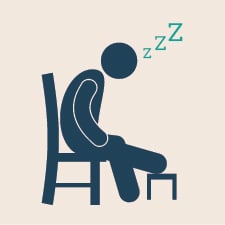
Nodding off is a state where a consumer repeatedly drifts in and out of consciousness after using heroin. The body becomes deeply relaxed, and the individual may appear drowsy or unresponsive, with their head dropping forward, before quickly waking up again. These behaviours occur as heroin slows down brain activity, leading to a heavy, sedated feeling that can last for several hours. It is one of the most visible behavioural signs of heroin use and is accompanied by slowed speech and poor coordination.
How common is it?
Nodding off is very common among heroin consumers. The sedative effect of heroin causes the brain to release chemicals that suppress alertness and lower physical activity. Heroin consumers experience the alternating state of wakefulness and drowsiness shortly after taking the drug, making it a consistent behavioral indicator of heroin influence.
How risky is it?
Sleeping can be dangerous, because it indicates that the body is being depressed by heroin. Oversedation can result in slowed breathing, loss of consciousness, or overdose. The person may stop breathing entirely in severe cases, making immediate medical care essential to prevent fatal consequences.
2. Slurred Speech
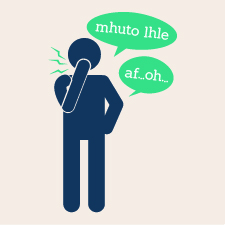
Slurred speech is a noticeable behavioural sign of heroin use caused by the drug’s depressant effect on the central nervous system. The muscles controlling speech become relaxed, leading to slow, unclear, or mumbled words. This change in communication can make conversations difficult to understand and is frequently accompanied by drowsiness or delayed reactions. The effect reflects the brain’s slowed processing and reduced coordination caused by opioid influence.
How common is it?
Slurred speech is common among consumers of heroin when the drug is active in the bloodstream. The condition occurs as the nervous system activity decreases, affecting the motor control needed for clear articulation. It is often observed during periods of intoxication and can serve as a visible clue of current drug use or recent consumption.
How risky is it?
Speech that is slurred can indicate impaired brain and muscle function, which can lead to accidents and injuries. Confusion, poor coordination, and difficulty staying awake can suggest a deeper level of nervous system depression. Slurred speech combined with shallow breathing or loss of consciousness requires emergency care to prevent serious medical complications.
3. Memory Loss
Memory loss is a behavioural sign linked to heroin use that affects how the brain processes and stores information. The drug slows brain function and disrupts communication between nerve cells, leading to forgetfulness and confusion. Individuals may struggle to recall conversations, daily tasks, or recent events because heroin interferes with normal memory formation. Continuous use can make it difficult for the brain to retain new information or recall stored memories.
How common is it?
Loss of memory is common among individuals who use heroin regularly. This condition develops as the brain’s chemical balance changes, reducing concentration and short-term memory function. Consumers who have used heroin for extended periods show higher chances of mental fog and disorientation. The pattern becomes more noticeable as tolerance increases, and the brain’s response to the drug weakens.
How risky is it?
Memory loss linked to heroin use can lead to serious risks that affect safety and daily functioning. Forgetting essential responsibilities, medical needs, or personal safety decisions can result in harm or danger. A combination of this condition and other cognitive issues ( poor judgment or lack of focus) can make it difficult to recover and maintain social relationships. Medical supervision and structured therapy are necessary to manage the impact and support brain recovery.
4. Deteriorated Decision-Making Ability
Deteriorated decision-making ability is a common behavioural sign among individuals who use heroin. The drug affects areas of the brain that manage judgment, reasoning, and self-control. It can lead to impulsive behaviour, disregarding consequences, or poor decisions regarding finances, relationships, or personal safety. The decline in healthy decision-making reflects the drug’s strong influence on brain function and daily behaviour.
How common is it?
Impaired decision-making is common among heroin consumers due to the drug’s effect on the brain’s reward and control systems. The continued presence of heroin disrupts normal cognitive processing, leading to repeated patterns of risky or irrational behavior. Many consumers struggle to prioritize long-term goals, showing that this behavioral change is a consistent and recognizable outcome of heroin use.
How risky is it?
Poor decision-making linked to heroin use can lead to serious personal and social consequences. It increases the chance of engaging in unsafe activities, neglecting responsibilities, or encountering legal problems. The inability to make sound judgments can lead to more serious dependency and limited access to help over time, putting the individual’s health, safety, and stability at risk.
5. Heavy Limbs and Slow Movement
Heavy limbs and slow movement are common physical signs linked to heroin use. The drug depresses the central nervous system, reducing coordination and muscle control. Movements become sluggish, and simple actions (walking, standing, or lifting objects) can appear effortful. The body reacts because heroin alters brain activity, creating a sense of heaviness and physical fatigue that affects daily functioning.
How common is it?
Slow or heavy movement is a frequent sign among consumers who use heroin. The drug’s sedative effects interfere with normal motor functions, causing delayed reactions and poor physical balance. These symptoms are easily noticed, because opioids affect the brain areas responsible for alertness and muscle response, making it a reliable indicator of ongoing use.
How risky is it?
Heavy limbs and slow movement can increase the risk of accidents, injuries, and falls due to impaired coordination. Slowed body functions may coincide with reduced breathing and drowsiness, which can be dangerous when heroin is taken in higher doses. It is important to seek medical attention when physical sluggishness is accompanied by signs (confusion or difficulty staying awake) to avoid further complications.
6. Social Isolation from Family and Friends
Social isolation from family and friends is a common behavioural change seen in individuals using heroin. The problem occurs when the person withdraws from social circles and prefers to be alone to hide drug use or avoid judgment. Isolation may lead to broken relationships, loss of trust, and reduced participation in daily routines. Withdrawal creates emotional distance and increases feelings of loneliness, which can further reinforce the cycle of drug dependence.
How common is it?
The problem of social isolation is widespread among consumers suffering from heroin addiction. This happens, because addiction changes priorities, leading individuals to focus on substance use rather than personal connections. Friends and relatives may notice reduced communication, cancelled plans, or avoidance of gatherings. The longer the isolation continues, the harder it becomes for the person to rebuild supportive relationships.
How risky is it?
Social isolation carries serious emotional and mental health risks. The lack of family and community support can deepen depression, anxiety, and hopelessness. Positive social contact increases the likelihood of an individual’ s intention to continue using drugs, as they are more likely to ask for help. Reconnecting with a support network or professional care provider can reduce isolation and improve recovery outcomes.
7. Secretive or Deceptive Behaviour
Secretive or deceptive behaviour is a common behavioural sign linked to heroin addiction. Consumers begin to hide their actions, lie about their whereabouts, or isolate themselves to avoid detection. As their need for privacy grows, the drug use increases, leading to withdrawal from family, friends, and social activities. This behaviour develops from the desire to conceal substance use and protect access to the drug, creating a cycle of secrecy and mistrust.
How common is it?
Secretive or deceptive behavior is widespread among individuals struggling with heroin use. It arises from fear of judgment, legal trouble, or losing relationships. Consumers go to great lengths to hide their addiction by lying about finances, avoiding direct communication, or creating false explanations for missing items or money. The behavior can become a regular pattern that affects daily interactions and erodes trust over time.
How risky is it?
Secretive or deceptive behavior is risky, because it delays recognition of the addiction and prevents timely help. The longer the concealment continues, the more difficult it becomes for loved ones or professionals to offer their support. Without intervention, the untreated addiction can lead to isolation, mental distress, and strained relationships. Keeping secrets often leads to continued substance abuse, which increases the risk of health decline or a possible overdose.
8. Neglect of Responsibilities
Neglect of responsibilities occurs when a person using heroin begins to lose interest or focus on daily duties at work, school, or home. Tasks that once seemed important start to feel less urgent, as drug use takes priority. Missed deadlines, declining performance, and withdrawal from commitments become noticeable patterns. These types of behaviours reflect how heroin affects motivation and decision-making, making it difficult to maintain stability in everyday life.
How common is it?
Neglecting responsibilities is very common among people who develop a dependence on heroin. The drug’s impact on the brain’s reward system shifts attention away from normal goals and obligations. Energy and focus turn toward obtaining and using the substance as they neglect personal care, family duties, and professional commitments. The consistency of this type of pattern makes it a clear behavioral sign of heroin misuse.
How risky is it?
The neglect of responsibilities carries serious social and personal risks. It can lead to job loss, academic failure, financial instability, and damaged relationships. The collapse of daily routines can lead to increased stress and isolation, which can lead to further substance abuse. Early intervention and supportive care are important to help restore balance and reduce long-term harm.
9. Financial Problems or Stealing

Financial problems or stealing are common behavioural signs linked to heroin addiction. The strong dependence on the drug can cause a person to prioritise obtaining heroin over personal responsibilities and basic needs. Financial stability declines as spending increases to maintain use, resulting in debt, unpaid bills, or the sale of personal belongings. Families, friends, or workplaces may be robbed in a desperate attempt to secure money for the drug.
How common is it?
Financial strain is very common among individuals struggling with heroin addiction. The cost of maintaining drug use becomes a significant financial burden, resulting in money-related stress and poor decision-making. Loss of employment, neglected obligations, and borrowing funds without repayment are frequent consequences of this behavior. A pattern of instability reflects the deep impact heroin has on daily functioning and judgment.
How risky is it?
Financial problems and stealing are hazardous, because they damage trust, relationships, and future opportunities. Continued financial instability can lead to homelessness, legal trouble, or long-term poverty. Habitual theft can lead to criminal charges and imprisonment, adding emotional and social consequences to the existing health risks associated with heroin addiction.
10. Loss of Interest in Hobbies
Loss of interest in hobbies is a common behavioural sign linked to heroin use. Activities that once brought enjoyment (sports, art, or social gatherings) lose importance as drug use becomes the main focus. The withdrawal from personal interests happens because heroin affects the brain’s reward system, reducing motivation for regular or healthy activities. The person may spend most of the time seeking or using the drug, instead of engaging in hobbies that previously offered fulfilment.
How common is it?
Behavioral changes are very common among individuals struggling with heroin addiction. Heroin abuse disrupts everyday routines and priorities, resulting in neglect of once-valued hobbies and responsibilities. This shift in interest shows how addiction reshapes motivation and decision-making, replacing personal goals and passions with drug-seeking behavior. The decline in participation in everyday activities can appear gradually, and usually becomes more noticeable over time.
How risky is it?
Loss of interest in hobbies carries emotional and social risks that can worsen the effects of heroin use. Isolation, loss of social connections, and reduced engagement in positive experiences contribute to a cycle of dependence and low mood. Drug addiction then becomes the sole source of pleasure, which increases the risk of long-term emotional decline and impacts well-being. Reconnecting with meaningful activities through therapy or recovery programs is vital to restoring balance and motivation.
How does Heroin Addiction Affect Mood and Emotions?
Heroin addiction affects mood and emotions by disrupting the brain’s natural balance of pleasure and stress chemicals. The drug forces the brain to release large amounts of dopamine, creating intense euphoria followed by emotional emptiness. The brain struggles to produce feelings of happiness without the drug, leading to sadness, irritability, and loss of emotional control. The body’s emotional system becomes dependent on heroin for stability, making normal moods difficult to maintain. Emotional peaks last merely a short time, while feelings of anger, anxiety, and hopelessness become stronger after the drug wears off.
Heroin addiction affects mood and emotions by creating cycles of emotional instability that harm relationships and daily life. The person becomes trapped between moments of relief and deep emotional pain, unable to find balance without using the drug. Mood swings become more severe, with sudden changes from calmness to frustration or sadness. The brain’s damaged reward system reduces motivation and interest in meaningful activities, leading to isolation and low self-worth. The longer heroin use continues, the harder it becomes to restore emotional stability without medical and psychological support.

What are the Emotional Signs of Heroin Addiction?
The emotional signs of heroin addiction are listed below.
- Euphoria and Intense Pleasure: Heroin triggers a powerful dopamine release that creates extreme happiness and relaxation, leading to strong emotional dependence.
- Emotional Numbness: Prolonged heroin use dulls emotional responses, causing detachment and difficulty feeling joy, sadness, or empathy.
- Mood Swings: Heroin disrupts brain chemistry, leading to sudden shifts between euphoria, irritability, and depression.
- Increased Irritability: Heroin alters mood regulation, causing frustration and anger, even in minor situations.
- Depression: Continuous heroin use lowers mood-regulating chemicals, resulting in persistent sadness, hopelessness, and emotional fatigue.
- Anxiety and Restlessness: Dependence on heroin causes agitation and nervous tension during withdrawal or in between doses.
- Paranoia: Heroin disrupts perception and emotional balance, leading to irrational fear, mistrust, and social withdrawal.
- Loss of Motivation: Heroin weakens the brain’s reward system, reducing drive and interest in daily goals or responsibilities.
- Emotional Instability: Heroin use leads to unpredictable mood changes and difficulty maintaining emotional control or relationships.
- Social Detachment: Heroin addiction causes withdrawal from social life and relationships, increasing loneliness and emotional isolation.
1. Euphoria and Intense Pleasure

Euphoria and intense pleasure are emotional responses caused by heroin’s strong effect on the brain’s reward system. The drug releases large amounts of dopamine, creating an overwhelming sense of happiness and relaxation. The feeling produces a temporary escape from pain or emotional distress, which can make the experience highly reinforcing. The sense of comfort and calm becomes one of the main emotional signs linked to heroin use.
How common is it?
Euphoria is widespread among individuals who use heroin, as it is one of the primary reasons for continued use. The brain quickly adapts to the artificial release of dopamine, creating a powerful desire to repeat the experience. The sensation is described as unmatched, by any natural feeling of pleasure, which contributes to repeated use and emotional dependence on the drug.
How risky is it?
Intense pleasure and euphoria can be risky, because they encourage repeated use, which leads to tolerance and psychological dependence. The brain adjusts to the drug, requiring higher doses for the same pleasure, raising the risk of overdose. An emotional attachment to the euphoric state can cause severe mood changes, anxiety, and depression when the drug wears off, making recovery more difficult without proper support.
2. Emotional Numbness

Emotional numbness is a common emotional sign of heroin addiction, marked by a reduced ability to feel emotions (joy, sadness, or empathy). The drug alters brain chemistry, reducing natural emotional responses and creating a sense of detachment from reality. Consumers experiencing the symptom may appear distant, indifferent, or disconnected from loved ones. The loss of emotional sensitivity can affect relationships, decision-making, and motivation, making daily interactions feel empty or meaningless.
How common is it?
Emotional numbness is common among individuals dependent on heroin. The substance interferes with the brain’s natural production of dopamine and endorphins, chemicals that regulate mood and pleasure. Prolonged use dulls emotional reactions, creating a flat or emotionless state that becomes more pronounced over time. This particular effect is one of the earliest emotional changes noticed by family and friends.
How risky is it?
Emotional numbness carries significant emotional and social risks. The absence of normal feelings can lead to isolation, strained relationships, and difficulty responding to stress in healthy ways. Detachment from emotions may contribute to depression, lack of motivation, or self-destructive behaviors. Addressing the emotional impact of heroin use through therapy or medical support is essential to recovery and emotional stability.
3. Mood Swings

Mood swings are a common emotional sign of heroin addiction, showing sudden changes in feelings that range from intense euphoria to deep sadness or anger. The drug alters brain chemistry by influencing dopamine levels, creating temporary pleasure followed by emotional instability. The unpredictable shift affects personal relationships, decision-making, and emotional control, leading to tension and distress in daily life.
How common is it?
Mood swings are very common among individuals who use heroin. A brain that is dependent on drugs for pleasure and relief, declines in emotional balance as the brain becomes dependent on them. It leads to cycles of high energy and irritability when under the influence, followed by depression, anxiety, or emotional withdrawal when the drug wears off. Changes of this nature are seen in nearly all cases of prolonged heroin use.
How risky is it?
Mood swings are risky, because they can lead to strained relationships, poor judgment, and emotional exhaustion. Persistent instability increases the chance of isolation and impulsive behavior, which can worsen the addiction cycle. These types of emotional fluctuations can contribute to long-term mental health issues that require professional support.
4. Increased Irritability

Increased irritability is a common emotional change linked to heroin use. The drug disrupts the brain’s natural balance of emotions, leading to frustration, restlessness, and anger with minimal triggers. The effects of heroin on mood regulation can result in experiencing sudden emotional swings, reacting more strongly to everyday stress, and experiencing minor discomfort. The irritability may extend to relationships and daily routines, creating tension and emotional strain.
How common is it?
Irritability is very common among individuals struggling with heroin addiction. It develops as the brain adjusts to fluctuating opioid levels, which affect mood stability and emotional control. The effects of the drug may wear off when an individual feels agitated or easily upset. Emotional sensitivity appears in many cases of opioid dependence, showing how addiction influences behavior and temperament.
How risky is it?
Increased irritability can lead to strained relationships, social isolation, and poor decision-making. The emotional instability caused by heroin use may result in conflicts, impulsive actions, or withdrawal from support systems. Unmanaged irritability can contribute to mental distress and make recovery more difficult. Seeking emotional and medical support can reduce these risks and help restore stability.
5. Depression

Depression is a common emotional sign of heroin addiction that affects how a person feels, thinks, and behaves. This condition causes persistent sadness, loss of interest in daily activities, and a sense of hopelessness. Heroin alters brain chemistry, reducing the natural balance of mood-regulating chemicals (serotonin and dopamine). The imbalance of chemicals can make it difficult for a person to experience pleasure or maintain emotional stability.
How common is it?
The prevalence of depression is very high among individuals who suffer from heroin addiction. Continuous heroin use interferes with the brain’s natural reward system, leading to emotional dependence and withdrawal-related mood changes. Consumers experience depressive symptoms during active use and after stopping the drug, making depression a consistent emotional effect of heroin dependence.
How risky is it?
Depression linked to heroin addiction carries serious emotional and physical risks. It can lead to isolation, loss of motivation, and self-destructive behavior, which may increase the risk of relapse. Untreated depression can lead to suicidal thoughts and actions in severe cases. Seeking medical and psychological support is essential to reduce these risks and promote recovery.
6. Anxiety and Restlessness

Anxiety and restlessness appear as strong emotional responses linked to heroin addiction. The body and mind react to the absence of the drug, creating a sense of unease and nervous energy. Consumers may feel tense, irritable, or unable to remain calm, as the brain struggles to balance its chemical signals after repeated opioid exposure. Repeated emotional distress can disrupt daily routines, relationships, and focus, showing how heroin affects mental and physical stability.
How common is it?
Anxiety and restlessness are widespread among heroin consumers during withdrawal and in between doses. The brain becomes dependent on heroin to maintain feelings of calm, and when the drug’s effects fade, agitation and nervousness set in. Individuals experience recurring cycles of anxiety that drive continued use, making it one of the most frequent emotional symptoms of addiction.
How risky is it?
Anxiety and restlessness can become risky when they lead to impulsive behaviour, sleep problems, or emotional exhaustion. The constant tension may push individuals toward repeated heroin use to find temporary relief, which increases the chance of dependence or overdose. Persistent anxiety can worsen mental health, contributing to long-term emotional instability and difficulty recovering.
7. Paranoia

Paranoia is an emotional state linked to heroin addiction where a person feels extreme mistrust, fear, or suspicion of others without real cause. This reaction happens because heroin disrupts normal brain chemistry, affecting mood regulation and perception. The person may believe others intend to harm them or are watching them, which can strain relationships and create emotional distress. The sense of heightened fear can eventually lead to isolation and emotional instability.
How common is it?
A high level of paranoia is standard in consumers who have abused heroin for an extended period of time. The brain’s response to opioid exposure can trigger anxiety and irrational thought patterns during withdrawal or when tolerance develops. Both frequency and the intensity of paranoid thoughts differ depending on usage history, mental health, and stress levels, but many long-term consumers report some form of distorted perception or distrust.
How risky is it?
Paranoia carries significant emotional and social risks for a person using heroin. It can lead to conflict, withdrawal from family or friends, and poor decision-making. A paranoid state may lead to self-harm or aggressive behavior as confusion or fear increases. The restoration of emotional balance and safety, depends on the medical and psychological treatment of the symptoms.
8. Loss of Motivation

Loss of motivation is a common emotional response of heroin addiction. Often marked by a noticeable decline in interest toward daily responsibilities, hobbies, or long-term goals. The drug affects the brain’s reward system, reducing the natural sense of pleasure and accomplishment that comes from ordinary activities. Individuals may withdraw from work, studies, or relationships as a result, showing less motivation to participate in activities that once provided satisfaction.
How common is it?
The loss of motivation is widespread among heroin consumers. The drug’s effect on dopamine levels in the brain disrupts the normal cycle of motivation and reward, making it difficult to feel inspired or productive. The emotional change develops gradually and becomes more noticeable as dependence increases, leading to poor performance in personal and social aspects of life.
How risky is it?
Loss of motivation is risky, because it contributes to emotional and social decline. Lack of structure and purpose can lead to isolation, depression, and reduced self-care. This state can hinder recovery efforts, as the lack of drive makes it harder to seek help or follow a treatment plan. Early recognition of this sign is important to restore stability and emotional balance.
9. Emotional Instability

Emotional instability is a common sign of heroin addiction, frequently marked by rapid and unpredictable mood changes. A consumer may feel calm or excited for a moment and then become irritable, anxious, or depressed the next. Heroin affects brain chemistry that regulates emotions, leading to an unstable mental state. Stress and relationships can be affected over time by the imbalance.
How common is it?
Emotional instability is very common among individuals struggling with heroin addiction. The drug disrupts normal brain function by changing dopamine and serotonin activity, which are chemicals responsible for mood control. Heroin use results in a deterioration of emotional stability, which leads to feelings of anger, sadness, or detachment more regularly. Instability is a consistent behavioral effect linked to long-term use.
How risky is it?
Emotional instability can lead to serious personal and social problems. Uncontrolled mood swings increase the risk of conflict, isolation, and poor decision-making. Prolonged emotional imbalance can also contribute to depression, anxiety, or self-destructive behavior. A lack of treatment and emotional support can worsen the mental instability, affecting mental health and daily functioning.
10. Social Detachment

Social detachment is a common emotional sign of heroin addiction, marked by withdrawal from family, friends, and social circles. Individuals experiencing social detachment tend to lose interest in relationships and activities that once brought them joy. The emotional impact of heroin use can create a sense of isolation, leading to a preference for solitude and disconnection from meaningful support systems. This behaviour stems from changes in brain function that alter mood, motivation, and emotional awareness.
How common is it?
Social detachment is common among individuals struggling with heroin addiction. The drug’s influence on the brain’s reward system can shift focus away from social interaction toward substance use. Maintaining relationships and social commitments become increasingly complex, as dependence grows. It is common for individuals to isolate themselves to hide their behavior or avoid judgment, which reinforces feelings of loneliness and emotional distance.
How risky is it?
Social detachment carries serious emotional and psychological risks. Isolation can worsen depression, anxiety, and hopelessness, creating a cycle that deepens addiction. The absence of social support can prevent recovery progress and increase the chances of a relapse. Connecting with others reduces one’s risk of mental illness and improves their overall quality of life.
How do People on Heroin Act?
People on heroin act detached, drowsy, and emotionally unresponsive due to the drug’s strong sedative effects. Their movements appear slow, and their speech may sound slurred or unfocused as the brain’s activity declines. Individuals could display sudden mood changes, shifting from calmness to irritability or confusion. The drug creates an artificial sense of comfort and euphoria, which leads to a disinterest in surroundings or responsibilities. Intoxicated individuals may seem unaware of time or place, with half-closed eyes and limited awareness of the world around them.
People on heroin act withdrawn from daily life and social contact, as the drug takes control of their emotions and priorities. A great deal of motivation is lost for work, family, or hobbies, with little regard for personal goals or relationships. Emotional reactions become unpredictable, leading to isolation and distrust. Some consumers show secretive behaviours, hiding their actions or avoiding conversations that expose their condition. Their behaviour reflects a deep emotional and physical dependence that disrupts normal thought, behaviour, and interaction with others.
What are the Warning Signs of Heroin Use?
The warning signs of heroin use are listed below.
- Sudden Weight Loss: Rapid weight loss appears as heroin reduces appetite and disrupts normal eating habits. The body receives fewer nutrients, causing fatigue and weakness. Prolonged malnutrition leads to visible thinness and reduced muscle strength. This condition signals that the body is struggling to maintain its natural balance.
- Track Marks or Skin Damage: Repeated injections leave visible scars or puncture wounds along the veins of the arms, hands, or legs. The skin around injection areas can become swollen or infected due to frequent needle use. Marks may darken over time and show permanent damage. The pattern of scarring reflects repeated drug use through injections.
- Slurred or Slow Speech: Heroin slows brain function, leading to delayed responses and unclear speech. Their voice may sound mumbled or drawn out due to weakened muscle control. The individual may have difficulty forming complete sentences or staying alert during a conversation. Changes with slower communication reflect the depressant effect of heroin on the nervous system.
- Drowsiness or Nodding Off: Heroin causes deep relaxation that leads to sudden sleep episodes, even during daily tasks. The person appears to drift between wakefulness and sleep, showing poor focus or coordination. The behaviour happens when heroin slows breathing and brain activity. Prolonged drowsiness interferes with work, relationships, and safety.
- Neglected Hygiene: Personal care declines as heroin use takes priority over bathing, grooming, and clean clothing. The skin may appear dry or dirty, and dental health worsens from poor hygiene. This type of neglect signals a loss of motivation and structure in daily routines. It reflects how drug dependence shifts focus away from personal well-being.
- Mood Swings and Irritability: Heroin disrupts the brain’s chemical balance, causing sudden emotional changes. Calmness may shift quickly to anger, sadness, or frustration. Unstable moods can strain relationships and daily interactions. The emotional unpredictability shows how heroin affects mental stability and self-control.
- Social Withdrawal: Isolation becomes common as heroin consumers distance themselves from family and friends. Social activities lose importance, replaced by time spent alone or with others who use drugs. The individual may avoid conversations or gatherings to hide the addiction. Their withdrawal leads to loneliness and emotional disconnection.
- Financial and Legal Problems: Heroin dependence results in financial strain as money is redirected toward the drug. Bills go unpaid, valuables are sold, or borrowing increases to fund the habit. Repeated drug-related behaviour can lead to legal trouble (theft or arrest). These problems create stress and deepen the cycle of addiction.
- Loss of Interest in Hobbies or Work: Activities that once brought joy lose meaning as heroin use dominates daily life. Performance at work or school declines due to poor focus and low energy. Motivation to achieve personal goals fades, replaced by the need to use the drug. The loss of interest shows how drug addiction changes priorities and purpose.
- Paranoia or Anxiety: Heroin alters perception and increases nervous tension, causing fear or mistrust toward others. The person may feel watched or judged, even in safe settings. Constant anxiety affects sleep, communication, and decision-making. This heightened state reflects the psychological strain caused by repeated drug use.
What are the Stages of Heroin Addiction?
The stages of heroin addiction are listed below.
- Experimental Use: Experimental use begins with curiosity or peer influence, leading a person to try heroin for the first time. The initial experience brings feelings of euphoria and relaxation, creating a strong mental impression of pleasure. Occasional use follows, all while the body starts adjusting to the drug’s presence. The new pattern marks the beginning of psychological attachment, even before physical dependence forms.
- Regular Use: Regular use develops when heroin becomes part of a routine, used to escape stress or emotional discomfort. The body begins to tolerate the drug, reducing its effect and prompting higher doses to reach the same feeling. Responsibilities, social activities, and personal goals start to fade in priority. The person begins relying on the drug for comfort, showing the early signs of emotional dependence.
- Risky Use: Risky use occurs when heroin consumption interferes with health, work, and relationships. Decisions become driven by the need to avoid discomfort rather than by reason or responsibility. Physical and mental health begin to decline as withdrawal symptoms appear between doses. The consumer starts taking greater risks (using in unsafe environments or combining substances), which increases harm.
- Dependence: Dependence forms when the body adapts to heroin and struggles to function without it. Withdrawal symptoms (restlessness, sweating, or nausea) appear when usage stops. The consumer needs more of the drug to feel normal, not just to feel pleasure. Heroin use becomes a daily necessity, rather than a choice.
- Addiction: Addiction is the final stage, marked by a complete loss of control over heroin use. The substance dominates daily life, replacing personal values, relationships, and ambitions. Mental and physical health deteriorate as heroin becomes the primary focus. Recovery at this point requires structured treatment and a strong support system to manage the physical dependence and psychological drive.
What are the Symptoms of Heroin Addiction?
The symptoms of heroin addiction are listed below.
- Physical Dependence: Physical dependence occurs when the body adjusts to heroin use and needs it to function normally. Missing a dose triggers discomfort (sweating, shaking, or restlessness). The body demands higher amounts to feel the same relief, creating a strong physical urge to use the drug again.
- Cravings and Compulsive Use: Heroin addiction causes powerful cravings that make the person seek the drug repeatedly. The brain connects heroin use with pleasure and relief, forming a strong habit that is difficult to resist. Compulsive use becomes a priority over personal responsibilities, relationships, or safety.
- Withdrawal Symptoms: The body reacts to heroin withdrawal with nausea, muscle pain, and anxiety. These reactions occur because the body depends on heroin to balance brain chemicals. The discomfort caused from withdrawal encourages continued use to avoid the distress.
- Changes in Appearance: Addiction leads to visible changes (weight loss, pale skin, and tired eyes). Repeated injections leave marks or scars, showing the strain on the veins and skin. Poor nutrition and sleep make the body appear weak and unhealthy.
- Behavioural Changes: Addiction shifts daily habits and routines, leading to neglect of work, studies, or family duties. The individual may act secretly or dishonestly to hide drug use. Unusual spending, isolation, or loss of interest in past hobbies signal a growing dependence on heroin.
- Mood and Emotional Shifts: Heroin alters brain chemistry, leading to rapid mood swings and emotional numbness. Periods of happiness are followed by sadness, anger, or confusion. Emotional stability becomes challenging to maintain, affecting personal relationships and decision-making.
- Slowed Speech and Movement: The drug slows the brain’s communication with muscles, causing slurred speech and delayed reactions. The body appears heavy or uncoordinated, reflecting heroin’s depressant effect on the nervous system. These physical signs become more visible as use increases.
- Poor Hygiene and Self-Care: Heroin addiction reduces motivation for personal care and cleanliness. Bathing, grooming, and proper eating become less important compared to drug use. The poor hygiene and lack of self-care, which are Heroin Addiction symptoms, lead to infections, dental problems, and an overall neglected appearance.
- Financial and Legal Problems: Constant heroin use leads to financial stress as money is redirected toward the drug. Consumers resort to borrowing or stealing to sustain their addiction. Legal troubles may arise from possession, theft, or other risky behaviours linked to drug dependence.
- Social Withdrawal: Addiction causes isolation from family and friends as relationships break under stress. Social events, hobbies, and communication lose importance. The person becomes distant and withdrawn, creating a sense of loneliness and emotional detachment.
What are the Withdrawal Symptoms of Heroin Addiction?
The withdrawal symptoms of heroin addiction are listed below.
- Muscle Aches and Joint Pain: Muscle and joint pain develop as the body reacts to the absence of heroin’s numbing effect on the nervous system. Discomfort spreads throughout the back, legs, and arms, making movement difficult. The pain signals the body’s attempt to readjust to regular nerve activity after prolonged drug use. Rest, hydration, and medical supervision may help ease this physical distress.
- Nausea and Vomiting: The digestive system becomes unsettled once heroin leaves the body, leading to nausea, stomach cramps, and vomiting. Dehydration can occur if fluids are not replaced. This type of discomfort lessens within a few days but requires careful monitoring to avoid weakness or electrolyte imbalance. Proper hydration and light food intake will assist in an expedited recovery.
- Sweating and Chills: Heroin withdrawal disrupts the body’s temperature control, causing alternating periods of sweating and chills. The body tries to stabilise its internal balance after losing the sedative effect of opioids. Soaked clothing and shaking can add to discomfort. However, these are positive signs that the body is cleansing itself. Warm blankets and fluid intake help manage these unpleasant symptoms.
- Insomnia and Restlessness: Difficulty sleeping and constant restlessness are common when the body adjusts to a heroin-free state. The absence of sedation from the drug leads to increased alertness and anxiety during withdrawal. Sleeplessness worsens fatigue and irritability, making recovery more exhausting. Relaxation techniques and professional guidance promote better rest and overall stability.
- Anxiety and Irritability: The brain struggles to regulate emotions after heroin use stops, creating feelings of nervousness and frustration. Anxiety grows as the person faces discomfort and strong drug cravings. Irritability can strain relationships and make coping harder without support. Counselling and emotional care can help restore calm and self-control during recovery.
- Runny Nose and Watery Eyes: Flu-like symptoms (a runny nose and watery eyes) appear as the body clears toxins and regains normal function. These reactions are mild, but add to the sense of unease during the early withdrawal period. The symptoms will gradually fade within several days as balance returns. Clean tissues and hydration provide comfort while the body recovers.
- Dilated Pupils and Sensitivity to Light: Pupil dilation occurs when heroin’s sedative effect wears off, causing heightened sensitivity to bright lights. This reaction reflects overactivity in the nervous system as it readjusts. Light sensitivity may make it difficult to stay in bright areas for long periods. Resting in dim environments helps to reduce the discomfort.
- Abdominal Cramps and Diarrhoea: The intestines react strongly when heroin leaves the system, leading to stomach pain and loose bowel movements. The sudden increase in intestinal activity causes discomfort and fatigue. Fluid loss from diarrhoea increases the risk of dehydration if left untreated. Medical care and electrolyte replacement, both support physical recovery.
- Yawning and Fatigue: Excessive yawning and extreme tiredness reflect the body’s attempt to regain normal energy levels. The nervous system becomes unstable as it adapts to functioning without heroin. Fatigue makes daily activities difficult and may slow recovery progress. Rest and balanced nutrition restore energy levels and improve strength over time.
- Intense Cravings for Heroin: Cravings are among the strongest withdrawal symptoms, driven by the brain’s memory of pleasure linked to heroin use. The urge to use becomes overwhelming and can trigger relapse without proper support. Cravings show how deeply the drug affects the brain’s reward system. Ongoing counselling and structured treatment increase the chance of long-term recovery.

What Is the Recommended Treatment for Heroin Addiction?
The treatments for heroin addiction are listed below.

- Early Recovery Programs: early recovery programs help the body remove heroin safely under medical supervision. Health professionals monitor withdrawal symptoms and provide medications or comfort measures to reduce discomfort. The process prepares individuals for further treatment by restoring basic physical stability and reducing cravings.
- Medication-Assisted Treatment (MAT): Medication-Assisted Treatment uses approved medications (methadone, buprenorphine, or naltrexone) to manage withdrawal and reduce dependence. Medications can help balance brain chemistry and prevent severe cravings. Combining MAT with counselling can support long-term recovery and reduce relapse.
- Behavioural Therapy: Behavioural therapy focuses on changing harmful habits and thought patterns linked to heroin use. Cognitive-behavioural techniques help individuals recognise triggers and develop practical coping skills. Regular therapy sessions build self-awareness and improve decision-making in daily life.
- Counselling and Support Groups: Counselling and group support provide emotional guidance and shared understanding among participants in recovery. Talking about personal experiences reduces feelings of isolation and promotes accountability. Support groups encourage consistent motivation and peer encouragement.
- Inpatient Rehabilitation: Inpatient rehabilitation offers structured treatment in a controlled setting where medical and emotional care are available around the clock. Patients stay in a supportive environment that reduces exposure to triggers. The program combines therapy, education, and healthy routines to support a stable recovery path.
- Dual Diagnosis Treatment: Dual diagnosis treatment addresses heroin addiction along with co-existing mental health conditions (depression or anxiety). Integrated care ensures that issues are treated at the same time for better recovery outcomes. Medical professionals coordinate medication, therapy, and emotional support to promote overall wellness.
- Aftercare Programs: Aftercare programs provide long-term support after formal treatment ends. Follow-up counselling, sober living arrangements, and relapse prevention planning are included services. Continued guidance helps maintain sobriety and encourages healthy lifestyle habits over time.
- Outpatient Rehabilitation: Outpatient rehabilitation allows individuals to receive Heroin Addiction treatmentwhile maintaining work, family, or school commitments. Regular visits to clinics provide therapy, medication management, and progress monitoring. This approach supports independence while ensuring continued care and accountability.
- Family Therapy: Family therapy helps to rebuild trust and communication between individuals and their loved ones. Sessions focus on understanding the addiction’s impact on family relationships and promoting mutual healing. Strong family support improves emotional balance and reinforces positive behaviour change.
- Lifestyle and Wellness Programs: Lifestyle and wellness programs encourage healthy routines (balanced nutrition, physical activity, and stress management). These types of habits help repair the body and mind affected by heroin use. Regular wellness practices improve energy levels, emotional stability, and one’s overall quality of life.
Life Beyond Heroin Is Possible
Heroin addiction poses significant health risks, such as infections, stroke, organ failure, overdose, and even death. Recognising the signs of addiction is essential for initiating discussions about treatment. It’s important to note that overcoming this substance can be perilous without medical support.
At The Cabin Chiang Mai, we have extensive experience assisting individuals in their recovery from heroin addiction. Let our team guide you through a safe early recovery phase and recovery programme.

The Cabin Clinical Team
Our team boasts over 10 years of experience working with individuals struggling with addiction and mental health challenges. This extensive experience allows us to provide comprehensive assessments, develop personalized treatment plans, and deliver evidence-based interventions tailored to meet your unique needs.