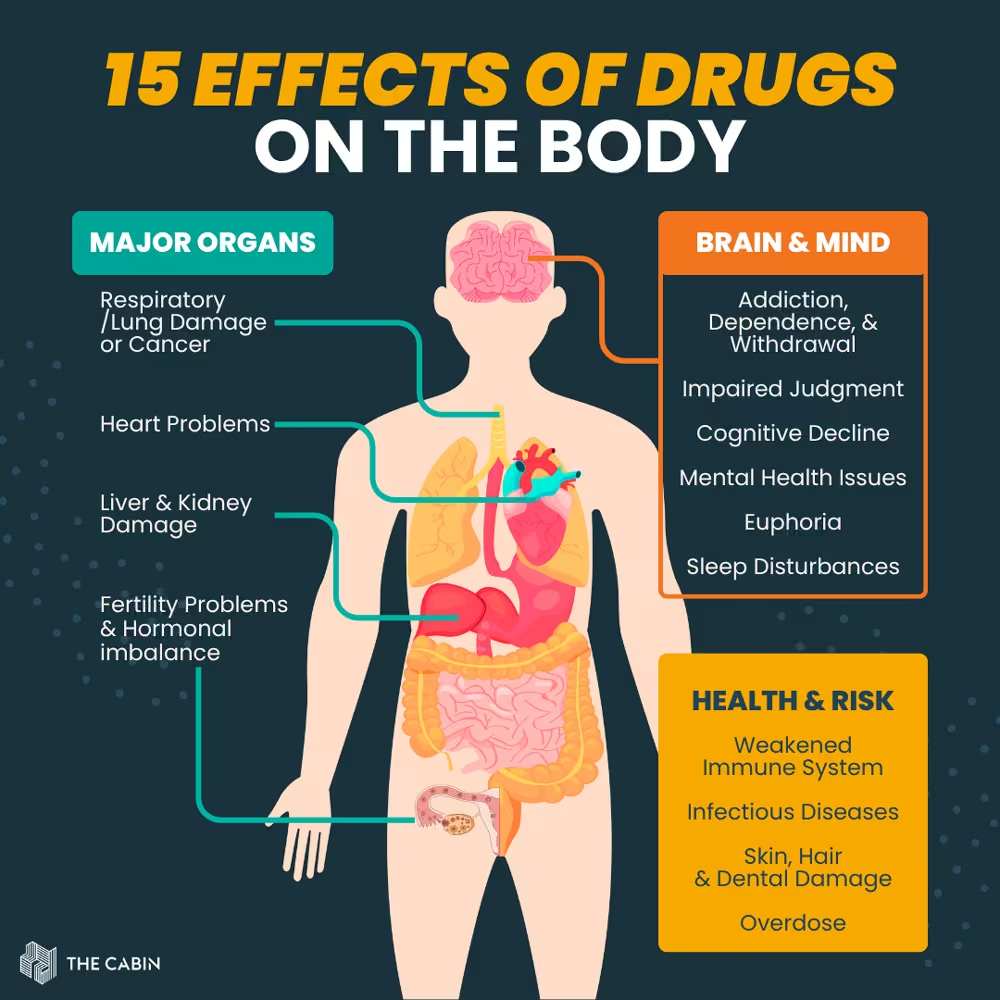
The most common 15 effects of drugs on the body are addiction, dependence, withdrawal, impaired judgment, poor decision-making, memory loss, cognitive decline, anxiety, depression, paranoia, euphoria, nausea, dizziness, sleep disturbances, and fatigue.
Additional effects may include: respiratory damage, lung disease, heart problems, stroke risk, liver and kidney damage, cancer affecting the lungs, mouth, and throat. Drug use contributes to all kinds of infectious diseases, such as HIV and Hepatitis. Other potential health consequences can affect the skin, hair, teeth, and overall appearance. There could also be issues with fertility problems and pregnancy complications. Risks of accidental overdoses and sudden death confirm the severe dangers associated with drug abuse, affecting a person’s physical and mental health.
Drugs are substances that alter the body’s function, and may include legal medications, illegal narcotics, prescription medicines, and recreational compounds. People take drugs for various reasons (pain relief, treatment of chronic illnesses, social experiences, or the pursuit of temporary pleasure). Drugs have a dual nature since they are used as medicine to treat diseases, but are sometimes abused when consumed for non-medical purposes.
Positive effects can come from reducing infection, lowering blood pressure, or stabilising mood. While adverse effects come from abuse, they may include dependence and organ damage. Substances that are considered classified include: stimulants that increase energy, depressants that slow body processes, hallucinogens that distort perception, narcotics that numb pain, and prescription drugs that serve regulated medical purposes. The contrast between therapeutic benefits and destructive misuse explains why drug use requires responsible regulation and informed decision-making.
1. Addiction, Dependence, and Withdrawal
Addiction, dependence, and withdrawal are outcomes of repeated exposure to drugs, affecting the body and mind. Addiction involves persistent use despite harmful effects, while dependence develops as the body adapts to the substance. Withdrawal occurs when the substance intake is reduced or stopped, causing changes like fatigue, mood swings, and difficulty concentrating. Factors such as the frequency of use, the drug type, dosage, and personal tolerance affect these responses. Addiction and dependence are physical and mental manifestations. These effects present negative disadvantages due to their potential for long-term harm and disruption of everyday life.
2. Impaired Judgment and Decision-Making
Impaired judgment and decision-making are consequences of how drugs influence the brain’s ability to evaluate situations and process information. Substances that affect brain function can interfere with attention, memory, and reasoning, which may lower the quality of decisions made. The intensity of the effects depends on the dosage, frequency of intake, and individual factors, such as stress level or previous exposure. Cognitive effects occur because of the impact that it has on the brain. The outcome can increase the likelihood of risky choices, reduce impulse control, and limit responsible decision-making.
3. Memory Loss and Cognitive Decline
Memory loss and cognitive decline occur when drug intake interferes with everyday brain communication, leading to reduced clarity in thought and difficulty remembering events. Drug type, frequency of intake, and individual biology, such as age and lifestyle, influence memory loss and cognitive decline. The impact on memory and cognition is related to mental health, as opposed to physical health. This type of outcome is viewed as a disadvantage of drug use, as it reduces the ability to concentrate, recall information, and maintain clear reasoning, creating long-term challenges with mental performance.
4. Anxiety, Depression, and Paranoia
Anxiety, mood changes, and feelings of suspicion are all psychological effects of drug use that may influence emotional balance, perception, and thought processes. Stimulants (cocaine or amphetamines) can elevate stress levels, potentially contributing to feelings of anxiety. Depressants (alcohol or opioids) may influence mood regulation by affecting serotonin and dopamine levels, leading to a low mood. Psychoactive drugs may affect neurotransmitter function, altering thought patterns and creating feelings of suspicion without logical cause. The chances of experiencing these effects depend on drug type, dosage, frequency of intake, personal mental health history, and environmental stressors. These effects are considered mental rather than physical, as they primarily impact emotions and thoughts. These side effects may impair judgment, reduce emotional stability, and increase the risk of mental health challenges
5. Short-Term Effects: Euphoria, Nausea, Dizziness
Short-term effects of drugs are immediate responses that occur shortly after intake and directly influence the body and the mind. The short-term effects arise from dosage, frequency of exposure, body chemistry, and environmental surroundings. Euphoria represents a mental effect because it originates from altered brain signalling. Side effects such as nausea and dizziness are physical effects, since they interfere with digestion, balance, and energy regulation.
Short-term effects are regarded as disadvantages since they disrupt comfort, focus, and daily performance. Stomach pains reduce physical well-being, an imbalance limits coordination, and an altered mood affects concentration. The short-term effects of drugs may produce a sense of enjoyment for a short time, but overall, they have a negative outcome since they restrict stability and reduce productivity.
6. Sleep Disturbances and Fatigue
Sleep disturbances and fatigue are short-term effects of taking drugs that interfere with the body’s natural rhythm and energy balance. Sleep disturbances occur when compounds alter brain activity linked to circadian regulation, leading to difficulty falling asleep or staying asleep. Fatigue develops as a direct consequence of disrupted rest or altered neurotransmitter function, producing low energy and reduced physical performance. The presence and intensity of these effects depend on the dosage, timing of use, and individual body chemistry.
Sleep disturbances are classified as mental effects because they involve brain mechanisms responsible for regulating sleep cycles. Fatigue is considered a physical effect since it affects energy output, muscle function, and daily endurance. These symptoms are considered as disadvantages of drug use, because they impair rest, reduce concentration, and hinder daily productivity rather than providing measurable benefits.
7. Respiratory Damage and Lung Disease
Respiratory damage and lung disease describe the adverse effects of drugs that impair breathing efficiency and lung capacity. Substances that introduce smoke, toxic particles, or chemical vapours into the airways strain the bronchial tubes, weaken the alveoli, and restrict oxygen transfer in the bloodstream. The risk of damage depends on the method of intake, the frequency of exposure, and the chemical structure of the substance. Respiratory damage and lung disease are considered physical effects because they directly interfere with organ systems, rather than mental functions. The effects mentioned are a disadvantage, since they reduce stamina, limit physical activity, and place long-term pressure on pulmonary health through complications such as reduced airflow, chronic irritation, and tissue scarring.
8. Heart Problems and Stroke Risk
Heart problems and stroke risk describe the adverse effects of drugs that disrupt cardiovascular function and circulation. Substances that increase blood pressure, speed up heart rate, or narrow blood vessels exert continuous strain on the heart muscle and reduce oxygen transport efficiency. The chances of experiencing the strain depend on the chemical structure of the drug, the amount consumed, and the individual’s personal conditions (age, weight, or level of physical activity).
Heart problems and stroke risks are classified as physical effects because they directly influence organ systems rather than mental processes. These physical effects are regarded as negative, since they reduce stamina, decrease available energy for physical performance, and produce long-term pressure on the cardiovascular system. Prolonged exposure that combines restricted circulation with elevated heart stress increases vulnerability and exacerbates future complications such as chronic hypertension or stroke.
9. Liver and Kidney Damage
Liver and kidney damage refers to the harmful impact of drug intake on two primary organs responsible for the body’s withdrawal management and waste elimination. The liver metabolises chemicals into less active compounds, while the kidneys filter by-products and regulate fluid balance. Repeated exposure to harmful substances places stress on these organs, leading to reduced efficiency and increased strain over time.
The severity of the effect depends on several factors (chemical composition of the drug, the dosage administered, frequency of intake, and the individual’s baseline health condition, including existing organ sensitivity). The potential outcomes are classified as physical effects, since they disrupt biological organ systems, rather than cognitive or emotional processes. It is recognised as a disadvantage of drug use because it interferes with natural body cleansing, weakens waste removal, and increases the risk of long-term dysfunction in essential organ function.
10. Cancer (Lungs, Mouth, Throat)
Cancer (Lungs, Mouth, Throat) refers to the destructive changes in tissue caused by harmful drug compounds entering the respiratory and oral systems. The carcinogenic particles damage cellular structures, weaken natural repair mechanisms, and increase the chance of abnormal cell growth. The development of an adverse effect depends on several factors, such as the method of intake, the duration of exposure, the chemical properties of the drug, and the health status of the individual. Cancer affecting the lungs, mouth, and throat is considered a physical effect because it alters biological processes and interferes with organ integrity rather than mental activity. This particular medical condition is identified as a disadvantage of drug use, since it compromises breathing, swallowing, and long-term tissue strength, reducing the body’s natural ability to function correctly.
11. Infectious Diseases (HIV, Hepatitis)
Infectious diseases (HIV, Hepatitis) describe the harmful illnesses that can occur when unsafe drug practices introduce viral agents into the bloodstream and vital organs. Transmission arises through contact with contaminated injection equipment, lack of sterilisation procedures, and direct exposure to infected blood during risky activities. This effect is classified as a physical consequence because it involves viral replication, immune system disruption, and damage to organ tissue, rather than mental or psychological changes. Infectious diseases are regarded as a negative consequence of drug use since they compromise immune defences, weaken long-term health stability, and create lasting medical complications that reduce the body’s natural ability to maintain balance.
12. Weakened Immune System
A weakened immune system lowers the body’s natural defense response when exposed to prolonged drug intake. Drugs alter the production and activity of white blood cells, which are essential for fighting infections. A weak immune system leaves the body vulnerable to harmful microorganisms, such as bacteria and viruses. The degree of the effects depend on the individual’s diet, sleep recovery cycles, unsafe sharing of contaminated equipment, and if there is repeated exposure to toxic compounds. This type of condition is classified as a physical effect, since it directly impacts biological and cellular systems, rather than mental or emotional states. Drug use is recognized as harmful, because it lowers resilience, increases vulnerability to infection, and reduces the body’s ability to maintain stability under environmental stressors.
13. Skin, Hair, Dental, and Appearance
Skin, hair, dental, and overall appearance are all physical effects affected by drug use that manifest as visible changes to the individual’s body. The effects appear in the outer condition, and may include dry or irritated skin, weak or brittle hair, and dental damage like tooth decay or discolouration. The severity of the effects depends on the type of substance consumed, frequency and duration of use, nutritional habits, and personal hygiene practices.
The side effects noted above negatively affect comfort, self-confidence, and social interactions. Damage to skin, hair, or teeth can make daily life more challenging and may require medical or cosmetic intervention to address. Effects are purely physical, involving external body structures, rather than mental processes, and they reflect the cumulative impact of prolonged substance use on the body’s appearance.
14. Fertility Problems and Pregnancy Complications
Fertility problems and pregnancy complications are side effects of drug use that impair reproductive health. Substances can alter hormone levels, reduce sperm count or mobility, disrupt ovulation, and may make conception more difficult. Exposure to drugs during pregnancy can also affect maternal health by increasing risks for fetal development, including low birth weight or developmental delays.
The type of drugs used, frequency and duration of intake, pregnancy stage, and preexisting health conditions are all factors that can influence the drugs’ effects during one’s pregnancy. Fertility problems and pregnancy complications are physical effects because they directly affect biological functions rather than mental processes. Drug use causes many types of challenges in family planning and raises health risks for both the mother and child.
15. Risk of Overdose and Sudden Death
Risk of overdose and sudden death is a severe physical consequence of drug use that occurs when the body cannot handle the amount or the combination of substances consumed. Overdose and sudden death can happen from high doses, mixing drugs with alcohol, using potent drug types, or consuming drugs through rapid methods like injection. Personal tolerance, health conditions, and lack of immediate medical care increase the probability of overdoses and sudden death. These effects are physical because vital organs such as the heart, lungs, and brain are directly impacted. The risk of an overdose or sudden death is considered a dire consequence of drug use. These are very real and serious life-threatening situations that can result in permanent damage or loss of life. Environmental factors, including unsafe surroundings or the absence of medical intervention, further raise these risks.
How do Drugs Affect the Body?
Drugs affect the body by changing normal biological processes through various chemical interactions that alter how cells and organs function. Drugs go to work by binding to receptors, modifying enzyme activity, and blocking important transport pathways, which shifts the way signals move within the body. The mechanisms of these actions can influence multiple systems, such as the nervous system, by changing neural communication. The cardiovascular system can be affected by adjusting heart rate or blood pressure, while the respiratory system is affected by altering breathing patterns. These side effects are measurable and show how external substances can disrupt and modify physiological balance.
The interaction between drugs and the body depends on the drug’s structure and its target. Some compounds (neurotransmitter modulators, vasodilators, or neuromuscular agents) act on neurotransmitters to adjust mood, alertness, or cognition, while others affect muscles or blood vessels to change circulation or organ activity. Each interaction produces different responses that reveal the body’s sensitivity to various chemical signals and how each specific compound can shift internal equilibrium. Dosage, route of administration, and an individual’s health influence the intensity and type of effects, providing insight into how drugs shape physical and biological functions.
How do Drugs Affect the Brain?
Drugs affect the brain by altering how neurons communicate through chemical signals. The drugs act on neurotransmitters such as dopamine, serotonin, and gamma-aminobutyric acid, which regulate mood, memory, and motor control. The release, reuptake, or breakdown of neurotransmitters is modified when drugs bind to receptors or block transporters. The result is a shift in brain activity that changes perception, behaviour, and physiological responses. The interactions show the measurable effects of drugs on the brain, where different compounds can trigger distinct neurological outcomes.
Drugs affect the brain by producing changes that extend across multiple regions responsible for cognition, emotion, and decision-making. The mechanisms of these actions either stimulate or suppress neural circuits, leading to shifts in reward pathways, stress responses, or sensory processing. The information noted above explains how drugs’ effects on brain functions vary depending on the substance used and the chemical target. It has been demonstrated that drugs affect the brain directly by interfering with synapses and signalling pathways. This shows how external compounds can influence the balance of neural communication.
How Drugs and Alcohol Affect the Brain?
Drugs and alcohol affect the brain by changing the way nerve cells send, receive, and process information. Substances interact with neurotransmitters such as dopamine, glutamate, and gamma-aminobutyric acid, which regulate mood, decision-making, and movement. Drugs and alcohol alter regular brain activity by binding to receptors or interfering with chemical signalling, affecting regions responsible for memory, judgment, and reward. The interactions explain why repeated exposure creates measurable shifts in thinking, emotions, and behaviour.
Drugs and alcohol affect the brain by overstimulating reward circuits and altering long-term communication between neurons. Prolonged intake of alcohol disrupts balance in neurotransmitter systems and increases the risk of dependency, leading to conditions such as alcohol addiction. Similar processes can occur when drugs that stimulate or suppress brain activity change how consumers respond to stress, pleasure, or impulse control. The effects of drugs and alcohol on the brain may include impaired cognition, impaired memory, altered emotional stability, and altered decision-making pathways.
How do Drugs Affect the Nervous System?
Drugs affect the nervous system by disrupting normal neurotransmission and altering brain chemistry. The drugs act on chemical messengers such as dopamine and serotonin, which control reward, mood, and learning. Drugs interfere with communication by blocking reuptake, increasing release, or mimicking natural transmitters. This type of disruption changes how electrical impulses travel through the brain and spinal cord, leading to shifts in perception, coordination, and decision-making. Substances classified as drugs that affect nervous system functions influence circuits linked to motivation, memory, and emotional balance.
Drugs affect the nervous system by producing short-term and prolonged alterations in neural pathways. Short-term effects include heightened stimulation, sedation, or distorted sensory processing. Prolonged exposure may lead to structural and chemical changes that reduce cognitive efficiency. Extended use of drugs that affect nervous system activity are linked with depleted neurotransmitter reserves, damaged synapses, and impaired signaling across different regions of the brain. This can impact a person’s memory, judgment, and motor control, demonstrating how continued disruption of neural chemistry influences long-term brain health.
How do Drugs Affect the Heart and Circulatory System?
Drugs affect the heart and circulatory system by changing how the heart beats and how blood moves through the body. Chemical interactions with the heart muscle and blood vessel receptors can increase or decrease heart rate, alter vascular tone, and modify oxygen demand. Stimulant drugs can accelerate cardiac activity and raise blood pressure, while depressants slow heart function and reduce circulation efficiency. These changes create measurable stress on the cardiovascular system and disrupt its normal rhythm and stability.
Repeated or long-term drug exposure can cause lasting damage to the heart and blood vessels. Persistent stimulation of a person’s cardiac tissue may lead to arrhythmias, weakened heart muscle, or arterial stiffness. Toxic effects on blood vessels can increase the risk of clot formation, poor circulation, and other cardiovascular complications. Structural and functional changes show how drug interactions extend beyond temporary effects and can harm overall heart and circulatory health.
How do Drugs Affect the Lungs and Respiratory System?
Drugs affect the lungs and respiratory system by disrupting the regular exchange of oxygen and carbon dioxide. Certain substances (tobacco smoke, air pollutants, chemical fumes, and allergens) irritate the airway lining, narrow bronchial passages, or impair cilia that filter particles, which reduces breathing efficiency and forces the lungs to work harder during inhalation and exhalation. Repeated exposures can lead to long-term structural changes, such as inflammation, scarring of lung tissue, and reduced elasticity of the lung walls.
The damage from drugs extends far beyond just airflow restriction. Chemical residues can weaken alveolar sacs, impair gas transfer, and increase susceptibility to infections. Continuous drug use contributes to further chronic bronchial irritation, fluid buildup, and irregular breathing patterns.
How do Drugs Affect the Liver, Kidneys, and Digestive System?
Drugs negatively affect the liver, kidneys, and digestive system by disrupting their normal functions and creating strain on vital metabolic and excretory processes. The liver metabolises chemical compounds into active or toxic forms, which can cause inflammation, fat deposits, or scarring that impairs the organ’s ability to process nutrients and filter toxins. The kidneys experience stress as they work to remove drug byproducts from the bloodstream, leading to possible tissue damage, reduced filtration efficiency, or fluid imbalances that impair waste removal.
The digestive system is also impacted as drugs alter enzyme activity. This can affect stomach acid production or irritate the lining of the gastrointestinal tract. These types of disruptions can result in nausea, ulcers, malabsorption of nutrients, or chronic inflammation. Repeated exposure to harmful substances compounds the damage, demonstrating how external chemicals hurt internal organ balance. Dosage, frequency of use, and combination with other compounds influence the severity of effects on the liver, kidneys, and digestive organs.
How do Drugs Affect Behaviour and Mental Health?
Drugs affect mental health by altering brain chemistry that controls mood, perception, and decision-making. Disturbing neurotransmitter balance can lead to anxiety, depression, paranoia, aggression, and psychosis as neural pathways become overstimulated or suppressed. These types of changes influence thought patterns, emotional responses, and cognitive processing, creating measurable effects on judgment, impulse control, and mood stability. The intensity and type of impact depend on the drug’s chemical composition, dosage, and frequency of use, which explains why some individuals experience temporary changes, while others develop long-term psychological effects.
Behaviour is affected by these mental health disruptions and can influence personal interactions, emotional regulation, and stress responses by showing how drugs affect mental health. Changes in dopamine and serotonin systems explain why drug exposure can reshape short-term reactions and impact long-term psychological stability. The resulting imbalances illustrate how substance use alters a person’s mental health by producing heightened irritability, unstable moods, impaired judgment, and increased vulnerability to a variety of mental disorders. These examples show the direct connection between chemical substances and alterations in emotional and cognitive functions.
What are the Effects of Various Types of Drugs?
The effects of various types of drugs are listed below.
- Stimulants: Stimulants increase alertness, energy, and heart rate by activating the central nervous system. Short-term effects include increased focus, elevated mood, faster heartbeat, and reduced fatigue. Long-term effects may involve anxiety, insomnia, high blood pressure, and heart problems. Risks include addiction, heart attack, and seizures. Some stimulants, such as caffeine, are legal, while others, like cocaine, are illegal. Prescription stimulants (Adderall) are legal when prescribed for conditions such as Attention-Deficit/Hyperactivity Disorder (ADHD).
- Depressants: Depressants slow brain activity, producing relaxation and drowsiness. Short-term effects include calmness, lowered heart rate, and impaired coordination. Long-term effects can include memory problems, depression, respiratory issues, and tolerance development. Risks involve overdose, dependency, and accidents due to impaired judgment. Alcohol and some prescription sedatives are legal. However, drugs like barbiturates, that are used without a prescription, are considered illegal.
- Opioids: Opioids reduce pain and induce euphoria by acting on opioid receptors in the brain. Short-term effects include pain relief, drowsiness, and feelings of pleasure. Long-term effects may consist of tolerance, dependence, constipation, and liver damage. Risks include respiratory depression, overdose, and addiction. Prescription opioids like morphine are legal when medically prescribed. Opiate drugs, such as heroin, are illegal.
- Hallucinogens: Hallucinogens alter perception, mood, and thought processes. Short-term effects include hallucinations, distorted senses, and heightened emotions. Long-term effects may consist of persistent perception disorders, anxiety, and memory problems. Risks involve dangerous behaviour, psychological distress, and accidents. Drugs like lysergic acid diethylamide (LSD) and psilocybin are illegal in most areas. There has been a recent shift in the medical community, where some hallucinogens are being studied for medical use under prescription.
- Cannabis: Cannabis affects mood, perception, and coordination by interacting with cannabinoid receptors. Short-term effects include relaxation, euphoria, altered time perception, and impaired memory. Long-term effects may involve chronic bronchitis, cognitive impairment, and dependency. Risks associated with cannabis use include impaired driving, anxiety, and reduced motivation. Cannabis is legal and prescribed in certain regions and countries for medical use, and may also be used recreationally in some areas, without a prescription.
- Inhalants: Inhalants include chemicals that produce mind-altering effects when breathed in. Short-term effects include dizziness, euphoria, and slowed thinking. Long-term effects may involve brain damage, organ failure, and hearing loss. Risks such as sudden death, suffocation, and permanent neurological damage may occur in some individuals. Inhalants are generally illegal to abuse, and most are not prescribed for medical purposes.
What are the Side Effects of Illegal Drugs on the Body?
The side effects of illegal drugs on the body are listed below.
- Cardiovascular Strain: Illegal stimulants such as cocaine and methamphetamine elevate the heart rate and raise blood pressure, creating high stress on the cardiovascular system. It raises the risk of arrhythmias, heart attack, or stroke at an early age. Constant strain reduces circulation efficiency and shortens long-term endurance.
- Neurological Disruption: Substances that alter neurotransmitter activity interfere with memory, concentration, and cognitive stability. Repeated exposure may lead to seizures, brain cell damage, and long-lasting impairments that can affect an individual’s learning ability. Destabilizing these pathways over time also affects decision-making and mood regulation.
- Liver and Kidney Damage: The liver metabolizes toxic compounds from illegal drugs, while the kidneys filter waste and regulate fluid balance. Heavy exposure produces scarring of liver tissue and compromises kidney filtration. These combined side effects reduce the body’s ability to eliminate toxins and maintain homeostasis.
- Respiratory Complications: Inhaled drugs damage lung tissue and obstruct airflow, while opioids slow breathing to dangerous levels. Prolonged exposure leads to chronic bronchitis, pulmonary infections, or fatal respiratory arrest. Damage to lung capacity restricts oxygen supply, limiting energy and physical strength.
- Immune System Weakness: Illegal drug use weakens immunity, lowering resistance to infections. Sharing needles or unsafe equipment can transmit diseases such as Human Immunodeficiency Virus (HIV) and Hepatitis. A weakened immune system reduces resilience and increases the individual’s vulnerability to life-threatening conditions.
- Mental Health Disorders: Illegal drugs trigger psychological issues such as anxiety, paranoia, depression, and psychosis. Long-term dependency worsens mood instability and increases the chance of aggressive or irrational behavior. These changes negatively impact social functioning and reduce emotional well-being.
- Addiction and Dependency: The most detrimental side effect is the development of compulsive drug-seeking behavior. Addiction alters brain circuits linked to reward and self-control, making cessation difficult without formal treatment. The unwanted behavior patterns result in physical deterioration and psychological decline.
What are the Side Effects of Abusing Drugs on the Body?
The side effects of abusing drugs on the body are listed below.
- Digestive System Disturbances: A serious effect of drug and substance abuse is disruption of digestion. Substances irritate the stomach lining, leading to nausea, vomiting, constipation, or diarrhea. The development of gastrointestinal bleeding or ulcers may eventually occur, reducing nutrient absorption and weakening the body.
- Respiratory Complications: Inhaled substances scar lung tissue and reduce oxygen exchange, while depressants suppress breathing. Drug-induced respiratory failure occurs when breathing slows or stops, placing an individual’s survival in immediate danger. This impact on breathing highlights one of the most direct physical risks of long-term misuse.
- Neurological Impairments: Abusing drugs disrupts brain chemistry, interfering with memory, attention, and coordination. Seizures, tremors, and loss of motor control develop in severe cases. These conditions show how prolonged misuse alters brain pathways and reduces cognitive function.
- Immune System Weakness: Long-term exposure lowers the body’s defense against infections. Unsafe practices, such as sharing contaminated equipment, increase the spread of diseases such as HIV and Hepatitis. The weakening of the immune system leaves the body vulnerable to repeated illness and longer recovery times.
- Liver and Kidney Stress: Drugs processed through the liver and kidneys overload these organs with toxins. Prolonged misuse contributes to cirrhosis, liver failure, or kidney disease. These types of health complications reduce the body’s ability to filter waste and maintain balance.
- Mental Health Disorders: Drug misuse contributes to paranoia, anxiety, depression, and psychosis. Substance-related changes in the brain also destabilize mood regulation and emotional control. Drug misuse can damage both physical and mental health simultaneously.
- Cardiovascular Strain: Long-term use contributes to arrhythmias, arterial damage, and can even increase a person’s risk of having a stroke. These additional health concerns and risks, restrict circulation efficiency and place unnecessary long-term stress on cardiovascular function. Alcohol and drug abuse alter normal heart rhythms and raise blood pressure, which increases the heart’s workload.
- Addiction and Dependency: Drug abuse leads to physical dependence and tolerance. Addiction forces continuous use, despite harmful consequences, creating cycles of withdrawal and relapse. This toxic and repetitive cycle illustrates how long-term misuse traps individuals in compulsive behavior that destroys their health and stability.
What are the Side Effects of Prescription Drug Abuse?
The side effects of prescription drug abuse are listed below.
- Respiratory Suppression: Opioid-based medications can reduce breathing rates when consumed in excessive amounts. Shallow or slowed respiration restricts oxygen delivery to vital organs, creating a direct risk of respiratory arrest. Long-term suppression like this, damages lung capacity and decreases endurance.
- Cardiovascular Strain: Stimulant medications accelerate heart rates and can also elevate a person’s blood pressure beyond safe levels. Persistent stresses of this nature increase the likelihood of arrhythmia, stroke, and heart failure. The extra strain on the circulatory systems reduces efficiency in delivering oxygen and nutrients throughout the entire body.
- Neurological Impairment: Sedatives and pain relievers alter brain activity and neurotransmitter balance. Prolonged abuse leads to memory loss, impaired coordination, and reduced cognitive function. Neurological decline disrupts daily functioning and lowers mental sharpness.
- Gastrointestinal Complications
Prescription misuse damages the digestive tract, causing nausea, constipation, and internal bleeding. Opioids slow intestinal movement, while non-steroidal drugs irritate the stomach lining. Persistent complications of this kind reduce nutrient absorption and weaken overall health. - Liver and Kidney Damage: The liver metabolizes most prescription drugs while the kidneys filter waste, placing heavy stress on both organs. Abuse causes toxic buildup that can result in liver disease or renal failure. Organ deterioration limits withdrawal management and disturbs the chemical balance within the body.
- Immune System Weakness: Long-term drug abuse disrupts immune regulation and lowers the body’s resistance to fight off infection. Weakened defenses expose the body to frequent illnesses, such as pneumonia or other viral conditions. Repeated illness illustrates the biological toll of excessive exposure to foreign chemicals.
- Mental Health Disorders: Chemical dependence alters a person’s mood regulation and disrupts the brain’s reward system. This can leave lasting instability and heighten the risk of self-destructive behavior. Taking prescription drugs may lead to depression, anxiety, paranoia, and, in severe cases, psychosis.
- Addiction and Dependency: Chronic abuse changes the brain’s reward circuits, creating compulsive patterns of consumption. Dependence develops when tolerance rises, requiring higher doses to achieve the same effect. Addiction reduces self-control and strengthens the cycle of harmful use.
What are the Very Harmful Effects of Drugs on the Body?
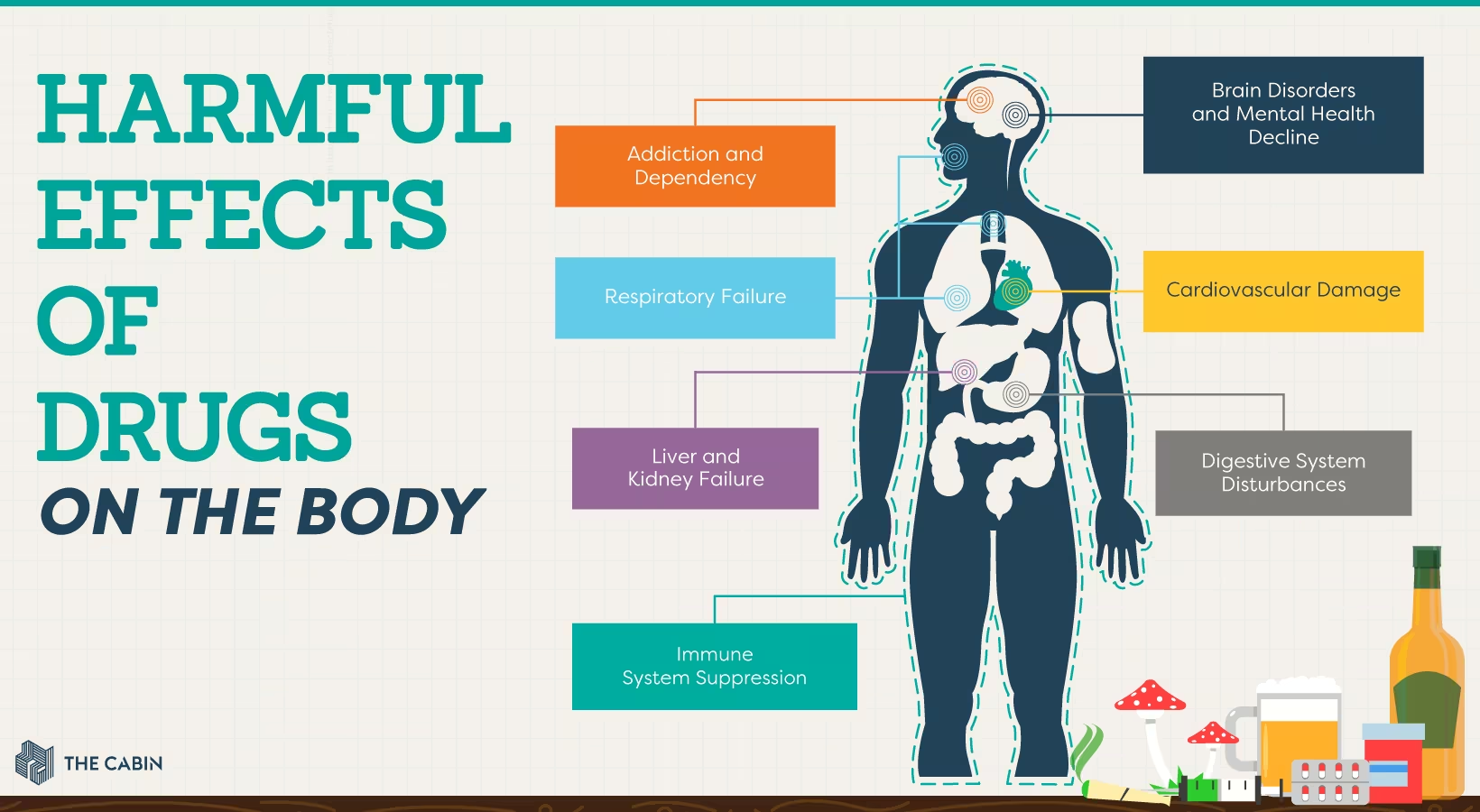
The very harmful effects of drugs on the body are listed below.
- Cardiovascular Damage: A significant negative effect of drug abuse is the strain placed on the heart and blood vessels. Substances that increase blood pressure or alter heart rhythms accelerate the risk of stroke, cardiac arrest, and long-term hypertension. These medical concerns are part of the disadvantages of drugs, because they weaken endurance and can shorten a person’s lifespan.
- Liver and Kidney Failure: The liver processes toxins, while the kidneys regulate fluid balance, making them both vulnerable to drug-related stresses. Prolonged misuse and abuse damage liver cells, leading to cirrhosis. When kidney filtration deteriorates, this can result in renal failure. These outcomes represent the ill effects of drugs as they disrupt vital organ systems and reduce survival capacity.
- Neurological and Brain Disorders: Drugs interfere with brain chemistry, causing memory loss, seizures, or permanent cognitive decline. Stimulants can overstimulate neural pathways, while depressants may slow brain activity to dangerous levels. The harmful effects of drugs on brain function also include irreversible changes to decision-making, learning, and emotional stability.
- Immune System Suppression: Long-term exposure to toxic compounds reduces the body’s ability to fight infection. Sharing contaminated equipment transmits life-threatening diseases such as HIV and Hepatitis. Weakening immunity demonstrates the harmful effects of drugs from an essay perspective, showing how the body loses natural defence strength.
- Respiratory Failure: Substances that depress the central nervous system slow breathing until oxygen supply becomes inadequate. Opioids and sedatives raise the risk of fatal respiratory arrest, while inhaled substances scar lung tissue. This damage highlights the ill effects of drugs that directly interfere with the body’s essential survival process.
- Mental Health Decline: Drug misuse contributes to chronic depression, paranoia, hallucinations, and psychosis. Long-term dependency alters mood regulation and leads to persistent emotional instability. The disadvantages of drugs extend beyond physical damage by destabilising psychological health and reducing quality of life.
- Addiction and Dependency: The most destructive outcome is the cycle of drug addiction, which traps individuals in compulsive use, despite harmful consequences. Addiction alters brain circuits that control reward and self-control, making recovery difficult without proper intervention. This unfortunate state reflects the bad effects of drugs by combining physical deterioration with psychological bondage.
What are the Short-Term Effects of Drugs on the Body?
The short-term effects of drugs on the body are listed below.
- Increased Heart Rate: Stimulant drugs such as cocaine or methamphetamine accelerate the heart rhythm within minutes of intake. This abrupt increase places stress on the cardiovascular system and reduces the efficiency of blood circulation. The strain may trigger chest pain, irregular heartbeat, or dizziness in sensitive individuals.
- Altered Mental State: Substances like cannabis or hallucinogens distort perception, mood, and awareness almost immediately upon intake. The modified state may involve heightened sensory response, impaired judgment, or short-lived euphoria. The effects interfere with coordination and reaction time, making ordinary tasks unsafe.
- Reduced Coordination: Depressants such as alcohol and opioids impair motor control and balance soon after use. The reduction in coordination increases the risk of falls, accidents, and slows reflexes. The delayed response time limits physical performance and reaction ability.
- Nausea and Vomiting: Short-term exposure to opioids, alcohol, or synthetic drugs irritates the digestive system. Nausea results from disrupted signals between the brain and stomach, leading to vomiting in some instances. This side effect reduces comfort and interferes with an individual’s fluid and nutrient balance.
- Dilated or Constricted Pupils: Drugs trigger immediate changes in pupil size depending on their action on the nervous system. Stimulants like cocaine cause dilation, while opioids cause constriction. The visual indicators show rapid nervous system responses and can assist in the clinical assessment of drug intake.
- Dehydration and Sweating: Substances such as 3,4-Methylenedioxymethamphetamine (MDMA) and methamphetamine disturb fluid balance within a short period. Excessive sweating and loss of electrolytes can lead to dehydration, which reduces endurance and energy availability. Excessive heat in the body can be dangerous and lead to heat exhaustion or collapse.
- Positive Mood and Pleasure Response: Addictive substances trigger an intense but short-lived release of dopamine. It creates a powerful sense of pleasure and relief, which reinforces the desire for repeated intake. The temporary satisfaction is one reason why drug addiction develops rapidly.
What are the Long-Term Effects of Drugs on the Body?
The long-term effects of drugs on the body are listed below.
- Organ Damage: The long-term effect of substance abuse includes progressive damage to the liver, kidneys, and heart. Prolonged exposure to toxic compounds interferes with metabolic function and weakens cardiovascular stability. For example, alcohol misuse increases the risk of cirrhosis, while stimulants accelerate cardiac strain.
- Neurological Decline: Drug addiction alters brain chemistry by disrupting dopamine pathways and impairing cognitive function. Memory loss, poor decision-making, and reduced concentration emerge as persistent outcomes. Chronic stimulant exposure from drugs like cocaine, heightens the risk of seizures and long-term neurodegeneration.
- Immune System Suppression: Long-term exposure to injected substances increases susceptibility to conditions such as HIV and Hepatitis. Using illegal drugs weakens immune responses, leaving the body less capable of resisting infection. Misuse, even non-injected, impairs the production of protective cells, reducing resilience to disease.
- Mental Health Disorders: Prescription misuse and illicit drug exposure contribute to chronic anxiety, depression, paranoia, and psychosis. Prolonged disruption of neurotransmitters alters mood regulation and destabilizes emotional balance. For example, long-term cannabis misuse may trigger paranoia, while opioid abuse can increase depressive symptoms.
- Endocrine and Reproductive Issues: Hormonal imbalance is a consequence of long-term drug intake, disrupting reproductive health and metabolic stability. Opioids interfere with testosterone and estrogen production, leading to infertility and sexual dysfunction. Stimulants disturb sleep cycles, appetite regulation, and reduce the natural hormonal rhythm within the body.
What are the Advantages of Using Drugs?
The advantages of using drugs are listed below.
- Pain Relief: Analgesic drugs (opioids or non-steroidal anti-inflammatory medicines) reduce acute and chronic pain. Drugs support recovery and improve the quality of life for patients experiencing severe discomfort.
- Infection Control: Antibiotics are made to eliminate harmful bacteria and prevent the spread of infections. Intensive use has transformed healthcare by lowering mortality from once-fatal illnesses.
- Life-Saving Interventions: Drugs such as insulin for diabetes or epinephrine, prescribed for severe allergic reactions, can sustain vital functions. These drugs act rapidly to stabilise conditions and prevent medical emergencies.
- Mental Health Management: Antidepressants, antipsychotics, and anxiolytics regulate mood disorders and psychiatric conditions. These types of drugs help balance neurotransmitter activity and reduce distressing symptoms.
- Disease Prevention: Vaccines stimulate the immune system to protect against infectious diseases. Drug usage of this kind has prevented and safely controlled conditions such as polio, measles, and influenza.
What Are the Disadvantages of Using Drugs?
The disadvantages of using drugs are listed below.
- Abuse: Drug abuse occurs when substances are used in excessive or non-medical ways, leading to harmful consequences. Prolonged misuse alters brain chemistry and disrupts decision-making and behavior.
- Health Risks: Unnecessary drug intake, increases the risk of organ damage, cardiovascular strain, and weakened immunity. Examples include liver failure, kidney impairment, and chronic respiratory conditions.
- Dependency: Drug dependency develops when the body adapts to the presence of a substance and begins to require it to function. This state leads to withdrawal symptoms if the substance is reduced or removed.
- Mental Instability: Drug use affects neurotransmitter balance, which interferes with mood regulation and cognitive function. It can result in anxiety, depression, or impaired memory.
- Social Consequences: Drug abuse and misuse disrupt relationships, work performance, and financial stability. Legal consequences and loss of social trust are common problems associated with drug abuse.
What are the Treatments for Drug Addiction?
The treatments for drug addiction are listed below.
- early recovery: early recovery is the first step in treating drug addiction. This is a time where the body removes harmful substances under medical supervision. A structured and medically monitored treatment plan helps to reduce withdrawal symptoms that interfere with recovery. A proper early recovery phase is effective in stabilising physical health and prepares the individual for further therapies.
- Medication Therapy: Medication therapy uses prescribed drugs to control cravings and normalize brain function. This type of treatment support helps reduce the risk of relapse for addictions to opioids and alcohol. It is most effective when combined with behavioral interventions, as this better supports long-term abstinence.
- Behavioural Counselling: Behavioural counselling involves structured sessions that address negative thought patterns and unhealthy habits. Counselling helps teach coping skills and builds motivation for recovery. It is also effective in preventing relapse by guiding individuals toward healthier decision-making.
- Support Groups: Support groups create a community where individuals share experiences and encourage each other’s progress. This support network helps build accountability and reduces feelings of isolation. It can also be effective in maintaining recovery through peer companionship and shared responsibility.
- Residential Treatment: Residential treatment places individuals in a structured facility where therapy, medical care, and support are provided daily. This more intense treatment option is helpful for people needing close supervision, as well as long-term guidance. It is incredibly helpful in addressing severe drug addiction cases by combining multiple therapies in a safe and secure environment.
- Outpatient Programs: Outpatient programs allow for individuals to receive therapy and counseling while living at home. The lower commitment level of this type of treatment is helpful for participants who require flexibility to continue with work or their family duties. This level of care is best suited for a person who has a strong social support, high motivation for change, and has a lesser level of addiction severity.
- Holistic Therapies: Holistic therapies include activities such as exercise, meditation, and nutritional support to strengthen the body and mind. This modality helps reduce stress and improve overall well-being. It is usually recommended as a complementary approach, combined with medical and psychological care.
Don’t Let Drug Addiction Hold You Back!
If substance abuse is causing negative consequences in your life and yet you are still unable to quit using on your own, there is a good chance you have developed an addiction. If you want to quit using and get your life back on track, contact us today for a free consultation with an addiction expert to see how we can help.

The Cabin Clinical Team
Our team boasts over 10 years of experience working with individuals struggling with addiction and mental health challenges. This extensive experience allows us to provide comprehensive assessments, develop personalized treatment plans, and deliver evidence-based interventions tailored to meet your unique needs.