RETURNING TO REHAB AFTER RELAPSE

When Rehab Hasn’t Worked Before

If you have been to rehab before and relapsed, it does not mean treatment cannot work for you. Relapse after rehab is common. What usually needs to change is the assessment you start with, whether the conditions underneath the addiction are treated, how far you are from your home environment, and what support is in place after you leave.

  • Our Story
    Over 15 years of healing 7,000+ clients
  • Round-the-clock care
    Psychiatrist-led team, nurses on site 24/7
  • Changing Pathways
    CBT, 12 Steps & mindfulness, daily
  • Structured days
    Therapy, fitness, workshops, Sunday excursions
  • Minimum 4 weeks
    4, 8 or 12-week programmes
  • Free online aftercare
    Weekly video groups after discharge

You’ve been to Residential Treatment Before

You know the first few days: the new routines, the groups, the sense that maybe this time things really could be different. Maybe, for a while, they were. Then you went home, life closed back in, and somewhere along the way the old pattern found you again.

So if part of you is here looking for help, and part of you is wondering why you would risk hoping again, that makes complete sense. Both parts are trying to protect you.

We have worked with thousands of people who stood exactly where you are standing now.

The Cabin Chiang Mai is a 30-bed residential addiction and mental health rehabilitation centre on the Ping River in Northern Thailand. Our patient records show that we have treated more than 7,000 clients since 2009, and many of them came to us after another attempt at rehab had not held.

You’re Not Starting from Zero

It can feel as though going back to treatment means going back to the beginning. It absolutely doesn’t. You know things now that you didn’t know last time.
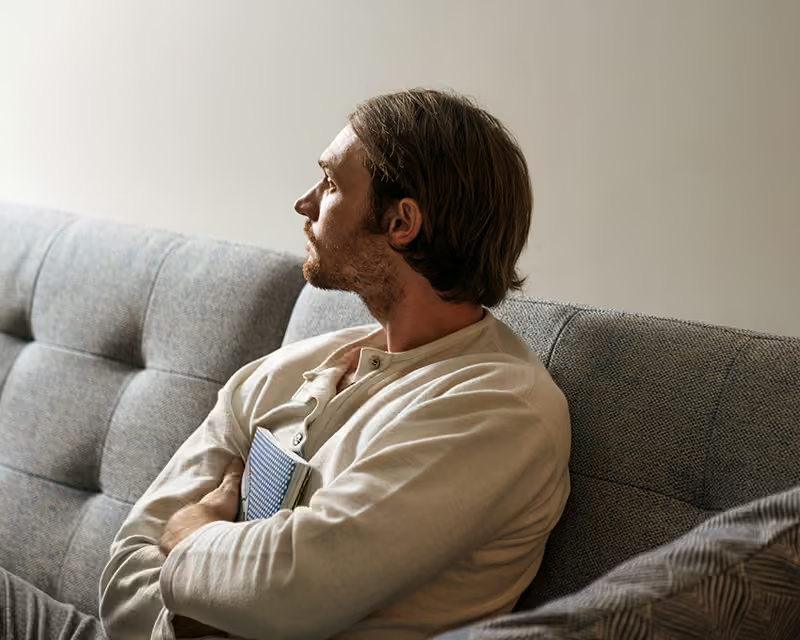
Pensive man sitting on a sofa.

Take a moment to remember and reflect:

  • What helped, even if only for a while?
  • When did things start to slip, and what was happening around you when they did? There can be many factors behind a relapse, and often we do not identify them until it is too late.
  • What did you need that wasn’t there?

Whatever your answers are, they are not evidence of failure. They are information. Information that you have a choice to learn from and act on to give recovery a chance again.

Relapse doesn’t mean recovery isn’t for you

Going back to using after treatment is common. The National Institute on Drug Abuse puts relapse rates for substance use disorders at roughly 40 to 60 percent. That is similar to relapse rates it reports for other long-term medical conditions like asthma and diabetes.

When treatment for asthma or high blood pressure stops working, nobody decides the person is beyond help. They look at what got in the way and change the approach. You deserve the same thinking. You are not beyond help.
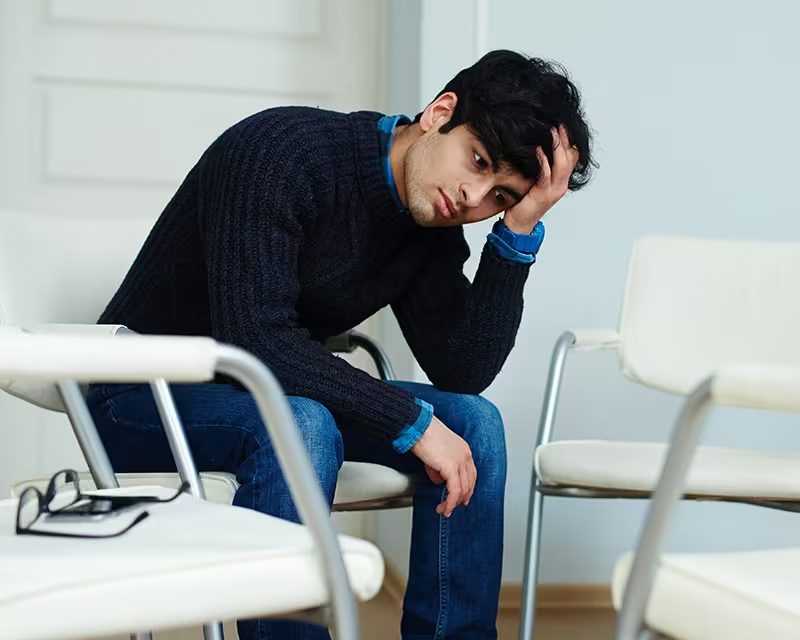
Young man looking pensive in waiting area.

What You Might Be Thinking Right Now

Yes. It can feel as though you cannot, especially if people around you have said it too. But there is no limit on how many times someone can begin again. The more useful question is what needs to be different now.

That may be true, and it is frightening. It may also be the clearest sign yet that you need more support, not that you should stop looking for it.

If nothing changed, you would be right to worry. That is why we begin with a full clinical assessment of what happened last time and where you are now, so that we are not simply repeating a plan that didn’t hold.

You don’t have to tell anyone anything yet. You can start with one private conversation with us, ask whatever you need to, and decide afterwards.

We can’t promise you an outcome, and we would be wary of anyone who did. What we can promise is that you won’t be left to work out the next step on your own, during treatment or after it.

Treatment at The Cabin costs around 1/3 the price of equivalent inpatient care in the United Kingdom, United States or Australia. Our programmes are all inclusive of private accommodation, every meal, individual and group therapy, psychoeducation, fitness therapy, weekly supervised excursions, and continuing care after you leave. We are recognised and accepted by leading international health insurers. We also offer a refund policy that is unique in our industry: if you choose to leave within the first seven days of admission, we refund on a pro rata basis. This demonstrates our confidence in the quality of our programme.

Often within days. We are able to take admissions at short notice, assessed case by case, depending on clinical suitability, current availability, your travel arrangements and any medical needs identified during your assessment call. If you are at a crisis point, say so when you call and we will tell you honestly what is possible. Our admissions process is designed to move as fast as it safely can.

Hunter S.

When Rehab Hasn't Worked Before
When Rehab Hasn't Worked Before When Rehab Hasn't Worked Before When Rehab Hasn't Worked Before When Rehab Hasn't Worked Before When Rehab Hasn't Worked Before

It takes courage to ask twice

The first time you asked for help, you may not have known what you were asking for. This time you do. You know how hard the work is, you know what it costs. And yet you are still here, reading this.

That isn’t weakness. Asking for help again takes a particular kind of courage: the kind that sets pride aside and says, honestly, I just can’t do this on my own anymore. In our experience, that honesty is often where things begin changing for good.

What Would Be Different This Time?
  • A full clinical assessment first, so that we understand what was missing last time rather than repeat the same plan.
  • Treatment for the whole picture, including depression, anxiety or trauma that may have sat underneath the addiction and never been properly addressed. We treat dual diagnosis as standard and included, not as an add-on.
  • Changing Pathways, our evidence-based treatment model, which combines a secularised adaptation of the 12 steps with a clinical focus on the causes underneath the addiction.
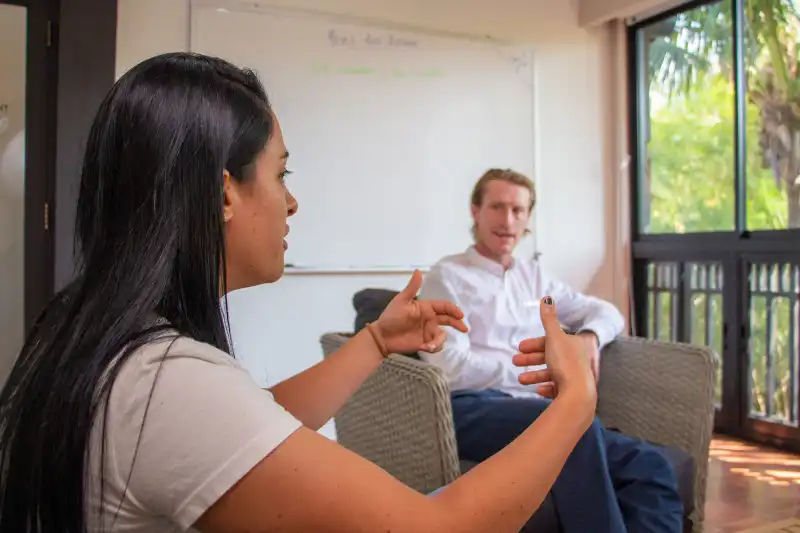
Personal and Group Counselling Sessions at The Cabin
  • A range of therapeutic modalities for a more individualised treatment approach if parts of treatment need changing: CBT, DBT, ACT, EMDR, neurofeedback, and more, delivered one to one and in groups.
  • Time and distance. A full residential stay in the tranquil atmosphere of Chiang Mai, away from the people, places and routines that keep the pattern going back home.
  • Medical care from day one: medical withdrawal supervision where needed, nursing on site 24 hours a day, and a clinical psychiatrist on site.
  • A highly experienced clinical team with over 100 years of combined practice, internationally licensed, working to a 4:1 client to counsellor ratio so that each counsellor treats a maximum of 4 clients at a time.
  • Support that doesn’t end at discharge: a relapse prevention plan on the day you leave, international continuing care, and lifetime access to our global Alumni Community and Peer Support Network at no cost.
  • We are certified under Healthcare Accreditation (HA) and licensed by Thailand’s Ministry of Public Health, with more than 70 staff across our clinical, medical, support, hospitality, and operations teams.

Coming Home is Often Where It Slipped

For many people, treatment itself wasn’t where things fell apart. It was the return home: the structure gone, the pressures back, nowhere obvious to turn.

That is why every client leaves with a relapse prevention plan, international continuing care support, and lifetime free access to our Alumni Community and weekly Peer Support Network groups. Our international network of clinicians runs those groups across multiple time zones, so that support is available wherever home is. Some ex-clients stay connected to the community for years, with numerous gatherings across the world.
Continuing care
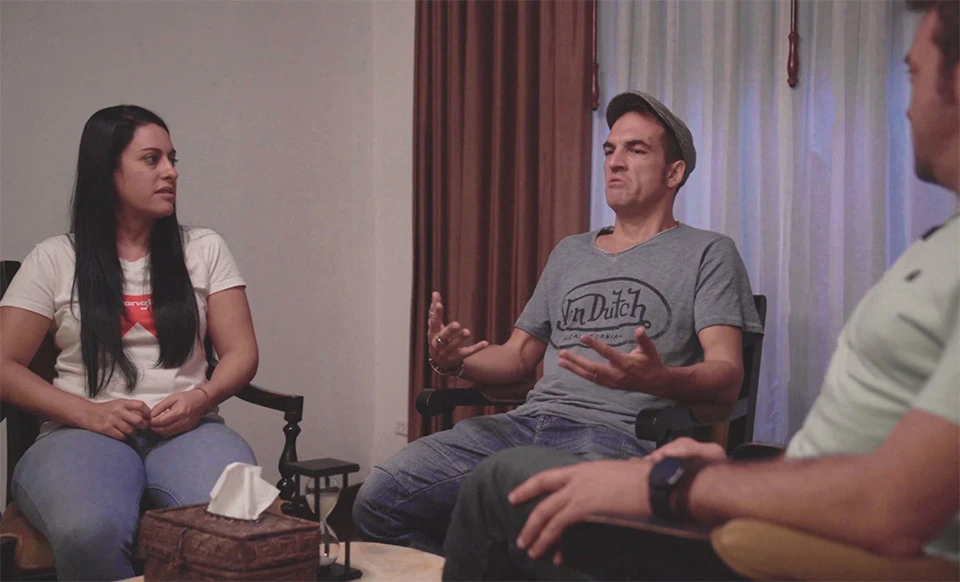
A daily group counselling session

Honest about What We Can Offer

No one can guarantee recovery, and anyone who promises it deserves your caution. What we can tell you is that since 2009 we have treated more than 7,000 people, and many of them came to us after another attempt at rehab hadn’t held. We won’t ask you to pretend the past didn’t happen. We will help you use it.

2009

Treating Since

7,000+

People Treated

4:1

Client to Counsellor

Our Director of Admissions, Phil Biggins, did not have a linear recovery journey. He is happy to share what he learned along the way, including the failures.

One Conversation with No Commitments to Start

The first step is a free, confidential assessment call with our Admissions team. No charge and no obligation, we speak with dozens of people seeking help every week.

It is a clinical and confidential conversation, not a sales call. When you call, we will ask what happened last time, what has changed since, what worries you, and what you need from treatment now. Then we will tell you honestly whether we think we can help. If we are not the right fit, we will say so, and help point you towards somewhere that is.

If you are ready to move quickly, say so on the call. We are often able to arrange admission at short notice, assessed case by case.

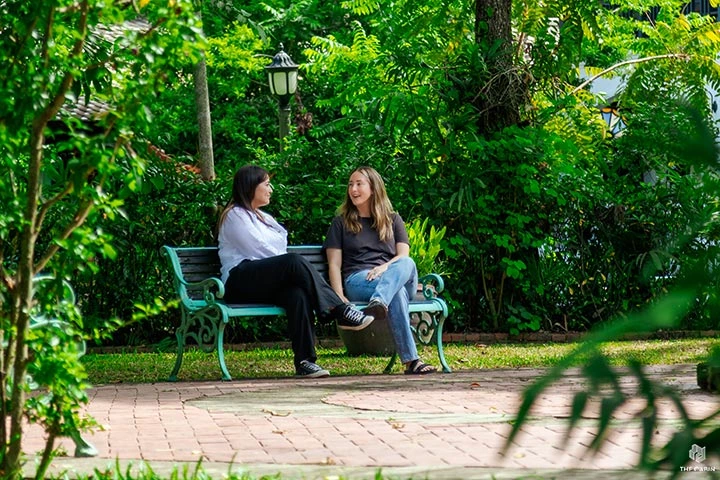
Our counsellors can provide the guidance and encouragement you need during this critical period.
When Rehab Hasn't Worked Before

A Year from Now

Imagine it is a year from now, and you are looking back at today. Not at everything that happened in between. Just at this moment: sitting where you are, reading this, deciding whether to reach out.

Whatever else that year held, think about what it might mean that you made the call.

For Partners and Family Members

When Someone You Love has Been to Rehab before, You may be Carrying More Than Worry

You may remember the phone call when they said they were going into treatment. You may remember the relief, the hope, the effort it took to get them there. And you may remember the moment, weeks or months later, when you realised things were slipping again. Perhaps you have been through that more than once. By now, you may feel frightened, exhausted, angry, guilty for feeling angry, or simply unsure what you are supposed to do next.

None of that makes you uncaring. And a previous relapse does not mean you were foolish to hope for the best outcome the first time.

Why the First Attempt at Rehab may Not Have Held

Most of the time, this is more complicated than someone simply not trying hard enough. It does not necessarily mean the previous treatment centre was bad either. Sometimes the problem is the setting. Sometimes it is the length or approach of treatment. Sometimes the most important work never got done. Often the answer is complex, and some of the hardest parts of recovery come after a person returns home from treatment

If the earlier treatment was close to home, the same people, places and pressures may have been waiting outside the door. The stay may have been too short to make lasting changes, or the wish to keep everything private may have meant that some of the help they needed was never fully put in place.

How to help an alcoholic family member 6 steps to recovery

If they were in another residential programme, issues such as trauma, anxiety or low mood may have sat underneath the addiction without being properly addressed. The approach may simply not have suited them. Or there may have been too little support once they returned home, which is where progress can become hardest to hold. Our own programmes run from 4 to 12 weeks, are delivered under the Changing Pathways model, and are followed by continuing care through our international network of clinicians.

The useful question for families is not “Why did they fail?” It is “What was missing in the recovery process, and what needs to be different now?”
When Rehab Hasn't Worked Before

What You can do Before Making another decision

Start with a conversation. A free family consultation costs nothing and commits you to nothing. We can talk through what happened last time, what might help now, what you can say to your loved one, and what you can do if they refuse treatment. If timing is urgent, tell us. We are often able to arrange admission at short notice, assessed case by case.

Phil Biggins, our Director of Admissions, has the personal experience of a non-linear recovery journey and understands the difficult dynamics many families go through. He can share insights into overcoming failures and how things can finally change for the better, for everyone.

If we do not think we are the right fit for your loved one’s treatment, we will tell you. Our aim is to help you make a better decision.

You should not have to carry this part alone

Up to two of your loved ones can join our 8-week Family Programme online. Families also receive lifetime access to our Peer Support Network, including free weekly online groups, with separate groups for partners and for parents. Because those groups are run by our international network of clinicians across multiple time zones, you can use that support wherever you are, including long after the residential programme has ended.

That matters because the period after treatment can be hard on families too. You may be the person picking up the phone when things go wrong, wondering what to do, and trying to support someone you love without losing yourself in the process. We do not believe families should be left alone with that.

Get Free Consultation Family Advice
There are particular roles that family members have been known to take on in an effort to deal with the addict/addiction.

Who we can and cannot help

Being clear about this protects your loved one and saves everyone time. We treat substance addictions including alcohol, drugs and prescription medicines; behavioural addictions including gambling, internet and gaming and disordered eating; and the mental health conditions that commonly sit alongside them, including depression, anxiety and trauma.

Online Support

We are not the right place for everyone. For example, we are not suitable for someone who needs acute psychiatric care, or a level of medical support beyond what a licensed residential rehabilitation centre can safely provide. We provide medical withdrawal supervision on site where it is clinically appropriate, and we are allied with the leading international hospitals in Chiang Mai for anything beyond that.

Tell us what is happening during the assessment call. If we are not the right place, we will do our best, in confidence, to help you find somewhere that is. Getting the fit right matters more to us than taking every admission.

Frequently Asked Questions

We treat a wide variety of process and substance addictions. Our substance addiction treatment programme treats alcohol and other substance addictions, while our process addiction treatment includes eating, gambling and sex. We also treat co-occurring disorders that frequently occur with addiction, such as depression and anxiety; as well as treating trauma – which is often one of the causes of addiction.

Our approach to addiction treatment includes a contemporary, smart, physical and holistic treatment programme, which we are globally recognised for in the behavioural health profession community. The main treatment we use is Cognitive Behavioural Therapy (CBT), a highly tailored approach modified to each individual’s specific needs. We also weave in additional treatment modalities into the program including art therapy and holistic treatment to help surface issues that can better be addressed through the combination of group and one-to-one counselling sessions.

Our Programme has a foundation in the 12 Steps method which our clinical team have adapted to be culturally sensitive and suit modern-day addictions. The core programme is enhanced with Mindfulness Therapy (therapeutic meditation techniques) and personalised Exercise Therapy.

We offer an evidence-based therapy called EMDR for clients who are also experiencing PTSD or trauma symptoms in addition to other modalities such as neurofeedback

Treatment at our facilities is administered by a team of licensed, Western trained psychologists and drug and alcohol counselling specialists, who have over 80 years of combined experience in treating addictions. The Cabin Chiang Mai also has a full-time clinical staff who specialise in addiction treatment that is headed by a leading Thai psychiatrist with nursing staff who are onsite 24 hours a day, 7 days a week. We are licensed by the Thai Ministry of Public Health.

Inpatient rehab gives you the opportunity to work through your addiction for a significant time period without the interruptions and distractions of daily life. By engaging in an inpatient programme, you can consider all aspects of life, find out the root cause of issues, evaluate living patterns and relationships, and eventually reprioritise and restructure your life to start living in a healthy and fulfilling way.

During your rehab, you will experience complete honesty with yourself in an environment that is nurturing, supportive and healing. You will have structure, supervision, no access to drugs or alcohol, no negative influences, therapy options, a nutritious and balanced diet, and tools for recovery. You will be able to completely focus on yourself.

The Cabin inpatient programme combines a unique and personalised programme with a variety of therapeutic approaches in a setting that gives each client the necessary tools to succeed in ongoing recovery. Inpatient treatment can give you a new chance at life and help you realise that suffering from a bad disease does not make you a bad person. You can begin again with the tools and support that are given to you throughout the duration of the programme (including aftercare).

Our addiction treatment programmes include private accommodation, all meals, individual counselling, group addiction therapy sessions, physical therapy, massage therapy, weekly excursions and aftercare (detailed in Q#15).

We offer a four week accelerated programme, 8 week or 12 week recovery programme, and a tailored-duration programme. Your length of stay depends on your individual needs and your treatment plan is personalised to suit your requirements.What would a day in The Cabin Chiang Mai be like?

From Monday to Friday, daily routines typically include group therapy, one-on-one therapy, fitness therapy, mindfulness coaching and other therapeutic workshops.

On Saturday, clients participate Muay Thai or recovery meetings, while afternoons are for personal time or they can make use of our professional grooming services. Sunday are reserved for fun day trips or excursions around Chiang Mai.

An example of a day in The Cabin from the weekly schedule is as follows:

TimeActivities
7:00 amYoga
7:30 amBreakfast
9:00 amProcess Group
10:15 amFitness Session
11:30 amPsych Ed GPs 1, 2, 3 Trauma
12:30 pmLunch
2:00 pmCounselling, Holistic
4:00 pmPersonal Training, Massage
5:00 pmGroup Holistic
6:00 pmDinner
7:00 pmOffsite NA, AA Onsite
10:00 pmBedtime

Download Our Weekly Schedule

The Cabin encourages clients to experience fun activities every Sunday by joining excursions that are professionally managed and clients are also attended to by The Cabin clinical support staff. You will be able to go on a number of different excursions once a week (Sunday), depending on the duration of your programme.

The Cabin provides an optimal environment for a total immersion treatment program. We do understand that some communication, e.g., vis-à-vis family or business, is necessary or helpful. That said, during your treatment stay at The Cabin, you will have limited phone and Internet access. Learn more about our Electronics Policy.

We offer accompanying alcohol early recovery phase if it is required. We have medical staff available 24/7 that can perform mild early-recovery programmes. We prefer and recommend that clients who are severely dependent on substances such as alcohol visit a hospital for early recovery phase before coming to The Cabin, our nursing team can then take over monitoring you and treat any remaining withdrawal symptoms effectively.

We are affiliated with the best hospitals in Chiang Mai, in case you want to do the early recovery phase through them or if any complications occur.

A 35% deposit is required for all reservations in order to book your place. Full payment is due prior to arrival at The Cabin Chiang Mai.

The Cabin is the only treatment centre that offers a pro-rata refund on request if a client chooses to exit the programme within 7 days of arrival, with only the 35% deposit being non-refundable. We offer this because we are confident in the quality of our treatment programme.
What aftercare is available?

At The Cabin we understand that aftercare is vital to relapse prevention and we ensure that all clients have access to the aftercare they need. We offer a free ongoing aftercare programme that consists of regular online video group therapy sessions where clients can see and interact not only with the counsellor but with the other participants as well. The familiarity of this continuing group dynamic has been found to increase the overall success and effectiveness of our addiction treatment programme.

The free and compulsory group counselling sessions can also be complimented with paid for one-on-one, additional group or family counselling sessions. In addition, we have outpatient clinics in various cities including Hong KongSingapore, and Sydney as well as the ability to work with clients across the world via telemedicine.

START ON YOUR JOURNEY TOWARDS A BETTER LIFE

LET US KNOW HOW WE CAN HELP?

Fill in the form below and someone from our team will get back to you shortly.

This field is for validation purposes and should be left unchanged.
Phone(Required)
All consultations with our admissions team are private, confidential and free of charge.