Explore Recovery Cafés: safe, drug-free community spaces offering peer support and holistic programs for those recovering from addiction and mental health challenges.

Recovery Cafés are safe, drug- and alcohol-free spaces that support patients’ healing from addiction, trauma, or mental health challenges. Each café provides a welcoming environment where people feel valued, regardless of their past or current struggles. The spaces offer structured programs that include group circles, creative workshops, meditation, and meal sharing. Members participate in weekly support meetings to build accountability and maintain progress. Recovery cafés follow a peer-led model, allowing members to lead or co-facilitate groups. Trained volunteers and staff with lived experiences may serve as mentors and allies. New guests are treated with dignity and respect, reinforcing a sense of belonging. Art therapy, job readiness workshops, and daily check-ins are common activities included in recovery cafés.
Recovery cafés focus on holistic healing by integrating emotional, physical, and social wellness. Membership is free, and participation is open to participants willing to commit to recovery. Each location reflects its community’s needs, with some doubling as a peer support restaurant offering meals and social opportunities. Urban centers, small towns, and underserved areas are beginning to adopt these models. For example, Seattle hosts one of the earliest and most recognized recovery cafés. Other locations have opened in Ohio, Indiana, and South Carolina, each adapting to its population’s needs. Café prioritizes community over clinical treatment, providing a unique form of care not found in traditional rehab centers.
Recovery cafés create a culture where people support each other in daily life. Members contribute, learn, and grow in a non-judgmental space. The settings offer a foundation for sustainable long-term recovery. Various locations may refer to themselves as a mental health cafes, while others emphasize the hospitality and service component tied to a recovery cafe format.
How did the Recovery Café Movement Begin?
The recovery café Movement began by establishing its first location in Seattle in 2004. Founder Killian Noe envisioned a welcoming and healing space for individuals recovering from addiction, homelessness, trauma, and mental health challenges. Her goal centred on building community and dignity through connection and mutual care.

The original café offered meals, group support, creative expression, and a judgment-free space for personal growth. Members committed to their recovery and participated in structured programs that encouraged accountability and healing. The success of the Seattle model inspired others to replicate its structure.
Recovery Café Network (RCN) was formed to support new cafés with training, operational guidance, and shared resources. These networks expanded to multiple states (South Carolina, Ohio, Indiana, and more). Each location maintained the core principles, while adapting to local needs.
The recovery café model emphasized peer-led engagement, holistic services, and accessible support. Communities across the U.S. adopted the approach, transforming local care systems. The Recovery Café Network continues to grow, connecting each new location under a shared mission of healing and recovery.
What is the Purpose of a Recovery Café?
The purpose of a recovery café is to offer a safe and non-judgmental space where patients in recovery feel valued and supported. Each café builds a strong sense of community by encouraging connection, compassion, and personal responsibility. Members join support circles, share meals, and participate in structured activities that promote healing from emotional and social wounds.
Each setting serves as a non-clinical environment where patients recover through meaningful relationships and consistent participation. Members can commit to their own progress and hold each other accountable. Programs (recovery circles, creative workshops, and wellness resources) help members rebuild identity and confidence.
Café helps members regain control of their lives while creating new purpose and direction. Guests and visitors receive the same level of dignity and acceptance, regardless of background or condition. Some locations may connect with wellness initiatives like Food Rehab Thailand, providing recovery-focused support beyond borders. Others function under the format of a peer support restaurant, blending hospitality and healing in one setting. Each site remains a beacon for emotional growth, recognized within the community as a mental health cafe.







How do Recovery Cafés Work?

Recovery cafés work by creating a structured and welcoming space grounded in mutual respect and accountability. Guests can become a member by committing to sobriety, attending weekly recovery circles, and participating actively in the community. Membership remains open to all patients seeking recovery support, provided they honor the basic agreements.
Recovery circles form the core of the program. The small, peer-led groups meet weekly to reflect on personal progress, share challenges, and hold each other accountable. Each circle builds trust, encourages honesty, and fosters emotional healing through open dialogue.
Volunteers play key roles in day-to-day operations. They assist with greeting guests, preparing meals, or facilitating creative and educational workshops. Café serves nutritious meals to promote well-being and reduce food insecurity. Activities often include journaling, meditation, resume writing, or art therapy sessions.
Recovery café runs as a supportive hub where members contribute to a culture of dignity and shared healing. Each setting functions like a peer support restaurant, blending hospitality with recovery in a consistent and accessible format.
What Services and Programs do Recovery Cafés Offer?
The Services and Programs that Recovery Cafés offer are listed below.
- Recovery Circles: Weekly peer-led support meetings where members reflect, share experiences, and build accountability. Each circle creates consistency and emotional connection. Recovery Café Seattle requires members to attend a recovery circle every week as part of membership.
- Community Meals: Free, nutritious meals served during café hours. Meals encourage social bonding and reduce food insecurity. Recovery Café Longmont offers shared meals during open hours and after group activities.
- School for Recovery: Classes focused on personal growth, skill-building, and emotional wellness. Topics include managing anxiety, art therapy, financial literacy, and goal setting. Recovery Café Seattle runs seasonal class cycles under the program.
- Creative Workshops: Art, journaling, music, and mindfulness activities that support emotional expression and healing. Recovery Café Vancouver WA provides regular sessions that include painting and guided meditation.
- Volunteer Opportunities: Members and allies contribute by preparing meals, cleaning, greeting guests, or co-facilitating groups. Volunteering reinforces dignity, purpose, and connection.
- Resource Navigation: Help with housing, employment, mental health services, and legal support through community referrals. Each café partners with local agencies to provide additional aid beyond the café setting.
- Peer Leadership: Members receive training to lead circles or workshops. Peer-led roles strengthen leadership skills and reinforce recovery. Vancouver, WA’s café emphasizes member-led recovery and training programs.
What are the Core Values of a Recovery Café?
Core Values of a Recovery Café are listed below.
- Radical Hospitality: Every guest is welcomed with unconditional love, dignity, and acceptance. No one is turned away based on past mistakes or their current condition. Each guest is treated as a valuable human being from the moment they walk in.
- Loving Accountability: Members commit to honesty, personal responsibility, and growth. Recovery circles foster an environment where members can support one another while holding each other accountable.
- Compassion: Every interaction reflects care, patience, and empathy. Staff, volunteers, and members create a culture where emotional healing becomes possible through consistent kindness.
- Inclusivity: Recovery cafés welcome participants from all walks of life. Race, religion, gender identity, income level, or recovery path does not limit participation. Every café serves as a safe and inclusive space.
- Hope: Each guest is seen not by past actions, but by their future potential. Programs are structured to rebuild confidence, purpose, and belief in the possibility of change.
- Community: Strong connections form through shared meals, peer support, and group activities. Each participant contributes to a culture of belonging and mutual respect.
How are Recovery Cafés Different from Traditional Rehab Centers?
Recovery Cafés are different from Traditional Rehab Centers by offering a community-based model that focuses on connection rather than clinical treatment. Members engage in peer-led recovery circles, shared meals, and creative programs instead of structured medical or therapeutic sessions. Each café functions as a welcoming space that promotes long-term participation, rather than short-term rehabilitation.

Rehab centers rely on licensed professionals and medical supervision to manage withdrawal symptoms and facilitate clinical treatment services. Recovery Cafés rely on mutual accountability, compassion, and trust built within the community. This approach allows members to maintain recovery through consistent relationships rather than isolated programs.
Each café operates as a peer-run and cost-free environment, ensuring accessibility for members without financial resources. Members contribute to the café’s daily operations, creating a shared sense of purpose and belonging. Volunteers and trained peers guide activities, while long-term participation helps reinforce sustainable healing.
The model encourages continued growth through creative workshops, wellness classes, and group reflection. Each participant develops resilience through meaningful social connections rather than clinical procedures. Members can combine café participation with professional Rehabilitation Therapy, creating a balanced recovery path that integrates community healing and formal support.
Who Can Benefit from Recovery Cafés?

Individuals who can benefit from Recovery Cafés are listed below.
- Individuals Recovering from Addiction: People working to overcome substance use in a safe, supportive space that promotes sobriety, connection, and personal accountability. Recovery circles and peer support strengthen their commitment to long-term healing.
- Survivors of Trauma: Individuals healing from emotional, physical, or psychological trauma benefit from a community rooted in compassion and understanding. Creative workshops and support groups provide healthy outlets for processing experiences.
- People Living with Mental Illness: Individuals facing depression, anxiety, or other mental health challenges receive non-clinical support through daily structure, shared meals, and group dialogue. Each café reduces isolation and fosters emotional stability.
- Individuals Experiencing Homelessness: Persons without stable housing find belonging, routine, and resources that support rebuilding their lives. Access to meals, referrals, and social support helps address emotional and practical needs.
- Anyone Seeking Connection and Purpose: People looking for community, healing, and personal growth are welcome regardless of background. Each café creates space for accountability, trust, and transformation.
How to Become a Member of a Recovery Café?
To become a Member of a Recovery Café, follow the six steps listed below.
- Attend an Orientation. Join a scheduled orientation session to learn about the café’s mission, values, and expectations. Staff or trained members provide an overview of programs, recovery circles, and volunteer roles.
- Complete the Signup Process. Fill out a basic membership form during or after orientation. Provide contact information and confirm understanding of the community guidelines and participation expectations.
- Commit to Sobriety. Agree to remain drug and alcohol free during participation in café events. This commitment helps to maintain a safe and supportive environment for all members.
- Join a Weekly Recovery Circle. Choose a consistent weekly time to attend a peer-led recovery circle. Each circle provides structure, accountability, and emotional support among members.
- Demonstrate Respectful Conduct. Follow all community guidelines, including kindness, nonviolence, and confidentiality. Respectful behavior ensures a welcoming space for every member.
- Participate in Volunteering. Take part in café operations by helping with meals, cleaning, or assisting in workshops. Volunteering strengthens community ties and reinforces a sense of purpose.
What are the Benefits of Joining a Recovery Café?
The Benefits of joining a Recovery Café are listed below.
- Safe Environment: Each café offers a drug and alcohol free space where members feel secure, accepted, and respected. Safety supports emotional healing and trust-building.
- Supportive Community: Members form meaningful connections through recovery circles, shared meals, and daily interaction. Consistent support reduces isolation and strengthens emotional stability.
- Personal Growth: Workshops and classes focus on life skills, creativity, and wellness. Members build self-esteem, gain new abilities, and set personal goals.
- Accountability: Weekly recovery circles promote honesty and responsibility. Peer feedback helps members stay committed to their recovery path.
- Access to Resources: Cafés connect members with housing support, job readiness programs, and mental health referrals. Resource navigation supports long-term stability.
- Leadership Opportunities: Members lead circles, co-facilitate workshops, or assist in operations. Leadership builds confidence and reinforces community responsibility.
What is the Role of Peer Support in Recovery Cafés?
The role of peer support in Recovery cafés is to provide a foundation for every interaction, program, and relationship within the community. Peer support reflects the belief that healing deepens when members with similar lived experiences connect through honesty and mutual care. Members can share challenges, reflect on progress, and listen without judgment.
Each recovery circle functions as a peer-led space, encouraging consistent accountability through weekly meetings. Members lead or co-facilitate activities, which reinforces trust and equality among all participants. Shared experiences allow members to relate with one another, building emotional safety that clinical settings lack.
Volunteers and staff with recovery backgrounds help guide others by example. Peer support builds long-term relationships that contribute to emotional stability, confidence, and resilience. Recovery cafés maintain their identity as a mental health cafe grounded in human connection, rather than professional distance. Different locations may blend the model with a peer support restaurant structure, encouraging growth through service, meals, and participation.

The healing that begins in a recovery café grows stronger through the consistency of the peer-led community found within each recovery cafe.
How do Recovery Cafés Support Mental Health and Well-Being?
Recovery Cafés support mental health and well-being by creating safe, compassionate environments where members feel accepted and understood. Recovery cafés function as a judgment-free emotional refuge where members share experiences and receive support without stigma. The model promotes healing through connection, accountability, and consistent participation in community life.

Members engage in mindfulness sessions, creative expression classes, and structured recovery circles that encourage reflection and emotional awareness. Activities (meditation, journaling, and art therapy) help calm the mind and reduce stress. Staff and volunteers guide participants toward therapy referrals or external counseling services, when additional professional help is needed.
Recovery café blends daily structure with flexibility, allowing members to heal at their own pace. The approach focuses on relationships rather than medical treatment, emphasizing peer understanding as a central part of recovery. The community-based model continues to evolve into what people describe as community-driven care, creating pathways for stability, confidence, and improved mental health.
How can Communities Start or Support a Recovery Café?
Communities Start or Support a Recovery Café by following the seven steps listed below.
- Complete Recovery Café Network Training. Join the Recovery Café Network to access training, tools, and guidance for launching a café. The network provides a structured approach that ensures consistency with the core model.
- Secure Sustainable Funding. Raise financial support through grants, local donors, and fundraising events. Consistent funding supports meals, staffing, supplies, and daily operations.
- Choose and Prepare a Location. Select a welcoming, accessible space that encourages comfort and safety. Prepare the location with seating areas, a kitchen for meals, and rooms for recovery circles or workshops.
- Recruit and Train Volunteers. Build a team of committed volunteers to assist with cooking, cleaning, mentoring, and hospitality roles. Provide training that reinforces café values and recovery principles.
- Build Community Partnerships. Collaborate with local organizations, churches, shelters, and mental health providers. Partnerships expand available resources and strengthen outreach.
- Organize Awareness Campaigns. Promote the café through social media, local news, and community events. Awareness campaigns increase visibility, support, and participation.
- Encourage Donations and Local Support. Invite community members to contribute time, resources, or funding. Local businesses, schools, and residents provide vital support through small ongoing efforts.
Why are Recovery Cafés Important for Long-Term Recovery?
Recovery cafés are important for long-term recovery, because they offer consistent support, community, and purpose beyond the limits of clinical treatment. Each café creates a space where members heal through relationships, shared responsibility, and emotional safety. The structure allows members to remain engaged in their recovery for years, not weeks.
Support circles, creative programs, and volunteer opportunities help members stay focused and accountable. Daily routines replace chaos with stability, reducing the risk of relapse caused by isolation or lack of purpose. Members rely on one another to navigate setbacks and strengthen their commitment through continued participation.
Stories from cafés in Seattle, Longmont, and other cities have shown how entire communities change through the model. Members who once struggled with addiction or homelessness become mentors, leaders, and contributors in their neighborhoods. Each café grows into a center of hope and transformation.
Ongoing community involvement helps prevent setbacks caused by emotional and social triggers in addiction recovery. Every cafe guest receives the same level of respect, support, and acceptance, building a life rooted in connection, dignity, and belonging.
Don’t Walk This Path Alone
Recovery cafés are emerging worldwide, providing valuable support for those overcoming substance abuse disorders. While treatment at facilities like The Cabin’s inpatient rehab in Thailand is a vital first step, ongoing support and lifestyle changes are crucial for lasting recovery. These cafés foster community connections and help combat the stigma surrounding addiction.
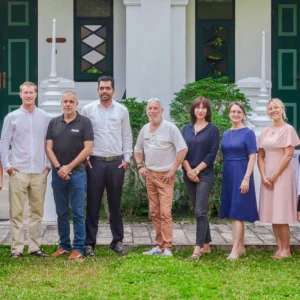
The Cabin Clinical Team
Our team boasts over 10 years of experience working with individuals struggling with addiction and mental health challenges. This extensive experience allows us to provide comprehensive assessments, develop personalized treatment plans, and deliver evidence-based interventions tailored to meet your unique needs.