Explore 24 mood-boosting foods that nourish your body, lift your spirits, and support lasting health and wellness during addiction recovery.
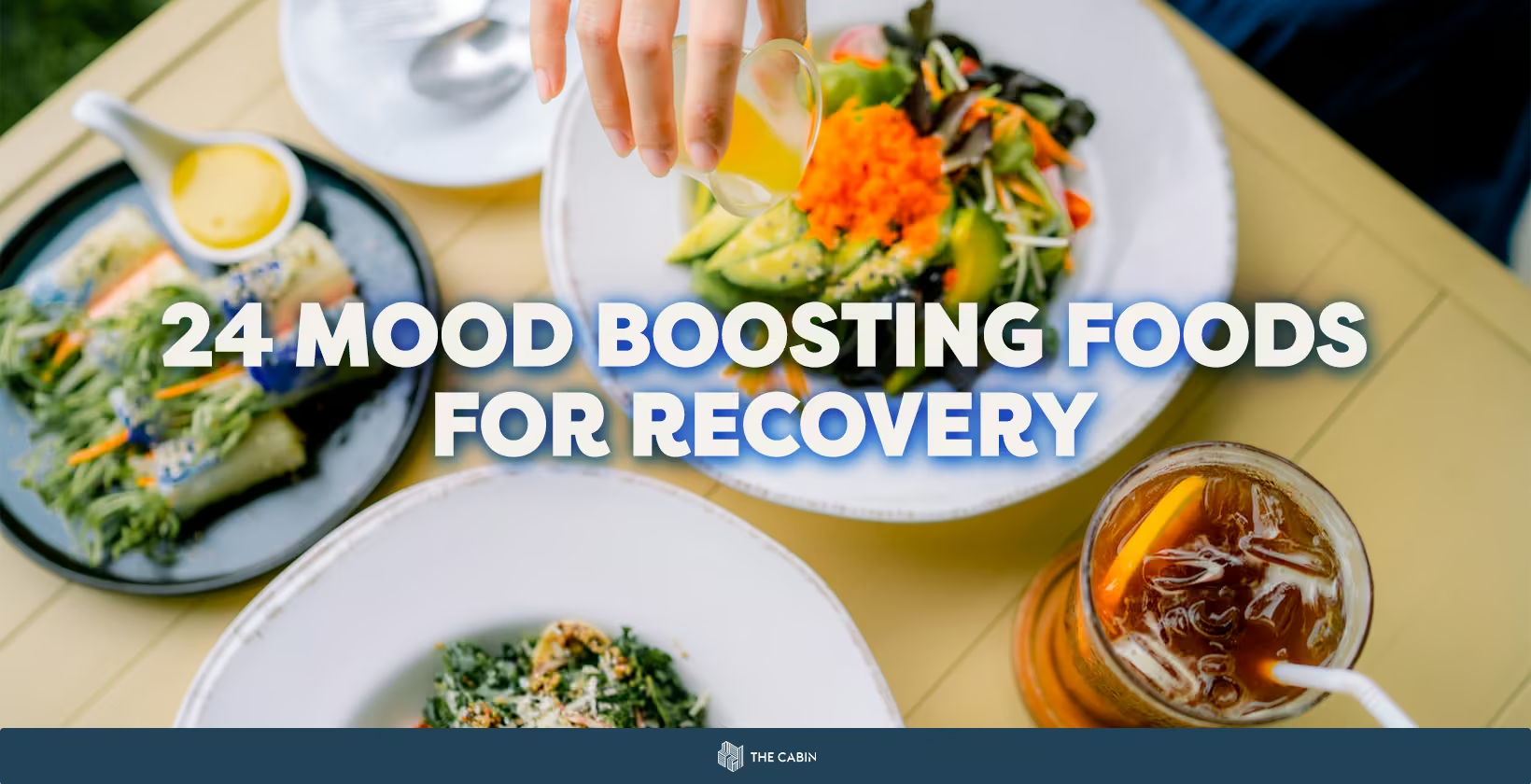
The 24 mood boosting foods for recovery serve to support mental balance, emotional healing, and physical repair through nutrient-dense ingredients that influence brain chemistry and reduce stress. The foods (coffee, salmon, avocado, egg, lentils, beans, oatmeal, mushrooms, Brazil nuts, green tea, spinach, bananas, walnuts, strawberries, dark chocolate, almond, fermented foods, sweet potatoes, berries, bell peppers, leafy greens, whole grain, and pumpkin seeds) are rich in omega-3s, antioxidants, vitamins, and minerals that support neurotransmitter production, reduce inflammation, and stabilize energy levels.
Mood boosting foods support emotional balance and recovery from stress by providing nutrients that regulate brain chemicals (serotonin and dopamine). Their components (omega-3 fats, complex carbs, B vitamins, magnesium, and antioxidants) help stabilise mood and reduce emotional fatigue. Anti-inflammatory nutrients, slow-digesting carbs, and compounds that support brain and nerve function are properties of mood boosting foods. Omega-3s, B vitamins, antioxidants, and probiotics work together to protect brain cells, regulate serotonin, and support gut-brain food and mood enhancement.
Better emotional stability, brain function, stress control, and recovery are the benefits of mood boosting foods. Nutrients (magnesium, folate, tryptophan, fiber, and antioxidants) support hormone balance, brain protection, and mental focus under stress. Mood food aids recovery by restoring brain function, emotional balance, and physical strength. Nutrients (omega-3s, B vitamins, fiber, and probiotics) support neurotransmitter activity, steady energy, and gut-driven serotonin production, leading to faster recovery from stress and fatigue. Eating good mood food, including a variety of mood booster foods, supports long-term emotional health. Regular intake of happy foods provides food to improve mood, protect brain function, and increase resilience in high-stress conditions.
Mood boosting foods for recovery are listed below.
- Coffee is a natural stimulant that supports mental alertness and emotional balance by increasing dopamine activity and reducing fatigue.
- Salmon is a fatty fish rich in omega-3 fatty acids, Eicosapentaenoic Acid (EPA) and Docosahexaenoic Acid (DHA), which reduce brain inflammation and support serotonin pathways.
- Avocado is a nutrient-dense fruit packed with monounsaturated fats, folate, magnesium, and vitamin B6. Avocado helps stabilise blood sugar, supports neurotransmitter production, and nourishes brain cells.
- Egg is a complete protein source containing essential amino acids, choline, and vitamin D. Choline is vital for acetylcholine production, a neurotransmitter involved in memory and mood regulation.
- Lentils are rich in plant-based protein, fibre, iron, folate, and B vitamins. Lentils help stabilise blood sugar levels and support serotonin production, improving mood regulation.
1. Coffee
Coffee acts as a natural stimulant that supports focus and mental alertness during recovery. Coffee contains caffeine, a compound that blocks adenosine receptors in the brain. The action reduces fatigue and increases dopamine signalling, which contributes to a more energised and motivated mood. The presence of chlorogenic acids and polyphenols in coffee promotes antioxidant activity in the brain, reducing inflammation that disrupts emotional balance.
The nutritional content of coffee includes caffeine, niacin (vitamin B3), magnesium, and a wide range of plant-based antioxidants. Caffeine is the main active ingredient, with one standard cup containing 95 milligrams. The antioxidant profile supports cellular repair and helps lower oxidative stress, which is elevated during physical and emotional recovery. Coffee is considered a mood-boosting food due to its reliable effect on dopamine and serotonin pathways. Increased dopamine activity leads to improved motivation and engagement.

Controlled caffeine intake to reduce symptoms linked to depression and low energy in adults experiencing fatigue or cognitive slowdown. Coffee must be consumed in moderation to support its beneficial effects without overstimulation.
2. Salmon
Salmon is a fatty fish valued for its high nutritional content and its effect on mental health. Salmon is a rich source of omega-3 fatty acids, which are essential for brain function and emotional regulation. Regular consumption of Salmon supports neural activity and helps balance neurotransmitters linked to mood.

The nutrients in salmon (omega-3s (EPA and DHA), vitamin D, vitamin B12, protein, and selenium). A 100-gram serving delivers over 2 grams of omega-3s, which play a direct role in reducing brain inflammation. Vitamin D supports hormone balance and B12 is essential for energy metabolism and nerve health. Salmon is considered a mood-boosting food because of its ability to regulate brain inflammation and support serotonin production.
Its omega-3 content lowers the risk of depression and cognitive decline. Vitamin D and B12 support emotional stability in patients facing stress or fatigue during recovery.
3. Avocado
Avocado is a nutrient-dense fruit recognized for its role in supporting brain health and emotional recovery. Avocado is classified as a mood-boosting food due to its high content of healthy fats and essential micronutrients that influence neurotransmitter balance and reduce oxidative stress. Its creamy texture comes from monounsaturated fats that support healthy brain cell membranes and help regulate mood-related chemicals. Avocado contains monounsaturated fats, folate, vitamin B6, magnesium, potassium, fiber, and antioxidants. A single avocado provides over 20 different vitamins and minerals. Its folate content supports methylation processes critical for neurotransmitter production. Vitamin B6 helps convert amino acids into serotonin, while magnesium assists in stress regulation.
Avocado improves mood by stabilizing blood sugar levels and supporting the synthesis of mood-regulating compounds. Its combination of healthy fats and B vitamins contributes to more consistent energy levels and reduced emotional fluctuations. High folate and magnesium intake lead to fewer symptoms of depression, reinforcing avocados’ role in recovery nutrition.
4. Egg
Egg is a complete protein source that supports mental recovery through its rich nutrient profile and effect on neurotransmitter activity. Eggs contain compounds that assist in cognitive performance and emotional regulation. The yolk contains natural fats and bioavailable nutrients essential for brain function and stable mood patterns.
Egg provides high-quality protein, choline, vitamin D, vitamin B12, selenium, and lutein. One large egg supplies about 6 grams of protein and over 100 milligrams of choline. Choline plays a role in acetylcholine synthesis, which supports memory and mental clarity. Vitamin D and B12 contribute to hormonal stability and nervous system health. Egg contributes to mood balance by fueling neurotransmitter production and maintaining steady blood sugar levels through its protein content.

The presence of choline supports brain cell communication and reduces cognitive fatigue. Egg is a reliable dietary source for nutrients linked to reduced depression symptoms and improved emotional processing.
5. Lentils
Lentils are edible legumes known for supporting emotional recovery through their dense nutrient content and positive effect on neurotransmitter function. Lentils offer a balance of plant-based protein, complex carbohydrates, and minerals that influence brain chemistry. Its slow-digesting nature helps stabilize energy and mood throughout the day. Lentils contain iron, folate, magnesium, zinc, vitamin B6, and fiber. A cooked cup provides 15 grams of protein and 90% of the daily folate requirement. Folate supports the production of dopamine and serotonin. Iron helps carry oxygen to the brain, supporting cognitive endurance. Magnesium plays a role in regulating the stress response.
Lentils are mood-boosting due to their role in supporting consistent neurotransmitter production and maintaining stable blood sugar levels. Folate and vitamin B6 assist in synthesizing serotonin, while iron and zinc protect against fatigue and mental fog. Diets high in legumes lower the risk of depressive symptoms, confirming lentils as a strong choice for recovery nutrition.
6. Beans
Beans are nutrient-rich legumes that promote emotional balance and support recovery through their impact on energy regulation and neurotransmitter health. Beans contain complex carbohydrates that provide steady glucose to the brain, which is essential for consistent cognitive function. Its fiber and protein content help reduce mood swings linked to blood sugar fluctuations. Beans contain iron, folate, magnesium, zinc, vitamin B1, and plant-based protein. A cup of cooked beans contains 15 grams of protein and 10 grams of fiber. Folate supports dopamine production. Magnesium helps regulate the nervous system, and vitamin B1 aids in converting food into mental energy.
Beans improve mood by fueling the brain with stable energy while supplying nutrients critical for serotonin and dopamine synthesis. Beans’ high fiber content slows digestion, which contributes to mental clarity and lower stress levels. Regular legume intake improves emotional health and reduces symptoms of anxiety and depression. Beans must be included regularly in balanced recovery meals to sustain the benefits.
7. Oatmeal
Oatmeal is a whole grain food recognized for its ability to support emotional stability and mental recovery. Oatmeal is a slow-digesting carbohydrates that release glucose gradually into the bloodstream, which helps maintain consistent brain energy and reduces mood fluctuations. Its texture and warmth contribute to feelings of comfort, which support emotional regulation during stressful periods. Oatmeal contains complex carbohydrates, iron, magnesium, vitamin B1, fiber, and small amounts of protein. A cup of cooked oats provides 70% of the daily requirement for manganese. Vitamin B1 supports nerve function, while iron helps deliver oxygen to brain cells. Magnesium plays a role in regulating cortisol and promoting relaxation.
Oatmeal boosts mood by providing steady fuel for the brain and supporting neurotransmitter balance. Oatmeal fiber content assists in maintaining gut health, which influences serotonin production. Dietary fiber and whole grain intake show a direct connection to lower levels of stress and depressive symptoms, making oatmeal a practical choice for recovery-focused nutrition.
8. Mushrooms
Mushrooms are functional fungi, valued for their role in mental recovery and emotional balance. Mushrooms contain bioactive compounds that support brain health and influence mood through immune and neurological pathways. Certain types of mushrooms produce natural compounds that protect brain cells from oxidative damage. Mushrooms contain vitamin D, selenium, potassium, copper, B vitamins, and antioxidants. A serving of mushrooms exposed to sunlight provides significant levels of vitamin D2, which supports hormone regulation. B vitamins in mushrooms assist in energy metabolism and neurotransmitter production. Selenium contributes to antioxidant defense in the brain.
Mushrooms support mood by helping regulate inflammation and supporting serotonin synthesis through vitamin D and B complex nutrients. Mushrooms’ effect on oxidative stress and immune response contributes to clearer thinking and improved resilience during recovery. Higher mushroom intake is associated with lower rates of anxiety and depression in adults, confirming their role as a reliable mood-boosting food.
9. Brazil Nuts
Brazil nuts are large tree nuts known for supporting mental recovery through their high selenium content and antioxidant properties. Brazil nuts play a role in regulating mood-related hormones and protecting brain cells from oxidative damage. The dense texture and nutrient load make them a potent addition to recovery-focused diets. Brazil nuts contain selenium, magnesium, zinc, vitamin E, healthy fats, and small amounts of protein. One Brazil nut meets or exceeds the daily selenium requirement. Selenium is essential for the production of selenoproteins that support brain function and reduce inflammation. Vitamin E helps stabilize cell membranes and prevent oxidative stress.
Brazil nuts improve mood by boosting antioxidant activity in the brain and supporting the balance of hormones linked to emotional regulation. Low selenium levels have been associated with symptoms of depression and anxiety. Regular consumption of Brazil nuts in controlled amounts promotes emotional stability and strengthens the body’s defense against stress-induced damage. Brazil nuts must be eaten in moderation due to their concentrated selenium content.
10. Green Tea
Green tea is a plant-based beverage known for promoting calm alertness and emotional recovery. Green tea contains compounds that support brain function, reduce inflammation, and influence neurotransmitter activity. Its mild caffeine level combined with natural amino acids makes it a suitable option for improving focus without overstimulation. Green tea contains caffeine, L-theanine, catechins, vitamin C, and small amounts of magnesium and potassium. L-theanine is an amino acid that supports alpha brain wave activity, leading to a relaxed yet attentive mental state. Catechins act as antioxidants that help protect brain tissue from oxidative stress.
Green tea supports mood by encouraging dopamine and serotonin activity, while reducing anxiety through L-theanine. Green tea antioxidant profile aids in reducing brain inflammation, which is linked to emotional instability. Consistent green tea consumption is linked to lower stress levels and improved cognitive performance, making it a strong mood-boosting choice during recovery.

11. Spinach
Spinach is a leafy green vegetable that supports mood stability and mental recovery through its dense supply of essential micronutrients. Spinach contributes to brain health by reducing inflammation, regulating neurotransmitter function, and improving blood flow. Its high nutrient concentration in low-calorie form makes it efficient for recovery diets. Spinach contains folate, magnesium, iron, vitamin C, vitamin K, and antioxidants including lutein and beta-carotene. Cooked spinach provides 250 micrograms of folate and a significant amount of magnesium and iron. Folate aids in serotonin production, while magnesium regulates the nervous system and iron supports oxygen delivery to brain tissue.
Spinach improves mood by fueling neurotransmitter synthesis and protecting against stress-related damage. Spinach folate and magnesium content support emotional balance in patients experiencing fatigue or depressive symptoms. Leafy greens like spinach are linked to improved psychological well-being and reduced risk of mood disorders.
12. Bananas
Bananas are soft, sweet fruits known for supporting emotional balance and mental recovery through their natural sugar content and essential nutrients. Bananas, quick-digesting carbohydrates, offer fast energy, while their micronutrients assist in neurotransmitter regulation and stress response. Bananas contain vitamin B6, potassium, magnesium, vitamin C, fiber, and natural sugars (glucose and fructose). The vitamin B6 in one medium banana contributes about 20% to the daily requirement for serotonin and dopamine. Potassium supports nerve signaling, and magnesium helps reduce stress.

Bananas boost mood by promoting stable energy and supporting the production of mood-related brain chemicals. Bananas’ vitamin B6 content is for serotonin synthesis, while their sugar and fiber combination prevents blood sugar crashes that affect mood. Diets rich in fruits like bananas are associated with improved mental clarity and lower levels of depressive symptoms.
13. Walnut
Walnut is a nutrient-dense tree nut recognized for its role in supporting brain health and emotional recovery. Walnut structure and composition contain compounds that benefit cognitive function, reduce inflammation, and protect brain cells from damage linked to stress and aging. Walnuts contain omega-3 fatty acids, vitamin E, magnesium, copper, folate, and antioxidants, including polyphenols. A small handful provides 2 grams of plant-based omega-3s, which support mood regulation and brain signaling. Vitamin E helps reduce oxidative damage, while magnesium promotes nervous system balance.
Walnut improves mood by increasing brain connectivity and supporting neurotransmitter activity. Walnut omega-3 content is significant in stabilizing emotions and reducing symptoms linked to depression. Regular intake of walnuts has been associated with better mental focus, emotional stability, and brain resilience, making it a valuable food for recovery and mood support.
14. Strawberries
Strawberries are bright red fruits known for supporting emotional recovery through their antioxidant content and vitamin profile. Strawberries’ sweet flavor and high nutrient density make them effective in reducing inflammation and promoting brain function linked to mood regulation. It contains vitamin C, folate, potassium, fiber, and a wide range of antioxidants, including anthocyanins and ellagic acid. A cup of strawberry beverage provides over 100% of the daily requirement of vitamin C, which supports cortisol regulation and immune health. Folate assists in serotonin production, and potassium supports nerve signaling. Strawberries help improve mood by reducing oxidative stress in the brain and supporting the synthesis of neurotransmitters. Strawberries’ vitamin C and folate content contribute to balanced hormone levels and mental clarity. Regular berry intake lowers the risk of cognitive decline and improves emotional well-being, confirming strawberries as a reliable food for recovery nutrition.
15. Dark Chocolate
Dark chocolate is a rich cocoa-based food known for its effect on mood regulation and emotional recovery. Dark chocolate bioactive compounds stimulate brain activity, reduce stress hormones, and support the release of neurotransmitters linked to pleasure and motivation. A moderate amount is used to lift mood and improve mental focus. Dark chocolate contains flavonoids, magnesium, iron, copper, zinc, and small amounts of caffeine and theobromine. A 30-gram serving provides a high concentration of antioxidants and flavanols, which help increase blood flow to the brain. Magnesium supports nerve function and stress control, while iron contributes to oxygen transport in brain tissue.
Dark chocolate supports mood by promoting the release of serotonin and endorphins. Dark chocolate flavonoid content protects brain cells from inflammation and oxidative stress. Cocoa consumption has shown consistent links to improved cognitive performance and emotional balance, making dark chocolate a beneficial choice for recovery and mental well-being.
16. Almonds
Almonds are nutrient-rich tree nuts valued for their role in supporting brain health and emotional recovery. Almonds have natural fats and micronutrients that help regulate mood-related chemicals, protect nerve cells, and stabilize energy levels throughout the day. Almonds contain vitamin E, magnesium, healthy fats, protein, fiber, and small amounts of B vitamins and zinc. A 28-gram serving provides about 7 milligrams of vitamin E and over 70 milligrams of magnesium. Vitamin E acts as an antioxidant that protects brain cells, while magnesium helps control the body’s stress response. Almonds improve mood by supplying nutrients that support neurotransmitter function and reduce brain inflammation. Its vitamin E and magnesium content contribute to emotional stability and clearer mental focus. Nut consumption (almonds) lowers the risk of depression and improves mood regulation, making almonds food for recovery support.
17. Fermented Foods
Fermented foods are naturally preserved items created through the action of beneficial bacteria and yeasts. Fermented foods support emotional recovery by improving gut health, which plays a central role in regulating mood through the gut-brain axis. Its microbial content helps balance digestion, reduce inflammation, and influence brain chemistry. Fermented foods contain probiotics, lactic acid bacteria, vitamin K2, B vitamins, and enzymes. Yoghurt, kefir, kimchi, sauerkraut, and miso are common fermented foods.
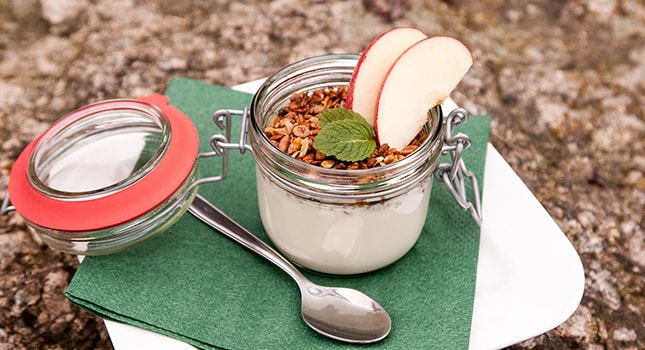
Fermented foods deliver live cultures that strengthen gut microbiota. B vitamins support energy metabolism and neurotransmitter production, while vitamin K2 aids in cellular function. Fermented foods help boost mood by improving the balance of gut bacteria involved in serotonin regulation. Healthy gut flora supports the production of brain chemicals that affect emotional stability. Regular consumption of fermented foods reduces anxiety levels and improves mental resilience, making them essential in recovery-focused diets.
18. Sweet Potatoes
Sweet potatoes are root vegetables known for supporting mood stability and recovery through their complex carbohydrate content and rich supply of vitamins. Sweet potatoes’ slow-digesting starches provide steady energy, which helps prevent blood sugar crashes linked to irritability and fatigue. It contains complex carbohydrates, vitamin B6, vitamin C, potassium, manganese, fiber, and beta-carotene. The beta-carotene found in a medium-sized sweet potato provides over 100% of the daily vitamin A requirement. Vitamin B6 supports serotonin production, while potassium helps regulate nerve function and hydration. Sweet potatoes improve mood by maintaining consistent energy levels and supporting neurotransmitter activity. Sweet potato fiber slows glucose absorption, promoting stable brain fuel. Carbohydrate intake and emotional health support the role of slow-digesting foods like sweet potatoes in reducing stress and improving mental focus, making them a reliable option for mood-focused recovery.
19. Berry
Berry refers to a group of small, colorful fruits known for their potent antioxidant properties and impact on emotional health. Berries support recovery by protecting brain cells from oxidative stress and assisting in the regulation of mood-related neurotransmitters. The low sugar content and the high nutrient density of berries make them an excellent choice for balanced diets. Berries contain vitamin C, fiber, folate, manganese, and powerful antioxidants (anthocyanins and flavonoids). Blueberries, raspberries, blackberries, and cranberries are common types of berries. A cup of mixed berries provides a high amount of vitamin C and polyphenols. Folate supports serotonin production, while fiber aids digestion and gut-brain signaling. Berries improve mood by reducing inflammation in the brain and increasing communication between nerve cells. Its antioxidant content protects against cognitive decline and emotional imbalances. Regular berry consumption boosts memory, reduces symptoms of depression, and improves stress management, confirming their value in recovery-focused nutrition.
20. Bell Peppers
Bell peppers are vibrant vegetables that support emotional recovery through their high vitamin and antioxidant content. Bell peppers contribute to brain health by reducing inflammation, supporting hormone balance, and protecting against oxidative stress that affects mood and cognitive function. It contains vitamin C, vitamin B6, folate, fiber, potassium, and carotenoids (beta-carotene and lutein). The vitamin C content of one medium bell pepper is more than 150% of the daily recommended amount. Vitamin B6 aids in neurotransmitter synthesis, while folate supports serotonin production and nerve repair. Bell peppers help improve mood by promoting healthy brain signaling and reducing stress-related damage. Bell peppers’ vitamin C content lowers cortisol levels and supports immune balance, while B6 and folate improve emotional stability. The role of vitamin-rich vegetables like bell peppers in reducing depressive symptoms and boosting mental clarity makes them a helpful food for recovery and mood regulation.
21. Leafy Greens

Leafy greens are vegetables with soft edible leaves that support mood stability and emotional recovery through their dense supply of vitamins, minerals, and antioxidants. Leafy greens’ nutrient content helps reduce brain inflammation, improve circulation, and support the production of neurotransmitters linked to emotional balance. It contains folate, vitamin K, vitamin C, magnesium, iron, calcium, and fiber. Kale, arugula, collard greens, and Swiss chard are common types of leafy greens.
A single serving provides a significant portion of the daily requirement for folate and magnesium. Folate aids in dopamine and serotonin synthesis, while magnesium supports the body’s stress response and nervous system regulation.
Leafy greens improve mood by fueling neurotransmitter production and reducing oxidative stress in brain tissue. Leafy greens’ folate and magnesium levels are significant in maintaining emotional resilience and preventing fatigue. Diets rich in leafy greens are associated with better cognitive function and fewer symptoms of depression, making them essential in recovery-focused eating.
22. Whole Grain
Whole grain refers to cereal grains that retain all parts of the grain kernel, including the bran, germ, and endosperm. Whole grains support emotional recovery by providing steady energy, aiding gut health, and supporting the production of brain chemicals linked to mood regulation. It contains complex carbohydrates, fiber, B vitamins, iron, magnesium, zinc, and antioxidants. Brown rice, oats, barley, quinoa, and whole wheat are typical examples of whole grains. A serving of whole grain supplies slow-releasing glucose that fuels brain function without sharp spikes or crashes. B vitamins assist in converting food into energy and support neurotransmitter activity. Whole grains improve mood by stabilizing blood sugar and supporting serotonin production. Whole grains’ fiber content promotes healthy gut bacteria, which influences brain signaling and emotional balance. High whole grain intake reduces the risk of depression and improves long-term cognitive health, making them food of recovery diets.
23. Pumpkin Seed
Pumpkin seed is a nutrient-dense seed known for supporting emotional recovery through its high mineral content and impact on brain function. Pumpkin seeds’ small size holds essential compounds that influence neurotransmitter balance, reduce stress, and protect brain cells from damage. It contains magnesium, zinc, iron, tryptophan, protein, omega-6 fatty acids, and antioxidants. A 28-gram serving of pumpkin seeds delivers 40% of the daily requirement for magnesium and a strong dose of zinc and tryptophan. Magnesium supports the nervous system, zinc aids in neurotransmitter activity, and tryptophan is a precursor to serotonin. Pumpkin seed improves mood by supplying nutrients that stabilize brain chemistry and support emotional regulation. Tryptophan helps increase serotonin levels, while magnesium and zinc reduce the impact of stress and fatigue. Regular intake of mineral-rich seeds like pumpkin seeds is linked to better sleep, improved emotional balance, and reduced anxiety, making it effective in recovery-based nutrition.
24. Oily Fish
Oily fish are cold-water fish rich in healthy fats that support emotional recovery and brain health. Oily fish fat content plays a direct role in reducing inflammation, improving cognitive function, and regulating mood-related chemicals in the brain. It contains omega-3 fatty acids (EPA and DHA), vitamin D, vitamin B12, protein, iodine, and selenium. Mackerel, sardine, trout, and herring are examples of oily fish. A 100-gram serving provides 1 gram of omega-3s, along with significant amounts of vitamin D and B12. Omega-3s support brain cell structure, while vitamin D helps stabilize mood through hormone regulation. Oily fish improve mood by supporting neurotransmitter signaling and reducing brain inflammation linked to depression and fatigue. Eicosapentaenoic acid (EPA) and Docosahexaenoic acid (DHA) help regulate serotonin pathways, while B12 and vitamin D contribute to nervous system function. Oily fish intake lowers rates of mood disorders and sharper cognitive performance, making oily fish essential in recovery diets.
What is Mood Boosting Food?
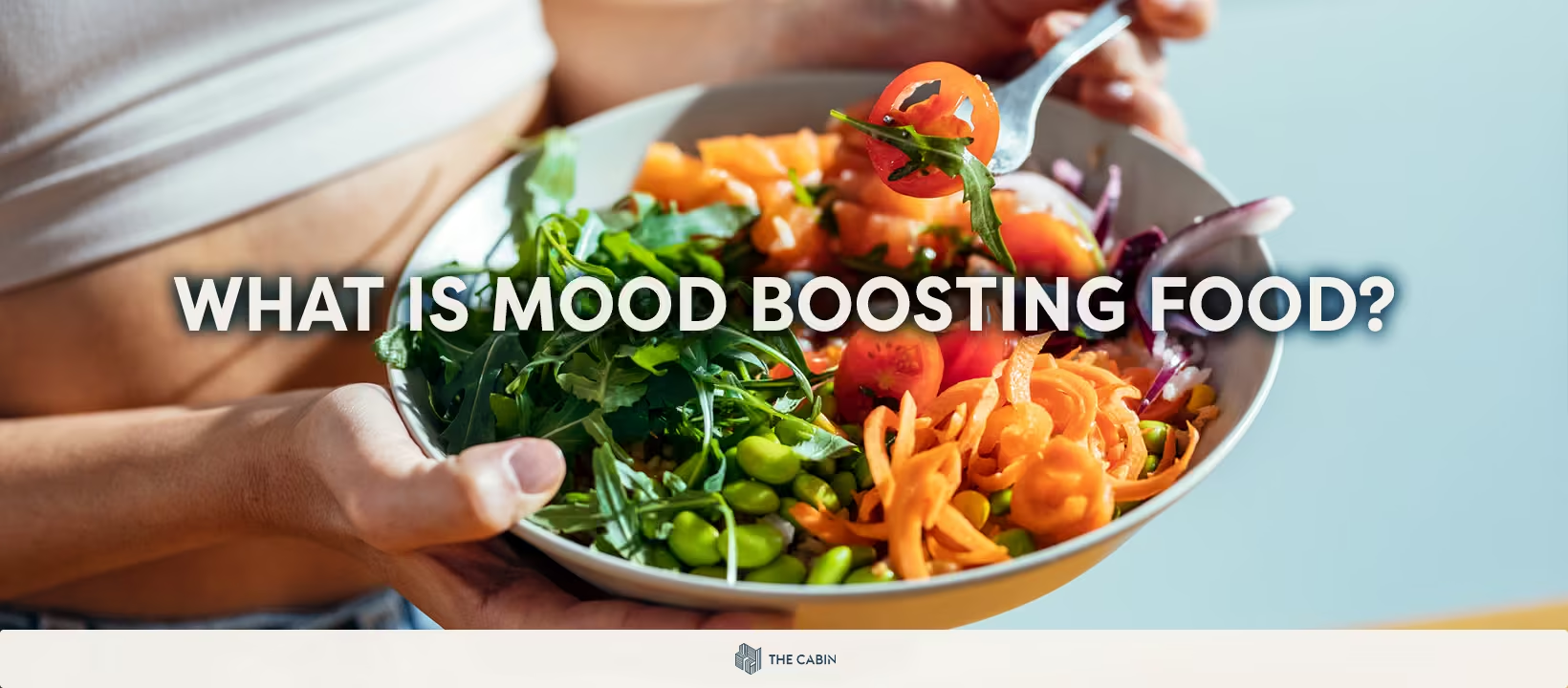
Mood boosting food refers to a type of food that supports emotional stability, mental clarity, and recovery from stress or fatigue. Mood boosting food contains specific nutrients that affect brain chemistry, reduce inflammation, and promote the production of neurotransmitters linked to mood regulation. Foods rich in omega-3 fatty acids, B vitamins, antioxidants, magnesium, and amino acids are examples of mood boosting foods. Mood boosting food is important because it helps maintain healthy brain function and reduces the risk of emotional imbalances. It supports the body’s response to stress, improves sleep quality, and increases focus and energy levels. A strong connection between diet quality and mental health, which makes the regular consumption of mood boosting food essential for emotional resilience and cognitive performance.
What are the Benefits of Mood Boosting Food?
The benefits of mood boosting food are improved emotional stability, increased brain function, reduced stress, and better physical recovery. The foods contain nutrients that help regulate neurotransmitters (serotonin and dopamine), which control mood and motivation.
Folate, vitamin B6, and magnesium found in leafy greens, bananas, and lentils support chemical balance in the brain. Omega-3 fatty acids from salmon, oily fish, and walnuts improve brain cell structure and communication. Antioxidants in berries, strawberries, and bell peppers protect the brain from inflammation linked to depression and fatigue. Complex carbohydrates in oatmeal and sweet potatoes deliver steady energy, preventing emotional crashes. Probiotics in fermented foods improve gut health, which influences brain signaling through the gut-brain axis.
Regular intake of happy foods supports better mental clarity, stress control, and emotional resilience.
How does Mood Boosting Food help Recovery?
Mood boosting food helps recovery by repairing brain function, restoring emotional balance, and supporting physical healing through targeted nutrition. Nutrients (omega-3 fatty acids, B vitamins, magnesium, and antioxidants) regulate neurotransmitters, reduce inflammation, and improve blood flow to brain tissue. Salmon, oily fish, and walnuts contain omega-3s that strengthen brain cell membranes and support cognitive repair. Lentils, spinach, and banana supply folate and vitamin B6, which aid serotonin production and mood stability. A diet rich in happy foods, food to improve mood, and mood booster foods helps maintain long-term emotional health and energy balance. Sweet potatoes and whole grains provide complex carbohydrates that maintain steady glucose for brain energy. Fermented foods improve gut health, which affects emotional regulation through serotonin produced in the digestive tract.
Recovery from stress or illness involves physical and mental repair, and consistent intake of mood boosting food supports both by supplying the body with the tools needed to restore hormonal balance, repair damaged cells, and stabilize brain chemistry. Dietary patterns high in mood-enhancing nutrients are linked to faster recovery rates and reduced risk of relapse in mood-related conditions.
Is Mood Boosting Food part of the Recovery Treatment?
Yes, mood boosting food is part of the recovery treatment. Mood boosting food supports mental and physical healing by providing nutrients that regulate brain chemistry, reduce inflammation, and stabilize energy levels. Recovery involves restoring emotional balance, repairing cognitive function, and rebuilding physical strength.
Salmon, oily fish, and walnuts deliver omega-3 fatty acids that support brain structure and mood regulation. Bananas, leafy greens, and lentils provide folate and vitamin B6, which are essential for serotonin production and emotional control. Oatmeal, sweet potatoes, and whole grains supply complex carbohydrates that fuel brain activity without causing energy crashes. Fermented foods improve gut microbiota, which influences neurotransmitter levels through the gut-brain connection.
Patients recovering from stress, trauma, or mental health disorders benefit from diets rich in happy foods, confirming their role as a necessary component in recovery treatment.
Stay On the Right Path, Stay Strong, and Be Proud of Yourself!
Nutrition plays a vital role in recovering from addiction. A balanced diet helps reduce the risk of relapse, which is why rehab centres should make nutrition a priority. At The Cabin Chiang Mai, we provide an innovative approach to addiction treatment, even for those not ready for complete abstinence. Our refreshing smoothies and nutritious meals are designed to support your recovery.
Take the first step towards reclaiming your life—contact our dedicated staff today to learn more about our addiction treatment programmes.

The Cabin Clinical Team
Our team boasts over 10 years of experience working with individuals struggling with addiction and mental health challenges. This extensive experience allows us to provide comprehensive assessments, develop personalized treatment plans, and deliver evidence-based interventions tailored to meet your unique needs.