Everyone in addiction recovery knows about the 12 Steps, but what is the 13th Step – and why do you need to protect yourself from it?
The 13th Step in Addiction Recovery is a slang term used within some recovery communities (AA and NA). The 13th Step is not an official step in the AA/NA program, as organisations officially only have 12 steps. The term “13th step” is a term that brings attention to the importance of upholding respectful and supportive behaviour within recovery spaces.
What is the 13th step? The 13th step refers to situations where experienced members may form romantic or sexual connections with newcomers, which can create challenges due to the emotional vulnerability present in early recovery. Maintaining healthy boundaries is essential to protect emotional safety and reinforce trust, while connection and fellowship are central to recovery.
The thirteenth step’s meaning serves as a gentle but important reminder of the values that guide recovery communities (mutual respect, safety, and personal integrity). Awareness of the 13-step helps reinforce the shared responsibility all members have in fostering a welcoming and ethical environment.
Is the 13th step the same as a step in recovery?
No, the 13th step is not an official element of AA or NA. The recognised 12 steps focus on personal growth, spiritual progress, and mutual support. Understanding the distinction between the 13th step and the core recovery steps ensures a clearer, more respectful recovery path.
Recovery communities can continue building spaces that are safe, compassionate, and empowering for every member involved by recognising the thirteenth step as a call for awareness rather than a formal practice.
What does the 13th Step mean in AA or NA?
The 13th Step in AA or NA refers to behaviour involving romantic or sexual advances toward new members in recovery. The slang term emerged in Alcoholics Anonymous (AA) and Narcotics Anonymous (NA) communities, though the 13th step is not part of the official ‘Twelve Steps.’ The 13th step reflects a need to uphold respectful boundaries during early recovery. The thirteenth step’s meaning underscores the importance of maintaining trust and support in group dynamics. Awareness of the 13-step reinforces the value of ethical conduct in recovery. The thirteenth step encourages safe, respectful, and healing-centred environments.
What is a 13th Stepper?
A 13th stepper refers to a participant in AA or NA who engages in behaviour that challenges the supportive nature of recovery spaces by forming romantic or sexual connections with newcomers. Early recovery can involve emotional vulnerability. AA and NA emphasise mutual respect, personal growth, and community trust. The 13th stepper meaning highlights the importance of maintaining ethical boundaries and reinforcing a safe environment where healing can take place. The discussions help strengthen awareness about respectful conduct and support systems within recovery programs.
What is 13 Stepping?
13th Stepping in AA or NA refers to situations where experienced members form romantic or sexual connections with newcomers during early recovery. Recovery groups encourage building healthy, respectful relationships that support personal growth, since 13 Stepping involves an imbalance of power. The practice is discouraged to help protect newcomers’ emotional well-being and prevent setbacks in recovery. The 13th stepping definition highlights behaviour that shifts focus away from the core values of support and healing. A participant engaging in 13 Stepping unintentionally affects the progress of others, which recovery communities seek to prevent through awareness and guidance. Thirteenth stepping serves as a reminder of the importance of trust, boundaries, and shared responsibility in maintaining a positive and safe group environment.
Why is the 13th Step Considered Harmful in Recovery?
The 13th Step is considered harmful in recovery because it exploits the emotional vulnerability of newcomers during early recovery when participants are most fragile. The practice disrupts the supportive environment crucial for healing, leading to potential emotional and psychological damage. Participants are focused on building trust and developing healthy coping mechanisms in Early Recovery, making them more susceptible to manipulation and harmful relationships. The 13th Step undermines the integrity of the recovery process by creating power imbalances and risking relapse. The inappropriate behaviour associated with 13th stepping takes advantage of participants trying to rebuild their lives, making it a destructive element within the recovery community.
What are the Risks of 13th Stepping for Newcomers?
The risks of 13th stepping for newcomers encompass emotional manipulation, isolation, and betrayal, largely due to the power imbalance it creates. Experienced members exploit the newcomer’s vulnerability in early Recovery, making them more susceptible to this type of manipulation. The power dynamic mirrors grooming, where a 13th stepper builds trust with the intent to control or manipulate the newcomer. The actions can result in emotional harm, leaving the newcomer feeling isolated or betrayed. The psychological toll can interfere with recovery, as the participant may struggle with feelings of guilt, shame, or distrust. The risks associated with 13th stepping contribute to a toxic environment that undermines the goals of personal growth and mutual support in recovery groups.
How does 13 Stepping Exploit Vulnerability?
The 13 stepping exploits vulnerability by creating a power imbalance between experienced members and newcomers in early recovery. The dynamic allows a 13th stepper to take advantage of the newcomer’s emotional fragility, manipulating their trust for personal gain. The 13th stepper builds rapport and emotional connection with the intent to control or influence the newcomer, like grooming. The manipulation led to feelings of isolation, guilt, and shame, hindering the recovery process. The emotional vulnerability of a newcomer is used as leverage, undermining the support system that recovery groups aim to provide.
Why is the 13th Step Controversial in AA/NA?
The 13th Step is controversial in AA/NA because it goes against the principles of AA’s 12 Steps, which focus on mutual support, personal growth, and fostering a safe, trusting environment. The practice exploits vulnerable newcomers, creating a power imbalance that undermines the foundational values of these recovery programs. The behaviour results in an unsafe environment, where trust and emotional well-being are compromised for personal gain. The harmful effects of 13th stepping include emotional manipulation, isolation, and potential relapse. It has been widely criticised within the recovery community for betraying the core purpose of these programs, which is to provide a supportive and nurturing space for all participants.
How does the 13th Step Differentiate from the 12 Steps of AA?
The 13th Step differs from the 12 Steps of AA by violating the core principles of support and personal growth outlined in the 12 Steps of Addiction Recovery. The 13th Step involves exploiting vulnerable newcomers for personal gain, while the 12 Steps emphasise self-improvement, mutual respect, and creating a safe environment for healing. The 12 Steps focus on spiritual and emotional healing, while the 13th Step promotes manipulation and unhealthy relationships. The 12 Steps of Addiction Recovery guide participants toward self-awareness and community support, in stark contrast to the harmful actions of a 13th stepper.
What are the Impacts of the 13th Step on Recovery Communities?
The Impacts of the 13th Step on Recovery Communities are listed below.
- Emotional Harm: The 13th Step causes emotional damage by exploiting the vulnerability of newcomers, leading to feelings of isolation, guilt, and shame. The harm interferes with the newcomer’s progress in recovery and their ability to trust others.
- Trust Breakdown: The 13th Step undermines the trust within the recovery community, as newcomers may feel betrayed or manipulated by participants they looked to for support, creating a toxic atmosphere.
- Risk of Relapse: The exploitation and emotional damage associated with 13th stepping can increase the risk of relapse, as participants may struggle with unresolved emotional issues that hinder their recovery journey.
- Disruption of Group Dynamics: The practice disturbs the collaborative, supportive nature of recovery groups, shifting the focus from mutual help to manipulation and exploitation, which harms group cohesion.
- Negative Reputation: The presence of 13th stepping practices can tarnish the reputation of recovery communities, leading to skepticism and mistrust from newcomers or the public, reducing participation and engagement.
- Increased Isolation: Newcomers targeted by 13th stepping may withdraw from the community entirely, isolating themselves due to emotional scars or the feeling that the program is not a safe space.
- Ethical Concerns: The ethical violations tied to 13th stepping conflict with the values of AA and NA, causing internal criticism and division within recovery communities about the appropriate standards of behaviour.
How does 13th Stepping Affect Trust in AA/NA?
The 13th stepping affects trust in AA or NA by creating a sense of betrayal among newcomers. The 13th stepping erodes the feeling of safety and support that the programs aim to provide when experienced members exploit vulnerable participants. Newcomers may become wary of forming relationships within the group, fearing manipulation or harm. It undermines the foundation of mutual respect and accountability, which are essential for trust in the recovery process. The presence of 13th stepping fosters an environment where participants are reluctant to trust others, hindering their personal growth and recovery.
What are the Long-Term Effects on Survivors of 13th Stepping?
The long-term effects on survivors of 13th stepping include emotional trauma, trust issues, and difficulty maintaining healthy relationships. Survivors may struggle with guilt, shame, and low self-worth, which hinder their recovery and personal growth. The betrayal they experience can cause deep mistrust of others, making it hard for them to engage in future support networks. The emotional scars can increase the risk of relapse, as survivors may turn to substances to cope with the unresolved psychological damage. The long-term effects of 13th stepping disrupt the survivor’s ability to heal and maintain lasting sobriety.
How do Recovery Communities Address Sexual Misconduct?
Recovery communities address sexual misconduct by implementing strict codes of conduct and establishing clear boundaries to ensure a safe environment for all members. Groups offer education and awareness programs to inform participants about inappropriate behaviour and the impact it can have on recovery. They encourage members to report any instances of misconduct to ensure accountability. Support systems (peer mentors and trusted leaders) are in place to provide guidance and assistance to participants affected. Recovery communities prioritise creating safe, respectful spaces where individuals can heal without fear of exploitation or harm.
How to Protect Yourself from the 13th Step?
To Protect Yourself from the 13th Step, follow the seven steps listed below.
- Set Boundaries. Establish clear personal boundaries from the start. Be firm about what kind of relationships participants are open to and communicate these boundaries openly with others. Assertively address the behaviour if participants cross these boundaries.
- Trust the Instincts. Listen to the gut feelings. Distance yourself from the person or situation if something feels off or uncomfortable. Intuition can be a powerful tool in protecting yourself.
- Seek Support. Reach out to a sponsor, mentor, or trusted member of the recovery community if you feel uneasy about someone’s behaviour. Discuss any concerns right away to gain perspective and advice.
- Avoid Isolation. Stay engaged in group activities and avoid being alone with participants who exhibit concerning behaviour. The more connected participants are with the community, the less likely they are to be targeted by an individual predator.
- Report Inappropriate Behaviour. Report any concerning behaviours to the group’s leadership or the relevant authority if you have encountered or witnessed a 13th stepping. Recovery communities take misconduct very seriously and can address it appropriately and promptly.
- Educate Participants. Learn about the 13th Step and the warning signs of manipulative behaviour. Understanding what constitutes inappropriate conduct helps participants recognise and avoid it in the future.
- Establish a Strong Support Network. Build connections with people who prioritise well-being and recovery. Surrounding oneself with trusted participants creates a protective environment and reinforces positive behaviour.
What should Newcomers to AA/NA Know About the 13th Step?
The things that Newcomers to AA/NA should know about the 13th Step are listed below.
- Understand Boundaries: Newcomers must be aware of the importance of setting personal boundaries in AA/NA. Establishing clear limits with others helps maintain safety and ensures that relationships within the group remain respectful and supportive.
- Recognise Manipulative Behaviour: Identify manipulative behaviour, such as unsolicited romantic or sexual advances. Newcomers must trust their instincts and distance themselves from participants who make them feel uncomfortable.
- Seek Guidance and Support: Newcomers must feel comfortable asking for support if they experience or witness inappropriate behaviour. Reaching out to a sponsor or trusted group member for advice and guidance is a vital step in ensuring personal and group safety.
- Report Inappropriate Actions: Newcomers must know that it is safe and encouraged to report concerning behaviours to the group’s leadership if any misconduct occurs. There are established systems within recovery programs to address and resolve such issues.
- Build a Supportive Network: Building connections with people who prioritise respect and mutual support is essential. Newcomers must surround themselves with participants who share the same recovery goals and understand the importance of a safe environment.
- Normalise Asking for Help: Newcomers must feel empowered to ask for help whenever needed. Seeking assistance is a critical part of recovery and self-care, whether it is understanding program rules or navigating personal challenges.
How can AA/NA Members Report 13th Stepping?
AA/NA Members Report 13th Stepping by following the eight steps listed below.
- Identify the Behaviour. Recognise and confirm that the behaviour in question constitutes 13th stepping, such as unwanted romantic or sexual advances from another member. Ensure participants are clear on what constitutes misconduct.
- Document the Incident. Write down the details of the incident, including the date, time, location, and participants involved. Having clear documentation helps when reporting to the appropriate authority.
- Speak to the Person Directly (If Safe). Choose to address the participants directly if the individual feels safe and comfortable. Politely set boundaries and let them know that their behaviour is inappropriate. Skip this step and proceed to reporting the encounter if the situation escalates or feels unsafe.
- Contact Group Leadership. Reach out to the group’s leadership or trusted authority figures. It can include a sponsor, chairperson, or other members in positions of responsibility. Provide them with the details and the concerns witnessed.
- Use Formal Reporting Channels. Use formal reporting channels provided by the organisation, such as an ethics committee or program coordinator, if the behaviour persists or is severe. Follow any procedures outlined by the group for addressing misconduct.
- Follow Up. Ensure that the report is being taken seriously by following up with leadership or the appropriate authority. Ask about any actions taken and ensure the issue is addressed effectively.
- Seek Support. Reach out to a sponsor or trusted community member for emotional support throughout the reporting process. Having guidance and encouragement helps manage any feelings of discomfort or fear.
- Maintain Confidentiality. Respect the privacy of all parties involved by keeping the details of the report confidential. Share the information only with participants who need to be involved in resolving the situation.
What other Recovery Models Avoid the 13th Step Problem?
Other Recovery Models that Avoid the 13th Step Problem are listed below.
- SMART Recovery: SMART Recovery focuses on self-empowerment and uses a science-based approach to addiction recovery. It promotes personal responsibility and does not include a fellowship structure that enables behaviours like 13th stepping. The model emphasises cognitive-behavioural techniques and encourages participants to build their recovery without relying on group dynamics that foster exploitation.
- Refuge Recovery: Refuge Recovery is a Buddhist-inspired recovery model that integrates mindfulness and meditation. It emphasises the development of healthy, non-exploitative relationships and avoids power imbalances by encouraging self-awareness and compassion in all interactions.
- Women for Sobriety (WFS): Women for Sobriety is a recovery program specifically designed for women. It fosters a safe and supportive environment by focusing on emotional and personal growth. The program prioritises building healthy, non-exploitative connections and promotes the idea of mutual support while minimising the risk of manipulative behaviours like 13th stepping.
- LifeRing Secular Recovery: LifeRing provides a secular, non-12-Step approach to recovery. The model emphasises personal responsibility and self-reliance, fostering an environment where participants can seek support without the risk of power imbalances that enable 13th stepping.
- The Salvation Army’s Recovery Programs: The Salvation Army runs a range of faith-based recovery programs that encourage participants to heal through spiritual and community support. The structure is designed to maintain clear boundaries and prevent the exploitation that occurs in unregulated group settings, making it less likely to foster 13th stepping behaviours.
- Secular Organisations for Sobriety (S.O.S.): S.O.S. focuses on a secular approach to sobriety, encouraging participants to rely on their own strength and the support of others without involving potentially exploitative dynamics. The model is designed to avoid situations where one person takes advantage of another’s vulnerability.
What are Solutions to 13th Stepping in Recovery Groups?
Solution to 13th Stepping in Recovery Groups is listed below.
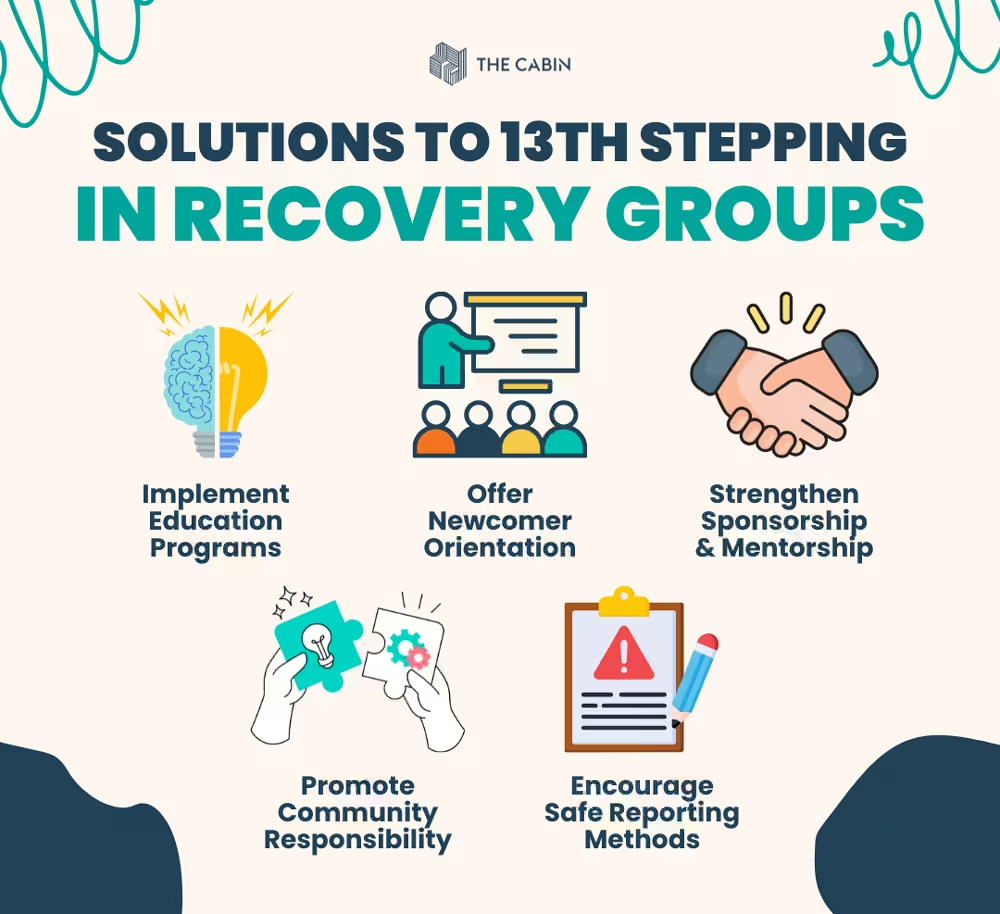
- Implement Education Programs: Provide regular education sessions on appropriate behaviour within recovery groups. The programs can teach participants about boundaries, respect, and the risks of 13th Stepping. Education helps newcomers understand the importance of maintaining a safe environment. Recovery AA communities can benefit from integrating such training into their meetings or workshops.
- Offer Newcomer Orientation: Introduce newcomers to the group’s expectations, rules, and safe practices upon their entry. The orientation must cover how to recognise inappropriate behaviour and how to protect oneself. A clear understanding of the AA program steps ensures that every participant is aware of their rights and responsibilities from the beginning.
- Strengthen Sponsorship and Mentorship: Encourage a robust sponsorship and mentorship system within the group. Sponsors can guide newcomers through the steps of the AA program, providing support and protection against harmful behaviour. Mentorship fosters positive relationships and helps ensure newcomers have someone to turn to if they experience inappropriate conduct.
- Promote Community Responsibility: Foster a culture where every member feels accountable for maintaining a safe space. It reduces the likelihood of manipulative behaviour by involving all members in upholding the values of respect and support. The AA step program can highlight the importance of the collective’s responsibility to protect vulnerable participants within the community.
- Encourage Safe Reporting Methods: Establish and promote confidential reporting channels for any concerns regarding misconduct. Creating safe reporting options ensures that members feel comfortable raising concerns without the fear of retaliation, whether through anonymous feedback forms, trusted group leaders, or designated support personnel. The recovery AA community can maintain integrity by making reporting clear and accessible to all.
How can Therapy or Professional Support Prevent 13 Stepping?
Therapy or Professional Support can Prevent 13 Stepping by following the seven steps listed below.
- Provide Education on Boundaries. Therapists and professional support can educate participants about the importance of setting and maintaining boundaries in recovery. Understanding personal limits helps prevent exploitation and manipulation, reducing the risk of 13th stepping in group settings.
- Teach Healthy Relationship Skills. Therapy can teach healthy relationship dynamics, emphasising mutual respect and clear communication. The skills ensure that participants can form appropriate and supportive connections without falling victim to inappropriate advances or manipulation.
- Address Vulnerability Issues. Therapists can help participants address emotional vulnerabilities that may make them more susceptible to 13th stepping. Participants are better equipped to handle potential exploitative situations by working on building self-esteem and emotional resilience.
- Promote Self-Awareness. Professional support encourages participants to develop self-awareness about their emotional needs and desires. This understanding helps individuals recognise when they are being targeted or manipulated, allowing them to take action and protect themselves.
- Foster Accountability. Therapists and recovery professionals can create an environment where accountability is emphasised. It reduces the likelihood of 13th stepping occurring within recovery communities when members are held responsible for their actions and behaviour.
- Encourage Safe Reporting. Therapy can help participants understand the importance of reporting any inappropriate behaviour safely and confidentially. Professional support can guide participants on how to handle incidents of 13th stepping, ensuring that they have the tools and confidence to report it effectively.
- Support Personal Growth. Therapists focus on long-term personal growth, which includes building healthier coping mechanisms, increasing emotional intelligence, and creating stable support networks. The growth helps to reduce the likelihood of falling into manipulative or harmful relationships.
What are the Differences between Dating in Recovery and 13 Stepping?
The differences between dating in Recovery and 13-stepping lie in individuals’ intentions, timing, power dynamics, and the impact on their recovery. Dating in recovery involves forming healthy and supportive relationships with participants who are focused on mutual healing. 13 stepping exploits vulnerability for personal gain. Participants are encouraged to create supportive and healthy relationships that align with their goals of sobriety and personal growth in Dating in Recovery. 13 Stepping fosters unhealthy dynamics that exploit vulnerability, causing long-term damage to one’s recovery journey.
The Differences between Dating in Recovery and 13 Stepping are shown in the table below.
|
Aspect |
Dating in Recovery |
13 Stepping |
|---|---|---|
|
Definition |
Forming a healthy and supportive relationship based on mutual respect and healing. |
Exploiting vulnerability through romantic or sexual advances by experienced members. |
|
Intentions |
The intentions are to build trust, support, and emotional growth. |
Intentions are self-serving, aiming to manipulate or exploit the newcomer. |
|
Timing |
Relationships develop after establishing a solid foundation of sobriety and personal growth. |
Occurs prematurely, targeting newcomers in early recovery when they are emotionally vulnerable. |
|
Power Dynamics |
Equal power dynamics that are based on mutual respect and shared experiences. |
Power imbalance, with experienced members preying on participants who are still fragile in their recovery. |
|
Impact on Recovery |
Positive impact, fostering emotional growth, accountability, and support. |
Adverse impact, leading to emotional harm, trust issues, and potential relapse. |
|
Community Perception |
Seen as a natural and supportive part of recovery when handled responsibly. |
Widely criticised within the recovery community for being exploitative and harmful. |
|
Boundaries |
Healthy boundaries are established and respected by both partners. |
Boundaries are disregarded or violated, leading to manipulation and emotional harm. |
|
Long-Term Outcomes |
Builds healthy, lasting relationships that support continued recovery. |
Results in emotional trauma, mistrust, and potentially relapse, hindering long-term recovery. |
Addiction Treatment and Relapse Prevention at The Cabin Chiang Mai
At The Cabin Chiang Mai we offer a personalised lifelong care programme for all of our clients, which includes regular contact with your counsellor long after you have completed treatment. If you encounter any negative situations that could compromise your sobriety, you can reach out to us before you find yourself facing relapse.
If you have any questions regarding our treatment, continuing care or relapse prevention programmes, contact us today for a free consultation.

The Cabin Clinical Team
Our team boasts over 10 years of experience working with individuals struggling with addiction and mental health challenges. This extensive experience allows us to provide comprehensive assessments, develop personalized treatment plans, and deliver evidence-based interventions tailored to meet your unique needs.