Weed stays in your system for 1 to 3 days in saliva, 1 to 2 days in blood, 3 to 30 days or longer in urine, and up to 90 days in hair, depending on the type of drug test used.
Urine tests typically detect THC the longest, sometimes identifying use from several days up to more than 30 days after last use for frequent users. THC and its metabolites remain in the body after quitting, and the length of that period depends on frequency of use, body composition, and metabolism. Detection windows tend to shrink week by week as the body clears THC naturally, though heavier or more frequent use extends this process by several additional weeks. Marijuana use that becomes difficult to stop, or that begins affecting health, work, or relationships, may call for professional treatment rather than continued attempts to manage it alone. Recognizing when marijuana use has crossed into a harmful pattern often marks an important first step toward seeking support.
What does It Mean for Weed to Stay in Your System?
Weed staying in the system means THC and its metabolites remain in the body after use. THC and its metabolites can be detected even after the high has ended, since the body needs additional time to fully process and eliminate them. THC is stored in fat tissue and gradually released back into the bloodstream, which extends how long it remains detectable. Detection time depends on the person and the type of drug test, since urine, blood, saliva, and hair tests each measure different compounds and timeframes. Frequency of use, body composition, and metabolism all influence how quickly THC clears from the system. A single instance of use generally clears faster than a pattern of regular or heavy use.
What Happens to THC After You Use Weed?
THC undergoes a gradual process of absorption, distribution, metabolism, and elimination after you use weed, beginning as it enters the bloodstream, reaches the brain, and is broken down by the liver. The liver converts THC into several metabolites, some of which are more fat-soluble and take longer to leave the body. THC metabolites are stored and later eliminated through urine and feces, following a process that continues well after the effects of use have worn off. Some metabolites remain in the body after the effects wear off, which explains why drug tests can detect past use long after intoxication has ended. This delayed elimination process is the main reason detection windows extend beyond the period of noticeable impairment. Body fat percentage and metabolic rate both affect how quickly this breakdown process unfolds.
Can You Get Weed Out of Your System Faster?
No, you cannot get weed out of your system faster through shortcuts, though healthy habits can support the body’s natural elimination process. Hydration, balanced nutrition, regular exercise, and adequate sleep all support normal metabolic function, which plays a role in processing THC. No product or method has been shown to reliably accelerate THC elimination beyond what the body does naturally over time. Claims made by detox kits and quick-fix products are not well supported by reliable evidence. Time remains the most consistent factor in clearing THC from the body, regardless of other lifestyle choices. Attempting to manipulate a drug test through unproven methods carries both practical and ethical risks.
How Long does THC Stay in the Body?
THC can remain in the body from 1 to 3 days after a single use and up to 30 days or longer after regular, heavy use. Detection time varies based on frequency of use, body composition, and test type, since each of these factors influences how long metabolites remain present. Frequent users generally test positive for 2 to 4 weeks or more, since repeated use allows THC to accumulate in fat tissue over time. Occasional users tend to clear THC within 3 to 10 days, since less accumulation occurs with infrequent exposure. Individual metabolism also plays a meaningful role, as faster metabolic function tends to process and eliminate THC more efficiently within days rather than weeks. The type of drug test administered further shapes the detection window, since urine, blood, saliva, and hair tests each measure different compounds over ranges from a few days to several months.
What Is the Average Detection Time for THC?
The average detection time ranges from 1 day to 30 days depending on the test used. Urine tests typically detect THC for 3 to 30 days, since they measure metabolites that remain in the body well after active THC has left the bloodstream. Blood and saliva tests generally detect a shorter window of 1 to 3 days, since they measure more recent use. Hair tests can detect use for a much longer period, sometimes up to 90 days, though results can vary based on hair growth and testing method. Individual factors influence the exact timeframe, including frequency of use, body composition, and overall metabolism. No single timeframe applies universally, since personal factors shape the outcome for each test type.
Does How Often You Use Weed Affect How Long THC Stays?
Yes, frequent use increases how long THC stays in the body. THC accumulates with repeated use, building up in fat tissue faster than the body can eliminate it between uses. Heavy users usually have longer detection windows, sometimes testing positive for several weeks after stopping use entirely. Occasional users typically clear THC more quickly, since less accumulation occurs without regular exposure. This pattern holds across most drug test types, though the specific detection window still depends on the test used. Understanding this relationship helps explain why detection times vary so widely between different individuals.
How Long Can Weed be Detected in Different Drug Tests?
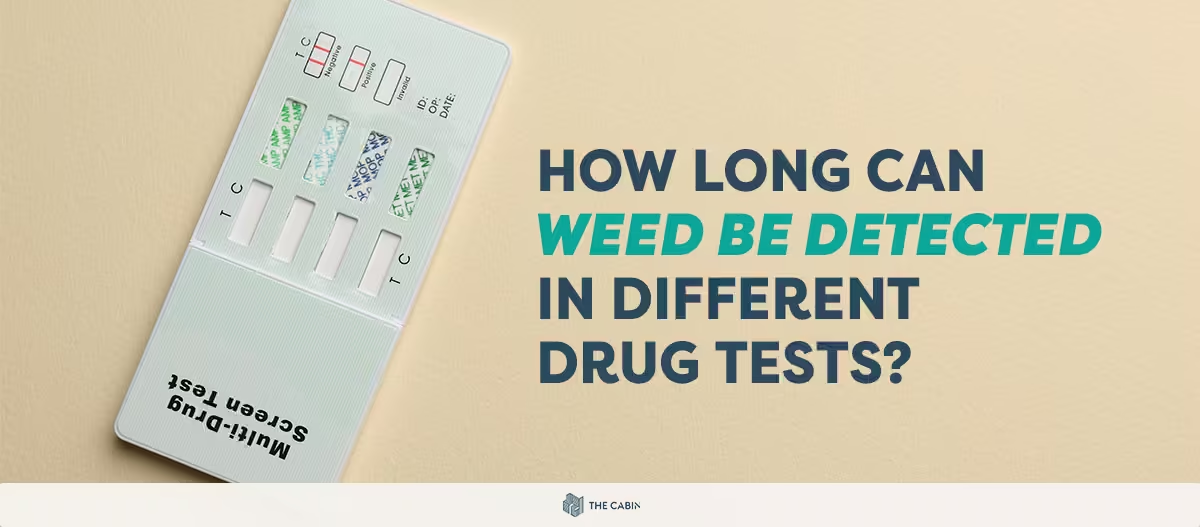
The detection windows for weed across different drug tests are listed below.
- Urine Test: Urine tests can detect THC metabolites from several days to over 30 days after last use, depending on frequency of use. Urine tests remain the most commonly used method for general screening purposes.
- Blood Test: Blood tests usually detect THC for 1 to 2 days, since active THC clears from the bloodstream relatively quickly. This shorter window makes blood testing more useful for identifying very recent use.
- Saliva Test: Saliva tests generally detect THC for about 1 to 3 days, making them useful for identifying more recent use. Collection is quick and noninvasive, which makes this method convenient for certain testing situations.
- Hair Test: Hair tests can detect THC for up to 90 days, since THC metabolites become embedded in the hair shaft over time. This extended window makes hair testing useful for identifying a longer pattern of use.
How Long Does Weed Stay in Urine?
Weed can stay detectable in urine for 3 days after occasional use and up to 30 days or more after daily, heavy use. Frequent users usually have the longest detection times, sometimes testing positive for 4 to 6 weeks, since repeated use allows THC metabolites to accumulate in fat tissue before being released into urine. Occasional users tend to clear THC from urine within 3 to 7 days of last use. Urine testing detects THC metabolites rather than active THC, which means a positive result does not necessarily indicate recent impairment. Hydration and metabolism can also influence how concentrated these metabolites appear in a given sample. Individual variation remains significant, even among people with similar use patterns.
Is Urine the Most Common Drug Test for Weed?
Yes, urine testing is the most common method for detecting weed. Urine testing is widely used because it is simple and cost-effective, making it a practical option for employers and clinical settings alike. Urine testing detects THC metabolites rather than impairment, which means results can remain positive well after any noticeable effects have worn off. This collection process also allows for relatively straightforward sample handling compared with blood or hair testing. Many workplaces and treatment programs rely on urine testing as their primary screening method for this reason. Understanding what a positive urine result actually measures helps clarify its limitations as an impairment indicator.
How Long Does Weed Stay in Your System After Quitting?
Weed stays in your system for 3 days to 6 weeks after quitting, depending on prior use patterns. Frequent or heavy users tend to retain detectable THC metabolites for 4 to 6 weeks, since fat tissue releases stored THC gradually over time. Occasional users generally clear THC from the system within 1 to 2 weeks after their last use. Metabolism, body composition, and hydration all continue to influence how quickly this clearance process unfolds after quitting. Detection time also depends on which type of drug test is used, ranging from 1 to 3 days for blood or saliva up to 90 days for hair. Most people see a steady decline in detectable THC week by week as more time passes since their last use.
How Long does Marijuana Stay in Urine?
Marijuana can remain detectable in urine for 3 to 7 days after occasional use and for more than 30 days after frequent or heavy use. This extended window exists because THC metabolites are stored in fat tissue and released gradually into urine over time. Daily or near-daily users often test positive for 4 to 6 weeks after their last use, reflecting a larger accumulation of stored metabolites. Someone who used marijuana only once or twice typically clears these metabolites from urine within 3 days. Body composition and metabolism continue to play a role in how long this detection window lasts. Testing methods and cutoff thresholds used by different laboratories can also affect whether a result appears positive or negative.
Can THC Still Be Detected After You Quit Using Weed?
Yes, THC can still be detected after you quit using weed. Metabolites remain stored in fat tissue and continue to be released into the bloodstream and urine for days or weeks following the last use. Frequent or long-term users often test positive for a longer period after quitting compared with occasional users. This extended detection window explains why some people test positive even after committing fully to abstinence. Metabolism, body fat percentage, and hydration levels all influence how quickly these metabolites clear from the body. Understanding this delay helps set realistic expectations when preparing for a drug test after quitting.
How do Blood and Hair Tests Detect THC?
Blood and hair tests detect THC through two distinct mechanisms, measuring active THC in the bloodstream and stored metabolites embedded in the hair shaft. Blood tests measure active THC circulating in the bloodstream, which typically clears within a few days after use. Hair tests instead detect THC metabolites that become embedded in the hair shaft as it grows, allowing for a much longer detection window. This difference means blood tests are better suited for identifying recent use, while hair tests can reveal a broader history of use over several months. Laboratory processing for hair tests generally takes longer and can be more expensive than blood or urine testing. Both test types provide useful information depending on whether recent use or a longer usage pattern needs to be assessed.
How Long Does Weed Stay in Blood?
Weed generally stays detectable in blood for 1 to 2 days, a shorter period than in urine or hair. Active THC levels drop quickly as the compound moves out of the bloodstream and into fat tissue for storage. Heavier or more frequent use can extend this window to around 3 to 7 days, though blood tests still tend to reflect more recent activity than other test types. Blood testing is less commonly used for routine screening due to its higher cost and more invasive collection process. This test type is often reserved for situations requiring evidence of very recent use, such as certain legal or medical circumstances. Individual metabolism continues to affect exactly how quickly THC clears from the bloodstream.
How Long does THC Stay in Your Hair?
THC can remain detectable in hair for up to 90 days after use, making hair testing the longest detection window among common drug tests. This extended timeframe exists because THC metabolites become embedded in the hair shaft as it grows from the scalp. Hair closest to the scalp typically reflects the most recent months of use, while sections further from the scalp reflect earlier periods. A single use may not always produce a detectable result in hair testing, since the amount of THC involved matters. Frequent or heavy use tends to produce more consistent and detectable results across the tested hair sample. Environmental exposure to secondhand smoke can occasionally complicate hair test interpretation, though this factor is generally considered less significant than direct use.
How Long Does Weed Stay in Your System After Different Types of Use?
Weed stays in your system for 1 to 3 days after occasional use and 4 to 6 weeks after regular or daily use, depending on usage patterns. Occasional use generally clears faster than frequent use, since less THC accumulates in fat tissue when exposure is limited. Someone who uses weed rarely may clear detectable THC within 1 to 3 days, particularly for blood or saliva testing. Regular or daily use, by contrast, can extend detection windows to 4 weeks or longer, especially for urine testing. Individual metabolism and test type also affect detection, meaning two people with similar use patterns may still produce different results. Body composition plays an additional role, since higher body fat percentage tends to slow the release of stored THC.
How Long Does Weed Stay in Your System After a Couple of Puffs?
THC is often detectable for 1 to 3 days in blood or saliva and up to 7 days in urine after a couple of puffs. Detection may be shorter for infrequent users, since minimal THC accumulates in fat tissue after limited exposure. Blood and saliva tests may show a shorter detection window still, often clearing within one to three days for light or occasional use. Individual factors still influence the result, including metabolism, body composition, and hydration at the time of testing. Someone with a faster metabolism may clear THC noticeably sooner than someone with a slower metabolic rate. General patterns provide a useful guide, though exact detection time cannot be predicted with certainty for every individual.
Does Using Weed During Pregnancy Affect THC Detection?
Yes, THC can still be detected during pregnancy after use. Pregnancy does not immediately change how drug tests detect THC, since the same testing methods and detection windows generally apply regardless of pregnancy status. Using cannabis during pregnancy may also pose health risks to the fetus, which makes avoiding use during this period particularly important. Hormonal and metabolic changes during pregnancy could influence how THC is processed, though detection methods remain largely consistent. Reviewing the risks of marijuana during pregnancy helps clarify why cannabis use carries added concern in this specific circumstance. Medical guidance is recommended for anyone who has used cannabis during pregnancy and has questions about testing or health risks.

Does Smoking Once a Week Shorten Detection Time?
Yes, using weed once a week generally results in a shorter detection time than daily use. THC is less likely to accumulate with less frequent use, since the body has more time between exposures to process and eliminate stored metabolites. Someone using weed weekly may clear detectable THC within one to two weeks, compared with a much longer window for daily users. Detection still varies by individual, since metabolism, body composition, and test type all continue to play a role. A single missed pattern of use does not guarantee a specific detection outcome for every person. General trends can help set expectations, though individual results still depend on personal factors.
What Affects How Long Weed Stays in Your System?
The factors that affect how long weed stays in your system are listed below.
- Frequency of Use: Frequency of use plays a major role, since regular use extends detection by allowing THC to accumulate in fat tissue over time. Daily users typically carry a much larger reserve of stored THC than someone who uses weed only occasionally.
- THC Potency: THC potency matters because higher THC products may last longer in the body due to a greater overall amount to process. Concentrated products such as extracts can introduce significantly more THC than traditional plant based marijuana in a single session.
- Body Fat: Body fat percentage affects detection since THC is stored in fat tissue and released gradually back into the bloodstream. A higher body fat percentage generally means a larger reservoir for stored THC to draw from over time.
- Metabolism: Metabolism influences clearance speed, since a faster metabolism may shorten detection by processing THC more efficiently. Age, activity level, and overall health can all contribute to how quickly this metabolic process functions.
- Type of Drug Test: The type of drug test used changes detection windows significantly, since urine, blood, saliva, and hair tests each measure different compounds. Urine and hair tests tend to detect use much further back than blood or saliva testing.
How do Body Fat and Metabolism Affect THC?
Body fat and metabolism affect THC through storage in fatty tissue and gradual release back into the bloodstream over time. Higher body fat and slower metabolism may prolong detection, since fat tissue holds onto THC metabolites longer before releasing them back into circulation. A person with lower body fat and a faster metabolism may process and eliminate THC more quickly than someone with the opposite profile. These factors contribute to differences between individuals, even among people with similar patterns of use. Physical activity level and overall health can also play a supporting role in how efficiently the body processes stored THC. No single factor fully determines detection time, since body fat and metabolism typically interact with frequency and potency of use.
Can Higher THC Levels Stay in the Body Longer?
Yes, higher THC exposure can stay in the body longer. Larger amounts take more time to eliminate, since the body must process a greater total quantity of THC and its metabolites. Detection time also depends on frequency of use, meaning someone using high-potency products regularly may experience a longer combined detection window. Products with higher THC concentration have become more common, which has increased overall exposure levels for many users. This trend has made general detection estimates somewhat less predictable than in the past. Individual metabolism and body composition still play a significant role alongside potency and frequency.
Can Frequent Weed Use Lead to Marijuana Addiction?
Yes, frequent weed use can lead to Marijuana addiction. The risk increases with regular or heavy use, since repeated exposure can lead to tolerance, dependence, and difficulty cutting back. Some people develop a pattern of use that begins interfering with work, relationships, or daily responsibilities. Withdrawal symptoms such as irritability, sleep problems, and reduced appetite can appear when regular use stops abruptly. Professional treatment can help those struggling to stop, particularly when attempts to quit on their own have not been successful. Recognizing the signs of marijuana addiction early often supports a smoother path toward recovery.
What Helps the Body Remove THC Naturally?

The factors that help the body remove THC naturally are listed below.
- Hydration: Hydration supports normal body functions, including the processes involved in metabolizing and eliminating stored THC over time. Adequate fluid intake supports kidney function, which plays a role in filtering waste products from the bloodstream.
- Balanced Diet: A balanced diet promotes overall health, which supports the body’s general ability to process and clear stored compounds. Proper nutrition also supports liver function, which plays a central role in breaking down THC.
- Regular Exercise: Regular exercise supports metabolism, which may contribute to a more efficient breakdown of stored THC in fat tissue. Consistent physical activity over time supports overall metabolic health rather than producing an immediate change in detection results.
- Adequate Sleep: Adequate sleep aids recovery, supporting the body’s overall function during the natural elimination process. Restorative sleep also supports hormonal balance and general physical recovery, both of which contribute to overall wellbeing.
- Time: Time remains the body’s primary method of eliminating THC, since no shortcut reliably speeds up this natural process. Detection levels typically decline steadily the longer a person goes without additional use.
How Can You Support Your Body While THC Clears Naturally?
You can support your body while THC clears naturally by following these five steps. First, stay properly hydrated to support normal kidney and liver function, both of which play a role in processing stored compounds. Second, maintain a balanced diet to support overall metabolic health, which contributes to the body’s natural ability to clear THC over time. Third, engage in regular exercise to support metabolism, though intense exercise immediately before testing is not a reliable strategy for altering results. Fourth, prioritize adequate sleep to support overall recovery and help the body function at its best during this period. Lastly, allow sufficient time to pass, since this remains the most consistent factor in clearing THC and no product or method has been shown to meaningfully speed up this natural process.
Can Detox Products Remove THC Quickly?
No, detox products cannot reliably remove THC quickly. Claims made by many detox kits and supplements are not well supported by scientific evidence, despite marketing that suggests otherwise. Some products may temporarily dilute urine samples, though this approach carries its own risks, including detection through validity testing at the laboratory. Relying on these products instead of allowing sufficient time can lead to unreliable or invalid test results. Time and the body’s natural metabolic processes remain the most consistent way THC is eliminated from the system. Anyone concerned about an upcoming drug test benefits more from understanding realistic detection windows than from unproven shortcuts.
What Should You Know Before Taking a Drug Test?
Drug test type, detection windows, and individual factors such as frequency of use, body composition, and metabolism are the most important things to know before taking a drug test. Testing positive depends heavily on which test is administered, since each method carries its own cutoff threshold and sensitivity. Urine tests generally carry the longest detection window for regular users, while blood and saliva tests reflect more recent use. There is no guaranteed way to avoid detection if THC is still present in the body at a level above the test’s cutoff threshold. Understanding these variables in advance helps set realistic expectations about a specific test result. Consulting with a healthcare provider or testing administrator can help clarify what a particular test measures.
How can you Prepare for a THC Drug Test?
You can prepare for a THC drug test by following these five steps. First, understand the type of drug test being used and allow sufficient time after last cannabis use to set realistic expectations for the result. Second, avoid relying on unproven detox methods or adulterants, since these reduce the risk of an invalid or flagged sample. Third, maintain normal hydration and health habits to support the body’s natural elimination process without introducing unnecessary risk. Fourth, communicate honestly if testing is required for medical care, since accurate information supports proper treatment decisions. Lastly, seek guidance from a healthcare provider or employer representative to help clarify expectations before the test takes place.
Can You Still Test Positive After Quitting Weed?
Yes, you can still test positive after quitting weed. THC metabolites may remain in the body for 3 days to 6 weeks, depending on how frequently and heavily weed was used before quitting. Frequent users often remain positive for longer, sometimes testing positive 4 to 6 weeks after their last use. Occasional users typically clear detectable THC more quickly, often within 1 to 2 weeks of quitting. Body composition, metabolism, and hydration continue to influence exactly how long this window lasts. Understanding this delay helps explain why a positive result does not necessarily indicate recent use.
Can you Go to Work After Using Weed?
No, going to work after using weed is not advisable in most cases, since impairment and workplace policies can both create risk. THC can affect judgment, reaction time, and coordination even after use, which may create safety concerns in certain work environments. Safety-sensitive jobs and employers may also have drug-testing requirements that make this decision more significant than it might otherwise appear. Some workplaces maintain strict zero-tolerance policies regardless of impairment level at the time of the shift. Reviewing how common this situation actually is, as shown by data on people who smoke weed before or during work, highlights why clear workplace policies matter. Understanding both legal and safety considerations helps clarify the risks involved in this situation.
When Should You Consider Marijuana Addiction Treatment?
You should consider marijuana addiction treatment when use is affecting health, work, relationships, or the ability to stop. Repeated unsuccessful attempts to quit are an important warning sign, often indicating that the pattern of use has moved beyond casual or occasional habit. Withdrawal symptoms, strong cravings, and continued use despite clear negative consequences also point toward the need for professional support. Early treatment can improve recovery outcomes, since addressing the pattern before it becomes more deeply established tends to support a smoother recovery process. Structured treatment can address both the behavioural and psychological factors that sustain regular marijuana use. Reaching out to marijuana addiction treatment becomes a reasonable step once these signs begin to affect daily life in a meaningful way.

The Cabin Clinical Team
Our team boasts over 10 years of experience working with individuals struggling with addiction and mental health challenges. This extensive experience allows us to provide comprehensive assessments, develop personalized treatment plans, and deliver evidence-based interventions tailored to meet your unique needs.