Cocaine addiction withdrawal produces a mix of physical fatigue and psychological distress that begins soon after stopping repeated use. Mood changes, cravings, low energy, and sleep disturbances are among the most common effects, and severity tends to depend on how long and how heavily cocaine was used.
Brain chemistry shifts sharply once cocaine is no longer present, and this shift explains why emotional symptoms often feel stronger than physical ones. Cocaine withdrawal usually lasts from several days to a few weeks, though cravings and mood symptoms can persist longer than the acute physical phase. Recovery pace differs from person to person, since use history, mental health, and overall physical condition all shape how the body and brain respond. Professional evaluation becomes important when symptoms are severe, prolonged, or connected to a broader pattern of cocaine addiction that has affected daily functioning. A clear understanding of what withdrawal involves helps set realistic expectations for the days and weeks that follow the last use. Rehab becomes a reasonable option once withdrawal symptoms interfere with safety, mental health, or the ability to stay off cocaine without support. Structured treatment settings can also address underlying patterns that made stopping cocaine difficult in the first place.
What is Cocaine Withdrawal?
Cocaine withdrawal is a group of physical and psychological symptoms that occur after reducing or stopping repeated cocaine use. Symptoms are mainly psychological and result from changes in brain chemistry that build up during a period of regular cocaine use. Dopamine levels drop sharply once cocaine is no longer stimulating the brain’s reward system, and this drop produces the low mood, fatigue, and craving that define the withdrawal period. The severity of these symptoms varies depending on the person’s cocaine use history, including how often cocaine was used and how long the pattern of use continued. Heavier and more prolonged use tends to produce a more intense withdrawal experience, since the brain has adjusted more deeply to the presence of the drug. Mental health history and the presence of other substances in the body can also shape how withdrawal feels and how long it lasts. Everyday routines, including sleep and eating patterns, are often disrupted during this period as the body works to restore its normal balance. Emotional symptoms tend to draw the most attention during withdrawal, though physical fatigue and appetite changes are equally common. Recognizing these symptoms early helps distinguish typical withdrawal from complications that may need closer medical attention.
Why does Cocaine Withdrawal Happen?
Cocaine withdrawal happens because the brain adapts to repeated cocaine use over time. Stopping cocaine disrupts dopamine and other brain chemicals involved in reward and mood, since those systems had adjusted to function alongside frequent cocaine exposure. Natural reward signals become harder to access once cocaine is removed, which produces the flat mood, fatigue, and craving associated with withdrawal. Regular cocaine use trains the brain to expect frequent surges of stimulation, and the sudden absence of that stimulation creates a noticeable imbalance. The brain needs time to regain normal function, and this recovery process explains why symptoms tend to ease gradually rather than disappear immediately. Neurochemical balance improves in stages, with sleep and energy often stabilizing before mood and craving fully settle. Stress, poor sleep, and unresolved emotional difficulties can slow this process further, extending how long withdrawal symptoms remain noticeable. Understanding this biological process helps explain why willpower alone often struggles to overcome the discomfort of early withdrawal.
Can You Withdraw From Cocaine?
Yes, withdrawal from cocaine occurs after stopping regular use. Withdrawal is more likely after frequent or heavy use, since the brain has had more time to adjust to the presence of cocaine in those cases. Occasional or one-time use is less likely to produce a noticeable withdrawal pattern, though individual sensitivity still plays a role. Symptoms differ in severity from person to person, shaped by factors such as dose, frequency, duration of use, and overall physical and mental health. Some people experience a short period of fatigue and low mood, while others face more intense cravings and emotional symptoms that last longer. Body weight, metabolism, and general health can also influence how quickly cocaine clears the system and how symptoms present. Recognizing personal risk factors helps clarify what kind of support might be needed once cocaine use stops.
What are the Symptoms of Cocaine Withdrawal?
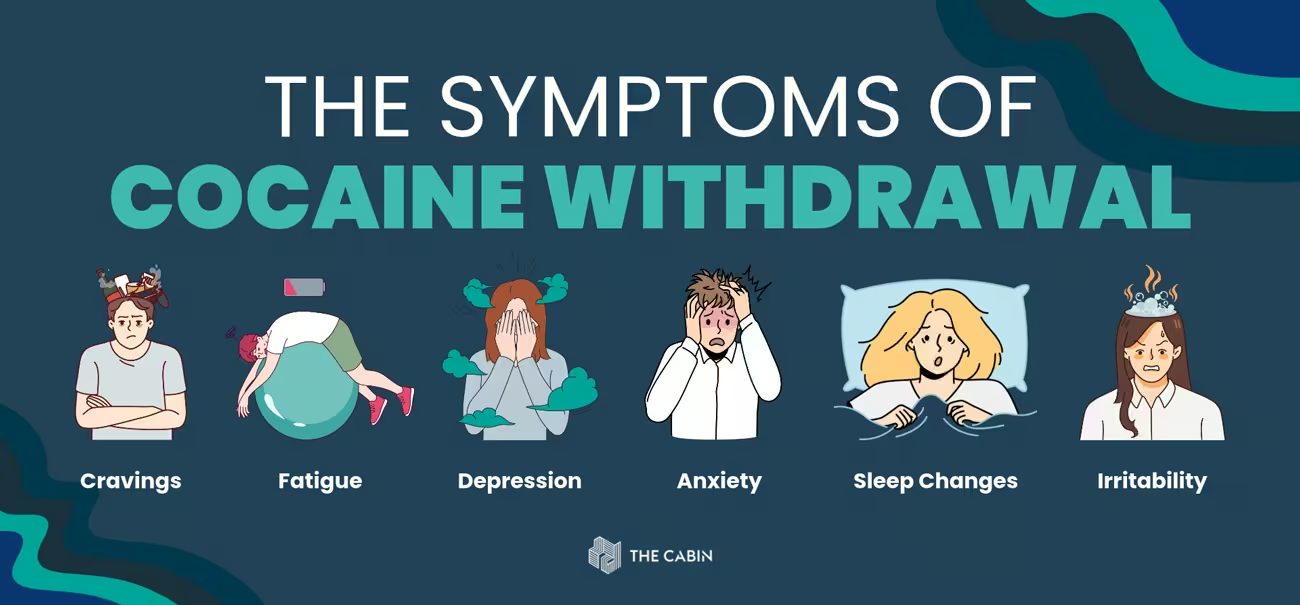
The symptoms of cocaine withdrawal are listed below.
- Cravings: Cravings involve a strong urge to use cocaine again, often triggered by stress, memory of past use, or exposure to related people and places. This symptom can persist beyond the acute withdrawal phase, and it often becomes the most challenging part of long-term recovery.
- Fatigue: Fatigue presents as extreme tiredness that follows the drop in stimulation once cocaine leaves the system. Energy levels often stay low during the early withdrawal period, making basic daily tasks feel more demanding than usual.
- Depression: Depression during withdrawal involves persistent sadness or hopelessness linked to reduced dopamine activity. Mood symptoms can be one of the more difficult parts of recovery from cocaine use, particularly during the first two weeks.
- Anxiety: Anxiety appears as nervousness or restlessness as the nervous system readjusts to functioning without cocaine. This symptom often overlaps with irritability and sleep disruption, which can make early recovery feel especially uncomfortable.
- Sleep Changes: Sleep changes include insomnia or excessive sleeping, depending on the stage of withdrawal and the person’s usual sleep patterns. Sleep often becomes more regular as withdrawal progresses and the body settles into a stable rhythm.
- Irritability: Irritability shows up as increased frustration or anger, frequently connected to fatigue, cravings, and the broader stress of stopping cocaine use. This symptom tends to improve as brain chemistry stabilizes over the following weeks.
What are the Most Common Coke Withdrawal Symptoms?
The most common coke withdrawal symptoms are listed below.
- Intense Cravings: Intense cravings for cocaine appear early and remain one of the most reported withdrawal symptoms. Cravings can return periodically even after other symptoms fade, often triggered by stress or familiar surroundings.
- Low Mood: Low mood, including sadness and lack of motivation, reflects the drop in dopamine activity that follows stopping cocaine. This symptom often improves gradually over several weeks as brain chemistry stabilizes.
- Physical Exhaustion: Physical exhaustion develops as the body recovers from the stimulant effects of repeated cocaine use. Rest and stable routines often support recovery from this symptom during the first several days.
- Increased Appetite: Increased appetite frequently appears during withdrawal, since cocaine typically suppresses appetite during active use. Eating patterns often normalize as withdrawal progresses and the body regains its usual balance.
- Vivid or Disturbing Dreams: Vivid or disturbing dreams can occur during the sleep changes that accompany withdrawal, particularly in the first week after last use. This symptom generally decreases as sleep patterns stabilize.
Can Cocaine Withdrawal Cause Depression and Anxiety?
Yes, cocaine withdrawal can cause depression and anxiety. Depression and anxiety occur as brain chemistry readjusts after the sudden absence of cocaine’s stimulant effects on dopamine and related systems. Mood can feel unusually low, and worry or restlessness may increase during the first days and weeks after stopping use. Some people also notice difficulty feeling pleasure from normal activities, which reflects the same disrupted reward pathways involved in withdrawal. Professional support may be needed if symptoms become severe, particularly when depression or anxiety begins to affect daily functioning, safety, or the ability to maintain progress in recovery. Co-occurring mental health conditions can also intensify these symptoms, which makes clinical evaluation useful for people with a prior history of depression or anxiety disorders. Early identification of these mood symptoms often supports a smoother and safer path through the withdrawal process.

What are the Effects of Cocaine Withdrawal?
The effects of cocaine withdrawal are listed below.
- Mood Changes: Mood changes include depression and irritability that develop as the brain’s reward system readjusts. These effects can fluctuate throughout the withdrawal period, sometimes shifting from day to day.
- Cravings: Cravings for cocaine increase as the brain seeks the stimulation it had adapted to during regular use. This effect can trigger relapse risk without proper support, especially during moments of stress.
- Low Energy: Low energy appears as fatigue and lack of motivation, often making daily tasks feel more difficult during early withdrawal. Energy levels typically improve as the body stabilizes over the following weeks.
- Sleep Disturbances: Sleep disturbances include insomnia or excessive sleep, depending on the individual and the stage of withdrawal. Sleep patterns generally normalize over time as brain chemistry recovers.
- Difficulty Concentrating: Difficulty concentrating reduces focus and mental clarity during the withdrawal period. This effect often eases as brain chemistry stabilizes and normal cognitive function gradually returns.
- Physical Discomfort: Muscle aches and general unease can accompany the early stages of withdrawal. This effect tends to be more pronounced during the initial crash period.
How does Cocaine Withdrawal Affect the Brain and Body?
Cocaine withdrawal affects the brain and body through dopamine depletion, disrupted reward signaling, and slowed physical processes that follow the abrupt absence of stimulant use. Dopamine and related neurotransmitters, disrupted by repeated cocaine use, require time to return to a stable baseline once cocaine is no longer present. It can also cause fatigue, cravings, and sleep disturbances, since the body and brain adjust together during this recovery period. The cardiovascular system may also need time to settle after prolonged stimulant exposure, which can contribute to lingering fatigue in some people. Physical symptoms often ease before psychological symptoms fully resolve, which explains why cravings and low mood can outlast fatigue and sleep problems. Appetite and digestion frequently shift during this period as well, reflecting the broader adjustment taking place throughout the body. Most symptoms improve as the brain gradually recovers, and understanding cocaine effects on the brain helps clarify why withdrawal produces this particular combination of physical and emotional symptoms.
Can Cocaine Withdrawal Affect Sleep and Energy Levels?
Yes, cocaine withdrawal can affect sleep and energy levels. Individuals may experience insomnia, excessive sleep, or severe fatigue, depending on the stage of withdrawal and their individual response to stopping cocaine use. Sleep disruption tends to be more noticeable during the first days after last use, while fatigue can linger longer as the body recovers from stimulant exposure. A consistent sleep schedule and reduced screen exposure before bed can support more stable rest during this period. These symptoms usually improve with time, particularly when sleep hygiene and daily structure support the recovery process. Persistent sleep or energy problems that extend beyond several weeks may benefit from professional evaluation. Ongoing fatigue that does not improve can sometimes signal an underlying issue that requires additional medical attention.
Can Mixing Cocaine and Alcohol Affect Withdrawal Symptoms?
Yes, mixing cocaine and alcohol can affect withdrawal symptoms. Using cocaine and alcohol may increase symptom severity and treatment needs, since the body must recover from two different substances with distinct effects on the brain and nervous system. Combined use can also produce byproducts that place additional strain on the liver and cardiovascular system, adding to the physical burden of withdrawal. Mood symptoms can become more unpredictable as well, since alcohol carries its own withdrawal pattern that can overlap with cocaine-related symptoms. Medical evaluation is recommended for people withdrawing from multiple substances, since polysubstance withdrawal often requires closer monitoring than withdrawal from cocaine alone. Reviewing the risks of mixing cocaine and alcohol helps clarify why combined use changes the withdrawal experience.
What is the Cocaine Withdrawal Timeline?
The cocaine withdrawal timeline is a gradual process that usually begins within hours after the last use, peaks during the first week, and improves over the following weeks. Physical symptoms such as fatigue and sleep disruption tend to appear first, while mood-related symptoms often build over the following days. Cravings and mood symptoms may last longer than physical symptoms, sometimes continuing well beyond the acute withdrawal period. The first few days often bring the sharpest changes, since the body adjusts quickly to the sudden absence of cocaine. Recovery time differs for each person, shaped by factors including frequency of use, amount used, and overall mental health. A consistent, supportive routine during this period often helps stabilize both physical and emotional symptoms. Tracking symptoms day by day can also help identify patterns and signal when additional support may be useful.
What Happens During Each Stage of Cocaine Withdrawal?

The stages of cocaine withdrawal are listed below.
- Crash Stage: The crash stage involves fatigue, increased sleep, and low mood that appear soon after stopping cocaine use. This stage often lasts a few days and can feel physically draining.
- Acute Withdrawal: Acute withdrawal brings strong cravings, anxiety, and depression as brain chemistry continues to readjust. This stage typically represents the most intense period of withdrawal and often lasts one to two weeks.
- Recovery Stage: The recovery stage involves symptoms gradually improving while cravings may continue at a lower intensity. Daily functioning generally becomes easier during this stage as sleep and mood continue to stabilize.
- Extended Recovery: Extended recovery describes the weeks that follow acute withdrawal, when occasional cravings or mild mood changes may still appear. Ongoing support during this stage often reduces the likelihood of relapse.
Does Everyone Follow the Same Cocaine Withdrawal Timeline?
No, not everyone follows the same cocaine withdrawal timeline. Individual factors such as frequency of use, amount used, duration of the addiction, and mental health history all influence how withdrawal unfolds. Some individuals move through the crash stage quickly and experience a shorter acute withdrawal period, while others face a longer and more intense course of symptoms. Age, general physical health, and prior withdrawal experiences can also shape how the timeline unfolds for a given individual. Polysubstance use can further extend or complicate the timeline, since the body must process more than one substance during recovery. Professional assessment helps clarify what timeline is realistic for a specific situation rather than relying on a general estimate. Comparing personal experience against a general timeline can create unrealistic expectations, so individualized guidance often proves more useful.
How Long does Cocaine Withdrawal Last?
Cocaine withdrawal usually lasts from three days to two weeks for the acute physical phase, with milder symptoms sometimes extending into a second month. Psychological symptoms may continue beyond the acute withdrawal phase, particularly cravings and low mood, which can persist for several weeks after physical symptoms have eased. Recovery varies based on the individual, since factors such as use history and mental health shape both the intensity and length of withdrawal. The first three to five days often bring the sharpest physical discomfort, including fatigue and sleep disruption. Many individuals begin noticing gradual improvement by the end of the first week, though occasional setbacks in mood or energy remain common through the second and third weeks. Most Individuals notice steady improvement in physical symptoms within one to two weeks, with emotional symptoms taking closer to a month to fully resolve. Ongoing support during this extended period often reduces the risk of relapse. Patience during this stretch of recovery often matters as much as any single treatment approach.
What Factors Affect How Long Cocaine Withdrawal Lasts?
The factors that affect how long cocaine withdrawal lasts are listed below.
- Frequency of Use: Frequency of use plays a major role, since more frequent use extends recovery time as the brain has adapted more heavily to cocaine’s presence.
- Amount Used: Amount used affects severity directly, since higher doses increase symptom severity and often lengthen the withdrawal period.
- Duration of Use: Duration of use matters because long-term use prolongs withdrawal, requiring more time for brain chemistry to stabilize.
- Mental Health: Mental health conditions can affect recovery, since existing anxiety, depression, or other disorders may intensify or extend withdrawal symptoms.
- Polysubstance Use: Polysubstance use complicates withdrawal, since other substances may interact with cocaine’s effects and extend the overall recovery timeline.
- Overall Physical Health: Nutrition and sleep quality before stopping cocaine can influence how the body copes with the withdrawal process.
- Support System: Support system availability often affects recovery pace, since consistent emotional and practical support can help manage stress and reduce prolonged symptoms.
Can Cocaine Addiction Make Withdrawal More Severe?
Yes, cocaine addiction can make withdrawal more severe. Long-term and heavy use causes greater changes in brain function, requiring more extensive readjustment once cocaine is no longer present. This often leads to stronger cravings and emotional symptoms, since the brain’s reward system has adapted more deeply to regular cocaine exposure. Repeated cycles of use and attempted abstinence can also make each subsequent withdrawal period feel more intense than the last. Individuals with a longer history of cocaine addiction frequently experience a more intense crash stage and a longer period of psychological symptoms during recovery. Professional support becomes more important as the severity of addiction and withdrawal increases. Structured care can help manage this heightened intensity more safely than attempting withdrawal without guidance.
Can Cocaine Withdrawal Symptoms Return After They Improve?
Yes, withdrawal symptoms can return after improving. Stress and drug-related triggers may cause cravings to reappear, even after a person has moved through the acute withdrawal period without significant difficulty. Exposure to people, places, or situations associated with past cocaine use can reactivate cravings and, in some cases, low mood or irritability. These moments do not necessarily indicate a setback in overall progress, though they do call for continued attention and coping strategies. Ongoing treatment helps reduce relapse risk by addressing these triggers directly and building coping strategies for moments when symptoms resurface. Continued support after the initial withdrawal period plays an important role in maintaining long-term stability. Recognizing early warning signs of returning symptoms often allows for quicker intervention and a lower chance of full relapse.

What is Cocaine Detox During Withdrawal?
Cocaine detox during withdrawal is the supervised process of allowing cocaine to clear from the body while managing the physical and psychological symptoms that arise. Detox typically takes place in a structured setting where symptoms such as fatigue, low mood, and cravings can be monitored closely. Support during this period focuses on comfort, safety, and stabilization rather than long-term behavioural change, which comes later in treatment. Basic needs, including rest, hydration, and nutrition, are often prioritized to help the body recover more comfortably. Detox often marks the first stage of a broader recovery plan rather than a complete solution on its own. Understanding how long cocaine detox takes helps set realistic expectations for this early phase of withdrawal. A clear sense of what to expect during detox reduces anxiety about the process itself.
How does Cocaine Detox Help Manage Withdrawal Symptoms?
Cocaine detox helps manage withdrawal symptoms by providing a structured, monitored environment during the most physically and emotionally demanding phase of recovery. Supervision allows symptoms such as depression, anxiety, and severe fatigue to be tracked and addressed as they arise, rather than managed without guidance. Staff support can also help reduce the risk of relapse during the crash stage, when cravings and low mood tend to be strongest. A calm, substance-free environment removes many of the triggers that might otherwise prompt a return to cocaine use. Basic medical care addresses sleep disruption, nutrition, and overall physical stability, which supports a smoother transition into further treatment. Detox does not resolve the underlying addiction by itself, though it creates a safer starting point for the therapy and counseling that typically follow. Consistent monitoring during this stage often catches complications early, before they become more serious.
Is Medical Detox Recommended for Cocaine Withdrawal?
Yes, medical detox is recommended for cocaine withdrawal in many cases, particularly when symptoms are severe or when other substances are involved. Supervision improves safety during the crash stage, when fatigue, depression, and cravings tend to be most intense. Co-occurring mental health conditions also make medical oversight more important, since untreated depression or anxiety can complicate the withdrawal process. Access to trained staff can also provide reassurance during moments of intense craving or emotional distress. Structured detox settings can additionally support a smoother transition into ongoing treatment, including therapy and relapse prevention planning. People with mild, infrequent use may not always require formal detox, though professional evaluation helps determine the right level of care. A brief clinical assessment often clarifies whether supervised detox or a less intensive approach fits the situation better.
How is Cocaine Withdrawal Treated?

Cocaine withdrawal is treated through behavioural therapy, supportive care, and treatment for co-occurring mental health conditions when needed. Treatment focuses on reducing symptoms and preventing relapse, addressing both the physical discomfort of withdrawal and the psychological patterns that sustain cocaine use. behavioural approaches help identify triggers and build coping skills, while supportive care addresses sleep, nutrition, and general stability during recovery. Group settings can also offer perspective and encouragement from others working through a similar stage of recovery. Recovery plans are tailored to each person’s needs, since factors such as use history, mental health, and support systems all shape what treatment looks like. Comprehensive cocaine addiction treatment typically extends beyond withdrawal management into longer-term relapse prevention. Ongoing adjustments to the treatment plan often reflect how a person responds during the early weeks of recovery.
What Treatments Help During Cocaine Withdrawal Recovery?
The treatments that help during cocaine withdrawal recovery are listed below.
- Behavioural Therapy: behavioural therapy changes unhealthy behaviors connected to cocaine use, helping build healthier responses to stress and triggers over time.
- Individual Counselling: Individual counseling builds coping skills, giving people tools to manage cravings and emotional symptoms during recovery on an ongoing basis.
- Support Groups: Support groups encourage long-term recovery by connecting people with others who share similar experiences and challenges during withdrawal.
- Mental Health Care: Mental health care treats co-occurring conditions such as depression or anxiety that often accompany cocaine withdrawal and complicate recovery.
- Aftercare Programs: Aftercare programs provide ongoing relapse prevention, supporting stability well beyond the initial withdrawal period and into daily life.
- Family Involvement: Family involvement can strengthen recovery by improving communication and building a more supportive home environment during and after treatment.
When Should Someone Go to Rehab for Cocaine Addiction?
Someone should go to rehab for cocaine addiction when withdrawal symptoms, cravings, or patterns of use begin to affect health, safety, relationships, or daily responsibilities. Repeated attempts to stop without success often indicate that structured support is needed beyond what willpower alone can provide. Severe depression, anxiety, or other mental health symptoms during withdrawal also point toward the need for professional care. A noticeable decline in work performance, financial stability, or personal relationships often signals that the addiction has progressed further than casual use. Polysubstance use adds further complexity, since managing withdrawal from multiple substances safely usually requires medical supervision.
Reaching out to a drug and alcohol rehab in Thailand becomes a reasonable step once cocaine use has progressed beyond what can be managed safely alone. Earlier intervention leads to a smoother recovery process and a lower risk of long-term complications.
Can Cocaine Withdrawal Be Managed Without Professional Help?
Yes, cocaine withdrawal can be managed without professional help in some mild cases. Medical and behavioural support is recommended, especially for moderate to severe cocaine use or significant mental health symptoms, since these situations carry a higher risk of complications during withdrawal. Attempting to manage severe symptoms alone can increase the chance of relapse, particularly during the crash stage when cravings and low mood are most intense. Isolation during this period can also make emotional symptoms feel more overwhelming without outside support or guidance. Professional care can improve safety and reduce the risk of relapse by providing structure, monitoring, and coping strategies throughout the withdrawal process. Individual circumstances, including use history and mental health, help determine whether professional support is necessary. A brief consultation with a healthcare provider can help clarify the safest path forward for a specific situation.
Get Started on a Recovery Journey at The Cabin Chiang Mai
Are you or someone you care about struggling with cocaine use? You’re not alone—support is just a click away. At The Cabin Chiang Mai, we offer inpatient cocaine addiction treatment here in Thailand, but we also have outpatient care facilities across the world. At the very least, we can help you find suitable treatment, like a mental healthcare provider. Contact us today for a FREE evaluation. Our team will respond within 24 hours to guide you towards the right path.

The Cabin Clinical Team
Our team boasts over 10 years of experience working with individuals struggling with addiction and mental health challenges. This extensive experience allows us to provide comprehensive assessments, develop personalized treatment plans, and deliver evidence-based interventions tailored to meet your unique needs.