Drugs affect the brain by altering brain chemistry, neurotransmission, and neural circuits. This disruption can influence mood, behaviour, and cognition.
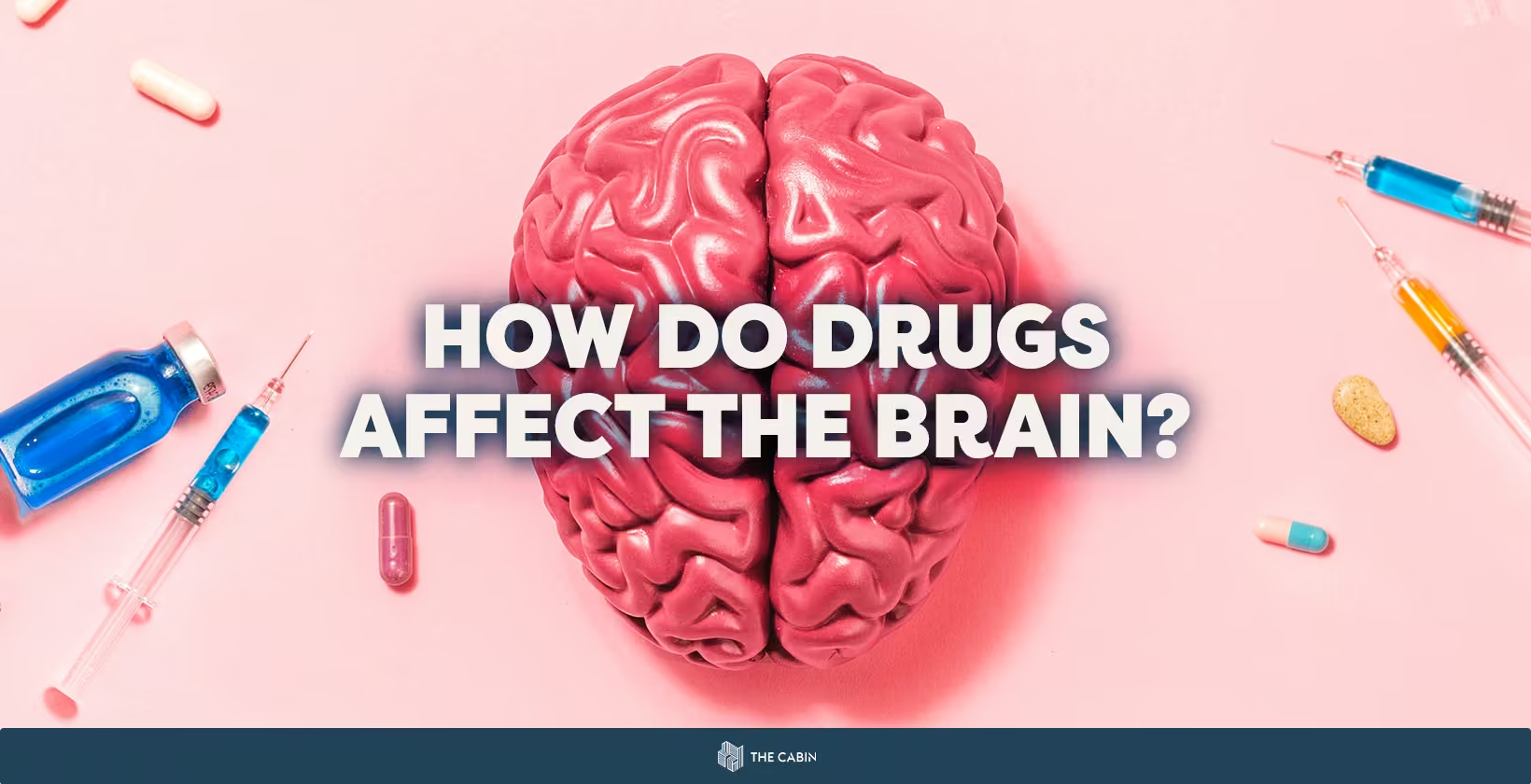
Both legal (prescription) and illegal drugs interfere with the natural balance of neurotransmitters, such as dopamine, serotonin, and gamma-aminobutyric acid (GABA). Prescription drugs (painkillers and anti-anxiety medications) can rewire brain pathways when misused or overused, leading to dependence and changes in mood or cognitive function. Illegal drugs (cocaine, heroin, and methamphetamine) overstimulate the brain’s reward system, causing intense feelings of euphoria, and they lead to long-term damage, addiction, and cognitive decline. These alterations disrupt normal brain functioning, impair decision-making and lead to emotional instability.
What Happens in the Brain when You Take Drugs?
Euphoria, confusion, or hallucination happens in the brain when you take drugs. Chemical compounds in drugs bind to neuron receptors and disrupt everyday communication. Some drugs mimic neurotransmitters like dopamine, while others block their reabsorption. These actions overstimulate the brain’s reward system. Dopamine floods the synapses, reinforcing pleasure and repeated use. For example, cocaine traps dopamine in the synaptic gap, exaggerating the feeling of reward in the brain.
Acute drug use changes mood, energy, and perception almost immediately. Chronic use damages neural pathways and weakens memory, judgment, and emotional control. This altered brain signalling rewires the circuits that control impulses and decision-making. Dependence then forms when the brain relies on the drug for neurotransmitter balance. Long-term exposure makes natural rewards feel less satisfying. This imbalance intensifies cravings and leads to compulsive use.
Excess dopamine contributes to overstimulation in key areas like the prefrontal cortex and the amygdala. Emotional regulation and executive controls weaken as these regions adapt to the repeated presence of drugs. The shifts show the long-term impact of drugs on the brain. Functional brain imaging confirms how behaviour and cognition can change when your brain is affected by drugs.
Which Brain Chemicals are Most Affected by Drugs?
Dopamine, serotonin, GABA, and endorphins are the brain chemicals most affected by drugs. Dopamine drives the reward pathway and strengthens feelings of pleasure, motivation, and reinforcement. Stimulants (cocaine) flood synapses with dopamine, which produces intense euphoria. Serotonin influences mood and perception, and drugs such as Lysergic Acid Diethylamide (LSD) and MDMA amplify its effects. GABA calms neural activity, and depressants (alcohol or benzodiazepines) heighten its action, causing sedation.
Endorphins reduce pain and elevate pleasure, and opioids mimic or boost their signals. These chemical shifts illustrate the profound impact of drugs on the brain and the long-term changes found in studies of the brain on drugs.
How do Drugs Influence Dopamine?
Drugs influence dopamine by overstimulating the brain’s reward system and causing surges far greater than natural rewards. Elevated dopamine levels create intense pleasure and reinforce repeated use. Continued exposure reshapes brain circuits, making natural activities like eating or social interaction less rewarding. The reinforcement loop strengthens compulsive drug-seeking behaviour, which defines the link between dopamine and addiction. Dopamine addiction is a state where the brain depends on drug-induced dopamine release rather than natural triggers. The dopamine addiction meaning lies in the compulsive cycle of craving, use, and diminished control over behavior. Evidence from every dopamine drug study shows how prolonged exposure reduces receptor sensitivity, deepens dependence and alters decision-making.
How do Drugs Create Intense Feelings, and How do Psychoactive Drugs Work in the Brain?
Psychoactive drugs work in the brain by altering chemical signalling between neurons. The drugs trigger a surge of dopamine, which intensifies activity in the brain’s reward pathway. The nucleus accumbens (a central pleasure centre) becomes overstimulated. The overstimulation creates strong sensations of pleasure, motivation, or euphoria. Stimulants (amphetamines) boost dopamine release. Opioids activate receptors that mimic natural painkillers and pleasure signals. The elevated dopamine levels reinforce drug use behaviour, increasing the likelihood of repeated use. The brain adjusts by reducing dopamine receptors, which weakens natural rewards. The changes illustrate how drugs affect the brain, affecting emotion, memory, and self-control. Continued exposure to psychoactive substances reveals that there can be lasting consequences to the brain.
How do Psychoactive Drugs Affect Neurotransmission?
Psychoactive drugs affect neurotransmission by changing the way neurons communicate across synapses. Some drugs mimic natural neurotransmitters by binding to receptors and producing exaggerated signals. Others block receptor activity (antipsychotics, beta blockers, antihistamines) or prevent neurotransmitter reuptake, leaving excess chemicals in the synaptic gap. Dopamine release increases under stimulants, reinforcing reward and motivation. Drugs like 3,4-methylenedioxymethamphetamine (MDMA) heighten mood and boost sensory perception, increasing serotonin. Gamma-Aminobutyric Acid (GABA) activity is improved by depressants such as benzodiazepines, which create sedation and relaxation. Endorphin receptors are activated by opioids that reduce pain, while also producing euphoric effects. These alterations demonstrate the influence of drugs on the brain and the long-term risks that have been revealed in studies of the brain on drugs.
How do Drugs Create Intense Feelings and Alter Mood?
Drugs create intense feelings and alter mood by disrupting brain circuits that control emotion and reward. The limbic system (which manages motivation and pleasure) becomes overstimulated when drugs flood it with neurotransmitters like dopamine and serotonin. The overstimulation heightens mood, increases pleasure, and produces feelings of euphoria. Emotional regulation weakens as repeated use reshapes pathways in the amygdala and the prefrontal cortex. Behavior shifts toward seeking drugs, as the brain prioritizes artificial rewards over natural satisfaction. These changes explain how drugs in the brain reshape emotions and highlight the long-term risks.
How do Drugs Work in the Brain?
Drugs work in the brain by interfering with the way neurons send, receive, and process signals through neurotransmitters. Some drugs mimic natural chemicals, while others block receptors or increase neurotransmitter release. Stimulants (cocaine and amphetamines) raise dopamine activity, producing energy and euphoria. Depressants (alcohol and benzodiazepines) boost GABA activity, slowing brain function and creating sedation. Opioids (heroin) bind to endorphin receptors, reducing pain and producing pleasure. Hallucinogens (LSD) distort serotonin signalling, altering perception and mood. Cannabinoids (THC) act on cannabinoid receptors, affecting memory, coordination, and appetite. The mechanisms explain how drugs work by altering brain chemistry, and provide additional insight into research focused on how drugs work across different classes of substances.
What Changes in Brain Structure Occur During Addiction?
The Changes in Brain Structure that Occur During Addiction are listed below.
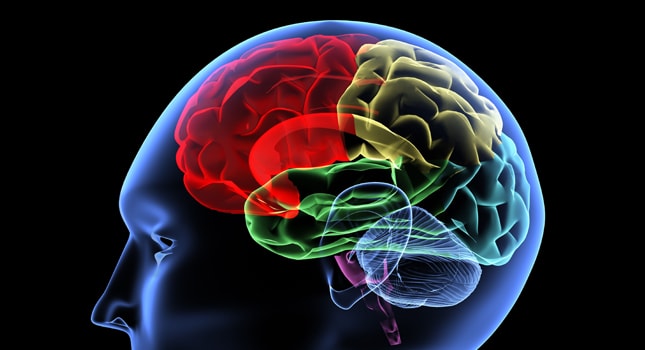
- Prefrontal Cortex: The prefrontal cortex weakens in activity, reducing decision-making and impulse control. The change happens because repeated drug exposure lowers the brain’s ability to regulate cravings and assess consequences.
- Amygdala: The amygdala becomes hyperactive, intensifying stress, fear, and negative emotions. The change happens because drug withdrawal and dependence reshape emotional circuits, making stress cues stronger.
- Nucleus Accumbens: The nucleus accumbens becomes overstimulated, reinforcing compulsive drug-seeking behavior. The change happens because dopamine floods the reward center, strengthening associations between drugs and pleasure.
- Hippocampus: The hippocampus experiences altered activity, weakening memory and learning functions. The change happens because drug use interferes with neural plasticity, impairing the brain’s ability to form healthy associations.
- Dorsal Striatum: The dorsal striatum grows more active in habit formation. The change happens because repeated drug use shifts behavior from a voluntary choice, to automatic habit-driven action.
- Orbitofrontal Cortex: The orbitofrontal cortex loses balance in regulating reward and punishment signals. The change happens, because chronic drug use skews the brain circuits toward reward-seeking over risk evaluation.
Which Parts of the Brain Do Drugs Affect?
The Parts of the Brain that Drugs Affect are listed below.
- Prefrontal Cortex: The prefrontal cortex weakens under drug use, reducing decision-making and impulse control. It is prone to disruption because it regulates self-control and judgment. The severity is high, showing the connection between the brain and addiction.
- Amygdala: The amygdala becomes hyperactive, intensifying stress and emotional responses. It is affected because drug withdrawal and craving amplify fear and anxiety circuits. The severity is moderate to high, linking it to the addiction center of the brain.
- Nucleus Accumbens: The nucleus accumbens is overstimulated, reinforcing reward and pleasure signals. It is affected because dopamine floods the region during drug use. The severity is very high, placing it at the core of the limbic system and addiction.
- Hippocampus: The hippocampus loses efficiency in memory and learning functions. It is prone to damage because drugs alter synaptic plasticity and disrupt normal learning. The severity is moderate, as it affects how memory is shaped in the brain reward system.
- Dorsal Striatum: The dorsal striatum grows more active in habit formation. It is affected, because repeated drug use converts voluntary actions into automatic habits. The severity is high, highlighting patterns seen in the addicted brain vs normal brain.
- Orbitofrontal Cortex: The orbitofrontal cortex loses balance between reward and punishment evaluation. It is vulnerable because drugs shift its focus to short-term pleasure. The severity is high, reinforcing its role in compulsive drug pursuit.
How Do Drug Abuse Affect Teenagers Developing Brains?
Drug abuse affects teenagers’ developing brains by interfering with critical stages of growth and neural connections. The prefrontal cortex (which controls judgment and impulse regulation) remains under development during adolescence, making it highly vulnerable to disruption. Neurotransmitter systems adapt more rapidly in younger brains, which heightens sensitivity to chemical changes from drugs. Repeated exposure during the teenage stage strengthens maladaptive circuits, increasing the risk of long-term dependence.
Altered brain signalling weakens memory, attention, and emotional regulation. Often leads to difficulties in learning and behavioral issues. The heightened vulnerability of teenagers explains why Drug Abuse during development carries greater risks than in adulthood.
How does Addiction Rewire the Brain?
Addiction rewires the brain by altering neural pathways that control reward, motivation, and self-regulation. Repeated drug use overstimulates dopamine circuits, strengthening connections that link the substance to pleasure and craving. The reinforced pathways make drug-seeking behavior compulsive, and overshadow natural rewards, like food or social interaction. The prefrontal cortex is responsible for impulse control and decision-making. This area weakens under constant exposure, reducing the ability to resist urges. The dorsal striatum shifts drug use from voluntary choice into automatic habit. Emotional centers like the amygdala grow hyperactive, intensifying stress and triggering relapse. These changes explain how addiction creates lasting brain adaptations that sustain dependence.
How long does it take to Rewire the Brain from Addiction?
It takes 12 to 24 months to rewire the brain from addiction. Recovery progress begins within the first 3 to 6 months as dopamine activity slowly resets. Structural repair in regions (prefrontal cortex and hippocampus) develops over the longer term. Neuroplasticity supports the process by forming new pathways that reduce cravings and improve impulse control. Consistent therapy and lifestyle changes accelerate recovery and strengthen healthier circuits. The average timeline shows that lasting brain rewiring requires steady effort across one to two years.

How do Drugs Affect the Nervous System and Body?
Drugs affect the nervous system and body by altering how signals move between the brain, spinal cord, and organs. Sedatives (benzodiazepines) slow brain activity, promote relaxation, impair coordination, and affect memory. Painkillers (opioids) block pain signals and overstimulate reward circuits, often leading to dependence. Controlled substances (stimulants) raise heart rate and blood pressure, while simultaneously overloading the brain’s dopamine pathways. Long-term use weakens the natural regulation of mood, memory, and motor control, as well as, creating tolerance and cravings. The overdose risk increases as the body struggles to maintain balance under repeated exposure. The severe effects of drugs on the body affect the physical and neurological systems.
How do Drugs Affect the Central Nervous System (CNS)?
Drugs affect the central nervous system (CNS) by disrupting normal communication between neurons and altering brain activity. Stimulants (cocaine and amphetamines) increase dopamine and norepinephrine, raising alertness, heart rate, and energy. Depressants (alcohol and benzodiazepines) improve GABA activity, slowing brain function, and causing sedation. Opioids bind to endorphin receptors, blocking pain but triggering euphoria and dependence. Hallucinogens alter serotonin signaling, distorting perception and mood.
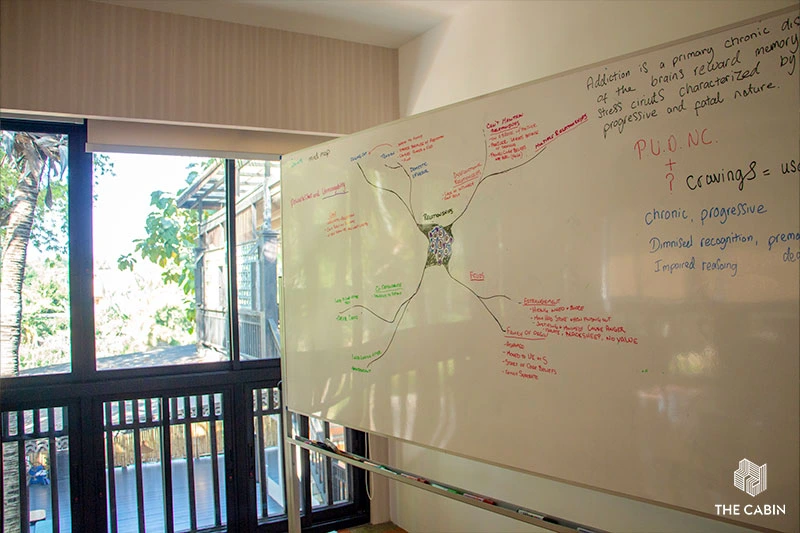
Cannabinoids act on cannabinoid receptors, influencing memory, coordination, and may increase appetite. Prolonged use damages neural pathways, weakens impulse control, and increases the risk of addiction and overdose.
Can Drugs Cause a Chemical Imbalance in the Brain?
Yes, drugs cause a chemical imbalance in the brain by disrupting the normal levels of neurotransmitters. Substances like stimulants flood the brain with dopamine, creating surges far beyond natural levels. Depressants improve GABA activity, slowing down communication between neurons. Opioids mimic endorphins, altering pain and reward signals. These shifts push neurotransmitter systems out of balance, weakening the brain’s natural regulation. Long-term exposure reduces receptor sensitivity and rewires circuits, which deepens dependence and impairs mood, memory, and decision-making.
What are the Side Effects of Drugs on the Brain?
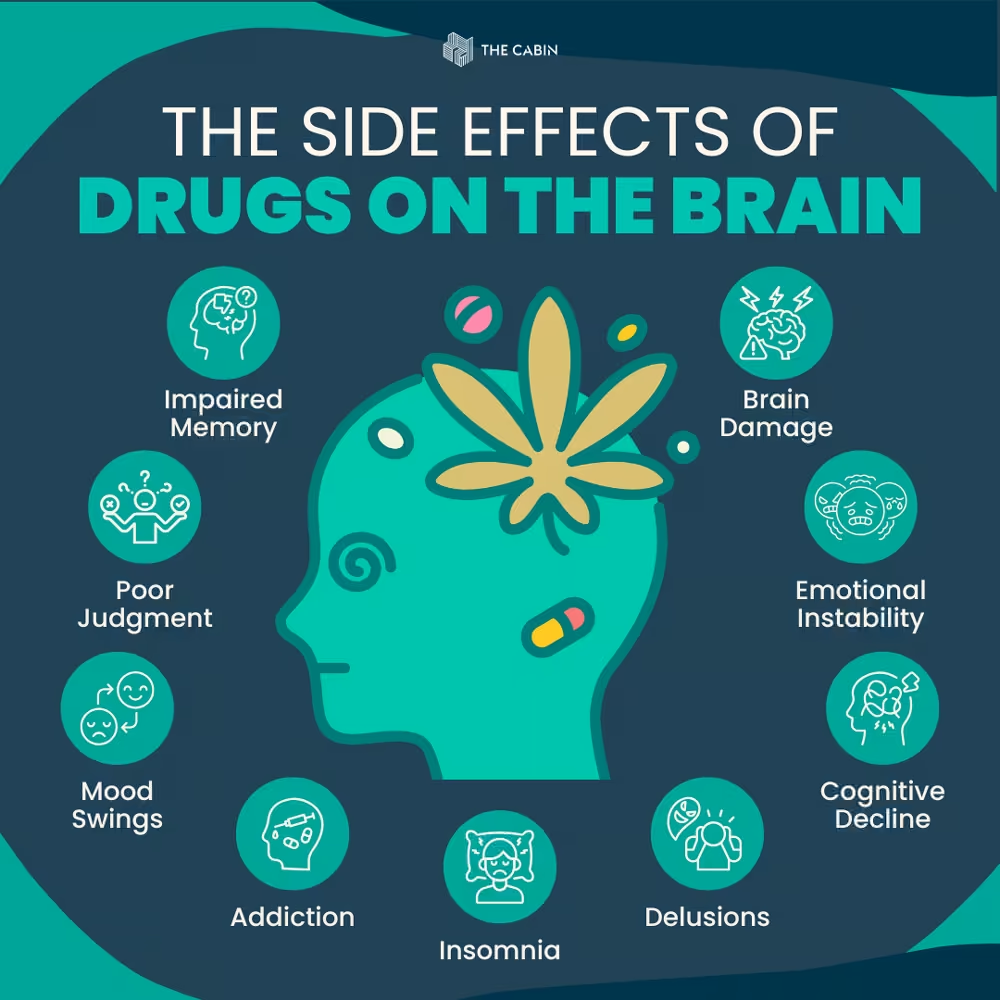
The Side Effects of Drugs on the Brain are listed below.
- Impaired Memory: Drug use disrupts the hippocampus, weakening short-term and long-term memory formation.
- Poor Judgment: The prefrontal cortex loses efficiency, leading to risky decisions and reduced impulse control.
- Mood Swings: Altered neurotransmitter balance causes rapid shifts between euphoria, anxiety, irritability, or depression.
- Cognitive Decline: Long-term exposure slows information processing, weakens focus, and reduces problem-solving skills.
- Addiction and Cravings: Overstimulated dopamine circuits reinforce compulsive drug-seeking behaviour.
- Hallucinations and Delusions: Hallucinogens and high doses of stimulants distort perception and create false sensory experiences.
- Emotional Instability: Changes in the amygdala increase stress sensitivity, making emotional regulation difficult.
- Sleep Disturbances: Drugs disrupt circadian rhythms and neurotransmitters linked to sleep, leading to insomnia or irregular patterns.
- Brain Damage: Prolonged use damages neural connections, reduces plasticity, and increases the risk of long-term disorders.
What are the Short-Term Effects of Drugs on the Brain?
Short-Term Effects of Drugs on the Brain are listed below.
- Mood Changes: Drugs trigger surges or drops in neurotransmitters, leading to euphoria, anxiety, irritability, and/or depression.
- Altered Perception: Hallucinogens and stimulants distort sensory input, causing visual changes, heightened sensations, or false experiences.
- Cognitive Impairment: Short-term drug use slows focus, disrupts memory recall, and weakens decision-making ability.
- Behavioural Shifts: Drugs increase risk-taking, impulsivity, and compulsive actions, altering standard patterns of control and judgment.
What are the Long-Term Effects of Drugs on the Brain?
The Long-Term Effects of Drugs on the Brain are listed below.
- Addiction Development: Repeated drug use rewires reward circuits, creating compulsive cravings and dependence.
- Cognitive Decline: Long-term exposure impairs attention, problem-solving, and learning ability.
- Memory Loss: The hippocampus weakens, reducing the capacity to store and retrieve memories.
- Emotional Dysregulation: Changes in the amygdala heighten stress, anxiety, and mood instability.
- Impulse Control Loss: The prefrontal cortex becomes less active, making it harder to resist urges.
- Sleep Disorders: Chronic use disrupts circadian rhythms, leading to insomnia or irregular sleep cycles.
- Brain Damage: Prolonged chemical exposure reduces neural plasticity, damages neurons, and raises the risk of neurodegenerative conditions.
Can Drugs Cause Permanent Brain Damage?
Yes, drugs can cause permanent brain damage when prolonged use destroys neurons or alters neural pathways beyond repair. Methamphetamine reduces dopamine neurons, leading to lasting deficits in movement and motivation. Alcohol damages the prefrontal cortex and cerebellum, impairing judgment and coordination. Opioids and cocaine weaken brain plasticity, reducing the ability to recover normal function. Long-term changes in memory, impulse control, and emotional regulation often persist, even after stopping drug use.
Does Prolonged Use of Psychoactive Drugs Affect Brain Chemistry?
Yes, prolonged use of psychoactive drugs affects brain chemistry by disrupting the balance of neurotransmitters (dopamine, serotonin, GABA, and endorphins). Constant overstimulation lowers receptor sensitivity and reduces the natural production of the chemicals. The brain becomes reliant on the drug to maintain chemical activity, which reinforces dependence. The imbalance alters mood, cognition, behavior, and the ability to experience pleasure from natural rewards.
Do Drugs Kill Brain Cells?

Yes, drugs kill brain cells. Toxic substances damage neurons directly and may also cut off their oxygen supply. Methamphetamine triggers oxidative stress that destroys dopamine neurons. Alcohol in high doses shrinks brain tissue and causes neuron loss in the hippocampus and prefrontal cortex. Opioids slow breathing, reducing oxygen to the brain and leading to cell death. Long-term use reduces neural plasticity, weakens connections, and increases the risk of permanent cognitive decline.
How do Drugs Affect Mental Processes and Behavior?
Drugs affect mental processes and behavior by disrupting the balance of neurotransmitters that regulate thought, emotion, and action. Mood changes occur as dopamine and serotonin levels rise or fall, producing euphoria, anxiety, or depression. Cognition weakens when memory, attention, and problem-solving are impaired by overstimulated or suppressed brain circuits. Perception shifts under hallucinogens, creating visual or sensory distortions that alter reality. Decision-making declines as the prefrontal cortex loses control, increasing risk-taking and compulsive choices. Behavioral risks grow when the reward systems reinforce substance use over natural rewards. Drugs, brains, and behavior studies reveal that drugs influence behavior by mimicking, increasing, or blocking the effects of a neurotransmitter, reshaping neural communication. Altered awareness and distorted judgment highlight the deep link between drugs and consciousness.
How do Different Types of Drugs Affect the Brain?
The Different Types of Drugs Affect the Brain through the things listed below.
- Stimulants: Cocaine and amphetamines increase dopamine and norepinephrine, raising energy, focus, and euphoria. Overuse overstimulates reward circuits and increases the risk of addiction.
- Depressants: Depressants such as alcohol and benzodiazepines improve GABA activity, slowing brain function, reducing anxiety, and causing sedation. High doses impair memory, coordination, and judgment.
- Opioids: Opioids (heroin, morphine, and prescription painkillers) bind to endorphin receptors, blocking pain and producing pleasure. Prolonged use alters reward pathways and creates strong dependence.
- Hallucinogens: Hallucinogens (LSD, psilocybin, and Phencyclidine) disrupt serotonin signaling, distorting perception, mood, and sensory experiences. Long-term use may trigger persistent hallucinations or anxiety.
- Cannabinoids: Cannabinoids such as Tetrahydrocannabinol (THC) in marijuana act on cannabinoid receptors, influencing memory, coordination, and appetite. Chronic use weakens motivation and cognitive performance.
- Inhalants: Inhalants (nitrous oxide or glue vapors) depress central nervous system activity, causing dizziness, hallucinations, and confusion. Long-term use damages brain tissue and reduces oxygen supply.
How do Stimulants Affect the Brain?
Stimulants affect the brain by increasing the release of dopamine and norepinephrine, which can heighten alertness, energy, and focus. The stimulant drugs boost activity in the central nervous system, leading to improved attention and temporary improvement of mood. Positive effects include increased concentration, elevated energy, and short-term productivity. Negative effects include anxiety, insomnia, irritability, and overstimulation of reward pathways, which create cravings and dependence. Prolonged use damages dopamine circuits, weakens impulse control, and increases the risk of mental health problems. Stimulants are considered harmful for the brain when abused, as long-term changes outweigh the short-term benefits.

How do Depressants Affect the Brain?

Depressants affect the brain by increasing the activity of gamma-aminobutyric acid (GABA), the primary inhibitory neurotransmitter. Increased GABA signaling slows communication between neurons, creating a calming and sedative effect. Positive effects include reduced anxiety, muscle relaxation, and relief from insomnia. Adverse effects include drowsiness, impaired memory, poor coordination, and slowed reflexes. High doses suppress vital brain functions, which raises the risk of respiratory failure and overdose. Depressants are considered harmful for the brain when misused, as long-term use leads to dependence, tolerance, and cognitive decline.
How do Opioids Affect the Brain?
Opioids affect the brain by binding to endorphin receptors that normally regulate pain and pleasure. Activation of these receptors blocks pain signals and releases large amounts of dopamine, creating intense euphoria. Positive effects include pain relief, relaxation, and a sense of well-being. Adverse effects include drowsiness, confusion, slowed breathing, and impaired judgment. Prolonged use alters the brain’s reward system, reducing natural dopamine function and leading to tolerance and dependence. Opioids are considered harmful for the brain when abused, as long-term exposure causes addiction, withdrawal symptoms, and permanent changes in neural pathways.
How do Hallucinogens Affect the Brain?
Hallucinogens affect the brain by disrupting serotonin signaling, which alters perception, mood, and sensory processing. The hallucinogenic substances overstimulate serotonin receptors, leading to visual distortions, changes in thought patterns, and an altered sense of time. Positive effects include heightened sensory experiences and feelings of connection or creativity. Negative effects include confusion, paranoia, panic, and unpredictable mood swings. Prolonged use increases the risk of persistent hallucinations or hallucinogen persisting perception disorder (HPPD). Hallucinogens are considered harmful for the brain when misused, as they interfere with regular neurotransmitter activity and can trigger long-lasting psychological disturbances.
How does Cannabis Affect the Brain?
Cannabis affects the brain by interacting with cannabinoid receptors in the hippocampus, amygdala, and prefrontal cortex. Tetrahydrocannabinol (THC), which is the active compound in cannabis, mimics natural neurotransmitters and activates these receptors. It can influence mood, memory, and appetite. Positive effects include relaxation, heightened sensory perception, and relief from pain or nausea. Negative effects include impaired memory, attention, coordination, judgment, and increased anxiety or paranoia in some consumers.

Chronic use can lead to cognitive decline in adolescents and increase the risk of developing mental health issues (anxiety or psychosis). Cannabis is considered harmful to the brain with long-term use, affecting memory and cognitive function.
How do Prescription Drugs Affect the Brain?
Prescription drugs affect the brain by altering neurotransmitter activity to treat specific conditions. Sedatives (benzodiazepines) improve GABA activity, calming the central nervous system and reducing anxiety, but prolonged use can lead to dependence and tolerance. Painkillers (opioids) block pain receptors and release dopamine, providing pain relief and euphoria, but they carry a high risk of addiction and overdose. Stimulant medications for ADHD increase dopamine and norepinephrine to improve focus, but misuse can result in dependence. Misuse of these drugs can have severe consequences, with overdose risks and long-term cognitive effects. The dangers of Prescription Drug Abuse highlight the need for careful monitoring and responsible use of these medications.
Are All Drugs Harmful to the Brain?
No, not all drugs are harmful to the brain. Prescribed medications help manage conditions like pain, anxiety, depression, and ADHD, without causing long-term harm. For example, antidepressants and anti-anxiety medications can improve brain function by balancing neurotransmitters and improving mental health. However, misuse or long-term use of certain drugs (sedatives, opioids, and stimulants) may cause brain damage, addiction, and cognitive decline. The key factor in whether a drug harms the brain depends on its use, dosage, and frequency.
How Long Does Drug Addiction Recovery Take?
Drug addiction recovery takes anywhere from 1 to 5 years. The first phase (early recovery phase and stabilization) lasts 3 to 6 months. Long-term recovery (where patients work on rebuilding their lives and addressing underlying issues) can take 1 to 3 years. Full recovery may take up to 5 years or longer for severe addictions. The timeline of Drug Addiction Treatment depends on factors such as the substance used, the patient’s commitment to treatment, and the support systems in place. Ongoing care and therapy remain important even after the initial recovery period to prevent relapse.
What Factors Influence Recovery Success?
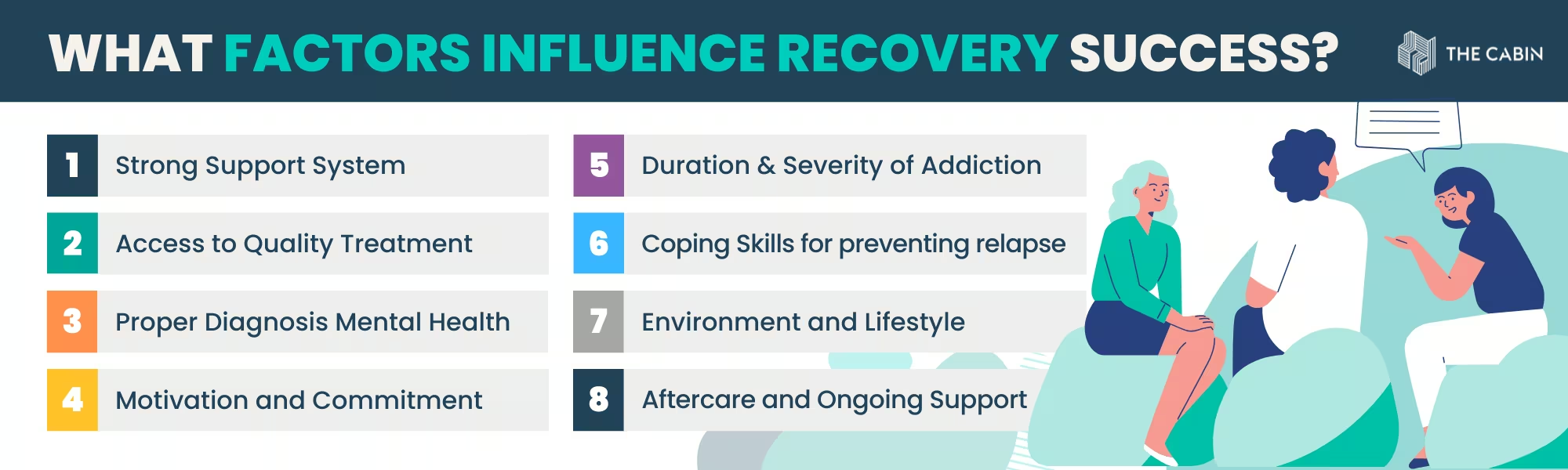
Factors that Influence Recovery Success are listed below.
- Support System: A strong support system (family, friends, and support groups) greatly improves recovery. Emotional encouragement and accountability help patients stay committed to their recovery goals.
- Access to Treatment: Access to quality treatment programs (therapy, counselling, and medical care) is necessary for successful recovery. Comprehensive treatment addresses the physical and psychological aspects of addiction.
- Mental Health: Underlying mental health conditions (depression or anxiety) can complicate recovery. Proper diagnosis and treatment of these conditions may improve the likelihood of success.
- Motivation and Commitment: The patient’s willingness to change and their level of commitment to the recovery process significantly impact success. Personal motivation to remain sober is essential for long-term recovery.
- Duration and Severity of Addiction: The more prolonged and severe the addiction, the more challenging the recovery process. Prolonged use can cause significant brain changes, making the recovery process longer and more complex.
- Coping Skills: The development of healthy coping mechanisms (stress management and problem-solving) is essential for preventing relapse. Learning to handle triggers and cravings plays a significant role in sustaining recovery.
- Environment and Lifestyle: A stable environment free from triggers, stress, and drug availability supports successful recovery. Lifestyle changes (adopting healthier routines and avoiding high-risk situations) are essential for long-term sobriety.
- Aftercare and Ongoing Support: Continuous support after the initial recovery phase (follow-up therapy or support groups) is important to prevent relapse and help patients maintain sobriety.
Looking for Drug Addiction Treatment? We’re Here to Help
If substance abuse is causing negative consequences in your life and yet you are still unable to quit using on your own, there is a good chance you have developed an addiction. At The Cabin Chiang Mai, we specialise in treating a variety of addictions. Our resort-style facilities are located on the river banks of Chiang Mai, Thailand, providing the most peaceful environment to heal from addiction. The time to seek help is now. Contact us today.

The Cabin Clinical Team
Our team boasts over 10 years of experience working with individuals struggling with addiction and mental health challenges. This extensive experience allows us to provide comprehensive assessments, develop personalized treatment plans, and deliver evidence-based interventions tailored to meet your unique needs.