Online Games Addiction is described as compulsive engagement with digital games that interfere with emotional stability, academic performance, and social relationships. Online gaming addiction is a condition that affects patients across all age groups and begins with prolonged exposure to immersive gaming environments. Negative patterns may emerge with sleep disruption, mood swings, withdrawal from family interaction, and neglect of responsibilities. Emotional dependence often increases with gaining and seeking virtual rewards. An individual may begin to lose interest in offline activities and exhibit irritability during interruptions that reflect deeper behavioral patterns.
The causes of gaming addiction involve multiple factors (emotional stress, lack of routine, and peer influence). Games with achievement systems, social validation, and ongoing progression reinforce behaviors, encouraging repeated play. Absence of parental boundaries, limited outdoor engagement, and exposure to competitive online communities all contribute to compulsive behavior. Awareness of online gaming addiction remains essential for prevention, early intervention, and achieving long-term recovery. Recognizing behavioral shifts (secrecy, declining academic focus, and reduced social interaction) allows families and educators to respond with support on time.
Behavioral therapy, family counseling, and structured rehabilitation programs are all treatment options for gaming addiction. Appropriate programs focus on cognitive restructuring, emotional regulation, and the development of healthy routines. Residential centers provide immersive environments that remove digital triggers and promote consistent therapeutic engagement. The treatment center of The Cabin includes behavioral addictions for online game addiction effects through therapy, mindfulness, and holistic recovery programs. Its approach includes one-on-one counseling, group support, and relapse prevention planning. Recovery for a gaming addiction treatment depends on sustained effort, community involvement, and the integration of balanced digital habits into one’s daily life.
How does Online Gaming Become Addictive?
Online Gaming becomes addictive through a combination of neurological stimulation, emotional escape, and engineered game mechanics that reinforce compulsive behavior. The brain’s reward system responds to online gaming by releasing dopamine during moments of achievement, competition, or novelty. Dopamine creates a sense of pleasure and reinforces the desire to repeat the activity. Online games provide structured environments where progress is measurable, feedback is immediate, and gratification is frequent. Gaming conditions stimulate dopamine release and encourage prolonged engagement.
Escaping from reality contributes to the addictive nature of online gaming. Individuals experiencing stress, isolation, or dissatisfaction may turn to immersive digital worlds for relief. Game design psychology plays a critical role in sustaining addiction. Progress rewards (level-ups, unlockable content, and achievement badges) provide a sense of accomplishment. Loot boxes introduce randomized rewards, which exploit variable-ratio reinforcement, a behavioral principle where unpredictable outcomes increase engagement.
Social status features (leaderboards, exclusive skins, and guild rankings) foster competition and peer validation. Online game developers integrate a variety of mechanics to maintain player interest and extend session duration. Addiction to online gaming arises from changes in the brain’s reward and control systems. The psychological factors (impulsivity, escapism, youth vulnerabilities, cues) reinforce gaming, according to scientific research titled “The symptom network of internet gaming addiction, depression, and anxiety among children and adolescents” by Yuntian Xie and Lu Tang, dated November 29, 2024.
Is Internet Addiction Considered a Mental Health Disorder?
Yes, internet addiction is considered a mental health disorder. The disorder occurs when compulsive online behavior disrupts emotional stability, social relationships, and daily responsibilities. The condition involves excessive use of digital platforms, harming sleep, nutrition, work, or studies. Affected patients show patterns (preoccupation with online activity, withdrawal when offline, and failure to control use). Emotional dependence, poor impulse regulation, and avoidance of real stress are common psychological traits. Neglecting hygiene, social isolation, and online deception are behavioral signs of the disorder. Clinical frameworks see internet addiction as a behavioral addiction. Diagnostic criteria emphasize persistent harmful behavior despite adverse effects and decreased interest in offline activities. Treatments focus on emotional regulation, cognitive distortions, and healthier coping strategies, using cognitive-behavioral therapy, mindfulness, and routines to balance digital use. Professional help is needed if it impairs personal, social, or work life.
What are the Common Symptoms of Online Gaming Addiction?
The common symptoms of online gaming addiction are physical, emotional, and behavioral. Online gaming addiction presents a pattern of behavioral, emotional, and physical symptoms that interfere with daily functioning and personal relationships. Online gamers affected by compulsive gaming experience sleep disruption, irritability, and reduced interest in offline activities. Emotional dependence on digital rewards leads to frustration during interruptions and withdrawal from family or social interaction. Academic decline, missed responsibilities, and secrecy around gaming habits reflect deeper psychological distress. Recognizing these symptoms allows families, educators, and health professionals to respond with prompt support and a structured intervention. Specialized treatment programs addressing behavioral addiction include therapy, mindfulness, and holistic recovery strategies that promote emotional regulation and balanced routines.
What are the Physical Symptoms of Online Gaming Addiction?
The Physical Symptoms of Online Gaming Addiction are listed below.
- Eye Strain: Extended screen exposure leads to dryness, blurred vision, and discomfort. Frequent blinking and breaks reduce irritation but are neglected during long gaming sessions.
- Headaches: Continuous focus on digital visuals and poor posture contribute to tension headaches. Lack of hydration and irregular sleep patterns intensify physical discomfort.
- Sleep Disruption: Late-night gaming interferes with natural sleep cycles. Fatigue, reduced alertness, and difficulty waking up affect daily functioning.
- Muscle Stiffness: Remaining seated for long periods causes tightness in the neck, shoulders, and lower back. Limited movement reduces flexibility and increases physical strain.
- Hand and Wrist Pain: Repetitive use of controllers or keyboards leads to soreness and inflammation. Symptoms resemble early signs of repetitive strain injuries.
- Weight Fluctuation: Sedentary behavior and irregular eating habits result in weight gain or loss. Physical inactivity affects metabolism and overall health.
- Reduced Stamina: Lack of exercise lowers energy levels and endurance. Daily tasks may feel more tiring due to decreased physical conditioning.
What are the Emotional Symptoms of Online Gaming Addiction?
The Emotional Symptoms of Online Gaming Addiction are listed below.
- Irritability: Sudden mood shifts occur when gaming is interrupted or restricted. Emotional outbursts reflect frustration and dependence on digital stimulation.
- Anxiety: Persistent worry about game progress, rankings, or missed sessions creates emotional tension. Physical restlessness and difficulty focusing accompany this state.
- Depression: Loss of interest in offline activities and social withdrawal contribute to feelings of sadness and emptiness. Emotional detachment grows as gaming replaces meaningful interaction.
- Guilt: Awareness of neglected responsibilities or strained relationships leads to internal conflict. Repeated attempts to justify excessive gaming reinforce emotional discomfort.
- Loneliness: Isolation from family and peers results in a lack of emotional support. Virtual connections fail to replace genuine companionship.
- Obsessive Thoughts: Constant preoccupation with game-related goals, strategies, or updates disrupts mental clarity. Emotional energy shifts toward digital achievement rather than personal growth.
- Emotional Numbness: Repeated exposure to virtual environments reduces sensitivity to real-world experiences. Feelings become muted, and emotional responses lose depth.
What are the Behavioral Symptoms of Online Gaming Addiction?
The Behavioral Symptoms of Online Gaming Addiction are listed below.
- Neglect of Responsibilities: Daily obligations (schoolwork, employment tasks, and household duties) receive less attention. Time spent gaming replaces essential routines and disrupts productivity.
- Compulsive Play Despite Consequences: Continued gaming occurs after experiencing adverse outcomes (poor grades, strained relationships, or financial loss). The inability to stop reflects impaired self-regulation.
- Deceptive Behavior: Individuals conceal the amount of time spent gaming or lie about their habits to avoid confrontation. Secrecy increases as the addiction deepens.
- Loss of Interest in Offline Activities: Hobbies, social events, and physical exercise lose appeal. Gaming becomes the dominant source of engagement and satisfaction.
- Disrupted Daily Patterns: Eating, sleeping, and personal hygiene routines become irregular or ignored. The structure of daily life shifts to accommodate gaming sessions.
What are the Causes of Online Games Addiction?
The Causes of Online Games Addiction are listed below.
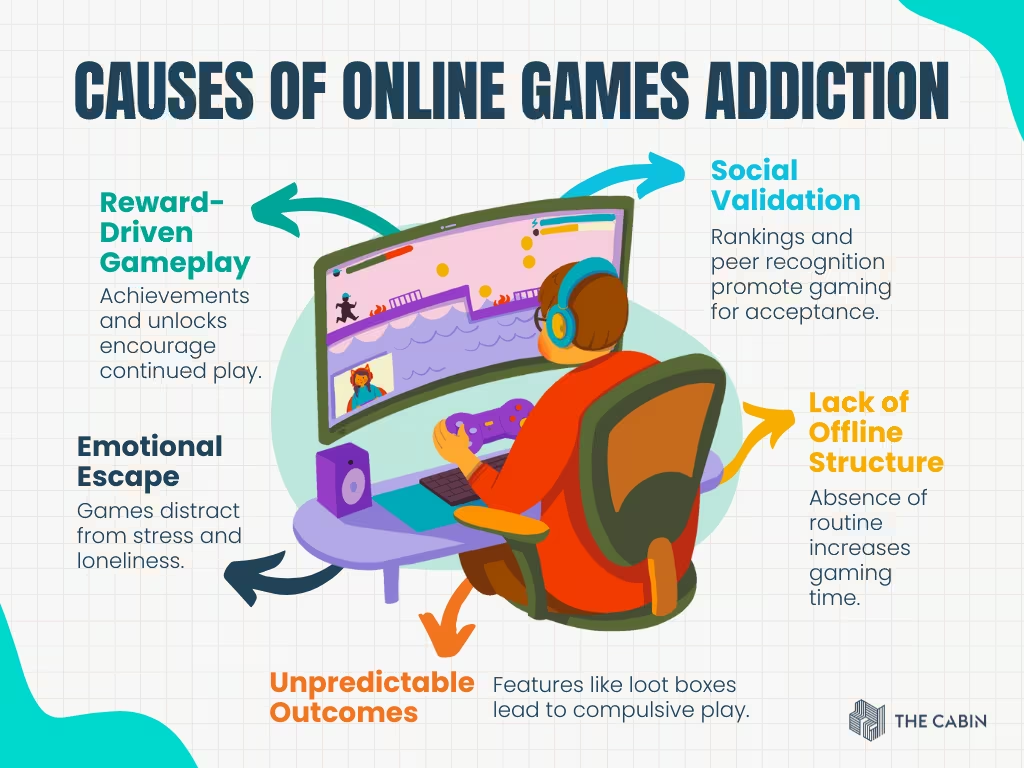
- Reward-Driven Gameplay: Online games use achievement systems, level progression, and unlockable content to promote repeated engagement. These rewards activate pleasure centers in the brain and reinforce continued play.
- Emotional Escape: Gaming provides a distraction from stress, loneliness, or dissatisfaction. Immersive environments offer temporary relief from real-life discomfort and encourage emotional dependence.
- Social Validation: Rankings, guilds, and peer recognition are readily available on multiplayer platforms. The pursuit of status and acceptance within virtual communities ensures more time is spent online.
- Unpredictable Outcomes: Features (loot boxes and randomized events) create anticipation and excitement. Variable rewards trigger compulsive behavior through intermittent reinforcement.
- Lack of Offline Structure: Absence of routine, supervision, or meaningful offline activities contributes to excessive gaming. Unstructured environments increase one’s vulnerability to digital dependence.
Why are Online Games Especially Addictive to Teenagers and Students?

Online games are especially addictive to teenagers and students because of social validation, emotional relief, and competitive engagement that align with youth behaviour and digital habits. Teenagers and students are influenced by peers, drawn to multiplayer platforms, and ranking systems. Digital environments with leaderboards, guilds, and achievements encourage ongoing engagement. Academic stress causes fatigue, while gaming offers an escape from school pressures, deadlines, and issues. It is an experience that helps students concentrate on virtual spaces with immediate feedback, shifting their attention from academics. Adolescents’ immature emotional regulation makes digital stimulation very appealing. Online games provide structured feedback, goals, and social interaction, masking anxiety, boredom, or loneliness.
A lack of offline coping skills increases gaming reliance for emotional relief. Peer validation, academic stress, and emotional vulnerability all create a cycle where online games become a primary source of comfort and identity.
Does Stress or Loneliness Contribute to Gaming Addiction?
Yes, stress and loneliness contribute to gaming addiction by reinforcing emotional dependence on digital environments and reducing interest in developing offline coping strategies. Online gamers experience chronic stress and may seek relief through immersive gameplay, where control, achievement, and distraction replace real-life discomfort. Gaming offers structured goals and predictable feedback, which help mask feelings of anxiety and frustration. Loneliness increases the appeal of multiplayer platforms, where social interaction, recognition, and group affiliation provide a sense of belonging. The absence of meaningful offline relationships intensifies as reliance on virtual communities increases, leading to repeated engagement and emotional attachment. The combination of psychological distress and digital stimulation creates a behavioural pattern where gaming becomes a primary outlet for emotional regulation.
What are the Negative Effects of Online Gaming Addiction?
The negative effects of online gaming addiction are both long-term and short-term. Online games addiction produces a range of negative effects that disrupt emotional stability, physical health, and social functioning. The addictive cycle causes compulsive gaming to replace routines (sleep, nutrition, and work), leading to emotional symptoms (irritability, anxiety, and depression). Physical issues (fatigue, poor posture, and vision problems) from prolonged screen time are examples of short-term and long-term online game addiction effects. Additional problematic symptoms include: social withdrawal, decreased interest in offline relationships, weakened support systems, and increased isolation. These behavior patterns also disrupt personal growth and interfere with the daily lives of individuals struggling with online game addiction.
What are the Long-term Effects of Online Games Addiction?
The long-term effects of online game addiction are listed below.
- Cognitive Impairment: Extended gaming addiction interferes with attention span, memory retention, and decision-making. Mental focus shifts toward digital tasks, reducing capacity for complex problem-solving and sustained concentration.
- Sleep Deprivation: Irregular sleep patterns become habitual due to late-night gaming and overstimulation. Chronic fatigue affects emotional stability, immune response, and daily functioning.
- Social Withdrawal: Continued preference for virtual interaction weakens real-life relationships. Isolation deepens as emotional bonds with family and peers deteriorate.
- Emotional Instability: Persistent reliance on gaming for stress relief contributes to anxiety, depression, and low self-worth. Emotional resilience declines when digital escapism replaces healthy coping strategies.
- Physical Health Decline: Sedentary behavior, poor posture, and irregular eating habits lead to weight changes, muscle weakness, and chronic discomfort. Long-term inactivity increases the risk of cardiovascular and metabolic issues.
- Academic and Occupational Disruption: Reduced motivation and missed responsibilities affect school performance and job reliability. Repeated absences and unfinished tasks reflect diminished engagement with real-world goals.
- Financial Strain: In-game purchases and subscription fees accumulate over time. Spending habits shift toward digital content, sometimes leading to debt or financial conflict.
- Behavioral Rigidity: Fixed routines centered around gaming reduce adaptability and openness to new experiences. Resistance to change limits personal growth and social development.
What are the Short-term Effects of Online Games Addiction?
The short-term effects of online game addiction are listed below.
- Sleep Disruption: Late-night gaming interferes with natural sleep cycles and reduces total rest time. Fatigue and reduced alertness appear within a short period of irregular sleep.
- Decreased Academic or Work Performance: Focus shifts from responsibilities to gaming, leading to missed deadlines and incomplete tasks. Short-term neglect of duties results in lower productivity and performance.
- Mood Swings and Irritability: Emotional reactions become unstable when access to games is interrupted. Frustration and impatience increase during periods of restricted play.
- Neglected Hygiene and Eating Habits: Personal care and regular meals receive less attention during extended gaming sessions. Skipped routines lead to physical discomfort and reduced energy.
- Social Withdrawal: Time spent online replaces real-world interaction. Isolation begins as interest in face-to-face relationships declines.
- Reduced Physical Activity: Long hours of sedentary behavior limit movement and physical engagement. Short-term inactivity contributes to stiffness and low energy levels.
- Increased Screen Fatigue: Continuous exposure to screens causes eye strain, headaches, and mental exhaustion. Concentration weakens after prolonged gaming without breaks.
What are the Psychological and Health Impacts of Gaming Addiction?
The psychological and health impacts of gaming addiction are listed below.
- Emotional Dysregulation: Gaming addiction disrupts the ability to manage emotions effectively. Heightened irritability, anxiety, and mood swings emerge when gaming is interrupted or restricted.
- Depression and Low Self-Esteem: Prolonged digital dependence contributes to feelings of worthlessness and sadness. Virtual failures or social rejection within games intensify negative self-perception.
- Social Detachment: Preference for online interaction reduces real-world communication. Isolation grows as face-to-face relationships weaken or disappear.
- Cognitive Decline: Excessive gaming affects memory, attention span, and decision-making. Mental energy shifts toward game-related tasks, limiting focus on academic or professional goals.
- Sleep Disorders: Irregular gaming hours interfere with natural sleep cycles. Chronic fatigue and reduced alertness result from late-night sessions and overstimulation.
- Physical Strain: Extended screen time and poor posture lead to headaches, eye strain, and musculoskeletal discomfort. Sedentary behavior increases the risk of long-term health issues.
What are the Negative Effects of Online Games on Students and Youth?
The negative effects of online games on students and youth are listed below.
- Academic Decline: Excessive gaming reduces time spent on studying, completing assignments, and attending classes. Lower grades and missed deadlines reflect diminished academic engagement.
- Sleep Disruption: Late-night gaming interferes with natural sleep cycles and reduces overall rest. Fatigue and poor concentration affect classroom performance and daily functioning.
- Social Isolation: Preference for virtual interaction weakens real-life relationships. Reduced participation in family activities and peer gatherings leads to emotional detachment.
- Emotional Instability: Frequent gaming creates mood swings, irritability, and anxiety when access is interrupted. Emotional dependence on digital environments replaces healthy coping strategies.
- Physical Inactivity: Long hours of sedentary behavior limit movement and exercise. Weight changes, muscle stiffness, and reduced stamina result from a lack of physical engagement.
- Neglected Responsibilities: Household duties, school tasks, and personal care receive less attention. Gaming becomes the dominant activity, displacing essential routines.
- Risky Spending Habits: In-game purchases and subscriptions lead to financial strain. Impulsive spending affects budgeting and may cause conflict with guardians or peers.
Does Playing Online Games Offer Any Educational Advantages?
Yes, playing online games may offer some educational advantages when structured with clear learning goals and balanced engagement. Games with academic content support cognitive development through problem-solving, pattern recognition, and strategic thinking. Simulations introduce historical events, scientific principles, or mathematical challenges in interactive environments that encourage exploration and retention. Multiplayer platforms promote collaboration and communication, helping students practice leadership, negotiation, and teamwork. Language games improve vocabulary and comprehension through dialogue, storytelling, and peer interaction. Treatment programs addressing gaming addiction recognize the value of educational games when used in moderation, and within a supportive structure that emphasizes emotional regulation and real-world responsibilities.
What are the Negative Effects on the Relationship of Online Gaming Addiction?
The negative effects on the relationship of online gaming addiction include emotional distance, communication breakdown, and less trust in personal relationships. These effects substitute virtual time for shared moments with family, friends, or partners, leading to neglect and disconnection. Missed conversations, forgotten commitments, and emotional unavailability weaken trust and support. Arguments happen when gaming overrides responsibilities or quality time, causing tension and resentment. Intimacy declines in romantic relationships as digital rewards replace emotional presence. Friendships suffer when social invitations are ignored for online gaming. Family roles are neglected, causing concern, frustration, conflict, and strained dynamics. Recovery from gaming addiction involves effort, open dialogue, and balanced interactions.
What are the Treatments for Online Gaming Addiction?
The treatments for online gaming addiction are listed below.

- Digital withdrawal management: Structured removal from gaming environments reduces compulsive behavior and restores emotional balance. Time away from screens allows for the reintroduction of healthy routines and offline engagement.
- Cognitive behavioral therapy (CBT): CBT addresses distorted thinking patterns and impulsive habits linked to gaming. Sessions may focus on goal-setting, emotional regulation, and behavior replacement strategies.
- Group counseling: Peer support provides shared experiences and accountability. Group sessions encourage reflection, empathy, and social reintegration.
- Family therapy: Involving family members in the recovery process strengthens communication and rebuilds trust. Sessions address conflict, role clarity, and emotional support within the household.
- Medication support: Pharmacological treatment targets co-occurring conditions such as anxiety, depression, or obsessive-compulsive traits. Psychiatric supervision ensures safe dosage and integration with behavioral therapy.
- Residential rehabilitation: Treatment programs remove digital triggers and provide a consistent therapeutic structure. Daily routines include counseling, physical activity, peer support, and mindfulness practices.
- Aftercare planning: Post-treatment strategies for online gaming or internet addiction treatment include relapse prevention, continued therapy, and community involvement. Long-term recovery depends on sustained support and balanced digital habits.
How Long does Game Addiction Treatment Usually Take?
Game addiction treatment usually takes between 4 and 12 weeks, depending on the severity of the condition and the individual’s response to therapy. Treatment programs for gaming addiction follow structured timelines (early recovery phase from digital environments), behavioral therapy, and emotional support. A four-week program introduces strategies (cognitive restructuring, mindfulness, and group counseling). Longer stays (8-12 weeks) address deeper psychological patterns, co-occurring conditions, and relationship repair. The treatment duration reflects the addiction complexity, anxiety or depression concerns, and severity of social withdrawal. Residential settings eliminate digital triggers and offer consistent therapy, aiding in behavioral change and emotional stability. Aftercare planning starts before discharge, and it may include: relapse prevention, family involvement, and ongoing counseling. Recovery timelines vary, but lasting progress depends on the individual’s personal commitment to their recovery, their outside support system, and adherence to new, healthy routines.

Can Medication be Used to Treat Game Addiction?
Yes, medication can be used to treat game addiction, as it is applicable when symptoms involve co-occurring mental health conditions. Clinical programs for behavioral addiction include pharmacological support when depression, anxiety, or obsessive-compulsive traits hinder recovery. Medications can target mood, impulse control, and sleep. The proper care and treatment protocol aids in therapy engagement. An appropriate plan of treatment involves psychiatric evaluation, dosage monitoring, and coordination with behavioral therapies like cognitive therapy and group counseling. Medications offer extra support, but do not replace psychological support, which assists in promoting emotional balance and adherence. Recovery emphasizes a comprehensive approach by combining medical supervision with behavioral change.

What is the Role of Parents, Teachers, and Society in Managing Online Game Addiction?

The role of parents, teachers, and society in managing online game addiction is to provide consistent guidance, structured monitoring, and coordinated awareness. Family influence begins with setting clear boundaries around screen time, encouraging offline activities, and maintaining open communication. Parents who model balanced digital behavior and engage in shared routines create a stable environment that discourages compulsive gaming. Teachers can contribute by observing behavioral changes, integrating digital literacy into the curriculum, and collaborating with counselors to support students showing signs of withdrawal or academic decline. Schools may implement monitoring systems and structured schedules that limit unsupervised access to devices during learning hours.
Program initiatives promote responsible digital use through classroom activities, peer mentoring, and parent workshops. Policy regulation is vital in shaping digital habits. Local governments have introduced curfews, identity verification, and online game time limits to curb minors’ excessive use. Community campaigns (seminars and youth forums) stress digital balance and mental health. Local groups partner with rehab centers for early intervention, counseling, and family education. Treatment for behavioral addiction highlights the importance of a supportive ecosystem where families, educators, and communities collaborate to prevent relapse and support recovery.
How can Online Game Addiction Be Prevented?
Online game addiction can be prevented by following the steps listed below.
- Establish time boundaries. Limit daily screen exposure by setting clear schedules for gaming and offline activities. Balanced routines reduce the risk of compulsive behavior and support emotional stability.
- Promote physical engagement. Encourage outdoor play, sports, or movement-based hobbies to counter sedentary habits. Physical activity supports mental clarity and reduces dependence on digital stimulation.
- Support emotional awareness. Teach coping strategies for stress, boredom, and frustration without relying on games. Emotional regulation builds resilience and reduces the appeal of escapism.
- Monitor digital behavior. Track gaming patterns and identify signs of excessive use or withdrawal. Early recognition allows for timely intervention and support.
- Strengthen family routines. Shared meals, conversations, and household responsibilities all reinforce connection. Consistent interaction reduces isolation and builds trust.
- Integrate school programs. Include digital literacy and wellness education in classroom activities. Structured lessons help students understand the risks of addiction and practice responsible use.
- Encourage community involvement. Organize youth forums, workshops, and peer mentoring to promote balanced digital habits. Public awareness fosters collective responsibility and supports early prevention.