Trazodone functions as a serotonin antagonist and reuptake inhibitor prescribed for depression, anxiety, and insomnia, and clinicians classify it as a sedating antidepressant with strong central nervous system effects. Medical guidelines advise against combining Trazodone with ethanol, since both substances depress neural activity and impair physiologic alertness. Excessive sedation can occur when these substances interact within the central nervous system, which increases drowsiness and delayed reaction time. Dizziness presents a major risk for individuals mixing these compounds, particularly during standing or sudden positional changes. Blood pressure drops may follow ethanol consumption during treatment, as vasodilation compounds Trazodone’s alpha-adrenergic blockade. Respiratory depression remains a potential consequence of high-dose interactions, especially when alcohol intake exceeds moderate levels. Patients experience significant impairment of motor skills and cognitive function, which affects judgment, coordination, and hazard perception. Doctors emphasize the importance of sobriety to maintain therapeutic stability, since consistent dosing without alcohol supports predictable antidepressant and hypnotic effects. Allergic reactions or unexpected side effects may intensify in the presence of liquor, as alcohol alters hepatic metabolism and systemic drug exposure. Safe medical practice requires total avoidance of ethanol to prevent dangerous outcomes, particularly in individuals with liver disease, sleep apnea, or concurrent sedative use. A clear trazodone and alcohol relationship exists regarding adverse reactions, with additive sedation and cardiovascular effects representing the primary clinical concern. Staying sober ensures the medication works effectively for sleep initiation, mood regulation, and anxiety control. Research indicates that drinking on trazodone correlates with higher hospitalization rates, which reinforces medical recommendations for alcohol avoidance during therapy.
Can you Drink Alcohol While Taking Trazodone?
No, individuals must not drink alcohol while taking trazodone. The combination poses severe short-term risks (excessive sedation and profound dizziness). Blood pressure drops rapidly when the substances mix in the bloodstream. Blackouts occur more frequently for patients who ignore medical warnings. Prescribers monitor patient health to prevent cardiovascular collapse or respiratory distress. Monitoring vital signs remains crucial for consumers who accidentally consume ethanol. Consulting a healthcare provider before any lifestyle change ensures patient safety. Chronic use of ethanol while on antidepressants indicates a potential addiction to alcohol. High doses of the medication amplify the intoxicating effects of beer and spirits. Coordination failure leads to accidental injuries in the home. Total abstinence provides the only protection against the risks of can you drink alcohol while taking trazodone queries. Pharmacists emphasize the danger of can you drink on trazodone interactions.
What could happen if trazodone is taken together with alcoholic drinks?
Dangerous physiological complications and extreme central nervous system depression can occur when Trazodone is taken together with alcoholic drinks, as both substances suppress neural signaling and autonomic regulation. The additive effects of the substances cause a significant reduction in blood pressure and cognitive awareness, which impairs alertness and executive function. Impaired coordination makes simple movements hazardous for the individual, increasing the likelihood of missteps and accidental injury. Clinical concerns include frequent falls and episodes of fainting among older adults, whose autonomic reserve and balance reflexes are already reduced. Side effects such as nausea and blurred vision worsen during the interaction, since alcohol intensifies Trazodone’s sedative and vasodilatory properties. Heart rate fluctuations place additional stress on the cardiovascular system, particularly in individuals with underlying heart conditions. Cognitive impairment limits rational decision-making during social or high-risk situations, which may lead to unsafe behaviors. Lethargy can reach profound levels that interfere with normal breathing patterns, especially when alcohol intake exceeds moderate amounts. Emergency room visits may follow simultaneous use of the substances, due to excessive sedation, syncope, or cardiovascular instability. Medical literature documents the severity of a trazodone alcohol interaction in clinical settings, with case reports highlighting additive depressant effects. Patients face a higher risk of self-harm when trazodone mixed with alcohol alters mood regulation and impulse control, which raises serious psychiatric safety concerns.
Does drinking alcohol change how trazodone functions in your system?
Yes, drinking alcohol changes the pharmacodynamics and clinical efficacy of trazodone within the human system, particularly by altering central nervous system activity and hepatic metabolism. Alcohol suppresses the central nervous system through GABAergic pathways, while trazodone targets serotonin receptors and inhibits serotonin reuptake, and this combined mechanism produces amplified sedative effects. The interaction creates a synergistic depression of brain activity, which increases drowsiness, cognitive slowing, and impaired motor coordination beyond expected therapeutic levels. Hepatic metabolism may slow as the body prioritizes ethanol clearance, since alcohol dehydrogenase pathways compete for metabolic processing capacity. Higher circulating levels of the medication can persist for longer durations than intended, particularly in individuals with repeated alcohol exposure or reduced liver function. Accumulation of active drug metabolites may intensify adverse effects such as nausea, dizziness, and profound fatigue. Alcohol ranks among the most abused substances, and its presence frequently interferes with psychiatric treatment consistency. Effectiveness for sleep regulation declines, since ethanol disrupts natural circadian rhythms and fragments REM sleep architecture, which counteract trazodone’s intended benefits for restorative sleep and mood stabilization.
What side effects might appear when alcohol is combined with trazodone?
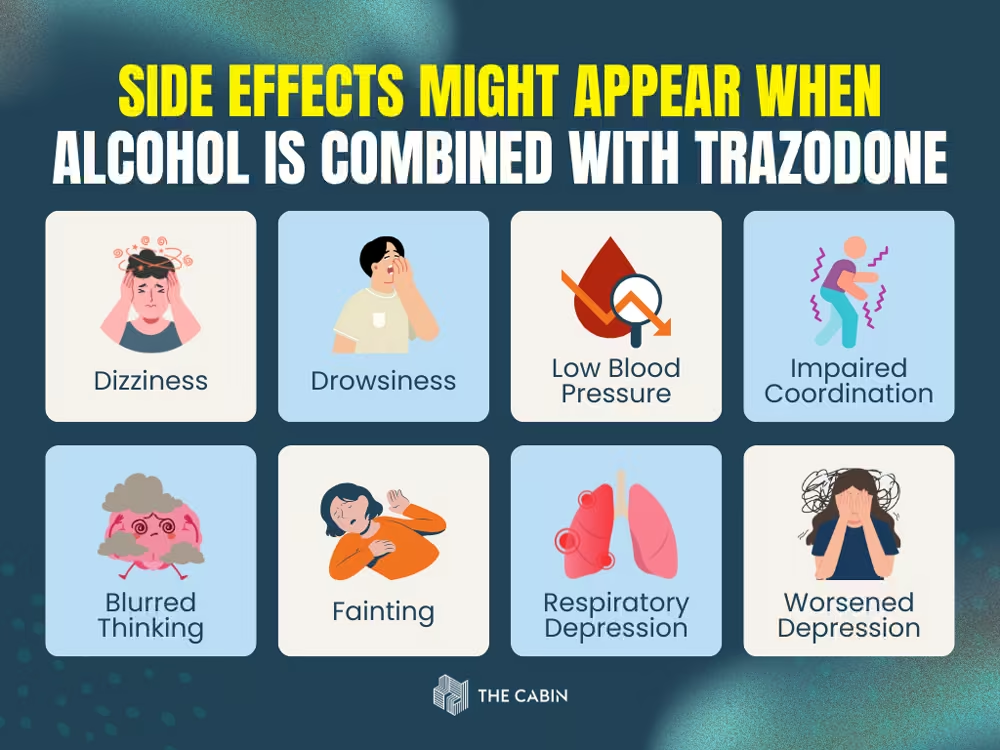
Side effects that might appear when alcohol is combined with trazodone are listed below, and each outcome reflects additive central nervous system depression and cardiovascular instability.
- Dizziness: Sensations of spinning and lightheadedness can manifest shortly after combined exposure, as vasodilation and sedation reduce cerebral perfusion. The physical state makes standing or walking difficult for the individual, particularly during rapid posture changes.
- Drowsiness: Extreme sleepiness may develop as overall brain activity slows, since both substances depress neural signaling pathways. Staying awake for daily tasks becomes challenging or unsafe.
- Low Blood Pressure: Orthostatic changes impair the heart’s ability to maintain stable circulation, especially when alpha-adrenergic blockade combines with alcohol-induced vasodilation. Fainting can occur when the brain receives insufficient oxygenated blood flow.
- Impaired Coordination: Motor skills decline as the cerebellum and cortical centers experience chemical interference, which reduces balance and reaction time. Movements may appear unsteady, delayed, or poorly controlled during the interaction.
- Blurred Thinking: Cognitive fog interferes with memory recall, focus, and problem-solving ability, due to synergistic depressant effects on cortical processing. Individuals may experience reduced mental clarity for several hours after ingestion.
- Fainting: Loss of consciousness may occur suddenly due to compounded cardiovascular stress and blood pressure decline, particularly in dehydrated or older individuals. Physical injuries can result from uncontrolled falls.
- Respiratory Depression: Breathing rate may slow to potentially dangerous levels during heavy intoxication, especially at higher trazodone doses or with excessive alcohol intake. Reduced oxygen delivery threatens physiologic stability and requires urgent medical attention.
- Worsened Depression: Mood stability may deteriorate as ethanol counteracts antidepressant properties and disrupts serotonin balance, which can intensify hopelessness, irritability, or emotional volatility in vulnerable individuals.
Overall severity depends on trazodone dose, alcohol quantity, liver function, age, and concurrent medication use, since these factors influence systemic exposure and neurologic sensitivity.
Does trazodone have any harmful or dangerous interactions with alcohol?
Trazodone has harmful and potentially dangerous interactions with alcohol, primarily due to additive central nervous system depression and compounded cardiovascular effects. Excessive hypotension can cause a sudden and clinically significant drop in blood pressure, particularly when vasodilation from alcohol combines with trazodone’s alpha-adrenergic blockade. Syncope may lead to immediate loss of consciousness and possible head trauma, especially during standing or sudden movement. Older adults face substantially higher risks due to age-related changes in drug metabolism and reduced autonomic reserve, which limit physiologic compensation. Individuals with liver disease may struggle to metabolize both substances efficiently, leading to prolonged systemic exposure and intensified side effects. Depressive symptoms can worsen as ethanol interferes with serotonin signaling and emotional regulation, which undermines therapeutic antidepressant effects. Severe respiratory depression represents the most life-threatening complication of high-dose or heavy alcohol co-exposure. Healthcare providers consistently warn against Trazodone alcohol interaction dangers documented in contemporary clinical literature, as medical records and case reports highlight increased hospitalization, injury, and psychiatric destabilization associated with combined use.
Can you drink beer, wine, or spirits if you’re currently taking trazodone?
No, you should not drink beer, wine, or spirits if you’re currently taking Trazodone, because the interaction risk is dose-dependent and persists regardless of beverage type. The danger depends on total ethanol quantity rather than whether the source is beer, wine, or distilled spirits, since ethanol produces the same pharmacologic depressant effects in each form. Even light wine consumption can trigger significant dizziness in sensitive individuals, particularly when trazodone blood levels are near peak concentration. Binge liquor consumption may lead to severe respiratory depression, profound hypotension, and cardiac instability. Every form of ethanol carries a clinically relevant risk profile for pharmaceutical interference, as additive central nervous system depression alters cognition and motor control. Small amounts of alcohol can produce unexpected levels of intoxication and sedation because trazodone reduces neural excitability and lowers tolerance thresholds. Perceived tolerance may decline when the brain is under the influence of antidepressant therapy, which amplifies sedation and impairs judgment. Monitoring alcohol drinking habits helps clinicians identify patients at risk of severe interactions, though complete avoidance remains the safest medical recommendation during trazodone treatment.
How long should you wait after a dose of trazodone before it’s safe to drink alcohol?
You should generally wait at least twenty-four to forty-eight hours after a dose of trazodone before consuming alcohol, as this window allows substantial drug clearance and reduces additive central nervous system depression. Immediate-release formulations require less time to decline in plasma concentration than extended-release versions, since extended-release tablets maintain sustained systemic exposure across the dosing interval. The elimination half-life of trazodone ranges from approximately five to nine hours in healthy adults, although individual variability may extend this range. Total systemic clearance typically requires about five half-lives, which equates to roughly twenty-five to forty-five hours in individuals with normal hepatic function. Higher dosages, such as 300 mg daily, extend the presence of the active drug in the bloodstream, because increased plasma concentration requires longer metabolic processing time. Liver function determines the speed of hepatic metabolism for each individual, and impaired liver activity can significantly prolong elimination. Individual tolerance influences perceived effects, yet subjective tolerance does not eliminate pharmacologic interaction risk. Drinking too soon after dosing may result in overlapping metabolism in the liver, which increases sedation, dizziness, and blood pressure instability as ethanol and trazodone compete for enzymatic processing. Clinical safety requires waiting until trazodone levels decline to minimal systemic activity.
Is it okay to take trazodone after you have already consumed alcohol?
No, it is not okay to take trazodone after you have already consumed alcohol, since overlapping central nervous system depression increases cardiovascular and respiratory risk. Starting the medication while intoxicated can cause exaggerated hypotension and profound drowsiness. The brain experiences additive exposure to central nervous system depressants, which impairs alertness, coordination, and protective reflexes. Resuming the dose requires waiting until ethanol levels decline substantially in the bloodstream, so metabolic competition in the liver decreases. Safety guidance commonly suggests waiting at least twelve hours after the last drink for mild intake, although longer intervals may be necessary after heavier consumption. The total amount of ethanol consumed directly impacts the safety of the next scheduled dose, because higher blood alcohol concentrations prolong depressant effects. Heart rate and blood pressure monitoring become important for individuals who combine these substances, particularly if symptoms such as dizziness, fainting, or slowed breathing appear. Clinical best practice supports delaying trazodone administration until sobriety and physiologic stability return, which reduces the likelihood of excessive sedation and cardiovascular instability.
Can alcohol interfere with or lessen the effects of trazodone?
Yes, alcohol can interfere with and lessen the therapeutic effects of trazodone, particularly in the areas of mood stabilization and sleep regulation. Ethanol blunts antidepressant response by disrupting neurotransmitter balance in the brain, including serotonin modulation that trazodone is designed to support. Sleep regulation interference occurs as alcohol fragments REM cycles and shortens restorative deep sleep phases, even if initial sedation makes sleep onset feel easier. The medication’s ability to stabilize mood may weaken under ongoing alcohol exposure. Alcohol alters serotonin signaling and contributes to fluctuating anxiety and lethargy, which counteract consistent antidepressant response. Circadian rhythm disruption makes insomnia symptoms worse, since ethanol shifts melatonin timing and increases nighttime awakenings. Long-term mental health recovery becomes significantly more difficult with continued alcohol use, because repeated ethanol exposure destabilizes neurochemical balance and reduces treatment consistency. Sustained therapeutic benefit from trazodone depends on neurologic stability and predictable sleep architecture, and alcohol undermines both through central depressant and circadian-disrupting mechanisms.
What should you do if you unintentionally drink alcohol while using trazodone?
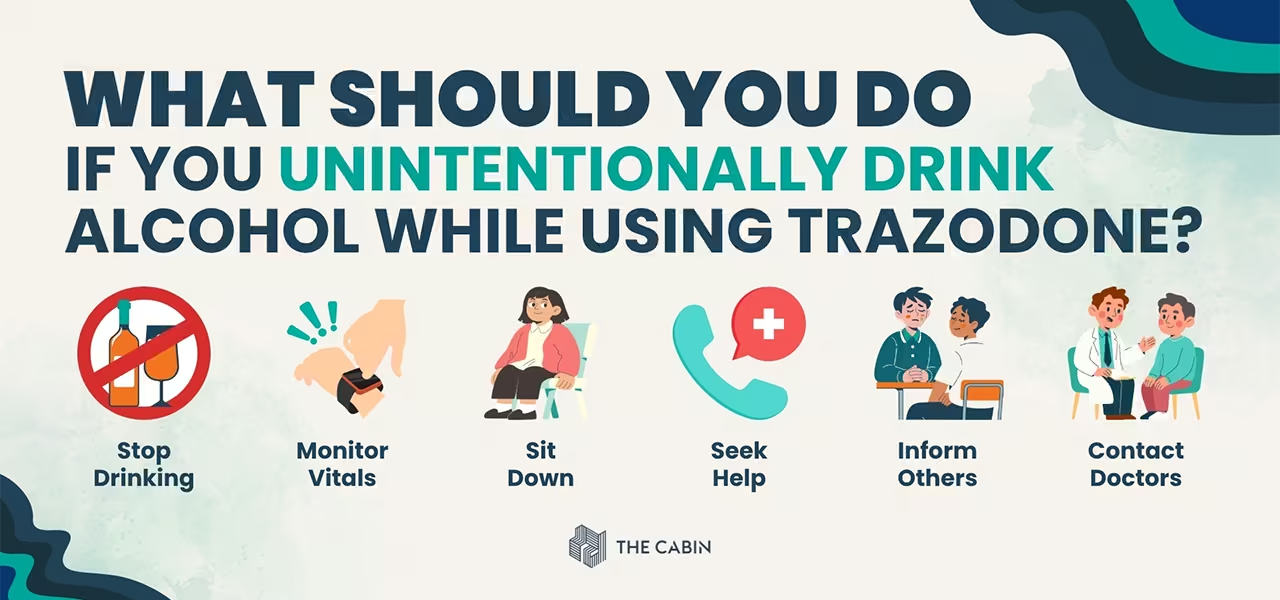
You should follow the steps listed below if you unintentionally drink alcohol while using trazodone, as prompt action reduces compounded central nervous system and cardiovascular effects.
- Stop Drinking. Cease all ethanol consumption immediately to prevent further pharmacologic interaction and additive sedation, which limits progressive hypotension and cognitive impairment.
- Monitor Vitals. Check pulse and breathing rate for significant abnormalities such as slowed respiration, irregular heartbeat, or marked dizziness, since trazodone and alcohol together can depress respiratory drive and autonomic stability.
- Sit Down. Remain in a seated or lying position to reduce fall risk associated with dizziness, lightheadedness, or blurred vision, particularly during posture changes.
- Seek Help. Contact emergency medical services if breathing becomes shallow, chest discomfort develops, confusion intensifies, or fainting occurs, as these signs may indicate severe central nervous system depression.
- Inform Others. Tell a trusted friend or family member about the accidental combination so they can observe behavioral changes or worsening symptoms, which supports early intervention if complications arise.
- Contact Doctors. Reach out to a healthcare professional for individualized medical advice regarding dose timing, symptom monitoring, and future alcohol precautions, especially if high alcohol intake or preexisting medical conditions are involved.
Stabilization, hydration, and supervised monitoring significantly reduce complication risk, since early recognition of excessive sedation or cardiovascular changes improves clinical outcomes.
Are there any safer approaches to drinking alcohol for people taking trazodone?
No, there are no completely safe approaches to drinking alcohol for people taking trazodone, as additive central nervous system depression and cardiovascular effects remain clinically relevant at any dose. Harm-reduction strategies may include consuming only very small quantities of ethanol under direct medical supervision, though this does not eliminate pharmacologic interaction risk. Avoiding binge drinking reduces the likelihood of severe hypotension, excessive sedation, or respiratory compromise. Spacing drinks farther apart may allow the liver more time to metabolize ethanol gradually, yet trazodone plasma levels remain active during this period. Hydration with water can support circulatory balance and reduce dehydration-related dizziness, although it does not prevent central depressant synergy. Using the lowest effective dose of trazodone may reduce interaction intensity, since lower systemic exposure decreases additive sedation. Consulting a prescribing clinician before any alcohol consumption remains the most responsible course of action, because individualized assessment of liver function, psychiatric stability, and concurrent medications determines overall safety. Complete avoidance of alcohol provides the lowest-risk strategy, as therapeutic consistency and neurologic stability depend on minimizing external depressant influences.
Could mixing trazodone and alcohol influence mood, sleep patterns, or mental health?
Yes, mixing trazodone and alcohol can influence mood, sleep patterns, and overall mental health, primarily through additive central nervous system depression and disrupted neurotransmitter regulation. Increased sedation interferes with normal sleep architecture and prevents the brain from maintaining stable restorative cycles, particularly REM and deep sleep phases. Emotional blunting may occur, making it more difficult to experience natural pleasure, motivation, or emotional responsiveness, as both substances dampen cortical activity. Depressive symptoms can worsen when ethanol counteracts serotonin-stabilizing mechanisms targeted by trazodone, which reduces antidepressant consistency. Anxiety control may weaken, because alcohol triggers rebound sympathetic activation after initial sedation subsides. Daytime functioning often declines due to residual lethargy, slowed cognition, and impaired concentration, which affect occupational and academic performance. Long-term mental health stability depends on neurochemical balance and predictable sleep cycles, and repeated alcohol exposure destabilizes both, undermining sustained treatment outcomes. Sustained trazodone effectiveness relies on consistent serotonin modulation and regulated circadian rhythms, and alcohol disrupts these foundations through sedative and neurochemical interference.
Does drinking alcohol while on trazodone increase your chances of fainting, dizziness, or falling?
Yes, drinking alcohol while on trazodone increases your chances of fainting, dizziness, and falling, due to additive hypotensive and sedative effects on the cardiovascular and central nervous systems. Orthostatic hypotension can cause a sudden drop in blood pressure when standing, as trazodone’s alpha-adrenergic blockade combines with alcohol-induced vasodilation. Decreased coordination and slowed reaction time lead to stumbles and loss of balance in the home or public settings, particularly during nighttime awakenings. Vulnerable groups, especially older adults, face substantially higher fracture risk from these incidents. Patients with underlying cardiovascular conditions may experience increased cardiac strain during the interaction, since blood pressure instability forces compensatory heart responses. The combination acts as a significant trigger for physical instability and accidental injury, as sedation reduces environmental awareness and motor precision. Safety requires avoiding ethanol to maintain stable blood pressure, coordination, and physical control, particularly for individuals with prior falls, heart disease, or impaired liver function. Even moderate alcohol intake can elevate fall risk during trazodone therapy, because additive sedation and hypotension impair balance and protective reflexes.
Is a single glass of wine generally considered safe when you’re on trazodone?
No, a single glass of wine is not generally considered safe when you’re on trazodone, as even small ethanol quantities can amplify central nervous system depression and blood pressure instability. Clinical recommendations vary by patient profile, yet most physicians advise avoiding alcohol entirely during trazodone therapy to maintain consistent antidepressant and hypnotic effects. Medication dose levels influence neurologic sensitivity to alcohol, since higher trazodone plasma concentrations intensify additive sedation. Comorbid conditions such as heart disease or liver impairment significantly increase the danger associated with one glass. Thresholds for sedation and impaired coordination are lower in patients taking antidepressants, because serotonergic modulation alters baseline neurochemical balance. Individualized medical guidance remains essential before considering any alcohol exposure, as patient age, metabolism, and concurrent medications affect safety margins. Even small amounts of ethanol can produce measurable cognitive and motor impairment during trazodone treatment, which increases fall risk, delayed reaction time, and reduced situational awareness. Avoidance of alcohol provides the most predictable therapeutic outcome, since stable neurotransmitter regulation and sleep architecture depend on minimizing external depressant influences.
Can trazodone heighten your sensitivity to alcohol’s effects?
Yes, trazodone can heighten your sensitivity to alcohol’s effects through overlapping neurochemical and cardiovascular mechanisms, which amplify sedation and physiologic instability even at lower alcohol doses. Combined sedation occurs since alcohol and trazodone both depress central nervous system activity, with alcohol enhancing GABA-mediated inhibition and trazodone modulating serotonergic pathways. Additive reductions in blood pressure and reflex heart rate responses can make an individual feel intoxicated more quickly than expected, particularly during peak plasma concentrations of either substance. Patient-reported experiences frequently include pronounced sleepiness after minimal alcohol intake. Dizziness may intensify to levels that interfere with normal balance and coordinated movement, as vasodilation and sedation reduce cerebral perfusion and motor precision. The medication can amplify the perceived intoxicating properties of each standard drink, even when blood alcohol concentration remains relatively moderate. Avoiding alcohol remains the most reliable way to ensure trazodone performs as intended without additive depressant amplification. Heightened sensitivity reflects pharmacodynamic synergy rather than increased alcohol absorption, which means the interaction stems from overlapping depressant effects rather than altered ethanol metabolism alone.
How Much Alcohol can you Drink While on Antidepressants Like trazodone?
You can drink zero alcohol while taking antidepressants like trazodone, as complete abstinence provides the lowest-risk strategy for maintaining stable brain chemistry and treatment effectiveness. General clinical guidance for SSRIs and similar antidepressants emphasizes avoiding alcohol to protect neurotransmitter balance and prevent additive central nervous system depression, even when short-term social pressure encourages moderate intake. Individual metabolic variation makes any amount of ethanol physiologically unpredictable, since liver function, dosage level, and concurrent medications influence interaction intensity. Consultation with a healthcare professional remains the only responsible way to evaluate whether rare or minimal consumption is medically appropriate, particularly for patients with stable mood and no comorbid risk factors. Alternative strategies for social settings include choosing non-alcoholic mocktails, sparkling water, or alcohol-free beer, which preserve social participation without pharmacologic interference. Maintaining social connections without liquor supports therapeutic consistency and long-term mood stabilization, as antidepressant efficacy depends on neurologic stability. Binge drinking significantly increases the risk of symptom relapse, impaired judgment, and self-harm behaviours. Safety depends on minimizing central nervous system exposure to depressant substances, because alcohol counteracts antidepressant mechanisms and disrupts sleep architecture. Many patients search for ways to drink alcohol with antidepressants safely, yet evidence-based practice consistently prioritizes abstinence to reduce psychiatric and physiologic risk.
Your Path to Emotional Balance is Worth Protecting.
Don’t let a drink undo your progress. Your path to emotional balance is worth protecting. If you’re struggling to stop drinking while managing symptoms, you don’t have to do it alone. Discover the insights at The Cabin and get the professional support you need to regain control and stay safe.