The 8 types of alcohol drinking patterns are binge drinking, alcohol dependence, moderate drinking, social drinking, heavy drinking, problem drinking, relapse drinking, and high-functioning drinking. An alcohol drinking pattern describes the way liquor is ingested gradually, describing amounts taken in, the frequency, and the reasons for drinking.
The definition of alcoholic drinking shows how repeated drinking patterns cause dependence by creating physical and psychological addiction. Different types of drinking shape health risks and behaviors. Drinking habits reveal the alcoholic definition in practice. Statistical patterns highlight types of alcohol drinkers and common alcoholic behavior. Episodic drinking differs from chronic drinking because episodic drinking happens in heavy bursts, while chronic drinking involves drinking regularly.
The types of alcohol drinking patterns are listed below. Understanding alcohol drinking patterns explains how alcohol use ranges from low-risk to severe addiction.
1. Binge Drinking
Binge drinking is intense liquor absorption throughout a brief period, undertaken to get drunk. Binge drinking happens if an individual consumes five ordinary beverages or a drinker who consumes four average cocktails within approximately two hours.
The main goals of too much booze addiction are instant intoxication and compliant behavior. Drinking excessively reflects an attempt to escape stressful situations or unresolved personal challenges. Engaging in binge drinking raises the likelihood of mistakes, ailments, and deprivation. Drinking excessively is linked to liver and heart disease, alcohol dependence, and mental disorders.
2. Alcohol Dependence

Alcohol dependence results in a persistent and irresistible urge to ingest booze regularly. Liquor dependency occurs due to large amounts and frequent intake of liquor, as it achieves the same impact. Alcohol misuse involves daily or near-daily drinking at home or in social settings, with high quantities that exceed moderate consumption limits.
The purpose of alcohol reliance is to satisfy urges and minimize addiction side effects. Adults rely on alcohol to cope with stress, anxiety, or personal difficulties. Living with alcohol dependence damages the liver, heart, and brain. Alcohol misuse contributes to the occurrence of accidents, incurable diseases, and psychiatric disorders. A dependency strains relationships, work performance, and life quality.
3. Moderate Drinking
Moderate drinking involves the ingestion of liquor within recommended dosages. Moderate drinking occurs when a person consumes up to one regular drink per day for women and up to two regular beverages per day for men. Moderate intoxication takes place with meals, at social gatherings, or during special events.
The purpose of moderate drinking is relaxation, social enjoyment, or complementing food. Adult drinkers do so moderately to unwind after work, share a drink with friends, or celebrate special occasions, minus the goal of intoxication. Practising moderate drinking carries fewer risks compared to heavy or binge drinking. Drinking above moderate limits damages the liver, heart, and cognitive health. Staying in line with the recommended guidelines lowers the risk of accidents, health complications, and dependence.
4. Social Drinking
Social drinking involves the ingestion of liquor in shared social settings, not with the sole purpose to feel intoxicated. Social intoxication occurs when an alcoholic beverage is ingested in minimal or modest amounts, such as one or two regular drinks. Social drinking takes place at gatherings, festivities, or dinners among colleagues and relatives.
The purpose of social drinking is to boost social communication, leisure, and pleasure. Liquor is drunk to complement conversations, mark significant events, and complement food. Social drinking carries a low risk when kept within appropriate restrictions. Increasing consumption of alcohol beyond these levels during social drinking can lead to accidents, poor judgment, and long-term health complications. Being aware of boundaries helps prevent dependence and related harms.

5. Heavy Drinking
Heavy drinking involves repeated ingestion of large quantities of liquor that exceed average intake thresholds. Heavy intoxication occurs when an intoxicant is consumed in high amounts, more than two regular beverages daily for males or more than one regular drink per day for females. Intensive drinking involves frequent drinking, daily or numerous times a week, in settings including social dinners, workplace meetings, bars, and casual gatherings with friends.
The purpose of heavy drinking is to experience the powerful effects of alcohol, manage anxiety, or escape personal problems. An alcoholic beverage is used to manage emotions or social pressures. Engaging in heavy drinking increases the likelihood of damage to the liver, the cardiovascular system, and the mind. Heavy drinking increases the chances of injuries, long-term illnesses, psychological disorders, and addiction. Excessive intake harms relationships, work performance, and mental health.
6. Problem Drinking
Problem drinking is a habitual use of intoxicants that causes harm to the body, relationships, or daily functioning. Problem drinking occurs when booze is consumed in amounts and frequencies that lead to negative consequences, involving large or increasing quantities over time. Drinking problems include drinking on most days of the week, at personal gatherings, social gatherings, nightclubs, or alone at home.
The purpose of problem drinking is to calm nerves, distract from personal issues, and deal with difficult emotions. An alcoholic beverage is used to relieve anxiety, depression, or peer pressure. Problem drinking harms the liver, heart, and cognitive system. Engaging in problem drinking increases the likelihood of accidents, recurring diseases, psychiatric disorders, and dependency. Alcohol use strains relationships, reduces work performance, and degrades quality of life.
7. Relapse Drinking
Relapse drinking is the return to harmful liquor use after a period of abstinence or controlled drinking. Relapse drinking occurs when booze is ingested again in large or growing amounts after a break, exceeding moderate drinking limits. The act of relapsing involves drinking frequently, daily, or several times a week, in settings such as nightclubs, gatherings, or alone at home.
The purpose of relapse drinking is to relieve frustration, unpleasant feelings, and triggers that lead back to old habits. Alcohol is used to ease tension, grief, or difficult life circumstances. Progress made during recovery is lost when relapse drinking occurs, leading to liver damage, coronary heart disease, and psychiatric disorders. Relapse drinking increases the likelihood of accidents, dependency, and medical complications. The return to alcohol use strains interpersonal ties, disrupts work performance, and deteriorates quality of life.
8. High-functioning Drinking
High-functioning drinking is consistent alcohol use that surpasses reasonable limits while daily responsibilities are continuously met. High-functioning drinking occurs when liquor is ingested excessively, greater than two standard drinks daily for males or more than one for females. Taking alcohol in high-functioning situations includes get-togethers, team dinners, and gatherings at home after work.
The purpose of drinking responsibly is to unwind, relieve tension, or maintain a professional image while appearing in control. Alcohol is used to deal with work pressure, social expectations, or personal issues without obvious disruption to routines. Drinking excessively causes organ damage, cardiovascular problems, and psychiatric problems over time. Engaging in high-functioning drinking increases the likelihood of dependency, accidents, and long-term health complications. Hidden habits adversely affect relationships, lower job performance, and diminish happiness.
What is Alcohol Drinking Pattern?
Alcohol drinking pattern is how liquor is ingested repeatedly, such as volume, rate, and context of drinking. A drinking pattern describes how much booze is taken periodically, how regularly it is consumed, and the reasons behind its use. Patterns range from mild and recreational drinking to heavy, intensive, or dependent drinking.
What is an Alcoholic?
An alcoholic is a person who has developed a physical and behavioral reliance on liquor, causing a strong and insatiable urge for booze. An alcoholic consumes alcoholic beverages repeatedly in large amounts, regardless of personal well-being, friendships, and daily commitments.
Key characteristics of alcoholism are a constant desire for alcohol, inability to control drinking, heightened capacity for higher quantities to produce similar results, and discomfort when not intoxicated. An alcoholic prioritizes drinking over work, family, and other duties.
Is it possible to predict Alcohol Dependence from Drinking Patterns?
Yes, it is possible to predict alcohol dependence from drinking patterns. Drinking patterns provide clear indicators of a potential developing habit. A history of high intake, reckless drinking, and a growing resistance is a prominent predictor of alcohol dependence.
What is the Most Likely Drinking Pattern to Result in Alcoholism?
The most likely drinking pattern to result in alcoholism is frequent binge drinking. Binge drinking involves consuming large amounts of alcohol in a short period, five or more drinks for men and four or more for women per occasion on a regular or recurring basis. Frequent binge drinking leads to increased tolerance, loss of control over drinking, physical and psychological dependence, and a higher risk of developing Alcohol Use Disorder (AUD).
How do Professionals Assess Patterns of Alcohol Drinking?
Professionals assess patterns of alcohol drinking by gathering detailed facts regarding quantity, frequency, and why a person drinks. Identifying a person’s drinking pattern helps detect harmful habits, detect initial signs of dependence, and formulate effective rehabilitation or mitigation strategies. Key methods used by clinicians include diagnostic tools like the Alcohol Use Disorders Identification Test (AUDIT) or Cut down, Annoyed, Guilty, Eye-opener (CAGE), an assessment form, clinical interviews that explore drinking practices and triggers, self-reported drinking diaries that track daily intake, and laboratory tests to detect physical effects such as liver damage.
How Often is Too Much Alcohol Consumption?
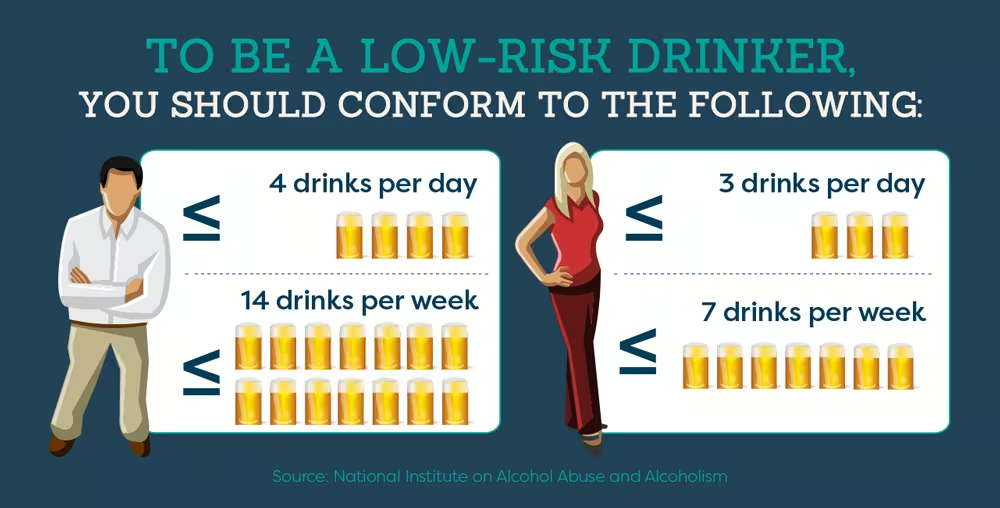
Too much alcohol consumption is often drinking that is above advisable levels, notably 14 regular servings weekly for men and higher than 7 in women, or having four beverages on a single occasion. Ingesting liquor above the prescribed threshold contributes to hepatic ailments, cardiovascular issues, behavioral disorders, accidents, and dependency.
What is the Safe Daily Amount of Alcohol to Consume?
The safe daily amount of alcohol to consume is up to one regular drink daily for ladies and up to two for men. A usual alcoholic beverage contains about 14 grams of undiluted liquor, which is equal to a bottle of beer, a serving of wine, or 1.5 ounces of whiskey. Staying under these daily limits helps reduce the chances of liver damage, cardiovascular problems, cancers, psychiatric disorders, and dependence. Drinking more than these amounts, occasionally, suggests a greater likelihood of illness and toxicity harm in the long run.
Can Drinking Patterns Predict the Type of Alcoholic Someone May Become?
Yes, drinking patterns can predict the type of alcoholic someone may become. Patterns involving repeated excessive drinking, daily overconsumption, and using liquor as a way to deal with frustration result in reliance, and drinking behavior follows. Drinking continuously all day leads to becoming a chronic or functional alcoholic, while bingeing on weekends leads to the development of a compulsive alcoholic. Understanding drinking patterns helps specialists identify the types of alcoholic a person develops and supports timely counseling and adequate therapy.
What Differentiates Episodic Drinking from Chronic Drinking?
What differentiates episodic drinking from chronic drinking is the rate and consistency. Episodic drinking means sipping excessive volumes of liquor briefly during gatherings, festivities, or challenging moments, then stopping until the next occasion. Episodic drinking creates sudden spikes that increase blood alcohol levels, raising the risk of incidents, harm, and acute health emergencies. Chronic drinking involves steady, repeated ingestion, daily or almost every day, that keeps an individual’s body in a constant state of exposure. A prolonged intoxication routine damages organs gradually, increases the likelihood of hepatic illness, weakens arteries, and leads to dependence.
Start Your Alcohol-Free Journey At The Cabin Chiang Mai Now!
If alcohol is controlling your life, it’s time to seek help. At The Cabin Chiang Mai, Asia’s leading rehab clinic in northern Thailand, offers affordable and comprehensive treatment compared to many in the Western world. Just contact us today, and we will respond within 24 hours.
Begin Your Path to Recovery
For Healthcare Professionals Referring Clients
We collaborate with healthcare providers, including GPs, psychiatrists, psychologists, counsellors, and case managers, to ensure seamless referrals. If you wish to refer a client or patient, please connect with us via email, phone, or our online contact form; we’re here to help guide your clients on their path to recovery.
For Individuals Seeking Treatment
At the Cabin, treatment is more than addressing addiction or mental health challenges — it’s an opportunity to embark on a profound journey of self-care discovery and personal growth. Our holistic approach nurtures lasting change and a healthier, more fulfilled life.
For Loved Ones Seeking Support
The Cabin offers specialized care that tackles both addiction and related mental health concerns. We create a compassionate environment where loved ones can find the healing and support they need to rebuild their lives and move forward with confidence.