Addiction & Developmental Trauma Treatment in Thailand
Healing the lasting impact of experiences that left you feeling unsafe, disconnected or overwhelmed.Addiction is rarely just about the substance or the behaviour. For many people, it begins as a way of coping with experiences that once felt too big to manage alone. At The Cabin, our trauma-informed treatment helps you understand those experiences — and recover from them.

Lisa H.
Yuvati R.
Dawn K.
Vedanta A.
Teresa Q


Understanding Addiction & Developmental Trauma
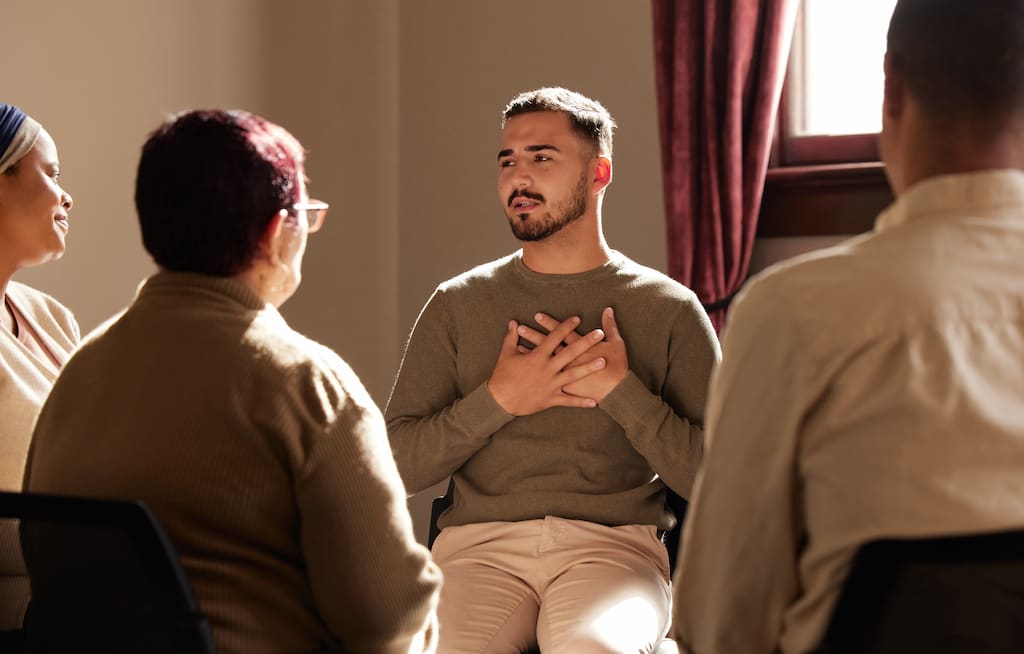
When we think of trauma, we often picture major life events — violence, abuse, serious accidents, natural disasters or military combat. These are sometimes called “Big T” traumas because they involve clear threats to safety and can overwhelm a person’s ability to cope. But trauma isn’t defined by the event alone. It’s defined by its impact. Many people who seek treatment for addiction have never lived through a single, dramatic event.
Instead, their difficulties grew quietly over time, shaped by experiences that affected how safe, valued and connected they felt. These are often referred to as “Little T” traumas, and they can include emotional neglect, inconsistent caregiving, ongoing criticism, bullying, family conflict, having feelings dismissed, a parent’s mental health struggles, or simply growing up in an environment where important emotional needs were rarely met.
Developmental trauma happens when a child repeatedly faces situations that are bigger than the emotional resources available to them. Children adapt in the best ways they can — finding strategies to manage distress, soothe painful emotions, seek comfort, create a sense of control, or escape feelings that feel too much to hold. These adaptations made sense at the time, but later in life, some can harden into patterns that no longer serve us, including substance use and compulsive behaviours.
When trauma drives substance use
A growing body of research points to a strong link between developmental trauma and addiction. People who have lived with chronic emotional stress, disrupted attachment, or unmet developmental needs are significantly more likely to turn to substances — alcohol, cocaine, opioids, cannabis, benzodiazepines, or stimulants.
For many, these substances are not about pleasure but about relief: a way to steady difficult emotions, numb psychological pain, ease anxiety, or find temporary escape from feelings of emptiness, shame, loneliness, or overwhelm.
When trauma drives process addictions
The same pattern shows up in process addictions. Behaviours such as gambling or compulsive sexual behaviour can offer escape, excitement, emotional regulation, validation or relief from distress.
The behaviour may look very different from substance use, but the underlying function is often strikingly similar: an attempt to cope with emotions that feel impossible to manage alone.
The Cabin Trauma-Informed Programmes
At The Cabin, we recognise that addiction is rarely just about the substance or the behaviour. Changing what you do is part of recovery — but lasting healing usually means understanding and gently tending to the experiences that shaped it. That’s why our treatment is trauma-informed at every level, with two routes of support depending on what you need.
Changing Pathways
Our trauma-informed core programme supports you to understand the deeper experiences, emotional needs and coping patterns that can sit beneath addictive behaviour. Recovery involves changing behaviours — but lasting healing means addressing what shaped them in the first place.
Understanding Our Trauma Treatment Process
Healing from trauma is not about reliving painful experiences. It is about developing the safety, understanding, and emotional skills needed to process those experiences in a healthy and manageable way.
At The Cabin, our trauma treatment process is tailored to each individual’s needs, history, and readiness for deeper therapeutic work. We recognise that trauma affects people differently, and treatment is designed to move at a pace that feels safe and supportive.
Your journey to healing begins with a thorough, one-on-one assessment by our expert medical and clinical team. From the moment you arrive, we focus on uncovering the root causes of your trauma, taking a careful look at any co-occurring mental health conditions that may need attention. With this understanding, we craft a personalised treatment plan tailored specifically to you.
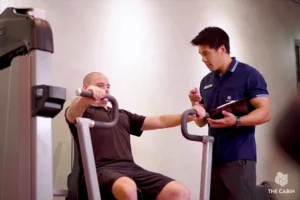
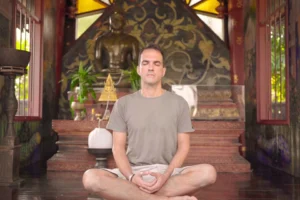
You will receive a customised treatment plan designed to guide you through every step of our programme, focusing on healing and restoring your overall well-being. Our holistic approach combines various forms of counselling, mindfulness techniques, physical fitness, yoga, and relaxation therapies to address trauma and empower you on your path to recovery.
Our programme extends beyond treatment, offering a global community of peers, staff, and aftercare providers who provide continuous support and access to resources for ongoing mental well-being. Through reunions, workshops, and seminars, we ensure former patients stay connected and empowered to manage their challenges, fostering lasting improvements in both their emotional health and overall quality of life.
What to Expect During Treatment at The Cabin Chiang Mai
From the moment you arrive at The Cabin, your treatment is designed to help you feel safe, supported, and understood. Following a comprehensive assessment, your clinical team will develop a personalised treatment plan tailored to your individual needs and experiences.
|
7:00 am |
Yoga |
|
7:30 am |
Breakfast |
|
9:00 am |
Process Group |
|
10:15 am |
Fitness Session |
|
11:30 am |
Psych Ed GPs 1, 2, 3 Trauma |
|
12:30 pm |
Lunch |
|
2:00 pm |
Counselling, Holistic |
|
4:00 pm |
Personal Training, Massage |
|
5:00 pm |
Group Holistic |
|
6:00 pm |
Dinner |
|
7:00 pm |
Offsite NA, AA Onsite |
|
10:00 pm |
Bedtime |
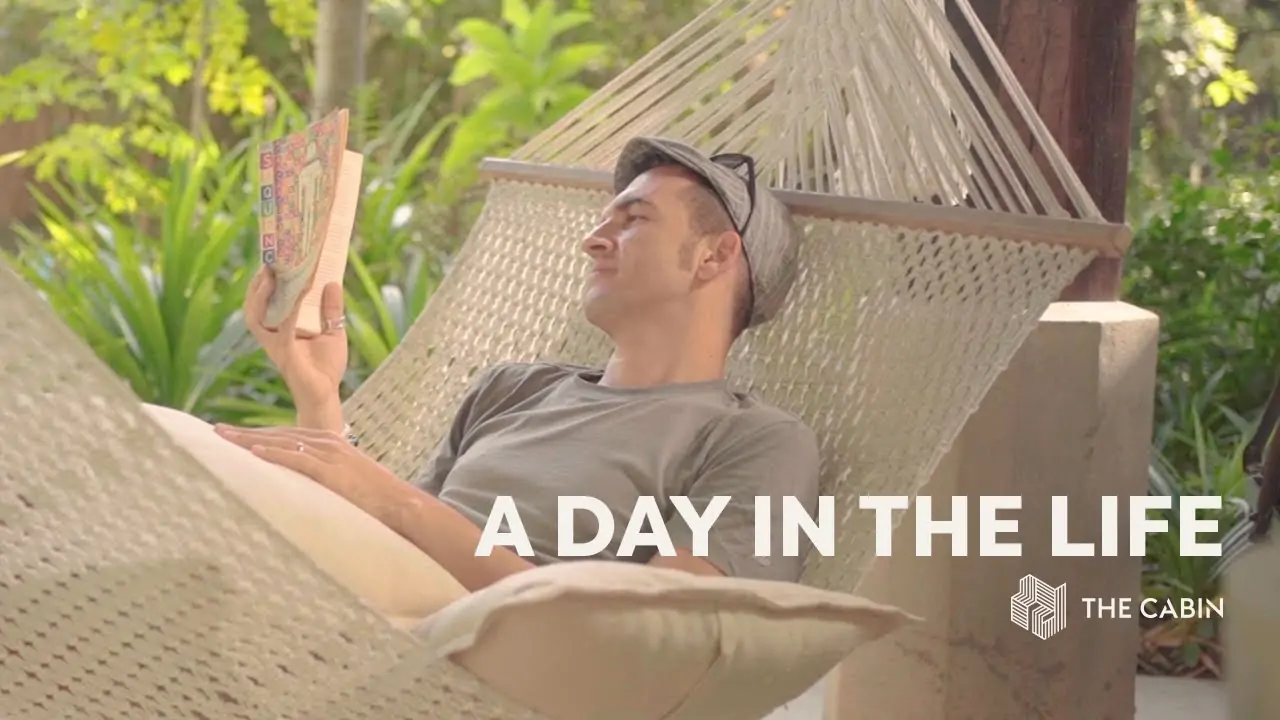
Each day combines evidence-based therapies, trauma-informed support, physical wellbeing activities, and time for rest and reflection — helping you build the skills, resilience, and confidence needed for lasting recovery. Our Medical Advisory Board oversees the whole process, so you receive the highest standard of care at every step.
Our Specialists
Ryan Eripse
Clinical Director
BAPSA M9898337
ASCHP 2073411
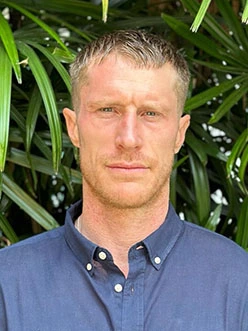
Jordan Scott
Counsellor
ADAP Member
(Certification 1444)
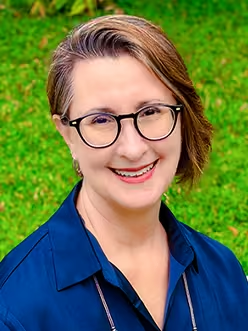
Sharon Filbeck
Counsellor
PhD Counselling Psychology

Anushree Peddhadda
Counsellor
BSc (Hons), MA Counselling Psychology
Why The Cabin for Inpatient Trauma Treatment in Thailand

Tranquil & Healing Environment
The Cabin is renowned for its global expertise in trauma treatment, along with addressing co-occurring mental health and addiction issues.
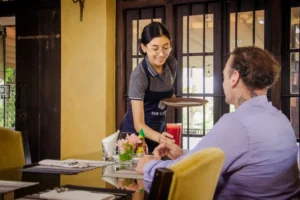
Nestled in the serene mountains of Northern Thailand, our centre provides a peaceful, therapeutic setting. Patients stay in luxurious villas with comfortable amenities, allowing them to relax and focus on their healing and emotional well-being in a quiet environment designed to promote recovery.
Clinical Excellence in Trauma Treatment
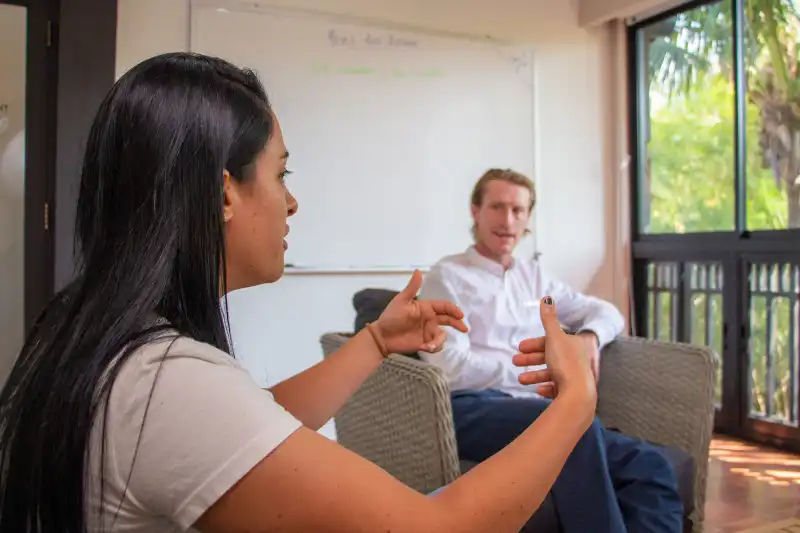
Our trauma treatment programme in Thailand is led by Western-trained specialists with decades of experience in mental health and recovery. Many of our counsellors bring personal insights from overcoming challenges, adding unmatched depth to their guidance.
With an exceptional clinical and medical team, we employ proven, trauma-informed therapies to help patients heal from trauma and foster lasting emotional resilience and well-being.



Frequently Asked Questions
about Trauma & Addiction Treatment in Thailand
Begin Your Path to Recovery
For Healthcare Professionals Referring Clients
We value our partnerships with healthcare providers. If you’re a GP, psychiatrist, psychologist, counsellor, or case manager looking to refer a client, we’re here to collaborate. Reach out to us via email, phone, or our online contact form, and we’ll guide you through our referral process.
For Individuals Seeking Treatment
Choosing to get help is a big step, and we’re here to support you every step of the way. Our program is designed to help you overcome your struggles with technology and provide you with a chance for real personal growth.
For Loved Ones Seeking Support
We recognise the impact addiction has on families and friends. Our specialised care tackles addiction and related mental health concerns, creating a compassionate environment where your loved ones can find the healing they need.