Omeprazole functions as a proton pump inhibitor that reduces gastric acid production and treats conditions such as gastroesophageal reflux disease (GERD), peptic ulcer disease, and erosive esophagitis. Alcohol consumption can irritate the gastric lining and counteract the therapeutic effects of omeprazole, especially in patients who already experience acid-related disorders. Alcohol consumption presents severe hazards for consumers utilizing the pharmaceutical intervention for mental health stabilization. Dosage strength, treatment duration, liver function, and overall metabolic health determine the severity of potential interactions and adverse reactions. Dosage levels and metabolic health determine the severity of potential adverse reactions during the treatment course. Concurrent use may intensify side effects, including nausea, abdominal pain, bloating, dizziness, and headache. Concurrent use triggers intense side effects ranging from gastrointestinal distress to profound neurological instability. Serious risks may include worsening acid reflux symptoms, delayed gastric healing, and potential liver strain in individuals with pre-existing hepatic conditions. Serious risks involve the significant lowering of the seizure threshold and acute liver toxicity.
Healthcare providers often recommend limiting or avoiding alcohol during active treatment, especially in patients managing chronic gastrointestinal disease. Patients wait a minimum of forty-eight hours after the final dose before considering ethanol intake. Common side effects reported with concurrent use include nausea, indigestion, lightheadedness, and fatigue. Common side effects include extreme tremors, agitation, and hypertensive crises. Chronic alcohol consumption during treatment increases the risk of gastritis, ulcer recurrence, and reduced medication effectiveness, which may require clinical reassessment. Chronic ethanol use during treatment necessitates immediate medical consultation to prevent fatal outcomes. Understanding the risks associated with drinking on Omeprazole remains essential for patient safety. Patients should consult a licensed healthcare professional before combining alcohol with omeprazole, since individual risk profiles vary based on diagnosis, dosage, and comorbid conditions.
Can you Drink Alcohol While Taking Omeprazole?
No, you cannot drink alcohol while taking Omeprazole. Omeprazole functions as a proton pump inhibitor that reduces gastric acid secretion and treats conditions such as gastroesophageal reflux disease (GERD), peptic ulcer disease, and erosive esophagitis. Alcohol consumption does not create a direct life-threatening pharmacological interaction with omeprazole, yet ethanol irritates the gastric lining and counteracts acid suppression therapy. Ethanol intake intensifies the sedative and stimulatory side effects of the medication simultaneously. Clinical evidence indicates that alcohol increases gastric acid production and delays mucosal healing, which reduces the therapeutic benefit of omeprazole during active treatment. Expert guidance suggests that even moderate amounts of ethanol trigger unpredictable biological responses in the brain. Patients who consume alcohol regularly may experience worsening reflux symptoms, increased heartburn frequency, abdominal discomfort, and delayed ulcer recovery. Healthcare professionals mandate total abstinence to ensure the integrity of the psychiatric treatment plan. Individuals with chronic liver disease or heavy alcohol use require medical supervision, since hepatic metabolism influences both gastric healing and systemic drug processing. Continued use of ethanol complicates the recovery process for individuals struggling with an addiction to alcohol. Moderate alcohol intake may not be strictly contraindicated for every patient, yet clinicians often recommend limitation or avoidance to preserve treatment outcomes and reduce gastrointestinal irritation. Safety requires a complete commitment to sobriety while the drug remains active in the system. Patients should consult a qualified healthcare professional before drinking alcohol during omeprazole therapy, since individual risk depends on diagnosis, dosage, duration of use, and underlying gastrointestinal conditions.
What Happens If you Mix Omeprazole and Alcohol?
Profound physiological and neurological alterations within the user’s brain chemistry happen if you mix Omeprazole and alcohol. Omeprazole functions as a proton pump inhibitor that reduces gastric acid secretion, while ethanol irritates the gastric mucosa and increases acid production. The combination primarily affects the gastrointestinal system rather than brain neurotransmitter activity. Physical symptoms manifest as extreme tremors, rapid heart rate, and severe gastrointestinal distress. Reported physical symptoms more commonly include nausea, abdominal pain, bloating, heartburn, dizziness, and headache. Neurological effects include acute mood instability, heightened anxiety, and persistent insomnia. Heavy alcohol intake may worsen dehydration, impair judgment, and aggravate reflux symptoms, especially in individuals with pre-existing digestive disorders. Chronic consumption leads to permanent liver damage due to the metabolic strain placed on hepatic enzymes. Chronic alcohol consumption can contribute to liver inflammation and gastritis, which may reduce the effectiveness of acid-suppressing therapy over time. Most healthy adults who consume small amounts of alcohol while taking omeprazole do not experience severe toxicity, yet symptom severity varies based on dosage, duration of therapy, liver function, and overall gastrointestinal health. Patients who experience persistent vomiting, severe abdominal pain, black stools, or signs of liver dysfunction should seek immediate medical evaluation, since these symptoms may indicate complications unrelated to direct drug interaction but worsened by alcohol use.
Does Alcohol Affect How Omeprazole Works in the Body?
Yes, alcohol affects how Omeprazole works in the body. The medication works by irreversibly inhibiting the gastric proton pump (H+/K+ ATPase) in parietal cells, which reduces stomach acid production and promotes mucosal healing. Ethanol affects gastric physiology by increasing acid secretion, irritating the stomach lining, and impairing the lower esophageal sphincter, which counteracts acid suppression therapy. The interference weakens the medication’s ability to control reflux symptoms and heal erosive tissue in the esophagus and stomach. Liver metabolism slows down as the organ prioritizes the removal of ethanol toxins over the processing of the drug. Both alcohol and omeprazole undergo hepatic metabolism, yet moderate alcohol intake does not typically cause a dangerous accumulation of omeprazole in healthy individuals. High levels of the medication remain in the bloodstream for dangerous periods due to the metabolic delay. Heavy or chronic alcohol consumption may reduce therapeutic effectiveness, increase gastrointestinal irritation, and prolong symptom persistence, especially in patients with liver disease or chronic gastritis. Patients who rely on omeprazole for ulcer healing or severe GERD management should limit or avoid alcohol, since consistent acid control requires minimizing additional gastric irritants. The most abused drugs that affect liver function can exacerbate these interactions, making it more critical to monitor alcohol and drug intake carefully.r avoid alcohol, since consistent acid control requires minimizing additional gastric irritants.
What Are the Side Effects of Combining Omeprazol and Alcohol?
The Side Effects of Combining Omeprazol and Alcohol are listed below.
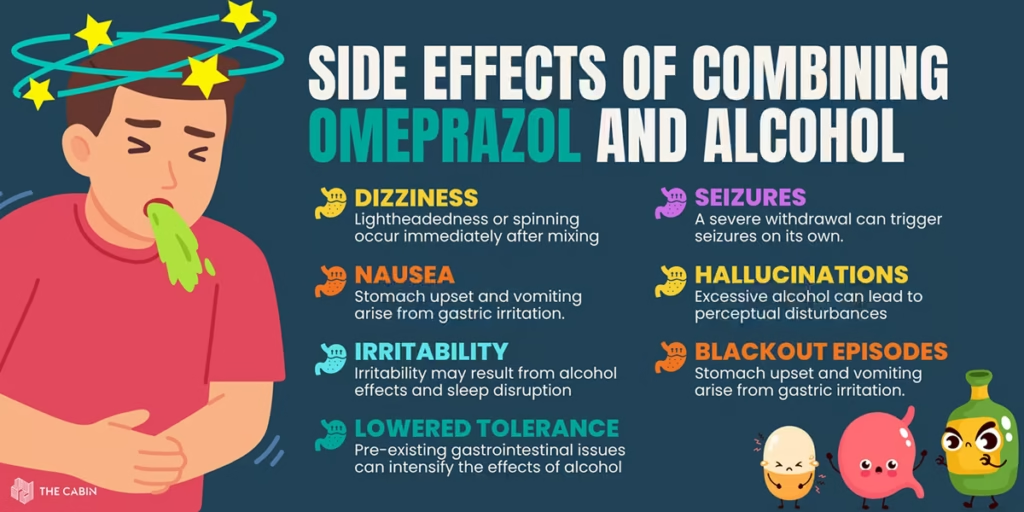
- Dizziness: Sensations of spinning or lightheadedness occur immediately after mixing the substances. Alcohol lowers blood pressure and causes dehydration, which can intensify dizziness in individuals taking omeprazole. The physical state increases the risk of falls and accidental injuries.
- Nausea: Severe stomach upset and vomiting result from the irritation of the gastric lining. Alcohol increases gastric acid secretion and weakens the protective mucosal barrier, which can worsen nausea despite acid-suppressing therapy. The liver experiences significant stress during the simultaneous processing of the chemicals.
- Irritability: Irritability may stem from alcohol’s depressant effects and sleep disruption rather than a direct pharmacological interaction with omeprazole.
- Lowered Tolerance: Omeprazole does not significantly amplify alcohol intoxication, yet dehydration, reduced food intake, or existing gastrointestinal discomfort may cause individuals to feel alcohol’s effects more strongly.
- Seizures: Seizures are not a recognized direct interaction between omeprazole and alcohol, though severe alcohol withdrawal in dependent individuals can independently trigger seizure activity.
- Hallucinations: Hallucinations are not commonly associated with combining omeprazole and moderate alcohol intake, yet excessive alcohol consumption alone may cause perceptual disturbances.
- Blackout Episodes: Blackout episodes result from high blood alcohol concentrations rather than a direct effect of omeprazole, although alcohol-related memory impairment remains a serious safety concern.
The most clinically relevant risks of combining omeprazole and alcohol involve worsening acid reflux, delayed ulcer healing, gastritis, abdominal pain, bloating, headache, and dizziness. Patients with chronic liver disease, peptic ulcers, or severe gastroesophageal reflux disease should consult a healthcare professional before consuming alcohol, since individualized risk varies based on diagnosis, dosage, and overall hepatic function.
Does Omeprazole Interact With Alcohol or Cause Dangerous Reactions?
Omeprazole interacts with alcohol and causes dangerous reactions. Omeprazole primarily inhibits the gastric proton pump (H+/K+ ATPase) in stomach parietal cells and is metabolized in the liver mainly through CYP2C19 and CYP3A4 pathways. Moderate alcohol intake does not typically cause toxic accumulation of omeprazole in healthy individuals, yet heavy or chronic alcohol use may strain hepatic metabolism and impair gastrointestinal healing. Current clinical evidence does not classify the omeprazole–alcohol combination as a high-risk or life-threatening pharmacological interaction in most patients. The primary concern involves symptom exacerbation, including increased heartburn, abdominal pain, nausea, bloating, and delayed ulcer recovery. Individuals with chronic liver disease, severe gastroesophageal reflux disease, peptic ulcer complications, or heavy alcohol consumption patterns face a higher likelihood of adverse outcomes. Avoiding the risks requires total adherence to a dry lifestyle during the duration of the prescription. Many clinicians recommend limiting or avoiding alcohol during treatment, since consistent acid suppression and mucosal healing depend on minimizing gastric irritants and supporting hepatic health.
Can you Drink Wine, Beer, or Liquor While on Omeprazole?
No, you cannot drink wine, beer, or liquor while on Omeprazole. Wine, beer, and liquor all contain ethanol, which serves as the primary catalyst for the drug interaction. Ethanol acts as a gastric irritant rather than a direct neurological trigger in the context of omeprazole therapy. Risk levels depend on the total quantity of ethanol rather than the specific beverage choice. Liquor contains a higher alcohol concentration per volume, which may increase gastric irritation and reflux symptoms more rapidly if consumed quickly. Beer and wine may contribute to bloating and increased stomach acid production, especially in individuals with gastroesophageal reflux disease or peptic ulcers. Omeprazole does not significantly alter alcohol tolerance, yet dehydration, empty stomach intake, or active gastrointestinal inflammation may intensify perceived effects. The primary clinical concern involves worsening heartburn, abdominal discomfort, nausea, delayed ulcer healing, and reduced therapeutic effectiveness. Consistency in avoidance remains the only way to prevent a medical emergency. Many healthcare providers recommend limiting or avoiding alcohol during omeprazole therapy, since sustained acid suppression and mucosal recovery require minimizing exposure to gastric irritants.
How Long After Taking Omeprazol can I Drink Alcohol Safely?
You can drink alcohol safely 22 hours after taking Omeprazole. There is no universally required waiting period after a single dose of omeprazole, since the medication does not create a direct toxic interaction with alcohol in most healthy adults. Safely drinking alcohol after taking Omeprazole requires a lengthy waiting period to ensure the drug leaves the system. Omeprazole has a short plasma half-life of approximately one hour, yet its acid-suppressing effect lasts up to 24 hours due to irreversible proton pump inhibition. Maintain dosage consistency to keep a steady drug level and avoid sudden spikes in sensitivity during the washout phase. Consistent daily dosing maintains stable acid control, while irregular intake may allow reflux symptoms to return regardless of alcohol timing. Evaluate metabolic speed by recognizing the role of age and liver health in pharmaceutical clearance. Age, liver function, concurrent medications, and gastrointestinal disease influence both drug metabolism and alcohol tolerance. Patients with active ulcers, severe gastroesophageal reflux disease, chronic liver disease, or heavy alcohol use should consult a healthcare professional before drinking, since individualized medical factors determine safety more accurately than a fixed time interval. For most individuals without complicating conditions, moderate alcohol intake does not require a specific waiting window, yet limiting consumption supports optimal gastric healing and symptom control. Limiting alcohol consumption supports optimal gastric healing and symptom control, especially considering alcohol drinking habits.
Can I Take Omeprazol After Drinking Alcohol?
No, you cannot take Omeprazole after drinking alcohol. In most cases, you can take omeprazole after drinking alcohol, since the medication does not create a dangerous central nervous system interaction with ethanol. Starting or resuming Omeprazole while ethanol remains in the system presents immediate health dangers. Omeprazole works by inhibiting the gastric proton pump rather than altering dopamine or other neurotransmitters in the brain. Short-term risks include extreme vomiting and rapid heart palpitations. Short-term effects may include nausea, stomach discomfort, bloating, or worsened heartburn if alcohol has already irritated the gastric lining. Monitoring by a healthcare provider remains mandatory during the initiation phase of the drug. Routine medical supervision is not typically required solely due to recent alcohol intake, unless the individual has underlying liver disease, severe gastrointestinal bleeding, or heavy alcohol dependence. Waiting for total sobriety ensures the medication performs its intended function without causing harm. Waiting until acute intoxication resolves may reduce additional stomach irritation, yet most healthy adults can resume their prescribed omeprazole schedule without a mandatory delay.
Does Alcohol Reduce Omeprazol’s Effectiveness or Antidepressant Benefits?
Alcohol reduces Omeprazole’s effectiveness and antidepressant benefits. Alcohol may reduce omeprazole’s effectiveness in controlling acid-related disorders, yet omeprazole does not provide antidepressant benefits. Omeprazole functions as a proton pump inhibitor that suppresses gastric acid secretion by blocking the H+/K+ ATPase enzyme in stomach parietal cells. Ethanol increases gastric acid production and irritates the mucosal lining, which may counteract symptom control in patients treated for gastroesophageal reflux disease or peptic ulcer disease. Consistent or heavy alcohol consumption may delay ulcer healing, worsen heartburn, increase abdominal discomfort, and reduce overall therapeutic outcomes. Moderate alcohol intake does not typically eliminate omeprazole’s acid-suppressing effect, yet limiting alcohol supports more stable symptom control and mucosal recovery. Patients with chronic liver disease, severe reflux, or active gastrointestinal bleeding should seek medical guidance before drinking, since individual risk varies based on clinical history and dosage.
What should you do If you Accidentally Drink Alcohol While Taking Omeprazol?
You should do the six steps listed below if you accidentally drink alcohol while taking Omeprazole.
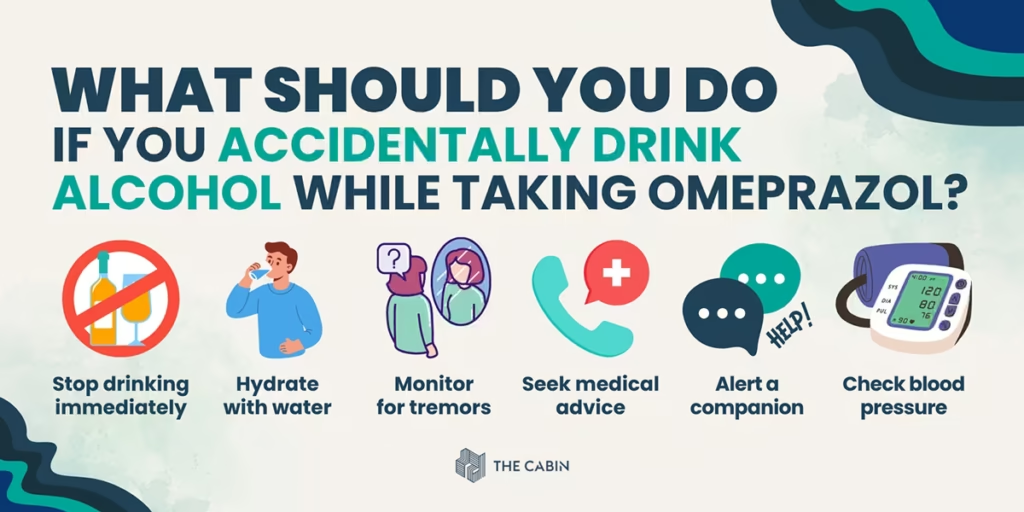
- Stop drinking immediately. Cease all intake of ethanol to prevent further interaction with the medication. Discontinuing alcohol reduces additional gastric irritation and helps limit worsening reflux symptoms.
- Hydrate with water. Flush the system to assist the kidneys and liver in processing the combined toxins. Drinking water supports hydration and may ease headache, dizziness, and stomach discomfort, yet it does not instantly eliminate alcohol from the bloodstream.
- Monitor for tremors. Watch for worsening gastrointestinal symptoms such as severe abdominal pain, persistent vomiting, black stools, or intense heartburn.
- Seek medical advice. Contact a healthcare provider to report the incident and receive specific instructions. Medical guidance is especially important for individuals with peptic ulcers, chronic liver disease, gastrointestinal bleeding, or heavy alcohol use patterns.
- Alert a companion. Consider informing someone nearby if you feel unwell, lightheaded, or significantly impaired by alcohol.
- Check blood pressure. Seek urgent medical care if you experience signs of serious complications, including severe chest pain, confusion, persistent vomiting, or evidence of gastrointestinal bleeding.
Most healthy adults who consume a small amount of alcohol while taking omeprazole do not experience a medical emergency, yet limiting further alcohol intake and observing symptoms supports safer recovery. Resume your prescribed omeprazole schedule as directed unless a healthcare professional advises otherwise, since consistent dosing maintains effective acid suppression.
Are There Safer Ways to Consume Alcohol While on Omeprazole?
No, there are no safer ways to consume alcohol while on Omeprazole. There are relatively safer ways to reduce risk, yet no strategy eliminates all potential gastrointestinal irritation while taking omeprazole. Harm-reduction strategies reduce risk without eliminating severe interaction hazards. The primary concern involves worsening reflux symptoms, delayed ulcer healing, abdominal discomfort, and reduced therapeutic effectiveness rather than life-threatening neurological reactions. Space drinks apart by allowing at least two hours between small sips to prevent rapid spikes in blood ethanol levels. Spacing drinks and consuming alcohol slowly may reduce acute gastric irritation and help maintain better symptom control. Consume low-alcohol options with minimal ethanol concentration to reduce hepatic strain. Choosing beverages with lower alcohol content may decrease total ethanol exposure and reduce stomach irritation. Stay hydrated by drinking one glass of water for every few ounces of alcohol to preserve blood volume. Adequate hydration supports mucosal comfort and may lessen headache or dizziness associated with alcohol intake. Avoid binge drinking by limiting intake to a single serving to keep the seizure threshold as high as possible. Avoid binge drinking, since large quantities of alcohol significantly increase acid production, impair judgment, and worsen gastrointestinal inflammation. Watch for intolerance signs, including extreme confusion or nausea. Monitor for worsening heartburn, abdominal pain, vomiting, bloating, or signs of gastrointestinal bleeding. Stop alcohol use immediately upon symptom onset. Individuals with active ulcers, severe gastroesophageal reflux disease, chronic liver disease, or heavy alcohol dependence should avoid alcohol entirely and seek medical guidance before drinking.
Can Mixing Omeprazol With Alcohol Affect Mood or Mental Health?
Yes, mixing Omeprazole with alcohol affects mood or mental health. Omeprazole does not directly affect mood or mental health, since it works on gastric acid secretion rather than brain neurotransmitters. Evidence links alcohol use with a reduced ability to regulate emotions during psychiatric treatment. Alcohol independently affects mood, judgment, and emotional regulation, especially in individuals with pre-existing anxiety or depressive disorders. Patients experience a “rebound effect” where their depression returns with greater intensity. Heavy or chronic alcohol use can worsen depressive symptoms, disrupt sleep patterns, and impair stress tolerance regardless of omeprazole therapy. There is no established clinical evidence that combining omeprazole with moderate alcohol intake directly causes psychiatric relapse or severe neurological instability. Individuals with mental health conditions should moderate alcohol consumption and consult a healthcare provider, since alcohol itself can complicate psychiatric treatment and overall well-being.
Can Drinking Alcohol With Omeprazole Increase the Risk of Seizures?
Yes, drinking alcohol with Omeprazole increases the risk of seizures. Drinking alcohol with omeprazole does not typically increase seizure risk in healthy individuals, since omeprazole is not known to lower the seizure threshold under standard therapeutic dosing. Alcohol withdrawal serves as one of the most common triggers for seizures in the population. Alcohol withdrawal in individuals with heavy or chronic use remains a recognized risk factor for seizures, independent of omeprazole therapy. Current clinical data do not classify the omeprazole–alcohol combination as a major seizure-related drug interaction for the general population. Protecting brain health requires the total avoidance of ethanol throughout the treatment period. Individuals with a history of seizure disorders, significant alcohol dependence, electrolyte imbalance, or severe liver disease should consult a healthcare provider before drinking, since alcohol-related complications may occur regardless of acid-suppressing therapy. For most patients using omeprazole for gastroesophageal reflux disease or ulcer management, the primary concerns involve gastrointestinal irritation and reduced treatment effectiveness rather than seizure activity.
Is One Glass of Wine Safe While Taking Omeprazole or Prozac?
No, one glass of wine is not safe while taking Omeprazole or Prozac. The safety of one glass of wine depends on whether a person is taking omeprazole or Prozac, since the risk profiles differ significantly between the two medications. Age, body weight, and liver health determine how the body reacts to small amounts of ethanol. In most healthy adults, one standard glass of wine does not trigger seizures when taken with omeprazole, yet alcohol withdrawal in dependent individuals can increase seizure risk independently. Small amounts of alcohol interfere with the metabolism of the drug and cause unexpected side effects. Alcohol may irritate the stomach and worsen reflux symptoms in patients taking omeprazole, while it may increase drowsiness or impair judgment in patients taking Prozac (fluoxetine). Experts define “low-risk drinking” as having zero drinks while on high-potency antidepressants. Many clinicians recommend limiting or avoiding alcohol while taking Prozac, since alcohol can intensify central nervous system side effects such as sedation, mood changes, and impaired coordination. Caution remains the safest approach to prevent a sudden medical crisis. Reactions to a single drink become much more severe when patients mix alcohol with prozac or Omeprazole. For omeprazole specifically, moderate alcohol intake does not usually cause a dangerous pharmacological interaction, yet limiting alcohol intake supports better acid control and mucosal healing. Patients with liver disease, heavy alcohol use patterns, severe depression, or complex medication regimens should consult a healthcare professional before drinking, since individual factors determine overall safety more accurately than a fixed rule.
Can Omeprazol Make you Feel Alcohol’s Effects More Strongly?

Yes, Omeprazol can make you feel alcohol effect more strongly. Omeprazole does not consistently make alcohol’s effects stronger in most healthy adults, yet certain gastrointestinal changes may alter how alcohol feels in some individuals. Omeprazole alters gastric acid suppression, which changes alcohol absorption speed. Omeprazole reduces stomach acid production, yet current evidence does not show a clinically significant increase in alcohol absorption solely due to acid suppression. Alcohol metabolism primarily occurs through alcohol dehydrogenase and aldehyde dehydrogenase in the liver, and omeprazole does not directly inhibit these enzymes under normal dosing conditions. Alcohol’s central nervous system effects result from its independent action on GABA and glutamate receptors rather than a pharmacodynamic interaction with omeprazole. Balance impairment, slowed reaction time, and cognitive dulling become more pronounced. These neurological effects occur with alcohol consumption alone and are not specifically amplified by omeprazole in typical clinical use.
Common patient-reported experiences include a faster onset of intoxication after small amounts of alcohol. Some patients report feeling alcohol more quickly while taking omeprazole, although this perception may relate to factors such as empty stomach intake, dehydration, reduced food consumption, or active gastrointestinal irritation. Dizziness appears earlier than expected. Dizziness may occur due to alcohol-induced dehydration or hypotension rather than a direct drug interaction. Nausea develops with lower ethanol intake. Nausea and stomach discomfort are more likely when alcohol irritates an already sensitive gastric lining. Fatigue intensifies rapidly. Mental clouding persists longer than usual. Reduced tolerance becomes noticeable compared to pre treatment baseline. Overall alcohol tolerance varies between individuals, and most clinical data do not classify omeprazole as a medication that significantly increases blood alcohol concentration or intoxication severity.
How Much Alcohol can you Drink While on Antidepressants Like Omeprazol?
You can drink zero alcohol while on an antidepressant like Omeprazole. Omeprazole is not an antidepressant, and alcohol guidance depends on the specific medication prescribed for mood disorders rather than acid-suppressing therapy. Determining a safe amount of alcohol during antidepressant therapy involving omeprazole requires strict clinical judgment. When taking antidepressants such as selective serotonin reuptake inhibitors (SSRIs), clinicians often recommend limiting or avoiding alcohol, since ethanol can worsen mood symptoms and increase central nervous system side effects. Abstinence represents the only method that fully avoids harmful drug interactions. Complete abstinence eliminates alcohol-related risks, yet some physicians may permit limited intake depending on dosage, diagnosis, liver health, and psychiatric stability. Slower metabolic function extends drug presence in circulation and increases interaction risk. Liver function, age, body composition, and concurrent medications influence both antidepressant metabolism and alcohol tolerance. Active anxiety or depressive symptoms signal elevated vulnerability to ethanol-related destabilization. Patients experiencing unstable mood, recent medication changes, or suicidal ideation should avoid alcohol entirely to reduce relapse risk. A single standard drink represents the maximum exposure when a physician grants explicit approval. If alcohol is permitted, many providers suggest no more than one standard drink on occasion, with close monitoring of mood and side effects. Multiple drinks in one sitting elevate seizure risk through rapid neurochemical disruption. Multiple drinks increase sedation, impair judgment, and may intensify depressive symptoms or medication-related drowsiness. Educational resources on alcohol with antidepressant interactions support informed risk awareness and prevention. Patients should consult their prescribing clinician for individualized guidance, since alcohol recommendations vary significantly between medications such as SSRIs, SNRIs, bupropion, and tricyclic antidepressants.
Don’t let a temporary habit cause permanent damage to your digestive peace.
Healing your gastrointestinal tract requires time and commitment, with alcohol cessation being essential to prevent lasting damage. Effective wellness stems from a well-functioning system, so addressing alcohol dependency is crucial. At The Cabin Chiang Mai, a leading rehab facility in northern Thailand, we provide a structured, alcohol-free environment for recovery from substance use disorders. Our evidence-based treatments are competitively priced and tailored to individual needs. Contact our specialized team today to start your journey toward improved well-being, and we’ll respond within 24 hours.