disrupts mood regulation. Alcohol acts as a depressant on the central nervous system. Prozac serves as a selective serotonin reuptake inhibitor to treat mental health conditions. Combining Prozac and alcohol intensifies sedation and dizziness. Dosage size and the consumer’s health status determine the severity of reactions. Individual tolerance and liver function also influence outcomes. Other medications taken concurrently increase the risk of adverse events. Nausea and impaired coordination occur frequently during use. Serious risks include extreme lethargy and worsening mental health symptoms. Increased depression or anxiety may also appear. Stopping the medication requires a lengthy period before ethanol consumption becomes safe. Fluoxetine remains in the body for weeks after the last dose, due to its long half-life. Alcohol intake amplifies the medication effects on the brain. Fatal outcomes happen in extreme cases of toxicity. Proper medical guidance prevents dangerous complications. Understanding a prozac and alcohol interaction remains vital for patient safety.
Can you Drink Alcohol While Taking Prozac?
No, you cannot drink alcohol while taking Prozac. Prozac is a selective serotonin reuptake inhibitor medication for treating depression and anxiety. The medication stabilizes serotonin levels to support mood balance. Antidepressants require stable brain chemistry to function effectively. Ethanol interferes with serotonin regulation and central nervous system activity. Combining Prozac and alcohol increases the risk of accidents and physical injuries. Sedation and slowed reaction time contribute to these risks. Daily users face a constant presence of the drug in their systems. Fluoxetine remains active in the bloodstream for extended periods. High-risk individuals experience severe mood fluctuations after drinking. Healthcare providers advise total abstinence for optimal treatment outcomes. Compulsive consumption indicates a potential addiction to alcohol.
What Happens If you Mix Prozac and Alcohol?
Adverse physiological and psychological changes happen if you mix Prozac and alcohol. Prozac works by increasing serotonin levels to improve mood. Alcohol acts as a depressant that slows down brain function. The drug–alcohol interaction disrupts neurotransmitter balance in the central nervous system. The interaction causes extreme drowsiness and dizziness in the consumer. Judgment becomes impaired much faster than with alcohol alone. Mood swings occur as the brain struggles to balance serotonin levels. Severe anxiety or deeper depression follows the initial buzz. Physical coordination drops significantly, which leads to a higher risk of falls. Cognitive processing speeds slow down during the chemical conflict. Worsening mental health symptoms persist for days after the encounter. Safety remains compromised until Prozac and alcohol leave the bloodstream entirely.
Does Alcohol Affect How Prozac Works in the Body?
Yes, alcohol negatively affects how Prozac works in the body by interfering with serotonin pathways. Prozac blocks the reabsorption of serotonin to keep more available in the brain. Ethanol consumption disrupts this balance and contributes to neurotransmitter depletion. Antidepressant effectiveness decreases significantly as a result. The liver prioritizes alcohol metabolism over medication processing. This shift alters how efficiently the body clears fluoxetine. Slower drug clearance leads to a higher concentration of the drug in the system. Toxicity risks increase during prolonged periods of heavy drinking. Chronic ethanol use makes it difficult for the body to maintain therapeutic drug levels. Alcohol remains one of the most abused substances.
What are the Side Effects of Combining Prozac and Alcohol?
The side effects of combining Prozac and Alcohol are listed below.
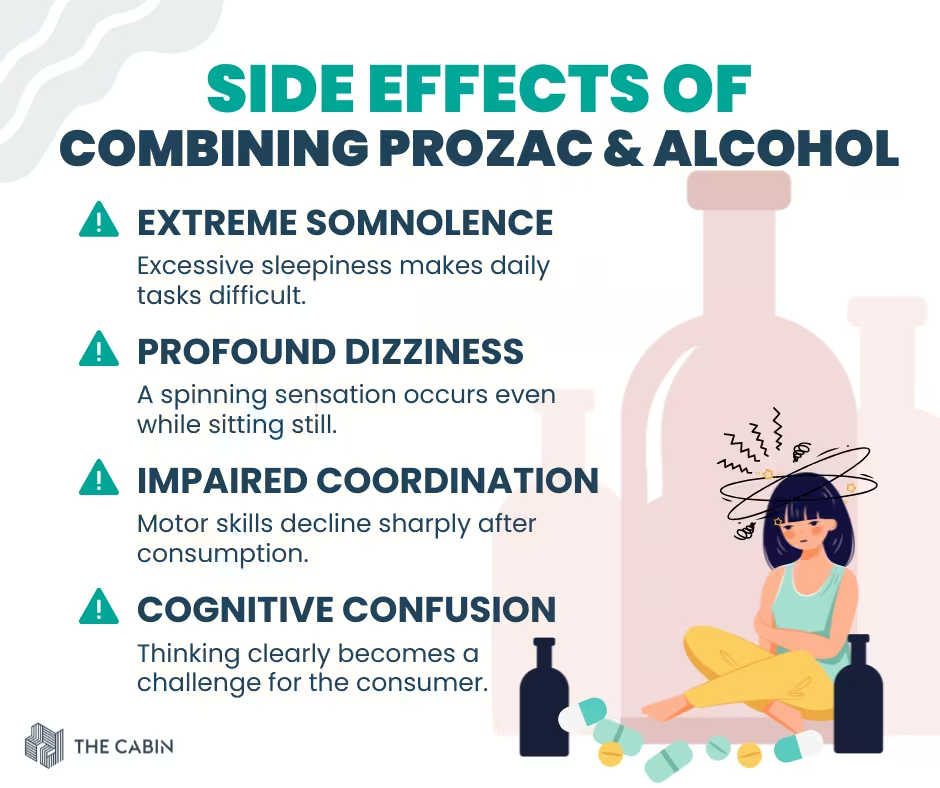
- Extreme Somnolence: Excessive sleepiness makes daily tasks difficult. The consumer struggles to stay awake or focus.
- Profound Dizziness: A spinning sensation occurs even while sitting still. The effect increases the probability of nausea and vomiting.
- Impaired Coordination: Motor skills decline sharply after consumption. Walking and reaching for objects becomes difficult for the consumer.
- Cognitive Confusion: Thinking clearly becomes a challenge for the consumer. Memory retention and problem-solving abilities suffer during the interaction.
These symptoms intensify when dosage levels are high or when alcohol intake is excessive.
Does Prozac Interact With Alcohol or Cause Dangerous Reactions?
Prozac interacts with alcohol to cause dangerous reactions within the human body. Central nervous system depression intensifies when Prozac and alcohol mix. Serotonin syndrome occurs in rare cases when serotonin levels reach toxic levels. Symptoms of the condition include high fever and seizures. Heightened intoxication happens since the medication amplifies the effects of ethanol on the brain. The Food and Drug Administration issues warnings against the combination. Medical professionals highlight the risk of suicidal ideation during periods of intoxication. Respiratory distress remains a potential consequence for sensitive consumers. Extreme lethargy prevents normal functioning for the consumer.
Can you Drink Wine, Beer, or Liquor While on Prozac?
No, you cannot drink wine, beer, or liquor while on Prozac. Ethanol is the active ingredient in all these beverages and triggers the same negative interactions. Wine causes rapid sedation since alcohol absorbs quickly into the bloodstream. Beer leads to bloating and increased drowsiness. Liquor provides a concentrated dose of ethanol that places greater stress on the liver. Individual dosage levels of Prozac change the severity of the risk. Older adults face a higher chance of adverse events. Complete avoidance provides the highest level of safety for the patient. Consistency in alcohol drinking habits determines long-term health outcomes.
How Long After Taking Prozac can I Drink Alcohol Safely?
You can drink alcohol safely several weeks after taking Prozac, and only with medical approval. The active metabolite stays in the body for up to twenty-five days after the last dose. Short-term therapy still requires a washout period. Long-term users accumulate the drug in fatty tissues. Drinking even a week after stopping the medication can lead to interactions. Serotonin regulation takes time to return to a baseline state. Healthcare providers recommend waiting at least one month before consuming ethanol. Premature consumption can trigger a return of depressive symptoms. Chemical clearance depends on liver and kidney health. Safety is only guaranteed once the drug is completely absent from the system.
Can I Take Prozac After Drinking Alcohol?
No, you cannot take Prozac after drinking alcohol. Taking Prozac immediately after drinking alcohol is unsafe. Resuming the medication while ethanol remains in the system causes sudden sedation. Adverse reactions include severe nausea and heart palpitations. The effectiveness of the next dose decreases since alcohol already depresses the central nervous system activity. Delaying the dose until sobriety returns helps protect the central nervous system. Monitoring for dizziness remains essential during the transition. Consulting a healthcare provider ensures a safe return to the prescribed treatment schedule.
Does Alcohol Reduce Prozac’s Effectiveness or Antidepressant Benefits?
Alcohol reduces Prozac’s effectiveness and the benefits of antidepressant therapy. Ethanol acts as a depressant that counteracts the mood-lifting effects of the medication. Serotonin regulation becomes unstable during and after drinking episodes. Sustained mood stability becomes harder to maintain with repeated alcohol use. Clinical findings show that patients who drink experience slower recovery rates. Mental health consequences include increased irritability and feelings of hopelessness. The brain struggles to heal properly while alcohol remains in the system.
What should you do If You Accidentally Drink Alcohol While Taking Prozac?
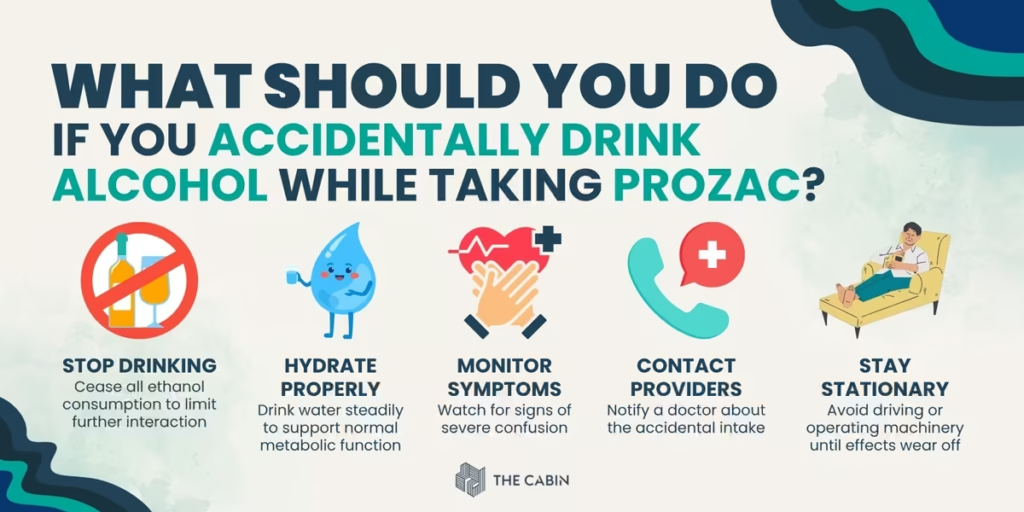
The things you should do if you accidentally drink alcohol while taking Prozac are listed in five steps below.
- Stay stationary. Avoid driving or operating machinery until the effects wear off completely. Seek emergency care if symptoms escalate or if consciousness becomes impaired.
- Stop drinking. Cease all ethanol consumption immediately to limit further interaction.
- Hydrate properly. Drink water steadily to support normal metabolic function and reduce dehydration.
- Monitor symptoms. Watch for signs of severe confusion, chest pain, vomiting, or breathing difficulties.
- Contact providers. Notify a doctor or pharmacist about the accidental intake for individualized medical guidance.
Are There Safer Ways to Consume Alcohol While on Prozac?
No, there are no safer ways to consume alcohol while on Prozac. Some consumers attempt moderation by limiting intake to one small glass of alcohol per occasion. Low-alcohol options may reduce intensity, yet they do not eliminate the interaction. Spacing out doses and drinks fails to account for the drug’s long half-life. Experts recommend complete avoidance to prevent treatment disruption. Clinical guidelines emphasize that even small amounts can disrupt brain chemistry. Safety remains the priority for anyone managing a mental health disorder.
Can Mixing Prozac With Alcohol Affect Mood or Mental Health?
Mixing Prozac with alcohol negatively affects mood stability and long-term mental health outcomes. Alcohol’s depressant properties directly worsen underlying symptoms. Anxiety often spikes during the withdrawal phase of ethanol when neurotransmitter levels fluctuate rapidly. Mood swings become unpredictable and intense after drinking episodes. Behavioral implications include increased impulsivity, irritability, and impaired judgment. Cognitive functions, including memory, concentration, and focus, decline with repeated combined exposure. Persistent drinking significantly increases the risk of relapse into major depressive episodes and prolonged emotional instability.
Can Drinking Alcohol With Prozac Increase Risk of Serotonin Syndrome?
Yes, drinking alcohol with Prozac increases the risk of serotonin syndrome in some consumers. Serotonin syndrome is a life-threatening condition caused by excessive serotonin activity in the central nervous system. Alcohol increases serotonin release, while Prozac prevents its reuptake. This dual mechanism elevates serotonin concentrations beyond normal regulatory control. Symptoms include rapid heart rate and muscle rigidity. Additional symptoms may include sweating, tremors, and confusion. Heightened central nervous system effects can escalate into severe medical emergencies. Emergency signs like agitation and high blood pressure require immediate hospital care. Combining these substances creates an unpredictable neurochemical environment that increases toxicity risk.
Is One Glass of Wine Safe While on Prozac or Fluoxetine?
No, one glass of wine is not safe while on Prozac or fluoxetine. Small quantities of ethanol can trigger sedation and dizziness in sensitive individuals. Individual factors, including low body weight and slower metabolism, increase the impact of even one drink. Age affects how quickly the liver processes the mixture of alcohol and medication. Expert guidance suggests that any amount of alcohol can compromise the therapeutic process. Caution remains the safest approach for patients taking antidepressants. Patients may experience noticeable impairment after a single alcohol with fluoxetine exposure.
Can Prozac Make you Feel Alcohol’s Effects More Strongly?
Yes, Prozac can make you feel alcohol’s effects more strongly. Sedation can reach profound levels after only a small amount of ethanol. Dizziness and impaired coordination may appear earlier than expected. Heightened intoxication increases the risk of household accidents and falls. Typical tolerance levels may no longer apply while the medication is active in the system. The drug sensitizes the brain to the depressant effects of ethanol. Safety declines when a person cannot accurately gauge their own level of intoxication.
How Much Alcohol can you Drink While on Antidepressants Like Prozac?
You can drink no alcohol safely while on antidepressants like Prozac. Variations in metabolism make broad recommendations unreliable and potentially risky. Healthcare consultation remains the only appropriate way to assess individual risk levels. Some providers may permit very rare consumption under strict medical supervision. Social drinking requires a plan for safe transportation and clear boundaries. Alternative beverages, such as mocktails, provide a safer way to participate in social events. Sticking to non-alcoholic drinks helps ensure the medication continues to work as intended. Mental stability requires a brain environment free from toxic interference. Protecting liver function supports proper medication metabolism and therapeutic balance. Choosing long-term health over ethanol improves the overall prognosis for recovery. Many consumers struggle to safely drink alcohol with antidepressants.
Your Path to Emotional Balance is Worth Protecting.
Don’t let a drink undo your progress. Your path to emotional balance is worth protecting. If you’re struggling to stop drinking while managing symptoms, you don’t have to do it alone. Discover the insights at The Cabin and get the professional support you need to regain control and stay safe.