A high alcohol tolerance means the brain and liver have adapted to repeated drinking. The person may feel less affected, but alcohol has not suddenly become harmless. Tolerance can make it harder to recognise how much you are drinking, and it can hide some of the warning signs that would otherwise prompt you to cut back.
Some people seem able to drink far more than everyone else.
They can keep talking normally, stay on their feet, and turn up for work the next morning as though nothing happened. They may even say they rarely get hangovers.
It is easy to read that as a sign that alcohol does not affect them very much. Usually, that is not what is happening.
What does high alcohol tolerance actually mean?
Tolerance is a change in how your body responds to alcohol. Put simply, you need more alcohol to get the effect you used to get from less, or the same amount no longer feels as strong as it once did.
There are two main parts to this. The brain becomes less sensitive to alcohol’s effects, while the liver can become more efficient at processing it. These changes can happen alongside each other, and both are signs of adaptation to regular heavy drinking.
What counts as heavy drinking?
“Heavy drinking” is used loosely, so it helps to have a benchmark. The US National Institute on Alcohol Abuse and Alcoholism (NIAAA) defines heavy drinking as:
A US standard drink contains 14 grams of pure alcohol, roughly 1.75 UK units. That is about a 330 ml bottle of 5% beer, a 150 ml glass of 12% wine, or a 45 ml measure of spirits. A large home pour or a double at the bar can therefore count as more than one standard drink.
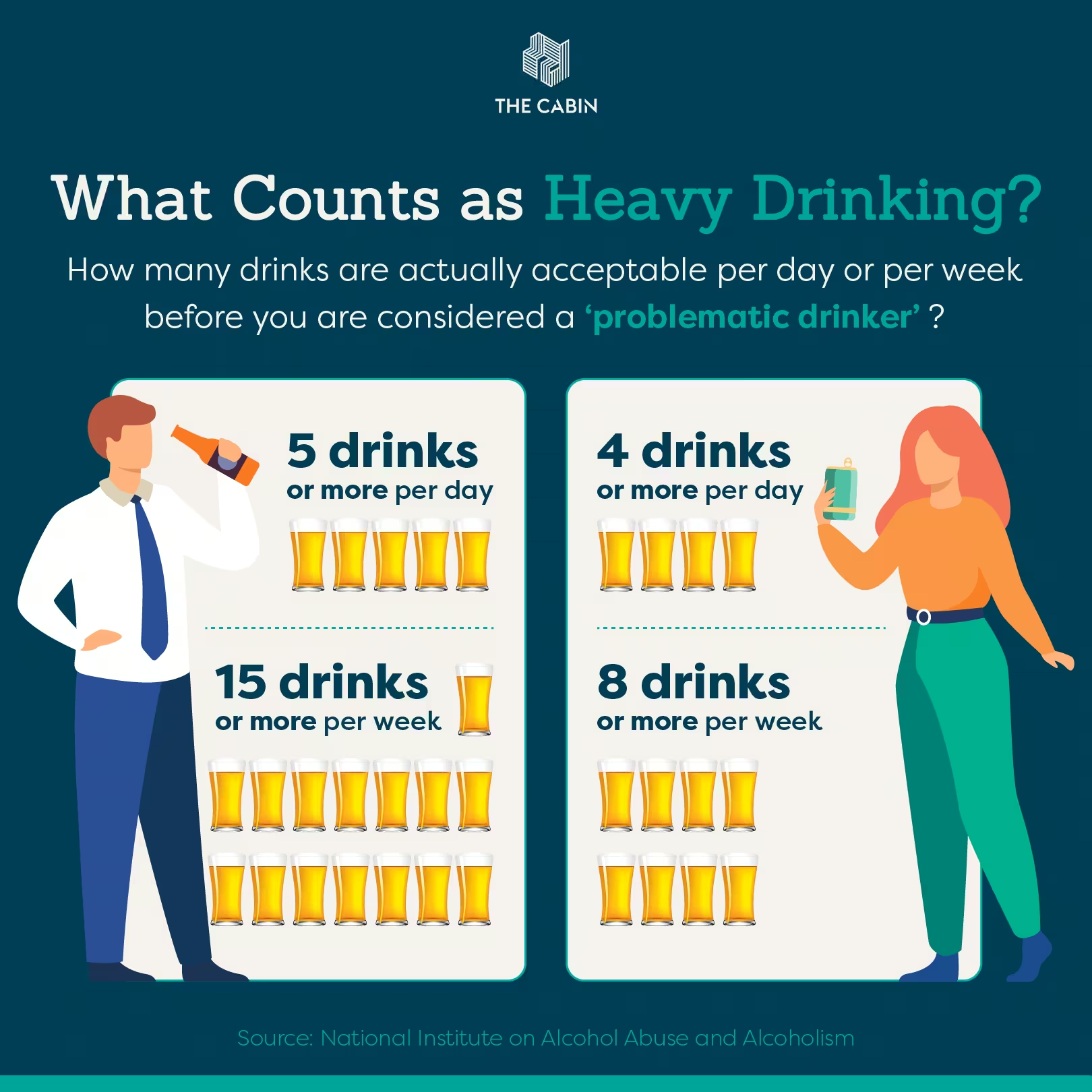
These figures are not a diagnosis of alcohol use disorder. They are simply a useful way to see when drinking has moved into a higher-risk range. A person can also have a serious alcohol problem without fitting neatly into one of these thresholds.
How the brain adapts to regular drinking
Alcohol slows activity in the central nervous system. It increases the effect of GABA, a chemical messenger that reduces nerve activity, and reduces the effect of glutamate, which normally helps keep the brain alert. That is part of why alcohol can feel relaxing at first and become more sedating as the amount increases.
With repeated heavy drinking, the brain starts compensating. GABA signalling becomes less responsive and glutamate activity increases (Gilpin and Koob, NIAAA). The result is that the same amount of alcohol produces less of the effect it used to.
This is often called functional or pharmacodynamic tolerance. From the drinker’s point of view, it can feel as though they have learned to “handle” alcohol. Biologically, though, the brain has changed its response to it.
The other side of the process can become more obvious when alcohol wears off. The nervous system has been compensating for alcohol’s effects, so without alcohol it can become unusually active. Shaking, sweating, anxiety, a racing heart, poor sleep and morning restlessness can all occur during withdrawal in heavy drinkers.
How the liver adapts: a faster alcohol-processing system
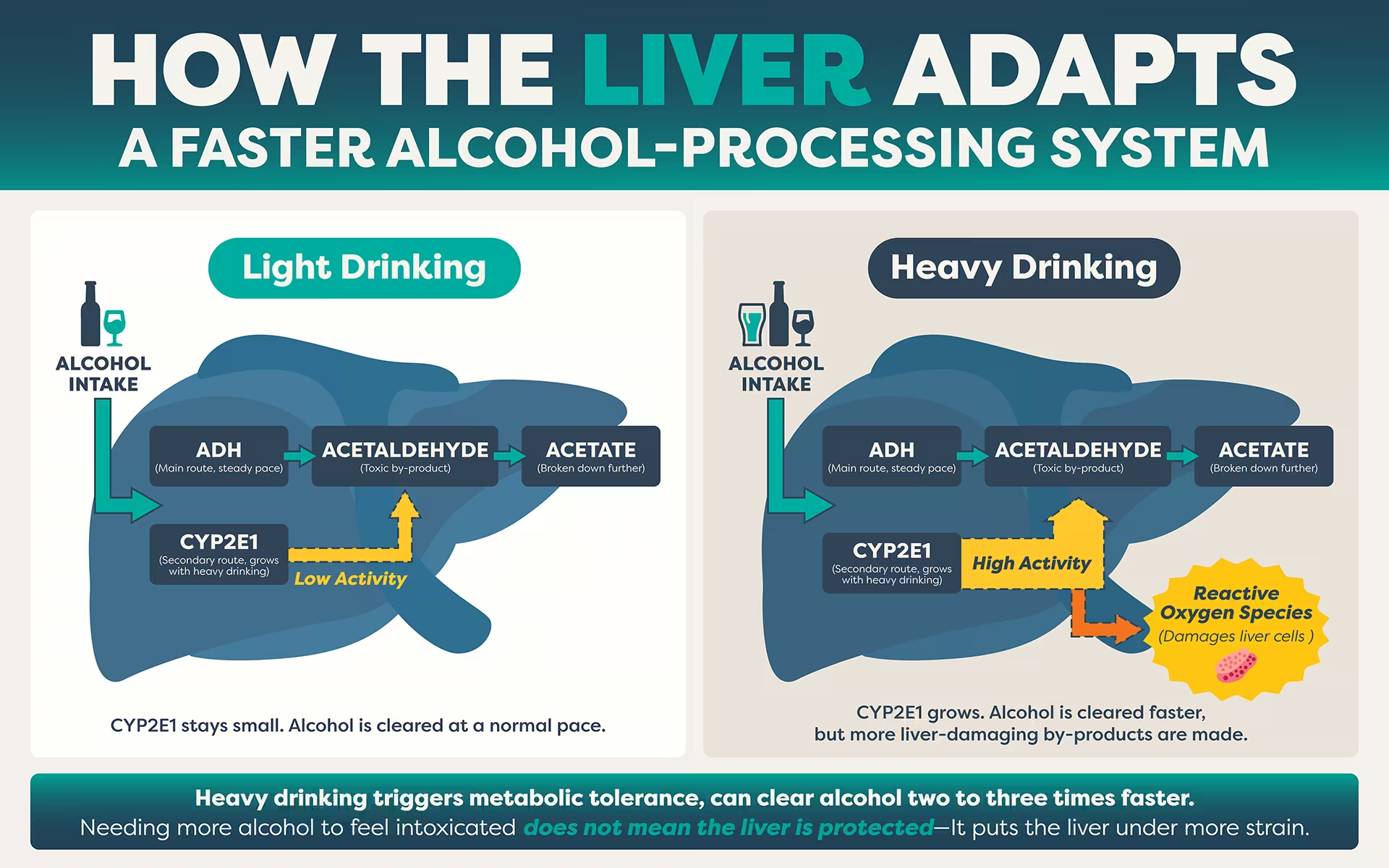
Most alcohol is broken down in the liver by an enzyme called alcohol dehydrogenase (ADH). There is also another pathway involving cytochrome P450 2E1, better known as CYP2E1.
Regular heavy drinking can increase the amount of CYP2E1 in the liver. This is known as metabolic tolerance. Once it develops, alcohol can be cleared from the blood two to three times faster than in a moderate drinker (ScienceDirect).
That can contribute to the familiar experience of needing more alcohol than before to reach the same level of intoxication. It does not mean the liver is healthier or better protected.
Faster processing comes with a cost
CYP2E1 does more than process alcohol. It also produces reactive oxygen species, unstable molecules that can damage liver cells and are thought to contribute to alcohol-related liver injury.
CYP2E1 is also involved in processing paracetamol (acetaminophen). Chronic heavy drinking can increase the liver’s exposure to toxic by-products from paracetamol (Lu and Cederbaum), which is why anyone drinking heavily should check with a doctor or pharmacist before taking it.
There is another important detail: this metabolic tolerance is not permanent. After several days without alcohol, the liver’s faster clearance rate can return towards the level seen without that tolerance. This is one reason a person may be at greater risk if they stop drinking for a while and then go straight back to the amount they were previously used to.
Looking sober is not the same as being sober
This is where high tolerance can become particularly misleading. A person can feel normal, speak normally and have little or no hangover while alcohol is still in their system, and even when the effects of drinking are not fully gone.
In one study, researchers breath-tested 193 university students the morning after a night of drinking and found that 81.3% still had alcohol in their system. Another study found impaired driving performance the morning after social drinking, even where alcohol was no longer detectable.
Those studies were carried out in students and social drinkers rather than people with very high tolerance, so they should not be treated as a direct measure of next-day impairment in dependent drinkers. The useful point is simpler: how you feel is not a reliable test of whether you are safe to drive, work or make important decisions.
Tolerance can make that judgement even harder because the usual internal feeling of intoxication becomes less noticeable.
How you feel is not a reliable test of whether you are safe to drive, work or make important decisions.
Is a high tolerance a sign of alcoholism?
Not by itself. But tolerance is one of the 11 criteria used when clinicians assess alcohol use disorder (AUD), the medical term for what is often called alcoholism.
The DSM-5 describes tolerance as either needing substantially more alcohol to get the effect you want, or finding that your usual amount has much less effect than before. Withdrawal is a separate criterion. Depending on how many criteria are present over the previous year, AUD can be classified as mild, moderate or severe.
There is also research suggesting that people who naturally feel less of alcohol’s effects may be at higher risk of developing problems with drinking. One well-known study by psychiatrist Marc Schuckit found an association between a low response to alcohol in young men and later alcohol dependence. Later research has produced different findings, including a 2019 study that found a higher response predicted future AUD in a group of young adult drinkers. Researchers continue to debate how these results fit together.
For everyday purposes, the more useful question is whether your tolerance has increased because your drinking has increased. A rising tolerance tells you that your body has been adapting to repeated exposure. It does not tell you that you are coping with alcohol particularly well.
How to tell if someone may be an alcoholic when they never seem drunk
When tolerance is high, watching for obvious drunkenness is not especially useful. Look at the pattern of drinking over time instead.
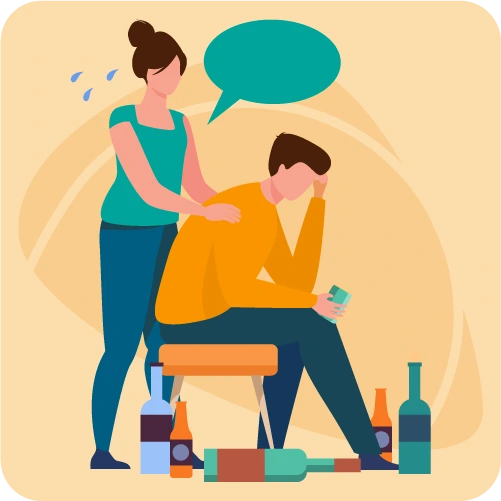
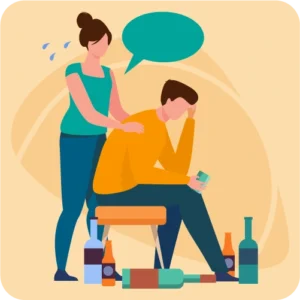
None of these points, on its own, proves that someone has AUD. Taken together, particularly when the pattern is persistent, they are worth discussing with a doctor or addiction professional. NIAAA also provides a free Rethinking Drinking tool for people who want to look more closely at their drinking, and our functioning alcoholism checklist offers a fuller self-check.
If you are worried about someone close to you, try talking about what you have actually noticed rather than arguing about whether they have a drinking problem. “I have noticed you need a drink first thing in the morning” is easier to hear than “You are an alcoholic”. The aim is to open a conversation about health and habits, not win an argument.
Many people can also have a serious alcohol problem while appearing successful, reliable or high functioning at work. Our article on high-functioning alcoholism looks at that common pattern in more detail.
Why stopping suddenly can be dangerous
For someone who drinks heavily every day, stopping suddenly can carry a real risk of alcohol withdrawal. The same brain changes that contribute to tolerance can leave the nervous system overactive when alcohol is removed.
Withdrawal can range from tremor, anxiety and sleep problems to seizures and delirium tremens (DTs), the most severe form of alcohol withdrawal. Around 5% of people in alcohol withdrawal go on to develop DTs (delirium tremens), and severe cases require emergency medical treatment.
Withdrawal can also become more severe after repeated cycles of stopping and restarting. That is one reason it is important not to assume that a previous attempt to quit tells you how the next one will go.
If you drink heavily every day, speak to a doctor before stopping. Medically supervised withdrawal can make the process considerably safer and more manageable.
How The Cabin can help
The Cabin Chiang Mai has treated more than 7,000 clients since 2009. We are licensed by the Thai Ministry of Public Health and accredited by the Healthcare Accreditation Institute of Thailand.
For people who are dependent on alcohol, treatment starts with medical withdrawal supervision. The programme is supported by 24-hour nursing and a full-time psychiatrist, so withdrawal can be monitored and treated safely upon our clients’ arrival. Once the acute withdrawal phase is under control, treatment focuses on the reasons drinking became difficult to manage and the practical work of building a new lifestyle and routine without alcohol.
Therapy is comprehensive and evidence-based, with no more than 4 clients per counsellor. Families are included too: our eight-week online family programme helps partners and parents understand what their loved one is experiencing, while our continuing care groups and 1-1 counselling provide support after discharge.
If you are concerned about your own drinking or someone else’s, you can contact us for a confidential conversation with our admissions team. There is no obligation to enter treatment, and you do not need to wait until things have become a crisis before asking questions.

What you might be thinking right now
What Clients Say About Us

Ryan Erispe
Ryan Erispe, the Clinical Director at the Cabin’s therapeutic team, is originally from South Africa, where his career began as an addiction therapist. He has extensive experience in the addiction treatment industry, including leading teams in international treatment centres, developing programmes, and pioneering addiction treatment in a country that previously had no in-patient addiction treatment centres. Ryan has pursued studies in psychology and counselling, utilising his field experience and personal experiences to mentor teams and enhance client care. As a trauma-informed therapist, Ryan prioritises progressive, evidence-based, client-centred care. His passion lies in guiding clients to reclaim their sense of personal agency and feel empowered to effect change in their lives. Ryan’s industry knowledge and unwavering commitment to providing the best possible addiction treatment come together as he manages and mentors therapists and implements groundbreaking programmes, resulting in a service grounded in passion and values.