Ashwagandha and alcohol present specific biological challenges (increased sedation and drowsiness) for the human body. The interaction centers on additive central nervous system depression. Ashwagandha serves as an adaptogen that modulates the Gamma-Aminobutyric Acid (GABA) receptors in the brain. Withania somnifera extracts may influence GABAergic signaling and stress-response pathways. Alcohol acts as a central nervous system depressant that increases GABA activity. Combining Ashwagandha and alcohol leads to excessive sedation and respiratory slowing. Additive GABAergic effects reduce alertness, coordination, and reaction time. Risk factors include dosage size, metabolic health, and concurrent use of other sedative drugs. Individuals using benzodiazepines, sleep aids, or antidepressants face higher vulnerability. Physiological side effects manifest as extreme lethargy and motor impairment. Waiting several hours between ingestion and drinking is required to minimize hazards. Although spacing intake may reduce peak overlap, it does not eliminate cumulative depressant effects. Serious risks involve loss of consciousness and profound cognitive dulling. Ethanol makes the herbal effects feel much more intense. Perceived intoxication may increase even at lower alcohol quantities. Sobriety remains the safest choice during supplementation. A specific Ashwagandha and alcohol interaction exists within the nervous system, particularly through shared modulation of inhibitory neurotransmission.
Can you Drink Alcohol While Taking Ashwagandha?
No, you cannot drink alcohol while taking Ashwagandha. The combination increases central nervous system depression and impairs cognitive function. Ashwagandha acts as an adaptogen that modulates stress responses through GABAergic signaling. Extracts of Withania somnifera enhance inhibitory neurotransmission and promote relaxation. Alcohol functions as a central nervous system depressant that slows brain activity. Mixing Ashwagandha and alcohol produces additive sedation and physical impairment. Increased GABA activity reduces alertness, coordination, and reaction time. Excessive inhibition increases dizziness, confusion, and motor instability. Respiratory rate may decline in sensitive individuals. Concomitant use with other sedative medications raises the risk of slowed breathing. Cognitive clarity declines when the nervous system experiences dual depressant exposure. Regular combined intake may reinforce sedation patterns over time, particularly in cases involving addiction to alcohol.
What Happens If You Mix Ashwagandha and Alcohol?
Adverse physical and mental changes (excessive sedation, dizziness and lightheadedness, impaired motor coordination) happen if you mix Ashwagandha and alcohol. The interaction reflects additive central nervous system depression through overlapping GABAergic activity. Ashwagandha increases the activity of gamma-aminobutyric acid in the brain to reduce anxiety. Alcohol binds to the same receptors to produce feelings of relaxation and drunkenness. Ethanol enhances inhibitory neurotransmission, which amplifies sedation when combined with adaptogenic supplements. Combining the substances leads to a state of profound lethargy that interferes with daily tasks. Reaction time slows and alertness declines. Motor coordination fails as the cerebellum receives conflicting signals from Ashwagandha and alcohol. Balance and spatial awareness weaken, which elevates fall risk. Judgment becomes severely clouded, leading to risky behaviors or accidents. Mood swings manifest as the sedative effects wear off and leave the nervous system in a state of stress. Rebound irritability or anxiety may follow intoxication. Physical symptoms include a slowed heart rate and reduced reaction times. Excessive intake may also lower blood pressure in susceptible individuals. Long-term use of the mixture damages the natural stress response of the body. Chronic combined exposure may blunt adaptive stress signaling pathways. Worsening depression occurs when the brain remains in a constant state of suppression. Mental health professionals report a high incidence of falls and injuries in patients using alcohol and Ashwagandha simultaneously, particularly among individuals taking other sedative medications.
Does Alcohol Affect How Ashwagandha Works in the Body?
Yes, alcohol affects how Ashwagandha works in the body. The interaction alters neurochemical balance and stress response regulation. Ashwagandha balances cortisol levels and supports neurotransmitter regulation. Extracts of Withania somnifera modulate hypothalamic–pituitary–adrenal axis activity and support GABAergic signaling. Alcohol disrupts endocrine function and causes fluctuations in serotonin and dopamine. Ethanol stimulates short-term dopamine release followed by rebound neurochemical suppression. Alcohol counteracts stress-modulating benefits by increasing cortisol variability and impairing adaptive signaling. Liver metabolism prioritizes ethanol breakdown and may influence the processing of herbal compounds. Hepatic enzyme activity shifts during alcohol metabolism, which affects systemic tolerance. Mixing Ashwagandha and alcohol creates an unpredictable physiologic environment with additive sedative effects and hormonal instability. Chronic intake increases liver strain when combined with high-dose supplementation, particularly since alcohol remains one of the most abused substances worldwide.
Do Healthcare Professionals Recommend Avoiding Alcohol when Taking Ashwagandha?
Yes, healthcare professionals recommend avoiding alcohol when taking Ashwagandha. Clinical guidance focuses on minimizing additive central nervous system depression. Doctors prioritize patient safety by discouraging the use of multiple central nervous system depressants. Supplementation with adaptogens requires a stable internal environment to produce consistent results. Alcohol introduces neurochemical variability that may counteract stress-regulating benefits. Alcohol consumption introduces a toxin that stresses the liver and kidneys during the treatment phase. Hepatic metabolism must process ethanol first, which may influence overall systemic balance. Medical experts observe increased rates of over-sedation in users combining these substances. Reaction times slow down significantly, making driving a vehicle dangerous. Impaired coordination and delayed reflexes increase accident risk. Pharmacists warn against the additive effects on respiratory function. Staying sober ensures the herb addresses stress without causing physical harm, particularly for individuals using other sedative medications or managing anxiety-related conditions.
What are the Side Effects of Combining Ashwagandha and Alcohol?
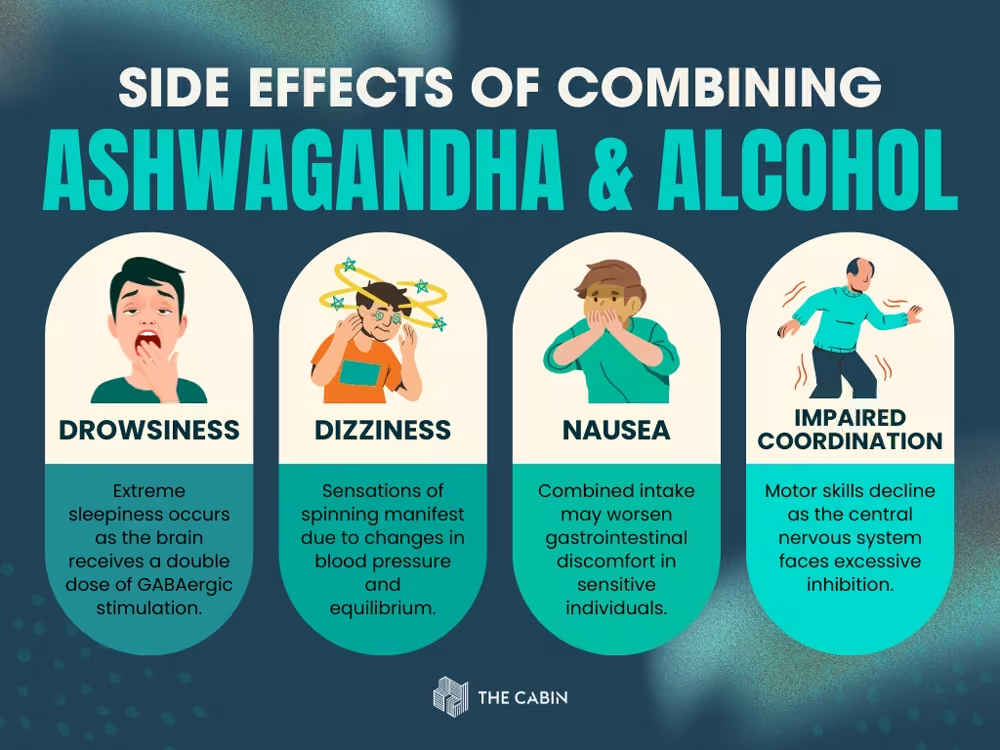
The Side Effects of Combining Ashwagandha and Alcohol are listed below. These effects result from additive GABAergic activity and central nervous system depression.
- Drowsiness: Extreme sleepiness occurs as the brain receives a double dose of GABAergic stimulation. The user struggles to stay awake during normal social interactions. Reaction time slows and alertness declines significantly.
- Dizziness: Sensations of spinning or lightheadedness manifest due to changes in blood pressure and equilibrium. Standing up quickly results in a loss of balance. Orthostatic shifts may intensify instability and increase fall risk.
- Nausea: Stomach upset follows the irritation of the gastric lining by the liquid ethanol. Digestion slows down as the body focuses on processing the toxic substances. Combined intake may worsen gastrointestinal discomfort in sensitive individuals.
- Impaired coordination: Motor skills decline as the central nervous system faces excessive inhibition. Walking in a straight line or performing fine tasks becomes impossible. Reduced cerebellar function compromises balance, precision, and spatial awareness.
Individuals using other sedative medications or managing anxiety disorders should exercise additional caution, because overlapping depressant effects increase the likelihood of accidents or excessive sedation.
What are the Most Common Side Effects Reported when Both are Used Together?
The most common side effects reported when both are used together involve excessive sedation and physical instability. Additive central nervous system depression explains the majority of these reactions. Users report feeling a heavy sense of exhaustion that lasts for 12 to 24 hours after consumption. Prolonged fatigue may reflect slowed neurological recovery and disrupted sleep architecture. Physical weakness makes it difficult to participate in exercise or physical labor. Nausea and vomiting occur frequently when the stomach struggles with the combination of herbal compounds and ethanol. Gastrointestinal irritation and delayed gastric emptying may intensify discomfort. Heart rates slow down to levels that cause a feeling of faintness or anxiety. Blood pressure fluctuations may contribute to lightheadedness or near-syncope. Cognitive fog prevents clear thinking and memory recall during the peak effects. Executive function and attention span decline under combined inhibitory signaling. Sleep quality suffers as the brain fails to enter deep Rapid Eye Movement (REM) cycles under the influence of the mixture. Users notice a significant increase in the time required to recover from a single drink. Muscle relaxation reaches a point where accidental falls become a primary safety concern. Reduced coordination and delayed reflexes elevate injury risk. Long-term usage patterns lead to persistent morning grogginess and a lack of motivation, particularly in individuals using additional sedative medications.
Does Ashwagandha Interact With Alcohol or Cause Dangerous Reactions?
Ashwagandha interacts with alcohol to cause potentially dangerous reactions. The interaction centers on additive central nervous system depression through overlapping inhibitory pathways. Central nervous system depression reaches a critical state when both substances target the same inhibitory mechanisms. Heightened intoxication occurs because the body is already in a state of chemical relaxation. GABAergic signaling may become excessively amplified, which reduces alertness and motor control. Serious risks include loss of consciousness and suppressed breathing patterns. Individuals using benzodiazepines, opioids, or sleep aids face higher risk of respiratory slowing. Federal guidelines warn against mixing supplements with intoxicants to prevent accidental injury. Health authorities consistently advise caution when combining CNS-active substances. Serotonin syndrome is not directly linked to Ashwagandha alone, yet combining multiple psychotropic agents with alcohol increases overall neurological unpredictability. Medical sources emphasize the unpredictability of herbal interactions within the human body. Extreme lethargy prevents the user from reacting to emergency situations effectively, which elevates the risk of falls, accidents, or delayed response to medical symptoms.
Can you Drink Wine, Beer, or Liquor While on Ashwagandha?
No, you cannot drink wine, beer, or liquor while on Ashwagandha. The primary concern is additive central nervous system depression from shared GABAergic effects. Every type of alcoholic beverage contains ethanol that produces a sedative effect on the brain. Risk levels rise according to the total volume of ethanol consumed during the day. Ethanol dose, not beverage type, determines neurological impact. Small amounts of beer still trigger a noticeable drop in mental alertness. Liquor provides a concentrated dose of depressant that increases sedation intensity and impairs coordination. Rapid absorption of high-proof alcohol may amplify dizziness and motor instability. Individualized health status dictates the severity of the physical reaction to the mixture. Factors such as body weight, liver function, concurrent medications, and supplement dosage influence tolerance. Complete avoidance remains the only way to ensure the supplement works as intended. Monitoring alcohol drinking habits helps prevent long-term health complications, particularly in individuals using other sedative agents or managing anxiety-related conditions.
How Long After Taking Ashwagandha can I Drink Alcohol Safely?
There is no clearly established “safe” waiting period between Ashwagandha and alcohol. The sedative interaction depends on dose, frequency of use, and individual metabolism rather than a fixed hourly cutoff. Ashwagandha has a half-life that varies between consumers based on age and metabolic rate. Standardized extracts do not have a universally defined elimination timeline. The herb remains active in the system for twelve to twenty-four hours after ingestion. Physiological effects on stress pathways and GABA signaling may persist beyond measurable blood levels. Long-term users accumulate the active compounds in their tissues, necessitating a longer waiting period. Regular supplementation may create sustained neurochemical modulation rather than discrete on-off effects. Safe intervals reduce the likelihood of peak overlap in sedative effects. Liver clearance speeds determine how quickly the body processes herbal constituents and ethanol. Hepatic metabolism prioritizes alcohol, which may temporarily alter systemic balance. Consistent sobriety allows the brain to return to a baseline state of neurotransmitter activity. Avoiding the mixture protects overall physiological stability and reduces cumulative sedative burden. The safest approach during supplementation is minimizing or avoiding alcohol, especially for individuals using other CNS-active substances.
Can I Take Ashwagandha After Drinking Alcohol?
No, you should not take Ashwagandha immediately after drinking alcohol. Combining the two during active intoxication increases additive central nervous system depression. Resuming supplementation while intoxicated leads to an immediate and potentially excessive spike in sedation. Overlapping GABAergic effects may intensify drowsiness, slowed reaction time, and impaired coordination. Nausea and vomiting occur as the stomach reacts to the herbal compounds and ethanol. Gastrointestinal irritation may worsen when both substances are present simultaneously.
A delay in the onset of the herb’s calming effects may occur as the liver prioritizes alcohol metabolism. Hepatic processing focuses on ethanol clearance before handling other bioactive compounds. Risk of adverse reactions (fainting) increases during the peak of intoxication. Blood pressure fluctuations and dehydration may contribute to lightheadedness or near-syncope. Consulting a healthcare provider is necessary before restarting any supplement routine, particularly for individuals using other sedative agents or managing anxiety-related conditions. Staying hydrated helps the body recover before introducing additional compounds, which supports safer metabolic balance and neurological stability.
Does Alcohol Reduce the Effectiveness of Ashwagandha or Its Benefits for Stress, Anxiety, and Sleep Disorders?
Yes, alcohol can reduce the effectiveness of Ashwagandha for stress, anxiety, and sleep support. Ethanol disrupts the same neuroendocrine pathways that Ashwagandha aims to regulate. Alcohol acts as a chemical stressor that raises cortisol levels after the initial sedative effect fades. Ashwagandha works to lower cortisol and support hypothalamic–pituitary–adrenal (HPA) axis balance, creating a counterproductive cycle within the endocrine system when alcohol is present. Opposing effects on stress hormones weaken the herb’s adaptogenic impact. Mental health consequences may include a return of anxiety symptoms or low mood during alcohol rebound phases. Alcohol-related neurotransmitter fluctuations can destabilize emotional regulation. Sleep disorders worsen as alcohol prevents the brain from achieving restorative rest and deep REM cycles. Fragmented sleep reduces the perceived calming benefits of supplementation. Chronic alcohol use may blunt adaptive stress responses, which can reduce the noticeable benefits of adaptogenic herbs. Consistent alcohol intake narrows the therapeutic window by introducing hormonal variability and central nervous system suppression. Minimizing or avoiding alcohol supports more predictable stress reduction, improved sleep quality, and steadier mood outcomes during Ashwagandha supplementation.
What should you do If You Accidentally Drink Alcohol While Taking Ashwagandha?
You should follow the steps below if you accidentally drink alcohol while taking Ashwagandha. Immediate precautions reduce the risk of excessive central nervous system depression.
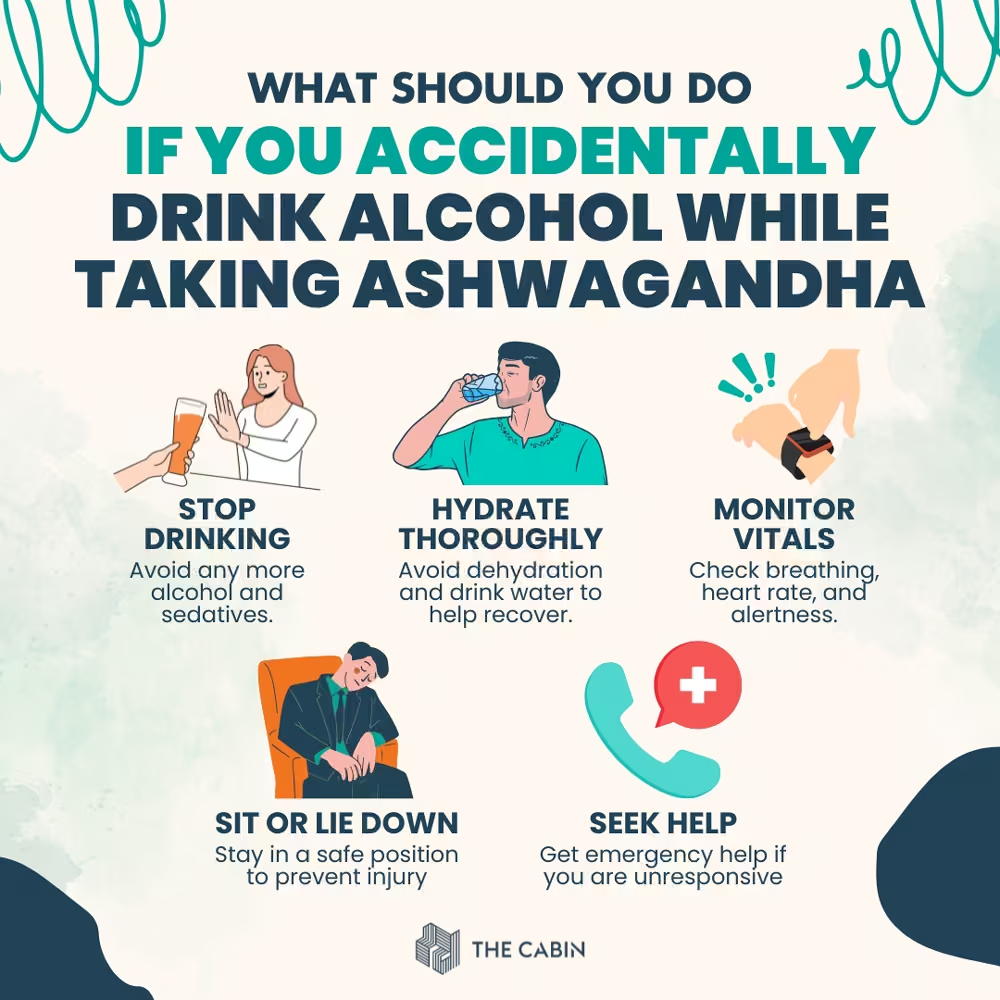
- Stop drinking. Cease all intake of ethanol immediately to prevent further nervous system depression. Avoid additional sedatives or sleep aids during this period.
- Hydrate thoroughly. Drink adequate amounts of water to support metabolic recovery and reduce dehydration. Proper hydration may lessen dizziness and headache severity.
- Monitor vitals. Observe breathing rate, heart rate, and level of alertness for any significant slowing or irregularities. Watch for confusion, extreme drowsiness, or difficulty staying awake.
- Sit or lie down. Remain in a safe, seated or lying position to prevent injury from sudden dizziness or balance loss. Stand up slowly to reduce the risk of orthostatic lightheadedness.
- Seek medical help if needed. Contact a healthcare professional immediately if breathing becomes difficult, chest tightness occurs, severe confusion develops, or loss of consciousness happens. Emergency care is required if respiratory slowing or unresponsiveness appears.
Avoid resuming alcohol intake and consider spacing future supplement use from social drinking, because additive GABAergic effects increase sedation and accident risk.
Are There Safer Ways to Consume Alcohol While on Ashwagandha?
No, there are no reliably safer ways to consume alcohol while taking Ashwagandha. The primary concern is additive central nervous system depression through overlapping GABA-related pathways. Moderation fails to eliminate the risk of excessive sedation and impaired coordination. While severe respiratory depression is uncommon in healthy individuals, sedation and slowed reaction time remain clinically relevant risks. Low-alcohol options still contribute to the chemical suppression of the brain. Ethanol dose, not beverage type, determines neurological impact. Spacing doses and drinking may create a false sense of security while both substances remain active in the system. Sedative overlap can still occur despite time gaps, especially with repeated intake. Expert recommendations suggest abstinence to protect the integrity of stress-support supplementation. Situation-dependent risks (driving or swimming) increase the danger of even a single drink. Clinical specialists advise against experimenting with the substances together, particularly for individuals using additional sedative medications or managing anxiety-related conditions.
Can Mixing Ashwagandha With Alcohol Affect Mood or Mental Health?
Yes, mixing Ashwagandha with alcohol can negatively affect mood and mental health. The interaction alters neurotransmitter balance and disrupts emotional regulation. Alcohol serves as a depressant that triggers feelings of sadness and anxiety during the rebound or withdrawal phase. Short-term dopamine elevation is often followed by compensatory neurochemical suppression. Interaction with the herb may lead to emotional blunting and reduced motivation. Additive GABAergic effects can dampen emotional responsiveness and cognitive clarity. Behavioral implications include increased irritability and poor social judgment. Cognitive function declines as the brain loses the clarity required for stable emotional processing. Executive function and impulse control weaken under combined central nervous system suppression. Repeated combined use may contribute to mood instability, especially in individuals prone to anxiety or depressive symptoms. Mental stability benefits from minimizing intoxicating substances that disrupt stress-regulation pathways. Avoiding alcohol during supplementation supports more consistent stress adaptation and emotional balance.
Can Drinking Alcohol With Ashwagandha Increase Risk of Serotonin Syndrome?
No, drinking alcohol with Ashwagandha does not directly increase the risk of serotonin syndrome. Ashwagandha does not significantly elevate serotonin levels in a way that typically triggers serotonergic toxicity. Serotonin syndrome involves a dangerous buildup of serotonin that causes tremors, agitation, rapid heart rate, high blood pressure, fever, and muscle rigidity. Severe cases may include hyperthermia, confusion, and seizures requiring emergency medical care. The condition is most commonly associated with medications that directly increase serotonin activity, such as selective serotonin reuptake inhibitors (SSRIs), serotonin–norepinephrine reuptake inhibitors (SNRIs), monoamine oxidase inhibitors, or certain migraine treatments. Alcohol contributes to heightened central nervous system effects when combined with psychiatric medications, yet this effect differs from true serotonin syndrome. Additive sedation, impaired coordination, and mood instability are more likely outcomes than serotonergic toxicity. Healthcare professionals recommend caution when combining supplements with alcohol, because overlapping neurological effects may increase sedation or cognitive impairment. Safety protocols suggest keeping the two substances separate to reduce unpredictable central nervous system effects and preserve emotional stability.
Is One Glass of Wine Safe While on Ashwagandha or Losartan?
No, having a single glass of wine is not universally considered safe while using Ashwagandha or Losartan. Both substances can amplify alcohol’s cardiovascular and neurological effects. Safety depends on body weight, age, liver health, baseline blood pressure, and concurrent medications. Small quantities of ethanol still produce measurable reductions in mental focus and motor control. Even low doses may intensify dizziness when combined with blood pressure lowering agents. Ashwagandha enhances GABA related calming pathways, and alcohol increases inhibitory neurotransmission. Additive central nervous system depression increases sedation and impairs coordination. Losartan, an angiotensin II receptor blocker used to lower blood pressure, compounds alcohol related vasodilation. Similar cardiovascular instability occurs with alcohol with propranolol, since beta blockade and ethanol together increase the risk of orthostatic hypotension, lightheadedness, or fainting. Expert guidance favors limiting or avoiding alcohol during therapy. The dosage size of supplements or antihypertensive medication influences reaction intensity. Individuals taking additional cardiovascular or sedative agents face greater instability due to overlapping physiologic effects.
Can Ashwagandha Make you Feel Alcohol’s Effects More Strongly?
Yes, Ashwagandha can make you feel alcohol’s effects more strongly. The interaction reflects additive central nervous system depression through overlapping GABA-related pathways. Improved sedation occurs as brain receptors receive dual inhibitory signals from the herb and ethanol. Reaction time slows and alertness decreases more quickly than with alcohol alone. Dizziness and impaired coordination manifest after only a small amount of alcohol. Heightened intoxication increases the risk of household accidents and falls. Balance instability and delayed reflexes elevate injury risk. Normal alcohol response patterns may shift toward deeper lethargy and reduced mental clarity. Some individuals may perceive stronger intoxication at lower alcohol quantities, particularly if they are sensitive to sedative effects. Avoiding simultaneous use supports clearer cognition, safer motor control, and more predictable neurological responses.
How Much Alcohol can you drink while managing stress, Anxiety, and Sleep Disorders Like Ashwagandha?
You can drink zero alcohol while managing stress, anxiety, and sleep disorders with Ashwagandha. Avoidance minimizes additive central nervous system depression and hormonal instability. General guidelines for herbal stress-support remedies suggest limiting or eliminating ethanol during active treatment. Alcohol disrupts cortisol balance and interferes with restorative sleep cycles. Individual variation in liver enzymes and nervous system sensitivity makes each drink unpredictable. Healthcare consultation provides a personalized plan for managing social situations without liquor. Alternative strategies for social settings include choosing herbal teas, sparkling water, or alcohol-free beverages. Substitutions reduce peer pressure while preserving neurological stability. Maintaining a stable internal environment supports the supplement’s role in modulating stress pathways and promoting calmness. Binge drinking triggers rebound anxiety and fragmented sleep. Acute intoxication may temporarily relax the body, yet withdrawal phases often intensify anxiety symptoms. Safety improves when the brain operates without intoxicating substances that suppress cognitive function. Protecting the body from repeated chemical stress supports long-term mental wellness and sleep quality. It is hazardous to drink alcohol with stress, anxiety, and sleep disorders, especially when the goal is consistent mood regulation and nervous system balance.
Can Fatigue or Grogginess Last Longer after Drinking?
Yes, fatigue and grogginess can last longer after drinking while taking Ashwagandha. Additive central nervous system depression may prolong post-intoxication sluggishness. The liver processes alcohol first, and systemic recovery may temporarily delay a return to baseline alertness. Although Ashwagandha does not share identical metabolic pathways with ethanol, overlapping sedative effects can extend perceived fatigue. Sleepiness may persist into the next day following alcohol consumption. Alcohol disrupts REM sleep and deep sleep cycles, which reduces restorative rest. Cognitive functions (memory and focus) remain impaired for an extended period. Executive function and reaction time may take several hours to normalize. Muscle weakness and lethargy can delay a return to a regular routine. Recovery from a hangover may feel prolonged when sedative supplements are present, particularly in individuals sensitive to GABA-related effects or using other CNS-active substances. Minimizing or avoiding alcohol during supplementation supports quicker cognitive recovery and more stable energy levels.
Take charge of your recovery and make empowering choices today!
Imagine a brighter, healthier future where alcohol no longer holds you back. If you’ve felt the effects of alcohol on your health, now is the ideal moment to reflect on your habits. At The Cabin Chiang Mai, we’re here to support you every step of the way. Our team provides professional guidance and custom, evidence-based treatments tailored to you, all at competitive prices. Reach out to us today, and we’ll respond within 24 hours!