Ephedrine is a medication to treat breathing issues such as asthma or bronchitis by relaxing airway muscles, increasing heart rate, and stimulating the central nervous system to improve airflow and alertness.
Ephedrine is misused for purposes such as weight loss, increased athletic performance, and increased energy, but its stimulating effects cause serious health risks when overused or abused. Ephedrine addiction develops when users rely on its stimulating properties for energy, appetite suppression, or mood elevation. The body builds a tolerance, leading individuals to take higher doses, increasing the risk of dependency.
Ephedrine addiction is characterized by symptoms such as restlessness, rapid heart rate, insomnia, anxiety, high blood pressure, and mood swings, and in severe cases, it results in heart problems, psychological dependence, or withdrawal symptoms upon discontinuation.Misusing ephedrine, including products like Bronkaid, poses serious health and addiction risks, and it must be used under proper medical supervision.
What is Ephedrine?
Ephedrine is a naturally occurring alkaloid and stimulant derived from the Ephedra plant, used as a bronchodilator and decongestant in the treatment of respiratory conditions like asthma, bronchitis, and nasal congestion. Ephedrine stimulates the central nervous system, increases heart rate, and expands the airways, making it easier to breathe. It has thermogenic and appetite-suppressing effects, which have led to its misuse for weight loss and performance improvement.
What is Ephedrine used for?
Ephedrine is used as a bronchodilator and decongestant to treat breathing disorders such as asthma, bronchitis, and nasal congestion. Ephedrine stimulates the sympathetic nervous system to relax the muscles around the airways, promoting easier breathing. It is administered to prevent low blood pressure during spinal anesthesia and to manage some instances of hypotension. Its stimulant properties have led to historical off-label use for weight loss and athletic performance improvement. The FDA has banned the sale of dietary supplements containing ephedrine alkaloids due to their association with serious cardiovascular and neurological side effects.
How does Ephedrine work in the body?
Ephedrine works in the body by stimulating the adrenergic receptors of the sympathetic nervous system, leading to increased heart rate, elevated blood pressure, and relaxation of bronchial smooth muscles. Ephedrine crosses the blood-brain barrier, producing central nervous system stimulation that reduces fatigue and suppresses appetite. Its physiological effects explain its medical use in treating asthma, bronchitis, and hypotension, as well as its historical misuse for weight loss and performance improvement. The exact mechanisms that provide therapeutic benefits lead to adverse effects such as arrhythmias, anxiety, insomnia, and dependence, particularly when used in high doses or without medical supervision.
Is Ephedrine addictive?
Yes, ephedrine is addictive. Ephedrine stimulates the central nervous system in a manner similar to amphetamines, which leads to psychological dependence when used frequently or in high doses. Users develop a tolerance, requiring increasingly larger amounts to achieve the same effects, such as increased energy, alertness, or weight loss. Patterns of use lead to compulsive behavior and addiction. Withdrawal symptoms such as fatigue, depression, irritability, and difficulty concentrating occur when use is stopped abruptly. The risks of ephedrine must be used under medical supervision and never for extended or non-medical purposes.
How does Ephedrine work in the body?
The signs of Ephedrine addiction are listed below.
- Increased Tolerance: Needing higher doses of ephedrine over time to achieve the same stimulating effects.
- Compulsive Use: Continuing to take ephedrine despite negative health or social consequences causes addiction.
- Psychological Dependence: Relying on ephedrine for energy, mood improvement, or mental alertness.
- Physical Symptoms: Experiencing restlessness, rapid heart rate, high blood pressure, insomnia, or tremors.
- Mood Disturbances: Displaying anxiety, irritability, agitation, or sudden mood swings.
- Withdrawal Symptoms: Suffering from fatigue, depression, or mental fog when stopping ephedrine use.
- Obsessive Behaviour: Spending excessive time obtaining, using, or recovering from the effects of ephedrine.
- Social or Occupational Impairment: Neglecting responsibilities at work, school, or in relationships due to continued use.
What is the Safe Dosage for Ephedrine?
The safe dosage for ephedrine is 12.5 – 25 milligrams every 4 to 6 hours, not to exceed 150 milligrams in 24 hours. The ephedrine dosage range is considered adequate for short-term relief of asthma symptoms and nasal congestion when used under medical supervision. The recommended limits help minimize the risk of side effects such as elevated heart rate, high blood pressure, nervousness, and insomnia. Exceeding the safe dosage increases the likelihood of serious cardiovascular and neurological complications, including arrhythmias, stroke, or seizure. Ephedrine acts as a central nervous system stimulant, prolonged or unsupervised use leads to tolerance, dependence, and addiction. It must only be used according to dosing guidelines and for the shortest duration necessary.
How long does Ephedrine stay in your system?
Ephedrine stays in your system for about 3 to 6 hours, with a biological half-life ranging from 3 to 6 hours, depending on individual factors. The duration varies based on factors such as age, kidney function, metabolic rate, dosage, and frequency of use. Ephedrine is primarily excreted unchanged in the urine, so individuals with impaired renal function retain the drug longer. Its stimulant effects are most pronounced within the first few hours after ingestion, trace amounts are presently detectable in urine for 1 to 2 days following use, especially in drug screening scenarios.
What are the Common Side Effects of Ephedrine?
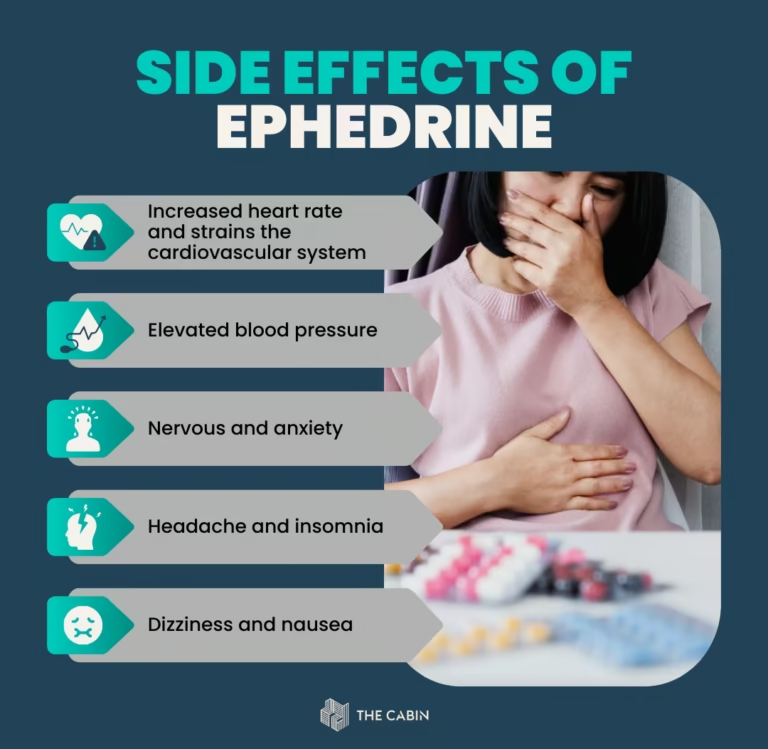
Common side effects of ephedrine include increased heart rate, elevated blood pressure, nervousness, insomnia, dizziness, headache, and nausea. The side effects result from ephedrine’s stimulation of the central nervous system and its action on adrenergic receptors. Ephedrine promotes alertness and physical energy, but places additional strain on the cardiovascular system by increasing the release of norepinephrine. The effects escalate into more serious issues, such as heart palpitations or anxiety, in some individuals with underlying health conditions. Prolonged use or high doses increase the severity and frequency of its side effects, highlighting the importance of using ephedrine only under proper medical supervision.
What are the Risks of using Ephedrine?
The risks of using ephedrine include cardiovascular complications, psychological dependence, insomnia, anxiety, and potential drug interactions. Ephedrine stimulates the heart and nervous system, which leads to serious cardiovascular events (high blood pressure, arrhythmias, heart palpitations, and, in extreme cases, heart attack and stroke) when taken in high doses or by individuals with pre-existing conditions. Its stimulant effects disrupt normal sleep patterns, cause jitteriness or restlessness, and increase the risk of anxiety or panic attacks. Repeated or prolonged use leads to psychological dependence, where users feel the need to continue taking ephedrine for energy or mood regulation. Ephedrine interacts dangerously with other medications, including antidepressants, stimulants, and specific over-the-counter cold remedies. Medical oversight is essential when using ephedrine because of the risks.
What are the Symptoms of Ephedrine overdose?
The symptoms of ephedrine overdose include rapid heart rate, high blood pressure, chest pain, severe agitation, hallucinations, tremors, seizures, and in extreme cases, stroke or cardiac arrest. The symptoms occur because an overdose overwhelms the body’s adrenergic system, causing excessive stimulation of the heart, brain, and vascular system. The central nervous system becomes hyperactive, leading to confusion, anxiety, paranoia, or psychosis. The body reacts with intense sweating, nausea, vomiting, and irregular heartbeat. The overstimulation triggers life-threatening events such as seizures, loss of consciousness, or sudden cardiovascular collapse in severe cases. Emergency medical attention is critical in cases of suspected ephedrine overdose to prevent permanent damage or death.
What are the Withdrawal Symptoms of Ephedrine?
The withdrawal symptoms of ephedrine include fatigue, depression, irritability, difficulty concentrating, anxiety, and sleep disturbances. Withdrawal symptoms occur as the body and brain adjust to the absence of the stimulant effects that ephedrine provides. Ephedrine increases the release of norepinephrine and stimulates the central nervous system, sudden cessation leads to a rebound effect marked by low energy, mood changes, and cognitive sluggishness. Individuals experience intense cravings, along with emotional instability, which increases the risk of relapse if not properly managed. The severity and duration of withdrawal symptoms vary depending on the dose, duration of use, and individual physiology, but symptoms begin within a few hours to a day after stopping use and last for several days to a week. Medical supervision and psychological support are recommended during withdrawal to ensure safe and successful recovery.
How is Ephedrine Addiction treated?

Ephedrine addiction is treated through a combination of medical supervision, behavioral therapy, and supportive care. The treatment involves the supervised discontinuation of ephedrine to safely manage withdrawal symptoms such as fatigue, depression, irritability, and sleep disturbances. early recovery is conducted in a clinical setting to monitor cardiovascular function and stabilize mood.
Behavioral therapies, including cognitive-behavioral therapy (CBT), are used to address the psychological aspects of addiction by helping individuals identify triggers, develop coping strategies, and change patterns of compulsive use. Support groups and counseling provide peer support and long-term recovery reinforcement. Medications are prescribed to manage anxiety, insomnia, or other symptoms associated with withdrawal in some instances. Comprehensive treatment plans are tailored to the individual’s medical history and severity of dependence, emphasizing sustained recovery and relapse prevention.
Find Your Healthier Self at The Cabin Chiang Mai Today
If you or someone you know is struggling with an ephedrine addiction, there is quality treatment available. At The Cabin Chiang Mai, we specialise in treating a variety of addictions. Our resort-style facilities are located on the river banks of Chiang Mai, Thailand, providing the most peaceful environment to heal from addiction. The time to seek help is now. Contact us today.

The Cabin Clinical Team
Our team boasts over 10 years of experience working with individuals struggling with addiction and mental health challenges. This extensive experience allows us to provide comprehensive assessments, develop personalized treatment plans, and deliver evidence-based interventions tailored to meet your unique needs.