Is dabbing safe? Discover the dangers of high-potency cannabis concentrates, including severe side effects and respiratory risks.
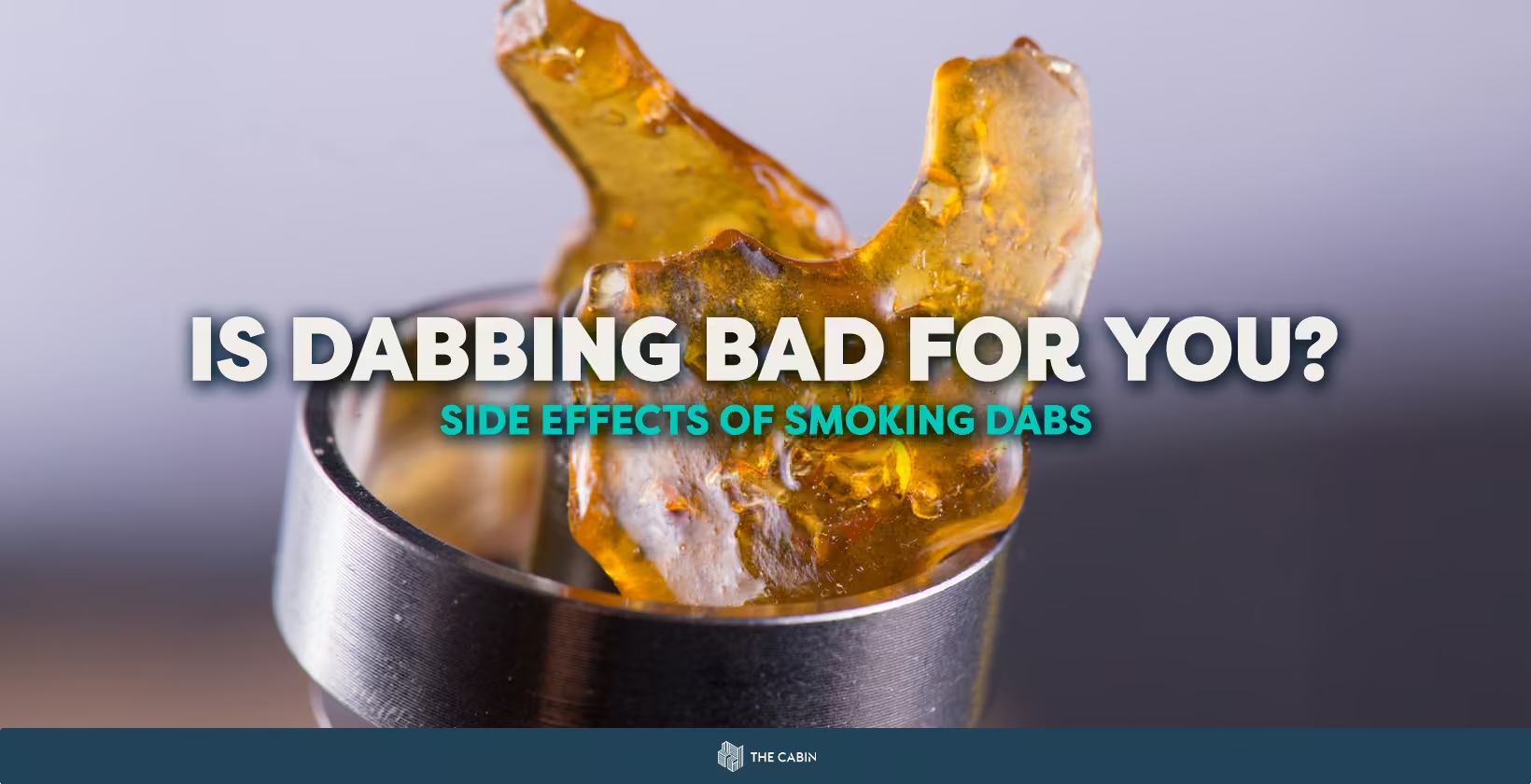
Yes, dabbing can be bad for you due to the high potency and concentrated nature of the product. Dabs are cannabis concentrates (wax, shatter, or oil) that contain extremely high levels of Tetrahydrocannabinol (THC) between 60 to 90%. They are consumed by heating a small amount on a dab rig or similar device and inhaling the vapour.
The side effects of dabs include both short-term and long-term consequences. Short-term effects may involve anxiety, paranoia, nausea, dizziness, increased heart rate, hallucinations, and temporarily impaired thinking. Long-term effects of dabs and dabbing effects on brain function can include memory loss, cognitive impairment, structural brain changes, decreased motivation, and an increased risk of dependency or addiction.
Serious dangers and risks include respiratory irritation from inhaling hot vapour, exposure to residual solvents or contaminants in poorly produced concentrates, and potential burns from handling extremely hot equipment.
Smoking regular cannabis delivers a much lower THC dose than dabs, which can lead to pronounced psychological and physical side effects. Overdosing on cannabis does not cause death, but excess consumption can cause anxiety, panic attacks, or even temporary psychosis. It is recommended to be used in moderation, with lab-tested products, and with safe practices.
What are Dabs?
Dabs are highly concentrated forms of cannabis, created to deliver a much stronger and faster-acting cannabis experience compared with traditional cannabis flower. The concentrates (wax, shatter, oil, and other extracts) are made by isolating the resinous trichomes from cannabis plant material. Trichomes contain the key cannabinoids, such as Tetrahydrocannabinol (THC) and Cannabidiol (CBD), along with terpenes, which are responsible for flavour and aroma. Dabs have a THC level of 60% to 90%, with some distillates exceeding 90%. Dabs produce higher potency by removing most of the surrounding plant matter.
Standard cannabis flower contains 15% to 25% THC. Dabbing refers to the process of consuming the concentrates by vaporising a small portion on a heated surface, such as a dab rig or electronic rig (e-rig), and inhaling the resulting vapour. This method allows the effects of the THC to be absorbed quickly into the bloodstream, producing a rapid and intense high. Dabs are referred to using a variety of terms (weed dabs, wax dabs, THC dabs, honey oil, budder, and crumble). The high potency, combined with the diverse flavours and textures offered by different concentrates, has made dabbing a popular choice for cannabis consumers seeking efficiency, flavour, and an immediate effect.
How does Dabbing Work?
Dabbing works by vaporising highly concentrated cannabis extracts using a specialised device called a dab rig, which allows the consumer to inhale potent vapour quickly. The process of dabbing involves a dab rig, consisting of a water pipe, a nail made of titanium, quartz, or ceramic, a dome, and a torch. The nail is heated until it reaches an extremely high temperature. A small amount of cannabis concentrate (wax, shatter, or budder) is placed on the hot nail, where it vaporises immediately. The consumer inhales the resulting vapour through the water pipe. Dabbing delivers more potent and faster effects because the THC concentration in concentrates ranges from 60% to 90%, far higher than in typical cannabis buds, compared with smoking or vaping traditional cannabis flower. The rapid onset of effects, combined with high potency, makes dabbing attractive to consumers seeking intense highs or immediate relief. Dabbing provides efficiency and potency, but it carries higher risks of Drug Addiction, tolerance, psychological effects, and exposure to impurities if improperly produced.
Why do People Smoke Dabs?
People smoke dabs because they seek stronger, faster-acting effects than the effects offered by traditional cannabis consumption. Dabs are highly concentrated cannabis extracts, containing 60% to 90% THC, which produce an intense and nearly instantaneous high. Consumers pursue immediate relief from chronic pain, nausea, or stress, drawn by the rapid onset and potent effects. Cultural trends within the cannabis community further amplify its appeal, among younger consumers who are attracted to the ritualistic and social aspects of dabbing, and the sense of expertise and mastery associated with handling specialised equipment. Different types of concentrates (wax, shatter, budder, and live resin) provide a spectrum of flavours, textures, and potency levels, allowing consumers to customise their experience and explore nuanced effects. Powerful psychoactive effects, efficient use of cannabis, sensory variety, and cultural influence underscore why dabbing has grown into a widely embraced practice, becoming a recreational and experimental facet of modern cannabis use.
What are the Different Types of Dabs?
Different Types of Dabs are listed below.
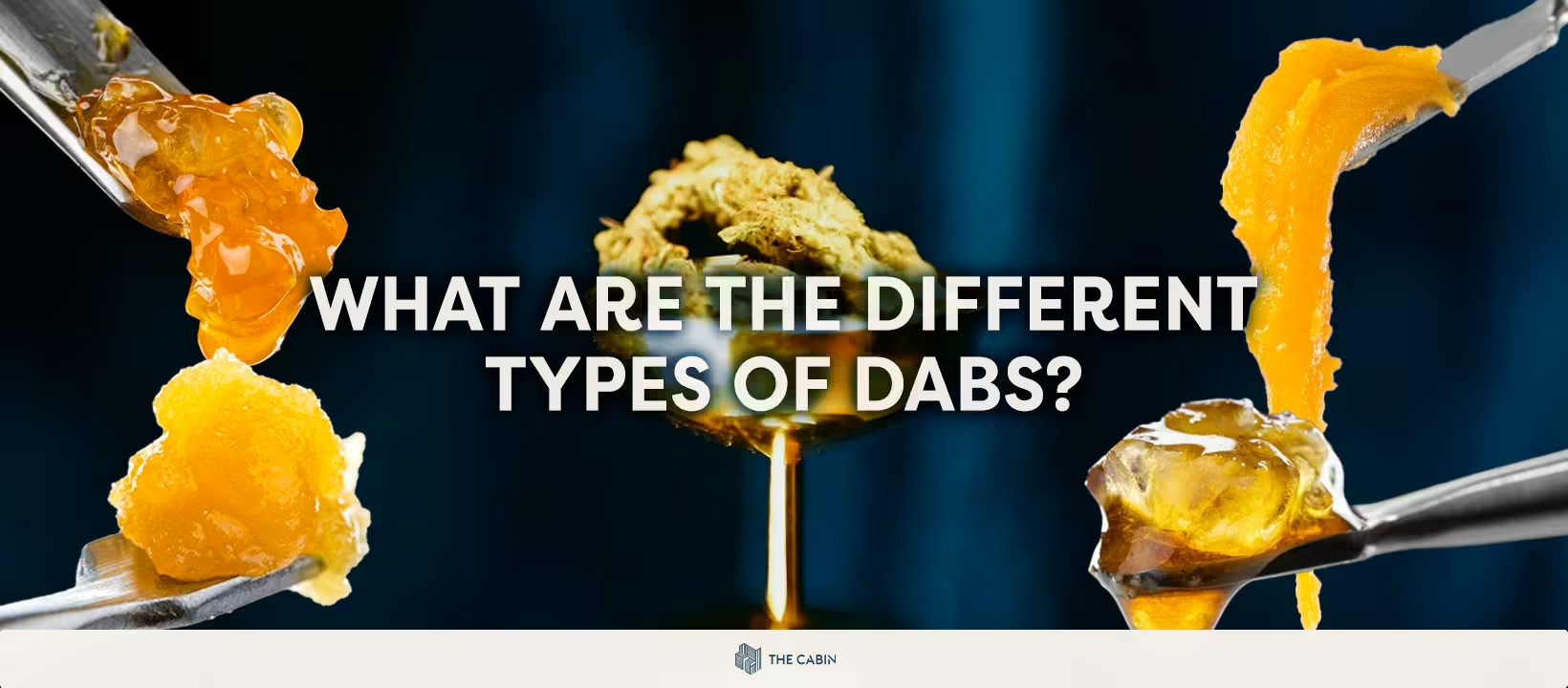
- Cannabis Oil: A thick, runny liquid concentrate used in vape cartridges. It contains high THC levels but is less ideal for dabbing due to its consistency. There is potential for residual solvents if not properly purified.
- Wax: A soft, pliable concentrate that includes budder, sugar wax, crumble, and honeycomb. It is versatile for dabbing or adding to joints. High THC content increases the chances of anxiety, paranoia, and overconsumption.
- Budder: Creamy, butter-like wax known for high purity (up to 99%) and potency (around 90% THC). Its strong psychoactive effects may overwhelm beginners.
- Sugar Wax: Crystalline, sticky concentrate resembling wet sugar. Looser texture than butter. Rapid onset of strong effects may lead to paranoia or disorientation.
- Crumble: Dry, brittle wax that breaks apart easily. Commonly yellow or dark-colored. Difficulty in handling and dosing may cause accidental overuse. Crumble is very potent.
- Honeycomb: Porous wax similar to crumble, but with cavities. The high THC levels may trigger intense psychoactive reactions.
- Pull ‘n’ Snap (Taffy): Flat, glossy concentrate that stretches like taffy at room temperature. Stickiness may lead to handling errors, and its strong potency can cause anxiety.
- Shatter: Hard, flat, translucent concentrate with high THC concentration. It is extremely potent, and overuse may cause paranoia or panic attacks.
- Crystalline: Pure cannabinoid crystals, one solid piece or powdered. It is a highly potent substance that can produce severe psychoactive effects.
- Diamonds: Isolated single cannabinoids like THC or CBD, with a crystal-like structure. Lacks terpenes, but its potency can still lead to intense highs and overconsumption.
- Rick Simpson Oil (RSO): High-THC extract from female cannabis plants, usable via dabbing, oral intake, or sublingual. Strong psychoactive effects and dosing errors can overwhelm consumers.
- Live Resin: Extracted from freshly frozen plants, rich in terpenes and flavour. Very high THC levels may intensify anxiety or paranoia.
- Terp Sauce: Cannabinoid extract with high terpene content, gravy-like consistency. Potent and fast-acting; may cause disorientation or anxiety if overused.
- Dry-Sift Hash: Powdered trichomes sifted from plant material. Contains some plant matter. More potent than wax, with psychoactive properties.
- Bubble Hash: Ice-water processed hash with minimal plant matter. Very potent, its unregulated production may leave contaminants.
- Rosin: Solventless extract from pressing buds under heat and pressure. It has a high THC content; mishandling may lead to overconsumption.
- Nug Run and Trim Run: Nug run uses only buds for potent, flavorful extracts. Trim run uses leftover leaves and stems. Nug run is highly potent. Trim run may contain higher chlorophyll and slightly lower potency.
What are the Side Effects of Smoking Dabs?
Side Effects of Smoking Dabs are listed below.
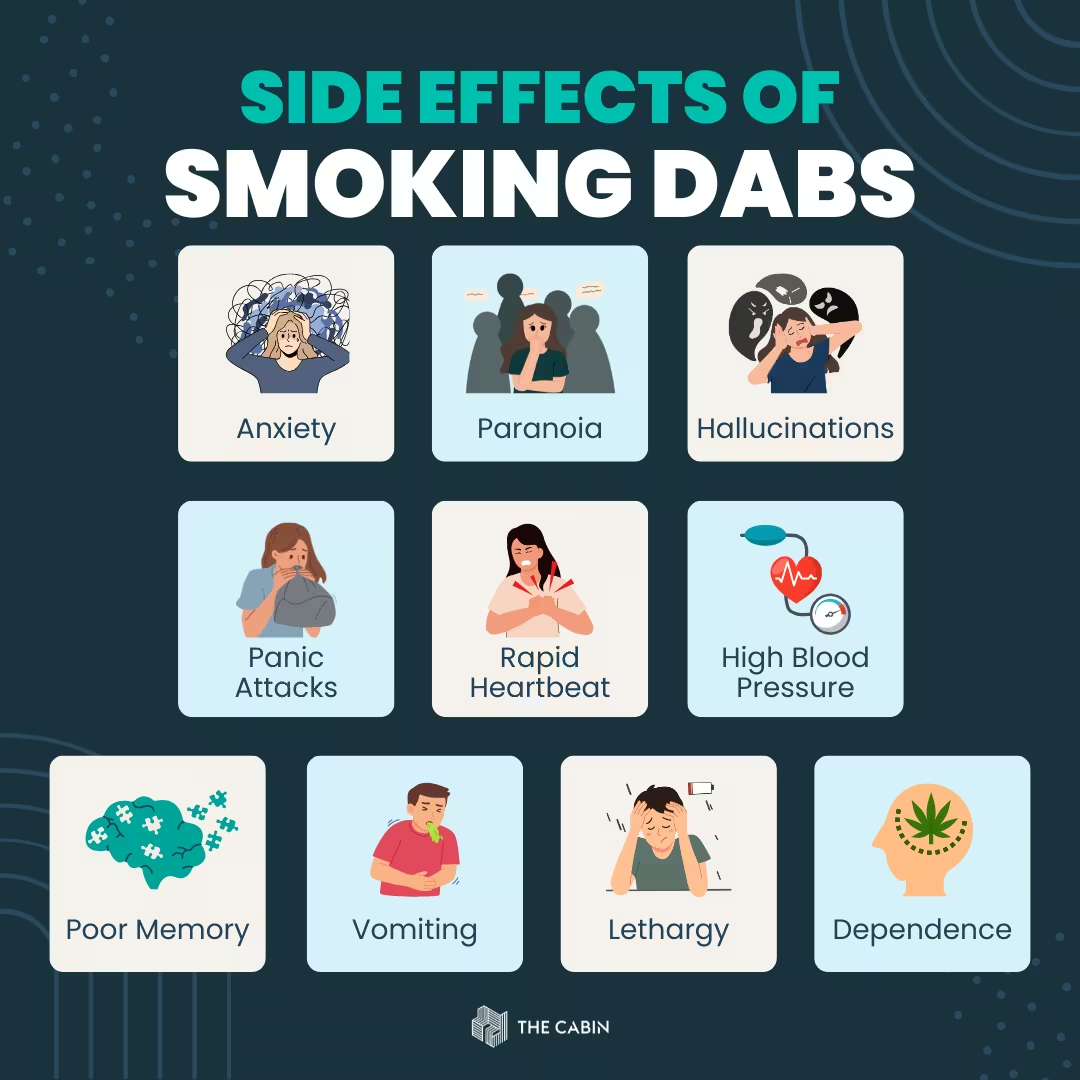
- Anxiety: Intense feelings of worry, nervousness, or unease triggered by high THC levels.
- Paranoia: Heightened suspicion or irrational fear that can escalate into panic attacks during or after dabbing.
- Hallucinations: Visual or auditory distortions that may occur with potent cannabis concentrates.
- Panic Attacks: Sudden episodes of extreme fear or discomfort caused by strong psychoactive effects.
- Poor Memory: Short-term memory impairment resulting from rapid intake of concentrated THC.
- Vomiting: Physical reaction to the high potency of dabs, occurring immediately after a hit.
- High Blood Pressure: Elevated cardiovascular stress caused by concentrated THC exposure.
- Rapid Heartbeat: Tachycardia or unusually fast heart rate following ingestion of a dab.
- Lethargy: Extreme tiredness or lack of energy after repeated use or overconsumption.
- Dependence: Psychological reliance that develops faster than with traditional marijuana due to its higher THC content.
What are the Short-Term Side Effects of Dabs?
Short-term side Effects of Dabs are listed below.
- Anxiety: Feelings of worry or nervousness after consuming high-THC concentrates.
- Paranoia: Suspicious or fearful feelings, sometimes accompanied by panic attacks, related to high THC levels.
- Nausea: Sensations of sickness or upset stomach caused by the rapid intake of concentrated cannabis.
- Dizziness: Lightheadedness or loss of balance due to the strong psychoactive effects of dabs.
- Hallucinations: Visual or auditory distortions, including seeing or hearing things that are not present.
- Temporary Psychotic Breaks: Brief episodes of altered reality or disorientation that may require medical attention.
- Increased Heart Rate: Rapid heartbeat as the cardiovascular system responds to concentrated THC.
- Increased Blood Pressure: Elevated blood pressure following high-dose marijuana concentrate consumption.
- Formication: The sensation of bugs crawling on or under the skin, associated with extreme THC exposure.
- Changes in Sensory Perception: Altered experience of sight, sound, touch, or time caused by strong psychoactive effects.
Can Dabs make you Sick?
Yes, dabs can make you sick. High-potency THC concentrates used in dabbing deliver extremely strong doses that can overstimulate the nervous system, causing symptoms (nausea, vomiting, dizziness, and fainting). Contaminants from unpurged solvents, residual butane, or other impurities, combined with overheating during the vaporisation process, may further irritate the lungs and central nervous system, triggering acute illness. Severe reactions can include seizures or temporary loss of consciousness. Prolonged use may exacerbate mental health conditions, including Anxiety Disorder. These risks make dabbing substantially more hazardous than traditional marijuana consumption methods.
A notable study highlighting the health risks associated with cannabis dabbing is the case report titled “Lung Injury From Inhaling Butane Hash Oil Mimics Pneumonia” by R.P. Anderson and K. Zechar, published in Respiratory Medicine Case Reports in 2019. The research describes a previously healthy 18-year-old female who developed acute lung injury resembling pneumonia symptoms, including severe hypoxia, tachypnea, and bilateral lung infiltrates, which were all unresponsive to standard treatments. The study attributes the lung injury due to the inhalation of BHO, emphasising the potential dangers of this method of cannabis consumption.
Can Dabs Cause Seizures?
Yes, dabs can trigger seizures in some consumers. High-potency cannabis concentrates deliver extreme doses of THC, which can overstimulate neuronal activity and disrupt normal electrical signalling in the brain. Reports indicate that first-time consumers, adolescents, or individuals with underlying neurological vulnerabilities are particularly at risk. Contaminants (residual solvents, pesticides, or metal residues from dab rigs) combined with exposure to excessively high temperatures may further irritate the nervous system and provoke convulsions or severe reactions.
One relevant study that discusses the connection between dabbing and seizures is titled “A Little ‘Dab’ Will Do Ya’: A Case Report of Neuro-and Cardiotoxicity Following Use of Cannabis Concentrates” by Saeed K. Alzghari, Liza Chacko, and Steven W. Fleming, published in Clinical Toxicology in 2017. The case report describes a 17-year-old male who developed seizure-like activity after using cannabis concentrates (dabs). The patient exhibited signs of hyperthermia, hypertension, and elevated troponin levels, indicating cardiotoxicity, alongside seizure-like symptoms. The study emphasises the neurotoxic and cardiotoxic risks associated with high THC levels found in dabs, which can lead to serious adverse health effects, including seizures. Dabbing can cause seizures, even though not all consumers will experience them, but these health risks make dabbing more dangerous than typical marijuana use.
What are the Long-Term Effects of Dabbing on the Brain and Body?
The long-term Effects of dabbing on the Brain and Body are listed below.
- Cognitive Impairment: Persistent use of dabs may cause memory dysfunction, difficulty concentrating, and slow information processing, which can affect work, school, and daily decision-making.
- Psychosis Risk: High THC concentrations can trigger temporary psychotic episodes, delusions, or hallucinations in patients with pre-existing mental health vulnerabilities.
- Anxiety and Depression: Chronic dabbing can heighten susceptibility to anxiety disorders, depression, and mood instability, due to alterations in the brain’s reward and stress pathways.
- Tolerance and Dependence: Frequent exposure leads to rapid tolerance, requiring higher doses to achieve the same effect, and can create psychological and physical dependence on THC.
- Withdrawal Symptoms: Discontinuation may result in irritability, insomnia, fatigue, loss of appetite, nausea, sweating, and strong cravings, indicating neurochemical adaptation in the brain.
- Cardiovascular Stress: Repeated dabbing can worsen heart rate and blood pressure fluctuations, placing long-term strain on the cardiovascular system.
- Respiratory Damage. Inhalation of high-temperature vapours and chemical by-products may harm lung tissue over time, leading to persistent coughing, chest pain, and reduced pulmonary function.
- Neurodevelopmental Impact: Adolescents and young adults may experience lasting changes in brain structure and function, impairing learning, emotional regulation, and impulse control.
- Addiction Potential: The concentrated THC content elevates the risk of cannabis use disorder, increasing the likelihood of compulsive use and negative social, financial, and occupational consequences.
Are Dabs More Dangerous than Smoking Weed?
Yes, dabs are more dangerous than smoking weed. Dabs contain highly concentrated THC, ranging from 50% to 90%, compared with 5% to 25% in standard cannabis flower. The rapid and intense delivery of THC through dabbing increases the risk of severe reactions (panic, fainting, intense paranoia, and even temporary psychosis). The high temperatures required to vaporise concentrates can expose consumers to harmful by-products (residual solvents, rust, and off-gassing from heating elements), all of which are not present when smoking flower. The physical and psychological hazards make dabbing riskier for inexperienced consumers or consumers with pre-existing mental health conditions. The heightened potency and potential chemical exposure contribute to more pronounced Effects of Drugs on the Brain (cognitive disruption, altered perception, and rapid tolerance development), making dabs a more dangerous method of cannabis consumption.
Can you Overdose or Die From Dabs?
No, you cannot overdose or die from dabs. Overdosing on cannabis cannot lead to death, including dabs. Cannabis does not have a lethal dose, so fatal overdoses are extremely rare. However, consuming high doses of THC, primarily through dabs, can lead to severe reactions, including “greening out,” which involves extreme dizziness, nausea, vomiting, and fainting. Greening out refers to a strong, unpleasant reaction to consuming too much cannabis, particularly products with high THC levels, like dabs.
Symptoms are often unpleasant, but are not life-threatening. Dabs, with their concentrated THC levels (ranging from 50% to 90%), can increase the intensity of these effects, leading to heightened anxiety, paranoia, and even psychotic episodes. Dabs can increase the likelihood of accidents due to impaired coordination and judgment because of the potency and rapid onset of effects. Severe physical reactions (vomiting or respiratory issues) may arise, requiring medical attention, but these situations typically do not result in death.
What are the Side Effects of Dabs on the Brain?
The side effects of Dabs on the brain are listed below.
- Short-Term Memory Impairment: Dabbing can cause immediate short-term memory problems, leaving users struggling to retain information or recall events.
- Cognitive Dysfunction: Regular use of high-THC cannabis extracts can impair cognitive functions like concentration, decision-making, and problem-solving abilities.
- Increased Anxiety and Paranoia: The intense THC concentration in dabs can heighten feelings of anxiety and paranoia, causing distressing mental states that may linger even after use.
- Hallucinations: Dabbing can lead to visual or auditory hallucinations, which are not familiar with traditional marijuana use and can cause confusion or disorientation.
- Psychotic Episodes: Dabbing can induce temporary psychosis in extreme cases, which may include delusions and a disconnection from reality, necessitating medical intervention.
- Impaired Judgment and Coordination: Dabs can impair motor skills and coordination, leading to dangerous behaviours and accidents when users lose their ability to gauge the effects accurately.
- Increased Tolerance and Dependence: Dabbing leads to faster tolerance buildup, requiring consumers to consume larger amounts for the same effect. It creates a cycle of dependency and increases the risk of addiction.
- Mental Fog and Cognitive Decline: Prolonged use of dabs can result in mental fog and lasting cognitive decline, which may persist, even when not actively using the substance.
How Does Dabbing Affect the Brain?
Dabbing can have significant adverse effects on the brain, given the high THC concentration in cannabis concentrates. The immediate high can impair cognitive functions (memory, attention, and decision-making). Repeated exposures can lead to the development of mental health disorders (anxiety, paranoia, and psychosis). The damage to brain function and memory can be profound, impacting a user’s daily life, work, and relationships. Prolonged use of dabbing can lead to addiction, as consumers develop a higher tolerance and may experience withdrawal symptoms when attempting to quit. Understanding the risks involved in dabbing and seeking professional help if needed, as drug abuse can lead to overdose.
Why is Dabbing Considered Risky?
Dabbing is considered risky due to its high potency, rapid onset of effects, and potential long-term health consequences. Dabs deliver much stronger effects than traditional cannabis consumption methods, like smoking marijuana flowers. Dabs are highly concentrated cannabis extracts containing THC levels between 50% and 90%. The high concentration of THC can lead to intense psychological reactions (hallucinations, increased anxiety, paranoia, and, in some cases, psychosis) in users not accustomed to such high doses. The intense effects of dabbing are felt quickly, sometimes overwhelming consumers. This can make it challenging to control intake and may lead to unpleasant or dangerous physical reactions (vomiting, fainting, or loss of coordination).
Dabbing involves the use of specialised equipment (volatile substances like butane for extraction), which poses additional risks, including explosions and burns during production. The extraction process itself can introduce harmful contaminants into the concentrate, including residual solvents and heavy metals, further complicating health risks. Respiratory issues are another concern, as the high temperatures involved in dabbing can produce toxic byproducts (benzene and other harmful chemicals), leading to lung irritation, chronic respiratory conditions, and potential long-term damage.
Dabbing can cause rapid tolerance build-up, leading consumers to consume more of the substance over time, which increases the risk of dependency and long-term mental and physical health issues. The risks associated with dabbing become particularly pronounced when used frequently or in combination with other substances, with the ability to create a powerful “rush” of effects and intense highs. The compounded dangers make dabbing a riskier method of cannabis consumption for consumers, especially for those with pre-existing mental health conditions or consumers seeking to use cannabis as a form of self-medication.
Why is Dabbing Too Hot Considered Dangerous?
Dabbing at too high a temperature is dangerous because it can lead to severe physical and respiratory issues. Overheating concentrates releases harmful byproducts (benzene and other toxic chemicals), which can damage the lungs and cause long-term respiratory issues. Inhaling high-temperature vapour can burn lung tissue, leading to coughing fits, chest pain, and other acute respiratory distress. The excessive heat destroys valuable terpenes and cannabinoids, impairing the flavour and effects of the dab. For instance, dabbing at temperatures above 600°F results in combustion rather than vaporisation, producing harsh vapour that is harmful to the lungs and can cause serious discomfort or injury. Maintaining proper temperature control is crucial to avoid these dangerous side effects.
Are Dabs Safe or Healthy in Any Way?
No, dabs are not safe or healthy in any way. Consumers argue that dabbing is “cleaner” than smoking traditional cannabis, since it involves fewer plant materials and burning byproducts. However, the risks associated with the high THC concentration (50% to 90%) far outweigh any perceived benefits. Dabs deliver an intense and immediate high. The extreme potency can lead to serious side effects (cardiovascular problems, respiratory damage) and mental health issues (paranoia and psychosis). The dangerous extraction process using volatile solvents like butane poses additional risks, such as explosions and contamination with harmful chemicals. The high concentration of THC and the possibility of harmful contaminants make dabbing hazardous, and a misleading method for consumers seeking a “healthier” cannabis consumption method.
Is Smoking Dabs Bad for You in the Long Run?
Yes, smoking dabs is bad for you in the long run. The concentrated THC in dabs (ranging from 50% to 90%) leads to more intense side effects that can strain a person’s mental and physical health. Long-term use has been associated with increased risks of anxiety, paranoia, and potential psychiatric disorders. The high THC levels can lead to greater dependency, as the body builds tolerance, requiring more of the substance to achieve the same effect. The process of extraction can also introduce dangerous chemicals, because dabbing involves vaporisation rather than combustion, which increases some harmful byproducts, like tar. Long-term respiratory risks remain concerning, as specific concentrates may contain residual solvents, heavy metals, or other contaminants. Moderation and awareness are key to minimising risks, as the long-term effects of dabbing are still being studied. Caution is advised when engaging with high-potency concentrates.
Can Dabs Kill You?
No, dabs cannot kill you directly. However, dabbing can lead to severe health consequences due to the potency of the various concentrates. Dabs contain THC levels ranging from 50% to 90%, which is much higher than regular marijuana. These high levels can cause extreme side effects such as nausea, paranoia, hallucinations, and a rapid heart rate. Overconsumption of dabs can result in dangerous psychological reactions (intense anxiety and psychosis). The process of creating dabs, particularly butane hash oil (BHO), is highly hazardous. The extraction process involves flammable butane gas, which has led to deadly explosions when mishandled. The risks of burns, injuries, and long-term psychological and respiratory damage are also significant. Thus, making dabbing dangerous if not approached with caution. Although a cannabis overdose is unlikely to be fatal.
What Are the Differences Between Smoking Dabs and Smoking Weed?
The differences between smoking dabs and smoking weed are in their consumption method and their potency. Smoking weed involves burning cannabis flowers, which produces smoke containing cannabinoids, along with harmful byproducts like tar and carbon monoxide. The process provides a more gradual onset of effects with lower THC concentrations, between 10% and 30%.
Smoking dabs uses vaporisation to heat cannabis concentrates (wax or shatter), which contain higher THC levels, between 50% and 90%. This method results in a faster, more intense effect, with fewer combustion-related irritants. Inhaling cannabis concentrates is cleaner than smoking, but it poses other risks due to the high THC potency and the possible presence of harmful additives in poorly made concentrates.
The differences between Smoking Dabs and Smoking Weed are in the table below.
|
Aspect |
Smoking Dabs |
Smoking Weed |
|---|---|---|
|
THC Content |
50% to 90% THC, higher than flower |
10% to 30% THC, lower compared to concentrates |
|
Consumption Method |
Vaporising cannabis concentrates (BHO, wax) |
Smoking cannabis flowers in joints, pipes, or bongs |
|
Onset of Effects |
Rapid onset, effects felt within minutes |
Gradual onset, effects may take longer to feel |
|
Duration of Effects |
Shorter-lasting but intense effects |
Longer-lasting effects, more gradual intensity |
|
Potency Risks |
Higher potency may lead to more intense side effects |
Lower potency, more gradual, and less intense effects |
|
Health Risks |
Fewer combustion byproducts, but may carry respiratory risks from the vaporisation process |
Combustion creates tar, carbon monoxide, and other harmful substances, increasing respiratory risks |
|
Addiction Potential |
Higher potential, because it is too strong, and more frequent use is needed to achieve the desired effects |
Lower risk, but still possible with frequent use over time |
|
Cost |
Generally, more expensive, due to the concentrated form |
Less costly, as cannabis flower is usually cheaper |
|
Use Frequency |
Used less frequently, due to stronger effects and potency |
Used more regularly, due to lower potency and a more gradual experience |
How Strong are Dabs Compared to Regular Weed?
Dabs are (60% to 90%) stronger compared to regular cannabis, due to their extremely high concentration of THC. Dabs can range from 60% to 90%, with some distillates exceeding 90%. While cannabis flower typically contains around 15% to 25% THC. The more concentrated forms, often produced as butane hash oil (BHO), are created through an extraction process that isolates the resinous trichomes while removing most plant matter, resulting in a potent and highly psychoactive substance. A small amount of a dab can produce a rapid and intense high, making it far more powerful than traditional smoking or vaping of cannabis flower. The elevated potency increases the likelihood of adverse short-term effects (heightened anxiety, dizziness, paranoia, impaired coordination, and temporary cognitive difficulties). Frequent use can accelerate tolerance, leading users to consume larger amounts to achieve the same effects, which elevates the risk of dependence and intensifies withdrawal symptoms. The concentrated nature of dabs may exacerbate long-term negative effects on memory, learning, and mental health in younger or vulnerable users. Dabs present a far more intense and potentially hazardous experience than regular cannabis.
Marijuana Addiction and Treatment
Frequent marijuana use, especially dabbing, can cause dependence and various health issues, with symptoms like increased tolerance and withdrawal.
If you or someone you know is facing issues due to marijuana use, seeking addiction treatment is important for recovery. Rehab programs offer support for withdrawal symptoms and provide holistic therapies to promote long-term sobriety and a fulfilling life.

The Cabin Clinical Team
Our team boasts over 10 years of experience working with individuals struggling with addiction and mental health challenges. This extensive experience allows us to provide comprehensive assessments, develop personalized treatment plans, and deliver evidence-based interventions tailored to meet your unique needs.