Gamma-Hydroxybutyrate (GHB) addiction occurs when a patient becomes dependent on GHB, a drug initially developed as a sleep aid. GHB gained popularity in the 1980s as a performance enhancer in bodybuilding, but its abuse spread quickly in nightlife scenes. GHB is commonly found as a clear, odourless liquid, mixed with water or other drinks. It is known by street names like “liquid ecstasy,” “G,” and “Georgia Home Boy.”
Users ingest GHB orally, seeking its euphoric and relaxing effects. They take higher doses, leading to physical dependence as the body builds a tolerance. GHB use causes drowsiness, euphoria, and relaxation, but at higher doses, it impairs judgment and causes confusion or memory loss. Long-term use of GHB severely impacts mental health, leading to anxiety, depression, and cognitive impairments. Users exhibit erratic behaviour, mood swings, and neglect personal responsibilities. The drug’s physical effects include poor coordination, slurred speech, and a lack of physical energy.
The most dangerous side effects of GHB drug include respiratory depression, seizures, and even death when mixed with alcohol or other drugs. Withdrawal is life-threatening, leading to complications like severe agitation and hallucinations. GHB addicts become more isolated, engaging in risky or reckless behaviour. They have difficulty maintaining relationships or holding down jobs. The addiction disrupts daily life, with users prioritising the drug over their responsibilities and well-being.
What is Gamma-Hydroxybutyrate Addiction?
Gamma-Hydroxybutyrate addiction is a condition where a patient becomes dependent on GHB, a central nervous system depressant. Studies from Jennifer Cable et al. “The neurobiology of addiction.” Annals of the New York Academy of Sciences, 1451 (2019): 5 – 28. shows a high risk of addiction for frequent users when abused for recreational purposes. GHB has a strong potential for misuse due to its euphoric and sedative effects. GHB abuse is prevalent in North America and Europe, and around 1 in 10 people who use GHB recreationally develop an addiction. GHB addiction leads to various physical and mental health issues, including memory loss and impaired motor function. Misuse of GHB in nightclubs and party scenes exacerbates the spread of abuse. Patients who frequently use GHB risk the onset of serious dependency issues. An ‘addiction mean’ refers to a compulsive, harmful behaviour toward substance use. Repeated use increases the likelihood of addiction, while GHB is initially used occasionally.
Is GHB Addictive?
Yes, GHB is addictive. GHB addiction develops as a result of repeated use, leading to tolerance, where the patient requires more of the substance to achieve the same effects. The brain adjusts to the presence of GHB, making it difficult for the user to stop without experiencing withdrawal symptoms. The euphoric feelings associated with GHB use contribute to the cycle of addiction. The patient may misuse the substance to cope with stress or other psychological factors, further reinforcing the addiction.
Why is GHB so Addictive?
GHB is so addictive because it affects the brain’s neurotransmitters, particularly gamma-aminobutyric acid (GABA) and dopamine. The chemical composition of GHB is C4H8O3, a simple short-chain fatty acid, which influences the central nervous system. GHB induces feelings of relaxation, euphoria, and sedative effects, which lead to a pleasurable experience that users seek repeatedly. GHB acts by binding to GABA-B receptors and stimulating the release of dopamine in the brain, leading to a sense of reward and pleasure. The interaction with the brain’s reward system is a key factor in its addictive potential, as the brain becomes dependent on the pleasurable effects and craves repeated use to maintain feelings. These effects make users develop a tolerance and escalate their use, resulting in dependency. The rapid onset of effects and short duration further drive users to use GHB more often. Withdrawal symptoms become stronger as the body builds tolerance, increasing the difficulty of stopping use. The addictive nature of GHB is commonly referred to as GHB head, highlighting the impact on mental and physical dependence.
What does GHB Do to You?
GHB slows down the central nervous system. GHB induces feelings of euphoria, relaxation, and drowsiness, leading to impairment of your motor skills and memory. GHB causes confusion, loss of consciousness, and even respiratory depression at higher doses. The substance works by increasing dopamine levels, which contributes to its addictive nature. Tolerance develops as the body adjusts to regular use, requiring more of the drug to achieve the same effects. The pleasurable sensations create a cycle of dependence, making it difficult for users to stop. These effects make GHB so addictive, as the brain begins to rely on the substance for emotional and physical relief.
What are the Common Signs of GHB Use?

The Common Signs of GHB Use are listed below.
What are the Short-Term and Long-Term Side Effects of GHB Use?
The Short-Term and Long-Term Side Effects of GHB Use are listed below.
- Short-Term Effects of GHB Use
- Euphoria: A sudden feeling of intense pleasure and happiness, followed by a sense of relaxation.
- Drowsiness: Users feel unusually sleepy or fatigued, making it hard to stay alert or focused.
- Impaired Coordination: Difficulty in walking, standing, or maintaining balance due to the sedative effects of GHB.
- Slurred Speech: GHB slows the nervous system, leading to difficulties in speaking clearly.
- Confusion: GHB causes users to feel mentally disoriented or have trouble processing thoughts.
- Memory Loss: Short-term memory impairment, causing users to forget recent events or actions.
- Nausea and Vomiting: High doses lead to physical discomfort such as nausea, vomiting, or dizziness.
- Loss of Consciousness: Users pass out or lose awareness of their surroundings in some cases with higher doses.
- Long-Term Effects of GHB Use
- Addiction: Continued use leads to physical and psychological dependence, with the user craving the substance to feel normal.
- Cognitive Impairment: Chronic use results in long-lasting memory issues and difficulty concentrating or processing information.
- Brain Damage: Prolonged abuse alters brain chemistry, leading to irreversible damage.
- Psychological Disturbances: Long-term users develop anxiety, depression, or paranoia as a result of GHB’s effects on the brain.
- Organ Damage: GHB abuse negatively affects organs such as the liver and kidneys due to the strain it places on the body’s systems.
- Sleep Disorders: Chronic use disrupts normal sleep patterns, leading to insomnia or erratic sleep cycles.
- Respiratory Problems: Prolonged use causes breathing issues when GHB is taken in high doses.
Can GHB use cause Long-term damage?
Yes, GHB use can cause long-term damage. Prolonged use of GHB leads to physical and mental health issues. Chronic abuse results in cognitive impairments such as memory loss and difficulty concentrating. Long-term use leads to brain damage due to changes in brain chemistry. Organ damage, such as the liver and kidneys, occurs due to the strain placed on these systems. Psychological issues like anxiety, depression, and paranoia develop. These effects become irreversible, leading to lasting harm to the mind and body.
GHB use and addiction have been notably observed in certain groups, including gay and bisexual men. GHB has sometimes been used in social or sexual settings (chemsex) where the drug is consumed to improve sexual experiences within gay and bisexual men’s communities. The patterns of use within these groups can contribute to increased risks of addiction, mental health challenges, and social isolation. The stigma and discrimination faced by these communities may exacerbate the psychological consequences of GHB use, making it harder for individuals to seek help or treatment.
What are the Signs of GHB Withdrawal?
The Signs of GHB Withdrawal are listed below.
Can GHB Cause Permanent Brain Damage?
Yes, GHB can cause permanent brain damage. Chronic use of GHB alters brain chemistry, affecting neurotransmitters like GABA and dopamine. These changes result in long-term cognitive impairments, including memory loss, difficulty concentrating, and impaired decision-making. The brain's ability to process information and regulate emotions is compromised. The damage affects behavior by causing mood swings, increased anxiety, depression, and even paranoia. These cognitive and emotional changes make it difficult for patients to function normally in daily life, further contributing to the cycle of addiction and mental health issues.
What are the Risks of GHB Overdose?
The Risks of GHB Overdose are listed below.
Can GHB Addiction be Treated?
Yes, GHB addiction can be treated. Treatment involves a combination of medical intervention, therapy, and support groups. early recovery is the first step, where the patient is safely monitored to manage withdrawal symptoms. Behavioral therapy addresses the psychological aspects of addiction once the substance is cleared from the body. Cognitive-behavioral therapy (CBT) and other counseling techniques help patients understand their triggers and develop healthier coping strategies. Support groups like Narcotics Anonymous (NA) provide ongoing encouragement and community for recovery. Patients successfully overcome dependence and lead more nutritious lives, although recovery from GHB addiction is challenging with the proper treatment and support.
What are the Best Treatment Options for GHB Addicts?

The best treatment options for GHB addicts are comprehensive and individualised, focusing on physical and psychological recovery. Brain damage and cognitive impairment due to GHB addiction lead to severe physical and mental health issues. The first step in treating GHB addiction is medical withdrawal, where the patient is safely monitored to manage withdrawal symptoms. Cognitive-behavioural therapy (CBT) is highly effective in helping addicts understand the root causes of their addiction and develop healthier coping mechanisms withdrawal management. Inpatient or outpatient rehabilitation programs provide structured support for patients recovering from GHB addiction. Holistic approaches (yoga, meditation, and mindfulness) complement traditional treatments by helping patients healthily manage stress and emotional triggers. Narcotics Anonymous (NA) offers ongoing peer support, which is vital in maintaining long-term recovery. Combining medical, psychological, and holistic therapies provides a well-rounded treatment plan for GHB addicts, improving the chances of sustained sobriety.
How does Medical Withdrawal Help in GHB Withdrawal?
Medical Withdrawals in GHB withdrawal by providing a safe and controlled environment for the patient to eliminate GHB from their system. Medical Withdrawal uses medications and close monitoring by healthcare professionals to manage withdrawal symptoms effectively. early recovery phase is needed because GHB withdrawal is severe, with symptoms like anxiety, seizures, and confusion, which is life-threatening if not properly managed.
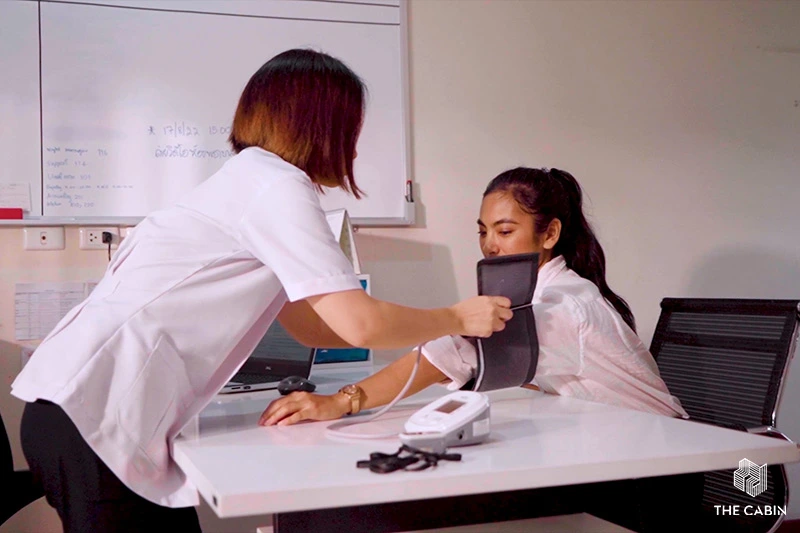
The benefits of medical withdrawal include reducing the risk of complications, alleviating withdrawal discomfort, and ensuring the patient's safety during the critical phase of recovery. It provides a foundation for further treatment by stabilizing the body and mind. However, early recovery phase is just the first step in recovery, as long-term treatment such as therapy, counseling, and support groups is necessary to address the psychological aspects of addiction and prevent relapse.
What Behavioral Therapies are Effective for GHB Addiction?
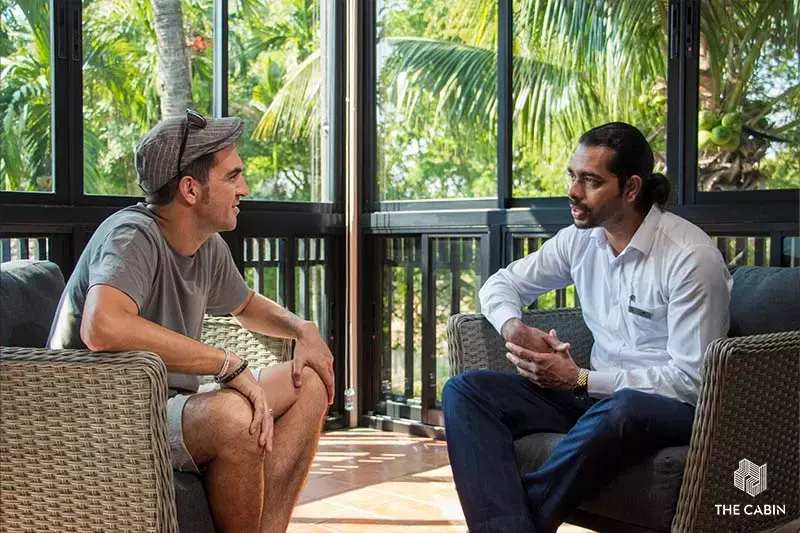
Behavioral therapies that are effective for GHB addiction are Cognitive-behavioral therapy (CBT) and Dialectical behavior therapy (DBT), which focus on addressing the psychological and emotional aspects of addiction. Cognitive-behavioral therapy (CBT) is one of the most proven methods, helping patients identify negative thought patterns and replace them with healthier, more constructive behaviors.
Contingency management is another effective therapy that uses a system of rewards to reinforce positive behaviors and sobriety. Dialectical behavior therapy (DBT) is helpful for patients who struggle with emotional regulation, helping them develop skills to cope with stress and avoid relapse triggers. Behavioral therapy is necessary because it allows patients to understand the root causes of their addiction, teaching them coping mechanisms to manage cravings and stress without turning to substances. Group therapy and support groups, such as Narcotics Anonymous (NA), are valuable, offering a sense of community and shared experience, which reduces feelings of isolation and increases motivation for recovery. These Behavioral Therapies form a critical part of the recovery process, helping patients rebuild their lives and maintain long-term sobriety.
What are the Best Ways to Prevent GHB Addiction?
The Best Ways to prevent GHB Addiction are listed below.
How can Individuals Avoid Relapse After GHB Addiction Treatment?
Individuals can avoid relapse after GHB addiction treatment by implementing relapse prevention strategies that focus on mental and emotional well-being. Developing coping mechanisms to handle stress and triggers is crucial, as it helps patients respond to challenging situations without turning to GHB. Staying engaged in ongoing therapy, such as cognitive-behavioural therapy (CBT), assists in maintaining focus on recovery and preventing negative thought patterns that lead to relapse. Building a strong support network (family, friends, and support groups) provides continued encouragement and accountability. Regularly attending support group meetings, like Narcotics Anonymous (NA), reinforces sobriety by connecting patients with others who share similar experiences. The importance of accountability is not overstated, as being held accountable by trusted patients or groups keeps a person committed to their recovery goals. Practising self-care, staying active in healthy activities, and setting long-term recovery goals contribute to sustained sobriety.
What are the Success Rates of GHB Rehabilitation Programs?
The success rates of GHB rehabilitation programs are 85%, influenced by treatment approach, patient engagement, and the presence of co-occurring disorders. A case series involving 229 patients reported an 85% completion rate for acute withdrawal management. However, relapse rates are high, indicating over 60% of patients relapse within the first three months post-treatment. Early intervention and personalised treatment plans that address physical and psychological aspects of addiction tend to yield better outcomes. The presence of supportive social networks and ongoing aftercare services improves long-term recovery.
Engaging in continuous therapy, attending support groups, and adopting healthy lifestyle changes helps maintain sobriety and prevent relapse. Acknowledge that success varies among patients. The severity of addiction, duration of use, and the patient's circumstances play a significant role in treatment outcomes. Success rates must be viewed as general indicators rather than definitive measures of a program's effectiveness.

The Cabin Clinical Team
Our team boasts over 10 years of experience working with individuals struggling with addiction and mental health challenges. This extensive experience allows us to provide comprehensive assessments, develop personalized treatment plans, and deliver evidence-based interventions tailored to meet your unique needs.