Zepbound contains the active ingredient tirzepatide, a long-acting injectable medication approved for chronic weight management. Tirzepatide functions as a dual glucose-dependent insulinotropic polypeptide and glucagon-like peptide-1 receptor agonist, which enhances insulin secretion and improves glycemic control. Zepbound supports weight reduction by slowing gastric emptying and prolonging satiety signals. Insulin regulation improves in patients using this therapy, particularly in cases involving insulin resistance. Appetite signaling in the brain decreases, promoting reduced caloric intake and sustained energy balance.
General clinical recommendations advise limiting or avoiding alcohol during treatment, since ethanol may intensify adverse effects associated with drinking on Zepbound.
Alcohol consumption increases the likelihood of dizziness, dehydration, and blood pressure variability. Blood pressure reductions occur more readily when both agents influence vascular tone. Reported adverse reactions include nausea, gastrointestinal discomfort, bloating, and lightheadedness, which may worsen when Zepbound and alcohol are combined. Alcohol interferes with metabolic improvements by adding excess calories and destabilizing glucose regulation.
Patients improve safety and therapeutic consistency by abstaining from intoxicating beverages during treatment. Clinical outcomes decline when alcohol use continues alongside Zepbound therapy due to disrupted appetite control and metabolic variability. Professional medical guidance emphasizes evaluating individual risk factors when considering alcohol exposure during Zepbound use.
Can you Drink Alcohol While Taking Zepbound?
No, you cannot drink alcohol while taking Zepbound, as combined exposure may increase gastrointestinal, metabolic, and cardiovascular instability. Alcohol consumption can contribute to orthostatic hypotension, which results in a sudden drop in blood pressure upon standing. Dizziness may intensify as the central nervous system responds to both tirzepatide and ethanol. Tirzepatide slows gastric emptying, which means alcohol may remain in the stomach longer than expected, potentially delaying peak absorption. Delayed absorption can lead to unpredictable intoxication levels, worsened nausea, or prolonged discomfort. Lightheadedness increases fall and injury risk, particularly during early treatment adjustment. Prescribers often recommend closely monitoring physical responses during the first weeks of therapy. Consulting a healthcare provider helps assess individual liver function, kidney health, glucose control, and blood pressure stability. Excessive drinking during weight management therapy may reflect addiction to alcohol, which undermines long-term metabolic goals and treatment adherence. Patients seeking optimal outcomes with tirzepatide generally limit or avoid ethanol to prevent caloric excess and glycemic variability. Each case involving whether can you drink alcohol while taking Zepbound requires individualized clinical evaluation. Safety guidance commonly suggests choosing non-alcoholic alternatives in social settings to protect long-term progress. Maintaining sobriety supports improved insulin sensitivity, appetite regulation, and fat oxidation. Understanding the risks associated with can you drink on Zepbound enables informed lifestyle decisions aligned with treatment success.
What could occur if Zepbound is taken together with alcoholic beverages?
Physiological disturbances that jeopardize patient safety can occur if Zepbound is taken together with alcoholic beverages, particularly when metabolic and gastrointestinal effects overlap. Tirzepatide alters the way the body processes nutrients and fluids, while alcohol acts as a potent diuretic, increasing fluid loss and glycemic variability. The combination can cause dehydration and electrolyte imbalance. Dizziness may increase as the brain struggles to maintain vascular stability and equilibrium. Blood pressure reduction can occur rapidly, leading to syncope or fainting episodes in susceptible individuals. Clinical concerns include accidental falls that result in fractures or head injury. Side effects such as nausea and vomiting may worsen when ethanol irritates the gastric lining. Tirzepatide slows gastric emptying and delays the movement of food and liquid through the stomach, which may alter alcohol absorption timing. Ethanol may remain in systemic circulation longer than expected due to delayed gastric transit. Heart rate fluctuations may occur as the cardiovascular system compensates for blood pressure changes. Pancreatitis risk may increase in vulnerable individuals when alcohol places additional stress on pancreatic tissue, particularly in those with prior pancreatic disease. Patients sometimes report prolonged gastrointestinal discomfort lasting several days after combined exposure. The brain may receive conflicting signals related to satiety, glucose balance, and intoxication perception. Serious injury can result from fainting during routine activities. Metabolic stability requires consistent hormone regulation without competing depressant exposure. A clinically relevant Zepbound alcohol interaction exists within metabolic and gastrointestinal pathways. Physical health may decline when Zepbound mixed with alcohol enters systemic circulation.
Does drinking alcohol change the way Zepbound functions in the body?
No, drinking alcohol does not change the way Zepbound functions in the body at the receptor level, but it can alter the medication’s overall therapeutic impact. Alcohol depresses the central nervous system and interferes with metabolic and hormonal stability, which tirzepatide aims to regulate. Ethanol consumption affects hepatic enzyme activity and systemic balance. Tirzepatide blood concentrations generally remain stable according to the dosing schedule, though alcohol related dehydration or nausea intensifies perceived side effects. Delayed gastric emptying from tirzepatide prolongs the presence of alcohol in the stomach. Brain signaling related to satiety and hunger becomes dysregulated when alcohol stimulates reward pathways. Alcohol does not directly deactivate tirzepatide, yet it undermines metabolic stability, appetite control, and glucose regulation that Zepbound is designed to support, particularly given that alcohol remains one of the most abused substances.
What potential side effects might happen from using Zepbound and alcohol at the same time?
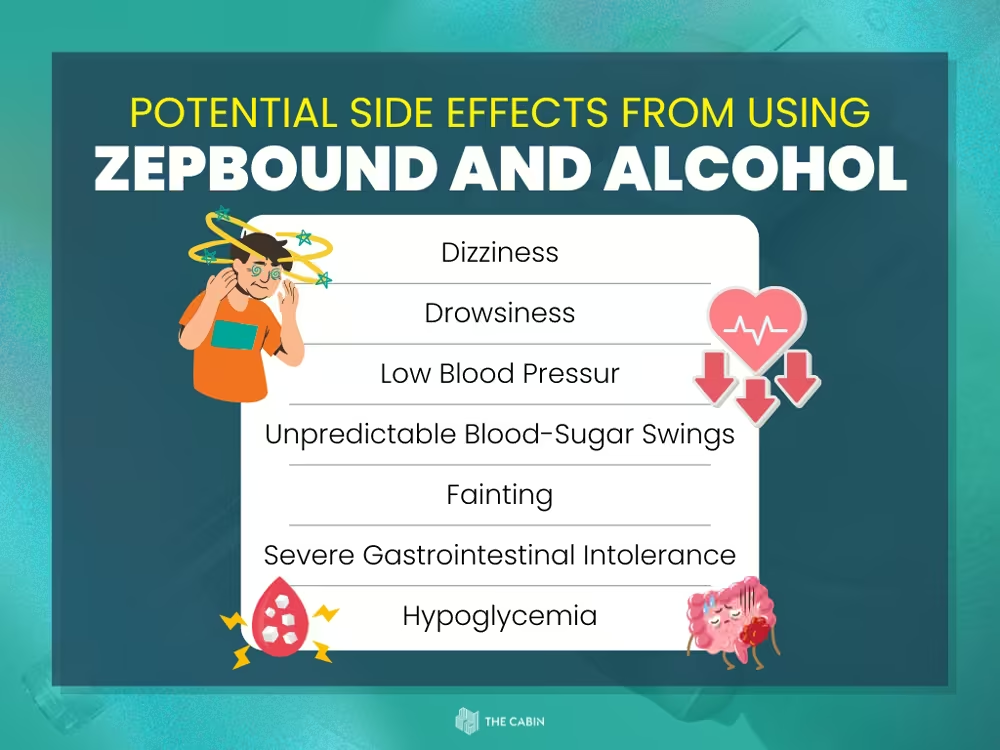
Potential side effects that might happen from using Zepbound and alcohol at the same time are listed below, and each reflects overlapping gastrointestinal, metabolic, and cardiovascular effects.
- Dizziness: Sensations of spinning or lightheadedness may occur when blood pressure fluctuates during combined exposure. The vestibular system may struggle to maintain balance under the influence of Zepbound and alcohol,
- Drowsiness: Marked lethargy can develop as the central nervous system experiences additive depressant effects. Remaining alert during daily activities may become difficult.
- Low Blood Pressure: Orthostatic hypotension may impair the heart’s ability to maintain stable circulation, especially during position changes. Patients may experience visual dimming or “grey outs” upon standing, due to transient cerebral hypoperfusion.
- Unpredictable Blood-Sugar Swings: Glucose levels may fluctuate as ethanol interferes with hepatic glucose production and insulin response. Insulin sensitivity can become unstable during the interaction.
- Fainting: Sudden loss of consciousness may occur when cerebral blood flow drops significantly. Physical injury risk increases when protective reflexes are impaired during a fall.
- Severe Gastrointestinal Intolerance: Vomiting, abdominal cramping, bloating, or nausea may intensify due to delayed gastric emptying and alcohol irritation. The stomach lining becomes inflamed and painful for the consumer.
- Hypoglycemia: Blood glucose may drop when alcohol inhibits hepatic glucose release, particularly in individuals with diabetes or prolonged fasting. Prompt carbohydrate intake may be required to restore normal levels and prevent neurologic symptoms.
Severity varies based on alcohol quantity, tirzepatide dose, hydration status, and underlying metabolic health, yet medical guidance commonly advises limiting or avoiding alcohol during Zepbound therapy.
Are there any harmful interactions between Zepbound and alcohol?
Yes, there are harmful interactions between Zepbound and alcohol that occur due to combined stress on cardiovascular, metabolic, and gastrointestinal systems, particularly when dehydration or high alcohol intake is involved. Excessive hypotension may lead to significant drops in blood pressure during standing or sudden movement. Syncope can occur when cerebral perfusion declines and glucose availability becomes unstable. Older adults face a higher fracture and confusion risk due to baseline autonomic vulnerability. Individuals with pre-existing heart disease may experience additional cardiac strain under combined exposure. Patients with respiratory conditions such as asthma could experience symptom fluctuation during severe nausea or vomiting episodes. Tirzepatide and ethanol both require hepatic and renal processing, increasing metabolic workload. Dehydration can elevate the likelihood of acute kidney stress, especially in susceptible individuals. Clinical observations note increased metabolic instability in heavy drinkers. Complete avoidance of alcohol provides the lowest-risk strategy for preserving cardiovascular stability, glucose control, and renal function during tirzepatide treatment.
Is it okay to drink wine, beer, or spirits while being treated with Zepbound?
No, it is not okay to drink wine, beer, or spirits while being treated with Zepbound. Alcohol-related risk remains dose-dependent rather than beverage-type dependent, since ethanol is the primary active compound regardless of source. Even light wine intake may worsen nausea in tirzepatide users. Binge liquor consumption can increase the likelihood of hypoglycemia, dehydration, and severe gastrointestinal distress. Every form of ethanol carries measurable risk for gastric irritation and blood sugar fluctuation during treatment. Small amounts of alcohol may produce stronger-than-expected intoxication due to delayed gastric emptying caused by tirzepatide. Alcohol tolerance may appear lower while patients follow calorie-restricted weight-loss protocols. Patients should monitor alcohol drinking habits carefully if exposure occurs, though clinical guidance generally favors limitation or abstinence. Avoiding wine, beer, and spirits during Zepbound therapy supports stable glucose control, reduced gastrointestinal symptoms, and safer long-term weight-management outcomes.
How long should you wait after a Zepbound dose before drinking alcohol without risk?
You should consider waiting at least five days after a Zepbound dose before drinking alcohol, although no timeframe guarantees zero risk. Tirzepatide has an approximate half-life of five days, meaning the medication remains pharmacologically active for a week or longer after injection. Patients using lower doses (2.5 mg to 10 mg) may experience less pronounced gastrointestinal or glycemic effects. Patients using higher doses (12.5 mg to 15 mg) may face an increased likelihood of nausea, hypoglycemia, dizziness, or dehydration if alcohol is introduced. Liver function should be evaluated, since healthy hepatic metabolism supports toxin processing more efficiently than impaired liver function. Alcohol should be avoided if nausea, vomiting, abdominal pain, or reduced appetite persists following the weekly injection. Individual tolerance and metabolic variability must be considered because glucose regulation, hydration status, and renal function influence interaction severity. Clinical guidance generally favors limiting or avoiding alcohol throughout treatment, as sustained tirzepatide activity continues beyond five days and metabolic stability remains the priority for safe weight management.
Can I take a dose of Zepbound after consuming alcohol?
No, you should avoid taking a dose of Zepbound immediately after consuming alcohol, as overlapping effects may increase gastrointestinal and cardiovascular side effects. Injecting tirzepatide while alcohol remains active in the system may contribute to hypotension, dizziness, or pronounced fatigue. Intensified nausea or vomiting may occur as the medication slows gastric emptying, while alcohol irritates the stomach lining. General safety guidance often suggests waiting at least twenty-four to forty-eight hours after the last alcoholic drink before administering the next injection. The quantity of ethanol consumed directly affects how stable blood pressure, hydration, and glucose levels remain prior to dosing. Dehydration caused by alcohol may worsen common side effects such as lightheadedness, weakness, or gastrointestinal discomfort. Monitoring heart rate, hydration status, and overall symptoms becomes important if accidental overlap occurs. Consulting a healthcare provider ensures individualized guidance based on dose strength, metabolic health, and recent alcohol intake before proceeding with Zepbound administration.
Does alcohol interfere with or weaken the benefits of Zepbound?
Yes, alcohol interferes with and can weaken the therapeutic benefits of Zepbound, particularly in the areas of weight reduction, glucose stability, and treatment adherence. Ethanol increases total caloric intake, which directly counteracts sustained weight-loss goals supported by tirzepatide. Blood-sugar regulation may become unstable when the liver prioritizes alcohol metabolism over glucose balance. Intensified side effects such as nausea, dizziness, or fatigue may reduce overall treatment tolerability over time. Alcohol can promote systemic inflammation and oxidative stress. Cardiovascular symptoms such as palpitations or blood pressure fluctuation may increase when ethanol circulates in the system. Anxiety and mood instability may rise during post-alcohol recovery phases, which can contribute to emotional eating behaviors. Sustainable long-term success depends on maintaining metabolic stability and consistent appetite regulation. Limiting or avoiding alcohol during Zepbound therapy supports optimal glycemic control, appetite suppression, and cardiovascular stability, thereby preserving the medication’s intended benefits.
What steps should you take if you accidentally drink alcohol while on Zepbound?
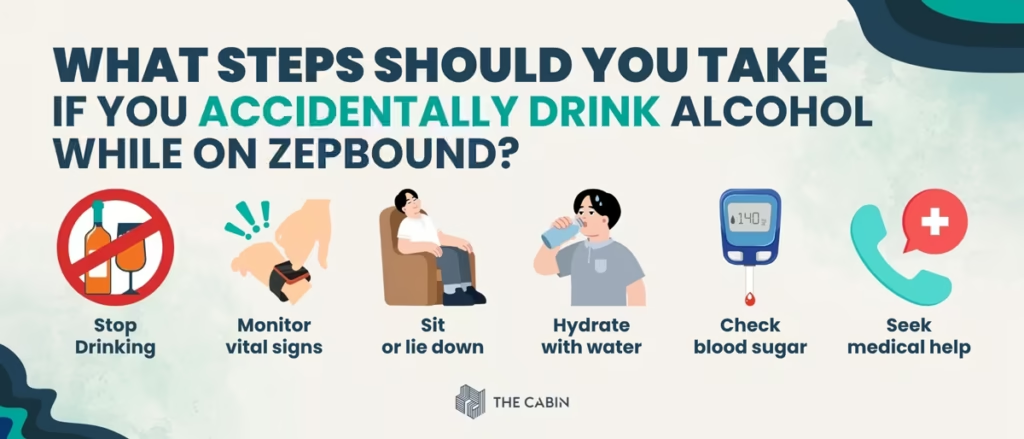
The six steps you should take if you accidentally drink alcohol while on Zepbound are listed below, and each step aims to reduce dehydration, hypotension, and glucose instability.
- Stop drinking immediately. Cease all ethanol intake to prevent further interaction with the medication and limit additional metabolic strain.
- Monitor vital signs. Check pulse, breathing rate, and blood pressure if possible for any significant abnormalities.
- Sit or lie down. Remain stationary in a seated or reclined position to reduce fall risk from dizziness or low blood pressure.
- Hydrate with water. Take small, steady sips of water or an electrolyte solution to address dehydration and support circulatory stability.
- Check blood sugar. Test glucose levels if a monitor is available, particularly if symptoms such as sweating, shakiness, or confusion appear.
- Seek medical help. Contact emergency services or a healthcare provider if fainting, persistent vomiting, severe abdominal pain, chest discomfort, or marked confusion occurs.
Continue monitoring symptoms for several hours, since tirzepatide’s delayed gastric emptying may alter alcohol absorption timing. Consulting a healthcare professional after the event helps evaluate hydration status, glucose control, and injection timing for the next dose.
Are there safer strategies for drinking alcohol when using Zepbound?
No, there are no completely safe strategies for drinking alcohol when using Zepbound, as combined metabolic and gastrointestinal effects remain clinically relevant at any dose. Harm-reduction approaches may reduce risk, though they do not eliminate interaction potential. Lowering the quantity of ethanol to small amounts may reduce metabolic and cardiovascular strain. Avoiding binge drinking helps decrease the likelihood of severe hypotension, dehydration, or pancreatic irritation. Refraining from driving is essential, since unpredictable dizziness or impaired coordination may occur. Spacing drinks farther apart and consuming water between servings may help limit dehydration and rapid blood alcohol elevation. Using the lowest effective dose of Zepbound should only occur under medical supervision. Consulting a prescribing clinician before introducing alcohol remains the most responsible course of action. Complete avoidance of alcohol provides the most reliable protection for glucose stability, gastrointestinal tolerance, and long-term weight-management success during tirzepatide therapy.
Could combining Zepbound with alcohol influence mood, sleep quality, or mental well-being?

Yes, combining Zepbound with alcohol could influence mood, sleep quality, and mental well-being, particularly through disrupted sleep architecture and neurochemical imbalance. Increased sedation may interfere with normal progression into restorative deep sleep stages. Mood changes such as irritability, low motivation, or emotional volatility may occur during alcohol metabolism and post-intoxication recovery. Impaired sleep can result in daytime fatigue, slowed cognition, and reduced concentration. Anxiety symptoms may worsen when alcohol triggers rebound sympathetic activation after initial sedation subsides. Daytime functioning may decline due to persistent lethargy, dehydration, or fluctuating glucose levels. Long-term mental health stability depends on consistent sleep quality, balanced neurotransmitter signaling, and metabolic regulation. Limiting or avoiding alcohol during Zepbound therapy supports a stable mood, improved sleep continuity, and sustained cognitive performance throughout weight-management treatment.
Does drinking while on Zepbound raise the chance of dizziness, fainting, or balance problems?
Yes, drinking while on Zepbound raises the chance of dizziness, fainting, and balance problems, particularly when dehydration, hypotension, or glucose fluctuation occur simultaneously. Orthostatic hypotension may cause a sudden drop in blood pressure when the individual stands up. Decreased coordination and slowed reflexes can lead to stumbles and loss of physical control in the home or public settings. Vulnerable groups such as older adults face increased fracture risk from falls. Patients with diabetes or susceptibility to hypoglycemia may experience more rapid neurologic symptoms during combined exposure. Individuals taking multiple medications face additional risk, since overlapping side effects and metabolic competition increase instability. Safety depends on maintaining stable hydration, glucose control, and blood pressure regulation, and limiting or avoiding ethanol helps preserve balance and physical equilibrium during treatment.
Is having just one glass of wine considered safe when using Zepbound?
No, having just one glass of wine is not considered safe when using Zepbound, as even small amounts of ethanol can influence blood pressure, hydration, and glucose balance. Limited low-risk situations may exist for certain individuals, yet overall safety depends heavily on current dose strength, metabolic stability, and underlying health conditions. Cardiovascular disease or kidney impairment increases the risk associated with even modest alcohol intake. Circulating medication levels influence sensitivity to ethanol exposure. Individualized medical guidance remains essential before introducing intoxicating beverages during therapy. Nausea and gastrointestinal sensitivity thresholds are often lower in patients using tirzepatide. Even small quantities of wine may disrupt metabolic regulation and hydration balance, Avoiding alcohol altogether provides the most consistent protection for glucose control, cardiovascular stability, and sustained weight-management outcomes during Zepbound treatment.
Can Zepbound make alcohol feel stronger or increase sensitivity to its effects?
Yes, Zepbound can make alcohol feel stronger by increasing sensitivity to ethanol’s physiologic effects, particularly through delayed gastric emptying and metabolic changes. Combined sedation may occur since tirzepatide therapy and alcohol both influence central nervous system function, drug and alcohol target the central nervous system. Additive blood pressure fluctuations and autonomic responses may cause intoxication to feel more pronounced or occur more quickly. Slowed gastric emptying means ethanol may remain in the stomach longer, potentially altering the timing and perception of intoxication. Some patients report increased sleepiness or fatigue after small amounts of alcohol during treatment. Dizziness may intensify and interfere with normal movement or coordination. The medication can amplify the perceived intoxicating effects of standard drinks. Avoiding alcohol remains the most reliable way to prevent exaggerated responses and maintain consistent therapeutic benefit. Heightened sensitivity reflects overlapping metabolic and neurologic influences rather than a direct increase in blood alcohol concentration, which underscores the importance of cautious alcohol use during Zepbound therapy.
How Much Alcohol can you Drink While on Weight Management Medication Like Zepbound?
You can drink zero alcohol while taking weight management medications like Zepbound, as complete abstinence provides the lowest-risk approach for metabolic stability and treatment consistency. Individual metabolic variation makes any amount of alcohol potentially unpredictable. Healthcare consultation remains the only appropriate way to determine whether rare or minimal consumption may be considered in specific cases. Alternative social strategies include choosing non-alcoholic mocktails, sparkling water, or alcohol-free beverages to maintain participation without metabolic disruption. Maintaining social engagement without liquor supports the therapeutic benefits of tirzepatide and long-term weight management success. Binge drinking significantly increases the risk of glycemic instability, dehydration, and treatment intolerance. Safety depends on preserving hormonal balance and insulin sensitivity without introducing central nervous system depressants. Many individuals ask how to drink alcohol with weight management medication safely, yet clinical guidance consistently emphasizes limitation or avoidance. Metabolic stability and sustained fat-loss outcomes require a structured lifestyle that prioritizes hydration, nutrition, and sobriety during active treatment.
Your health goals deserve better support
Are you ready to protect your weight loss journey and step into a healthier, alcohol-free lifestyle? With our compassionate alcohol misuse treatment, you can make that happen! You’ve already taken a bold step toward better health with Zepbound—now let’s keep that momentum going! Reach out to us today to learn how our supportive programs can help you achieve your goals. Our dedicated team at The Cabin Chiang Mai is here to empower you to reclaim your life with dignity and optimism. Contact us for a free evaluation, and we will respond within 24 hours.