No, drinking alcohol while taking Doxycycline is not recommended. Doxycycline and alcohol are processed by the liver, and combining them places extra strain on this organ. Alcohol increases side effects such as nausea, dizziness, and drowsiness, making them more severe. Doxycycline treats bacterial infections by preventing bacterial growth, alcohol consumption interferes with the body’s ability to process the medication. Mixing the Doxycycline and alcohol weakens the antibiotic’s effectiveness and slows recovery. Consulting a healthcare provider ensures safe practices and effective treatment while taking Doxycycline.
Doctors recommend avoiding alcohol for the entire course of Doxycycline treatment to ensure full recovery. Even moderate drinking reduces the effectiveness and increases the chance of side effects. Waiting at least 48 hours after the last dose before drinking lowers the risk of complications. Medical guidance states that complete alcohol abstinence during Doxycycline treatment is the safest choice. Interactions between antibiotics and alcohol vary, but Doxycycline presents specific risks due to its effects on the liver and stomach lining. Individuals uncertain about personal risk factors should seek medical advice before drinking. Staying alcohol-free during treatment prevents complications and ensures effective infection management. Understanding these risks supports better health outcomes and treatment success, addressing common concerns like “Can you drink on Doxycycline? ” and the broader issue of antibiotics and alcohol.
What happens if you drink alcohol while taking doxycycline?
Drinking alcohol while taking Doxycycline hinders the antibiotic’s effectiveness and increases the likelihood of adverse side effects. These side effects include gastrointestinal issues such as upset stomach, nausea, vomiting, and diarrhea. Alcohol accelerates the excretion of doxycycline from the body, lowering the antibiotic’s concentration in the bloodstream and reducing treatment efficacy. It also irritates the stomach and intestines, increasing the risk of nausea, vomiting, and stomach pain.
Alcohol worsens dizziness and headaches, which are common side effects of Doxycycline. Drinking alcohol while infected also impairs the immune system’s response and delays recovery from the illness being treated. Alcohol consumption negatively impacts antibiotic metabolism and immune function, according to the study Impact of Chronic Alcohol Intake on Doxycycline Pharmacokinetics by Bjorkman et al., published in 2020. Chronic alcohol intake reduces Doxycycline’s half-life and results in subtherapeutic concentrations when dosed once daily.
Is it bad to drink alcohol on Doxycycline?
Yes, it is bad to drink alcohol while taking Doxycycline, because alcohol lowers the drug’s concentration in the bloodstream and reduces its effectiveness against infections. Alcohol use increases the risk of side effects, like nausea, vomiting, and stomach pain. It adds strain to the liver, which processes substances, raising the chance of liver irritation or damage. Drinking alcohol during Doxycycline treatment delays recovery by allowing bacteria to survive and multiply. Medical evidence shows that alcohol speeds up the elimination of Doxycycline from the body, making the treatment less reliable. Stable antibiotic levels are necessary to fight infections like pneumonia or urinary tract infections, and alcohol disrupts this balance. Choosing non-alcoholic drinks like water or herbal tea supports the healing process. Avoiding alcohol until the full course of Doxycycline is complete ensures the best outcome.
How Does Alcohol Affect Doxycycline in the Body?
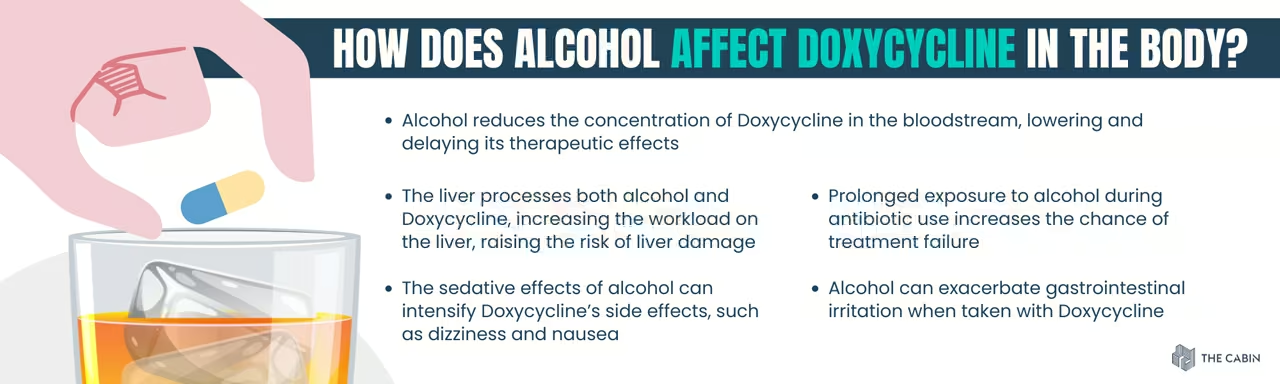
Alcohol affects Doxycycline in the body by reducing its concentration in the bloodstream. The liver processes alcohol and Doxycycline, and alcohol increases the workload on the liver. Added strain accelerates the breakdown of the drug, lowering its effectiveness against infections. Alcohol slows the absorption of Doxycycline in the digestive tract, delaying the time it takes for the drug to reach therapeutic levels. The sedative effects of alcohol can intensify the side effects of Doxycycline, like dizziness and nausea.
Combining alcohol with antibiotics like Doxycycline delays recovery by affecting the immune response. It strains the liver, which processes alcohol and the medication, raising the risk of liver damage, according to the research titled “Alcohol, Antibiotics, and Healing: What Happens? ” by Lauren Panoff, MPH, RD, 2023. Heavy drinking increases the risk of liver inflammation during treatment. Combining alcohol and Doxycycline can also make gastrointestinal irritation worse. Reduced drug absorption and faster clearance from the body result in weaker infection control. Prolonged alcohol exposure during antibiotic use increases the chance of treatment failure. The combined stress on liver enzymes further worsens tolerance to the medication. These factors explain why medical guidance advises avoiding alcohol to ensure optimal therapy outcomes, especially in cases involving Doxycycline and alcohol interaction.
Does Alcohol Stop Doxycycline from Working?
No, alcohol does not stop Doxycycline from working. However, alcohol decreases the gastrointestinal tract’s ability to absorb Doxycycline. The stomach lining becomes irritated by alcohol, which delays or reduces the absorption of Doxycycline. Alcohol and Doxycycline are metabolized in the liver. Alcohol metabolism changes the way Doxycycline is digested and eliminated by competing with liver enzymes. These side effects lower the blood levels of Doxycycline and its absorption into the body.
Alcohol weakens the immune system and impairs the body’s ability to fight infection. This impairment indirectly lowers Doxycycline’s effectiveness. Alcohol intake can increase the risk of side effects such as stomach upset, dizziness, and liver strain. These side effects may complicate treatment outcomes.
Alcohol intake with tetracycline antibiotics delays healing by affecting drug absorption and liver metabolism. Alcohol impacts drug metabolism through the cytochrome P450 enzyme system, which influences Doxycycline clearance, according to the studies of Sayer et al, 1982, and Vezina et al, 2007.
Does Alcohol Make Doxycycline Less Effective?
No, alcohol does not directly make Doxycycline less effective. Doxycycline maintains antibacterial activity, regardless of alcohol consumption. Alcohol impairs the immune system by reducing white blood cell function and weakening the body’s natural defenses against infections. A weakened immune system slows the body’s ability to respond to bacterial threats, indirectly limiting the effectiveness of antibiotics. Heavy drinking delays recovery by increasing inflammation, dehydration, and oxidative stress, which further burdens the body during infection treatment. Alcohol also interferes with nutrient absorption, which can reduce the availability of vitamins and minerals necessary for optimal immune function. Chronic or excessive alcohol intake may impair liver metabolism, which affects the processing and clearance of medications like Doxycycline. Reduced liver efficiency can prolong drug elimination, alter blood concentration levels, and complicate treatment outcomes. Individuals who consume alcohol while taking Doxycycline face a higher risk of gastrointestinal side effects, dizziness, and fatigue. These side effects can reduce adherence to the prescribed antibiotic regimen, indirectly lowering the overall effectiveness of the treatment. Abstaining from alcohol use during Doxycycline therapy ensures the antibiotic works as intended and supports faster and safer recovery from infections.
How much alcohol can you safely drink with Doxycycline?
No safe amount of alcohol exists when taking Doxycycline. Alcohol lowers the drug’s level in the bloodstream and weakens its ability to fight infection. Consuming too much alcohol in a single day raises the possibility of adverse consequences and decreases the efficacy of treatment. The liver, which breaks down chemicals, is strained by alcohol, which also increases the risk of liver injury or discomfort. When Doxycycline and alcohol are combined, nausea, vomiting, and stomach pain result. Alcohol promotes the survival and growth of bacteria, which hinders the healing process. Medical research shows that alcohol accelerates the body’s excretion of Doxycycline, reducing treatment effectiveness. Choosing water or herbal tea during therapy better supports the healing process. The best likelihood of recovery is achieved by abstaining from alcohol during treatment.
Is it better to avoid alcohol when taking Doxycycline? Yes, it is better to avoid alcohol when taking Doxycycline. Alcohol lowers the drug concentration in the bloodstream and reduces its ability to fight infections. It also increases the risk of side effects such as nausea, vomiting, and stomach pain. Alcohol stresses the liver, which processes substances, raising the chance of liver irritation. Drinking alcohol delays recovery by allowing bacteria to survive and multiply. Avoiding alcohol supports stable antibiotic levels and improves treatment effectiveness. Choosing non-alcoholic drinks like water or herbal tea promotes healing during therapy.
Does Alcohol Addiction Increase the Risks of Taking Doxycycline?
Yes, alcohol addiction increases the risk of taking Doxycycline. Chronic alcohol use damages the liver, which processes many medications, like Doxycycline. Liver impairment reduces the body’s ability to metabolize the drug, causing harmful buildup or decreased effectiveness. Alcohol addiction weakens the immune system, making infections harder to fight even with antibiotics. Combining heavy alcohol intake with Doxycycline raises the chance of side effects like nausea, vomiting, and liver irritation. The drug’s elimination from the body speeds up in some cases of alcohol abuse, lowering treatment success. Patients with alcohol addiction face higher risks of incomplete recovery and complications. For example, severe infections require consistent antibiotic levels, which alcohol disrupts. Proper treatment depends on controlled medication metabolism, something impaired by alcohol addiction.
Is Beginning Recovery from Alcohol before Taking Doxycycline?

Yes, alcohol early recovery phase is important before taking Doxycycline. Alcohol limits the liver’s capacity to process medications effectively. The liver eliminates alcohol and Doxycycline from the body. Excess alcohol consumption slows this elimination. Reduced liver function lowers the effectiveness of Doxycycline. Alcohol raises the risk of nausea, vomiting, and liver irritation. It disrupts the immune response and delays recovery from infection. Completing an alcohol early recovery phase restores healthy liver function.early recovery phase improves the absorption and use of Doxycycline. Ending alcohol consumption several days before starting doxycycline allows liver recovery. This decreases the likelihood of drug interactions and treatment complications. Maintaining a clean system supports healing from infections more reliably. Avoiding alcohol and undergoing alcohol early recovery phase before Doxycycline ensures the medication works as intended and promotes safer treatment.
Can Doxycycline Be Addictive?
No, Doxycycline is not addictive. The drug does not produce cravings, withdrawal symptoms, or compulsive use associated with addictive substances. Its primary purpose is to treat bacterial infections by stopping the growth and spread of bacteria. Long-term use of Doxycycline is prescribed only for specific medical conditions under supervision. Prolonged intake without medical need increases the risk of side effects, like stomach irritation, sensitivity to sunlight, and yeast infections. Medical studies show no evidence of chemical dependence from its use. Misuse by taking it without a prescription or for non-medical reasons can lead to antibiotic resistance, which makes future infections harder to treat. Proper adherence to prescribed dosage prevents unnecessary risks and supports effective treatment. Unsupervised consumption can cause harm without providing health benefits. Understanding its intended purpose and correct usage eliminates concerns about Doxycycline addiction.
How Does Alcohol Interact with Higher Doses of Doxycycline?
Yes, alcohol interacts with higher doses of Doxycycline. Drinking alcohol while taking large amounts of Doxycycline increases the risk of liver strain. The liver processes substances and combining them places additional stress on this organ, an effect intensified with higher antibiotic doses. Side effects such as nausea, dizziness, and upset stomach worsen when alcohol is paired with high doses of Doxycycline. Alcohol irritates the stomach lining, compounding Doxycycline’s gastrointestinal effects. Dehydration risk rises because substances reduce body fluid levels, which can further exacerbate dizziness and headaches.
Lower Doxycycline doses cause side effects less intensely. Drinking alcohol in smaller amounts still carries risks, though usually less severe. Increasing the Doxycycline dose raises the likelihood of amplified symptoms. For example, mild nausea with low doses may escalate to severe vomiting when combined with higher doses and alcohol.
Combining alcohol with Doxycycline increases liver enzyme levels and side effects compared to antibiotics alone. Researchers warn about consuming alcohol with higher antibiotic doses due to the compounded impact on liver function and gastrointestinal discomfort, according to the study Fact versus Fiction: A Review of the Evidence behind Alcohol and Antibiotic Interactions by Mergenhagen et al., published in December 2019.
Can you drink alcohol with Doxycycline 100 mg?
No, alcohol consumption is not recommended with Doxycycline 100 mg. Doxycycline does not cause cravings, withdrawal symptoms, or compulsive use linked to addictive substances. The drug treats bacterial infections by inhibiting bacterial growth and spread. Long-term Doxycycline use is prescribed only for specific medical conditions under supervision. Taking the drug without medical need increases the risk of side effects such as stomach irritation, sunlight sensitivity, and yeast infections. Medical research confirms no evidence of chemical dependence from Doxycycline. Misusing Doxycycline without a prescription or for non-medical purposes contributes to antibiotic resistance, which makes future infections harder to treat. Following the prescribed dosage prevents unnecessary risks and ensures effective treatment. Unsupervised use causes harm without delivering health benefits. Awareness of Doxycycline’s intended purpose and correct administration removes concerns about addiction.
How Do Different Alcohol Types Interact with Doxycycline?
Different types of alcohol do not significantly change the interaction with Doxycycline. Ethanol, the active ingredient in all alcoholic beverages, affects the body uniformly whether it comes from beer, wine, or spirits. Drinking alcohol while taking Doxycycline increases liver strain. The liver processes substances, raising the risk of liver toxicity when combined.
Higher doses of Doxycycline intensify side effects when alcohol is consumed. Increased medication levels raise the likelihood of nausea, dizziness, and stomach upset. Alcohol dehydrates the body, which worsens these symptoms. Dehydration also impairs kidney function, which is responsible for clearing Doxycycline, creating additional stress on the body.
Lower doses of Doxycycline generally produce fewer side effects. Combining low doses with alcohol still carries risks but at reduced severity. Side effects such as stomach discomfort and dizziness become less intense but remain present. The liver and kidneys experience less strain, lowering the likelihood of serious complications.
Alcohol intake during Doxycycline treatment increases gastrointestinal side effects and can delay recovery. According to the study Impact of Ethanol on Antimicrobial Pharmacokinetics and Side Effects by Van den Bossche, D., et al., published in the Journal of Antimicrobial Chemotherapy in 2016. Alcohol amplifies adverse reactions and prolongs healing, making abstinence essential to reduce the chances of amplified side effects and organ strain. Avoiding alcohol prevents worsening nausea, dizziness, dehydration, and liver stress. Side effects and organ strain increase with higher doses compared to lower doses. The interaction between Doxycycline and alcohol does not vary with the type of alcohol but depends on the dosage of Doxycycline and alcohol consumption.
Can You Drink Beer While Taking Doxycycline?
No, beer consumption is not recommended while taking Doxycycline. Alcohol reduces the absorption and effectiveness of Doxycycline. Beer increases the workload on the liver, which processes alcohol and Doxycycline. Reduced absorption lowers the drug concentration in the blood and weakens its ability to fight infections. Alcohol with Doxycycline increases the risk of nausea, dizziness, and stomach irritation. Heavy drinking delays recovery by impairing the immune response. Alcohol interference with drug levels can extend treatment duration. According to the study Ethanol Effects on the Pharmacokinetics of Doxycycline by Neuvonen, P. J., et al., published in Clinical Pharmacology and Therapeutics in July 1976, alcohol accelerates the breakdown of Doxycycline in the liver. The risk increases during prolonged treatments and in severe bacterial infections. Mixing alcohol with antibiotics like Doxycycline can cause treatment failure. Medical guidelines advise avoiding alcohol during antibiotic therapy. The risk of liver inflammation increases when beer is consumed with Doxycycline. Stronger reactions occur in individuals with existing liver conditions. Completing the full antibiotic course prevents bacterial resistance. Strong caution is advised when mixing Doxycycline and beer, because the combination affects safety and treatment success.
Can you drink wine with Doxycycline?
No, you can’t drink wine with Doxycycline. The alcohol in wine reduces the absorption rate of Doxycycline in the digestive tract. Ethanol increases the liver’s breakdown of the antibiotic, which shortens its active concentration in the blood. Reduced drug levels lead to lower effectiveness against bacterial infections. The combination irritates the stomach lining and increases the risk of nausea, vomiting, and abdominal pain. Some individuals experience stronger dizziness and fatigue after drinking while on the medication. Alcohol weakens the immune response, which slows infection recovery. Certain infections, like pneumonia and chlamydia, require consistent therapeutic levels for successful treatment. Physicians recommend avoiding alcohol until the whole course is completed.
How Long After Taking Doxycycline Can You Drink Alcohol?
After taking Doxycycline, alcohol consumption is advisable only after at least 48 hours have passed since the last dose. The 48-hour interval allows the antibiotic to clear from the body and prevents reduced effectiveness. Alcohol during treatment interferes with Doxycycline absorption and metabolism. Alcohol intake increases the risk of gastrointestinal irritation, dizziness, and liver strain. Chronic alcohol use accelerates Doxycycline clearance, lowering blood levels and weakening the ability to fight infections. Waiting two full days maintains drug potency and supports recovery. For example, if the last dose is taken on a Monday night, alcohol is safer starting Thursday night. A study in the British Journal of Clinical Pharmacology documented these effects.
What are the side effects of mixing Doxycycline and Alcohol?
The side effects of mixing Doxycycline and alcohol are listed below.
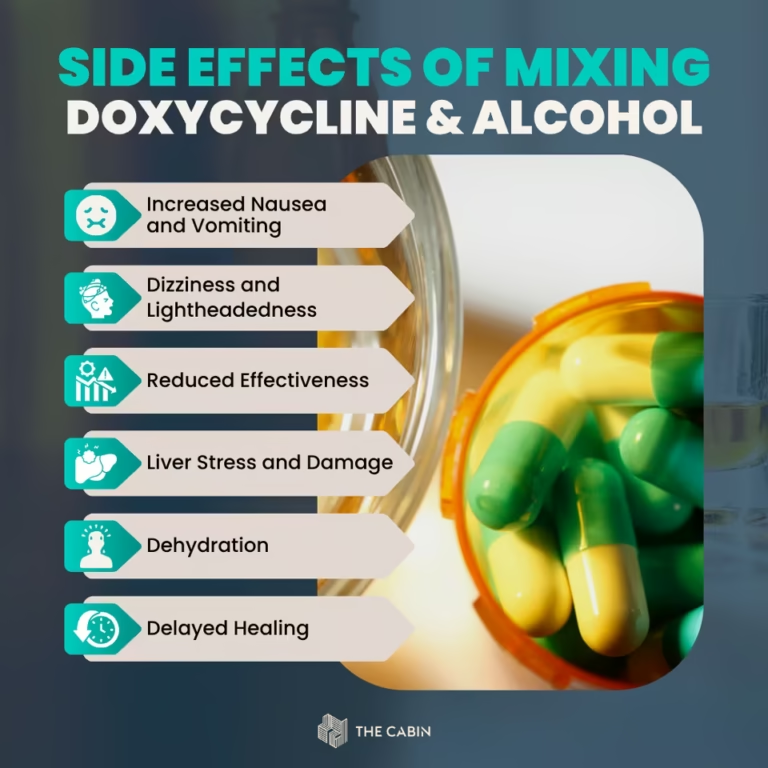
- Increased Nausea and Vomiting: Alcohol irritates the stomach lining and, when combined with Doxycycline, worsens gastrointestinal discomfort, leading to nausea and vomiting.
- Dizziness and Lightheadedness: Alcohol and Doxycycline cause dizziness, and taking them together intensifies these effects, increasing the risk of falls or accidents.
- Reduced Antibiotic Effectiveness: Alcohol interferes with Doxycycline absorption and accelerates its clearance from the body, reducing blood levels and lowering the antibiotic’s effectiveness in fighting infection.
- Liver Stress and Damage: Substances undergo metabolism in the liver and alcohol intake while taking Doxycycline increases liver strain. This may lead to liver damage or impaired liver function.
- Dehydration: Alcohol acts as a diuretic and causes dehydration, which worsens Doxycycline side effects such as headaches and fatigue.
- Delayed Healing: Alcohol consumption impairs immune function and hinders the body’s ability to recover from infection.
Chronic alcohol intake accelerates Doxycycline clearance, lowering its blood concentration levels. This reduction decreases the antibiotic’s effectiveness in fighting infections and increases the risk of side effects, according to the study by Smith et al. (2018), published in the British Journal of Clinical Pharmacology.
How Does Alcohol Worsen the Side Effects of Doxycycline?
Alcohol worsens the side effects of Doxycycline. Drinking alcohol increases the risk of adverse reactions. Alcohol irritates the stomach lining, which raises the likelihood of gastrointestinal side effects such as diarrhea, nausea, vomiting, or stomach pain. Alcohol affects the absorption of Doxycycline, reducing its potency and effectiveness in treating infections. Improper antibiotic absorption may cause infections to worsen or recur, leading to additional complications. Doxycycline and alcohol are metabolized by the liver, and combining them increases the risk of liver toxicity and damage. Alcohol and Doxycycline also affect the central nervous system, and their combination intensifies dizziness, lightheadedness, and impaired coordination. Alcohol acts as a diuretic, increasing urination and causing dehydration. Doxycycline’s side effect of diarrhea can contribute further to fluid loss. The combined effects of alcohol and Doxycycline may increase the likelihood of kidney damage in cases of severe dehydration.
How Does Alcohol Affect Amoxicillin Compared to Doxycycline?
Alcohol affects amoxicillin differently compared to Doxycycline. Alcohol reduces Doxycycline’s effectiveness, while amoxicillin has no direct interaction with alcohol, but may have worsened side effects. Alcohol intensifies Doxycycline’s side effects, including nausea, dizziness, and gastrointestinal discomfort. Alcohol and Doxycycline stress the liver, increasing the risk of liver damage. Chronic alcohol use lowers Doxycycline blood levels and decreases its ability to fight infections. According to the study Effects of Chronic Alcohol on Doxycycline Efficacy by Zambrano et al., published in Acta Pharmacologica et Toxicologica in 2019, long-term alcohol intake often reduced Doxycycline’s cure rate in a rat model of infection from 100% to 64.7%.
Alcohol does not directly interfere with amoxicillin’s antibacterial activity. Alcohol consumption while taking amoxicillin worsens common side effects such as nausea, vomiting, and diarrhea. Alcohol may also delay amoxicillin absorption, slowing recovery. Medical guidance recommends avoiding alcohol during amoxicillin treatment and for 48 hours after completing the course to prevent these issues (Verywell Health, 2023).Stronger caution is required for Doxycycline in cases of long-term alcohol use. Doxycycline and amoxicillin treatments require attention to overall health status. Interactions are generally less severe but still relevant for symptom management and recovery outcomes, like alcohol and amoxicillin.
Does Alcohol Increase the Risk of Liver Damage while on Doxycycline?
Yes, alcohol increases the risk of liver damage while taking Doxycycline. Alcohol and Doxycycline are processed by the liver, which increases strain on the organ. Excessive liver strain causes inflammation and impairs liver function. High doses or long-term use of Doxycycline increase the likelihood of liver damage. Alcohol consumption during treatment raises this likelihood, especially with heavy intake. Individuals with pre-existing liver conditions face a higher risk of harm. Chronic hepatitis patients experience worsening symptoms after drinking while on Doxycycline. Heavy alcohol use while taking Doxycycline causes fatigue, abdominal pain, and yellowing of the skin or eyes. Medical evaluation is necessary for people with liver disease or a history of heavy drinking before combining alcohol with Doxycycline.
Is it Safe to Combine Doxycycline and Alcohol Occasionally?
Yes, combining Doxycycline and alcohol occasionally is generally safe for healthy adults. Moderate alcohol use does not significantly interfere with Doxycycline treatment. Moderate drinking consists of up to one drink per day for women and up to two drinks per day for men. One drink equals 350 milliliters of beer, 150 milliliters of wine, or 45 milliliters of distilled spirits. Drinking beyond these amounts increases the risk of side effects and delays recovery.
Alcohol consumption should be avoided when experiencing nausea, dizziness, or stomach irritation from Doxycycline. Alcohol causes dehydration and worsens these symptoms. The liver, which metabolizes alcohol and Doxycycline, may become strained. Abstaining from alcohol while recovering from an infection boosts vitality and strengthens the immune system. Patients receiving treatment for a respiratory infection recover faster and experience less fatigue when avoiding alcohol. Excessive drinking during antibiotic therapy weakens the body’s defense against bacteria. Alcohol also interferes with sleep, which is vital for recovery. Staying hydrated and maintaining proper nutrition while taking Doxycycline supports better treatment outcomes.
What are the long-term effects of mixing Doxycycline and Alcohol?
The long-term effects of mixing Alcohol and Doxycycline are listed below.
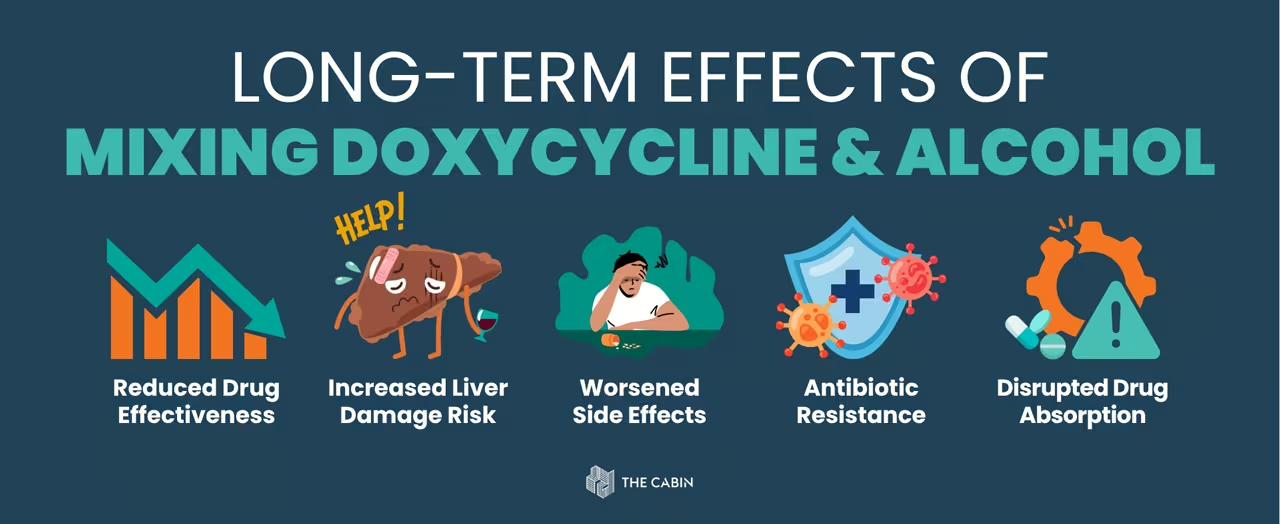
- Reduced Drug Effectiveness: Frequent alcohol use lowers Doxycycline blood levels, which reduces its ability to fight infections. Faster drug metabolism decreases treatment efficacy and makes bacterial infections harder to treat.
- Increased Liver Damage Risk: Combining alcohol with Doxycycline frequently stresses the liver. Continuous strain increases the risk of liver inflammation and chronic liver disease. Excessive drinking during treatment can cause permanent liver damage.
- Disrupted Nutrient and Drug Absorption: Alcohol interferes with Doxycycline absorption in the digestive system. Reduced absorption weakens the drug’s ability to inhibit bacterial growth. Chronic absorption issues may lead to persistent or recurring infections.
- Promotion of Antibiotic Resistance: Inconsistent antibiotic effectiveness from alcohol use encourages bacterial resistance. Resistance of this type requires stronger medications and longer treatment periods. It also increases the likelihood of severe or recurring infections.
- Worsened Side Effects: Long-term alcohol consumption intensifies Doxycycline side effects such as nausea, stomach pain, and headaches. Continued alcohol intake increases digestive discomfort and can cause lasting symptoms.
Who should completely avoid Alcohol while on Doxycycline?
Individuals with liver disease, alcohol addiction, pregnancy, or breastfeeding must completely avoid alcohol while taking Doxycycline. Alcohol increases stress on the liver. Alcohol worsens existing liver damage. Alcohol slows the breakdown of Doxycycline. Alcohol dependence reduces treatment effectiveness by causing poor adherence. Alcohol weakens the immune response. Long-term alcohol use decreases the body’s ability to fight infections. Doxycycline becomes less effective when the immune system is compromised. Recovery takes longer, and the risk of complications rises. Pregnant individuals face higher risks of birth defects and impaired fetal growth when alcohol and Doxycycline interact. Breastfeeding individuals risk transferring alcohol and doxycycline through breast milk. Infants experience harm in development and growth from this exposure.
Elderly individuals face greater chances of dizziness, falls, and dehydration when combining alcohol with Doxycycline. People with weakened immunity from conditions such as HIV or chemotherapy frequently experience slower recovery. People with weakened immunity also face a higher risk when consuming alcohol. Uncertainty about personal risk status requires complete abstinence to prevent complications. Rehabilitation programs provide support for individuals struggling to stop alcohol use. Counseling services help manage alcohol dependence. Medical Withdrawal centers restore liver function and improve treatment outcomes.
Can Doxycycline and Alcohol Together Cause Addictive Behavior?
No, Doxycycline and alcohol together do not cause addictive behavior. Alcohol produces addictive effects by altering the brain’s reward system and triggering the release of dopamine, which reinforces repeated consumption. Doxycycline does not interact with the brain’s reward pathways and does not produce cravings, withdrawal symptoms, or compulsive use. The combination of Doxycycline and alcohol does not create reinforcement that increases the urge for repeated use or dependence. Alcohol addiction develops only through regular and excessive consumption, independent of antibiotic use.
However, using Doxycycline while consuming alcohol increases other health risks. Alcohol impairs the immune system, which reduces the body’s ability to fight infections even when antibiotics are present. Alcohol can interfere with Doxycycline absorption and metabolism, lowering the drug’s concentration in the bloodstream. Reduced antibiotic levels weaken treatment effectiveness and delay recovery from infections. The combination of alcohol and Doxycycline also heightens the likelihood of side effects. Gastrointestinal issues such as nausea, vomiting, and stomach pain occur more frequently. Dizziness, lightheadedness, and liver strain intensify when substances are consumed together. Patients with pre-existing liver conditions or chronic alcohol use face greater risks of liver inflammation or impaired liver function. The combination of Doxycycline and alcohol requires caution to prevent reduced treatment efficacy and increased adverse effects.
Begin Your Path to Recovery
For Healthcare Professionals Referring Clients
We collaborate with healthcare providers, including GPs, psychiatrists, psychologists, counsellors, and case managers, to ensure seamless referrals. If you wish to refer a client or patient, please connect with us via email, phone, or our online contact form; we’re here to help guide your clients on their path to recovery.
For Individuals Seeking Treatment
At the Cabin, treatment is more than addressing addiction or mental health challenges — it’s an opportunity to embark on a profound journey of self-care discovery and personal growth. Our holistic approach nurtures lasting change and a healthier, more fulfilled life.
For Loved Ones Seeking Support
The Cabin offers specialized care that tackles both addiction and related mental health concerns. We create a compassionate environment where loved ones can find the healing and support they need to rebuild their lives and move forward with confidence.