No, you cannot drink alcohol with Meloxicam. Drinking alcohol while taking Meloxicam is unsafe, because the combination increases irritation of the stomach lining and significantly raises the risk of ulcers and gastrointestinal bleeding. Alcohol and Meloxicam are both processed by the liver, which increases metabolic strain and the risk of liver damage or impaired liver function. Blood pressure may also rise due to fluid retention and vascular stress, complicating existing cardiovascular conditions. Drinking alcohol during Meloxicam treatment creates avoidable safety risks that directly affect stomach integrity, liver health, and circulatory stability.
Combining Meloxicam and alcohol can cause nausea, dizziness, stomach pain, and internal bleeding. Warning signs such as black stools, vomiting blood, weakness, or faintness indicate severe gastrointestinal injury and require immediate medical attention. Long-term combined use increases the risk of liver damage, kidney impairment, and elevated blood pressure. Dosage and timing are critical because Meloxicam is taken once daily and remains active for extended periods. Even small amounts of alcohol taken near dosing time can worsen side effects. Patients with heart, kidney, or liver disease face heightened risk because alcohol magnifies organ stress, fluid retention, and blood pressure instability. Combining Meloxicam and alcohol compounds organ strain and increases the likelihood of serious complications.
Practical medical guidance favors complete avoidance of alcohol during Meloxicam therapy. Although occasional small amounts may seem less harmful, the risk of stomach bleeding and organ damage remains present. The danger increases for individuals with alcohol addiction, as repeated drinking during Meloxicam treatment accelerates damage to the stomach, liver, and kidneys. Medical supervision is essential for anyone prescribed Meloxicam who struggles with alcohol use.
What happens if you drink alcohol while taking Meloxicam?
Internal bleeding and systemic stress can occur if you drink alcohol while taking Meloxicam. Alcohol irritates the stomach lining, while Meloxicam reduces protective prostaglandins, greatly increasing the risk of ulcers and gastrointestinal bleeding. Dizziness becomes more pronounced because alcohol depresses the central nervous system, and Meloxicam affects circulation. The liver experiences added strain as both substances require metabolic processing, increasing the risk of liver injury. Stomach pain, nausea, and fatigue intensify when alcohol is consumed during treatment. Even a single drinking episode can trigger bleeding or organ stress while Meloxicam remains active in the body. The combination reduces overall safety, making avoidance the most protective option.
Can I Drink Alcohol with Meloxicam 15 Mg?
No, you cannot drink alcohol with Meloxicam 15 mg, because it is unsafe. Higher doses of Meloxicam increase the risk of gastrointestinal bleeding, ulcers, and liver strain compared to lower doses, such as Meloxicam 7.5 mg and alcohol. The stronger dose places greater pressure on the digestive tract and liver, making alcohol consumption more dangerous. Side effects such as dizziness, nausea, and stomach pain intensify when alcohol interacts with this dosage. Alcohol intake is especially unsafe for individuals with heart disease, kidney impairment, or liver conditions, as combined stress may trigger organ failure or severe fluid retention. Complete avoidance of alcohol is advised during treatment with Meloxicam 15 mg to reduce the risk of serious complications.
Can you drink wine or beer while taking Meloxicam?
No, you cannot drink wine or beer while taking Meloxicam. Alcohol in any form increases stomach lining irritation, and Meloxicam raises the risk of ulcers and gastrointestinal bleeding. The liver must process both substances, and the combined burden heightens the chance of liver injury. Moderate drinking is still dangerous because alcohol amplifies dizziness, nausea, and stomach pain while the medication remains active. Individuals with heart disease, kidney impairment, or liver conditions face greater danger when the organ stress intensifies. Wine, beer, and spirits all carry the same risk profile when combined with Meloxicam. Repeated intake of an abused substance during treatment accelerates organ damage and increases bleeding risk. Complete abstinence remains the safest approach for protecting gastrointestinal, liver, and cardiovascular health.
How long after taking Meloxicam can you safely drink alcohol?
Drinking alcohol after stopping Meloxicam remains risky until the drug has adequately cleared from the body. Alcohol intake is unsafe immediately after taking Meloxicam. Waiting at least three to four days after the last dose is considered safer, because Meloxicam has a half-life of approximately 15 to 20 hours and requires about five half-lives (75 to 100 hours) for near-complete clearance. Traces of the drug can remain active for several days, during which alcohol can still increase gastrointestinal irritation and liver stress. Waiting three to four days reduces the risk of gastrointestinal bleeding, dizziness, and liver toxicity. Risk remains higher for individuals with heart, kidney, or liver disease, because organ stress may persist even after drug clearance. Drinking alcohol too soon can worsen nausea, stomach pain, and fatigue. Respecting clearance time provides better protection, as spacing intake minimizes cumulative organ burden.
Does alcohol increase Meloxicam side effects?
Yes, alcohol increases Meloxicam side effects. Gastrointestinal irritation becomes more severe because alcohol weakens the stomach lining, while Meloxicam suppresses protective mechanisms, significantly raising the risk of ulcers and bleeding. Dizziness and fatigue intensify, since alcohol depresses the central nervous system, as Meloxicam alters the blood flow. Liver damage risk increases because both substances require hepatic metabolism, placing greater strain on liver cells. The combined effects raise the likelihood of serious adverse outcomes, reinforcing that alcohol avoidance during Meloxicam therapy is the safest course. Kidney stress increases when alcohol and Meloxicam are used together, because alcohol dehydrates the body while Meloxicam reduces blood flow to the kidneys. This combination raises the risk of impaired kidney function and fluid imbalance. The interaction magnifies harmful effects through compounded organ stress, making side effects more severe and potentially dangerous, especially with repeated exposure.
Can mixing Meloxicam and alcohol cause stomach problems?
Yes, mixing Meloxicam and alcohol causes stomach problems. The combination increases the risk of ulcers, bleeding, and gastric irritation because Meloxicam reduces protective prostaglandins in the stomach, while alcohol weakens the stomach lining. This interaction creates a higher likelihood of gastrointestinal injury, with symptoms such as stomach pain, nausea, and indigestion. Alcohol increases stomach acid production and damages the mucosal barrier, making the stomach more vulnerable to Meloxicam’s effects. Preventive advice often mentions limiting alcohol or eating food before dosing, but the safest and most reliable approach remains complete abstinence during Meloxicam treatment to protect digestive health and reduce serious complications.
Can you take Meloxicam after drinking alcohol?
No, you cannot safely take Meloxicam after drinking alcohol. Alcohol remains active in the body for many hours, and residual effects can persist longer depending on quantity, metabolism, and health status. Taking Meloxicam during this period increases the risk of stomach bleeding, ulcers, and liver strain. While alcohol metabolism varies, waiting at least 24–48 hours after drinking before starting Meloxicam reduces, but does not eliminate, the risk. Timing matters because Meloxicam continues to affect the stomach lining and liver for extended periods, and alcohol intensifies these effects. Mixing alcohol with a cold while taking meloxicam adds stress on the digestive system when the body is already weakened. Avoiding alcohol throughout Meloxicam therapy offers the best protection, especially for patients with heart, kidney, or liver conditions.
How does Meloxicam interact with alcohol in the body?
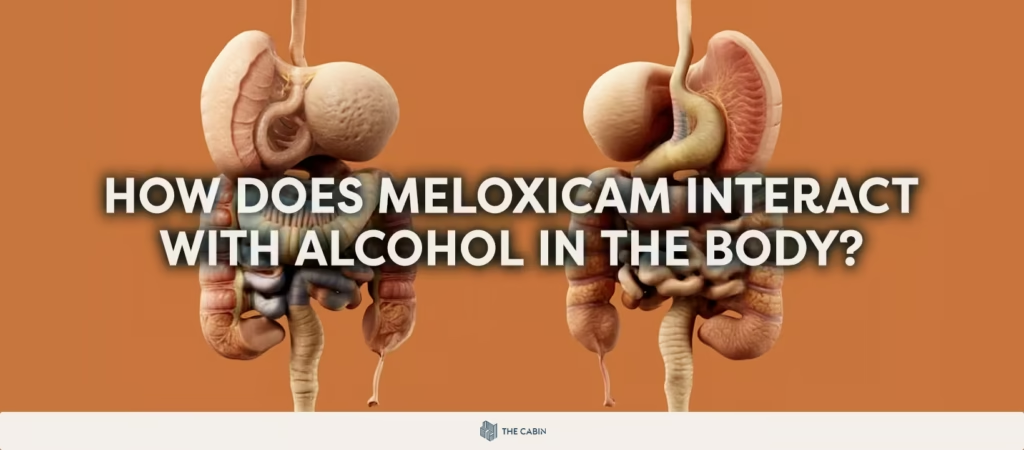
Meloxicam interacts with alcohol through overlapping effects on the liver, gastrointestinal tract, kidneys, and blood pressure regulation. The liver processes both substances, increasing metabolic strain and early recovery. The gastrointestinal tract becomes more vulnerable because Meloxicam suppresses protective prostaglandins while alcohol inflames the stomach lining, raising ulcer and bleeding risk. Blood pressure may become unstable because Meloxicam promotes sodium and water retention, while alcohol disrupts vascular tone. Compounded side effects include dizziness, headaches, nausea, fatigue, palpitations, stomach pain, and impaired coordination. These risks multiply, rather than cancel each other out, making avoidance the safest strategy for protecting cardiovascular, digestive, and liver health.
Is it safe to have one glass of wine while on Meloxicam?
No, it is not safe to have even one glass of wine while on Meloxicam. Occasional drinking still creates risk, because alcohol irritates the stomach lining and Meloxicam reduces protective mechanisms, increasing the chance of ulcers and gastrointestinal bleeding. Chronic or repeated use compounds liver stress, raises blood pressure, and weakens kidney function. A single glass may seem harmless, but individual factors such as age, dosage, and existing organ conditions significantly influence risk. People with hypertension, heart disease, or a history of digestive problems are especially vulnerable. Complete avoidance remains the safest approach during therapy.
Can alcohol worsen Meloxicam’s effects on blood pressure?
Yes, alcohol can worsen Meloxicam’s effects on blood pressure. Meloxicam promotes sodium and water retention, which elevates blood pressure, while alcohol disrupts vascular tone and fluid balance. Together, they place greater strain on the cardiovascular system and increase the likelihood of hypertensive spikes and circulatory instability. Alcohol alters vascular regulation, while Meloxicam reduces prostaglandin activity, increasing vascular resistance and impairing circulation. Symptoms such as dizziness, flushing, palpitations, and headaches reflect cardiovascular stress. Patients with hypertension, heart disease, stroke history, kidney disease, or advanced age face higher risk due to reduced physiological resilience. Avoiding alcohol during Meloxicam therapy supports blood pressure stability and lowers the chance of serious cardiovascular events.
What are the risks of drinking alcohol on Meloxicam for people with heart or kidney issues?
The risks of drinking alcohol on Meloxicam for people with heart or kidney issues are listed below:
- Heart Rhythm Disturbances: Alcohol interferes with electrical signaling in the heart, and Meloxicam increases vascular resistance. Together, they raise the likelihood of palpitations, irregular heartbeat, and chest discomfort. People with arrhythmias or heart failure face an amplified risk.
- Kidney Stress: Meloxicam reduces renal blood flow, while alcohol disrupts fluid balance and filtration. The interaction increases the risk of acute kidney injury and accelerates long-term renal impairment. Dehydration further worsens kidney stress during combined use.
- Greater Risk of Organ Damage: Alcohol burdens liver metabolism, and Meloxicam adds strain through prostaglandin inhibition. The overlap raises the likelihood of multi-organ complications in individuals with pre-existing conditions.
- Practical Warnings: Avoid alcohol during Meloxicam therapy to protect cardiovascular and renal stability. Monitor for dizziness, swelling, reduced urine output, or sudden weight gain as warning signs of adverse effects.
- Alternative Approaches: Safer practices include hydration with water, herbal teas, or non-caffeinated fluids. Balanced meals and adequate rest support inflammation control without introducing harmful interactions.
Does Meloxicam cause drowsiness or dizziness when combined with alcohol?
Yes, Meloxicam can cause drowsiness or dizziness when combined with alcohol. Meloxicam alters prostaglandin activity and circulation, while alcohol depresses the central nervous system, producing stronger sedative effects together. Reaction time slows, coordination weakens, and fatigue intensifies, increasing confusion and impaired judgment. Balance and postural stability decline, as alcohol interferes with brain signaling, while Meloxicam contributes to dizziness. This combination of symptoms raises fall and accident risk during routine activities such as walking, climbing stairs, or driving. Avoiding alcohol during Meloxicam therapy preserves alertness and reduces injury risk.
Can you drink alcohol while taking other NSAIDs like Meloxicam?
No, you cannot drink alcohol while taking other nonsteroidal anti-inflammatory drugs (NSAIDs) like Meloxicam. The combination increases the risk of gastrointestinal bleeding, ulcers, and liver stress. Ibuprofen irritates the stomach lining, and alcohol worsens this effect, increasing pain and bleeding risk. Naproxen has a longer half-life, which prolongs exposure and raises harm potential when alcohol is consumed. The interaction between alcohol and NSAIDs follows the same pattern across the drug class, where stomach injury, kidney stress, and cardiovascular strain become more severe when substances overlap. The combination of Ibuprofen and alcohol highlights the same dangerous interaction, where stomach irritation and cardiovascular strain become more severe when substances are present.
Should you avoid alcohol completely while on Meloxicam?
Yes, you should avoid alcohol completely while on Meloxicam. Meloxicam reduces protective prostaglandins in the stomach, and alcohol irritates the gastric lining, creating a higher risk of ulcers and gastrointestinal bleeding. Kidney strain increases because Meloxicam lowers renal blood flow while alcohol disrupts fluid balance, raising the chance of acute kidney injury. Liver burden and blood pressure elevation occur when alcohol metabolism overlaps with NSAID effects, intensifying dizziness, headaches, and palpitations. Complete avoidance provides the most consistent protection, especially for people with hypertension, heart disease, kidney or liver conditions, or those using higher doses. Nonalcoholic hydration, regular meals, and rest support safer recovery and symptom control during treatment.
Stop Mixing – Start Recovering At The Cabin Today!
If you are looking for addiction treatment, we are here to help you. We offer a peaceful environment and caring staff, along with activities like nature excursions and art therapy. Contact us today for a free evaluation. We will respond within 24 hours to start your healing process.
Begin Your Path to Recovery
For Healthcare Professionals Referring Clients
We collaborate with healthcare providers, including GPs, psychiatrists, psychologists, counsellors, and case managers, to ensure seamless referrals. If you wish to refer a client or patient, please connect with us via email, phone, or our online contact form; we’re here to help guide your clients on their path to recovery.
For Individuals Seeking Treatment
At the Cabin, treatment is more than addressing addiction or mental health challenges — it’s an opportunity to embark on a profound journey of self-care discovery and personal growth. Our holistic approach nurtures lasting change and a healthier, more fulfilled life.
For Loved Ones Seeking Support
The Cabin offers specialized care that tackles both addiction and related mental health concerns. We create a compassionate environment where loved ones can find the healing and support they need to rebuild their lives and move forward with confidence.