Yes, you can take ibuprofen with alcohol only under medical guidance. However, improper use may increase the risk of gastrointestinal bleeding, liver damage, and kidney dysfunction. Mixing alcohol and ibuprofen can lead to serious health risks (gastrointestinal bleeding, liver damage, and kidney dysfunction). The interaction between alcohol and ibuprofen increases the strain on the stomach lining and impairs the liver’s ability to metabolise the drug effectively.
It is important to evaluate the ibuprofen dose, overall health status, and any pre-existing conditions such as liver disease, kidney disease, or a history of gastritis before consuming alcohol. As well as the amount and type of alcohol consumed and the time between taking ibuprofen and drinking alcohol influence the level of risk. Drinking alcohol after taking ibuprofen raises the likelihood of adverse effects in patients with underlying health issues.
Doctors advise against drinking alcohol while taking ibuprofen. Using ibuprofen after drinking poses increased risks with regular alcohol consumption. Only take ibuprofen with alcohol under a doctor’s supervision and in strict moderation.
Is it safe to drink alcohol while taking Ibuprofen?
No, it is not safe to mix alcohol with ibuprofen, as it raises significant health concerns (ulcer formation, internal bleeding, liver failure, and renal complications).
What happens if you Drink Alcohol while Taking Ibuprofen?
Stomach bleeding, liver damage, and kidney problems can occur if you drink alcohol while taking ibuprofen. Ibuprofen functions as a non-prescription medication that alleviates pain and reduces inflammation. Alcohol consumption in combination with ibuprofen creates a significant risk of gastrointestinal bleeding, liver damage, and kidney dysfunction. Medical guidance establishes the only safe circumstance for combining ibuprofen and alcohol.
Is it bad to drink alcohol on ibuprofen?
Yes, it is bad to drink alcohol on ibuprofen. Consuming large amounts of alcohol magnifies the side effects and health risks associated with ibuprofen.
Alcohol consumption during ibuprofen use presents heightened dangers for heavy or regular drinkers, according to Risk Factors for Gastrointestinal Bleeding with Ibuprofen and Alcohol Consumption, by Dr. Miller et al., published in 2020.
How does Alcohol Affect Ibuprofen in the Body?
Alcohol affects ibuprofen in the body by slowing its intake and processing. The liver processes ibuprofen and alcohol, but alcohol limits the liver’s ability to metabolize ibuprofen effectively. Alcohol increases the time it takes for ibuprofen to be absorbed, lowering its ability to provide pain relief. Mixing alcohol and ibuprofen raises drug levels in the bloodstream and increases the risk of gastrointestinal bleeding and liver toxicity. The mixture puts extra stress on the kidneys, further complicating the body’s ability to metabolize both drugs.
Alcohol lowers the effectiveness of ibuprofen by impairing its absorption, according to Interaction Between Alcohol and Ibuprofen on Drug Metabolism, by Dr. Peterson, published in 2021.
Does Alcohol Reduce the Effectiveness of Ibuprofen?
Yes, alcohol reduces the effectiveness of ibuprofen. Alcohol interferes with the liver’s ability to process ibuprofen, possibly reducing its ability to ease pain and inflammation. Alcohol can increase the chance of side effects, such as gut discomfort and gastric bleeding, which further complicates the intended effects of ibuprofen.
Does alcohol make ibuprofen less effective?
Yes, alcohol makes ibuprofen less effective, affecting its metabolism and increasing the risk of adverse reactions. Alcohol reduces the pain-relieving effects of ibuprofen by impairing its absorption and processing in the liver, according to Impact of Alcohol on the Effectiveness and Safety of Ibuprofen, by Dr. Johnson, published in 2020.
How much Alcohol can you Safely Drink with Ibuprofen?
Alcohol cannot be safely drunk with ibuprofen, as the combination increases the risk of gastrointestinal bleeding, liver damage, and kidney dysfunction. Drinking alcohol while taking ibuprofen is not recommended, as it increases the risk of gastrointestinal bleeding, liver damage, and kidney dysfunction. There is no safe amount of alcohol to drink while on ibuprofen, as even small amounts can intensify side effects. The combination of alcohol and ibuprofen can lead to severe stomach irritation and liver strain in patients with underlying health conditions.
Is it better to avoid alcohol when taking ibuprofen?
Yes, it is better to avoid alcohol when taking ibuprofen. Drinking alcohol while on ibuprofen increases the risks of liver damage and gastric bleeding. Alcohol must be consumed only in minimal amounts, and adequate time must pass between ibuprofen intake and alcohol consumption.
Does Alcohol Addiction Increase the Risks of Taking Ibuprofen?
Yes, alcohol addiction increases the risk of taking ibuprofen. Chronic alcohol intake harms the stomach lining, changes platelet function, and burdens liver metabolism. Ibuprofen use in patients with alcohol abuse increases the chance of gastrointestinal bleeding, ulcer formation, and delayed drug clearance, a risk intensified by Addiction in alcohol. Prolonged alcohol-related liver strain mixed with ibuprofen boosts the possibility of kidney injury and systemic toxicity, further aggravated by an addiction to alcohol.
Alcohol abuse raises ibuprofen-related adverse effects. Continuous alcohol drinking promotes gastric erosion and affects ibuprofen’s prevention of prostaglandin production, which increases tissue harm. Liver failure from alcohol abuse slows the breakdown of ibuprofen, which increases drug concentration and prolongs exposure to its effects. The combined factors make a higher risk profile for significant consequences.
Is Beginning Recovery from Alcohol before Taking Ibuprofen?
Yes, alcohol early recovery phase is an important step, before taking ibuprofen. early recovery reduces the amount of alcohol in the body, which lowers the risk of harmful interactions. Alcohol raises gastric irritation and weakens the protective lining of the stomach. Ibuprofen use during alcohol presence increases the risk of gastrointestinal bleeding and ulcer formation. Liver strain from alcohol lowers the efficiency of ibuprofen metabolism and raises drug concentration in the bloodstream.

Alcohol early recovery phase avoids compounded organ stress during ibuprofen use. Chronic alcohol exposure burdens the liver and kidneys, which are essential for drug processing and waste elimination. The combined effect of alcohol-related damage and ibuprofen’s pharmacological action increases the likelihood of liver injury and renal impairment. Medical evidence supports the need for full alcohol clearance before introducing ibuprofen. Organised alcohol early recovery phase programs achieve controlled consumption patterns, ensuring safe medication use.
Can Ibuprofen be Addictive?
No, Ibuprofen cannot be addictive. Ibuprofen does not cause euphoria or withdrawal symptoms associated with dependence-forming drugs. The medication works by inhibiting cyclooxygenase enzymes to reduce inflammation, pain, and fever without altering brain chemistry in a way that causes psychological craving.
Excessive (prolonged) ibuprofen use can cause health risks unrelated to addiction. Continuous intake increases the chance of gastrointestinal bleeding, stomach ulcers, kidney impairment, and cardiovascular complications. Improper use may result from attempts to control chronic pain through unsupervised dosing, which increases the likelihood of harm despite the absence of chemical dependence. Long-term patterns of overuse can create a harmful reliance on the drug for symptom control, a condition sometimes referred to as Ibuprofen Addiction in a behavioral context, rather than a pharmacological one.
How does Alcohol Interact with Higher Doses of Ibuprofen?
Alcohol interacts with higher doses of ibuprofen because ibuprofen intake increases the inhibition of prostaglandin synthesis, which heightens gastrointestinal susceptibility. Alcohol further irritates the stomach lining, causing a compounded risk of ulcers and gastrointestinal bleeding. Increased drug dosage mixed with alcohol extends the burden on the liver, which processes the substances through overlapping metabolic pathways. The extra metabolic strain raises the likelihood of liver injury.
Higher doses of ibuprofen with alcohol increase systemic side effects. Nausea, dizziness, and stomach discomfort become more pronounced due to the additive effect on the digestive and nervous systems. Alcohol promotes dehydration, which increases the chance of kidney impairment when combined with high ibuprofen levels. Lower ibuprofen doses already may pose these risks, yet higher doses with alcohol accelerate the start and severity of adverse outcomes.
Alcohol intake increases the risk of gastrointestinal bleeding in ibuprofen users, according to Risk of Upper Gastrointestinal Bleeding with Ibuprofen and Alcohol Use, by Kaufman D.W., Kelly J.P., Wiholm B.E., Laszlo A., and Sheehan J.E., published in 1999.
Can you Drink Alcohol with Ibuprofen 200mg and 400mg?
No, you cannot drink alcohol with ibuprofen 200mg and 400mg. Ibuprofen increases health risks by irritating the stomach lining through prostaglandin inhibition, while alcohol produces similar gastric effects. The combination increases the chance of gastrointestinal bleeding, ulcer formation, and stomach pain. Alcohol impairs platelet function, which amplifies ibuprofen’s antiplatelet action and raises bleeding risk.
Ibuprofen at higher doses with alcohol increases systemic strain. The liver processes alcohol and ibuprofen through overlapping pathways, which elevates metabolic stress and increases the likelihood of liver injury. Alcohol-induced dehydration combined with ibuprofen’s renal effects boosts the risk of kidney impairment. Lower doses (200mg) present these dangers, although 400mg with alcohol creates a higher possibility for severe side effects.
Gastrointestinal bleeding represents the most common complication of concurrent alcohol and ibuprofen intake, with risk increasing through dosage escalation and continued alcohol exposure, according to Complications of Alcohol and Ibuprofen Interaction, by Dr Reynolds, published in 2020. The study further advises greater caution to prevent harmful outcomes when considering 200 mg of ibuprofen alongside alcohol use.
Can you Drink Alcohol with Ibuprofen 800mg?
No, alcohol cannot be consumed with ibuprofen 800 mg, which delivers a strong anti-inflammatory effect while producing significant gastric irritation through prostaglandin inhibition and raising the likelihood of serious health complications. Alcohol generates similar irritation in the stomach lining, and the combined exposure heightens the probability of gastrointestinal bleeding, stomach ulcers, and severe abdominal pain.
High-dose use in combination with alcohol increases strain on the liver and kidneys, as both substances undergo metabolic processing in the liver and elevate the risk of hepatic injury. Alcohol-related dehydration further intensifies renal impact, increasing the potential for kidney damage. Frequent intake with high-dose treatment raises the probability of chronic organ complications.
Medical studies identify gastrointestinal bleeding as the most common adverse effect of concurrent alcohol and ibuprofen use. Larger dosages present a greater risk profile than standard doses. The danger remains present at 800mg, making the combination of 800mg ibuprofen and alcohol a high-risk practice.
How do Different Alcohol Types Interact with Ibuprofen?
Different alcohol types interact with ibuprofen through varying levels of gastric irritation, liver strain, and blood-thinning effects. Beer contains carbonation and fermentation byproducts that intensify stomach lining irritation from ibuprofen. Wine contains tannins and natural acids that increase the risk of gastrointestinal bleeding when paired with ibuprofen. Spirits (whiskey, vodka, and rum) contain high ethanol concentrations, making the liver and kidneys stressed while accelerating dehydration.
The amount of alcohol in ibuprofen directly affects how harmful its side effects are. High-proof liquors deliver more ethanol per volume, producing greater gastric erosion and organ toxicity. Lower-alcohol beverages produce harmful results by prolonging gastric irritation and making them more likely to bleed. Congeners in darker liquors intensify inflammatory reactions when mixed with ibuprofen.
Combining ethanol and nonsteroidal anti-inflammatory drugs increases gastrointestinal bleeding risk significantly, with stronger effects at higher alcohol strengths, according to Alcohol and NSAID-Associated Gastrointestinal Risk, by García Rodríguez L.A. and Hernández-Díaz S., published in 2001. The degree of harm depends on ethanol concentration, beverage composition, and frequency of intake. The combined impact of beer, wine, and spirits with ibuprofen represents a high-risk health behavior, making ibuprofen and alcohol interaction a medically recognized danger.
Can you Drink Beer while Taking Ibuprofen?
No, you cannot drink beer while taking ibuprofen. Drinking beer while taking ibuprofen causes an officially known health risk. Beer includes ethanol, which affects the stomach walls. Ibuprofen belongs to the nonsteroidal anti-inflammatory drugs that weaken the stomach’s defensive layer. The combined presence of alcohol and ibuprofen increases the chance of gastric bleeding.
Beer delivers varying alcohol concentrations based on its brewing style and fermentation process. Higher ethanol content in beer worsens mucosal irritation. Long-term intake of beer while taking ibuprofen compounds the strain on the gastrointestinal system. Patients with a history of ulcers experience greater vulnerability to severe complications from the combination.
Combining ethanol and nonsteroidal anti-inflammatory drugs increases gastrointestinal bleeding risk greatly, with more potent effects at higher alcohol strengths, according to Alcohol and NSAID-Associated Gastrointestinal Risk, by García Rodríguez L.A. and Hernández-Díaz S., published in 2001. The study further confirms that beer, wine, and spirits each raise harm potential when paired with ibuprofen. Prolonged intake of beer during ibuprofen treatment heightens the danger of internal bleeding, making ibuprofen and beer a combination that warrants strict medical caution.
Can you Drink Wine with Ibuprofen?
No, you cannot drink wine with ibuprofen, as the combination causes gastrointestinal bleeding, stomach ulcers, liver strain, and kidney dysfunction. Wine contains ethanol that irritates and inflames the stomach lining, intensifying ibuprofen’s gastric effects and raising the likelihood of severe complications. Ibuprofen belongs to the nonsteroidal anti-inflammatory drugs that lower the stomach’s natural protective barrier. The combined effect of ethanol and ibuprofen increases the likelihood of gastrointestinal bleeding. Wine varies in alcohol concentration based on grape type, fermentation length, and production method. Higher ethanol levels in wine produce greater irritation to the gastrointestinal tract. Regular wine consumption during ibuprofen treatment intensifies the likelihood of ulcers and severe internal bleeding. Patients with a history of gastrointestinal disorders experience heightened risk from the combination.
Ethanol combined with nonsteroidal anti-inflammatory drugs raises gastrointestinal bleeding risk significantly, with more potent effects linked to higher alcohol strengths, according to Alcohol and Nonsteroidal Anti-inflammatory Drugs (NSAID)-Associated Gastrointestinal Risk, by García Rodríguez L.A. and Hernández-Díaz S., published in 2001. The research identifies wine, beer, and spirits as equally hazardous during ibuprofen use, and further confirms that the sustained pairing of ibuprofen and wine increases the severity of gastrointestinal injury, establishing ibuprofen and wine as a medically recognized danger.
What Ibuprofen Brands Should Not Be Taken with Alcohol?
The Ibuprofen brands that should not be taken with alcohol are listed below.
- Advil: A brand of ibuprofen that provides pain relief, reduces fever, and controls inflammation by blocking prostaglandin production; however, alcohol interaction intensifies health risks since ethanol irritates the stomach while ibuprofen reduces stomach lining protection, creating a more substantial irritant effect. The combined substances increase the probability of gastrointestinal bleeding, ulcer formation, and severe abdominal pain with Advil.
- Motrin: A brand of ibuprofen that relieves pain, reduces swelling, and lowers fever by blocking inflammation-related chemicals in the body. Alcohol damages the gastrointestinal mucosa, and the effect intensifies through reduced protective mucus secretion, increasing the risk of ulcers, internal bleeding, and delayed blood clotting with Motrin.
- Midol: An ibuprofen-containing product that alleviates menstrual discomfort, cramps, and related pain through anti-inflammatory action. Alcohol weakens the gastrointestinal barrier, and the damage intensifies through prostaglandin blockage, increasing the risk of gastrointestinal bleeding, severe stomach pain, and delayed healing of digestive injuries with Midol.
How Long After Taking Ibuprofen Can You Drink Alcohol?
You can drink alcohol 24 hours after taking Ibuprofen. Ibuprofen and alcohol irritate the stomach lining and raise the risk of gastrointestinal bleeding. Combining ibuprofen and alcohol improves the risk of liver damage. Especially with patients who use alcohol routinely. Alcohol decreases the body’s capacity to metabolise ibuprofen, perhaps leading to higher adverse effects. Concurrent intake of alcohol and ibuprofen overwhelms the liver, resulting in liver damage and toxicity, according to Risk of Gastrointestinal Bleeding with Nonsteroidal Anti-inflammatory Drugs and Alcohol, by Dr. Thompson, published in 2018.
What are the Side Effects of Mixing Ibuprofen and Alcohol?
The side effects of mixing ibuprofen and alcohol are listed below.
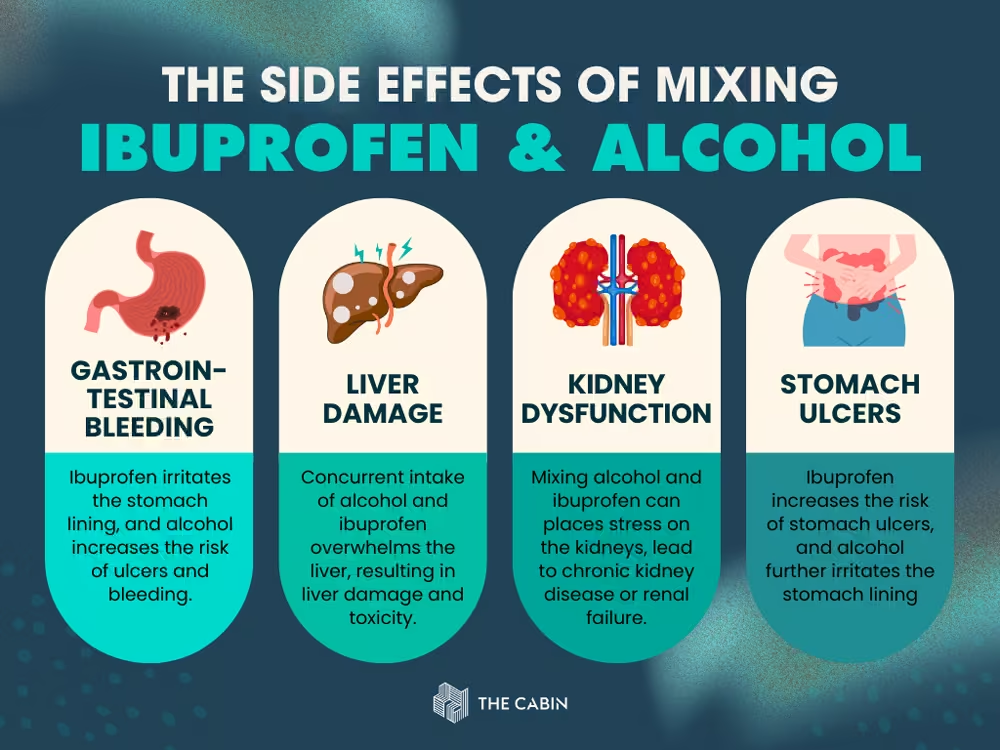
- Gastrointestinal Bleeding: Combining ibuprofen and alcohol increases the risk of gastrointestinal bleeding. Ibuprofen irritates the stomach lining, and alcohol worsens the effect, leading to a higher likelihood of ulcers and bleeding. Alcohol and nonsteroidal anti-inflammatory drugs increase the risk of gastrointestinal bleeding, according to Risk of Gastrointestinal Bleeding with Nonsteroidal Anti-inflammatory Drugs and Alcohol, by Dr. Thompson, published in 2018.
- Liver Damage: Ibuprofen and alcohol are metabolised by the liver. Concurrent intake of alcohol and ibuprofen overwhelms the liver, resulting in liver damage and toxicity. Alcohol impairs the liver’s ability to process ibuprofen and raises the risk of liver injury, according to Liver Toxicity and Alcohol Use in Ibuprofen Consumption, by Dr Miller, published in 2019.
- Kidney Dysfunction: Mixing alcohol with ibuprofen places stress on the kidneys. Mixing alcohol and ibuprofen can lead to chronic kidney disease or renal failure. The combination of alcohol and ibuprofen significantly strains renal function. “Impact of Alcohol and Ibuprofen on Kidney Health” by Dr. Carter, published in 2020.
- Increased Risk of Stomach Ulcers: Ibuprofen increases the risk of stomach ulcers, and alcohol further irritates the stomach lining, leading to an elevated risk of ulcer formation. Combining alcohol and ibuprofen significantly raises the risk of stomach ulcers, according to Ulcer Formation and Alcohol Use in Ibuprofen Users, by Dr Jacobs, published in 2017.
How Does Alcohol Worsen the Side Effects of Ibuprofen?
Alcohol worsens the side effects of ibuprofen. When mixing alcohol with ibuprofen, it increases the severity of side effects by intensifying the drug’s impact on the stomach, liver, and kidneys. Alcohol irritates the stomach lining, increasing the risk of gastrointestinal bleeding and ulcers when combined with ibuprofen. The liver metabolises ibuprofen and alcohol. Alcohol impairs liver function, heightening the potential for liver damage. Combining alcohol and ibuprofen puts additional strain on the kidneys, increasing the risk of kidney damage.
Careless mixing of alcohol and ibuprofen damages the liver, causes stomach bleeding, and impairs kidney function, according to The Impact of Alcohol on Ibuprofen-Induced Side Effects, by Dr. Thomas et al., published in 2021.
What are the Long-Term Effects of Mixing Ibuprofen and Alcohol?
The long-term effects of mixing ibuprofen and alcohol are listed below.
- Gastrointestinal Damage: Chronic use of ibuprofen combined with alcohol can cause severe damage to the stomach lining. It increases the risk of ulcers and bleeding in the digestive tract.
- Liver Damage: Prolonged use of alcohol impairs liver function. Combining it with ibuprofen further strains the liver, leading to chronic liver disease or liver failure.
- Kidney Damage: Ibuprofen and alcohol affect kidney function. Long-term use together can result in kidney disease or renal failure.
- Heart Risk: Ibuprofen increases the risk of heart-related issues. Alcohol worsens the effect, leading to high blood pressure and heart disease.
Does Mixing Ibuprofen and Alcohol Increase the Risk of Liver or Kidney Damage?
Yes, mixing ibuprofen and alcohol increases the risk of liver and kidney damage. Ibuprofen and alcohol strain these organs. The liver processes Ibuprofen and alcohol together, impairing its function, leading to liver damage over time. Kidneys also face heightened risks. Ibuprofen can reduce blood flow to the kidneys, alcohol worsens this effect.
Is the Risk of Stomach Bleeding Higher when Alcohol is Mixed with Ibuprofen?
Yes, the risk of stomach bleeding is higher when alcohol is mixed with ibuprofen. Ibuprofen irritates the stomach lining, increasing the likelihood of ulcers and bleeding. Alcohol amplifies these effects, further weakening the stomach’s protective lining. This combination can lead to severe gastrointestinal bleeding, which may require medical intervention.
Is It Safe to Take Ibuprofen for a Hangover?
No, it is not safe to take ibuprofen for a hangover. A patient should not take ibuprofen during a hangover to alleviate headaches and muscle aches. Ibuprofen irritates the stomach lining, which alcohol has already compromised. The combination increases the risk of gastric bleeding and ulcers.
Small doses of medicine may be safe if taken with food and at the lowest effective dose. Staying hydrated is crucial. Avoid ibuprofen entirely if experiencing severe stomach issues or if prone to gastritis or ulcers.
Can Occasional Drinking Affect Ibuprofen Safety?
Yes, occasional drinking can affect ibuprofen’s safety. Ibuprofen affects the body by reducing inflammation and alleviating pain. It also irritates the stomach lining and impacts kidney function. Alcohol interferes with the metabolism of ibuprofen, increasing the risk of gastrointestinal bleeding and liver damage. This can occur even with occasional use.
Frequent use of ibuprofen medication or high doses, with occasional drinking, heightens these risks. Mixing ibuprofen and alcohol consistently can lead to long-term damage, especially to the liver and kidneys.
Who should Never Mix Alcohol and Ibuprofen?
Patients should never mix alcohol and Ibuprofen as listed below.
- Patients with a History of Ulcers or GI Bleeding: Mixing alcohol and ibuprofen significantly increases the risk of gastrointestinal bleeding.
- Patient with Kidney Disease: The combination of alcohol and ibuprofen places added strain on the kidneys, potentially worsening kidney function.
- Patients with Liver Disease: Alcohol impairs liver function, and ibuprofen adds additional stress, increasing the risk of liver damage.
- Heavy Alcohol Users: Frequent alcohol consumption can worsen the adverse effects of ibuprofen on the stomach and liver.
- Seniors: Older adults are more susceptible to the side effects of ibuprofen when combined with alcohol.
- Patient on Blood Thinners or Corticosteroids: Blood thinners and corticosteroids increase the risk of gastrointestinal bleeding when mixed with ibuprofen and alcohol.
- Pregnant patients: Alcohol and ibuprofen both pose risks during pregnancy. Consulting a healthcare provider is necessary.
Does Mixing Alcohol and Ibuprofen Lead to Greater Risks for Those with Addiction?
Yes, mixing alcohol and ibuprofen leads to greater risks for those patients with addiction. Alcohol worsens the effects of ibuprofen, particularly in those with a history of substance abuse. Chronic alcohol use increases the risk of liver and kidney damage, which ibuprofen further strains. Patients with addiction may have impaired liver function, making them more vulnerable to the side effects of combining alcohol and ibuprofen.
Is the Combination of Ibuprofen and Alcohol a Form of Substance Misuse in Drug Addiction?
Yes, the combination of ibuprofen and alcohol is a form of substance abuse and drug addiction. Ibuprofen is a legal drug that you can buy without a prescription. Alcohol is also a legal drug that you can buy without a prescription. Careless mixing of alcohol and ibuprofen damages the liver, causes stomach bleeding, and impairs kidney function. Patients who are addicted to drugs lose their ability to make good decisions, which can lead to abusing drugs like ibuprofen and alcohol. Using ibuprofen and alcohol together regularly can make the long-term physical damage more likely and may make the addiction worse.
Stop Mixing – Start Recovering At The Cabin Today!
If you are looking for addiction treatment, we are here to help you. We offer a peaceful environment and caring staff, along with activities like nature excursions and art therapy. Contact us today for a free evaluation. We will respond within 24 hours to start your healing process.
Begin Your Path to Recovery
For Healthcare Professionals Referring Clients
We collaborate with healthcare providers, including GPs, psychiatrists, psychologists, counsellors, and case managers, to ensure seamless referrals. If you wish to refer a client or patient, please connect with us via email, phone, or our online contact form; we’re here to help guide your clients on their path to recovery.
For Individuals Seeking Treatment
At the Cabin, treatment is more than addressing addiction or mental health challenges — it’s an opportunity to embark on a profound journey of self-care discovery and personal growth. Our holistic approach nurtures lasting change and a healthier, more fulfilled life.
For Loved Ones Seeking Support
The Cabin offers specialized care that tackles both addiction and related mental health concerns. We create a compassionate environment where loved ones can find the healing and support they need to rebuild their lives and move forward with confidence.