No, you cannot drink alcohol with Zoloft. Mixing alcohol with sertraline (Zoloft) creates a harmful interaction, because both substances act on the central nervous system in overlapping ways that increase sedation and destabilize mood. Stronger drowsiness develops when alcohol amplifies the calming effects of a Selective Serotonin Reuptake Inhibitor (SSRI), and heavier dizziness appears as both substances disrupt balance and spatial awareness. Impaired judgment becomes more pronounced when alcohol slows cognitive processing, while sertraline regulates mood, and this combination increases the likelihood of unsafe decisions during social or stressful situations. Reports also describe worsening mental health, including sharper sadness, irritability, or anxiety spikes after drinking during antidepressant treatment, and each reaction highlights the disruptive nature of Zoloft alcohol interactions.
Sertraline remains active in the body for several days due to its long half-life and active metabolites that continue affecting serotonin levels. Safe alcohol-drinking intervals are unknown because lingering drug levels can still interact with alcohol long after a dose is taken. Side effects such as nausea and blurred vision worsen with alcohol, and severe reactions, including serotonin syndrome or liver strain, can occur when metabolic stress increases. Alcohol also reduces antidepressant effectiveness by disrupting neurotransmitter balance, weakening the emotional stability that sertraline is intended to provide.
Can you Drink Alcohol While Taking Zoloft?
No, you cannot drink alcohol while taking Zoloft. Sertraline functions as a Selective Serotonin Reuptake Inhibitor (SSRI) used to treat depression, anxiety disorders, and related mood conditions, and the medication supports emotional balance through steady regulation of serotonin activity. Alcohol’s depressant effects interfere with this stabilization, causing stronger drowsiness, slower reaction times, and reduced coordination. It worsens emotional instability by disrupting serotonin signaling, heightening sadness, irritability, or anxiety symptoms.
Clinical guidance and Food and Drug Administration (FDA) warnings advise against mixing alcohol with antidepressants, as this combination weakens therapeutic benefits and raises the risk of impaired alertness and safety concerns. Individuals with a history of addiction to alcohol face even greater vulnerability because frequent intake intensifies sedation, strains emotional regulation, and undermines the long-term goals of antidepressant treatment.
What Happens If you Mix Zoloft and Alcohol?
Mood swings and dizziness commonly occur if you mix Zoloft and alcohol, as this combination intensifies sedation and disrupts normal neurological functioning. Drowsiness becomes heavier when alcohol strengthens the medication’s calming effect on the central nervous system, and dizziness becomes more pronounced as both substances interfere with balance and spatial orientation. Impaired judgment develops when alcohol slows thinking, while sertraline influences emotional regulation, increasing the risk of poor or unsafe decisions in social or high-stress situations. Patients frequently report mood changes, including irritability, sadness, or anxiety, after drinking while taking antidepressants. Alcohol slows recovery from depression and increases emotional instability even in small amounts because it disrupts the neurotransmitter balance that sertraline is designed to stabilize, often worsening underlying depression or anxiety symptoms.
Does Alcohol Affect How Zoloft Works in the Body?
Yes, alcohol affects how Zoloft works in the body. Alcohol interferes with several pharmacokinetic processes that determine how the medication functions and how reliably it supports mood regulation. Absorption becomes less predictable when alcohol irritates the stomach lining, and this irritation alters the rate at which sertraline enters the bloodstream. Alcohol also strains liver enzymes responsible for processing sertraline, leading to fluctuating drug levels that contribute to emotional instability. It slows elimination, which prolongs side effects such as dizziness and fatigue. Alcohol further disrupts serotonin regulation, weakening the emotional support antidepressants are designed to provide. It intensifies side effects, including sedation, nausea, and impaired coordination, due to opposing depressant and regulatory actions. These combined effects make antidepressant therapy less reliable by causing inconsistent drug exposure and more frequent adverse reactions, ultimately hindering long-term emotional stability.
What are the Side Effects of Combining Zoloft and Alcohol?
The side effects of combining Zoloft and alcohol are listed below:
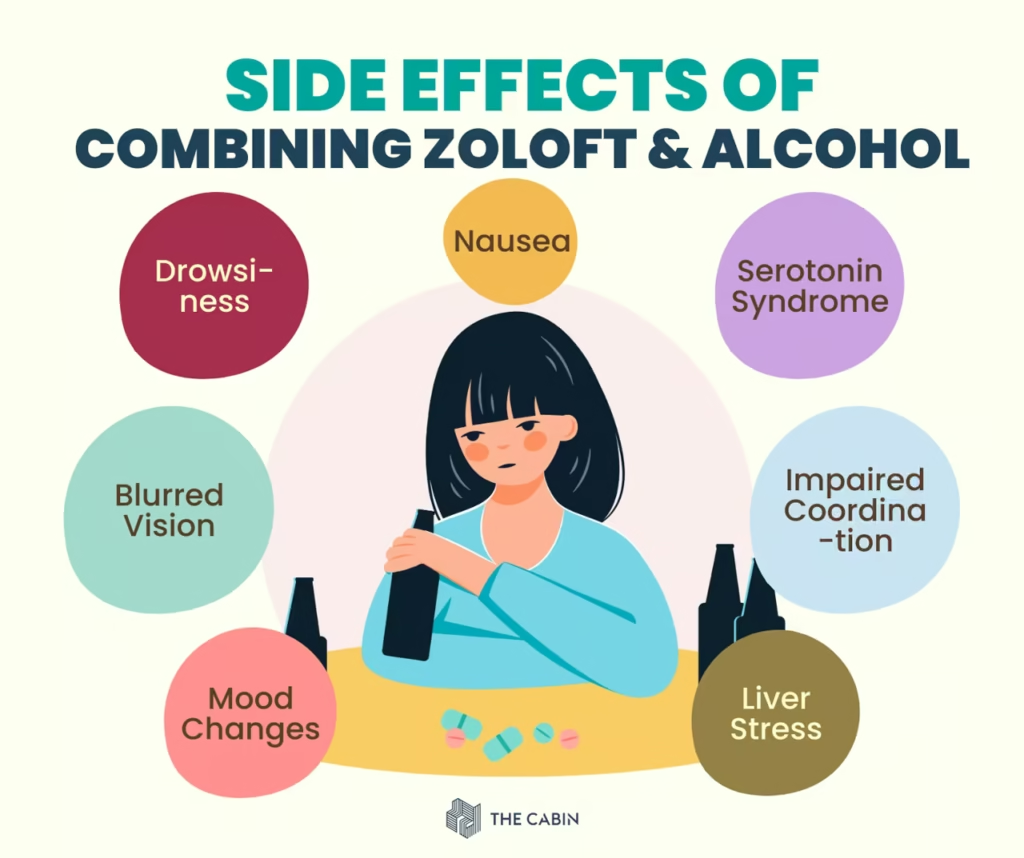
- Drowsiness: Drowsiness increases as alcohol enhances sertraline’s sedative effect, leading to heavier fatigue that interferes with daily activities and raises accident risk. Reports frequently describe pronounced tiredness even after small servings of commonly abused substances.
- Nausea: Nausea develops when alcohol irritates the stomach lining, while sertraline alters gut-related serotonin signaling, intensifying queasiness and increasing the risk. Individuals with digestive sensitivity often experience sharper discomfort.
- Blurred Vision: Blurred vision occurs when alcohol slows neural processing, and sertraline affects visual focus, reducing depth perception and clarity. Tasks requiring precise visual attention become more difficult under these combined effects.
- Impaired Coordination: Impaired coordination occurs as alcohol-related motor slowing combines with sertraline-associated dizziness, making walking, balancing, or handling objects less steady. Accident risk rises when both substances affect the central nervous system at the same time.
- Serotonin Syndrome: Serotonin syndrome occurs when serotonin activity becomes dangerously elevated, placing stress on a system already influenced by a Selective Serotonin Reuptake Inhibitor (SSRI). Warning signs include agitation, shivering, rapid heartbeat, and muscle stiffness, and severe symptoms require immediate medical care.
- Severe Mood Changes: Severe mood changes occur as alcohol disrupts neurotransmitter balance, while sertraline works to stabilize emotional responses. Clinical observations show increased sadness, irritability, or anxiety with combined use. Emotional instability worsens when the most abused substances are consumed during antidepressant treatment.
- Liver Stress: Liver stress increases when alcohol metabolism and sertraline processing place added demand on withdrawal management pathways. Heavy drinkers and individuals with substance use patterns face a higher risk of liver-related complications.
Does Zoloft Interact With Alcohol or Cause Dangerous Reactions?
Zoloft interacts with alcohol, as both substances affect the central nervous system in ways that amplify sedation, slow reaction time, and reduce coordination when used together. Drug interactions develop when alcohol disrupts neurotransmitter balance, interfering with the stabilizing effect a Selective Serotonin Reuptake Inhibitor (SSRI) aims to maintain. Clinical observations show that even small amounts of alcohol can produce heavier drowsiness, unsteady movement, or delayed responses in individuals taking sertraline. Increased risk of serotonin-related complications appears when alcohol intensifies agitation, temperature changes, or confusion during periods of strong medication response. Monitoring for warning signs becomes critical, and symptoms such as severe dizziness, rapid heartbeat, intense shivering, muscle stiffness, or sudden confusion signal a reaction that requires prompt medical attention.
Can you Drink Wine, Beer, or Liquor While on Zoloft?
No, you cannot drink wine, beer, or liquor while on Zoloft. Wine, beer, and liquor contain different alcohol concentrations, yet each interacts with sertraline in ways that increase sedation and emotional instability. A glass of wine, a bottle of beer, or a serving of liquor all pose similar risks, as alcohol depresses the central nervous system that sertraline is meant to regulate. Drink strength influences how quickly effects appear, with stronger spirits causing faster intoxication and lighter drinks still impairing coordination and mood when combined with SSRIs. Moderation does not remove risk, since even small amounts can trigger fatigue, slower reactions, and mood swings during antidepressant treatment. Safety strategies such as spacing drinks or avoiding demanding activities offer limited protection, as alcohol–medication interactions reduce overall safety. The alcohol drinking habits, including frequent use, binge episodes, or high sensitivity to alcohol, further increase the likelihood of adverse reactions during sertraline therapy.
How Long After Taking Zoloft can I Drink Alcohol Safely?
There is no timeframe in which you can drink alcohol safely after taking Zoloft. Sertraline has a half-life of roughly one day, and this duration means the medication remains active in the body for several days after each dose. The therapeutic effect continues as the drug accumulates to steady levels, creating a situation where alcohol can interact with lingering central nervous system activity long after the pill is taken. General timing guidance from clinical sources emphasizes extended waiting periods because alcohol introduces depressant effects that directly conflict with the stabilizing action of a Selective Serotonin Reuptake Inhibitor (SSRI). A gap of at least three days after the last dose may reduce interaction risk, yet active metabolites remain present, meaning alcohol can still meet residual medication in the system. Individual metabolic differences add uncertainty, as factors such as liver function, age, and sensitivity to sedatives influence how long sertraline stays active. Each factor reinforces the need for caution, as no universal waiting period guarantees a safe response to alcohol after sertraline use.
Can I Take Zoloft After Drinking Alcohol?
No, you cannot take Zoloft after drinking alcohol. Taking sertraline (Zoloft) following alcohol consumption creates a clear risk, as alcohol introduces depressant effects that interfere with the medication’s action on the central nervous system. Alcohol-related sedation combined with sertraline-related drowsiness leads to heavier fatigue, slower reaction times, and reduced coordination. This combination also disrupts neurotransmitter signaling, increasing irritability, emotional instability, or lingering dizziness after dosing. Safe timing requires allowing the body to fully process alcohol first, since shorter intervals raise the likelihood of sedation and confusion. Close monitoring is necessary if stronger drowsiness, unsteady movement, or concentration problems develop, as these signs indicate the need for medical guidance.
Does Alcohol Reduce Zoloft’s Effectiveness or Antidepressant Benefits?
Yes, alcohol reduces Zoloft’s effectiveness and overall antidepressant benefits. Alcohol weakens the therapeutic action of sertraline, as alcohol introduces depressant effects that interfere with the medication’s role in stabilizing serotonin activity. Research summaries describe a consistent pattern in which alcohol disrupts neurotransmitter balance, and that disruption reduces the antidepressant support that sertraline is intended to provide. Combining Zoloft and alcohol has been linked to additional mental health concerns, including increased memory impairment, impulsivity, and emotional volatility, according to clinical observations.
Clinical reports more consistently note increased sadness, fatigue, and anxiety in individuals who consume alcohol during treatment. Alcohol directly conflicts with medication effects, prompting concern among mental health professionals about heightened emotional instability and mood swings during Selective Serotonin Reuptake Inhibitor (SSRI) therapy. Alcohol use also slows recovery from depression and increases irritability or restlessness after drinking, undermining sertraline’s role in mood regulation.
What should you do If you Accidentally Drink Alcohol While Taking Zoloft?
You should rest in a quiet environment, drink water for comfort, and avoid activities that require alertness, such as driving or operating machinery, if you accidentally drink alcohol while taking Zoloft. Accidental alcohol intake during sertraline treatment calls for calm observation, as the combination affects sedation, coordination, and emotional stability. Careful monitoring is important, since stronger drowsiness, slowed reactions, or unsteady movement indicate excessive central nervous system depression. Additional warning signs include confusion, rapid heartbeat, agitation, muscle stiffness, or intense shivering, and each symptom reflects patterns associated with serotonin-related complications. A healthcare provider should be contacted if severe dizziness, persistent vomiting, extreme agitation, rigid muscles, or sudden changes in consciousness occur, as these signs require professional evaluation.
Are There Safer Ways to Consume Alcohol While on Zoloft?
No, there are no safer ways to consume alcohol while on Zoloft. Safer drinking patterns during sertraline treatment are very limited, as alcohol and Selective Serotonin Reuptake Inhibitors (SSRIs) interact unpredictably and affect sedation, coordination, and mood regulation. Slow sipping, longer intervals between drinks, and paying attention to physical sensations may offer minor control, but alcohol still depresses the central nervous system in ways sertraline cannot counterbalance. Timing also matters, with early treatment phases or dosage changes increasing the risk of drowsiness and emotional instability. Light alcohol options reduce volume, yet they still affect neurotransmitter activity. Caution remains essential, as even small amounts can cause fatigue, irritability, or mood swings in SSRI users. Complete avoidance is the safest option for individuals with severe side effects or unstable mood patterns, as they are more vulnerable to adverse outcomes.
How does Mixing Zoloft With Alcohol Affect Mood or Mental Health?
Mixing Zoloft with alcohol affects mood and mental health by increasing the risk of emotional disruption, as each substance influences emotional regulation in conflicting ways. Alcohol acts as a depressant that slows central nervous system activity, interfering with the stabilizing effects of a Selective Serotonin Reuptake Inhibitor (SSRI). Clinical evidence shows increased sadness, fatigue, and anxiety in individuals who drink alcohol while taking sertraline, particularly during stressful periods. Case reports describe mood swings, irritability, reduced motivation, and emotional blunting after drinking. Alcohol disrupts neurotransmitter activity and serotonin balance, undermining treatment progress. Social drinking may also trigger intrusive thoughts or restlessness in medicated individuals. Alcohol’s depressant effects destabilize a system that is actively working to regain emotional balance.
Can Drinking Alcohol With Zoloft Increase the Risk of Serotonin Syndrome?
Drinking alcohol with Zoloft does not directly cause serotonin syndrome, but it can complicate or worsen symptoms related to serotonin dysregulation. Serotonin syndrome is a dangerous condition in which serotonin levels become excessively high, leading to symptoms such as agitation, tremors, sweating, rapid heartbeat, muscle stiffness, and blood pressure changes. Alcohol is a central nervous system depressant, and when combined with a Selective Serotonin Reuptake Inhibitor (SSRI) like sertraline, it can impair neurological regulation and stress an already sensitive system. Alcohol may worsen confusion, restlessness, or temperature instability when medication side effects are present. Warning signs such as severe agitation, intense shivering, rigid muscles, or changes in consciousness require immediate medical attention.
Is One Glass of Wine Safe While on Zoloft or Sertraline?
No, one glass of wine is not considered safe while taking Zoloft or sertraline. The combination introduces uncertainty during treatment, as alcohol interacts with sertraline in ways that affect sedation, coordination, and mood stability. Moderation does not eliminate risk, because even small servings of alcohol can depress the central nervous system, especially during early treatment stages or dose adjustments, increasing drowsiness or dizziness. Individual sensitivity varies, and some people experience heavier fatigue or slower reaction times when alcohol is combined with a Selective Serotonin Reuptake Inhibitor (SSRI). A history of strong medication side effects, mood instability, or heightened alcohol sensitivity increases the likelihood of adverse responses. A cautious approach supports safer decision-making, as multiple factors influence how the body responds.
Can Zoloft Make you Feel Alcohol’s Effects More Strongly?
Yes, Zoloft can make you feel alcohol’s effects more strongly. Sertraline increases sensitivity to central nervous system depressants, as the medication alters serotonin activity in ways that intensify alcohol-related sedation. Clinical observations describe an additive effect on drowsiness, where a single drink produces heavier fatigue in individuals taking an SSRI compared to those not on medication. Reports also include impaired coordination, such as difficulty walking on stairs or uneven surfaces, after combining sertraline with alcohol. Judgment problems emerge when concentration declines more quickly, leading to poor decision-making in social situations. These patterns show that alcohol’s depressant effects are amplified by sertraline, increasing overall sensitivity and risk.
How Much Alcohol can you Drink While on Antidepressants?
No amount of alcohol that you can drink while on antidepressants. Medical guidance from professional groups stresses caution because alcohol influences sedation, coordination, and mood regulation in ways that conflict with antidepressant treatment goals. Alcohol increases drowsiness and dizziness linked with sertraline, and each effect creates a higher risk for accidents or impaired judgment during daily activities. Clinical reports describe cases in which small servings of alcohol intensified side effects (nausea or fatigue), which demonstrates the unpredictable nature of the interaction.
Professional recommendations from pharmacists and prescribers highlight moderation and individualized safety, because each person experiences different sensitivity levels to alcohol during Selective Serotonin Reuptake Inhibitor (SSRI) therapy. Clinicians advise limiting intake to minimal amounts or avoiding alcohol during early treatment, as the body adjusts to the medication during that period and experiences greater vulnerability to interactions. Evidence from mental health organizations reinforces the importance of direct medical guidance, so a qualified healthcare professional can evaluate medical history, symptom patterns, and treatment goals before offering personalized advice.
Your Path to Emotional Balance is Worth Protecting.
Don’t let a drink undo your progress. Your path to emotional balance is worth protecting. If you’re struggling to stop drinking while managing symptoms, you don’t have to do it alone. Discover the insights at The Cabin and get the professional support you need to regain control and stay safe.