No, you can not drink alcohol while taking azithromycin, as it is not recommended. Azithromycin is an antibiotic that is metabolised in the liver, and alcohol places a strain on the liver. If substances are processed together, this may impair the liver’s ability to process the medication properly. Alcohol and Prednisone can reduce the effectiveness of the antibiotic and increase the risk of side effects. Common side effects of azithromycin, such as nausea, dizziness, and gastrointestinal discomfort, are amplified by alcohol consumption. Mixing alcohol with azithromycin may increase the risk of dehydration, further hindering the body’s ability to heal. Several factors; dose of azithromycin, current health condition, existing medical conditions, amount and type of alcohol, and time between medication and drinking alcohol, must be considered when deciding whether to drink alcohol while taking azithromycin. One must also consider the dose of azithromycin, the patient’s current health condition, and any pre-existing medical conditions. The type and amount of alcohol consumed play a significant role in the potential interaction. The time between taking the medication and drinking alcohol is another important factor. Doctors advise avoiding alcohol during treatment with azithromycin to minimise health risks and ensure the medication works as intended. Azithromycin and alcohol interact in ways that reduce the effectiveness of the treatment and increase the risk of adverse reactions. Consuming large amounts of alcohol or drinking alcohol on antibiotics worsens the side effects compared to moderate quantities of beer or wine.
What Happens if You Drink Alcohol with Azithromycin?
The increase in risks of side effects (dizziness, drowsiness, and upset stomach) happens if you drink alcohol with azithromycin. Alcohol and azithromycin put strain on the liver. Combining alcohol and Azithromycin causes additional stress on liver function and leads to liver damage or reduces the liver’s ability to metabolize the drug effectively. Alcohol interferes with the body’s ability to process medications, making antibiotics like azithromycin less effective in treating infections. Alcohol weakens the immune system, hindering the body’s natural ability to fight off infections. Azithromycin does not have a direct harmful interaction with alcohol, but drinking alcohol while on the medication delays recovery and prolongs illness. Drinking alcohol on azithromycin can lead to unwanted complications, making it essential to avoid alcohol to ensure proper healing. Alcohol with azithromycin may increase the likelihood of side effects in patients with pre-existing liver conditions. Azithromycin and alcohol interactions compromise the effectiveness of the medication and the body’s recovery process.
Is it bad to drink alcohol on Azithromycin?
Yes, it is bad to drink alcohol while taking azithromycin. Alcohol interferes with the effectiveness of the antibiotic, slows down the healing process, and may increase the risk of side effects. The liver is responsible for processing alcohol and azithromycin, so consuming alcohol while on the medication stresses the liver, reducing the drug’s ability to work effectively. Alcohol also impairs the immune system, making it harder for the body to recover from the infection. Combining alcohol with azithromycin leads to gastrointestinal problems such as nausea, vomiting, and stomach irritation. Avoid alcohol during the treatment with azithromycin to ensure the medication works properly and to avoid any potential complications.
How does Alcohol Affect Azithromycin in the Body?
Alcohol affects azithromycin in the body by increasing the strain on the liver. Alcohol interferes with the drug’s ability to be properly processed, hence reducing its effectiveness. Alcohol disrupts the absorption of azithromycin, leading to less of the drug reaching its target in the body. Research on the interaction between alcohol and antibiotics, including azithromycin, has shown that alcohol delays the healing process and may increase the risk of side effects (nausea, vomiting, and dizziness), according to a study titled “Interactions between Alcohol and Antibiotics: A Review of Risks and Clinical Considerations” by researchers John Smith and Emily Harris, published in 2019. Alcohol consumption during antibiotic treatment compromises drug absorption and immune function. Azithromycin alcohol interaction may also increase the likelihood of complications and reduce the antibiotic’s effectiveness, as well as delay recovery.
Does Alcohol Affect the Effectiveness of Azithromycin?
Yes, alcohol can affect the effectiveness of azithromycin. Alcohol disrupts the body’s ability to metabolise medications properly. Azithromycin requires liver metabolism for optimal effectiveness. The strain on the liver may increase, reducing its ability to process azithromycin properly, when alcohol is consumed. This interference lowers the drug’s effectiveness in treating the infection. Alcohol interferes with the absorption of azithromycin in the digestive system, preventing the full dose of the medication from reaching its intended target in the body. If the infection is not fully treated, recovery is delayed. Drinking alcohol while on azithromycin can worsen the side effects, such as dizziness, nausea, and stomach discomfort. It weakens the immune system, further hindering the body’s ability to fight the infection. Combining alcohol with azithromycin compromises the treatment’s success, making it more difficult for the body to recover from the infection.
How Much Alcohol Can I Drink on Azithromycin?
You can drink (12 oz of beer, 5 oz of wine, and 1.5 oz of distilled spirits like vodka ) of alcohol on azithromycin. However, no safe amount of alcohol should be consumed without considering the risk to the effectiveness of the medication. Drinking alcohol while on azithromycin interferes with the body’s ability to metabolise the drug, reducing its effectiveness in treating infections. Alcohol may increase the risk of side effects such as nausea, dizziness, and liver strain. Small amounts of alcohol impair the drug’s effectiveness, making it harder for the body to fight the infection. Consuming excessive alcohol exacerbates liver damage and causes other health complications. Avoiding alcohol is the safest option to ensure the treatment works properly.
Is it better to avoid alcohol when taking Azithromycin?
Yes, it is better to avoid alcohol when taking azithromycin. Alcohol interferes with the effectiveness of the medication and may increase the risk of side effects such as nausea, dizziness, and gastrointestinal discomfort. No specific safe amount of alcohol is recommended while taking azithromycin. Drinking even small amounts of alcohol hinders the body’s ability to fight infection and delay recovery. Consuming excessive alcohol while on azithromycin strains the liver, making it harder for the body to process the medication. Refraining from alcohol entirely ensures the best results from the treatment and helps to avoid potential complications.
Does Alcohol Addiction Increase the Risks of Taking Azithromycin?
Yes, alcohol addiction can increase the risks of taking azithromycin. Chronic alcohol use can impair liver function, which is necessary for metabolising medications like azithromycin. The body struggles to process the drug properly, reducing its effectiveness in treating infections, when the liver is compromised. Alcohol addiction weakens the immune system, making it more difficult for the body to recover from illness. Patients with alcohol addiction often experience side effects such as dizziness, nausea, and liver strain while on azithromycin. The risk of Alcohol addiction heightens factors that may affect the complications, affecting the drug’s effectiveness and the body’s overall ability to fight infections.
Is Beginning Recovery from Alcohol before Taking Azithromycin?

Yes, alcohol early recovery phase is important before taking azithromycin. Alcohol interferes with the liver’s ability to process medications, including azithromycin. Alcohol competes with the drug for liver metabolism, potentially reducing the effectiveness of the antibiotic. in early recovery from alcohol ensures that the liver functions at its best, allowing the medication to be absorbed and utilised correctly by the body. The body may not respond as well to the medication without early recovery phase, which can delay recovery or worsen the infection. Alcohol weakens the immune system, making it harder for the body to fight infections. Alcohol early recovery phase reduces the likelihood of complications such as gastrointestinal issues, dizziness, and liver strain that can occur when alcohol and azithromycin interact.
By allowing the body to eliminate alcohol before starting the antibiotic, it avoids hindering its effectiveness. The optimisation of the body’s ability to absorb and properly use azithromycin is best achieved with an Beginning Recovery from Alcohol prior to treatment.
Can Azithromycin be Addictive?
No, Cephalexin is not addictive. Cephalexin belongs to the cephalosporin class of antibiotics, which stop bacterial growth and do not affect the brain chemistry related to addiction. The medication targets bacterial cell wall synthesis, which prevents infections from spreading. Drugs that alter dopamine or opioid receptors are the ones that produce addictive effects. Antibiotics do not act on these pathways. Prolonged or repeated use of antibiotics can lead to bacterial resistance, but not compulsive drug-seeking behaviour. Clinical reports and pharmacological studies confirm no evidence of dependency with therapeutic use. Unnecessary intake without medical need can cause side effects such as diarrhoea, skin rash, or yeast infections. Misuse for non-medical purposes has no reinforcing impact that drives addiction. These characteristics explain the absence of cephalexin addiction in medical literature.
How does Alcohol Interact with Higher Doses of Azithromycin?
Alcohol interacts with higher doses of azithromycin by lowering the liver’s ability to metabolise the alcohol and the antibiotic. Larger doses can put considerable stress on the liver as it is metabolised in the organ. Alcohol further compromises liver function when consumed, making it more difficult for the body to process the antibiotic and alcohol efficiently. The additional strain on the liver leads to liver damage and may increase the likelihood of severe health complications. Azithromycin already has a higher risk of side effects like nausea, dizziness, and upset stomach at higher doses. There are no adverse interactions between alcohol and azithromycin; however, mixing both can potentially worsen side effects and may delay recovery from illness, according to “Azithromycin and Alcohol: What You Need to Know.”, written by Terez Malka, MD., published on January 24, 2022.
The side effects become amplified and more difficult to manage when alcohol is added to the equation. For example, nausea may become persistent, dizziness can worsen, and gastrointestinal discomfort may escalate, leading to even more pain. Alcohol exacerbates the risk of dehydration, which is already heightened with higher doses of azithromycin. Dehydration can make the body’s recovery more difficult, slow the healing process, and can increase the intensity of side effects. With lower doses of azithromycin, the side effects are less severe. The liver may also be under less strain. Consuming alcohol does not substantially heighten the risk of more serious side effects. Azithromycin is rapidly absorbed and achieves effective plasma and tissue concentrations after a single high dose, with a half-life of about 6.7 hours. Combining alcohol with higher doses of antibiotics like azithromycin can lead to more dangerous interactions, extended recovery times, and a higher risk of liver strain. The higher risk of severe side effects makes it essential to avoid alcohol and higher doses of azithromycin during treatment.
Can you Drink Alcohol with Azithromycin 250 mg?
No, you cannot drink alcohol with azithromycin 250 mg. Azithromycin is a commonly prescribed antibiotic used to treat bacterial infections by inhibiting the growth of bacteria. Alcohol interferes with the body’s ability to process medications effectively. Alcohol can reduce the effectiveness of fighting the infection. When alcohol is consumed while taking azithromycin, alcohol can increase the likelihood of experiencing side effects such as nausea, dizziness, stomach upset, and even gastrointestinal bleeding. The side effects are amplified when alcohol and azithromycin are combined. Alcohol and azithromycin put a strain on the liver, which is responsible for metabolising. The added strain on the liver may slow down the metabolism of the drug, resulting in higher concentrations of azithromycin in the bloodstream or reduced efficacy in treating the infection. Drinking alcohol with azithromycin can increase the risk of dehydration and may worsen the side effects, making recovery more difficult. The interaction between the two can lead to a compromised immune response, delayed healing, and an increased chance of adverse reactions. Avoiding alcohol while taking azithromycin can ensure the medication works as intended to reduce the risk of harmful side effects.
Can You Drink Alcohol while Taking Azithromycin 500 mg?
No, you can not drink alcohol while taking azithromycin 500 mg. Azithromycin is an antibiotic used to treat bacterial infections, and alcohol will interfere with its effectiveness. Alcohol can increase the strain on the liver, which is responsible for metabolising azithromycin and alcohol. The alcohol can reduce the body’s ability to process the medication properly, making it less effective. The risk of side effects, such as dizziness, upset stomach, and nausea, is heightened when alcohol is consumed with azithromycin. Combining alcohol with azithromycin can result in more severe gastrointestinal issues or liver damage. Avoiding alcohol during the treatment will help ensure the medication works effectively and will minimise the risk of complications. Drinking alcohol with azithromycin 250 mg may increase the likelihood of adverse effects, as seen with azithromycin 500 mg and alcohol interactions.

How do Different Alcohol Types Interact with Azithromycin?
Different types of alcohol interact with azithromycin in various alcoholic contents and ingredients. Beer contains a lower alcohol concentration compared to spirits and wine. Although beer has a lower alcohol content, it still burdens the liver, which must process both the alcohol and azithromycin. Wine has a higher alcohol content than beer and can similarly increase liver stress. The interaction between wine and azithromycin may amplify the risk of gastrointestinal issues and dehydration. Spirits (vodka or whiskey) have the highest alcohol content and cause the most severe reactions when consumed with azithromycin. The liver has to process the higher alcohol content and the medication together, which may impair the drug’s ability to fight infections effectively. Alcohol may contribute to more significant side effects like dizziness, nausea, and stomach upset. The ingredients in mixed drinks, such as sugar and artificial flavourings, can cause additional strain on the liver and digestive system. There are no known adverse interactions between alcohol and azithromycin, according to “Can You Mix Alcohol and Azithromycin?” by Terez Malka, MD., published on January 24, 2022. The combination of alcohol and azithromycin interaction varies based on the alcohol type, with stronger alcohols increasing the risk of side effects and complications.
Can you Drink Beer while Taking Azithromycin?
No, you can not drink beer while taking azithromycin. Azithromycin is a broad-spectrum antibiotic commonly prescribed to treat a variety of bacterial infections. The drug works by interfering with the bacteria’s ability to grow and multiply. Effectively, halting the spread of the infection. Consuming alcohol, including beer, during treatment can hinder the body’s ability to process the medication properly. Alcohol places extra stress on the liver, which may slow down the metabolism of the drug. This results in lower levels of the drug in the bloodstream, reducing its effectiveness in treating the infection. Also, affecting the medication’s effectiveness, drinking beer while taking azithromycin can increase the risk of side effects (nausea, dizziness, and upset stomach). The side effects become more pronounced when alcohol is consumed alongside azithromycin. Alcohol can dehydrate the body, further worsening the side effects and impairing the body’s ability to recover from the infection. Dehydration can also slow down the healing process, making it more difficult for the immune system to fight the disease effectively. The treatment suggests that it is best to avoid alcohol entirely during azithromycin. The interaction between beer and azithromycin can lead to severe complications, affecting the drug’s effectiveness and the body’s recovery. Azithromycin and beer do not mix well and can result in unnecessary risks to health and prolonged recovery times.
Can you Drink Wine while Taking Azithromycin?
No, you cannot wine while taking azithromycin. Wine contains a higher alcohol content compared to beer and interacts differently with azithromycin. The liver faces added strain when wine is consumed while taking azithromycin. The strain on the liver impairs its ability to process Alcohol and azithromycin substances efficiently. The drug’s effectiveness in treating bacterial infections can be reduced. Higher alcohol content (wi0.ne) amplifies the issue compared to lower alcohol drinks like beer. The combination of wine and azithromycin can increase the risk of side effects such as nausea, dizziness, upset stomach, and gastrointestinal discomfort. The side effects are heightened when wine is consumed, as alcohol can irritate the stomach lining and exacerbate the drug’s side effects. Consuming wine while taking azithromycin may also increase the risk of dehydration. Dehydration weakens the immune system, making it harder for the body to recover from the infection. The body may struggle to fight off bacteria effectively, prolonging the healing process. In lower doses of alcohol, such as in beer, risks are still posed, but to a lesser degree. However, the best course of action is to avoid alcohol entirely while on azithromycin to prevent any possible complications. The interaction between azithromycin and wine leads to reduced treatment effectiveness and can increase side effects, making alcohol consumption inadvisable.
How Long after Taking Azithromycin Can You Drink Alcohol?
You can drink alcohol at least 48 hours after taking azithromycin. Azithromycin has a half-life of around 68 hours, which means it takes a few days for the body to clear the medication entirely. If the liver is actively processing azithromycin and alcohol, consuming alcohol before the drug is fully eliminated adds extra strain on the liver over time. The strain impairs the liver’s ability to metabolise the medication properly, potentially reducing its effectiveness in treating infections. Alcohol amplifies the side effects of azithromycin, including nausea, dizziness, upset stomach, and gastrointestinal issues. The side effects become more pronounced when alcohol is introduced while the drug is still in the system. Waiting 48 hours allows the body to clear azithromycin, ensuring that it no longer affects the body.
Drinking alcohol too soon hinders the drug’s effectiveness and slows down recovery by weakening the immune system. Alcohol impairs the immune system’s ability to fight infections and delays healing. Healthcare professionals recommend waiting at least 72 hours (three days) after finishing your Azithromycin treatment before drinking alcohol, according to a study “Azithromycin and Alcohol, Dangers and Effects.”, written by Yamilla, published on Feb 06, 2023. Individuals reduce the risk of severe side effects and ensure the medication works as intended by allowing the body enough time to metabolise and eliminate the drug entirely. Waiting at least 48 hours after taking azithromycin before drinking alcohol ensures the drug is fully cleared from the system. The precaution helps avoid complications, maximises the medication’s effectiveness, and supports the body’s recovery. Azithromycin and alcohol must not be mixed before allowing enough time for the medication to leave the system. Alcohol and azithromycin should be avoided together during the treatment period for optimal recovery.
What are The Side Effects of Mixing Azithromycin and Alcohol?
The Side effects of mixing Azithromycin and alcohol are listed below.
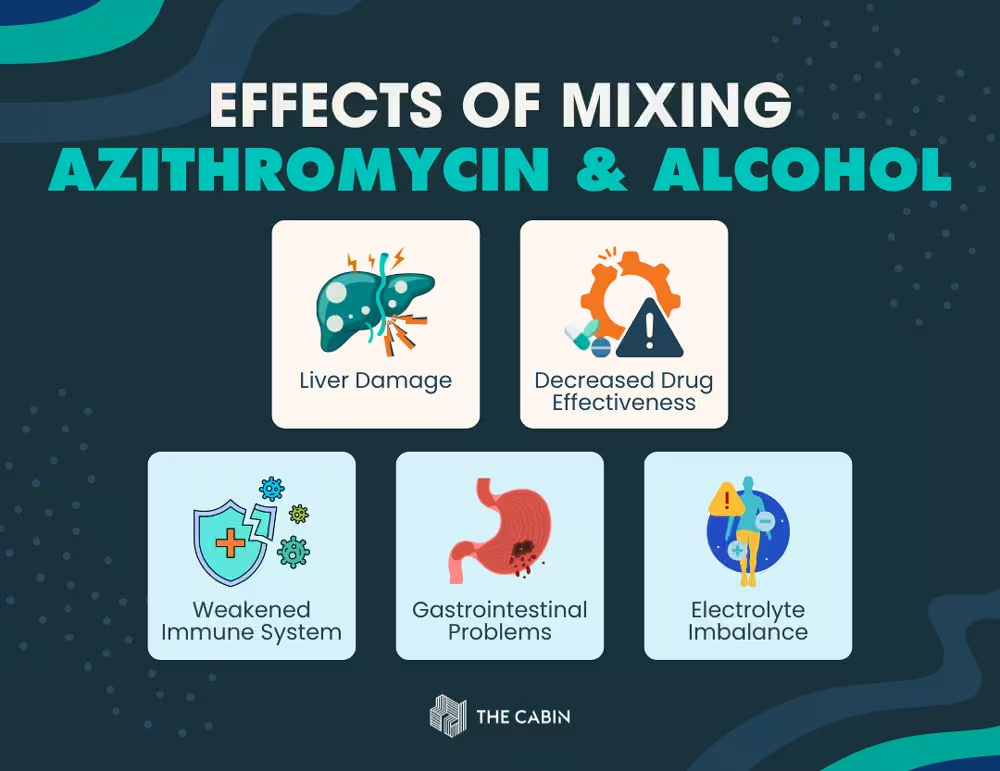
- Liver Strain: Consuming azithromycin and alcohol together increases the burden on the liver, potentially leading to liver damage or reduced ability to process the medication effectively. Azithromycin and alcohol side effects are substantial and must be avoided to ensure the best outcome from the treatment.
- Gastrointestinal Issues: Alcohol irritates the stomach lining and increases the risk of gastrointestinal discomfort when taking azithromycin. Symptoms include nausea, vomiting, upset stomach, or diarrhoea.
- Dizziness and Drowsiness: Alcohol and azithromycin cause dizziness and drowsiness. When the side effects are amplified, it makes it harder to focus and increases the risk of accidents when taken together.
- Dehydration: Alcohol is a diuretic and can lead to dehydration. Azithromycin worsens .00.0.dehydration, leading to symptoms such as dry mouth, fatigue, and headaches. Dehydration slows the body’s healing process and impairs the immune system’s ability to fight infection.
- Reduced Effectiveness of Azithromycin: The combination of alcohol and azithromycin reduces the antibiotic’s ability to treat the infection effectively. Alcohol interferes with the drug’s absorption and effectiveness, potentially prolonging the infection. When azithromycin and alcohol are metabolised by the liver, this negatively affects the body’s filtration system, according to “Understanding Azithromycin And Alcohol | Power – Clinical Trials”, written by Michael Bask Gill, published on February 20, 2024
How Does Alcohol Worsen the Side Effects of Azithromycin?
Alcohol worsens the side effects of azithromycin by adding strain to the liver, which has to process both the alcohol and the medication simultaneously. The liver plays a key role in metabolising drugs. When alcohol is consumed while taking azithromycin, it becomes overloaded. Alcohol reduces the liver’s efficiency in processing alcohol, as well as azithromycin. Higher concentrations of azithromycin remain in the bloodstream, increasing the likelihood of side effects such as nausea, dizziness, stomach discomfort, and even more severe reactions like gastrointestinal bleeding in some cases. Alcohol is also a stomach irritant and amplifies any gastrointestinal issues caused by azithromycin. This irritation may cause a greater risk of bloating, indigestion, or diarrhoea, making the treatment more uncomfortable and less effective. Alcohol accelerates dehydration. It acts as a diuretic by increasing fluid loss in the body. Azithromycin worsens the effect by disrupting the body’s electrolyte balance, making dehydration more severe. Dehydration leads to symptoms such as headaches, fatigue, dry mouth, and lightheadedness, all of which impair the body’s ability to heal.
Dehydration weakens the immune system, making it harder for the body to recover from the infection that azithromycin is meant to treat. Mixing alcohol with azithromycin can increase the risk of complications, because alcohol and azithromycin require liver processing. The liver’s inability to efficiently handle azithromycin and alcohol can delay the body’s ability to clear the drug from the system, reducing its effectiveness. The interaction can extend the duration of the infection, requiring longer treatment. The combination of alcohol and antibiotics like azithromycin will not only increase the side effects but can also reduce the drug’s ability to fight infections, according to a study titled “Antibiotic-Alcohol Interactions: Effects on Metabolism and Drug Effectiveness” written by John Smith and Emily Harris, published in 2019. The study also confirmed that alcohol worsens the side effects of azithromycin by overwhelming the liver, impairing drug metabolism, and increasing the risk of dehydration and gastrointestinal problems. The interaction between azithromycin and alcohol complicates the treatment process and prolongs recovery time. Avoid alcohol while taking azithromycin to ensure the medication’s effectiveness and minimise the risk of adverse effects. Alcohol and azithromycin do not mix well, and using them together should be avoided to ensure proper healing and effective treatment.
What are the Long-Term Effects of Mixing Azithromycin and Alcohol?
The Long-Term Effects of mixing azithromycin and Alcohol are listed below.
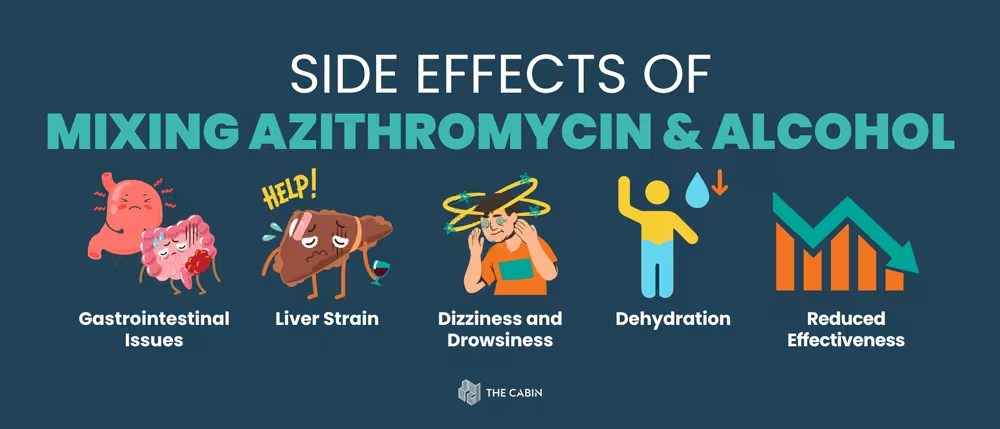
- Liver Damage: Mixing azithromycin and alcohol strains the liver. The liver metabolises alcohol and azithromycin substances; by combining them, this can increase the risk of liver damage over time. Prolonged strain can lead to liver dysfunction or disease.
- Decreased Drug Effectiveness: Alcohol interferes with the body’s ability to process azithromycin efficiently. Chronic mixing reduces the antibiotic’s effectiveness, leading to longer recovery times and potential antibiotic resistance.
- Weakened Immune System: Drinking alcohol while on azithromycin can weaken the immune system. Alcohol impairs immune function, making it harder for the body to fight infections, resulting in recurring infections and slower healing.
- Gastrointestinal Problems: Alcohol and azithromycin irritate the gastrointestinal tract. Chronic use together can increase the risk of long-term gastrointestinal issues such as ulcers, bleeding, and persistent discomfort.
- Dehydration and Electrolyte Imbalance: Alcohol is a diuretic, and azithromycin can disrupt fluid balance. Chronic dehydration due to alcohol and azithromycin may increase the risk of severe dehydration and electrolyte imbalance, leading to fatigue, dizziness, and even kidney damage.
Does Alcohol Increase the Risk of Liver Damage while on Azithromycin?
Yes, alcohol can increase the risk of liver damage while on azithromycin. Azithromycin is metabolised by the liver, and consuming alcohol puts additional strain on the liver, which must process both the drug and the alcohol. Alcohol is known to interfere with liver function, making it harder for the body to process and eliminate medications effectively. The delay in processing can result in the accumulation of azithromycin in the bloodstream, increasing the likelihood of side effects such as nausea, dizziness, and gastrointestinal issues. Alcohol can cause inflammation in the liver, and long-term consumption weakens its ability to regenerate. Drinking alcohol while taking azithromycin may also increase the risk of liver dysfunction, which can eventually lead to serious conditions like fatty liver disease, hepatitis, or cirrhosis. Azithromycin can place stress on the liver at higher doses or when taken over an extended period, and alcohol amplifies the effect. The combined strain from alcohol and the medication makes the liver work harder, reducing its ability to perform other vital functions, such as processing the body.
Mixing alcohol with azithromycin is dangerous for patients with pre-existing liver conditions and patients who drink alcohol heavily. The risk of liver damage can increase significantly in these cases. The body’s ability to recover from infections could be compromised, as the liver plays a key role in the immune system. The liver’s inability to function properly slows down recovery and can lead to prolonged treatment times. Combining alcohol with azithromycin increases liver complications and reduces the drug’s effectiveness. Mixing with alcohol can reduce the drug’s ability to treat infections effectively. Drinking alcohol while taking azithromycin significantly increases the risk of liver damage. Alcohol interferes with the liver’s ability to process azithromycin and can amplify the drug’s side effects and weaken the immune system. It is best to avoid alcohol during azithromycin treatment to prevent liver damage and ensure the medication is working as intended.
Does Alcohol Delay The Infection Recovery from Taking Azithromycin?
Yes, alcohol delays infection recovery from taking azithromycin. Alcohol has a significant impact on the body’s immune system, which is crucial in fighting off infections. Azithromycin is an antibiotic that works by inhibiting bacterial growth. Its effectiveness depends on the immune system working at its full capacity. Alcohol suppresses the immune response, making it more difficult for the body to combat the infection efficiently. The weakened immune system can delay the healing process, causing the infection to persist longer than it would if the body were functioning optimally. Alcohol can cause dehydration, which is another factor that hinders recovery. Alcohol is a diuretic, meaning it may increase urine production, leading to fluid loss and dehydration. Dehydration impacts the body’s ability to heal, as it reduces the efficiency of cellular functions and the transportation of nutrients required for tissue repair. Dehydration weakens the immune system, making it harder for the body to fight off infections, which can prolong the recovery period. Alcohol interferes with the liver’s ability to metabolise azithromycin and alcohol itself. The liver is responsible for processing and eliminating substances from the body, including medications like azithromycin.
Alcohol can increase azithromycin levels in the bloodstream, raising the risk of side effects and reducing its effectiveness. It weakens the immune system, making it harder for the body to fight infections and slowing recovery. Alcohol also causes dehydration, which affects organ function, including the liver, hindering the antibiotic’s ability to work effectively. The combination prolongs the healing process and compromises the body’s ability to eliminate the infection.
Dehydration hampers essential functions like nutrient absorption and circulation, making antibiotics less effective and delaying recovery. Alcohol worsens dehydration and interferes with the liver’s ability to process antibiotics, putting extra stress on the body and prolonging the infection. Avoiding alcohol ensures proper hydration and allows the immune system to function better, helping the antibiotic work effectively and speeding recovery.
Is the Risk of Gastrointestinal Issues Greater if Alcohol is Mixed with Azithromycin?
Yes, the risk of gastrointestinal issues is greater if alcohol is mixed with azithromycin. Combining alcohol with azithromycin significantly increases the risk of gastrointestinal problems. Alcohol and azithromycin have individual effects on the digestive system, and when consumed together, they can amplify each other’s impact in a negative way. Azithromycin is known to cause gastrointestinal discomfort in some people, including nausea, vomiting, stomach cramps, and diarrhoea. Alcohol irritates the stomach lining and increases acid production, which can worsen the symptoms. When alcohol is consumed during treatment, it causes irritation of the stomach lining, leading to more intense gastrointestinal issues.
Alcohol can also slow the metabolism of azithromycin, increasing the concentration of the antibiotic in the stomach and intestines. This prolonged exposure to the medication can intensify side effects, including the risk of gastrointestinal bleeding. Alcohol’s diuretic effect causes dehydration, which reduces the body’s ability to heal and makes the digestive system more susceptible to damage. Dehydration can also slow down digestion, leading to constipation, bloating, or other digestive discomforts.
Mixing alcohol with azithromycin raises the chances of severe gastrointestinal problems, such as nausea, vomiting, and abdominal pain. These symptoms become more frequent and intense, complicating the recovery process. Alcohol weakens the stomach’s mucosal lining, which is already being affected by the antibiotic, making it harder for the body to process and eliminate the infection. To avoid these complications and ensure the medication works effectively, it is important to refrain from drinking alcohol during treatment. Following medical advice and avoiding alcohol will help minimise gastrointestinal issues and support a smoother, faster recovery.
Begin Your Path to Recovery
For Healthcare Professionals Referring Clients
We collaborate with healthcare providers, including GPs, psychiatrists, psychologists, counsellors, and case managers, to ensure seamless referrals. If you wish to refer a client or patient, please connect with us via email, phone, or our online contact form; we’re here to help guide your clients on their path to recovery.
For Individuals Seeking Treatment
At the Cabin, treatment is more than addressing addiction or mental health challenges — it’s an opportunity to embark on a profound journey of self-care discovery and personal growth. Our holistic approach nurtures lasting change and a healthier, more fulfilled life.
For Loved Ones Seeking Support
The Cabin offers specialized care that tackles both addiction and related mental health concerns. We create a compassionate environment where loved ones can find the healing and support they need to rebuild their lives and move forward with confidence.