Beginning Recovery from Alcohol in Thailand
Take your first step toward alcohol abuse & addiction recovery. The Cabin’s medical alcohol early recovery phase in Thailand is designed to cleanse your body, mind, and spirit, setting the foundation for a lasting recovery. With 24/7 medical supervision, luxurious private accommodations, and expert addiction specialists, you’ll receive the care you need for a safe and effective early recovery phase. Begin your journey to full recovery today!


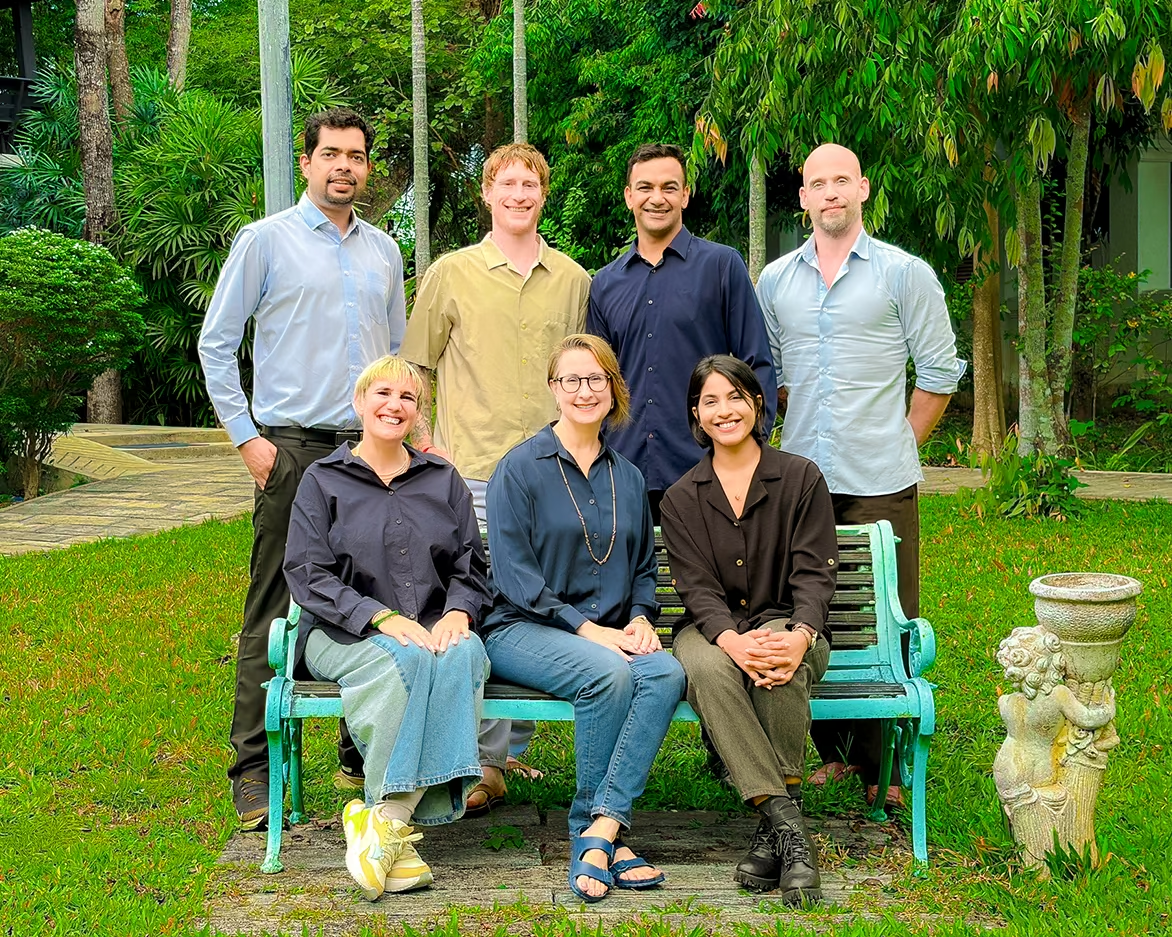
Lisa H.
Yuvati R.
Dawn K.
Vedanta A.
Teresa Q


Discover Our Early Recovery from Alcohol Program
We understand how challenging and potentially dangerous withdrawing from alcohol dependence can be. During your alcohol early recovery phase at The Cabin, you’ll be under the close supervision of our dedicated medical team and leading addiction specialists and counselors, ensuring a safe and effective withdrawal process. Here’s how our beginning recovery from alcohol program in Thailand typically works:
Upon arriving at The Cabin Chiang Mai, our on-site medical staff and clinical team will meet with you one-on-one for an assessment. This meeting will determine whether or not you require an alcohol withdrawal period before beginning the treatment program. This examination will also help us craft a more tailored recovery preparation program, ensuring the safest and most comfortable environment for your withdrawal.
A supervised alcohol withdrawal is the process of allowing the body to eliminate alcohol while managing withdrawal symptoms. Everyone experiences different symptoms depending on the severity of their alcohol use, how long they’ve been drinking, and individual factors. However, certain aspects of rehab are consistent for everyone. At The Cabin, our medical team provides 24/7 care and takes every step to ease withdrawal symptoms as much as possible to ensure the withdrawal management process is safe and effective.
Complete alcohol withdrawal management is an important first step, but it doesn’t address the deeper issues of addiction, such as managing future cravings and triggers. That’s why, after your early recovery phase, you’ll continue with comprehensive addiction treatment at The Cabin. Our experienced counselors will equip you with new coping skills through methods like cognitive behavioral therapy (CBT), the 12 Steps, and mindfulness therapy, all designed to support your long-term recovery from your addiction.
What to Expect During Your Beginning Recovery from Alcohol & Rehab
After arrival at our Chiang Mai center, you’ll undergo an initial assessment with our team to determine the best course of treatment. For those physically dependent on alcohol, a medically supervised early recovery phase will be the first step, ensuring safety and comfort during the withdrawal process.
| 7:00 am | Yoga |
| 7:30 am | Breakfast |
| 9:00 am | Process Group |
| 10:15 am | Fitness Session |
| 11:30 am | Psych Ed GPs 1, 2, 3 Trauma |
| 12:30 pm | Lunch |
| 2:00 pm | Counselling, Holistic |
| 4:00 pm | Personal Training, Massage |
| 5:00 pm | Group Holistic |
| 6:00 pm | Dinner |
| 7:00 pm | Offsite NA, AA Onsite |
| 10:00 pm | Bedtime |
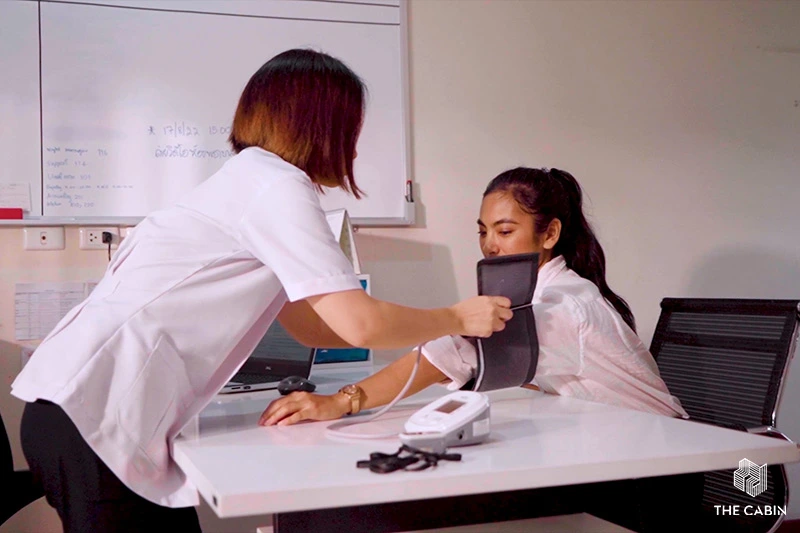
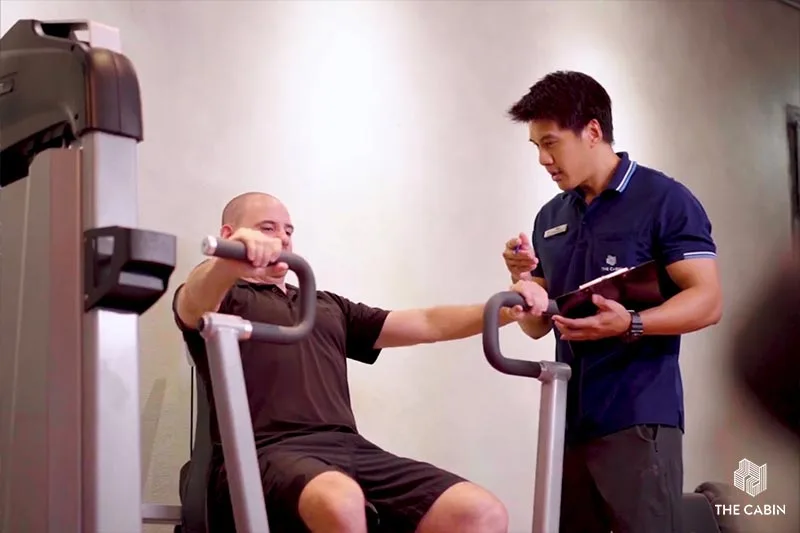
Following early recovery phase, clients transition to personalized therapies, including physical fitness, yoga, mindfulness meditation, and art therapy, all aimed at building coping skills and supporting recovery.
Our evidence-based approach is guided by our Medical Advisory Board and ensures you receive the best possible level of care throughout your recovery.
Our Specialists
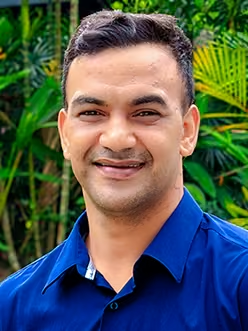
Ryan Eripse
Clinical Director
BAPSA M9898337
ASCHP 2073411
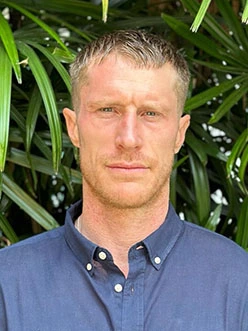
Jordan Scott
Counsellor
ADAP Member
(Certification 1444)

Sharon Filbeck
Counsellor
PhD Counselling Psychology

Anushree Peddhadda
Counsellor
BSc (Hons), MA Counselling Psychology
Hear from Our Clients
[trustindex no-registration=google]
Effective & Safe Alcohol early recovery in Thailand
At The Cabin’s luxury Chiang Mai rehab center in Thailand, we provide comprehensive alcohol early recovery phase as the critical first step toward recovery. Our program is enhanced by individualised counseling, creating a supportive environment where the underlying causes of addiction are addressed and lasting recovery strategies are developed.
Our holistic and evidence-based approach focuses on both the physical and emotional aspects of alcohol addiction. Key to our treatment is the innovative ‘Changing Pathways’ method, which combines Cognitive Behavioral Therapy (CBT), the 12-step program, and Mindfulness Meditation to tackle the complexities of alcohol dependence.
What sets us apart is our integration of early recovery phase with counseling alongside physical and mental wellness activities. We help individuals achieve long-term sobriety through tailored inpatient or outpatient programs that nurture the body, mind, and spirit.
Is Beginning Recovery from Alcohol Always Necessary?
Not all clients who come to us for alcohol rehab will require early recovery phase, as it depends on the severity of each client’s situation. In general, the critical determinant is whether a patient has alcohol addiction or dependency.
Alcohol addiction is primarily a physiological issue in which the brain’s reward system has been altered into a state in which it craves alcohol almost incessantly. Alcohol dependence is a step above, where it is not just cravings but physical alcohol dependence. This is why it’s usually only alcohol dependence that requires early recovery treatment.
Our Facility Village


Why Choose The Cabin for Beginning Recovery from Alcohol in Thailand
Highly Trained Staff
Our beginning recovery from alcohol program in Thailand is led by a team of Western-trained specialists with decades of experience in addiction recovery. Many of our counselors bring personal insight from their own recovery journeys, along with their professional expertise.
Our full-time medical team, including a head psychiatrist, psychologists, and dedicated nursing staff, provides 24/7 care to ensure a safe, medically supervised early recovery phase. This comprehensive approach guarantees the highest level of support during early recovery phase, creating a strong foundation for long-term recovery.

Serene & Healing Environment
The Cabin Chiang Mai offers a top-tier beginning recovery from alcohol program in a tranquil environment designed to promote healing. Located in the picturesque mountains near Chiang Mai, our private luxury villas are surrounded by tropical gardens, creating a calming atmosphere for early recovery phase and recovery.
Clients enjoy the privacy of their own accommodations, along with 24/7 medical supervision and a comprehensive early recovery phase plan – at a fraction of the cost of similar facilities in Western countries. With an emphasis on physical wellness, yoga, meditation, and therapy, The Cabin provides the ideal environment to embark on the path to long-term recovery from alcohol addiction.
Frequently Asked Questions
about Beginning Recovery from Alcohol in Thailand
Begin Your Path to Recovery
For Healthcare Professionals Referring Clients
We collaborate with healthcare providers, including GPs, psychiatrists, psychologists, counsellors, and case managers, to ensure seamless referrals. If you wish to refer a client or patient, please connect with us via email, phone, or our online contact form; we’re here to help guide your clients on their path to recovery.
For Individuals Seeking Treatment
At the Cabin, treatment is more than addressing addiction or mental health challenges — it’s an opportunity to embark on a profound journey of self-care discovery and personal growth. Our holistic approach nurtures lasting change and a healthier, more fulfilled life.
For Loved Ones Seeking Support
The Cabin offers specialized care that tackles both addiction and related mental health concerns. We create a compassionate environment where loved ones can find the healing and support they need to rebuild their lives and move forward with confidence.