Pornosexuality is a sexual attraction directed toward pornography rather than real-life partners. Pornosexuality refers to an individual’s sexual preferences or sexual desires being more focused on media representations of sexuality, rather than on physical or interpersonal relationships.
The origins of pornosexuality are traced to the growing accessibility of explicit content on the internet, which has contributed to an increased reliance on pornography as a sexual outlet. The shift in behavior is linked to the psychological phenomenon of desensitization, where pornosexuals become less responsive to real-life sexual encounters due to the artificial stimulant provided by pornography.
Pornosexual experiences create emotional detachment from real-life relationships due to their dependence on digital content for sexual satisfaction. Psychological experiences can lead to difficulties in forming deep emotional connections or maintaining physical relationships. Pornsexuality is often misunderstood, as it blurs the lines between sexual orientation and addiction, as it disrupts normal social and sexual functioning. It can be linked to broader discussions about porn addiction, as pornosexuals struggle with compulsive behaviours and find it challenging to control their consumption of pornography.
What is a Pornosexual

A pornosexual is a person whose sexual orientation is linked to porn and prefers pornography to actual sex. The term describes a porn addict who experiences sexual attraction to pornographic content, rather than genuine interpersonal relationships. Mental health professionals characterise pornosexuals as demonstrating behavioural patterns including social isolation, reduced intimacy skills, and heightened preference for visual stimulation over physical contact.
Pornosexuals report feelings of detachment from traditional relationship dynamics, while finding comfort in the predictable nature of pornographic consumption.
Societal misconceptions about pornosexuality include the belief that it represents a legitimate sexual orientation comparable to homosexuality or heterosexuality. When experts argue, it can reflect underlying psychological mechanisms rather than inherent sexual identity. Calling it a sexual orientation is a stretch, as pornosexuality does not compare to identifying as heterosexual, homosexual, bisexual, or any other type of sexuality along the LGBTQ+ spectrum. Critics worry that labelling pornosexuality as a valid orientation normalises problematic relationship patterns, while advocates argue for acceptance of sexual expressions without pathologising preferences.
What are the Signs of Being Pornosexual?
The signs of Being Pornosexual are listed below.
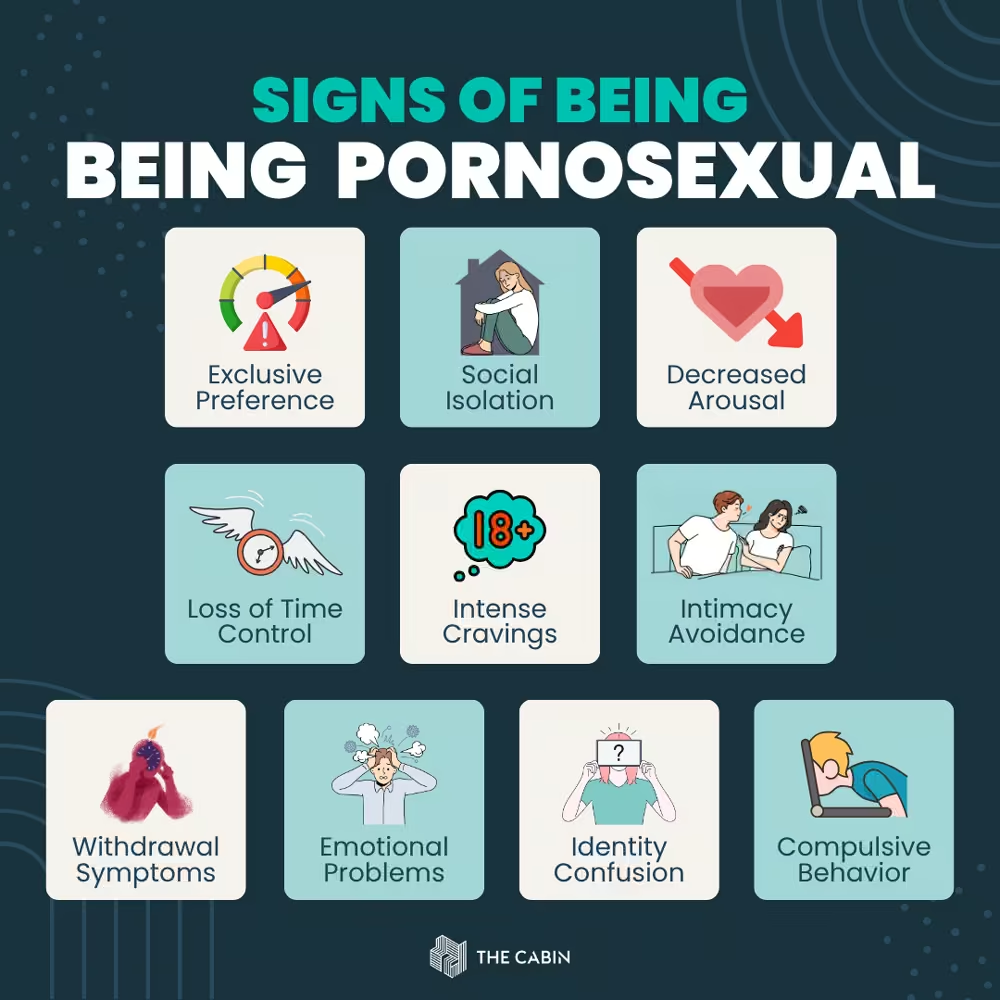
- Exclusive Pornography Preference: This sign is a drive to view porn that feels beyond control, while showing little interest in real-world intimate relationships. Pornosexuals show a preference for pornographic content over physical intimacy with actual partners.
- Social Isolation: Emotional coping with social isolation, loneliness, and stress becomes a pattern where the patients withdraw from social situations to engage with pornography.
- Decreased Real-Life Arousal: Decreased arousal outside of porn becomes evident as physical attraction to a real partner decreases. The brain becomes conditioned to respond primarily to pornographic stimuli, rather than to genuine human connection.
- Loss of Time Control: Getting locked into internet pornography, they lose track of time, skip responsibilities, which marks a clear behavioral sign. The struggles to manage viewing sessions, cause neglect in work, school, or personal obligations.
- Intense Cravings: Pornosexuals find themselves thinking about pornography frequently, even when they do not want to, which indicates mental preoccupation. The thoughts interfere with daily activities and become difficult to suppress or control.
- Intimacy Avoidance: Excessive porn use numbs the brain’s reward pathways, making real-life intimacy seem less stimulating by comparison, and creating relationship difficulties. Physical and emotional connections with real partners become uncomfortable or unsatisfying.
- Withdrawal Symptoms: Irritability, anxiety, restlessness, and insomnia appear when pornography access becomes restricted or unavailable. Trouble sleeping and mood disturbances indicate physical dependency formation.
- Emotional Regulation Problems: Stress, anxiety, and depression are strongly related to pornography consumption as the person uses pornography to manage negative emotions. The behavior becomes the coping mechanism for dealing with life stressors.
- Identity Confusion: Identity problems increase vulnerability to addictive sexual behaviour–related pornographic experiences that can affect self-perception. The pornosexual struggles with understanding their authentic sexual identity and their pornography-influenced preferences.
- Compulsive Behavior Patterns: Struggle to stop, even when they want to, showing loss of voluntary control over viewing habits. The pornosexual makes repeated unsuccessful attempts to reduce or eliminate pornography consumption, despite negative consequences.
What are the Types of Pornosexual?
The Types of Pornosexual are listed below.
- Pure Pornosexual: Pornosexuals who focus only on pornographic content and avoid real-world sexual relationships. The pornosexuals show no interest in physical intimacy with others and rely entirely on pornographic material for sexual satisfaction.
- Solosexual-Pornosexual Hybrid: Pornosexuals who prefer watching pornography and self-pleasure over partner intimacy, but may feel some attraction to their partner. The pornosexuals maintain a limited capacity for real-world connections, while preferring solitary sexual experiences.
- Fantasy-Focused Pornosexual: Pornosexuals who create mental sexual scenarios inspired by pornographic themes, rather than watching actual visual content. The pornosexuals rely on imagination and mental narratives, instead of requiring visual pornographic material.
- Compulsive Pornosexual: Pornosexuals who experience loss of control over their viewing behaviors alongside their sexual orientation. The pornosexuals struggle with addictive patterns that create personal distress and problems in daily life.
- Romantic Pornosexual: Pornosexuals who want romantic relationships, but prefer pornographic content to physical intimacy with their partner. The pornosexuals seek emotional connection, while maintaining a sexual preference for pornographic material.
- Performance-Oriented Pornosexual: Pornosexuals who use pornographic content as educational material for real-world sexual encounters. They maintain an identity tied to pornography, while attempting to replicate viewed behaviors with partners.
- Transitional Pornosexual: Pornosexuals who experience temporary identification due to relationship trauma or social anxiety. The porn addicts shift their orientation over time, as psychological issues receive treatment or life circumstances change.
How do Pornosexuals Experience Sexuality?
Pornosexuals experience sexuality through a connection to virtual or mediated sexual content, rather than traditional interpersonal relationships. The psychological experience revolves around the consumption of pornography as a source of sexual stimulation, with emotional and mental responses shaped by the nature of the content. Sexual satisfaction is achieved through the repetitive consumption of specific genres or scenarios that fulfill fantasies.

The reliance on porn leads to emotional detachment, where pornosexuals find it challenging to engage in or enjoy physical intimacy, as their sexual needs are met more easily through digital media.
Pornography serves as a sexual outlet for pornosexuals, offering a controlled environment where fantasies are acted out without the complexities of real-life interaction. The reliance on porn as a sexual outlet limits emotional engagement, as pornosexuals find it more comfortable to engage with explicit media rather than develop deeper, real-life connections. The role of pornography in their sexuality becomes central, shaping their understanding of sexual arousal and satisfaction while creating a barrier to more conventional forms of intimacy.
Do pornosexuals avoid real-life partners?
Yes, pornosexuals avoid real-life partners because they find sexual satisfaction through pornography. This leads to emotional detachment and a lack of interest in physical intimacy. Real-life connections feel less fulfilling compared to the controlled environment of pornographic content.
Can Pornosexuality Affect Social Interactions?
Yes, pornosexuality can affect social interactions by creating barriers to forming emotional connections. Pornosexuals struggle with developing real-life relationships, due to their reliance on pornography for sexual satisfaction. The dependency leads to emotional detachment, making it difficult for them to engage with others in intimate or social contexts. Their social interactions lack depth and they avoid situations that lead to emotional vulnerability or closeness.
The impact on social interactions extends beyond sexual relationships, influencing how pornosexuals connect with others in general. The pornosexuals feel more comfortable in virtual spaces, where interactions are less personal and carry fewer emotional demands. The preference for these experiences leads to isolation, as they prioritise online connections over face-to-face relationships, impairing their ability to connect with others on a deeper level.
Is Pornosexuality Considered as a Mental Disorder?
Yes, pornosexuality is considered a mental disorder. Analysis shows a link between mental health and pornography use, including addictive behaviors. It highlights the need for a better understanding of internet pornography’s role in negative mental health outcomes, according to the study Compulsive Internet Pornography Use and Mental Health: A Cross-Sectional Study in a Sample of University Students in the United States, by C Camilleri, 2021. The study wanted to explore the potential relationship between compulsive use of pornography and mental health in university students. The sample consisted of university students (N = 1031, 34% male, 66% female) from Franciscan University of Steubenville, Steubenville, Ohio.
The research shows that compulsive pornography use exhibits patterns consistent with mental health disorders in behavioral addictions. The study found correlations between problematic pornography consumption and psychological distress indicators. The findings support classifying pornosexuality-related behaviors as mental health conditions. Behaviors require professional intervention and treatment approaches similar to other recognized behavioral disorders.
How does Pornosexuality Affect Relationships?

Pornosexuality affects relationships by creating challenges in romantic partnerships and intimacy. Pornosexuals struggle with emotional and physical connection, as their sexual outlet is pornography rather than real-life interaction. The reliance on digital incentives leads to a lack of desire for physical intimacy, making partners feel neglected or disconnected. The detachment from real-life relationships fosters misunderstandings, with the partner of a pornosexual possibly feeling unfulfilled or inadequate.
Establishing boundaries and encouraging open communication is important for partners of pornosexuals. Discuss the impact of pornography on the relationship and actively address emotional needs that have been neglected. Set clear expectations for intimacy, work together to foster mutual satisfaction, and motivate the pornosexual partner to seek professional help, if necessary. It is recommended to approach the situation with empathy and patience to strengthen the relationship and promote healthier sexual and emotional dynamics.
How do Magazines and Online Social Media Platforms Affect Pornosexuality?
Magazines and online social media platforms affect pornosexuality by imposing sexual norms and providing easy access to explicit content. Magazines depict sexualized imagery that normalises unrealistic body standards and sexual behaviors. Social media platforms expose users to curated content that includes explicit material, leading to increased exposure and potential desensitisation to sexual stimuli. The constant exposure supports the preference for virtual sexual experiences over real-life intimacy, contributing to the development of pornosexual behaviors.

The nature of magazines and social media platforms means that adolescents are exposed to sexual content, which distorts their understanding of healthy relationships and sexuality. The exposure led to unrealistic expectations, emotional detachment, and challenges in forming genuine intimate connections. The normalisation of content makes it more difficult for pornosexuals to recognise the potential negative impacts on their mental and emotional well-being. Addressing the influences requires a combination of media literacy education, open communication about healthy sexuality, and professional support to mitigate the effects of excessive exposure to sexualized content.
What are the Types of Pornosexuality?
The types of Pornosexuality are listed below.
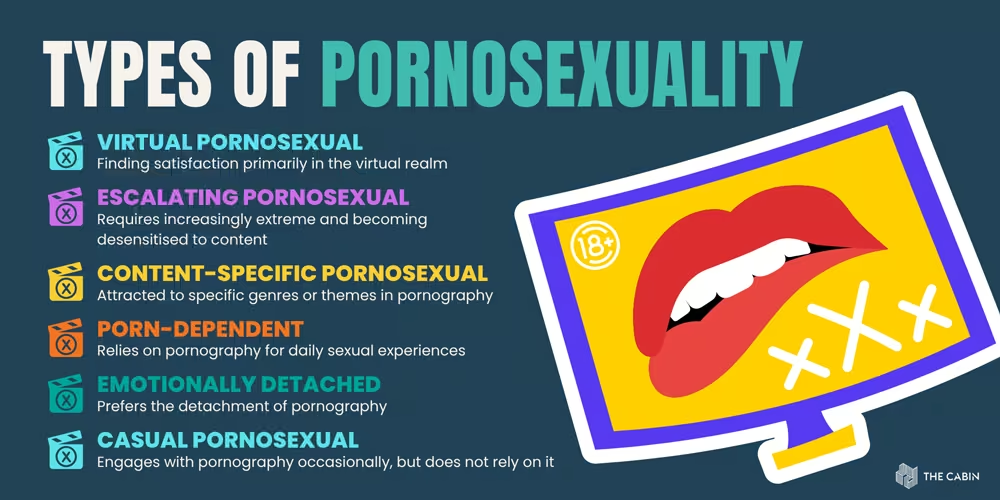
- Virtual Pornosexual: A pornosexual whose sexual attraction is directed toward digital pornography, replacing real-life sexual experiences. This type finds more satisfaction in the virtual world, with little interest in engaging in physical relationships.
- Escalating Pornosexual: A pornosexual who requires increasingly extreme or graphic pornography to achieve sexual satisfaction. They experience a desensitisation to content as their consumption grows, leading to a search for more intense material.
- Content-Specific Pornosexual: The type is characterised by an attraction to specific genres or themes in pornography (Bondage and Discipline, Dominance and Submission, Sadism and Masochism, fetishes, or fantasies). The sexual desires are satisfied by a specific type of content that aligns with their personal preferences.
- Porn-Dependent Pornosexual: A pornosexual whose daily sexual experience is dependent on the consumption of pornography. The porn addicts experience a lack of sexual satisfaction in real-life interactions, as they turn to porn as their outlet.
- Emotionally Detached Pornosexual: The type involves pornosexuals who have a diminished emotional connection to real-life relationships, preferring the detached nature of pornography. They avoid physical intimacy and emotional vulnerability, finding comfort in the isolation that pornography provides.
- Casual Pornosexual: A pornosexual who engages with pornography, but does not rely on it for sexual satisfaction. This casual type does not have a deep emotional or behavioral attachment to porn. It only plays a role in their sexual life from time to time.
How is Pornosexuality Perceived in Different Cultures and Religions?
Pornosexuality is perceived in different cultures and Religions through varying lenses of morality, media influence, and doctrinal interpretation. Pornosexual identity is defined by sexual arousal through pornography rather than interpersonal relationships. It is viewed as a personal lifestyle choice or psychological pattern in secular and liberal societies, in parts of Western Europe and North America. The cultures tend to frame it within broader conversations about sexual autonomy, digital intimacy, and evolving norms around adult content consumption.
More conservative cultures and religious traditions perceive pornosexuality as problematic or morally inappropriate. Religious doctrines in Islam, Christianity, and Orthodox Judaism discourage pornography use, associating it with spiritual impurity or social harm. Pornosexual behavior is stigmatized or pathologized when it conflicts with traditional views on sexuality, marriage, and community values, in regions including the Middle East, Eastern Europe, and parts of Asia and Africa. Cultural acceptance varies widely, with younger generations and urban populations showing more openness due to increased exposure to global media and shifting norms.
How does Pornosexuality Differ from Other Sexual Orientations?
The difference between Pornosexuality and other Sexual Orientations is shown in the table below.
|
Orientation |
Pornosexuality |
Heterosexuality |
Homosexuality |
Asexuality |
Solo Sexuality |
|---|---|---|---|---|---|
|
Object of Attraction |
Pornographic content |
Opposite sex |
Same sex |
None (lack of sexual attraction) |
Self (individual stimulation) |
|
Interest in Real-life Partners |
Minimal or absent interest |
Strong attraction to the opposite sex |
Strong attraction to the same sex |
No interest or low interest |
Varies (self-satisfaction) |
|
Role of Pornography |
Central to sexual satisfaction |
Limited or occasional use |
Limited or occasional use |
None or very little use |
Central to sexual satisfaction |
Can a Person be Both Pornosexual and Heterosexual?
Yes, a person can be both pornosexual and heterosexual. Pornosexual or heterosexual both experience sexual attraction to real-life partners of the opposite sex. Fitting the definition of heterosexuality, while relying on pornography as a primary means of sexual satisfaction. The key to note, is that the pornosexual needs are met more through virtual or media-based content, with little to no desire for physical intimacy. This dynamic leads to a form of detachment from real-life relationships, while the sexual orientation remains as heterosexual.
The combination does not cancel their heterosexual identity, but highlights how external factors (media consumption) shape sexual behavior. A pornosexual prioritises the stimulation offered by pornography, while a heterosexual person seeks physical intimacy with the opposite sex. The distinction between attraction to a specific gender and the medium through which sexual satisfaction is achieved is essential in recognising how Heterosexuality Identity, and pornosexuality coexist in an individual’s sexual experience.

What are the Treatments for Pornosexuality?
The treatments for Pornosexuality are listed below.
- Cognitive Behavioral Therapy (CBT): Cognitive Behavioral Therapy helps pornosexuals recognise and change negative thought patterns and behaviors associated with pornography use. It is effective in reducing compulsive behaviors when combined with other therapies.
- Psychotherapy: Psychotherapy focuses on addressing emotional issues, traumas, or psychological factors contributing to excessive pornography use. Its effectiveness depends on the pornosexual’s willingness to engage in the process and uncover deep-seated emotional triggers.
- Support Groups: Support groups (12-step programs) provide a community to share experiences, offer advice, and support each other in overcoming pornography addiction. The groups provide social support and motivation, which are highly beneficial.
- Medication: Medications (antidepressants or anti-anxiety) are prescribed to manage underlying mental health conditions contributing to compulsive pornography use. Medication is most effective when used in combination with therapy, and is not solely used as an independent treatment.
- Mindfulness and Meditation: These practices help pornosexuals stay present, reduce stress, and decrease the compulsive need to turn to pornography. They are highly effective in improving emotional regulation and breaking the cycle of addiction by promoting healthier coping strategies.
- Sexual Education and Therapy: The treatment involves healthy sexuality and providing therapeutic support to develop healthier attitudes toward sex and intimacy. It is effective in reshaping sexual attitudes and behaviors when combined with counseling.
- Behavioral Modifications: Behavioral modifications involve creating new habits to replace pornography consumption (engaging in alternative activities or hobbies). The porn addiction treatment is effective when the participant is actively engaged in the process and replaces pornography with healthier activities.
- Family Therapy: Family therapy works with family members to address relational issues and provide a supportive environment for overcoming pornography addiction. It is most effective when family dynamics contribute to the individual’s addiction therapy, as well as offering support to their loved one throughout the treatment process.
- Online Counseling or Therapy: Online counseling provides the flexibility to seek therapy from the comfort of home, offering privacy for patients hesitant to seek in-person help. It is effective for pornosexuals with limited access to in-person options or who feel uncomfortable in traditional settings.
- Relapse Prevention Strategies: Relapse prevention strategies help identify triggers, develop coping mechanisms, and plan for situations where they are tempted to return to pornography use. The strategies are effective when committed to their recovery and engage in ongoing support systems.
Pornosexuality is best treated or managed through therapies, support systems, and behavioral changes.
Which Therapies Work Best for Pornosexual Individuals?
The Therapies that Work Best for Pornosexual Individuals are listed below.
- Cognitive Behavioral Therapy (CBT): CBT identifies and changes negative thought patterns and behaviors related to pornographic consumption. The most reductions in symptoms and relapse frequency are seen over a 12-week period. Pornosexuals benefit from CBT by identifying triggers, developing coping mechanisms, and breaking compulsive cycles.
- Acceptance and Commitment Therapy (ACT): ACT uses mindfulness to help Pornosexuals accept difficult emotions while committing to valued actions. Clinical trials show a 90% reduction in pornography viewing after 12 sessions. Pornosexuals benefit through value clarification, mindfulness skills, and psychological flexibility.
- Group Therapy: Group therapy involves structured peer support sessions with trained therapists for shared learning. Moderate to high effectiveness is seen with reduced isolation and increased accountability. Pornosexuals benefit through peer validation, shared coping strategies, and normalised experiences.
- Dialectical Behavior Therapy (DBT): DBT combines cognitive behavioral techniques with mindfulness for intense emotional regulation difficulties. High effectiveness is witnessed in managing overwhelming emotions that trigger consumption. Pornosexuals benefit most by learning distress tolerance, emotional regulation, and mindfulness practices.
- Eye Movement Desensitisation and Reprocessing (EMDR): EMDR uses bilateral stimulation to process traumatic memories contributing to compulsive behaviors. Strong effectiveness has been documented for trauma-related pornosexual behaviors. Pornosexuals often benefit through trauma processing, belief restructuring, and trigger desensitisation.
- Family Therapy: Family therapy addresses relational dynamics and communication patterns impacting positive recovery outcomes. Almost all treatment outcomes are improved with family involvement. Pornosexual benefit through relationship repair, creating healthy communication skills, and building strengthened support networks.
Ready for a healthier lifestyle?
Porn addiction can have serious effects on a person’s life and the lives of those around them. In most cases, professional addiction treatment is necessary to overcome it.
The Cabin Chiang Mai offers a residential rehab programme specifically for process addictions like porn addiction, combining Western counselling with Eastern holistic therapies for effective results, boasting a 96% completion rate. If you’re worried about a loved one’s addiction, help is available. Contact us to learn how we can assist you and your family.

The Cabin Clinical Team
Our team boasts over 10 years of experience working with individuals struggling with addiction and mental health challenges. This extensive experience allows us to provide comprehensive assessments, develop personalized treatment plans, and deliver evidence-based interventions tailored to meet your unique needs.