Chemsex addiction is a complex behavioural pattern where patients become dependent on using specific drugs (crystal methamphetamine, gamma-hydroxybutyrate, or GHB) and mephedrone to improve sexual experiences.
The practice emerged from London’s gay scene and remains more prevalent in London than other UK cities, with South London affected due to its large commercial gay scene, historically associated with drug use. Users exhibit feelings of being very up, exhilarated, alert, and awake, but become agitated, paranoid, confused, and aggressive. Consuming substances by swallowing, snorting, injecting, or smoking to achieve intense euphoria and sexual arousal.
Mental health deteriorates through strong psychological dependence, where users feel they need the drug to function, socialise, or cope with life’s challenges. Dangerous side effects include raised heart rate and blood pressure, causing heart problems and intense itching manifesting in bruised or scabbed skin, uncontrollable twitching, and inability to sleep for days. Behavioural symptoms include engaging in meth sex sessions lasting days. Participating in chem sex parties with multiple partners, seeking gay meth porn content, and becoming dependent on tina drug for any sexual activity. Destroying relationships and daily functioning, users prioritise drug-fueled sexual encounters over work, family, and personal responsibilities.
What is Chemsex Addiction?
Chemsex addiction refers to the use of psychoactive substances to improve or prolong sexual encounters, involving crystal methamphetamine, GHB/GBL, and mephedrone. The sexual subculture involves drug users engaging in high-risk sexual behaviours under the influence of drugs, predominantly affecting men who have sex with men (MSM) communities. The addiction hazard level remains, as engaging in chemsex leads to addiction, and with frequent chemsex leading to dependence and the development of substance use disorder. Experts classify the practice as carrying substantial risk for developing behavioural addiction patterns.
The United Kingdom exhibits the highest prevalence of chemsex addiction misuse globally. A quarter of participants self-reported chemsex in the past 12 months in four European countries, with high rates of harm from chemsex, including negative impacts on work, friends/family, and relationships. Paramedics treat an average of one person daily from the effects of ‘hook-up drugs’ since January 2021, according to National Health Service (NHS) data from the London Ambulance Service. Chemsex was reported by 41% of study participants in the Netherlands, with 23% requiring professional counselling. The practice originated in London in the late 2000s and has since spread throughout Europe, with treatment services now recognising chemsex as a priority public health concern requiring specialised intervention approaches. Understanding what Addiction means becomes essential for healthcare professionals addressing the complex phenomenon involving multiple substances and compulsive sexual behaviours.
Is Chemsex Addictive?
Yes, Chemsex is Addictive. Drug users develop a physical and psychological dependence, with the dependence on the drug reducing the ability to enjoy intimate relations with partners. Chemsex users experience neurological symptoms (depression, impulse control disorders, and changes in impulsivity). The dual mechanism creates powerful psychological associations between substance use and sexual activity.
Chemsex Amphetamine addiction develops through repeated exposure to dopamine release patterns in the brain’s reward pathways. Amphetamine is a lab-made stimulant with high addiction potential, according to the National Institute on Drug Abuse (NIDA). Causing feelings of euphoria and increased alertness. The substance induces intense euphoria and well-being, with chronic use leading to anxiety, depression, cognitive impairments, and psychosis. Progressive tolerance requires higher doses for the same effects, establishing dependency cycles that become increasingly difficult to break without professional intervention.
Why is Chemsex so Addictive?
Chemsex is so addictive because it hijacks the brain’s reward pathways by flooding them with excessive dopamine. The neurotransmitter dopamine is central to reinforcement, according to NIDA, increasing the odds that pleasurable activities are repeated. Sexual encounters naturally release dopamine into the nucleus accumbens, the brain’s pleasure centre. The combination of sexual stimulation and psychoactive substances creates powerful neurochemical associations that make breaking the cycle extremely difficult.
The chemical composition of chemsex involves three primary substances with distinct molecular structures. Methamphetamine (C10H15N) and mephedrone (C11H15NO) represent the core stimulants used in chemsex practices. Mephedrone rapidly increases dopamine and serotonin levels in the nucleus accumbens, while methamphetamine blocks dopamine reuptake, prolonging the euphoric effects. The gamma-hydroxybutyrate (GHB/GBL) acts as the third component, functioning as a central nervous system depressant that lowers inhibitions.
What does Chemsex Do to You?
Chemsex makes you mentally and physically damaged through harmful drugs that change how the brain works and hurt the body in many ways. Methamphetamine causes a rush of dopamine, a feel-good chemical in the brain. It increases energy levels and sex drive, but chemsex commonly results in mental health struggles (anxiety, depression, paranoia, permanent cognitive and psychological damage, psychosis). Long-term physical effects are common, too, like weight loss, exhaustion, and organ damage. The drugs alter brain function and result in changes in perception, mood, consciousness, cognition, or behaviour, hurt physical health, including the heart and brain, and cause dehydration. A higher risk of human immunodeficiency virus (HIV) and other sexually transmitted infections, and drug-related injuries. Patients become trapped because the brain gets used to the drugs and needs more to feel the same effects, leading to worse health problems. Gamma-Hydroxybutyrate (GHB) use is linked to risky behaviour and a loss of control over decisions related to safety and well-being.
What are the Common Signs of Chemsex Use?
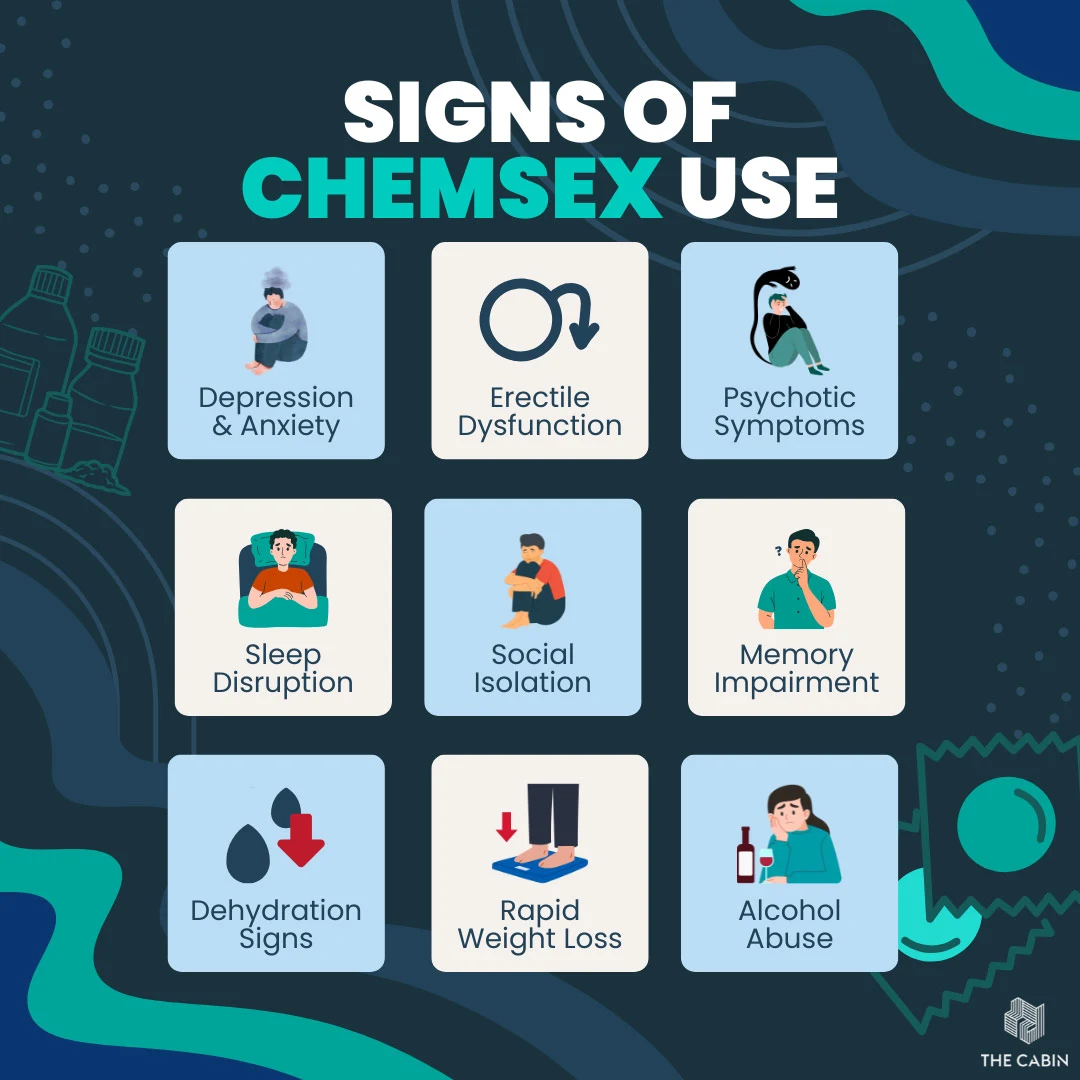
The Common Signs of Chemsex Use are listed below. The Common Signs of Chemsex Use are listed below.
What are the Short-Term and Long-Term Effects of Chemsex Use?
The short-term and Long-Term Effects of Chemsex Use are listed below.
Short-Term Effects of Chemsex Use
Long-term Effects of Chemsex Use
What are the Signs of Chemsex Withdrawal?
The Signs of Chemsex Withdrawal are listed below.
What are the Risks of Chemsex Overdose?
The Risks of Chemsex Overdose are listed below.
Can Chemsex Addiction Be Treated?
Yes, Chemsex Addiction can be treated through specialised therapeutic interventions and medical support. Residential rehab is considered an effective treatment for Chemsex addiction, with most rehab clinics treating process addictions like sex addiction and drug addictions, paired with supervised early recovery. Cognitive-behavioural therapy (CBT) and other counselling approaches help patients understand and modify the behaviours contributing to chemsex addiction. Treatment addresses the substance dependency and compulsive sexual behaviours through integrated approaches.
Recovery requires care combining medical withdrawal, psychological therapy, and peer support programs. Clients have access to therapy, group therapy, and medical withdrawal with experienced professionals dedicated to helping overcome addiction. Treatment referral services provide 24/7 support for patients facing substance use disorders, according to the Substance Abuse and Mental Health Services Administration (SAMHSA) National Helpline. The treatment programs recognise the cultural factors associated with chemsex practices and provide targeted interventions for lasting recovery.
What are the Best Treatment Options for Chemsex Addicts?
The best treatment options for chemsex addicts are medical withdrawal, cognitive behavioural therapy, and specialised LGBTQ+ programs. Treatment importance becomes critical because chemsex addiction involves complex dual dependencies requiring intervention. Treatment options for chemsex addiction include medical withdrawal, psychological counselling, and peer support groups. Cognitive-behavioural therapy (CBT) and other counselling approaches help patients understand and modify the behaviours contributing to chemsex addiction.
Holistic approaches integrate traditional therapy with complementary healing methods, addressing mind, body, and spirit connections. Mindfulness-Based Chemsex Recovery (MBCR) programmes provide structured meditation-based interventions explicitly for chemsex recovery. Holistic therapy addresses the mind, body, and spirit to support health and healing, drawing on complementary and alternative practices. Somatic meditation and mindfulness techniques help trauma survivors recognise where they hold emotional and physical tension, allowing the nervous system to process and release trapped defensive energy. Recovery programs combine residential rehabilitation, group therapy, family therapy, and 12-step fellowships for comprehensive healing approaches.
What Behavioural Therapies are Effective for Chemsex Addiction?
Behavioural therapies that are effective for chemsex addiction are cognitive behavioural therapy (CBT), dialectical behavioural therapy (DBT), and mindfulness-based interventions. Behavioural therapy remains vital because it addresses substance abuse patterns and compulsive sexual behaviours.

Cognitive behavioural therapy (CBT) for substance use disorders has demonstrated efficacy as a monotherapy and as part of combination treatment strategies, with CBT approaches having among the highest levels of empirical support for drug and alcohol use disorders. DBT is a comprehensive, evidence-based psychotherapy that incorporates mindfulness and acceptance with traditional cognitive behavioural therapy techniques.
Cognitive behavioural therapy (CBT) for substance use disorders has demonstrated efficacy as a monotherapy and as part of combination treatment strategies, with CBT approaches having among the highest levels of empirical support for drug and alcohol use disorders. DBT is a comprehensive, evidence-based psychotherapy that incorporates mindfulness and acceptance with traditional cognitive behavioural therapy techniques.
Group therapy and support groups provide essential peer connection and accountability mechanisms for sustained recovery. Group therapy for problematic chemsex has advantages over patient-centred treatments, including the reduction of a sense of isolation, loneliness, and information and feedback from peers. The current review showed that cognitive behavioural therapy (CBT), group therapy, and contingency management (CM) groups appear to be more effective at reducing meth use than treatment as usual (TAU) groups.

Specialised chemsex support groups address unique cultural factors while providing shared experiences and mutual understanding among participants facing similar challenges.
How long does it take to recover from Chemsex Addiction?
Recovering from chemsex addiction takes three to six months, but complete recovery represents a long-term process requiring sustained commitment. Initial recovery phases withdrawal management 3-10 days, followed by stabilisation. Brain chemistry regaining balance occurs in months 4 to 6, where patients begin to experience pleasure in life again, depending on the duration and intensity of drug use. Recovery timeframes vary based on factors including addiction severity, physiology, social support systems, and adherence to treatment protocols.
Long-term commitment to sobriety becomes essential because neurochemical healing requires extended periods beyond initial recovery. Dopamine transporter levels in the brain’s reward centre return to near-normal function after 14 months of abstinence, according to the Loss of dopamine transporters in methamphetamine abusers (2001). It demonstrates that decreases in dopamine transporters in methamphetamine abusers recover with protracted abstinence. The brain recovers from some types of brain injuries within two years of abstinence from methamphetamine, emphasising that sustained recovery requires months to years of continuous sobriety commitment.
How long does it take to Get Addicted to Chemsex?
One to three months to get addicted to chemsex, with patients developing dependency after just a few sessions. The mean prevalence of sexualized substance use among the population reaches 19.92%. The National Institutes of Health with HIV reports a chemsex prevalence of 29.1% Risk factors include living in a metropolis, using dating apps and practising "hard-sex", alongside foreign or ethnic minority status, location in large cities, stress and anxiety, trauma, loneliness, sexually transmitted infections, and previous psychotic history.
Two major studies demonstrate rapid addiction development. A French university study found 22.5% of students reported chemsex behaviour in the past year, with dating application use and pornography consumption as associated factors. A systematic review examining mental health symptoms revealed that patients practising sexualized drug use were more likely to experience depression, anxiety, or substance dependence. Addiction develops quickly because methamphetamine produces intense dopamine surges that create immediate tolerance within 1-2 months, requiring higher doses and more frequent use. The sexual arousal and stimulant effects establish behavioural patterns that become difficult to control after minimal exposure periods.
What are the Best Ways to Prevent Chemsex Addiction?
The best Ways to Prevent Chemsex Addiction are listed below.
- Educational initiatives help patients understand risks and make informed decisions about substance use.
- Regular screening identifies at-risk patients before addiction develops through early detection methods.
- Building strong social connections and peer support systems reduces isolation and vulnerability to substance use.
- Addressing underlying depression, anxiety, trauma, and psychological conditions that increase chemsex risk factors.
- Safe practices minimise risks for patients who choose to engage, with Drug Addiction prevention as the primary goal.
- Teaching safer online dating practices and recognising risky situations through digital literacy programs.
- Providing comprehensive sexual education and healthy relationship skills without substance dependency.
- Teaching coping mechanisms for life stressors without substance use through stress reduction techniques.
- Strong family connections serve as protective factors against substance abuse and risky behaviours.
- Early therapeutic intervention for patients showing warning signs provides tools before problematic patterns develop.
How can Individuals Avoid Relapse After Chemsex Addiction Treatment?
Individuals avoid relapse after chemsex addiction treatment through comprehensive relapse prevention strategies that combine behavioural therapy, peer support networks, and structured monitoring systems. Recovery programs utilise cognitive behavioural therapy (CBT) to modify negative thought patterns while implementing therapy and skill development, medications, and monitoring as core prevention strategies. Comprehensive aftercare programs provide ongoing treatment and relapse prevention strategies with continued support group access.
Accountability mechanisms prove critical in maintaining sustainable recovery and reducing relapse risk through ongoing support systems. Programs incorporate continued therapy sessions, peer support groups, and wellness activities that support healthy lifestyle maintenance. The combination of professional monitoring, peer accountability, and lifestyle modifications creates multiple safety nets that help patients navigate recovery challenges and maintain abstinence from chemsex behaviours.
What are the Success Rates of Chemsex Rehabilitation Programs?
The success rates of chemsex rehabilitation programs are 68-75%, with addiction treatment completion according to the Substance Abuse and Mental Health Services Administration SAMHSA data. Specialised chemsex programs lack comprehensive statistical tracking. Established rehabilitation centres like The Cabin Chiang Mai report over 7000 successful recoveries since 2010, while maintaining a 96% completion rate for their programs. Success depends heavily on individual commitment levels, program duration, aftercare support systems, and the presence of co-occurring mental health disorders that complicate recovery trajectories.
Long-term recovery commitment proves essential for sustained abstinence from chemsex behaviours, as treatment effectiveness correlates directly with participant engagement and post-program maintenance strategies. Patients' outcomes fluctuate based on factors including sexual identity acceptance, social support networks, trauma history, and willingness to modify lifestyle patterns that strengthen addictive behaviours. Success measurements vary in facilities, with some tracking completion rates. Others focus on abstinence periods or quality of life improvements, making direct program comparisons challenging for prospective participants seeking evidence-based treatment options.
Does Thailand's Rehabilitation Centre Cater to Most Chemsex Rehab Patients?
Yes, Thailand's rehabilitation centres cater to most chemsex rehab patients through specialised programs designed for international clientele seeking affordable, comprehensive treatment options.
Facilities like The Cabin report over 7000 successful recoveries. Thailand experiences rising chemsex prevalence among men who have sex with men, creating domestic demand for specialised services, while cost-effective treatment packages attract international patients from Western countries where rehabilitation expenses exceed budget constraints.

Thailand's geographic position and cultural acceptance of sexual orientations make it an attractive destination for patients seeking discreet chemsex addiction treatment away from familiar environments. Multiple drug rehabilitation centres operate throughout the country, offering personalised treatment approaches and low-stress environments.

Lee Daniel Hawker-Lecesne
Clinical Programme Director at The Cabin Lee graduated from Anglia Ruskin University in the UK with a degree in Behavioural Science and a postgraduate clinical focus on addictions from the University of Bath. Lee is a focused and ambitious individual who has in-depth training and experience in a broad range of clinical psychological interventions in the treatment of addiction, dual diagnosis, and complex trauma.