To start loving yourself, it is important to understand that addiction is a disease, not a personal failure. By accepting that past actions do not define self-worth, seeking forgiveness for past hurts, and committing to a consistent self-care routine, anyone can build a new life for themselves.

This shift in thinking helps in separating one’s identity from their addiction, to recognizing that their worth is not determined by past behavior, but by their current choices and future growth.
Continuous healing deepens through self love in recovery, where the patients learn to treat themselves with compassion, patience, and dignity. Rebuilding a new life with purpose begins by reconnecting with personal values, rediscovering passions, and forming supportive relationships that improve their progress. Daily habits (journaling, mindfulness, movement, and structured routines) help stabilize emotions and promote growth. Patients begin the powerful journey of loving themselves again by celebrating small victories and honoring each step forward, reclaiming their future with a hopeful disposition.
How to Love Yourself during Recovery from Addiction
1. Understanding the Disease of Addiction

To best understand the disease of addiction, it should be seen as a chronic brain condition that affects thinking, behaviour, and emotional control. The disease of addiction involves changes in brain circuits linked to reward, stress, and self-control. Substance use alters these systems, making it hard to stop, even when consequences are clear. Addiction is not a moral weakness or lack of willpower.
It is a medical issue that requires structured treatment. Proper education helps people recognise symptoms, triggers, and patterns that lead to relapse. Understanding the disease concept builds a foundation for recovery and helps to reduce shame.
A patient may study substance abuse on the brain to understand addiction better. They may learn about the withdrawal process and explore how cravings work. Support groups, therapy, and reading materials all help explain the addiction condition clearly. Understanding addiction improves decision-making and builds emotional awareness. This process takes effort when strong emotions or past trauma are involved. Learning about addiction is not easy, but it is important to help patients stay focused and make healthy choices.
2. Understand that Your Past Actions Do Not Define You
Understanding that your past actions do not define you means recognising that past mistakes do not determine your personal worth or future direction. Addiction involves choices that were shaped by pain, impulse, or survival, not by character. Accepting this truth allows the recovery patient to separate their identity from past behaviour and begin building a new self-image based on growth. This process involves shifting focus from guilt to learning, and from regret to responsibility.

It requires honest reflection, guided support, and a willingness to change the story being told about themselves.
Letting go of past labels takes time and emotional effort. The patient must practice self-forgiveness, speak openly in safe spaces, and replace shame with understanding. This type of shift improves mental health, strengthens motivation, and supports long-term recovery. The work can be challenging when memories are painful or if judgment from others remains. The patient learns to move forward without being trapped by the past and remains committed to their inner healing.
3. Make Amends with the People You Hurt

Making amends with the people you hurt means taking responsibility for past actions and working to repair broken trust. Amends include facing the impact of harmful behaviour and expressing sincere regret. The goal is not to apologise, but to show change through respectful communication and by giving an honest effort. Making amends helps rebuild relationships and restore dignity for both the patient in recovery and those affected by their actions.
The person prepares to make amends by reflecting on past harm, choosing the right time, and speaking with thoughtfulness and care. This process brings emotional relief and strengthens personal growth. It also improves self-respect and helps restore connection with others. The task is complicated when the guilt is intense or if the other person is not ready to provide their forgiveness. The act of making amends not only supports healing but also deepens commitment to one’s recovery.
4. Take Care of Yourself
Taking care of yourself means building new habits that support physical strength, emotional stability, and improved mental focus. Recovery needs structure, and that structure begins with daily choices such as eating well, sleeping enough, moving the body, and creating quiet time. These actions help reduce stress, improve mood, and protect against relapse. Self-care is not just a reward. It is a requirement for healing and long-term progress.

A recovery patient who sets routines, avoids harmful environments, listens to personal needs, and practices self-care increases their chances of long-term recovery. The benefits of healthy practices grow over time. They may include clearer thinking, better sleep, and stronger motivation. Maintaining consistency is not always easy when energy is low or emotions feel heavy. Staying consistent takes effort. However, with each step taken, the patient builds a stronger foundation for their recovery.
5. Plan Your Future

Plan your future by setting clear goals, building structure, and choosing actions that support long-term recovery. Addiction disrupts direction and focus. Rebuilding purpose is an important part of healing. Planning includes identifying personal values, exploring new interests, and creating steps that lead to stability. By making these types of changes, it shifts attention from past mistakes to future possibilities. Therefore, helping the patients regain control and build confidence.
The recovery patients who outline short-term tasks and long-term goals to build their future tend to stay more consistent with their routines. By adapting these new behaviours and patterns, there is noticeable improvement in their motivation levels and increased meaning within their daily activities. Planning can be challenging when energy is low or emotions feel uncertain, but each step forward strengthens recovery and creates a life worth protecting.
6. Fake It ‘Till You Make It.
Fake it ‘till you make it means practising new behaviours and attitudes before they feel natural or comfortable. Confidence, discipline, and self-worth feel distant at first, in early recovery. Acting with purpose, showing up to meetings, following routines, and speaking positively help build these desired qualities over time. The goal is not to lie or pretend, but to train the mind and body to accept a new way of living.

The patients who regularly commit to daily actions that reflect recovery values, even when motivation is low, have a higher chance of succeeding. Eventually, the actions become habits, and the emotional strength behind them grows. These new approaches are helpful because they build momentum and can reduce hesitation. It can be difficult at first when self-doubt is intense, but consistency over time leads to real change.
7. Always Remember that You are Worth It

Always remember that you are worth it, which means accepting that your life has value, no matter what happened in the past. Addiction leaves behind guilt, shame, or broken relationships. These things do not erase personal worth. Believing in yourself and your worth is part of healing. It takes strength to keep going, even when recovery feels hard. Self-worth is not earned through perfection, it grows through honesty, effort, and care.
The patients who speak kindly to themselves, create healthy boundaries, and surround themselves with supportive people set themselves up to succeed. Every step in a recovery journey becomes proof of strength. The process is not easy when doubt or pain is substantial. Rebuilding confidence and creating a future with meaning helps protect long-term sobriety.
8. Surround Yourself with Supportive People.
Surround yourself with supportive people by choosing relationships that encourage honesty, growth, and stability. Recovery requires connection, and the right circle of friends can help to build a solid foundation. The best kind of friends are those who listen without judgment, offer guidance, and respect boundaries. Supportive family members also help to reduce isolation and provide strength when emotions feel heavy or motivation fades. Being part of a healthy support circle improves confidence and protects against relapse.
The patients who join support groups, reconnect with trusted friends, and avoid toxic environments build the ideal kind of circle for their care needs. Outside support brings comfort, accountability, and a sense of belonging. Finding the right circle takes time and effort when trust has been broken or past relationships were harmful. Each positive connection adds strength to recovery and helps shape a future built on respect and care.

9. Practice Gratitude Daily

Practice gratitude daily by noticing and appreciating the good things, no matter how small they seem. Recovery involves rebuilding perspective, and by increasing gratitude, this helps to shift focus from loss to progress. Writing down positive moments, thanking others, or reflecting on what went well, strengthens emotional balance. Gratitude creates space for hope, patience, and connection, which are all key elements in healing.
A person who sets time each day to reflect, uses a journal, or shares thoughts with someone they trust starts to build healthy habits. These practices improve mood, lower stress, and deepen motivation. Starting may not be easy when emotions feel heavy or progress feels slow. Gratitude becomes a source of strength and a reminder that recovery is worth protecting.
10. Forgive Yourself for Past Mistakes
Forgive yourself for past mistakes by accepting what happened, learning from it, and choosing to move forward with purpose. Addiction leads to choices that hurt others and damage self-respect. Past actions do not affect the ability to embrace or create change. Forgiveness begins with honesty, facing the truth without excuses, and continuing with the effort to grow beyond it. It is not about forgetting or covering up. Past mistakes offer an opportunity to release shame and build a new path with dignity.

When a person reflects on their past, speaks kindly to themselves, and takes steps to make things right, they are practising forgiveness. This helpful process brings emotional relief, restores confidence, and strengthens the patient’s commitment to recovery. Forgiving is often tricky when guilt feels heavy or memories are painful, but each act of healing proves that change is real and that a new future is worth pursuing.
What does Life After Addiction Really Look Like?

Life after addiction can look like a steady rebuilding of daily life marked by effort, change, and personal growth. Patients in early recovery face challenges (repairing broken trust, managing emotions without substances, and adjusting to new routines). Overall health can improve through regular sleep, balanced meals, and physical movement (walking or stretching). Work life shifts from missed deadlines and poor focus to showing up on time, completing tasks, and setting career goals. Relationships begin to heal through honest conversations, setting boundaries, and reconnecting with supportive friends.
The recovery journey includes struggle and progress, shaped by daily choices. Emotional ups and downs happen, but when the patient learns to handle stress through journaling, quiet time, or talking with others, growth is occurring. Support groups and therapy become part of the weekly routine. Money is managed with care, replacing impulsive spending with saving and planning. Trust grows slowly with others and within oneself. Each small step (cooking a meal, showing up for work, apologising) builds a life that feels stable, meaningful, and is shaped by recovery actions.
How Can Self-Love in Recovery Help You Heal?
Self-love in recovery can help you heal through emotional repair, mental clarity, and the rebuilding of self-worth. Addiction damages self-image and leaves behind guilt, shame, and emotional exhaustion. Practising self-love restores balance by encouraging kindness towards oneself, not punishment. It shifts the focus from past mistakes to present growth, allowing the person to see themselves as worthy of care and capable of change. This new mindset supports long-term healing by reducing self-judgment and strengthening resilience.
Self-compassion replaces guilt with understanding, and shame with acceptance. The patients learn to speak gently to themselves, reflect without harshness, and honour progress, instead of replaying regrets. Daily practices, such as journaling, help organise thoughts and track growth. Affirmations strengthen positive identity, while mindfulness builds awareness without judgment. All of these actions are simple, but powerful. Self-love creates space for healing and helps the person stay grounded in recovery.
Why is Self-Love in Recovery So Important?
Self-love in recovery is so important because it protects against relapse and strengthens the emotional foundation, which is needed for long-term healing. Without self-love, the patient remains vulnerable to guilt, shame, and self-rejection. These negative states increase the urge to escape through substance use. Recovery can feel like punishment, rather than freedom, when the inner voice is harsh and unforgiving. A lack of self-acceptance blocks progress and keeps the patients stuck in cycles of regret, making it harder for them to stay committed when stress or temptation appears.
Self-love builds resilience by teaching the person to respond to setbacks with patience instead of self-blame. Self-love supports healing by allowing space for imperfection and supports progress at the same time. The patients who learn to honour their journey, recognise their personal strength, and rebuild trust can change through self-acceptance. This type of mindset reduces emotional triggers and creates a stable path forward, one that is grounded in care and love, not criticism.
Why is It Important to Remember You are Not Your Addiction?
It is important to remember that you are not your addiction, because an identity around illness must be separated for proper healing to begin. Addiction is a condition that affects behaviour, decision-making, and emotional regulation. Addiction is not a reflection of personal worth or character. Viewing addiction as a disease allows the patients to step back from shame and see themselves as someone capable of change and improvement. Recognising these differences helps rebuild self-respect and opens the door to recovery, without being trapped by guilt.
Acknowledging the differences between “you as a person” and “your addiction as a condition” empowers the patients to move forward with grace and confidence. When the patients begin to build a new identity based on growth, honesty, and resilience, genuine healing and proper recovery are possible. With a new outlook, the mind is able to shift and strengthen emotional stability, making long-term progress achievable. Recovery becomes more than just abstinence. It becomes a process of reclaiming dignity, guided by a healthier Addiction Mindset that separates oneself from their past struggles.
How do Acceptance and Self-Love Work Together in Recovery?
Acceptance and self-love work together in recovery by creating a foundation for emotional healing, personal growth, and long-term stability. Self-acceptance means recognising patients’ past without denial or distortion, while also acknowledging mistakes, pain, and setbacks without letting them define their future. Patients who change their mindset are able to face their history honestly, while refusing to be trapped by it. This fresh perspective opens the door to self-love, which brings in compassion, patience, and the belief that change is possible. Both acceptance and self-love shift the recovery process from punishment to healing.
Practising acceptance removes the need for constant self-judgment. Self-love replaces shame with care. When patients begin to treat themselves with respect, set healthy boundaries, practice forgiveness, and choose habits that support growth, this strengthens their resilience, reduces emotional triggers, and helps them build the life they have always wanted. After time and practice, acceptance and self-love can become sustainable.
How do you Heal From Addiction without letting your Past Define You?
You heal from addiction without letting your past define you through acceptance, forgiveness, and a forward-focused mindset. Recovery begins by acknowledging past mistakes honestly, without denial or excuses. Acceptance of the past means recognising what happened without allowing it to shape your identity or future. These shifts help break the cycle of shame and self-blame, which can fuel relapse. When a patient can learn to view the past as a reference point, not a destination, they can grow and thrive in their healing process.
Forgiveness is a powerful healing tool. Forgiving oneself for choices made under addiction and forgiving others who have caused harm releases guilt and creates space for compassion. Healing can deepen when attention shifts to present actions (showing up, staying sober, rebuilding trust, and setting goals). Each day becomes a new chance to grow, to prove change is real, and to build a life rooted in dignity and purpose. By making empowering choices in recovery, patients can steer themselves away from regret and towards resilience.
What Role does Support Play in Rebuilding Life after Drug Addiction?
The role that support plays in rebuilding life after drug addiction is very important. The right type of support can offer additional accountability and enhance one’s recovery. Support from family, friends, mentors, and recovery groups provides a safety net to restore trust, manage stress, and stay committed. Strong connections offer encouragement when setbacks are encountered and celebrate victories when progress is made, increasing the belief that change is possible. Support systems create accountability, promote regular check-ins, encourage honest conversations, and shared goals, all of which help the patients stay focused and avoid relapse.
Attending group meetings, seeking out a sponsor or mentor, and rebuilding relationships through honesty and consistency maintain healthy connections. Setting boundaries with toxic influences and choosing environments that promote healing are essential. The relationships a patient decides become sources of strength, helping the person navigate challenges and build a life filled with purpose and connection. Support is not only helpful it is essential in sustaining long-term recovery and rebuilding a more positive future.
How can Gratitude and Self-Compassion Transform Life after Rehab?
Gratitude and self-compassion transform life after rehab by reshaping emotional patterns, restoring self-worth, and building a mindset focused on growth. Gratitude means actively noticing and appreciating the good, whether it is a kind gesture or noting personal progress. Self-compassion involves treating patients themselves with kindness, rather than harsh criticism. In time, these habits help reduce shame and foster emotional resilience, helping the patients stay grounded and motivated in recovery.
Daily practices (writing gratitude lists, repeating affirmations, or using meditation) strengthen new behavior patterns. When the patient learns to focus less on what was lost and more on what is being rebuilt, change occurs. Expressing gratitude highlights progress, and self-compassion softens the impact of mistakes. These combined practices transform recovery from a struggle for control into a journey of healing, where each day is met with patience, hope, and a restored sense of possibility.
What are the Challenges of Loving Yourself again after Addiction?
The challenges of Loving Yourself again after Addiction are listed below.
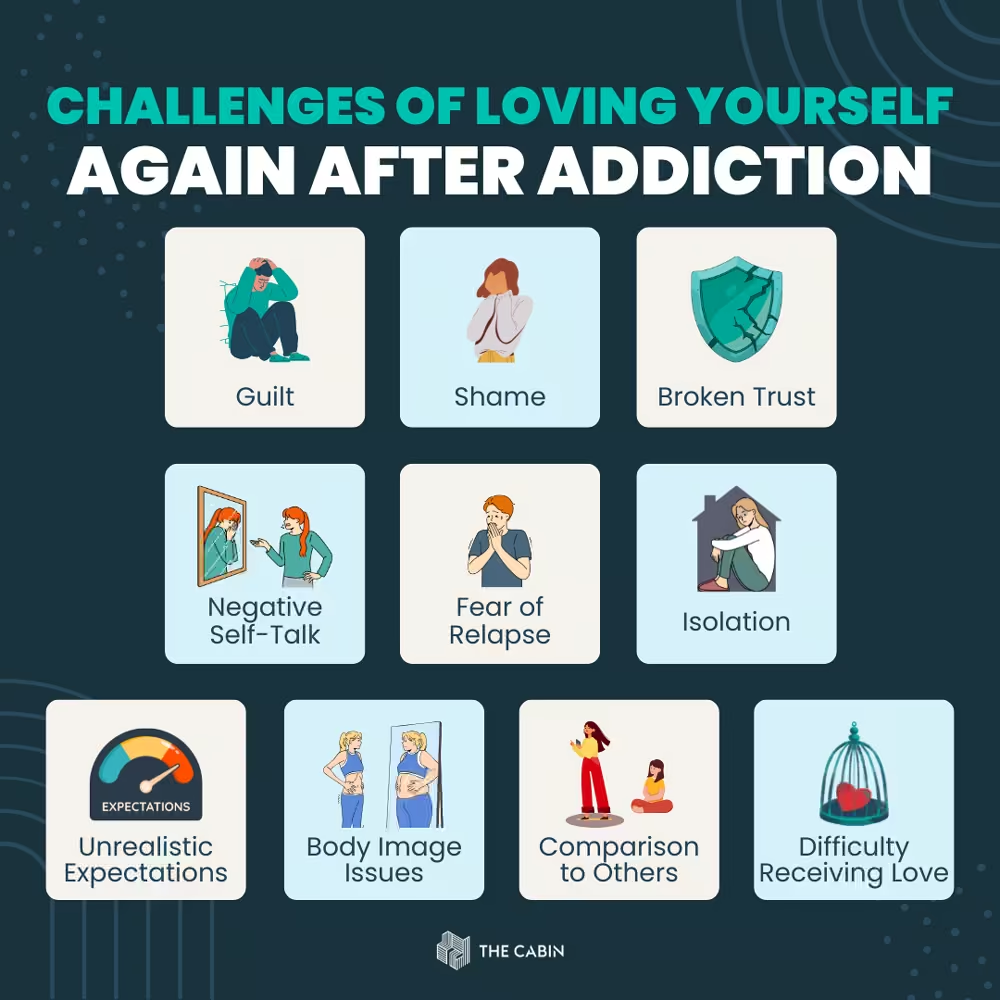
- Guilt: The patients who carry deep guilt over choices made in their addiction may struggle with being overwhelmed and blocked emotional healing. Learning to forgive is a slow process at times, but an essential and required step towards embracing self-love.
- Shame: Shame creates a distorted self-image, making the patients feel permanently damaged or unworthy. It lingers even after sobriety begins, affecting confidence and relationships. Releasing shame requires separating identity from past behaviour.
- Broken Trust: Addiction leads to broken promises and damaged relationships. The patient may struggle to trust themselves or to have others trust them again. Rebuilding trust takes time, consistency, and vulnerability.
- Negative Self-Talk: Years of internal criticism become automatic, increasing feelings of failure. The patient may hear a constant inner voice that says they are not good enough.
- Fear of Relapse: The possibility of slipping back into addiction creates anxiety and self-doubt. These fears make the patients hesitant to embrace progress fully. Building confidence through small wins helps to reduce relapse anxiety.
- Isolation: Addiction leads to social withdrawal or strained relationships. Some patients can feel alone or disconnected, even in recovery. Reconnecting with others is essential, even when it can be emotionally challenging.
- Unrealistic Expectations: Expecting instant healing or perfection is not realistic. This type of thinking can lead to frustration and disappointment. Recovery is a gradual process, not a quick fix. Accepting progress over perfection supports self-love.
- Body Image Issues: Physical changes from addiction (weight fluctuations or visible health effects) may damage self-esteem. The patients who feel uncomfortable in their own bodies should practice patience and self-care during the early stages of their recovery.
- Comparison to Others: Seeing others succeed in recovery triggers feelings of inadequacy. Learning to honour their own unique and personal journey helps to reduce harmful comparisons.
- Difficulty Receiving Love: Accepting kindness from others could feel unfamiliar or undeserved after years of emotional pain. Some patients may push away support out of fear or shame. Learning to receive love is a vital part of healing.
What are the Challenges of Loving Yourself again after Addiction?
The factors to stay strong when recovering from Addiction are listed below.
- Craving Management: Coping with cravings involves recognising triggers and using tools (distraction, breathing exercises, or calling a support person). Learning to pause and redirect their focus before acting on impulse demonstrates new behavioural responses. Cravings lose their power through consistent practices and increased self-awareness.
- Routine Building: Establishing daily routines (waking up at the same time, attending therapy, or exercising) creates structure and stability. Predictable habits reduce chaos and support emotional regulation. Recovery thrives in environments where consistency replaces unpredictability.
- Therapy Engagement: Regular therapy offers a safe space to explore emotions, patterns, and progress. Clinical guidance and support help the person process trauma, build coping skills, and stay accountable. Ongoing sessions improve commitment and provide tools for long-term healing.
- Fitness and Movement: Physical activity boosts mood, reduces stress, and improves sleep, which are all important factors in recovery. Movement reconnects the patient with their body, whether it is walking, yoga, or gym workouts. It builds discipline and improves self-confidence.
- Journaling: Writing down thoughts, feelings, and daily experiences helps the patient track progress and release emotional tension. It creates clarity and reveals patterns that otherwise may go unnoticed. Journaling becomes a private space for reflection and personal growth.
- Support Network: Staying connected to sponsors, support groups, or trusted friends provides emotional support. These impactful relationships offer encouragement and celebrate small victories. Recovery is stronger and more fulfilling when shared with others who understand the journey.
- Mindfulness Practice: Mindfulness teaches the patients to stay present and observe thoughts without judgment. It reduces anxiety and impulsivity by grounding attention in the here and now. Repetition and daily practice build emotional resilience and self-awareness.
- Celebrating Small Wins: Acknowledging progress, including one week sober or handling a challenging situation, boosts motivation. These moments build confidence and remind patients that change is happening. Celebrating small wins helps sustain long-term efforts.
- Resilience Training: Recovery requires bouncing back from disappointments, without giving up. The patient learns to view mistakes as learning opportunities, not failures. Building resilience means staying committed even when your progress feels slow.
- Self-Compassion: Treating oneself with kindness in difficult moments prevents shame from taking over. New patterns can be developed when the person replaces harsh self-talk with understanding and patience. Self-compassion strengthens emotional recovery and supports lasting Drug Rehabilitation.
Why is Life After Drugs an Opportunity to Reclaim Yourself?
Life after drugs is an opportunity to reclaim yourself, because recovery offers a second chance to rebuild life with intention, clarity, and purpose. Addiction disconnects patients from their values, passions, and sense of identity. Recovery presents patients with a fresh start to rediscover what truly matters, whether it is creative expression, meaningful work, or building relationships built on trust. The process is not about returning to who they were before addiction, but about becoming someone stronger, more self-aware, and aligned with their actual goals.
Recovery is a form of empowerment, not a limitation. Life after drugs teaches resilience through overcoming challenges, self-respect through boundaries, and hope through progress. Each sober day becomes a building block for a life defined by choice, rather than compulsion. The transformation outlined by the Steps to Addiction Recovery framework helps people to reclaim their dignity and build a brighter future.
Make the Best of Your Recovery at The Cabin Today
Addiction recovery is challenging, and it’s normal to feel like giving up. Remember, the effort you put in will be worth it. If you’re struggling with confidence or self-love during this journey, contact a professional who can provide guidance and support.

The Cabin Clinical Team
Our team boasts over 10 years of experience working with individuals struggling with addiction and mental health challenges. This extensive experience allows us to provide comprehensive assessments, develop personalized treatment plans, and deliver evidence-based interventions tailored to meet your unique needs.