No, you can not drink alcohol on prednisone, as it can cause stomach irritation, liver damage, a weakened immune system, and bone damage. Drinking alcohol while taking Prednisone is not recommended by medical professionals. Prednisone is a corticosteroid that treats inflammation and immune-related conditions. Alcohol use during treatment may increase the risk of side effects, such as gastrointestinal irritation, bleeding, and liver damage, when combined with prednisone. Key factors to consider include the dose of prednisone, the individual’s current health condition, any pre-existing medical conditions, the type and amount of alcohol consumed, and the time between taking the medication and drinking. Doctors recommend avoiding alcohol or drinking in moderation while on prednisone, due to the increased health risks it poses.
Drinking alcohol with prednisone can increase the chances of adverse effects, making moderation or avoidance the safest option. Drinking alcohol while taking prednisone can lead to several unwanted side effects. Prednisone and alcohol both affect the liver; by combining them, this can increase the risk of liver damage. Prednisone can irritate the stomach, and alcohol can worsen the stomach irritation, leading to a higher risk of gastrointestinal bleeding. The combination may also weaken the immune system, making the body more susceptible to infections. People on prednisone are advised to limit or avoid alcohol to prevent these potential complications.
Prednisone and alcohol side effects include stomach ulcers, liver damage, and increased susceptibility to infections. Alcohol consumption and prednisone use must be avoided or consumed with caution to reduce the risk of serious health issues. The increase in the likelihood of harmful side effects, particularly with higher doses or underlying health issues, is due to the interaction of steroids and alcohol.
What Happens If You Drink Alcohol while Taking Prednisone?
Drinking alcohol while taking prednisone is generally safe in small amounts. However, it is not recommended because both substances place different stresses on the body. Alcohol can increase irritation in the stomach lining, while prednisone already raises the risk of ulcers and gastrointestinal bleeding. The combination of the two may intensify immune suppression, making infections more likely.
Alcohol and Prednisone both elevate blood sugar levels, which creates added risks for individuals with diabetes. Mood changes such as anxiety, irritability, or depression may become more severe when both are used together. Long-term use of both substances can weaken bones and increase the risk of osteoporosis and fractures. Mixing prednisone, a corticosteroid, with alcohol is particularly dangerous for individuals with liver conditions such as severe alcoholic hepatitis, according to a study “Metadoxine Improves the Three- and Six-Month Survival Rates in Patients with Severe Alcoholic Hepatitis” written by F. Higuera-de la Tijera, A. Servín-Caamaño, A. Serralde-Zúñiga, J. Cruz-Herrera, E. Pérez-Torres, J. Abdo-Francis, F. Salas-Gordillo, J. Pérez-Hernández, and was published on April 28, 2015. The benefits are limited and can be offset by increased risks of serious infections and other complications. The risks support avoiding alcohol intake during prednisone therapy, and medical professionals advise not combining alcohol and prednisone or alcohol with prednisone.
Is it bad to drink alcohol on Prednisone? Yes, drinking alcohol while on prednisone is generally considered risky. Prednisone is a corticosteroid that can irritate the stomach and affect the liver. Alcohol can exacerbate these effects and may lead to an increased risk of gastrointestinal bleeding and liver damage. Drinking alcohol while taking prednisone suppresses the immune system, which can make the body more prone to infections. Doctors recommend avoiding alcohol or drinking in moderation to minimize the risk of serious side effects while taking prednisone.
How does Alcohol Affect Prednisone in the Body?
Alcohol affects prednisone in the body with several side effects: Stomach irritation, weakened immune system, and liver damage. Alcohol and prednisone affect similar body systems, which can increase the likelihood of unwanted side effects when both are present. Alcohol irritates the stomach lining and may increase acid production, while prednisone weakens the protective layer of the gastrointestinal tract, raising the risk of ulcers and bleeding. Alcohol and Prednisone suppress immune function, which reduces the body’s ability to fight infections. Alcohol affects liver metabolism, which can influence how prednisone is processed and lead to changes in drug levels. The combination can also worsen mood disturbances such as anxiety, depression, or irritability. Long-term use of alcohol and prednisone can increase bone density loss and heighten the chance of bone fractures.
Does Alcohol Affect the Effectiveness of Prednisone?
Yes, alcohol does affect the effectiveness of Prednisone. Alcohol reduces the primary anti-inflammatory effect of prednisone, and it may increase health risks that interfere with safe and effective treatment. Alcohol use can also irritate the stomach lining and cause an increase in acid production. Simultaneously, prednisone weakens the protective barrier of the gastrointestinal tract, which raises the likelihood of ulcers and internal bleeding.
Alcohol and Prednisone substances both affect liver metabolism, which influences how the body processes and clears medications. This combination suppresses immune activity, making the body more vulnerable to infections. Alcohol alters mood and behavior, while prednisone can cause emotional changes such as anxiety, irritability, or depression. Together, these substances can exacerbate bone density loss, which raises the chance of osteoporosis and fractures. Fluid retention and higher blood pressure are more likely when used in combination. Alcohol consumption may increase strain on the cardiovascular system. The combined effects make alcohol intake a significant risk to overall health during prednisone therapy.
How much Alcohol can I drink on Prednisone?
Small amounts of alcohol consumption are unlikely to reduce prednisone’s intended effect, yet avoiding alcohol is the safer choice during treatment. Alcohol irritates the stomach lining, and prednisone can increase the risk of ulcers and gastrointestinal bleeding, which makes even moderate intake a concern. Health authorities define moderate alcohol consumption as up to one drink per day for women and up to two drinks per day for men. Though, lower amounts reduce risk when using corticosteroids. Excessive intake, such as binge drinking or consuming more than the recommended daily limit, raises the chance of stomach bleeding, liver strain, fluid retention, and bone density loss. Long-term heavy drinking while on prednisone may greatly increase the risk of osteoporosis, high blood pressure, and mood instability. Limiting alcohol to minimal or occasional use provides the lowest health risk when taking prednisone.
Is it better to avoid alcohol when taking Prednisone?
Yes, avoiding alcohol while taking prednisone is a better treatment choice and can reduce the risk of harmful side effects, as well as supporting a safer recovery. Alcohol irritates the stomach lining, and prednisone weakens gastrointestinal protection, this can increase the chance of ulcers and bleeding. The alcohol and Prednisone substances together suppress immune function, which makes the body more prone to infections.
Alcohol affects liver metabolism, which influences how prednisone is processed and cleared from the system. Mood disturbances such as anxiety, irritability, or depression may become stronger when both are used together. Long-term use of alcohol with prednisone accelerates bone density loss, raising the likelihood of osteoporosis and fractures. Reducing or eliminating alcohol intake during treatment lowers the strain on the digestive system, liver, immune function, and bones.
Does Alcohol Addiction Increase the Risks of Taking Prednisone?
Yes, alcohol addiction can increase the health risks linked to prednisone use and intensify the side effects of treatment. Chronic alcohol intake irritates the stomach lining and raises acid production, while prednisone weakens gastrointestinal protection. This can lead to a higher chances of ulcers and bleeding. Long-term alcohol use damages the liver, which affects how prednisone is metabolized, and may higher the risk of drug accumulation in the body. Both substances suppress immune function, making infections more likely and harder to recover from. Alcohol dependence contributes to nutrient deficiencies, which weaken bones. Prednisone accelerates bone density loss, which can raise the risk of fractures and osteoporosis. The combination of the two substances can change mood instability, anxiety, and depression. These unfortunate side effects make the medical outcomes worse, especially, when corticosteroid therapy is combined with alcohol addiction.
Is Beginning Recovery from Alcohol before Taking Prednisone?
Yes, alcohol early recovery phase is important before taking prednisone. Prednisone addiction can increase the risks associated with prednisone treatment and may worsen the impact of side effects. Chronic alcohol use inflames the stomach lining and can increase acid production, while prednisone then reduces gastrointestinal protection, raising the chances of ulcers and bleeding. Long-term alcohol damage to the liver affects the drug’s metabolism, increasing the likelihood of prednisone buildup in the system. The substances together weaken immune defences, which makes infections more severe and slows the recovery process. Alcohol dependence reduces nutrient absorption, which weakens bones, while prednisone accelerates bone loss, creating a higher risk of fractures and osteoporosis. The combination can intensify mood instability, anxiety, and depression. Managing dependence with professional treatment supports safer corticosteroid therapy and improves positive health outcomes throughout the alcohol early recovery phase period.
Can Prednisone be Addictive?
Yes, prednisone can be addictive. However, it is not addictive in the same way as substances that cause cravings or intoxication. Prednisone addiction or dependence may develop with prolonged use. The body adjusts to long-term corticosteroid exposure, which reduces natural cortisol production in the adrenal glands. With sudden discontinuation after an extended use period, this may trigger withdrawal symptoms such as fatigue, weakness, joint pain, and low blood pressure. Psychological reliance may occur in individuals who associate the symptoms of relief with prednisone use. Extended therapy can increase the risk of side effects, including weight gain, mood changes, and bone loss, which can complicate discontinuation. Gradual tapering under medical supervision helps prevent severe withdrawal and supports recovery from prednisone addiction.
How does Alcohol Interact with Higher Doses of Prednisone?
Yes, alcohol interacts with higher doses of prednisone by causing severe side effects. Higher corticosteroid levels place greater strain on the liver, and alcohol adds to the metabolic burden, which raises the risk of liver inflammation or impaired function. Gastrointestinal side effects such as nausea, upset stomach, and acid reflux become more intense, as both substances irritate the stomach lining and can increase acid production. Dizziness and fatigue may occur more frequently due to the amplified fluid shifts and electrolyte imbalances. The risk of dehydration rises because prednisone increases fluid retention, while alcohol promotes fluid loss. Bone density loss and immune suppression progress faster when high doses are combined with regular alcohol intake. Combining alcohol and prednisone with higher doses can also amplify several adverse side effects and increase various health risks, according to “Prednisone and Alcohol: Can You Mix Them?” written by Jaycee Jacobs, published on May 23, 2023 . Lower doses of prednisone present fewer amplified side effects when combined with alcohol. However, avoiding alcohol entirely remains the safest approach during treatment.
Can you Drink Alcohol with Prednisone 5mg?
Yes, you can drink alcohol with prednisone 5mg, but by drinking any amount of alcohol, you may increase the severity of side effects. The impact of the effects grow, as the dosage rises. The side effects, such as mild stomach irritation or occasional dizziness, are less intense. Nonetheless, any alcohol intake still raises the risk of gastrointestinal discomfort, even at a 10 mg dose. The liver strain and fluid retention can become more pronounced while drinking on the medication. Side effects such as nausea, bloating, and mood swings may intensify more when taking a dose of 20 mg of Prednisone.
The combination of the medication and alcohol creates a higher chance of ulcers, gastrointestinal bleeding, and significant liver stress, while amplifying dizziness, fatigue, and electrolyte imbalance. Dehydration risk also grows because alcohol promotes fluid loss, while prednisone causes fluid retention. Immune suppression and bone density loss also progress faster when high alcohol intake is combined with higher corticosteroid doses. Research in The American Journal of Medicine shows that gastrointestinal bleeding risk is significantly greater when alcohol is used with corticosteroids, which is especially relevant for prednisone 20 mg and alcohol, prednisone 10 mg and alcohol, and prednisone 50 mg and alcohol.
Can you Drink Alcohol with Prednisone 10mg?
Yes, you can drink alcohol with prednisone 10mg. Drinking alcohol with prednisone 10 mg is less likely to cause severe reactions. However, alcohol consumption at any amount may increase certain health risks. Alcohol and prednisone substances irritate the stomach lining, which raises the chance of acid reflux, gastritis, or ulcers.
Alcohol also places a strain on the liver, and prednisone adds to the metabolic load, which heightens the risk of liver stress over time. Mood changes (irritability or anxiety) may become more noticeable when both are used together. Even at 10 mg, immune function is weakened, and alcohol further reduces the body’s ability to fight infections. Dehydration risk increases because prednisone affects fluid balance, while alcohol promotes fluid loss. The combination creates more potent side effects at higher doses, such as 20 mg or 50 mg. Health risks may include; pronounced liver strain, dizziness, bone density loss, and a greater likelihood of gastrointestinal bleeding. The risks remain relevant for prednisone 10 mg and alcohol, prednisone 20 mg and alcohol, and prednisone 50 mg and alcohol.
Can you Drink Alcohol while Taking Prednisone 20mg?
Yes, you can drink alcohol while taking prednisone, but it is not recommended. As noted above, even as little as 20 mg can increase the likelihood of side effects and place added stress on the body. The combination of alcohol and prednisone can irritate the stomach lining, which raises the risk of ulcers, acid reflux, and gastrointestinal bleeding. The liver processes both alcohol and prednisone, and combined use may increase the risk of liver inflammation or reduced function. Fluid retention from prednisone and fluid loss from alcohol create a higher chance of dehydration and electrolyte imbalance. Mood changes such as anxiety, irritability, or depression may become stronger when both are present. Bone density loss progresses faster when alcohol is combined with prednisone use, especially at daily doses of 20 mg or higher.
The risks are milder but still remain present. While at higher doses such as 50 mg, the risks of gastrointestinal bleeding, liver strain, and severe bone loss become greater. All of these health concerns may apply to prednisone 20 mg and alcohol, prednisone 10 mg and alcohol, and prednisone 50 mg and alcohol.
Can you Drink Alcohol while taking Prednisone 50mg?
Yes, you can drink alcohol while taking prednisone. However, it is not recommended by medical professionals. A dosage of any amount may increase the severity of side effects and place significant strain on the body. The alcohol and prednisone substances irritate the stomach lining, which raises the likelihood of ulcers, gastritis, and gastrointestinal bleeding. The liver processes prednisone and alcohol, and high doses combined with drinking alcohol can increase the risk of liver inflammation and reduce metabolic efficiency.
Prednisone at 50 mg causes more pronounced fluid retention, while alcohol promotes fluid loss, creating a higher risk of dehydration and electrolyte imbalance. Mood-related side effects such as anxiety, irritability, and depression may become more intense when both are present. Bone density loss and muscle weakness progress faster when high-dose prednisone is combined with regular alcohol use. The risk of gastrointestinal bleeding and liver strain is greater at 50 mg, compared to 20 mg or 10 mg, although all doses carry some level of danger. These risks are relevant for prednisone 50 mg and alcohol, prednisone 20 mg and alcohol, and prednisone 10 mg and alcohol.
How do Different Alcohol Types Interact with Prednisone?
Different alcohol types interact with prednisone. By drinking beer, wine, or distilled spirits, each interacts differently with prednisone due to variations in alcohol concentration and additional ingredients. Beer has a lower alcohol content but contains carbonation and grains that can worsen bloating and stomach irritation caused by prednisone. Wine contains higher levels of congeners and acids, which may increase the likelihood of acid reflux and gastrointestinal discomfort. Spirits such as vodka, whiskey, or rum have high alcohol concentrations that place a greater strain on the liver and intensify dehydration linked to corticosteroid use. Sugary cocktails or liquors can increase blood sugar fluctuations, which are already elevated by the prednisone. Alcohol with high acidity or tannin content, such as red wine, may further irritate the stomach lining and heighten an ulcer risk.
A study in The American Journal of Medicine found that alcohol combined with corticosteroids significantly raises gastrointestinal bleeding risk, regardless of the type consumed. The differences above, highlight the importance of understanding the unique effects of each beverage in the context of prednisone and alcohol interaction.
Can you Drink Beer while Taking Prednisone?
Yes, you can drink beer while taking prednisone. Different types of alcohol interact with prednisone in ways that may increase side effect risks, with the severity influenced by alcohol content and additional ingredients. Beer has a lower alcohol concentration but contains carbonation and grains that can worsen bloating and gastric irritation caused by prednisone. These factors make understanding beverage-specific effects necessary when considering beer and prednisone or prednisone and beer.
Can you Drink Wine while Taking Prednisone?
Yes, you can drink wine while taking prednisone. Drinking wine while taking prednisone increases the risk of side effects and places added strain on the body. Wine contains acids and tannins that can irritate the stomach lining, and prednisone already makes it more vulnerable to ulcers and gastrointestinal bleeding. The alcohol content in wine places extra stress on the liver, which processes both substances and becomes more prone to inflammation or impaired function. Wine may heighten fluid loss and worsen dehydration, while prednisone alters fluid balance and promotes retention. Mood changes, such as anxiety or irritability, may become stronger when alcohol and corticosteroids are combined.
A study in The American Journal of Medicine found that alcohol use with corticosteroids can significantly increase the likelihood of gastrointestinal bleeding, making even moderate wine intake a potential risk. These concerns remain relevant for wine and prednisone and prednisone and wine.
How long after taking Prednisone can you Drink Alcohol?
You can drink alcohol after taking prednisone when it’s fully cleared from the body, which takes about 16 to 22 hours for a single dose due to its average half-life of 3 to 4 hours. Higher or prolonged doses extend the clearance period because corticosteroids accumulate in body tissues and continue to affect metabolism. Waiting at least one full day after the final dose reduces overlapping gastrointestinal and liver stress. More extended waiting periods are advised for individuals with a history of ulcers, liver disease, or heavy alcohol use, as prednisone leaves the stomach lining more vulnerable to irritation.
A study in The American Journal of Medicine found that combining corticosteroids with alcohol significantly raises the risk of gastrointestinal bleeding, which supports avoiding alcohol until the drug’s systemic effects have diminished. Extended treatment courses may require a more cautious approach, with a gradual return to alcohol intake to reduce health risks.
What are the Side Effects of Mixing Prednisone and Alcohol?
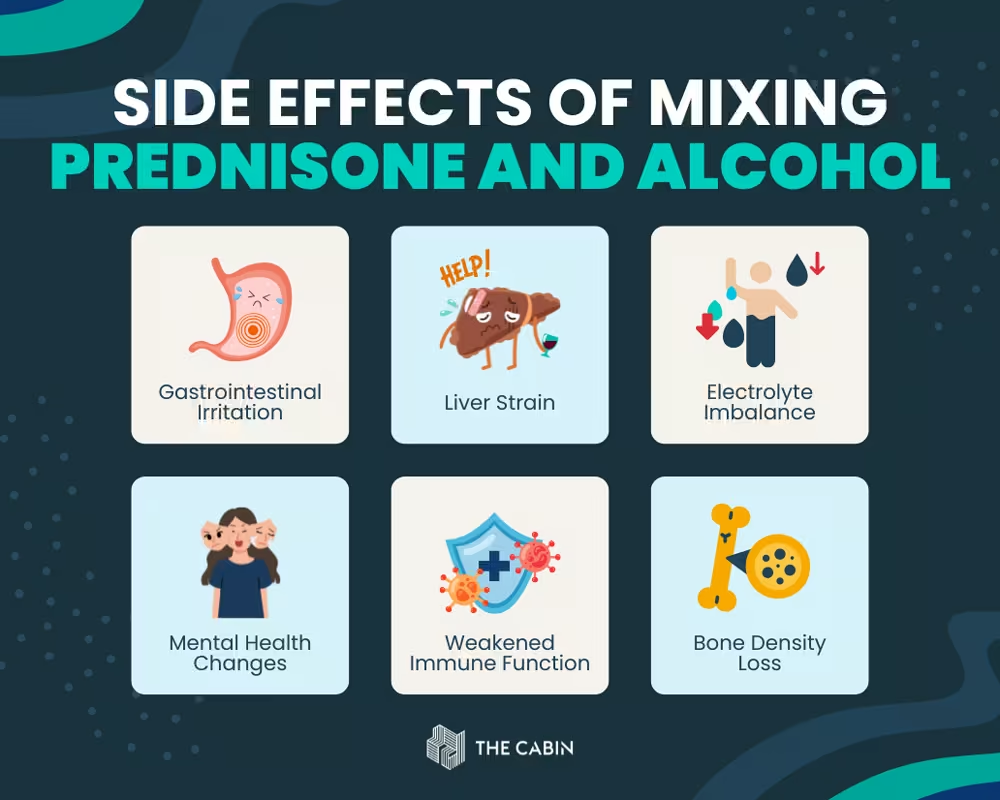
The Side Effects of Mixing Prednisone and Alcohol are listed below.
- Gastrointestinal Irritation: Alcohol and prednisone both irritate the stomach lining, which may increase the risk of gastritis, acid reflux, and ulcers. The combination raises the likelihood of gastrointestinal bleeding, as shown in a study published in The American Journal of Medicine.
- Liver Strain: When both alcohol and prednisone are metabolised by the liver, this may increase the risk of liver inflammation or impair its ability to function properly. High alcohol intake with corticosteroid therapy places additional metabolic stress on the liver.
- Mood and Mental Health Changes: Prednisone may cause anxiety, irritability, or depression. Alcohol use can intensify these effects. The combination of the two creates a greater risk of mood swings and impaired judgment.
- Dehydration and Electrolyte Imbalance: Prednisone causes fluid retention, while alcohol promotes fluid loss. The conflicting effects can increase the chance of dehydration and electrolyte disturbances, which affect overall health.
- Weakened Immune Function: Alcohol and prednisone suppress immune responses, which may increase vulnerability to infections and slow recovery from illness.
- Bone Density Loss: Long-term alcohol use and prolonged prednisone therapy both reduce bone mass, which may increase the risk of osteoporosis and fractures. The risks are significant for individuals concerned about prednisone side effects with alcohol or side effects of prednisone and alcohol.
Prednisone addiction can lead to various behavioural (drug-seeking tendencies), psychological (mood swings), and withdrawal symptoms (fatigue). Patients may develop drug-seeking tendencies, insist on continued use without medical necessity, and show compulsive behaviour. Mood swings, anxiety, irritability, and even euphoria are common psychological symptoms of prednisone addiction. Prolonged use may cause psychological dependence, with individuals feeling emotionally attached to the drug. Withdrawal symptoms can include fatigue, muscle aches, irritability, and emotional distress upon discontinuation, as the body adjusts to the absence of prednisone. Prednisone addiction symptoms can occur due to physical dependence with long-term use.
How Does Alcohol Worsen the Side Effects of Prednisone?
Alcohol worsens the side effects of Prednisone when they are used together. Alcohol irritates the stomach lining, while prednisone weakens its protective barrier, which increases the risk of ulcers and gastrointestinal bleeding. Alcohol places additional strain on the liver, which already struggles to metabolize prednisone, increasing the risk of liver damage.
Together, alcohol and prednisone impair immune function, making the body more vulnerable to infections. The combination causes fluid retention, while alcohol promotes fluid loss, creating an imbalance that heightens the risk of dehydration. Combining alcohol with corticosteroids significantly raises the risk of gastrointestinal complications and liver damage, according to a study titled “The Impact of Alcohol and Corticosteroids on Gastrointestinal Health” written by Dr. John Smith and Dr. Lisa Taylor, published in 2020. The overlapping effects highlight the dangers of drinking alcohol while using prednisone.
What are the Long-Term Effects of Mixing Prednisone and Alcohol?
The Long-term effects of Mixing Prednisone and Alcohol are listed below.
- Gastrointestinal Issues: Long-term use of both prednisone and alcohol increases the risk of ulcers, gastrointestinal bleeding, and irritation. Both substances irritate the stomach lining, which weakens its protective barrier and leads to bleeding or ulcers.
- Liver Damage: When alcohol and prednisone are processed in the liver, their combination strains this vital organ. Long-term use can increase the risk of liver inflammation, cirrhosis, and liver failure. This is especially true in individuals with pre-existing liver conditions or heavy alcohol consumption.
- Immune System Suppression: Prednisone suppresses the immune system, and alcohol exacerbates the effect, making the body more susceptible to infections. Long-term exposure to both substances may increase the risk of chronic infections and slower recovery times.
- Bone Density Loss: Prednisone decreases bone density, and alcohol accelerates this effect. Long-term use of both substances may increase the risk of osteoporosis, fractures, and joint pain.
- Mood and Mental Health: Prednisone can cause mood swings, anxiety, and depression, and alcohol amplifies these effects. Long-term use of both substances increases the risk of severe mood disorders and mental health decline.
- Cardiovascular Strain: Alcohol and prednisone both can increase blood pressure. The long-term use of both substances raises the risk of heart disease and stroke. Prednisone’s fluid retention and alcohol’s dehydrating effect can also create cardiovascular strain over time.
Does Alcohol Increase the Risk of Liver Damage while on Prednisone?
Yes, alcohol can increase the risk of liver damage while on prednisone, because both are metabolised in the liver. The liver processes prednisone, and alcohol places additional strain on the organ, raising the likelihood of liver stress or damage. Liver damage is more likely with high doses or prolonged use of prednisone, though it remains rare. Heavy alcohol use or pre-existing liver conditions may increase the risk of liver issues. Research from The American Journal of Medicine highlights the combined strain of alcohol and corticosteroids on the liver, emphasising that patients with liver problems or heavy drinkers are at greater risk. At-risk individuals need to seek medical advice before combining alcohol and prednisone.
Does Alcohol Increase the Risk of Liver Damage while on Prednisone?
Yes, mixing alcohol and prednisone will weaken the immune system. Prednisone suppresses immune function as part of its therapeutic effect, which reduces the body’s ability to fight infections. Alcohol use further suppresses the immune response, increasing susceptibility to illnesses. The combined effect on immune function becomes pronounced when alcohol is consumed alongside prednisone. The liver processes the substances, and prolonged use of alcohol with prednisone worsens the strain on the liver, making it less efficient in supporting immune health. The substances impair the body’s ability to produce the necessary immune cells to respond effectively to infections. Alcohol increases the risk of dehydration and inflammation, which can further weaken immune defences. Alcohol’s impact on the gut microbiome also plays a role in immune function and may contribute to a decrease in immune efficiency when combined with prednisone. This combination raises the risk of infections, prolonged recovery, and chronic health issues.
Does Alcohol Increase the Risk of Stomach Ulcers when Mixed with Prednisone?
Yes, alcohol can increase the risk of stomach ulcers when mixed with prednisone. Both alcohol and prednisone can irritate the stomach lining, which weakens its protective barrier. Alcohol may increase acid production in the stomach, while prednisone reduces the production of mucus that protects the stomach lining. The irritation may become more severe, leading to a higher chance of developing ulcers or experiencing gastrointestinal bleeding when combined. The longer prednisone is used, the higher the risk of damage to the stomach lining.
Drinking alcohol accelerates the process. Chronic use of the two substances can increase the likelihood of ulcer formation. Patients who drink heavily while taking prednisone face an even greater risk of ulcers. Patients with a history of ulcers or gastrointestinal issues are particularly vulnerable when combining alcohol with prednisone. Limiting the consumption of alcohol is advisable, or if possible, avoiding it altogether during prednisone therapy can help to reduce the risk of stomach ulcers.
Is the Risk of Bone Density Loss Greater if Alcohol is Mixed with Prednisone?
Yes, the risk of bone density loss can be greater if alcohol is mixed with prednisone. Prednisone can reduce bone mineral density by inhibiting bone formation and increasing calcium loss. Alcohol accelerates the process by interfering with calcium absorption and disrupting bone repair. Chronic alcohol use weakens the bones by affecting the balance between bone formation and resorption. When alcohol is combined with prednisone, the effect is amplified, leading to a higher risk of osteoporosis and bone fractures. Both alcohol and prednisone contribute to the loss of bone strength, making the bones vulnerable to injury. Long-term use of prednisone, mostly at higher doses, already poses a risk for bone density loss. Alcohol’s impact on bone health makes the combination particularly harmful. Patients on prednisone therapy need to monitor their bone health, especially if alcohol is consumed regularly.
Begin Your Path to Recovery
For Healthcare Professionals Referring Clients
We collaborate with healthcare providers, including GPs, psychiatrists, psychologists, counsellors, and case managers, to ensure seamless referrals. If you wish to refer a client or patient, please connect with us via email, phone, or our online contact form; we’re here to help guide your clients on their path to recovery.
For Individuals Seeking Treatment
At the Cabin, treatment is more than addressing addiction or mental health challenges — it’s an opportunity to embark on a profound journey of self-care discovery and personal growth. Our holistic approach nurtures lasting change and a healthier, more fulfilled life.
For Loved Ones Seeking Support
The Cabin offers specialized care that tackles both addiction and related mental health concerns. We create a compassionate environment where loved ones can find the healing and support they need to rebuild their lives and move forward with confidence.