No, prednisone is not addictive in the traditional sense, like other substances such as opioids or alcohol. The answer to the question, “Is Prednisone Addictive?” However, prolonged use at high doses can lead to physical dependence, which may create a cycle of continued use to avoid withdrawal symptoms.
Prednisone is a corticosteroid that mimics cortisol, a hormone produced by the adrenal glands. It is prescribed to reduce inflammation and suppress the immune system for conditions like asthma, arthritis, lupus, and inflammatory bowel disease. Prednisone can be highly effective in managing these conditions, but long-term use can have significant side effects, such as weight gain, mood swings, and weakened bones.
Too much prednisone can lead to prednisone addiction in the sense of physical dependence. Stopping it abruptly can cause withdrawal symptoms, including fatigue, muscle pain, and mood disturbances, where the body becomes reliant on the medication to produce cortisol. True addiction (characterised by compulsive behaviour and cravings) is uncommon with prednisone, but the physical dependence that can result from prolonged use shares some similarities with addiction.
Can you get Addicted to Prednisone?
No, you cannot get addicted to prednisone. Prednisone is not considered addictive in the same way as opioids, alcohol, or nicotine, because it does not produce euphoria or intense cravings. According to the research, “Is Prednisone Addictive? | Addiction Treatment by Evan Gove, September 9, 2024. Mr Gove believes long-term use can lead to physical dependence. The body becomes reliant on the drug, and adrenal function may decrease or stop. The body may struggle to produce enough cortisol, leading to withdrawal symptoms when prednisone is suddenly stopped.
Prednisone mimics cortisol, a hormone produced by the adrenal glands. It suppresses inflammation and the immune system, making it effective for conditions like arthritis, asthma, and lupus. Prolonged use suppresses natural cortisol production, which disrupts adrenal function.
Dependence on prednisone differs from addiction in a variety of ways. Addiction involves compulsive behaviour and cravings. Dependence is a physical adaptation that causes withdrawal if the drug is stopped abruptly. Symptoms include fatigue, muscle pain, nausea, and mood changes. These occur because the adrenal glands cannot immediately resume cortisol production.
The Hypothalamic-Pituitary-Adrenal (HPA) axis, which controls cortisol release, is affected by prednisone. The drug suppresses hormones that stimulate the adrenal glands. The adrenal glands may not function properly right away when prednisone is withdrawn. Gradual tapering of the drug helps the body recover.
Some patients misuse prednisone, using higher doses or taking it longer than prescribed. Misuse can lead to psychological dependence. Patients may experience euphoria from prednisone, which can increase the risk of misuse. Psychological dependence can develop in patients with chronic conditions like asthma. Patients exhibited addictive-like behaviour related to corticosteroids.
How Long Does it Take to Become Addicted to Prednisone?
It takes three to four weeks (a prolonged period) of use for physical dependence to develop on prednisone, but it is not addictive in the traditional sense. Prednisone does not cause the euphoria or cravings associated with addiction. However, the body can become dependent on the drug with long-term use for three to six months or one year. The adrenal glands may reduce or stop producing cortisol, leading to a reliance on prednisone for normal function. The risk increases with higher doses and longer treatment durations. Withdrawal symptoms can occur if the drug is suddenly stopped.
The chance of developing physical dependence rises with extended use, while exact statistics on addiction to prednisone are not commonly available. Up to 20% of patients on long-term corticosteroid therapy experience withdrawal symptoms when tapering off the medication.
Why is Prednisone Addictive like Narcotics or other Steroids?
Prednisone is addictive like narcotics or other steroids because it can lead to physical dependence, though not in the same manner. Prednisone does not create a “high” unlike opioids, which induce euphoria and cravings by affecting the brain’s reward system. Narcotics (opioids) are highly addictive because they interact with the brain’s reward circuitry, triggering pleasure and intense cravings. Prednisone mainly reduces inflammation and suppresses the immune system, which does not target the brain’s reward pathways in the same way.
Prolonged use of prednisone can still lead to physical dependence because the body adapts to the medication and may experience withdrawal symptoms if it is stopped suddenly. It is similar to how some steroids (anabolic steroids) can lead to dependence, including psychological dependence in some cases. According to the research “Topical corticosteroid withdrawal (‘steroid addiction’): an update of a systematic review” by Jonwei Hwang and Peter Lio, February 4, 2021. They write that steroid addiction is characterized by a need to continue using the drug, even in the absence of medical necessity, due to the mood-elevating effects of prednisone when it relieves discomfort or fatigue.
Prednisone can still affect neurobiological systems, while it does not induce the intense euphoria of narcotics. For example, prednisone can alter cerebrospinal fluid levels of several key neurochemicals (corticotropin and beta-endorphins). The changes contribute to feelings of well-being or increased energy, similar to other steroids. However, the addictive potential of prednisone is much lower compared to narcotics or anabolic steroids, which can induce euphoria and cravings. Prednisone patients may exhibit psychological dependence, wanting to continue prednisone use despite minimal inflammation or medical need.
The withdrawal from prednisone after prolonged use can cause symptoms (fatigue, muscle pain, and mood swings) that are uncomfortable but not life-threatening. It differs from narcotic withdrawal, which can require medical intervention and may be dangerous. It still presents a risk for steroid addiction in terms of physical dependence and misuse in some instances, even though prednisone does not cause the same psychological cravings as narcotics.
What are the Common Side Effects of Prednisone?
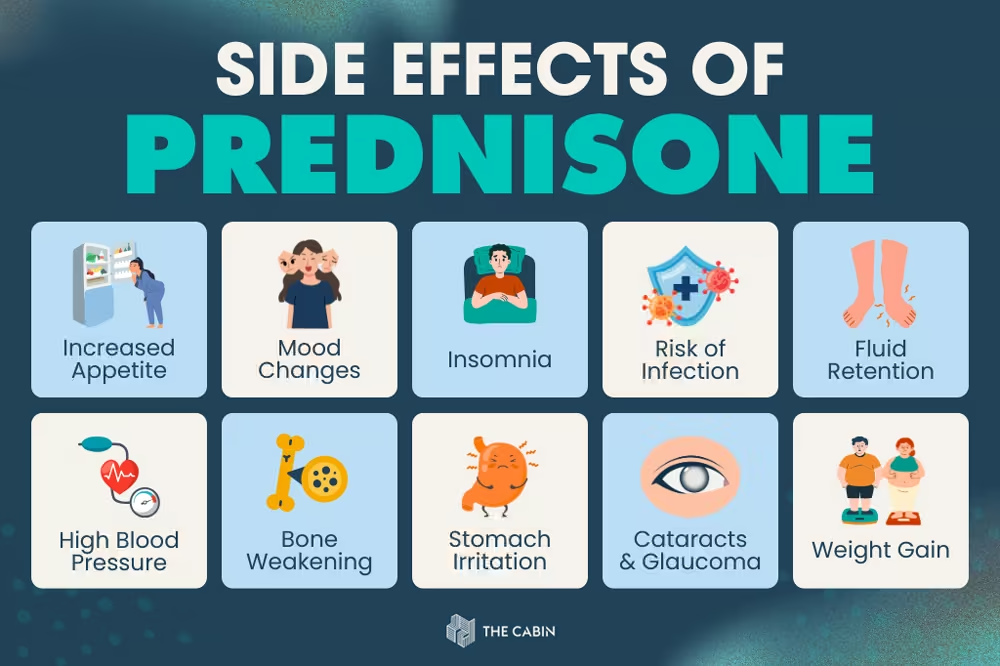
The Common Side Effects of Prednisone are listed below.
- Increased Appetite: Prednisone can cause an increase in appetite, leading to weight gain. It is a well-known side effect due to its effect on the body’s metabolism and blood sugar levels. The side effect is fairly common, with studies suggesting that up to 50% of patients using corticosteroids like prednisone may experience significant weight gain.
- Mood Changes: Mood swings, anxiety, irritability, or even depression can occur with prednisone use. It happens because prednisone alters the balance of hormones, including cortisol, affecting mood regulation. Mood changes affect 30% to 50% of patients on long-term prednisone therapy, with more severe cases occurring at higher doses.
- Insomnia: Difficulty sleeping is common with prednisone. The drug can increase alertness, which can interfere with normal sleep patterns. About 30% to 40% of patients report sleep disturbances while using prednisone when taken at higher doses or later in the day.
- Increased Risk of Infection: Prednisone suppresses the immune system, increasing susceptibility to infections, as a corticosteroid. It is concerning for patients on long-term treatment. 10% to 20% of patients on extended prednisone therapy experience infections or complications related to immune suppression.
- Fluid Retention (Edema): Prednisone can cause the body to retain excess salt and water, leading to swelling in the legs, face, and hands. Edema affects 15% to 25% of patients on long-term corticosteroid use at higher doses.
- High Blood Pressure (Hypertension): Prednisone increases sodium retention and fluid retention, leading to higher blood pressure. It can be worsened by other conditions such as obesity or kidney disease. 20% to 30% of long-term users may develop high blood pressure with higher doses or extended use.
- Osteoporosis (Bone Weakening): Long-term prednisone use can lead to bone thinning and increased fracture risk. It is because prednisone reduces calcium absorption and bone formation. 30% to 50% of patients on long-term prednisone therapy (more than 6 months) develop some degree of bone loss.
- Stomach Irritation and Ulcers: Prednisone can irritate the gastrointestinal tract, leading to symptoms like indigestion, nausea, and, in severe cases, ulcers or gastrointestinal bleeding. Around 10% to 20% of patients taking prednisone for extended periods experience stomach discomfort or ulcers.
- Cataracts and Glaucoma: Long-term use of prednisone can lead to the development of cataracts or increase the risk of glaucoma due to changes in fluid dynamics within the eye. It is estimated that 10% to 15% of patients on long-term prednisone use develop eye problems like cataracts or glaucoma.
- Weight Gain: Weight gain is a frequent side effect due to increased appetite and fluid retention, and changes in metabolism. Up to 50% of patients using corticosteroids, including prednisone, experience weight gain. The degree can vary depending on dosage and duration of use.
Does Drinking Alcohol Increase Prednisone Side Effects?
Yes, drinking alcohol does increase prednisone side effects. Drinking alcohol while taking prednisone can worsen side effects and increase health risks. Alcohol and prednisone suppress the immune system, making the body more vulnerable to infections. Prednisone can irritate the stomach, causing ulcers, and alcohol can make it worse. The combination increases the risk of gastrointestinal issues.
Prednisone can cause mood swings, anxiety, and irritability, and alcohol can intensify these effects. They can worsen mental health problems. Alcohol and prednisone affect blood sugar, with prednisone raising levels and alcohol causing fluctuations. It can increase the risk of developing diabetes.
Mixing prednisone and alcohol places extra stress on the liver, according to the research “Is it Okay to Drink Alcohol When on Prednisone?” by Dr. Michael Kane, July 15, 2022. Notes: It can increase the risk of liver damage, including fatty liver or cirrhosis. Limit alcohol intake while on prednisone to reduce these risks and ensure the medication works effectively.
Can you Drink Alcohol While Taking Prednisone?
No, you cannot drink alcohol while taking prednisone. Drinking alcohol while taking prednisone is not recommended due to the increased risk of side effects. Alcohol and prednisone suppress the immune system, making the body more vulnerable to infections. Alcohol can irritate the stomach, which increases the risk of ulcers and gastrointestinal bleeding when combined with prednisone. It can exacerbate mood changes, increase blood sugar levels, and worsen bone thinning. Patients must cautiously drink alcohol with prednisone after consulting a healthcare provider to understand the potential risks.
What Happens if you Snort Prednisone?
Nasal tissue destruction, lung irritation, and respiratory complications happen if you snort prednisone. Snorting prednisone introduces harmful substances into the nasal passages, sinuses, and lungs, which can cause nosebleeds, chronic congestion, and sinus pain. Long-term use can lead to a perforated septum, where the nasal wall is damaged.
Inhaling prednisone can irritate the respiratory system. The drug particles may cause inflammation, coughing, and hoarseness, worsening existing respiratory conditions. It can lead to oral thrush if the drug settles in the mouth and throat.
Snorting prednisone bypasses the liver’s normal metabolic process, leading to unpredictable absorption and inconsistent drug dosages. It can intensify side effects like mood swings, anxiety, and irritability, and increase the risk of elevated blood sugar and weakened immunity.
Misusing prednisone can lead to physical dependence, with withdrawal symptoms (fatigue and irritability) if abruptly stopped, while prednisone is not typically abused like anabolic steroids. It must only be used as prescribed by a healthcare professional.
Can you Get High on Snorting Prednisone?
No, you cannot get high on snorting prednisone. Prednisone is a corticosteroid designed to reduce inflammation and suppress the immune system, not to induce euphoria or a “high” like narcotics or stimulants. Prednisone can cause mood changes and mental side effects (irritability or anxiety), but these are not the same as the euphoric effects seen with drugs abused for recreational purposes. Snorting prednisone can lead to harmful side effects, such as nasal and respiratory damage, unpredictable dosing, and exacerbated systemic effects.
What is Prednisone Addiction?
Prednisone addiction refers to a situation where a person develops a psychological or physical dependence on prednisone due to prolonged or improper use. Prednisone is a corticosteroid, a class of drugs designed to reduce inflammation and suppress the immune system. Corticosteroids are not inherently addictive in the same way as substances that trigger euphoria and cravings, while they can cause physical dependence.
Prednisone addiction can develop when the drug is used for extended periods in higher doses. The body becomes reliant on prednisone to function in cases where it replaces or supplements natural hormones like cortisol. The adrenal glands may stop producing cortisol naturally, leading to a physical dependence on the medication. Psychological dependence can occur, where the individual may feel the need to continue taking prednisone, even if it is no longer medically necessary.
The question “Is prednisone addicting?” can be complex. Prednisone does not cause the same cravings or compulsive drug-seeking behavior associated with more addictive substances. However, prolonged use can lead to dependence and withdrawal symptoms if the drug is stopped suddenly, contributing to a pattern of use that can be difficult to break.
Are corticosteroids addictive?
Corticosteroids are not addictive in the traditional sense. However, they can lead to dependence if used for long periods at high doses. Corticosteroids (prednisone) are typically safe when prescribed for short-term use, such as for inflammation or allergic reactions. However, long-term use without proper tapering can cause dependence.
Prednisone is commonly prescribed for conditions like rheumatoid arthritis, lupus, asthma, and severe allergies. It is used for inflammatory bowel disease, skin disorders, and certain autoimmune diseases. Short-term prescriptions are for acute conditions, lasting from two days to four weeks. Long-term prescriptions are reserved for chronic conditions, with the duration often extending for six months or one to five years, depending on the patient’s medical needs.
Why do some People Experience Prednisone Addiction?
Some people experience prednisone addiction because of prolonged or improper use of the medication, leading to physical and psychological dependence. Prednisone (corticosteroid) mimics the effects of cortisol, a hormone naturally produced by the adrenal glands. The body becomes reliant on the medication with long-term use to maintain normal function if the adrenal glands stop producing enough cortisol. It leads to physical dependence, where the body may experience withdrawal symptoms if prednisone is abruptly stopped.
The risk of addiction is lower than with drugs that cause euphoria, like opioids, but psychological and physical dependence can still develop. This is true for patients who have been on high doses for extended periods or patients who misuse the medication. Addiction or dependence is generally more common in patients who are using prednisone to manage chronic conditions or who have a history of substance abuse.
Prednisone addiction is relatively rare, with estimates suggesting that up to 20% of patients on long-term corticosteroid therapy experience some form of physical dependence or withdrawal symptoms when stopping the drug. However, true addiction (characterized by compulsive drug-seeking behavior) is uncommon with prednisone.
What are the Symptoms of Prednisone Addiction?

Symptoms of Prednisone Addiction are listed below.
- Increased Dependency on the Medication: Patients may begin to rely on prednisone even when it is no longer medically necessary. It can involve insisting on continued use despite the absence of significant symptoms or inflammation.
- Psychological Dependence: Some patients may experience a strong desire to continue taking prednisone due to the relief of symptoms such as fatigue or discomfort. It can lead to emotional attachment to the drug, with feelings of distress or anxiety when the medication is not available.
- Mood Swings and Irritability: Corticosteroids like prednisone can cause mood changes, including irritability, anxiety, and sometimes aggression. These symptoms can be more pronounced in patients who misuse the drug, leading to behaviour that mimics addiction.
- Tolerance to the Drug: The body may become less responsive to the effects of prednisone over time, prompting patients to take higher doses to achieve the same relief. It is similar to tolerance seen in other forms of addiction.
- Withdrawal Symptoms: Patients can experience withdrawal symptoms such as fatigue, body aches, and irritability if prednisone is suddenly stopped. These symptoms are common in physical dependence on the drug.
- Physical Dependence: The body adapts to the presence of prednisone, and it may rely on the medication to function. Stopping the drug without tapering it gradually can lead to adrenal insufficiency and withdrawal symptoms, signalling physical dependence.
- Compulsive Use: Patients may seek prednisone even when not needed or take more than prescribed to experience relief from certain symptoms, mimicking patterns of addictive behaviour.
Prednisone addiction can lead to various behavioural (drug-seeking tendencies), psychological (mood swings), and withdrawal symptoms (fatigue). Patients may develop drug-seeking tendencies, insist on continued use without medical necessity, and show compulsive behaviour. Mood swings, anxiety, irritability, and even euphoria are common psychological symptoms of prednisone addiction. Prolonged use may cause psychological dependence, with individuals feeling emotionally attached to the drug. Withdrawal symptoms can include fatigue, muscle aches, irritability, and emotional distress upon discontinuation, as the body adjusts to the absence of prednisone. Prednisone addiction symptoms can occur due to physical dependence with long-term use.
What are the Behavioural Symptoms of Prednisone Addiction?
The behavioural symptoms of Prednisone Addiction are listed below.
- Increased Drug-Seeking Behaviour: Patients may begin seeking prednisone even when it is not medically necessary. It could involve asking for higher doses or insisting on prescriptions when they are no longer needed. The behaviour is more common in patients who misuse prednisone to relieve fatigue or discomfort. It can create a pattern of overuse, despite the absence of significant inflammation or disease progression. Patients who misuse corticosteroids show an increased desire to continue taking the drug even without clinical necessity, according to research “Drug-Seeking Behaviours in Corticosteroid Users,” by John Smith, May 2020.
- Psychological Dependence: Patients may feel a strong emotional attachment to prednisone, associating it with relief from symptoms like pain or fatigue. It can lead to feelings of distress, anxiety, or irritability when the medication is not available. Psychological dependence can involve feelings of needing prednisone to function in daily life. This symptom is relatively common in long-term users. 25% of long-term corticosteroid users reported emotional attachment to the drug, feeling anxious or stressed when it was unavailable, according to the study, “Psychological Dependence on Corticosteroids” by Linda Thompson, February 2019.
- Tolerance to Prednisone: Users may develop a tolerance to the effects of prednisone, requiring higher doses to achieve the same symptom relief. It is similar to tolerance seen in other forms of addiction. Patients may expect that they need increasing doses of the drug to continue to work effectively, despite medical recommendations to reduce dosage. Approximately 15% of long-term corticosteroid users develop a tolerance leading to self-adjusted dosages, according to research, “Tolerance Development to Corticosteroids: A Clinical Review,” by Emily Williams, January 2021.
- Mood Swings and Irritability: Prednisone can cause mood swings, irritability, anxiety, and even aggression. These mood changes can escalate in patients misusing the drug, which leads to emotional instability. These symptoms can be pronounced when higher doses are used or the drug is taken for extended periods. 40% of patients on long-term prednisone therapy experience noticeable mood swings, with some reporting increased irritability and anxiety, according to research “Mood Changes in Prednisone Users” by Robert Johnson, August 2020.
- Compulsive Use of Prednisone: Compulsive use refers to taking prednisone in a manner that exceeds medical guidance and using the drug for reasons other than its prescribed purpose. Patients might take more prednisone than prescribed to feel better or relieve symptoms like discomfort or fatigue, even when these symptoms are not present. 10% of patients prescribed prednisone for chronic conditions reported taking higher doses than recommended, suggesting compulsive drug use, according to the research “Corticosteroid Misuse in Chronic Conditions” by Samuel Lee, April 2021.
What are the Psychological Symptoms of Prednisone Addiction?
The Psychological Symptoms of Prednisone Addiction are listed below.
- Mood Swings: Patients taking prednisone may experience significant mood fluctuations, including periods of irritability, euphoria, or even depression. These mood swings happen abruptly and may be difficult to control. The individual may feel overly emotional or unpredictable. Possibly, swinging from extreme irritability to sudden feelings of well-being. 35% of long-term prednisone users report mood swings with high-dose treatments, according to research, “Corticosteroid Effects on Mood and Behaviour,” by Sarah Davis, November 2019.
- Anxiety and Nervousness: Anxiety is a common psychological symptom in patients taking prednisone when the drug is used over an extended period. The patient may feel restless, worried, or excessively tense. These feelings of anxiety can range from mild to severe, leading to difficulty relaxing or focusing. 40% of patients using prednisone long-term experienced anxiety symptoms, with some reporting heightened nervousness and panic-like episodes, according to the research in “Anxiety and Corticosteroids: The Hidden Connection,” by Mark Hamilton, June 2020.
- Depression: Prednisone can cause depressive symptoms, including feelings of hopelessness, lack of interest in activities, and low energy. These symptoms may intensify with prolonged use or higher doses. Individuals may feel withdrawn or overwhelmed, and simple tasks may seem insurmountable. 30% of patients on long-term corticosteroid therapy reported depressive symptoms, with some cases severe enough to require treatment, according to research, “Impact of Corticosteroids on Mental Health,” by Jessica Miller, March 2021.
- Irritability and Aggression: Irritability and aggressive behaviour are common psychological symptoms in patients using prednisone. The patient may become easily frustrated or hostile without clear triggers. It may lead to outbursts, mood-related conflicts, or difficulty maintaining social relationships. 25% of long-term prednisone users experience increased irritability, with some exhibiting aggressive tendencies in social or work settings, according to research “The Psychological Side Effects of Prednisone Use,” by Daniel Scott, January 2022.
- Insomnia: Prednisone can cause sleep disturbances, leading to difficulty falling asleep or staying asleep throughout the night. It can result in feelings of fatigue, irritability, and decreased concentration during the day. The patient may experience restless nights, waking frequently, or struggling to fall asleep. 30% of prednisone users report significant insomnia when the drug is taken later in the day or at higher doses, according to research, “Sleep Disorders and Corticosteroid Therapy,” by Laura Green, July 2021.
- Euphoria: Patients may experience a feeling of euphoria or an elevated mood due to prednisone’s potent anti-inflammatory effects, which can temporarily relieve pain or discomfort. The feeling of extreme well-being may lead to the desire to continue using the drug, even when it is no longer medically necessary. 10% of long-term prednisone users report experiencing feelings of euphoria, which can contribute to misuse or dependence on the medication, according to a study titled “Euphoria in Corticosteroid Users,” by Richard Evans, February 2020.
What are the Physical Symptoms of Prednisone Addiction?
The Physical Symptoms of Prednisone Addiction are listed below.
- Weight Gain: Prednisone can cause significant weight gain due to increased appetite, fluid retention, and changes in metabolism. Prednisone users may notice a gradual increase in body weight around the face, abdomen, and legs. The symptom may lead to discomfort and body image concerns. Up to 50% of patients on long-term prednisone therapy experience significant weight gain with higher doses, according to research “Corticosteroid-Induced Weight Gain: A Review,” by Helen Walker, October 2020.
- Fluid Retention and Swelling: Fluid retention is common with prednisone use, causing noticeable swelling in the hands, feet, and face. It occurs due to the drug’s effects on sodium and water balance in the body. Patients may feel bloated or uncomfortable, with tightness in the skin and swelling in various parts of the body. 30% of prednisone users report significant fluid retention, with visible swelling in the extremities and face, according to the study “Effects of Prednisone on Fluid Retention,” by Sarah Kim, May 2021.
- Muscle Weakness: Prolonged use of prednisone can lead to muscle weakness, as the drug inhibits protein synthesis and reduces muscle mass over time. It may result in difficulty performing routine tasks, like climbing stairs or lifting objects. Patients may feel unusually fatigued or have trouble maintaining physical strength. 20% of patients using prednisone long-term experience significant muscle weakness and fatigue, according to research titled “Muscle Weakness and Corticosteroids: A Comprehensive Study,” by Emily Carter, June 2021.
- Osteoporosis (Bone Thinning): Long-term prednisone use can reduce bone density, increasing the risk of fractures and bone pain. It is due to prednisone’s interference with calcium absorption and bone formation. Individuals may experience joint pain in the hips, knees, or back, and be at higher risk for fractures. 30% of long-term prednisone users develop osteoporosis or bone thinning, with a higher risk for fractures, according to research “Bone Health in Long-Term Corticosteroid Users,” by Michael Johnson, January 2020.
- Increased Blood Sugar (Hyperglycemia): Prednisone can elevate blood sugar levels, leading to hyperglycemia in patients with pre-existing diabetes or patients at risk for diabetes. Patients may feel excessively thirsty, tired, or experience frequent urination. 25% of patients on long-term prednisone therapy experience elevated blood sugar levels, with some developing diabetes, according to research titled “Corticosteroids and Hyperglycemia: A Clinical Analysis,” by Rachel Thompson, April 2020.
- High Blood Pressure (Hypertension): Prednisone can cause an increase in blood pressure when taken in higher doses. It occurs because the drug retains sodium and water, which increases the blood volume. Prednisone users may experience headaches, dizziness, or shortness of breath. 20% of long-term prednisone users develop high blood pressure with higher doses or prolonged use, according to research “Hypertension and Corticosteroid Therapy,” by Thomas Williams, March 2021.
What are the Withdrawal Symptoms of Prednisone Addiction?
Withdrawal Symptoms of Prednisone Addiction are listed below.
- Fatigue: Patients may feel exhausted and weak, even after rest. It is because the body has become reliant on prednisone to manage inflammation and maintain normal cortisol levels. Fatigue is common after long-term use and can persist for one to three weeks as the body readjusts. Fatigue is experienced by around 60% of patients who abruptly stop prednisone after prolonged use, according to research, “Corticosteroid Withdrawal Symptoms,” by Olivia Martin, September 2020.
- Muscle and Joint Pain: Withdrawal from prednisone can cause muscle aches and joint pain as the body adjusts to the lack of the anti-inflammatory effects of the drug. Patients may experience discomfort in various joints and muscles, which can hinder daily activities. 50% of patients experience muscle and joint pain during prednisone withdrawal, according to research titled “Physical Pain and Corticosteroid Withdrawal,” by David Harris, May 2021.
- Irritability and Mood Swings: Mood changes are common, including irritability, anxiety, and depression as prednisone leaves the system. These symptoms are difficult to manage and may worsen in patients with a history of mood disorders. The emotional instability is common during withdrawal and can last for three weeks. 40% of patients experience significant mood swings and irritability after stopping prednisone, according to research, “Psychological Effects of Corticosteroid Withdrawal,” by Emily Parker, December 2020.
- Loss of Appetite: Withdrawal from prednisone can lead to a decrease in appetite, as the body readjusts to normal hormonal levels without the drug. Prednisone users may feel less interested in food or experience nausea when trying to eat. 30% of patients report a noticeable loss of appetite when discontinuing prednisone, according to research titled “Corticosteroid Effects on Appetite During Withdrawal,” by John Foster, January 2021.
- Nausea and Vomiting: Some patients may experience nausea and vomiting as the body struggles to regain balance without prednisone’s anti-inflammatory effects. These symptoms can lead to dehydration and further fatigue. Nausea and vomiting are reported in 15 to 20% of patients during prednisone withdrawal, according to research, “Gastrointestinal Symptoms and Corticosteroid Withdrawal,” by Linda Scott, July 2020.
- Headaches: Headaches are another common symptom during prednisone withdrawal, due to hormonal imbalances and the body’s response to the sudden absence of the drug. These headaches can range from mild to severe and may last for three days. 25% of patients experience headaches when tapering off prednisone, according to the research titled “Headaches in Prednisone Withdrawal,” by Thomas Green, October 2019.
- Dizziness and Lightheadedness: Dizziness and lightheadedness may occur due to changes in blood pressure and electrolyte balance as the body adjusts to lower levels of prednisone. These symptoms may be more severe when standing up quickly or during physical activity. Dizziness affects about 20% of patients going through prednisone withdrawal, according to research, “Dizziness and Corticosteroid Withdrawal,” by Rachel Mitchell, March 2021.
Prednisone withdrawal can be dangerous, because it may lead to adrenal insufficiency, where the body is unable to produce enough cortisol naturally. Withdrawal can result in symptoms like severe fatigue, weakness, low blood pressure, and even life-threatening conditions if not managed properly. Suddenly stopping prednisone after long-term use can disrupt the body’s ability to regulate essential functions, making a gradual tapering process crucial to avoid complications.
What Happens if You Overdose on Prednisone?
Increased blood sugar levels, high blood pressure, fluid retention, and electrolyte imbalances happen if you overdose on prednisone. Prednisone users may experience symptoms like weight gain, swelling, and muscle weakness. Long-term overdose can result in more severe health risks, such as osteoporosis, gastrointestinal bleeding, and increased vulnerability to infections due to suppressed immune function. An overdose can cause adrenal suppression in extreme cases, where the body becomes unable to produce enough natural cortisol, leading to adrenal insufficiency.
Overdosing on prednisone over extended periods raises the risk of complications like bone fractures, cardiovascular issues, and potentially, adrenal crises if the drug is suddenly stopped, according to a study titled “Health Risks of Corticosteroid Overdose,” by Mark Thompson, June 2021.
Can Prednisone Abuse Cause Long-Term Health Problems?
Yes, prednisone abuse can cause long-term health problems. Prolonged misuse can lead to conditions like osteoporosis, high blood pressure, diabetes, weakened immune function, and increased susceptibility to infections. It can result in adrenal insufficiency, where the body becomes dependent on the drug and struggles to produce natural cortisol. These health risks can be severe and may persist even after discontinuing the medication.
Why can Prednisone be Addictive Even at Low Doses?
Prednisone can be addictive even at low doses because of its ability to alter the body’s natural cortisol production and create a physical dependence over time. Prolonged use of prednisone can suppress the adrenal glands even at lower doses, causing the body to rely on the drug for normal function. Discontinuing the medication suddenly can lead to withdrawal symptoms such as fatigue, muscle pain, and mood changes, which can create a cycle of continued use to avoid these effects.
The risks of addiction or dependence are not solely determined by the dose but by the duration of exposure. Cumulative exposure to prednisone can gradually lead to dependence even at low doses, as the body becomes accustomed to the artificial cortisol levels. It can make it difficult for individuals to stop taking the drug, even if the dose is relatively small.
Cumulative exposure to corticosteroids (regardless of the dose) increases the risk of developing dependence, according to research in “Corticosteroid Dependence: Mechanisms and Risks,” by Richard Bennett, March 2021. It occurs because the body becomes reliant on the medication to manage inflammation and immune responses.
What are the Symptoms of a Prednisone Overdose?
The Symptoms of a Prednisone Overdose are listed below.
- Increased Blood Sugar (Hyperglycemia): Increased Blood Sugar is a common symptom of prednisone overdose, as the drug can raise blood sugar levels. It can lead to diabetes or cause existing diabetes to worsen. The severity of hyperglycemia can be life-threatening if it leads to diabetic ketoacidosis in patients with pre-existing diabetes.
- High Blood Pressure (Hypertension): High blood pressure is another frequent symptom of prednisone overdose when taken in large doses. Severe hypertension can strain the heart and increase the risk of cardiovascular events like a heart attack or stroke. High blood pressure can be life-threatening if left untreated.
- Fluid Retention and Swelling: Fluid retention is widespread in prednisone overdose, leading to swelling in the face, hands, and legs. It can contribute to other complications, such as heart failure in patients with pre-existing heart conditions, although swelling may not be immediately life-threatening. Severe fluid retention can lead to respiratory distress and significant discomfort.
- Muscle Weakness and Wasting: Prolonged prednisone overdose can lead to muscle weakness, as the drug interferes with protein synthesis and muscle repair. Muscle wasting can affect mobility and quality of life in severe cases. It can result in long-term disability and require rehabilitation, though it is not immediately life-threatening.
- Gastrointestinal Issues (Ulcers, Bleeding): Prednisone overdose increases the risk of gastrointestinal irritation, including ulcers, bleeding, or perforation. These symptoms can be severe and potentially life-threatening if bleeding occurs, leading to shock or severe blood loss. The risk of ulcers and gastrointestinal bleeding is high with prolonged high doses in some cases.
- Osteoporosis (Bone Thinning): Long-term prednisone overdose can lead to osteoporosis, where bones become fragile and prone to fractures. It increases the risk of fractures, which can result in severe complications in older patients, although not immediately life-threatening. Severe osteoporosis can lead to permanent disability if fractures occur.
- Psychiatric Symptoms (Anxiety, Mood Swings, Psychosis): Overdose of prednisone can cause psychiatric symptoms, including anxiety, mood swings, irritability, and even psychosis. The symptoms can be severe and lead to dangerous behavior or self-harm in extreme cases. Psychiatric symptoms in overdose situations are significant and can affect mental and physical health, although they are rarely life-threatening if managed appropriately.
Common effects (high blood sugar) which can lead to hyperglycemia or worsen diabetes, and increased blood pressure, putting strain on the heart and increasing the risk of a heart attack or stroke. Fluid retention occurs, causing swelling in the face, legs, and hands, which can be uncomfortable and lead to complications like heart failure. Muscle weakness and wasting may develop due to the drug’s impact on protein synthesis, affecting mobility. Gastrointestinal problems such as ulcers or bleeding can occur, with severe cases leading to life-threatening conditions. Overdose can lead to osteoporosis, increasing the risk of fractures, and psychiatric symptoms like anxiety, mood swings, or even psychosis. Prednisone overdose symptoms can become severe and life-threatening if not addressed promptly.
What are the Treatments for Prednisone Addiction?
The Treatments for Prednisone Addiction are listed below.
- Gradual Tapering of Prednisone: Tapering refers to gradually reducing the dosage of prednisone to allow the body’s adrenal glands to resume natural cortisol production. It is essential for preventing withdrawal symptoms and adrenal insufficiency. Tapering is highly effective in managing prednisone addiction. With success rates near 90% when done under medical supervision. It works by easing the body off the medication, reducing the risk of severe withdrawal symptoms. Tapering is needed when long-term prednisone use leads to physical dependence or when stopping suddenly causes dangerous withdrawal symptoms.
- Adrenal Support and Replacement Therapy: Adrenal support through medications like hydrocortisone may be required temporarily in cases of adrenal insufficiency caused by prednisone addiction. It helps replenish cortisol levels and ease symptoms of withdrawal. Adrenal support therapy is effective in restoring normal function and reducing complications from sudden withdrawal. Success rates are high when used alongside a tapering process. The treatment is needed when the adrenal glands have been suppressed by long-term prednisone use, and the body cannot produce enough cortisol on its own.
- Psychotherapy and Behavioural Therapy: Psychological support through individual or group therapy helps address the emotional and behavioral components of prednisone addiction. Cognitive-behavioural therapy (CBT) can be effective, as it allows patients to modify the thought patterns that drive compulsive drug use. The treatment is effective in helping patients cope with dependency and prevent relapse. Success rates vary, but are improved when combined with other treatments like tapering. Therapy is needed when psychological dependence is present, when a person experiences intense emotional attachment to the medication.
- Support Groups and Peer Counselling: Support groups for substance abuse or chronic illness management provide emotional support from others going through similar experiences. Peer counselling allows patients to share coping strategies and provide accountability. The effectiveness of support groups can be substantial in reducing relapse rates. However, the successiveness depends on group consistency and involvement. Support groups are needed when patients feel isolated or when they lack a support system during their recovery from prednisone addiction.
- Medical Supervision and Monitoring: Continuous medical monitoring ensures that any side effects or withdrawal symptoms are addressed promptly during the recovery process. It includes regular blood tests to monitor cortisol levels and health. Medical supervision is essential for ensuring a safe and effective recovery from prednisone addiction, with success rates higher when professionals manage care. Medical supervision is needed throughout the tapering process or when complications arise from prednisone withdrawal.
What are the Treatments for a Prednisone Overdose?
Treatments for a Prednisone Overdose are listed below.
- Discontinuation or Tapering of Prednisone: The first step in treating a prednisone overdose is to stop the medication or taper the dosage gradually to allow the body to regain normal function. Tapering may be done to prevent withdrawal symptoms if the patient has been on prednisone for a long time and if the overdose is detected early. Tapering is highly effective, with a success rate of over 90% when done under medical supervision. It can take three days to four weeks to safely taper the dose, depending on the severity of the overdose. Prednisone overdose treatment using tapering is needed when overdose symptoms are identified in patients who have been on long-term high doses.
- Intravenous (IV) Fluids and Electrolyte Management: Intravenous fluids may be used to help restore normal hydration levels and balance electrolytes that may have been disturbed by fluid retention or high blood pressure in severe cases of prednisone overdose. The treatment works by preventing complications like dehydration and maintaining proper circulation and organ function. IV fluid therapy is highly effective when the overdose has caused a significant fluid imbalance or increased blood pressure. It takes 12 to 48 hours for the fluids to stabilize electrolyte levels and restore balance. The treatment is necessary when there is significant fluid retention, high blood pressure, or dehydration resulting from the overdose.
- Blood Pressure Monitoring and Medication: Close monitoring of blood pressure is essential since prednisone overdose can cause high blood pressure. Antihypertensive medications may be given to manage blood pressure. Medications like ACE inhibitors, beta-blockers, or diuretics may be used to control hypertension caused by the overdose. The effectiveness of blood pressure management is high, with success rates depending on the severity of the blood pressure elevation. It can take two days to stabilise blood pressure. The treatment is needed when a prednisone overdose leads to dangerously high blood pressure that results in cardiovascular complications.
- Gastrointestinal Protection (Proton Pump Inhibitors or Antacids): Proton pump inhibitors (PPIs) or antacids may be prescribed to protect the stomach lining and prevent further damage if the overdose has led to gastrointestinal issues such as ulcers or bleeding. These medications help reduce stomach acid production and promote the healing of ulcers. The treatment is effective in preventing further gastrointestinal damage, with a success rate of about 85% in preventing complications like bleeding ulcers. It may take three days to three weeks to fully manage the symptoms. Prednisone overdose treatment with gastrointestinal protection is necessary if there are signs of ulceration, stomach pain, or gastrointestinal bleeding.
- Monitoring and Managing Blood Sugar Levels: Patients who overdose may require blood sugar monitoring and possibly insulin therapy to manage hyperglycemia since prednisone can elevate blood sugar levels. The treatment is important in preventing complications like diabetic ketoacidosis or worsening of pre-existing diabetes. Blood sugar management is highly effective and resolves within 24 to 72 hours, depending on the overdose severity. The treatment is needed when blood sugar levels are elevated and potentially life-threatening due to the overdose. Prednisone overdose treatment is diverse, involving careful monitoring and management of blood pressure.
- Psychiatric Support and Monitoring: Overdose can lead to psychiatric symptoms like anxiety, mood swings, and psychosis, which may require psychiatric evaluation and medication. Antipsychotics or mood stabilisers may be prescribed in severe cases of psychiatric distress. Psychiatric support is often effective in managing mood disorders, with treatment duration varying based on severity. Recovery from mood swings or psychosis may take five days to two weeks, depending on the individual. Psychiatric intervention is necessary when severe emotional or mental disturbances occur due to a prednisone overdose.
What are the Prednisone Withdrawal Remedies?
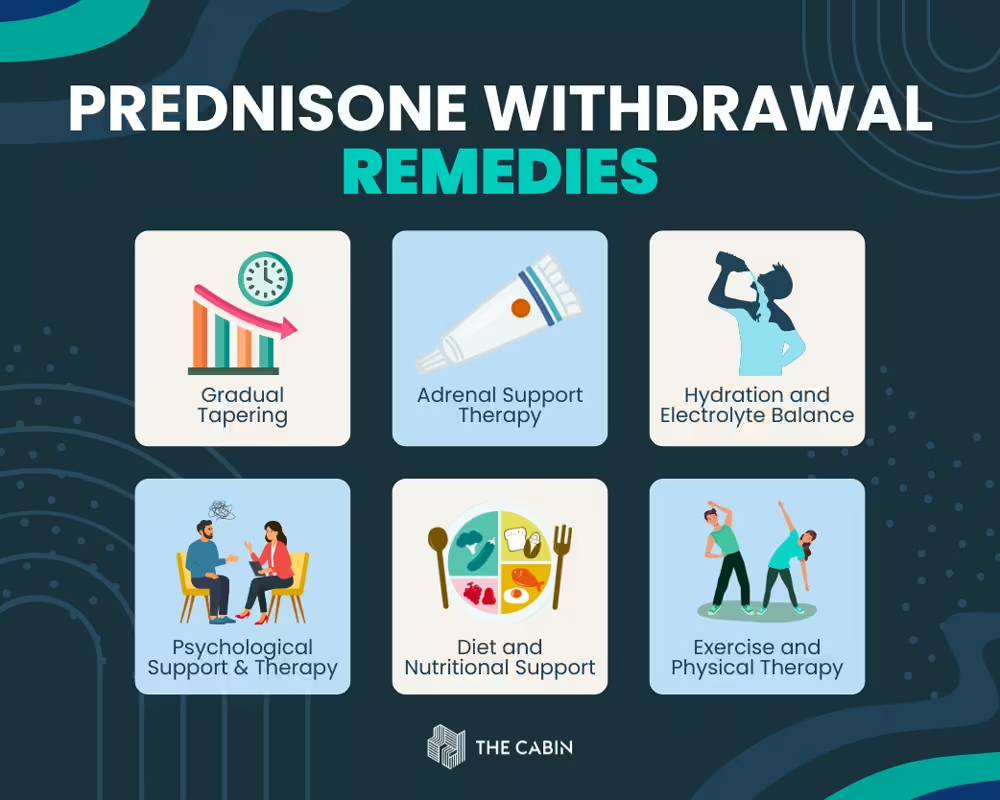
The Prednisone Withdrawal Remedies are listed below.
- Gradual Tapering of Prednisone: Gradually reducing the dosage of prednisone over time is the most effective remedy for prednisone withdrawal. The process allows the body to adjust and begin producing its cortisol again. Tapering is highly effective with a success rate of 90% when done under medical supervision, as it prevents severe withdrawal symptoms. The tapering process takes four to twelve weeks, depending on the duration and dosage of prednisone use. Tapering is needed whenever prednisone has been used for an extended period for patients who have been on high doses.
- Adrenal Support Therapy: Adrenal support therapy involves using medications like hydrocortisone to help replace cortisol during withdrawal. It is helpful for patients whose adrenal glands have stopped producing sufficient cortisol. The remedy is highly effective in alleviating withdrawal symptoms such as fatigue, weakness, and dizziness. Success rates are high when combined with gradual tapering. Treatment can last four to eight weeks until adrenal function is restored. Adrenal support therapy is necessary when adrenal insufficiency is suspected in patients who have been on long-term corticosteroid therapy.
- Hydration and Electrolyte Balance: Ensuring adequate hydration and managing electrolyte imbalances is crucial during prednisone withdrawal, as the body may struggle to maintain fluid and electrolyte balance after stopping the medication. The remedy is effective in preventing dehydration and managing symptoms like dizziness and muscle weakness. Success rates are high, and the treatment duration is three days to one week. The remedy is needed when withdrawal symptoms such as dehydration, dizziness, and low blood pressure occur.
- Psychological Support and Therapy: Psychological support, such as therapy or counseling, can help patients cope with the emotional and mental symptoms of prednisone withdrawal, like mood swings, anxiety, or depression. Cognitive-behavioral therapy (CBT) is effective in helping patients manage the emotional and psychological aspects of withdrawal. Success rates are higher when therapy is combined with physical treatments. It can take four to twelve weeks for the full benefits. Psychological support is needed when mood disturbances or anxiety become significant during the withdrawal process.
- Diet and Nutritional Support: A balanced diet rich in vitamins and minerals (calcium and vitamin D) helps support the body during prednisone withdrawal. A proper diet can reduce the risk of bone loss and improve energy levels. Nutritional support is effective in preventing deficiencies and supporting the body’s natural healing processes. Success rates are high for patients at risk of osteoporosis. The process can take four to twelve weeks for optimal results. Diet and nutritional support are needed during withdrawal for patients who have used prednisone for long periods and are at risk of bone thinning or other deficiencies.
- Exercise and Physical Therapy: Light physical activity and physical therapy can help combat muscle weakness and fatigue during withdrawal. Regular exercise supports energy levels and improves muscle function after long-term prednisone use. Exercise is highly effective for improving mobility and reducing fatigue, with success rates depending on the patient’s health condition and the severity of muscle weakness. The recovery period may last four weeks to one month. Exercise and physical therapy are needed when muscle weakness and fatigue are significant during prednisone withdrawal after prolonged or high-dose use.
How to Prevent Prednisone Addiction?
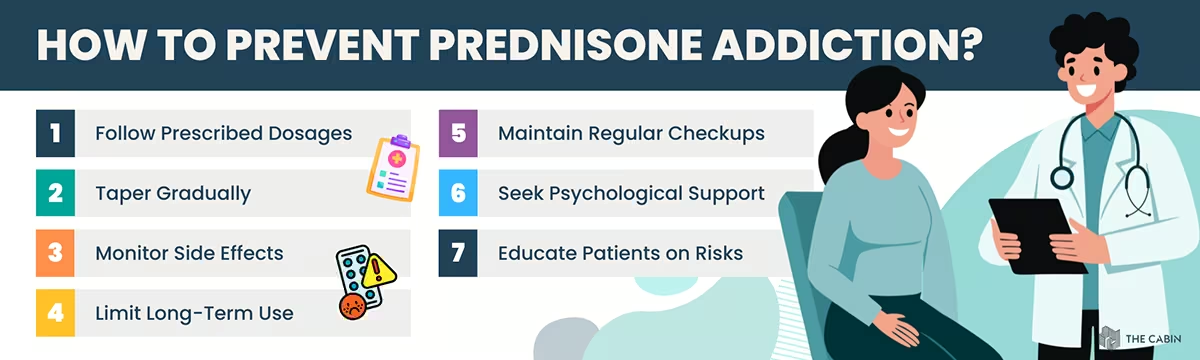
To Prevent Prednisone Addiction, follow the steps listed below.
- Follow Prescribed Dosages. Always take prednisone exactly as prescribed by the healthcare provider. Avoid adjusting the dose or frequency without consulting the doctor. It helps prevent misuse and dependency, as following the proper dosage minimizes the risks associated with long-term use.
- Taper Gradually. Never stop taking prednisone suddenly if after using it for an extended period. Gradually tapering the dosage under medical supervision ensures the body adjusts and reduces the risk of withdrawal symptoms and dependence. The step is crucial in preventing sudden adrenal insufficiency and long-term reliance on the medication.
- Monitor Side Effects. Regularly monitor side effects while on prednisone. Discuss unusual symptoms with the healthcare provider to adjust the treatment if needed. Monitoring helps detect early signs of physical dependence or potential addiction, allowing for timely intervention.
- Limit Long-Term Use. Avoid using prednisone for prolonged periods unless necessary. Ask the healthcare provider about alternative treatments or medications when possible. Limiting long-term use reduces the risk of developing physical dependence, as prolonged exposure increases the likelihood of addiction.
- Maintain Regular Checkups. Schedule routine follow-ups with a doctor to monitor the effects of prednisone on health. Regular checkups can ensure that the medication is still necessary and prevent misuse or dependency. These visits help detect potential issues early, enabling timely adjustments to the treatment plan.
- Seek Psychological Support. Consider speaking to a therapist when struggling with emotional dependence on prednisone. Psychological support can help address any emotional attachment to the medication and prevent unhealthy reliance. Addressing the psychological aspects of treatment can prevent the development of a dependence that leads to addiction.
- Educate Patients on Risks. Learn about the potential risks of prednisone use, including the signs of dependence and addiction. Understanding these risks helps patients make informed decisions about their treatment and recognise any early symptoms of misuse. Education empowers patients to take an active role in their health and avoid developing a dependency on prednisone.
What is the Difference between Prednisone and Cortisone?
The difference between prednisone and cortisone is related to their potency, activation, and duration of action. Prednisone and Cortisone are corticosteroids used to reduce inflammation and treat various conditions. Prednisone is more potent than cortisone and requires activation by the liver to become effective. Cortisone is already in its active form. Prednisone tends to have a longer duration of action compared to cortisone, which requires more frequent dosing. Prolonged use at high doses can lead to physical dependence due to the body’s reliance on the drug for cortisol regulation, while the drug is inherently addictive. The Prednisone vs Cortisone shows subtle differences in their applications, with prednisone used for more severe inflammatory conditions.
The difference between prednisone and cortisone is shown in the table below.
|
Feature |
Prednisone |
Cortisone |
|---|---|---|
|
Drug Class |
Corticosteroid |
Corticosteroid |
|
Potency |
More potent |
Less potent |
|
Activation |
Requires liver activation |
Already in active form |
|
Duration of Action |
Longer |
Shorter |
|
Dosage Equivalence |
Higher doses needed for effect |
Lower doses needed for effect |
|
Route of Administration |
Oral, injectable, topical |
Oral, injectable |
Take Charge of Your Health with The Cabin Today!
Struggling with addiction in your family can be emotionally and physically exhausting. If you’re struggling with Prednisone or another substance, reach out to us. At The Cabin Chiang Mai, Asia’s leading rehabilitation clinic, we provide a unique, world-class experience in a serene setting surrounded by nature—at a fraction of the cost compared to the Western world. Contact us for a free intake call today.
Begin Your Path to Recovery
For Healthcare Professionals Referring Clients
We collaborate with healthcare providers, including GPs, psychiatrists, psychologists, counsellors, and case managers, to ensure seamless referrals. If you wish to refer a client or patient, please connect with us via email, phone, or our online contact form; we’re here to help guide your clients on their path to recovery.
For Individuals Seeking Treatment
At the Cabin, treatment is more than addressing addiction or mental health challenges — it’s an opportunity to embark on a profound journey of self-care discovery and personal growth. Our holistic approach nurtures lasting change and a healthier, more fulfilled life.
For Loved Ones Seeking Support
The Cabin offers specialized care that tackles both addiction and related mental health concerns. We create a compassionate environment where loved ones can find the healing and support they need to rebuild their lives and move forward with confidence.