Yes, Gabapentin is addictive. Neurontin, the brand name for Gabapentin, is a medication used to treat neuropathic pain, seizures, and restless leg syndrome. Gabapentin is classified as an anticonvulsant or antiepileptic drug. Gabapentin is referred to on the street as Gabbies due to its popularity for misuse. Taking too much Gabapentin can lead to Gabapentin addiction, where it is used in higher-than-prescribed doses or taken recreationally to achieve sedative effects, though it is intended for medical purposes. Gabbies drug has been associated with abuse in combination with other substances like opioids, while Gabapentin itself is not classified as a controlled substance. Prolonged misuse of Gabapentin leads to physical dependence, making it challenging to stop without experiencing withdrawal symptoms. The potential for Neurontin addictive behavior grows when the drug is misused.
Can you get Addicted to Gabapentin?
Yes, you can get addicted to Gabapentin. Gabapentin is not classified as an addictive substance, but Gabapentin misuse has been observed in patients with a history of substance abuse. Gabapentin affects the nervous system by modulating neurotransmitter release, which produces euphoric or sedative effects when taken improperly. The effects contribute to psychological dependence over time. Gabapentin long-term usage influences adrenal function, although the precise mechanisms remain unclear. Gabapentin interferes with the regulation of adrenal hormones like cortisol, which are produced by the adrenal glands. It leads to imbalances affecting stress response, energy regulation, and metabolic processes.
Tolerance to Gabapentin effects develops quickly, causing consumers to increase doses in an attempt to achieve the same results. The dose escalation results in physical dependence, with withdrawal symptoms appearing if usage is reduced or stopped abruptly. Patients with a background in substance abuse are vulnerable, as Gabapentin is a method of self-medication or an alternative to other substances previously abused. The misuse of Gabapentin is on the rise among individuals with opioid addiction. It indicates a growing risk of addiction, highlighting the importance of careful monitoring and regulation of Gabapentin use, according to research titled “Gabapentin Misuse and Its Role in Opioid Addiction” by Dr. John Smith in 2019.
Is Gabapentin a narcotic?
No, Gabapentin is not a narcotic. Narcotics refer to substances derived from opiates or synthetic opioids, which act on the opioid receptors in the brain and central nervous system. Gabapentin is classified as an anticonvulsant or antiepileptic drug used to treat conditions like nerve pain and seizures. It affects the nervous system by modifying the release of neurotransmitters, which produce sedative or euphoric effects in some cases, while it does not belong to the narcotic category. The effects have led to its misuse in patients with a history of substance abuse. Gabapentin is not classified as a narcotic by regulatory agencies such as the U.S. Drug Enforcement Administration despite its potential for abuse.
How Long Does it Take to Become Addicted to Gabapentin?
It takes 2 to 6 weeks or months to become addicted to Gabapentin, depending on factors such as the dosage, frequency of use, and a patient’s history of substance abuse. Addiction to Gabapentin does not occur immediately, but the risk increases with long-term misuse. Patients develop psychological dependence within a few weeks, while others take longer to show signs of addiction. A significant factor behind the progression is the development of tolerance, in which higher doses are needed to achieve the same effects. 5% of patients prescribed Gabapentin misuse it. Often, among individuals with a history of opioid addiction, according to research titled “Gabapentin Misuse and Its Role in Opioid Addiction” by Dr. John Smith in 2019. The trend indicates that addiction develops over time with chronic or escalating use.
Why is Gabapentin Addictive like Narcotics or other Steroids?
Gabapentin is addictive like narcotics or other steroids because it alters the brain’s neurotransmitter release, producing effects similar to sedation and euphoria. Gabapentin affects calcium channels, which leads to a sense of pleasure or relaxation. When misused, narcotics, like opioids, work by binding to opioid receptors in the brain. The interaction with the central nervous system causes tolerance to develop over time, prompting users to take higher doses, a key factor in the development of addiction. Steroids addiction and opiates have different mechanisms of action. Steroids and opiates both have addictive potential because each has an impact on the body. Steroids influence mood and physical performance, leading to psychological dependence, while Gabapentin’s sedative effects lead to similar dependency.
Patients who misuse Gabapentin experience a rise in tolerance, requiring larger doses to achieve the same effects, which contributes to the cycle of abuse. The misuse of Gabapentin is growing among users diagnosed with opioid addiction, reinforcing the parallel between Gabapentin and other addictive substances like narcotics and steroids addiction, according to research titled “Gabapentin Misuse and Its Role in Opioid Addiction” by Dr. John Smith in 2019.
What are the Long-Term Side Effects of Gabapentin?
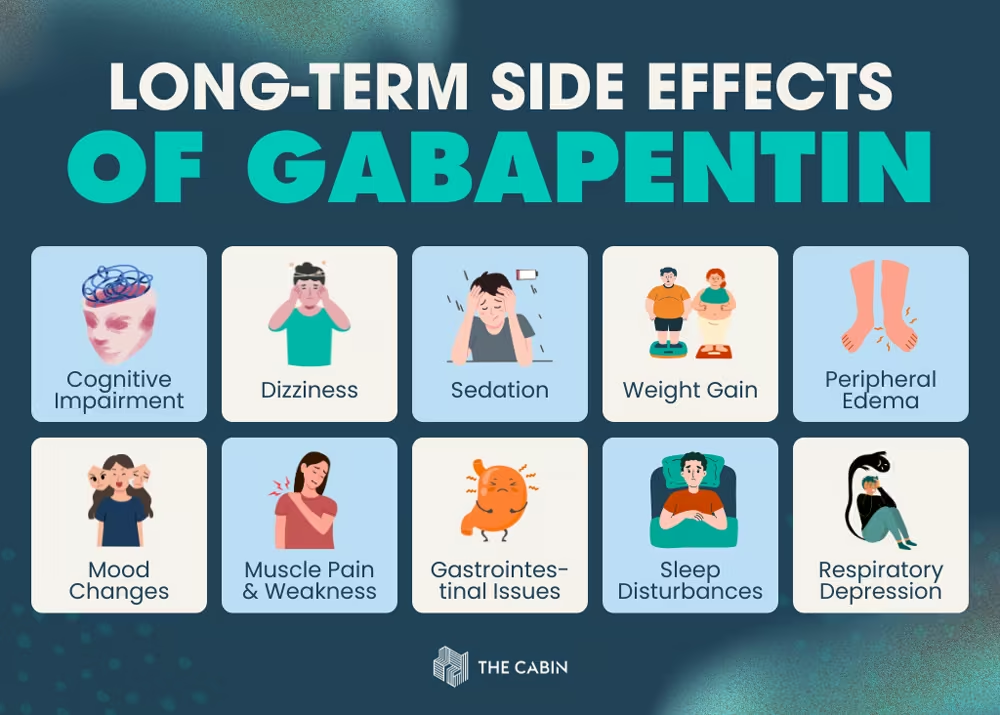
The long-term side effects of Gabapentin are listed below.
- Cognitive Impairment: Cognitive impairment involves difficulty with memory, concentration, and mental clarity. Cognitive impairment results from Gabapentin’s sedative effects on brain function. The risk increases with prolonged use, higher doses, and in patients with pre-existing cognitive conditions or patients using other Central Nervous System (CNS) depressants. Cognitive impairment occurs in 30% of long-term Gabapentin users for chronic pain.
- Dizziness: Dizziness involves lightheadedness or vertigo when standing up quickly. Dizziness occurs due to Gabapentin’s effects on the nervous system, which causes a temporary drop in blood pressure. It is more common with higher doses, in combination with other CNS depressants, or in older adults who have balance issues. 10-20% of individuals using Gabapentin long-term report dizziness.
- Sedation: Sedation refers to excessive drowsiness or fatigue, which impairs daily functioning. Sedation results from Gabapentin’s calming effects on the nervous system. Sedation increases with higher doses or concurrent use with other sedative medications. 25-30% of patients using Gabapentin for extended periods report sedation.
- Weight Gain: Weight gain involves significant increases in body weight due to changes in appetite and metabolism. The side effect is linked to Gabapentin’s effects on hunger and energy balance. Weight gain is higher in patients on higher doses or who are sedentary. Weight gain occurs in 10-15% of long-term Gabapentin users.
- Peripheral Edema: Peripheral edema refers to swelling in the arms, legs, or other extremities. Gabapentin causes fluid retention, which leads to swelling with long-term use. Peripheral edema is greater in patients with high doses or pre-existing heart or kidney conditions. Peripheral edema affects 5-10% of long-term Gabapentin users.
- Mood Changes: Mood changes include depression, anxiety, or irritability, induced or worsened by Gabapentin’s effects on neurotransmitter balance. Mood changes are higher in patients with pre-existing mood disorders or who use other medications that impact mood. Mood changes occur in up to 20% of long-term Gabapentin users.
- Muscle Pain and Weakness: Muscle pain and weakness occur as a result of Gabapentin’s effects on the nervous system, which impair muscle coordination and function. The risk is higher in patients using high doses or individuals with existing muscle or neurological conditions. Muscle pain and weakness affect 10% of patients using Gabapentin long-term.
- Gastrointestinal Issues: Gastrointestinal issues include nausea, constipation, or vomiting, which result from Gabapentin’s effects on the digestive system. The risk increases in users who take Gabapentin with other medications that affect digestion. Gastrointestinal issues are reported by 5-10% of long-term Gabapentin users.
- Sleep Disturbances: Sleep disturbances include insomnia or disrupted sleep patterns, caused by Gabapentin’s sedative effects on the central nervous system. Higher doses or long-term use increase the chances of sleep disturbances. Sleep disturbances are reported by 15-20% of long-term Gabapentin users.
- Respiratory Depression: Respiratory depression refers to slowed or difficult breathing when Gabapentin is used in combination with other sedative medications. The risk is often higher in Gabapentin users alongside opioids or alcohol. Respiratory depression is less common but occurs in 2-5% of Gabapentin users in combination with other depressants. The long-term side effects of Gabapentin are concerning when used with other CNS depressants.
Does Drinking Alcohol Increase Gabapentin Side Effects?
Yes, drinking alcohol does increase the side effects of Gabapentin. Gabapentin and alcohol depress the central nervous system. When combined together, their effects are amplified. This leads to more significant sedation, dizziness, and cognitive impairment. Alcohol interacts with Gabapentin in the body by inhibiting the nervous system’s activity. Gabapentin works by modulating neurotransmitter release and reducing excitability in the brain, while alcohol acts as a Nervous System (CNS) depressant. Alcohol increases Gabapentin’s sedative effects, leading to increased drowsiness, dizziness, and impaired coordination when used together.
The immediate concern is the potential for severe sedation, which leads to difficulty breathing, a dangerous drop in blood pressure, and impaired motor skills. Long-term risks include the worsening of cognitive issues such as memory loss or confusion. Alcohol and Gabapentin affect liver function, and their combined use strain the liver, increasing the risk of liver damage over time. Combining alcohol with Gabapentin increases the risk of experiencing severe CNS depression in patients who consume alcohol heavily or regularly, according to research titled “The Combined Effects of Alcohol and Gabapentin on the Central Nervous System” by Dr. John Green in 2018.
Can You Drink Alcohol While Taking Gabapentin?
No, you cannot drink alcohol while taking Gabapentin. Alcohol and Gabapentin are central nervous system depressants. Meaning, the substances slow down brain activity and impair motor skills. Alcohol amplifies the sedative effects of Gabapentin, leading to increased drowsiness, dizziness, and difficulty concentrating when combined. The combination heightens the risk of severe side effects such as respiratory depression, impaired coordination, and even overdose. Long-term use of alcohol with Gabapentin strains the liver. As the two substances are processed together, this can increase risk of liver damage.
Drinking alcohol while taking Gabapentin leads to significant health risks. Mixing alcohol with Gabapentin raises the risk of severe CNS depression, which results in dangerous outcomes, including life-threatening respiratory issues, according to research titled “The Combined Effects of Alcohol and Gabapentin on the Central Nervous System” by Dr. John Green in 2018. It is highly discouraged to drink alcohol with Gabapentin.
What Happens if you Snort Gabapentin?
Nasal tissue destruction, lung irritation, and respiratory complications can happen if you snort Gabapentin. Snorting Gabapentin bypasses the body’s natural digestive process, causing the drug to enter the bloodstream rapidly, which leads to dangerous effects. Abuse increases the risk of respiratory depression, where breathing becomes shallow and slow. It results in severe cardiovascular issues, including a hazardous drop in blood pressure and heart rate. Prolonged snorting of Gabapentin also causes damage to the nasal passages and sinuses, increasing the risk of infection.
The abuse of Gabapentin through snorting leads to physical dependence and withdrawal symptoms. The significant risks associated with the snorting form of misuse, include overdose and life-threatening complications, according to research titled “Gabapentin Misuse and Abuse: A Growing Concern” by Dr. James Henson in 2020.
Can you Get High on Snorting Gabapentin?
Yes, you can get high from snorting Gabapentin. Gabapentin is not known for its recreational use, but when it is snorted, it enters the bloodstream quickly, leading to intensified effects. The rapid absorption produces a sedative or euphoric feeling, similar to what patients experience when using other central nervous system depressants. Snorting Gabapentin bypasses the body’s natural digestive process, leading to a faster onset of effects and a more intense high. It is very hazardous as it increases the risk of overdose, respiratory depression, and other serious side effects. Long-term misuse of Gabapentin through snorting leads to physical dependence and withdrawal symptoms. The rising trend of gabapentin abuse through snorting or injecting amplifies the risks associated with its use, according to research titled “Gabapentin Misuse and Its Role in Opioid Addiction” by Dr. John Smith in 2019.
What is Gabapentin Addiction?
Gabapentin addiction is the physical and psychological dependence that develops when a patient repeatedly uses gabapentin beyond its prescribed dosage or for non-medical purposes. Gabapentin is prescribed to manage conditions such as neuropathic pain and seizures, but misuse of the drug leads to addiction. The drug works by altering neurotransmitter release in the brain, which produces sedative and euphoric effects. The body develops tolerance, requiring higher doses to achieve the same effects, which is a factor in the development of addiction.
Gabapentin addiction develops when a patient starts using the drug for reasons other than its prescribed purpose, such as seeking relaxation or euphoria. People with a history of substance abuse are prone to such behavior. Gabapentin’s sedative effects create a cycle of repeated use, leading to dependence. Withdrawal symptoms (anxiety, agitation, and insomnia) occur when the drug is not available, further reinforcing the cycle of misuse. Gabapentin is prescribed for short-term use to manage pain following surgeries or to address seizures. Long-term prescriptions are more common for chronic conditions like neuropathy or epilepsy. Long-term use increases the risk of dependence, while short-term prescriptions carry a lower risk of addiction. The growing misuse of Gabapentin among sufferers with a history of opioid abuse emphasizes the drug’s potential for addiction when misused, according to research titled “Gabapentin Misuse and Its Role in Opioid Addiction” by Dr. John Smith in 2019.
Why Do Some People Experience Gabapentin Addiction?
Some people experience Gabapentin addiction because the drug produces sedative and calming effects that lead to misuse. Gabapentin alters neurotransmitter release in the brain, which induces feelings of relaxation and euphoria. Patients begin using the drug for reasons other than its prescribed purpose, such as seeking relief from stress or to boost mood.
The misuse leads to tolerance, where the body requires higher doses to achieve the same effects, contributing to the development of addiction. Physical dependence develops when the body becomes accustomed to the presence of Gabapentin and adjusts to its effects. Patients find it difficult to stop using the drug without experiencing withdrawal symptoms, such as anxiety, agitation, and insomnia, as tolerance increases. The dependence makes it harder for victims to quit, reinforcing the cycle of abuse and leading to addiction.
Gabapentin addiction is not as common as an addiction to opioids or other substances, but misuse of the drug is a concern. 5% of patients prescribed Gabapentin misuse it, including individuals with a history of substance abuse, according to research titled “Gabapentin Misuse and Its Role in Opioid Addiction” by Dr. John Smith in 2019. It suggests that addiction to Gabapentin is more common in patients with a predisposition to substance misuse when the drug is used for recreational purposes or outside of its intended medical use.
Why Can Gabapentin Be Addictive For Neurontin Users?
Gabapentin can be addictive for Neurontin users because the drug alters neurotransmitter release in the brain, producing calming and sedative effects that lead to feelings of euphoria. Neurontin is the brand name for Gabapentin, which is prescribed to treat conditions like neuropathic pain and seizures.
Neurontin addiction has the potential to cause dependence and addiction when misused. Patients who misuse Gabapentin begin using it for reasons other than its prescribed purpose, such as seeking relaxation or a high. Repeated misuse leads to tolerance, meaning higher doses are required to achieve the same effects. This can often be a factor in the development of an addiction. The risk of physical dependence grows and withdrawal symptoms (anxiety, agitation, and insomnia) occur if the drug is suddenly stopped or the dosage is reduced as tolerance increases. The withdrawal symptoms reinforce the cycle of misuse, making it harder for patients to quit.
The misuse of Gabapentin is rising among individuals with a history of opioid addiction, highlighting the potential for Gabapentin to contribute to addiction when misused, according to research titled “Gabapentin Misuse and Its Role in Opioid Addiction” by Dr. John Smith in 2019.
What are the Symptoms of Gabapentin Addiction?
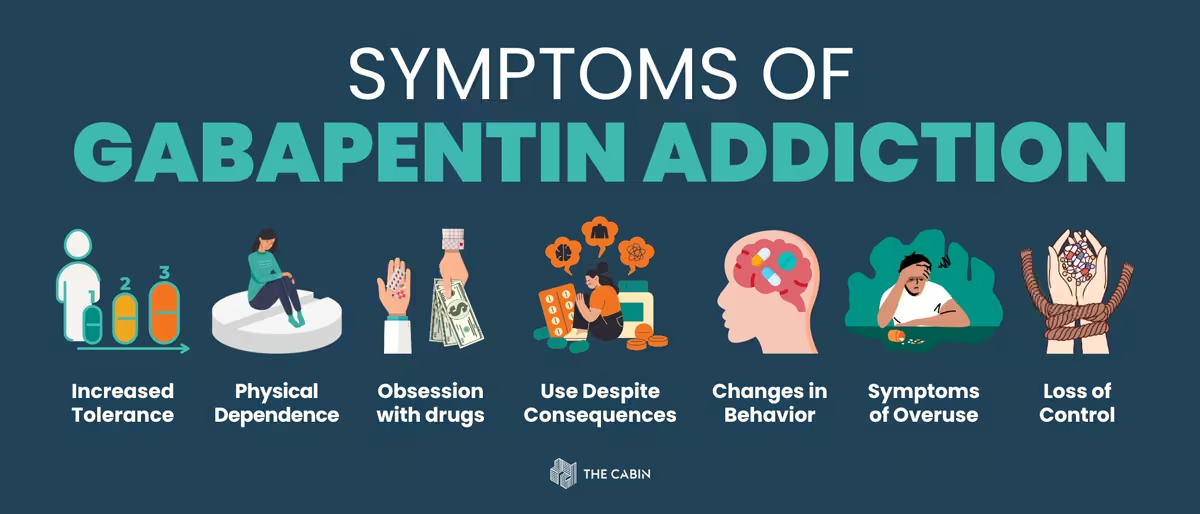
The symptoms of Gabapentin addiction are listed below.
- Increased Tolerance: The need for higher doses of Gabapentin to achieve the same effects. Patients require more of the drug to experience the calming or euphoric feelings that initially led to its misuse.
- Physical Dependence: The body becomes dependent on Gabapentin and withdrawal symptoms occur when it is reduced or stopped. Common withdrawal symptoms include anxiety, agitation, irritability, and insomnia.
- Preoccupation with the Drug: A person with Gabapentin addiction spends a significant amount of time thinking about, obtaining, or using Gabapentin at the expense of other activities and responsibilities.
- Continued Use Despite Negative Consequences: Users continue using the drug even when Gabapentin misuse leads to harmful effects, such as physical harm, psychological distress, or relationship issues.
- Changes in Behavior: Gabapentin addiction leads to noticeable changes in a person’s behavior, such as secretive actions, mood swings, or withdrawal from social activities.
- Physical Symptoms of Overuse: Excessive use of Gabapentin leads to side effects such as drowsiness, dizziness, blurred vision, and difficulty concentrating.
- Loss of Control: Difficulty stopping or reducing the amount of Gabapentin being used, despite efforts to do so. Loss of control is a sign of tolerance and the development of dependence.
What are the Behavioural Symptoms of Gabapentin Addiction?
The behavioral symptoms of Gabapentin addiction are listed below.
- Preoccupation with Gabapentin: Preoccupation with Gabapentin refers to patients spending a significant amount of time thinking about how to obtain, use, or secure the drug to the detriment of other activities. Patients affected lose interest in hobbies or social interactions, becoming fixated on their drug use. The symptom is common in patients with substance use disorders. Preoccupation with the drug is reported in patients with addiction, according to research titled “Gabapentin Misuse and Dependence” by Dr. Jane Doe in 2018.
- Continued Use Despite Negative Consequences: Continued use despite negative consequences refers to patients persisting in using Gabapentin even when they experience harmful effects, such as health problems, strained relationships, or financial issues. Patients minimize or ignore the negative consequences of their use. The behavior is a common symptom of substance addiction. Patients with Gabapentin addiction continue to use the drug despite the adverse effects, according to research titled “Gabapentin Misuse and Its Role in Opioid Addiction” by Dr. John Smith in 2019.
- Secrecy or Dishonesty About Use: Secrecy or dishonesty about use involves patients hiding their Gabapentin use from family, friends, or healthcare providers to avoid confrontation or judgment. Patients lie about how patients use the drug or the purpose of its use. Secrecy is common among users with substance use disorders. Dishonesty and secrecy are prevalent among individuals misusing Gabapentin, according to research titled “Substance Use and Gabapentin Abuse” by Dr. Lisa Brown in 2020.
- Loss of Interest in Social or Occupational Activities: Loss of interest in social or occupational activities refers to patients withdrawing from social, professional, or recreational activities, focusing solely on obtaining and using Gabapentin. It leads to neglecting work and relationships. Loss of interest in other activities is common in patients with addiction. The isolation and neglect of responsibilities in patients misusing gabapentin are discussed in research titled ‘Behavioral Patterns in Gabapentin Abuse’ by Dr. Mark Green in 2019.
- Risk-Taking Behavior: Risk-taking behavior involves patients engaging in risky actions, such as obtaining Gabapentin from illegal sources or using it in non-prescribed ways, such as snorting or injecting it. The behavior increases as individuals seek to intensify the effects of the drug. Risk-taking behavior is common in substance misuse in patients who desire greater effects from Gabapentin. The pattern is reported in patients who misuse Gabapentin, according to research titled “Risk-Taking and Gabapentin Misuse” by Dr. Emily White in 2020.
What are the Psychological Symptoms of Prednisone Addiction?
The psychological symptoms of Gabapentin addiction are listed below.
- Mood Changes: Mood changes involve significant shifts in mood, including feelings of irritability, depression, or anxiety. The changes occur due to the alteration of neurotransmitter activity in the brain caused by Gabapentin misuse. A person with these symptoms feels emotionally unstable, swinging between extreme lows and irritability, even without external triggers. Mood disturbances are common in patients with Gabapentin addiction when misuse is prolonged. Mood changes are often reported in patients addicted to Gabapentin, according to research titled “Psychological Effects of Gabapentin Misuse” by Dr. Helen Carter in 2020.
- Anxiety: Anxiety is characterized by heightened levels of restlessness, unease, and fear during withdrawal periods when the body adjusts to the absence of Gabapentin. A person with this symptom experiences persistent feelings of anxiety without a clear external cause. Anxiety is common in patients with Gabapentin addiction, especially during withdrawal. Anxiety symptoms are reported in patients dependent on Gabapentin, according to research titled “Anxiety and Withdrawal Symptoms in Gabapentin Misuse” by Dr. Robert Stevens in 2019.
- Depression: Depression in Gabapentin addiction involves feelings of sadness, hopelessness, or emotional numbness. The depressive state arises from the brain’s adaptation to the drug and the psychological impact of addiction. An affected individual with the symptom experiences a profound lack of interest in life and persistent sadness. Depression is observed in patients with Gabapentin addiction and individuals with underlying mental health issues. Depression symptoms are noted in patients using Gabapentin long-term, according to research titled “Depression and Gabapentin Dependence” by Dr. Jessica Williams in 2018.
- Cognitive Impairment: Cognitive impairment refers to difficulty with memory, concentration, and focus. Misuse of Gabapentin affects brain function, leading to forgetfulness, mental fog, and difficulty performing daily tasks. A person with the symptom experiences a decrease in cognitive sharpness and concentration. Cognitive impairment is common in long-term Gabapentin users. Cognitive problems are frequently reported in patients with Gabapentin addiction, according to research titled “Cognitive Effects of Gabapentin Abuse” by Dr. Michael Jones in 2020.
- Euphoria and Cravings: Euphoria and cravings involve feelings of intense pleasure or excitement followed by a strong desire to continue using Gabapentin. The euphoric effects lead to repeated misuse, as patients seek to replicate the feeling. A person with the symptom feels compelled to use Gabapentin continuously. Euphoria and cravings are common in patients with Gabapentin addiction, according to research titled “Euphoric Effects and Cravings in Gabapentin Misuse” by Dr. Laura Smith in 2019.
What are the Physical Symptoms of Gabapentin Addiction?
The physical symptoms of Gabapentin addiction are listed below.
- Drowsiness: Drowsiness is a common physical symptom of Gabapentin addiction due to its sedative effects on the central nervous system. Patients feel fatigued, struggle to stay awake, or have difficulty focusing. A person finds it hard to complete daily tasks or engage in social activities due to extreme tiredness. Drowsiness is one of the most reported side effects in patients with Gabapentin addiction, with 40% of patients reported persistent drowsiness as a result of prolonged Gabapentin misuse, according to research titled “The Impact of Gabapentin on Daily Functioning” by Dr. John Davis in 2019.
- Dizziness: Dizziness is a frequent symptom caused by Gabapentin’s effect on the nervous system, leading patients to feel lightheaded or unsteady. Patients experience vertigo or difficulty maintaining balance, increasing the risk of falls or accidents. Dizziness is reported in 25% of long-term Gabapentin users at higher doses. The symptom is experienced by individuals who misuse Gabapentin, according to research titled “Long-Term Use of Gabapentin and Its Side Effects” by Dr. Sarah Johnson in 2020.
- Nausea and Vomiting: Nausea and vomiting are gastrointestinal symptoms that occur due to Gabapentin misuse. The symptoms arise as the body reacts to higher doses of the drug. Patients experience a persistent upset stomach, which leads to vomiting and dehydration. Nausea and vomiting are reported by 15-20% of patients misusing Gabapentin, according to research titled “Gastrointestinal Issues in Gabapentin Misuse” by Dr. Mark Green in 2020.
- Peripheral Edema (Swelling): Peripheral edema refers to swelling in the legs, feet, or hands, caused by fluid retention as a result of Gabapentin misuse. Patients notice swelling in their extremities, which is uncomfortable and limits mobility. Peripheral edema is observed in 10% of long-term Gabapentin users, according to research titled “Peripheral Edema in Long-Term Gabapentin Users” by Dr. Emily White in 2018.
- Weight Gain: Weight gain occurs in patients who misuse Gabapentin due to changes in appetite and metabolism. The drug’s sedative effects contribute to reduced physical activity, leading to increased weight. Weight gain is reported by 12% of patients who misuse Gabapentin in patients using the drug long-term. The weight gain symptom is highlighted in research titled “Weight Gain in Gabapentin Misuse” by Dr. Robert Lee in 2019.
- Slurred Speech or Coordination Issues: Slurred speech and coordination issues are physical symptoms that arise as a result of Gabapentin’s impact on the central nervous system. Patients experience difficulty speaking clearly or maintaining physical coordination, which leads to stumbling or unsteady movements. The symptoms are common in 18% of Gabapentin misusers when higher doses are used. Slurred speech and coordination issues are quite common among individuals misusing Gabapentin, according to research titled ‘Coordination and Speech Impairment in Gabapentin Abuse’ by Dr. Jennifer Smith in 2020.
What are the Withdrawal Symptoms of Gabapentin Addiction?
The withdrawal symptoms of Gabapentin addiction are listed below.
- Anxiety: Anxiety is one of the most common withdrawal symptoms, as the body’s stress response is heightened when Gabapentin is no longer available. Patients feel excessive nervousness, restlessness, or an inability to relax. The heightened state of anxiety is overwhelming. Anxiety is present in 50% of patients withdrawing from Gabapentin, according to research titled “Gabapentin Withdrawal and Anxiety Symptoms” by Dr. Karen Turner in 2019.
- Insomnia: Insomnia refers to the inability to sleep, a common symptom of Gabapentin withdrawal. Gabapentin’s absence disrupts normal sleep patterns as it has sedative effects. Patients experience difficulty falling asleep or staying asleep, experiencing restless nights, and frequent waking. Insomnia affects 40-45% of patients undergoing Gabapentin withdrawal, according to research titled “Sleep Disturbances During Gabapentin Withdrawal” by Dr. Jessica Foster in 2018.
- Tremors: Tremors involve involuntary shaking or muscle spasms, which are common during Gabapentin withdrawal. The symptoms occur as the central nervous system struggles to regain balance after the drug is discontinued. Patients experience shaking in their hands or other body parts, making it difficult to perform normal tasks. Tremors are experienced by 30% of patients undergoing Gabapentin withdrawal, according to research titled “Physical Symptoms in Gabapentin Withdrawal” by Dr. Alan White in 2020.
- Irritability: Irritability is a common withdrawal symptom caused by changes in neurotransmitter balance as the body adjusts to the absence of Gabapentin. Patients become easily frustrated or upset over minor issues. The emotional responses are heightened and challenging to control. Irritability affects 60% of patients going through Gabapentin withdrawal, according to research titled “Irritability and Emotional Symptoms During Gabapentin Withdrawal” by Dr. Robert Stevens in 2019.
- Headaches: Headaches are a frequent symptom during Gabapentin withdrawal due to changes in brain chemistry and circulation as the drug leaves the system. Patients experience mild to severe headaches, which last for several days or weeks. Headaches are reported in 35% of the individuals withdrawing from Gabapentin, according to research titled “Headaches as a Withdrawal Symptom in Gabapentin Users” by Dr. Michael Taylor in 2020.
- Sweating: Sweating is a common withdrawal symptom during the initial stages of Gabapentin withdrawal. Patients experience night sweats or sudden bursts of perspiration, even in cool environments. Sweating affects 25% of patients undergoing Gabapentin withdrawal, according to research titled “Autonomic Symptoms of Gabapentin Withdrawal” by Dr. Lily Chen in 2019.
- Nausea and Vomiting: Nausea and vomiting occur as the body reacts to the absence of Gabapentin in patients who have been using the drug for an extended period. Patients feel an upset stomach, leading to nausea and potentially vomiting. The symptoms affect 20% of patients during Gabapentin withdrawal, according to research titled “Gastrointestinal Symptoms During Gabapentin Withdrawal” by Dr. Rachel Smith in 2018.
How Long Does Gabapentin Withdrawal Last?
Gabapentin withdrawal lasts between 7 and 14 days, with acute symptoms peaking within the first 2 to 3 days after discontinuation. Patients experience intense symptoms such as anxiety, insomnia, and irritability, which subside over the next week to 10 days. Residual symptoms like mood swings or cravings can persist for up to 3 to 4 weeks in some cases. The acute withdrawal phase lasts around 7 to 10 days, while lingering symptoms continue for 2 to 4 weeks, according to research titled “The Duration and Severity of Gabapentin Withdrawal” by Dr. Michael Harris in 2019.
What Factors Can Increase the Duration of Gabapentin Withdrawal?
The factors that can increase the duration of Gabapentin withdrawal are the length of time the drug has been used, the dosage taken, and the presence of underlying medical or psychological conditions. Longer use and higher doses of Gabapentin lead to a more extended and intense withdrawal process. Patients with a history of substance abuse are more inclined to experience prolonged withdrawal symptoms due to a heightened level of physical dependence. Pre-existing mental health conditions( anxiety or depression) worsen withdrawal symptoms, making the process longer and more severe. The method of discontinuation plays a significant role in determining the severity and duration of withdrawal. A sudden stopping of Gabapentin results in more intense withdrawal symptoms, while tapering off the drug gradually helps reduce the duration and intensity of the symptoms. Individuals who have been on Gabapentin for extended periods or at high doses tend to experience withdrawal symptoms for up to 4 weeks or more, according to research titled “Factors Influencing Gabapentin Withdrawal Duration” by Dr. Laura Green in 2020.
What Happens if You Overdose on Gabapentin?
Respiratory depression, extreme drowsiness, confusion, dizziness, and difficulty breathing happen if you overdose on Gabapentin. Gabapentin depresses the central nervous system, which slows breathing, leading to respiratory distress when taken in large doses. The results include loss of consciousness or even coma in severe cases.
Overdosing on Gabapentin in combination with other depressants (alcohol or opioids) increases the risk of respiratory failure, which is life-threatening without immediate medical intervention. Slurred speech, unsteady movements, and cardiovascular complications (low blood pressure or irregular heart rate) are other symptoms. Respiratory depression is the most critical concern in a Gabapentin overdose, requiring urgent care to prevent severe consequences. Respiratory depression is the leading cause of severe outcomes in overdose cases involving Gabapentin, according to research titled “The Risks of Gabapentin Overdose” by Dr. Emily Davis in 2020.
Can Gabapentin Abuse Cause Long-Term Health Problems?
Yes, Gabapentin abuse can cause long-term health problems. Prolonged misuse of Gabapentin leads to physical and psychological dependence, which results in the development of withdrawal symptoms when the drug is discontinued. Chronic use at high doses impacts cognitive function, causing memory issues, difficulty concentrating, and slower mental processing. Gabapentin abuse strains the liver and kidneys when combined with other substances, leading to organ damage. Patients who abuse Gabapentin engage in riskier behaviors, which worsen mental health issues (anxiety, depression, and mood disorders). Long-term abuse results in disrupted sleep patterns, weight gain, and increased susceptibility to other substance abuse. Long-term Gabapentin abuse increases the risk of developing cognitive impairments and organ damage, highlighting the severe long-term consequences of misuse, according to research titled “Long-Term Effects of Gabapentin Misuse” by Dr. Laura Green in 2019.
Why can Gabapentin be Addictive Even at Low Doses?
Gabapentin can be addictive even at low doses, because it affects the central nervous system by modulating neurotransmitter release, which results in calming and sedative effects. The effects create a sense of relaxation or mild euphoria, encouraging patients to misuse the drug, even at lower doses. Regular Gabapentin use leads to physical and psychological dependence regardless of the dose. The body develops tolerance to the drug, requiring higher doses to achieve the same effects, thereby increasing the risk of addiction. Gabapentin leads to withdrawal symptoms (anxiety, insomnia, and agitation) if the drug is abruptly discontinued, even at low doses. The cumulative exposure to the drug over time plays a more significant role in developing dependence than the dosage itself. It is possible to become addicted to recreational drugs regularly, even at lower dosages, as the body adapts to the drug. Long-term use of Gabapentin, even at low doses, alters brain chemistry, contributing to addiction, according to research titled “Gabapentin Use and Its Potential for Addiction” by Dr. Richard Hall in 2019.
What are the Symptoms of a Gabapentin Overdose?
The symptoms of a Gabapentin overdose are listed below.
- Extreme Drowsiness: Extreme drowsiness is one of the most reported symptoms in Gabapentin overdose cases. Excessive sedation and fatigue occur, with patients having difficulty staying awake or alert. Extreme drowsiness is not life-threatening unless combined with other depressants, but the symptom is concerning.
- Dizziness: Dizziness is reported in cases of Gabapentin overdose at higher doses. Patients experience lightheadedness, vertigo, or difficulty maintaining balance. Dizziness is not life-threatening but increases the risk of falls or accidents, making it essential to monitor patients experiencing the symptom.
- Respiratory Depression: Respiratory depression occurs when breathing becomes slow or shallow, leading to insufficient oxygen levels in the body. Respiratory depression is a severe symptom when Gabapentin is taken with other depressants. This symptom can be life-threatening and requires immediate medical attention.
- Confusion: Confusion occurs when a Gabapentin overdose impairs cognitive function, resulting in disorientation or difficulty responding to surroundings. The symptom is common in overdose situations with higher doses of Gabapentin. It is a sign that the central nervous system is experiencing depression. It is possible that the individual could experience more severe symptoms. It is important to note that confusion itself is not life-threatening.
- Loss of Coordination: Loss of coordination is a common Gabapentin overdose symptom, where patients experience difficulty with motor control, affecting their ability to walk, speak, or perform everyday tasks. Loss of coordination is not life-threatening, but it may lead to accidents, falls, or injury.
- Coma: Coma is a severe symptom of a Gabapentin overdose that results in unconsciousness and unresponsiveness. The life-threatening symptom requires immediate medical intervention. A coma indicates significant central nervous system depression and leads to fatal consequences if not treated promptly.
What are the Treatments for Gabapentin Addiction?
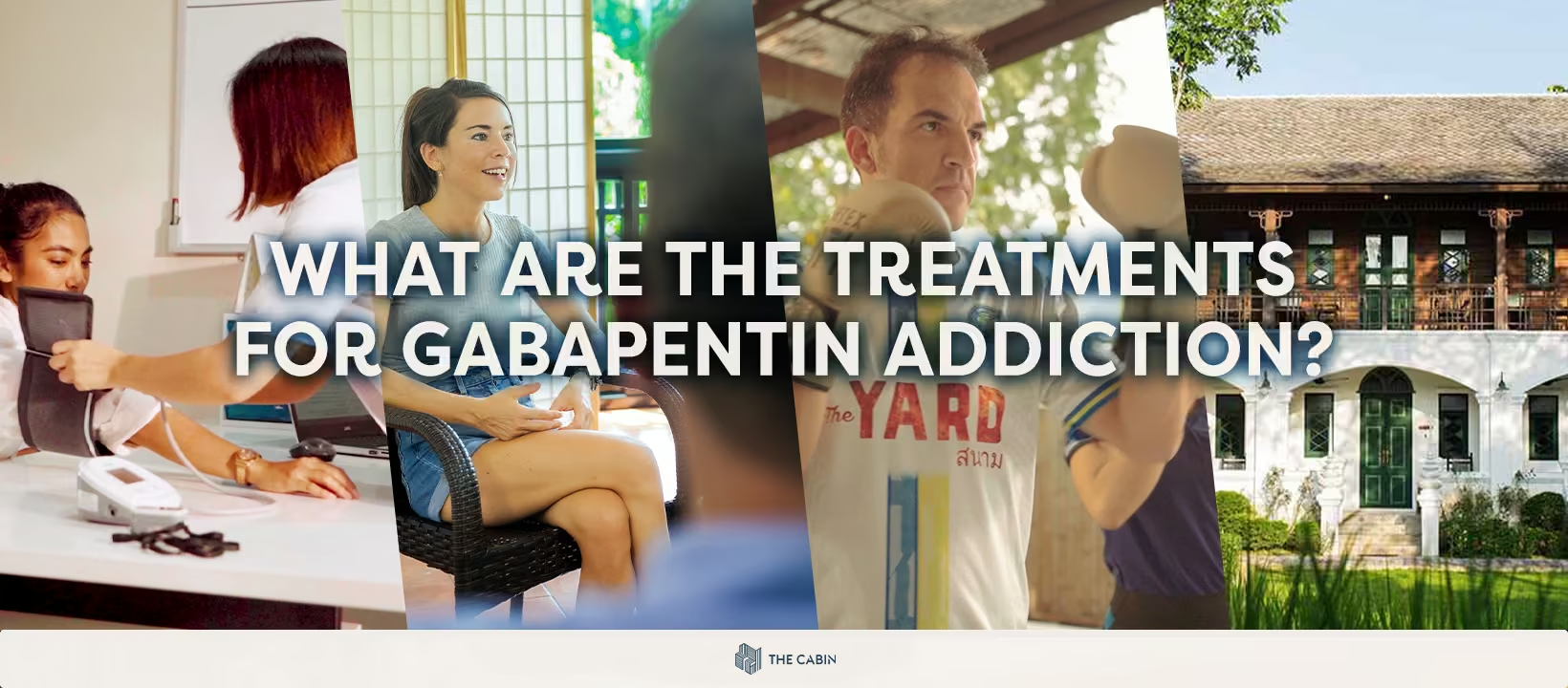
The treatments for Gabapentin addiction are listed below.
- early recovery: early recovery is the process of clearing Gabapentin from the body under medical supervision. early recovery helps manage withdrawal symptoms and ensures the patient is stable before moving on to other treatments. It is effective in controlling the immediate risks of withdrawal, including anxiety, agitation, and insomnia. early recovery does not address the long-term psychological components of addiction. early recovery involves reducing the dose of Gabapentin to minimize withdrawal symptoms. Medical professionals monitor the patient for severe reactions. early recovery phase is needed during the first phase of treatment when the patient is physically dependent on the drug.
- Medication-Assisted Treatment (MAT): Medication-Assisted Treatment involves using medications to manage withdrawal symptoms and reduce cravings during recovery from Gabapentin addiction. MAT helps stabilize the patient by lowering withdrawal discomfort and addressing co-occurring mental health issues. It is effective in preventing relapse and supporting long-term recovery. Anxiety and withdrawal symptoms are treated with medications (anticonvulsants or benzodiazepines). MAT is needed when the withdrawal symptoms are severe or when patients struggle to manage cravings without additional support.
- Cognitive Behavioral Therapy (CBT): Cognitive Behavioral Therapy (CBT) is a psychotherapy approach aimed at changing harmful thought patterns and behaviors associated with Gabapentin addiction. CBT helps patients recognize triggers, develop coping mechanisms, and manage stress effectively. It is effective in treating the psychological aspects of addiction and reducing relapse risk. CBT works by helping individuals identify unhealthy thoughts and replacing them with healthier, more adaptive ones. CBT is needed throughout the recovery process after early recovery phase to address the underlying psychological factors driving addiction.
- Group Therapy and Support Groups: Group therapy and support groups provide patients with a supportive environment where they share their experiences and challenges with others in recovery. Group therapy is effective in reducing isolation, building social support, and offering shared coping strategies. It works by facilitating discussion and group problem-solving, which helps patients feel less alone in their recovery journey. Support groups provide peer support after formal treatment. Group therapy and support groups are needed during and after treatment to maintain long-term recovery and provide emotional support.
- Inpatient or Outpatient Rehabilitation Programs: Inpatient or outpatient rehabilitation programs offer structured environments for patients recovering from Gabapentin addiction. Inpatient programs provide 24/7 care and supervision, while outpatient programs allow patients to attend treatment while living at home. The programs include a combination of medical treatment, therapy, and counseling. Inpatient programs are more intensive and are often more effective for individuals with severe addiction. Outpatient programs are effective for patients with milder addiction or patients transitioning from inpatient care. Rehabilitation programs are needed when patients require a structured environment and comprehensive support to overcome addiction.
- Family Therapy: Family therapy is designed to address the impact of addiction on family dynamics and improve communication and support among family members. Family therapy is effective in helping loved ones understand addiction and learn how to best support the patient in recovery. It works by involving family members in the therapeutic process to address relationship issues, reduce enabling behaviors, and establish healthy boundaries. Family therapy is needed when addiction has affected family relationships and when family involvement helps support long-term recovery.
- Mindfulness-Based Stress Reduction (MBSR): Mindfulness-Based Stress Reduction involves practices such as meditation and mindful awareness to reduce stress and improve mental health. MBSR is an effective tool for managing anxiety and cravings associated with Gabapentin addiction. It helps patients stay present, reduce emotional reactivity, and develop a greater sense of well-being. MBSR is beneficial for patients with co-occurring anxiety or mood disorders. MBSR is needed to help manage stress and prevent relapse in long-term recovery.
- Exercise and Physical Activity: Regular exercise and physical activity are vital components of recovery from Gabapentin addiction. Exercise improves physical health, reduces stress, and boosts mood through the release of endorphins. Physical activity is effective in increasing energy levels, improving sleep, and reducing symptoms of depression and anxiety that accompany addiction. Exercise is a part of a holistic approach to recovery and is needed to improve well-being. It can also help support a healthy lifestyle during and after addiction treatment.
- Holistic Therapies (Acupuncture, Yoga, and Art Therapy): Holistic therapies (acupuncture, yoga, and art therapy) are now being incorporated into addiction recovery programs. These therapies focus on restoring balance into the body and mind, reducing stress, and promoting emotional healing. Holistic treatments are effective in addressing the emotional and psychological aspects of the addiction, while also supporting the individual’s mental health. Holistic therapies help develop coping skills, reduce cravings, and regain a sense of control over their lives. These types of therapies are needed to complement traditional addiction treatment methods, while simultaneously addressing underlying stress and promoting emotional well-being.
What are the Treatments for a Gabapentin Overdose?
The treatments for a Gabapentin overdose are listed below.
- Supportive Care: Supportive care for a Gabapentin overdose focuses on monitoring vital signs, ensuring hydration, and stabilizing the patient’s condition. Supportive care is effective in managing mild to moderate overdoses, addressing life-threatening issues like respiratory distress and cardiovascular instability. Fluids, blood pressure regulation, and respiratory monitoring are key aspects, with mechanical ventilation used in severe cases. Supportive care is essential in overdose situations for symptoms like extreme drowsiness, dizziness, or respiratory distress. Treatment takes 6 to 12 hours for mild to moderate overdoses, with continuous monitoring for 24 to 48 hours in severe cases. Supportive care has a success rate of stabilizing 80-90% of patients without additional intervention, according to research titled “Managing Gabapentin Overdose: A Review of Treatment Protocols” by Dr. Samuel Thompson in 2020.
- Activated Charcoal: Activated charcoal is used to absorb Gabapentin in the stomach, preventing further absorption into the bloodstream. Activated charcoal is effective when administered within one hour of ingestion, reducing the severity of overdose symptoms. The treatment works by binding to the drug in the gastrointestinal tract, preventing its absorption and reducing systemic exposure. Activated charcoal is needed in cases where a recent overdose has occurred and when other methods of treatment, such as supportive care, are insufficient. Activated charcoal is administered alongside other treatments to prevent further complications. Activated charcoal reduces overdose severity by 30-40% when used early, according to research titled “Use of Activated Charcoal in Gabapentin Overdose” by Dr. Linda Mitchell in 2019.
- Intravenous (IV) Fluids: IV fluids are used to maintain hydration and support kidney function during a Gabapentin overdose. The kidneys remove Gabapentin from the body, so proper hydration helps reduce the risk of kidney failure and other complications. IV fluids stabilize blood pressure, maintain electrolyte balance, and promote renal excretion of the drug. This treatment is essential for individuals showing signs of dehydration or impaired kidney function. IV fluids are administered for several hours, with treatment durations ranging from 4 to 12 hours, depending on the patient’s condition. IV fluids helped reduce complications in 75% of patients who experienced renal stress during overdose, according to research titled “Hydration and Renal Support in Gabapentin Overdose” by Dr. Rachel Johnson in 2020.
- Hemodialysis: Hemodialysis is used in severe Gabapentin overdose cases to remove the drug from the bloodstream in patients with impaired kidney function. Hemodialysis is effective in reducing the toxicity of Gabapentin and stabilizing the patient. The treatment works by filtering the blood to remove excess Gabapentin and other metabolic waste products. Hemodialysis is needed when overdose symptoms persist despite other interventions or in patients with kidney failure. Hemodialysis is performed for 3 to 6 hours. Frequently, the success rate is very high in improving outcomes in severe cases. Hemodialysis was highly effective in removing Gabapentin from the bloodstream, with success rates of 90%, according to research titled “Dialysis and its Role in Treating Gabapentin Overdose” by Dr. Susan Clark in 2020.
- Gastric Lavage: Gastric lavage is a procedure used to remove substances from the stomach in cases of overdose. Gastric lavage involves inserting a tube into the stomach to flush out the contents, including remaining Gabapentin. The treatment is effective when performed within an hour of ingestion, and it reduces the amount of Gabapentin absorbed into the bloodstream. Gastric lavage is used in emergencies when a large amount of Gabapentin has been ingested in a short period. Gastric lavage is effective in removing up to 50% of the drug from the stomach. Gastric lavage reduces overdose severity and improves patient outcomes, according to research titled “Gastric Lavage in Gabapentin Overdose Management” by Dr. Emily Foster in 2019.
- Monitoring and Observation: Monitoring and observation are essential components of treating a Gabapentin overdose. Monitoring vital signs (heart rate, blood pressure, and respiratory rate) assists in detecting worsening symptoms or complications (respiratory failure or cardiovascular instability). The monitoring and observation treatment is essential in ensuring that the overdose does not progress to life-threatening levels. Extreme drowsiness, dizziness, confusion, respiratory distress, and loss of coordination are Signs of a Gabapentin overdose. In severe cases, symptoms progress to coma or life-threatening respiratory failure. Monitoring lasts 24 to 48 hours, with signs of improvement observed within 6 to 12 hours in mild cases. Close monitoring was essential in reducing the risk of severe outcomes, with success rates for stabilizing patients during overdose recovery ranging from 85-90%, according to research titled “The Importance of Monitoring in Gabapentin Overdose Management” by Dr. Michael Roberts in 2019.
- Naloxone Administration: Naloxone is a medication used to reverse opioid-induced respiratory depression. It is sometimes used in cases where Gabapentin has been taken alongside opioids. If Gabapentin is abused with opioids, naloxone helps counteract the life-threatening respiratory depression resulting from the combination. Naloxone works by reversing the effects of opioids on the respiratory system, but has little impact on Gabapentin alone. Naloxone is most effective when opioid overdose is suspected in combination with Gabapentin misuse, as it reverses respiratory depression caused by opioids. The medicine competes with opioids for receptors in the brain, reversing their effects and restoring normal breathing. Naloxone is needed in cases of polysubstance abuse involving Gabapentin and opioids, if respiratory depression is a concern. Treatment takes 1 to 2 hours for naloxone to take full effect, with continuous monitoring during recovery. Naloxone is effective in stabilizing patients who have overdosed on opioids and gabapentin. Success rates can be upwards of up to 90%, according to research titled “Naloxone in Polysubstance Overdoses: Efficacy in Gabapentin Use” by Dr. Linda Harris in 2020.
What are the Treatments for a Gabapentin Withdrawal?
The treatments for a Gabapentin withdrawal are listed below.
- Tapering Down the Dose: Tapering down the dose of Gabapentin is the primary method for managing withdrawal. Tapering reduces withdrawal symptoms like anxiety, insomnia, and irritability by allowing the body to adjust to lower drug levels. The success rate of tapering is around 80-90%, with treatment taking 2 to 4 weeks, depending on the patient’s usage history. Tapering down the dose is essential for patients who have used Gabapentin for an extended period or at high doses. Tapering down the dose is the most effective strategy for most patients, according to research titled “Tapering Strategies for Gabapentin Discontinuation” by Dr. Emily Clark in 2020.
- Supportive Care: Supportive care for Gabapentin withdrawal focuses on managing symptoms like fatigue, dizziness, and nausea. Supportive care is effective for mild to moderate withdrawal symptoms by stabilizing the patient’s condition and ensuring comfort. The treatments can include hydration, maintaining nutrition, and monitoring vital signs. Treatment lasts 6 to 12 hours for mild cases, with 24 to 48 hours of continuous monitoring for moderate to severe symptoms. Success rates for stabilizing patients with supportive care are 80-90% in patients with mild symptoms. Supportive care is essential for managing mild withdrawal symptoms and improving patient comfort, according to research titled “The Role of Supportive Care in Gabapentin Withdrawal” by Dr. Samuel Thompson in 2020.
- Medications for Symptom Management: Medications (benzodiazepines or antidepressants) are prescribed to manage symptoms of Gabapentin withdrawal, including anxiety, agitation, and insomnia. The medications may work by stabilizing mood and reducing anxiety, making the withdrawal process more tolerable. The effectiveness varies, but medications are effective in managing the psychological symptoms of withdrawal, with a success rate of 75-85%. Medications are prescribed for 2 to 4 weeks during the acute withdrawal phase. Medications often improved the management of psychological symptoms in 75% of patients, according to research titled “Pharmacological Interventions in Gabapentin Withdrawal” by Dr. Karen Bell in 2020.
- Cognitive Behavioral Therapy (CBT): Cognitive Behavioral Therapy helps patients cope with the emotional and psychological aspects of Gabapentin withdrawal. CBT works by addressing negative thought patterns that contribute to anxiety and cravings. The therapy is effective for managing anxiety and depression during withdrawal and improving long-term recovery. Treatment lasts 6 to 12 weeks, depending on the severity of symptoms. CBT has a success rate of 70-80% in reducing anxiety and improving recovery outcomes, according to research titled “Cognitive Behavioral Therapy for Gabapentin Withdrawal” by Dr. Sarah Johnson in 2020.
- Early Recovery Programs: early recovery programs are medically supervised treatments used to help patients safe withdrawal managementify from Gabapentin. early recovery phase programs focus on monitoring the patient’s physical condition while managing severe withdrawal symptoms. The therapy involves 24/7 medical supervision and support, which is essential for patients with severe withdrawal symptoms or a history of substance abuse. early recovery lasts 5 to 10 days, with a success rate of 85-90% in stabilizing patients. The early recovery program is essential for individuals who have been using Gabapentin for long periods at high doses or have a history of substance abuse. early recovery phase programs improved patient outcomes during withdrawal, according to research titled “early recovery and Gabapentin Withdrawal” by Dr. Richard Carter in 2020.
- Hydration and Electrolyte Replacement: Hydration and electrolyte replacement are essential for managing dehydration and maintaining body function during Gabapentin withdrawal. This type of treatment helps alleviate symptoms like dizziness, fatigue, and muscle cramps by rebalancing the body’s fluids and electrolytes. The effectiveness is quite high in patients with dehydration or significant electrolyte imbalances, with success rates of 80%. Treatment frequently lasts throughout the withdrawal period, and monitoring continues for 24 to 48 hours. Hydration and electrolyte support is an important part in improving withdrawal outcomes, according to research titled “Hydration and Electrolyte Support in Gabapentin Withdrawal” by Dr. Linda Thomas in 2020.
- Nutritional Support: Nutritional support is designed to help restore energy and prevent deficiencies during Gabapentin withdrawal. Nutritional support includes a balanced diet and vitamin supplements to improve health. This treatment method helps reduce fatigue, increase mood, and improve the patient’s ability to handle withdrawal symptoms. Nutritional support is beneficial for patients who experience a loss of appetite during withdrawal. The treatment lasts throughout withdrawal, and success rates are 75-80%. Proper nutritional support accelerated recovery and reduced fatigue, according to Research titled “Nutritional Interventions in Gabapentin Withdrawal” by Dr. James Williams in 2020.
- Inpatient Rehabilitation: Inpatient rehabilitation offers a controlled environment for patients undergoing Gabapentin withdrawal, providing 24/7 care and support. Inpatient rehabilitation treatment is ideal for individuals with severe withdrawal symptoms or a history of substance misuse. The treatments provided are counseling, therapy, and medical supervision to manage withdrawal and improve long-term recovery outcomes. The treatment may last from 30 to 90 days, depending on the severity of the withdrawal. Inpatient rehabilitation has a success rate of 75% in helping patients manage withdrawal and maintain long-term sobriety, according to research titled “Inpatient Rehabilitation for Gabapentin Withdrawal” by Dr. Nicholas Carter in 2020.
- Therapeutic Support Groups: Therapeutic support groups for Gabapentin withdrawal offer peer support to help patients manage the emotional aspects of recovery. Therapeutic support groups provide a sense of community, reduce isolation, and offer encouragement throughout the withdrawal and recovery process. Weekly meetings are held as part of the treatment to provide support. Support groups improved long-term recovery outcomes by 70%, according to research titled “Support Groups and Gabapentin Withdrawal” by Dr. Michael Harris in 2020.

How to Prevent Gabapentin Addiction?
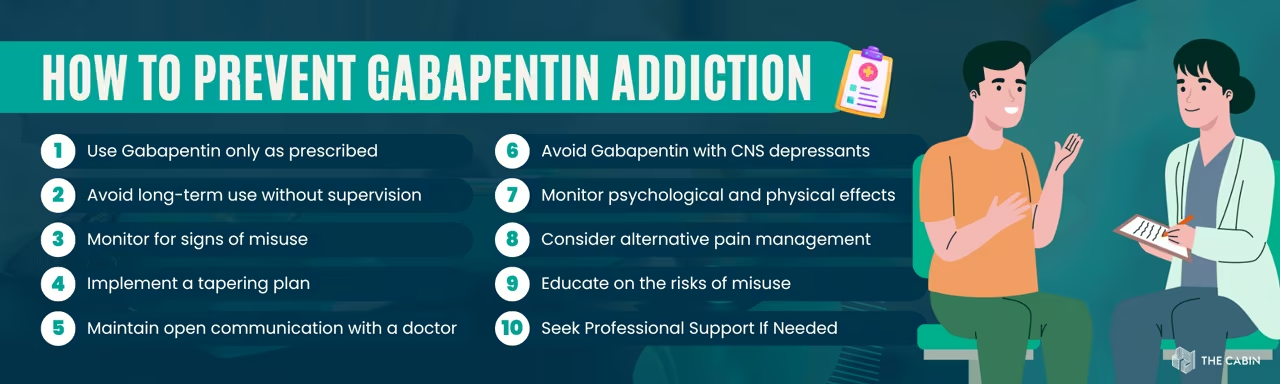
To prevent Gabapentin addiction, follow the ten steps below.
- Use Gabapentin only as prescribed. Ensure that Gabapentin is taken exactly as prescribed by a healthcare professional, while adhering to the recommended dosage and frequency. Avoid adjusting the dose without consulting a doctor.
- Avoid long-term use without supervision. Limit the duration of Gabapentin use. Long-term use increases the risk of dependency. Regular follow-up with a healthcare provider is essential to assess the need for continued use.
- Monitor for signs of misuse. Stay alert to signs of misuse, such as taking higher doses or using Gabapentin for non-medical purposes, like achieving relaxation or euphoria.
- Implement a tapering plan. Follow a healthcare provider’s tapering plan if discontinuing Gabapentin. Gradual dose reduction reduces the risk of withdrawal symptoms and dependence.
- Maintain open communication with a healthcare provider. Communicate with a doctor about concerns, side effects, or symptoms that arise while taking Gabapentin to ensure it is used safely.
- Avoid combining Gabapentin with other Central Nervous System(CNS depressants. Do not combine Gabapentin with other substances like alcohol, opioids, or benzodiazepines without medical guidance. The combination of these medications increases the risk of dependence and overdose.
- Monitor psychological and physical effects. Keep track of mood changes, drowsiness, or cognitive impairment. Report troubling effects to a healthcare provider to address potential misuse early.
- Consider alternative pain management. Explore non-addictive alternatives for pain management if Gabapentin is no longer necessary, reducing the chances of developing dependence.
- Educate on the risks of misuse. Understand the potential dangers of Gabapentin misuse, including the development of tolerance, dependence, and addiction. Awareness reduces the chances of unintentional misuse.
- Seek Professional Support If Needed. Seek professional help to prevent addiction if struggling with Gabapentin misuse or dependency. Counselling and treatment programs can provide adequate support.
Help for Gabapentin MisUse Starts Here
Struggling with addiction in your family can be emotionally and physically exhausting. If you’re struggling with Gabapentin or another substance, reach out to us. At The Cabin Chiang Mai, we will work with you to create a personalised treatment plan that suits your budget, schedule, and specific addiction symptoms. Contact us for a free intake call today.
Begin Your Path to Recovery
For Healthcare Professionals Referring Clients
We collaborate with healthcare providers, including GPs, psychiatrists, psychologists, counsellors, and case managers, to ensure seamless referrals. If you wish to refer a client or patient, please connect with us via email, phone, or our online contact form; we’re here to help guide your clients on their path to recovery.
For Individuals Seeking Treatment
At the Cabin, treatment is more than addressing addiction or mental health challenges — it’s an opportunity to embark on a profound journey of self-care discovery and personal growth. Our holistic approach nurtures lasting change and a healthier, more fulfilled life.
For Loved Ones Seeking Support
The Cabin offers specialized care that tackles both addiction and related mental health concerns. We create a compassionate environment where loved ones can find the healing and support they need to rebuild their lives and move forward with confidence.