
Moderate drinking refers to the consumption of alcohol in limited, controlled amounts up to one drink per day for women and two drinks per day for men. Drinking moderately is a pattern that is associated with some health benefits when consumed responsibly. Possible benefits of moderate drinking include a reduced risk of heart disease, increased levels of good cholesterol (HDL), and improved insulin sensitivity in some instances. Moderate drinking can provide social and psychological relaxation, helping to reduce stress in social settings.
However, there are risks even with moderate drinking, such as impaired judgment, potential for developing alcohol dependence over time, and an increased risk of liver damage in some individuals. The difference between moderate drinking and binge drinking lies in the amount and pace of consumption. Binge drinking involves consuming large quantities of alcohol rapidly, leading to intoxication, while moderate drinking is done within a controlled limit to avoid harm.
Understanding the moderate drinking definition helps in maintaining a healthy balance and practicing moderate alcohol consumption without crossing into excessive drinking habits. Alcohol consumption approaches highlight that drinking in moderation helps minimize prolonged health risks.
What is Moderate Drinking?
Moderate drinking is consuming alcohol in a way that limits health risks. Drinking moderately means up to one drink per day for women and up to two drinks per day for men. The pattern of drinking is associated with lower risks of heart disease and certain other health conditions. For example, having a glass of wine with dinner or a beer with friends. Moderate drinking is defined differently for individuals based on factors like body weight and overall health.
How much Alcohol is Safe to Drink Daily?
One drink of alcohol is safe to drink daily for women, and up to two drinks per day for men. Alcohol consumption guidelines recommend limits to reduce risks to health. The definition of moderate drinking varies depending on body weight, health status, and medications being taken. Acknowledge that no amount of alcohol is entirely risk-free for pregnant women or individuals with certain health conditions when considering what is safe. Alcohol consumption guidelines emphasize that drinking in moderation can help minimize long-term health risks. Tips for staying within safe limits include pacing drinks, eating before drinking, and monitoring the amount of alcohol consumed each day.
What is Considered Moderate Alcohol Consumption by Type?
One drink is considered moderate alcohol consumption by type. Different types of alcohol have different serving sizes that define moderation. Moderate alcohol consumption differs by type, with beer, wine, and spirits having varying standard serving sizes for women and men based on alcohol content.
The table below outlines moderate daily limits based on alcohol type and gender.
|
Alcohol Type |
Moderate Daily Limit in Women |
Moderate Daily Limit in Men |
|---|---|---|
|
Beer |
12 oz (355 ml) |
24 oz (710 ml) |
|
Wine |
5 oz (150 ml) |
10 oz (300 ml) |
|
Spirits |
1.5 oz (45 ml) |
3 oz (90 ml) |
How much alcohol is too much per day?
Understanding moderate alcohol consumption is key to following safe drinking habits. The mild alcohol consumption guidelines vary based on the type of alcohol and individual factors. Drinking beyond the moderate limits mentioned in the table can be considered too much. Consuming more than one drink per day for women, and more than two drinks per day, for men increases the risk of alcohol-related health issues. Heavy drinking, binge drinking, or excessive alcohol consumption can lead to serious health problems. Stay within moderate alcohol consumption limits for long-term health and well-being.
What are the Possible Benefits of Drinking in Moderation?
Possible Benefits of Drinking in Moderation are listed below.
- Reduced risk of heart disease, especially in older adults, by improving blood flow and reducing inflammation. Moderate drinking was linked to a lower risk of cardiovascular disease according to a study named “Benefits and Risks of Moderate Alcohol Consumption on Cardiovascular Disease: Current Findings and Controversies. Nutrients, 12 by Chiva-Blanch, G., & Badimón, L. in 2019.”
- Increased HDL (good) cholesterol: Moderate alcohol consumption, particularly wine, may raise HDL cholesterol levels, which helps protect against heart disease. Moderate alcohol consumption can increase levels of HDL cholesterol, contributing to better heart health, according to the American Heart Association, published in 2015.
- Improved insulin sensitivity: Moderate alcohol consumption improved insulin sensitivity, lowering the risk of Type 2 diabetes in some individuals. Moderate alcohol intake improved insulin sensitivity in some participants according to research by Sierksma et al. in 2004 in the study “Moderate alcohol consumption improves insulin sensitivity in men.”
- Social and psychological relaxation: Moderate drinking in social settings can lead to relaxation and stress reduction, contributing to mental well-being.
What are the Risks of Moderate Drinking?
The Risks of Moderate Drinking are listed below.
- Short-term Risk:
- Impaired judgment and coordination: Even moderate drinking can affect motor skills and decision-making, increasing the risk of accidents.
- Increased risk of accidents or injury: Alcohol impairs reflexes and reaction time, heightening the likelihood of falls, car crashes, or other injuries (fractures in bones, cuts, bruises, burns, or scalds).
- Alcohol dehydrates the body, which leads to headaches, nausea, and fatigue after drinking.
- Blackouts or memory loss: Even small amounts of alcohol can cause lapses in memory or periods of amnesia in individuals who drink quickly.
- Alcohol can influence mood and emotional responses, making people more prone to anger, sadness, or irritability.
- Long-term Risk:
- Prolonged moderate drinking can stress the liver, leading to conditions like fatty liver, cirrhosis, or liver cancer.
- Chronic alcohol consumption increases the risk of high blood pressure, heart attack, and stroke.
- Alcohol consumption has been linked to cancers of the mouth, throat, esophagus, liver, and breast.
- Regular drinking, even in moderation, can increase the risk of developing alcohol dependence over time.
- Long-term moderate drinking can contribute to anxiety, depression, and other mental health problems.
Can Moderate Alcohol Consumption Lead to Low Potassium Levels?
Yes, moderate alcohol consumption can lead to low potassium levels. Alcohol can increase urination when consumed regularly, which in turn may cause the body to excrete more potassium. The loss of potassium can lead to an imbalance, resulting in hypokalemia (low potassium levels). Potassium is essential for proper muscle and nerve function, so a deficiency can cause symptoms like weakness, cramps, and irregular heart rhythms.
How to Prevent Moderate Drinking from Becoming an Addiction?
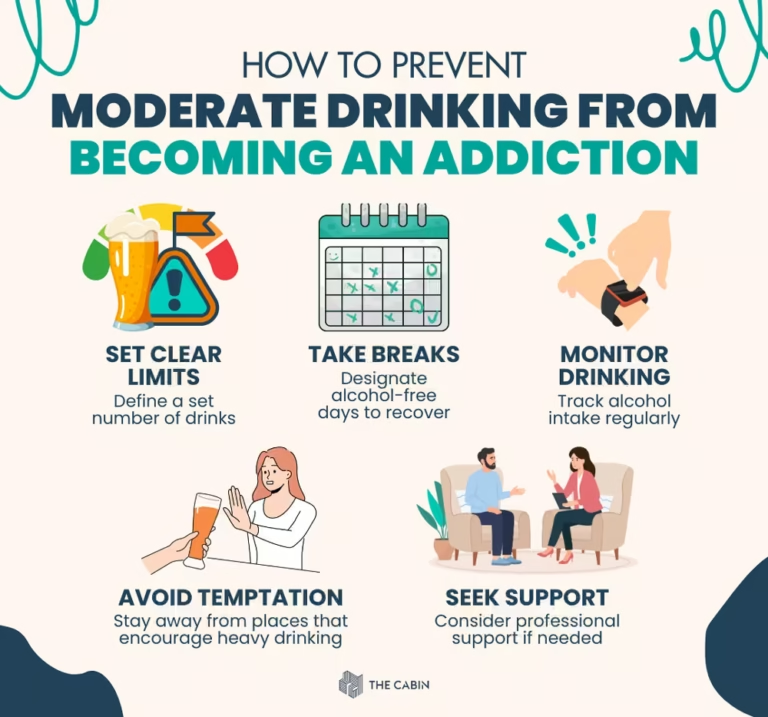
To Prevent Moderate Drinking from becoming an Addiction, follow the five steps listed below.
- Set Clear Limits. Establish specific boundaries for alcohol consumption and stick to them. Define a set number of drinks per week and avoid exceeding those limits. It can help ensure that drinking remains within healthy levels and prevent the escalation of alcohol addiction.
- Monitor Drinking. Track alcohol intake regularly to ensure that you are not surpassing the set limits. Use apps or a journal to note the amount of alcohol consumed. Being mindful of drinking habits is essential to drink in moderation.
- Avoid Drinking in High-Risk Situations. Stay away from social environments or situations where heavy drinking is encouraged. It reduces the temptation to drink excessively and helps maintain moderate drinking habits.
- Take Breaks from Alcohol. Designate alcohol-free days during the week to give the body time to recover. Regular breaks prevent habitual drinking patterns and ensure that moderate drinking does not lead to addiction to alcohol.
- Seek Support When Needed. Seek professional help or join a support group whenever drinking becomes a problem. Guidance from experts can help maintain control over drinking habits and avoid the risk of alcohol addiction.
What are the Different Alcohol Drinking Patterns aside from Moderate Drinking?
The different alcohol drinking patterns, aside from moderate drinking, are binge drinking, heavy drinking, and light drinking. Binge drinking involves consuming a large amount of alcohol in a short period, five or more drinks for men and four or more drinks for women, within about two hours. The pattern increases the risk of accidents and health issues. Heavy drinking refers to consistently consuming alcohol above moderate limits, more than 14 drinks per week for men and more than seven drinks per week for women, which can lead to long-term health risks like liver disease and cardiovascular problems. Light drinking involves occasional alcohol consumption in small amounts and within moderate limits, but it is not done regularly. These are all different types of alcohol drinking patterns, with binge and heavy drinking posing higher health risks compared to moderate drinking.
Is Moderate Drinking known as Social Drinking?
Yes, moderate drinking is known as social drinking. Social drinking refers to consuming alcohol in social settings, where the amount of alcohol consumed is within moderate limits. It involves drinking for enjoyment, relaxation, or socializing without the intention of getting drunk. Not all social drinking follows moderation, while social drinking aligns with moderate drinking. Drinking beyond moderate levels leads to negative consequences, even in social situations. Moderate drinking is a key aspect of maintaining healthy and responsible social drinking habits.

How to Transition from Heavy Drinking to Moderate Drinking?
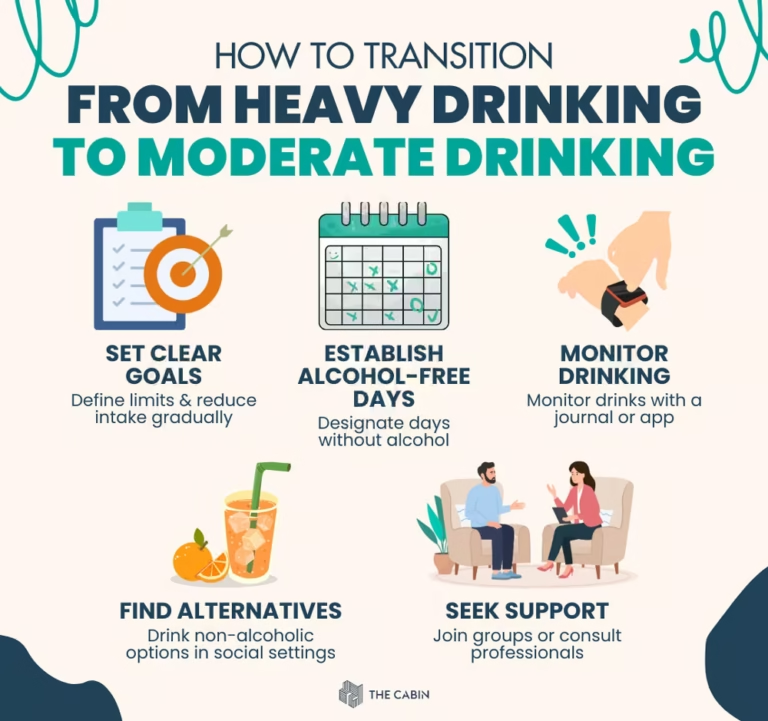
To Transition from Heavy Drinking to Moderate Drinking, follow the five steps listed below.
- Set Clear Goals. Define specific limits for alcohol consumption and track the progress regularly. Gradually reduce the amount of alcohol consumed each week to move towards moderate drinking habits. It will help manage and reduce heavy drinking over time.
- Monitor Drinking. Keep track of every drink to stay aware of your alcohol intake. Use a journal or app to log the consumption and ensure that it stays within the moderate range. Being conscious of drinking helps control heavy drinking tendencies.
- Establish Alcohol-Free Days. Designate certain days of the week as alcohol-free to help reduce dependency and avoid falling back into heavy drinking patterns. These breaks will give the body time to recover and help maintain moderation.
- Seek Support. Consider joining a support group or speaking with a professional if you find it challenging to transition to moderate drinking. Support from others can assist in managing the psychological and physical aspects of heavy drinking.
- Find Alternatives. Substitute alcohol with healthier options, such as non-alcoholic beverages, when socializing or in situations where drinking is common. It reduces the temptation to overconsume and supports the goal of moderate drinking.
What is the Difference between Moderate Drinking to Binge Drinking?
The difference between moderate drinking and binge drinking is the amount and frequency of alcohol consumed. Moderate drinking involves consuming alcohol in small, controlled amounts up to one drink per day for women and two drinks per day for men. It is done regularly and within established limits to minimize health risks.
Binge Drinking is consuming large quantities of alcohol in a short period, five or more drinks for men and four or more drinks for women within about two hours. Binge drinking leads to intoxication, impaired judgment, and increased risk of accidents or health problems. The key difference lies in the volume consumed and the rapid intake associated with binge drinking, compared to the controlled and moderate approach of moderate drinking.
Looking for Alcohol Treatment? We’re Here to Help
If you’re worried about the damage alcohol is causing to your body and are ready to make a change, we’re here to support you. Our free evaluation call can help you understand your options.
At The Cabin Chiang Mai, Asia’s leading rehab clinic in northern Thailand, offers affordable and comprehensive treatment compared to many in the Western world. Just contact us today, and we will respond within 24 hours.
Begin Your Path to Recovery
For Healthcare Professionals Referring Clients
We collaborate with healthcare providers, including GPs, psychiatrists, psychologists, counsellors, and case managers, to ensure seamless referrals. If you wish to refer a client or patient, please connect with us via email, phone, or our online contact form; we’re here to help guide your clients on their path to recovery.
For Individuals Seeking Treatment
At the Cabin, treatment is more than addressing addiction or mental health challenges — it’s an opportunity to embark on a profound journey of self-care discovery and personal growth. Our holistic approach nurtures lasting change and a healthier, more fulfilled life.
For Loved Ones Seeking Support
The Cabin offers specialized care that tackles both addiction and related mental health concerns. We create a compassionate environment where loved ones can find the healing and support they need to rebuild their lives and move forward with confidence.