Binge drinking is excessive alcohol consumption in a short period. Binge drinking is equivalent to five or more drinks for men and four or more for women within two hours. The binge drinking definition or the “binging meaning” describes the concept of seeking quick intoxication. Alcoholism is the medical term for Alcohol Use Disorder (AUD) caused by alcohol’s continuous adverse effects on the immune system, liver, heart, and brain. AUD is characterized by intense cravings, repetitive unsuccessful efforts to reduce consumption, and continued use despite the adverse effects of alcohol on relationships, everyday functioning, and physical health.
Treatments for binge drinking include behavioral therapy, motivational interviewing, peer support groups, and education. Rehabilitation provides an organized setting with medical supervision for withdrawal management, individual and group therapy such as cognitive-behavioral and 12-step programs, relapse prevention planning, and aftercare. The comprehensive strategy assists individuals in achieving lasting recovery by addressing physical reliance and underlying emotional issues. Binge drinking is defined as having five or more drinks per session, according to the study posted in “Global scientific research landscape on binge drinking: a comprehensive bibliometric and visualization analysis of trends, collaborations, and future directions” by Sa’ed H. Zyoud, dated 2025.
What is Binge Drinking?
Binge drinking is associated with alcoholism (alcohol use disorder or alcohol dependence), which leads to chronic alcohol use. Alcohol use disorder is distinguished by a physical and psychological dependence on alcohol, which is prone to develop in individuals who binge drink. The essential role of early intervention is to prevent the progression from occasional drinking to chronic dependency. Binge drinking is one of the Types of Alcohol Drinking Patterns, which is risky because it produces an immediate and lasting impact. Significant downsides include a higher risk of accidents, injuries, and assault as a result of poor judgment. High alcohol consumption, in the long run, leads to health implications (liver damage, cardiovascular issues, and mental impairment). Alcohol dependence causes social problems, neglect, relationships, academic or professional performance, and financial stability. Recovery initiatives are more complex, which increases the risk of mental health conditions, including anxiety and depression.
What Causes Binge Drinking?
The causes of binge drinking are a combination of social, psychological, and biological factors that influence a person’s relationship with alcohol. Social situations are essential in places (parties, college campuses, or get-togethers) where peer pressure encourages binge drinking, and excessive alcohol consumption is typical. The target market of the alcohol industry and the cultural acceptability of alcohol consumption are presented as stress-relieving or socially connecting activities. Psychological issues (stress, worry, despair, or a desire to escape personal problems) cause individuals to binge, using alcohol as a temporary comfort. Low self-esteem and poor impulse control are contributing factors. Binge drinking is prone to develop biological and genetic predispositions (family history of alcoholism or alcohol use disorder). Alcohol’s accessibility and cost worsen the problem, allowing individuals to consume too much without considering the impact on their health.
Why do People Engage in Binge Drinking?
People engage in binge drinking because they underestimate the effects of alcohol, they want to fit in with their friends, or they need to deal with stress or worry. Binge drinking is risky because it causes immediate injury from accidents, alcohol poisoning, and long-term illnesses, including liver disease, cancer, heart problems, and deteriorated mental health. Emotional factors (stress, worry, or loneliness) are common causes of too much alcohol consumption. Individuals are doing it to unwind or to reduce their inhibitions and feel more comfortable in interactions with others. Peer pressure is an essential consideration for young adults who drink to fit in or because they believe it’s cool to drink with their friends regularly. Binge drinking results from curiosity about the effects of alcohol use.
How many drinks count as Binge Drinking?
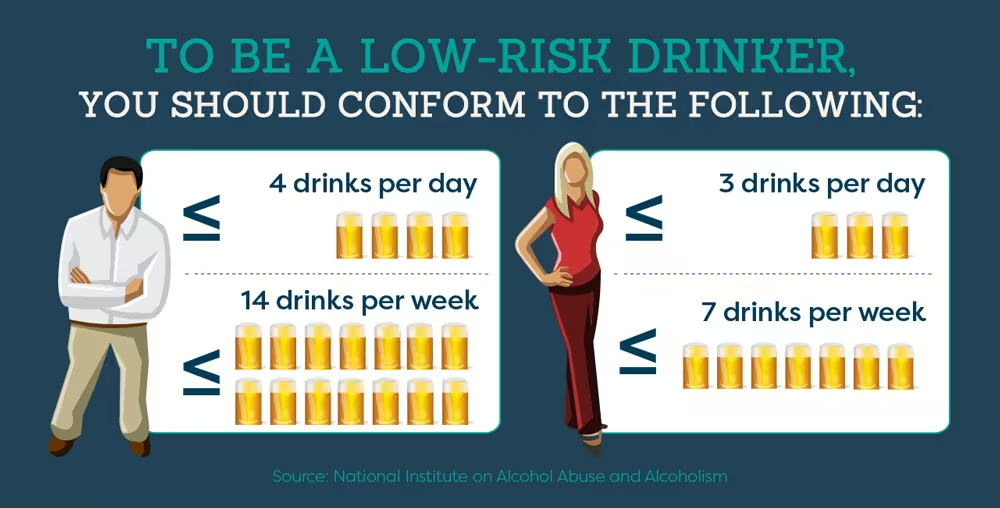
The number of drinks that count as binge drinking is five or more for men and at least four for women, consumed within about two hours, leading to a blood alcohol concentration of 0.08 g/dL or higher. The amount is enough to increase the blood alcohol concentration to 0.08% or higher. A single drink contains around 12 ounces of beer, 5 ounces of wine, or 1.5 ounces of hard liquor. Binge drinking is dangerous and has serious repercussions. Binge drinking causes acute alcohol poisoning, coma, or worse, death. The impairment of judgment or coordination increases the chances of accidents, including falls and car crashes.
Who is Most at Risk for Binge Drinking?
The most at risk for binge drinking are men and young adults. Binge drinkers are primarily individuals with higher incomes and education, and this can affect both men and women. Individuals binge drink for various reasons, including stress, social acceptance, or a dangerous underestimation of the effects of alcohol. This results in immediate dangers from accidents, alcohol poisoning, and long-term health issues like liver disease, cancer, heart problems, and deteriorated mental health.
Individuals use binge drinking as a coping mechanism for stress, anxiety, or loneliness. Alcohol lowers inhibitions, which helps some people unwind or feel more confident in social situations. Peer pressure has a significant impact on such actions, especially for younger individuals who drink to fit in or because they have false beliefs about their friends’ drinking patterns. The curiosity about the effects of alcohol sometimes leads to too much consumption.
What are the Signs of a Binge Drinking Problem?
Signs of a binge drinking problem are listed below.
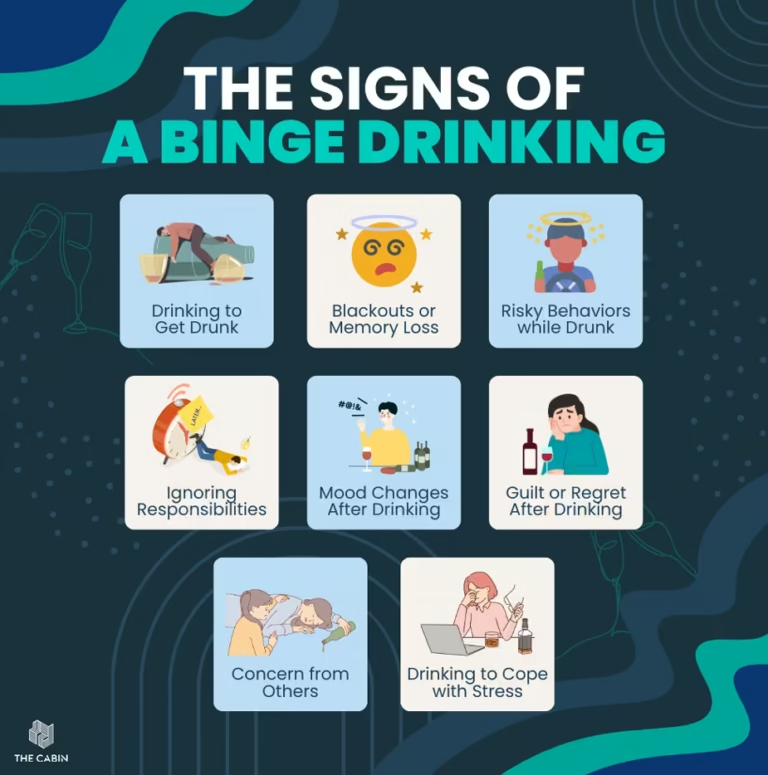
- Drinking to Get Drunk: The intention to achieve intoxication, not moderate enjoyment, is shown by it. Seeking intoxication bypasses moderation and raises the danger of accidents, physical injury, or alcoholism.
- Blackouts or Memory Loss: Memory loss or blackouts occur when rapid consumption prevents the brain from forming long-term memories, according to “Alcohol-induced blackouts: A review of recent clinical research with practical implications and recommendations for future studies” by Reagan R Wetherill and Kim Fromme dated 2016.
- Risky Behaviors while Drunk: The signs of binge-level alcohol use include decreased judgment and inhibition, which are demonstrated by hazardous behaviors (intoxicated driving, unprotected sex, and aggressiveness).
- Ignoring Responsibilities: A classic indicator of dangerous binge behavior is when someone skips work, school, or family commitments after drinking, indicating that alcohol is the priority.
- Mood Changes After Drinking: The emotional instability brought on by excessive alcohol use is manifested by mood swings that vary from happiness to anger, despair, or worry.
- Guilt or Regret After Drinking: An internal understanding that one’s actions went beyond healthy boundaries is indicated by feelings of regret or shame after occurrences.
- Concern from Others: It shows that binge drinking has become evident and troublesome when friends or family voice concerns about someone’s drinking.
- Using Alcohol to Cope with Stress: Using alcohol to cope with emotions is a sign of self-medication. The research found that students who drank in response to stress had a greater chance of developing alcohol-related problems later in college. The research was according to “Stress and Binge Drinking: A Daily Process Examination of Stressor Pile-up and Socioeconomic Status in Affect Regulation” by Joseph G Grzywacz and David M Almeida, dated 2008.
How is Binge Drinking Diagnosed?
Binge drinking is diagnosed by using a structured evaluation that looks at alcohol intake behaviors and their effects on health and daily life. Healthcare providers detect episodes that fit the definition of binge drinking, which is defined as four or more drinks for women and five or more for males within two hours, by assessing drinking patterns to ascertain how often and how much alcohol is drunk as time passes. Using the AUDIT (Alcohol Use Disorders Identification Test) or CAGE questionnaire, screen for alcohol usage and check the risky behavior or health impact of developing an alcohol use disorder. The approach includes screening for dangerous behavior or health impacts, wherein physicians search for indicators like memory loss, mishaps, strained relationships, or physical symptoms associated with alcohol’s effects. Blood alcohol concentration (BAC) testing, which provides instant proof of drunkenness, is carried out if recent drinking has taken place. Early identification of bingeing meaning in a patient’s behavior is made easier by a comprehensive approach, which aids in directing interventions to stop the development of alcohol dependence.
Is Binge Drinking Dangerous?
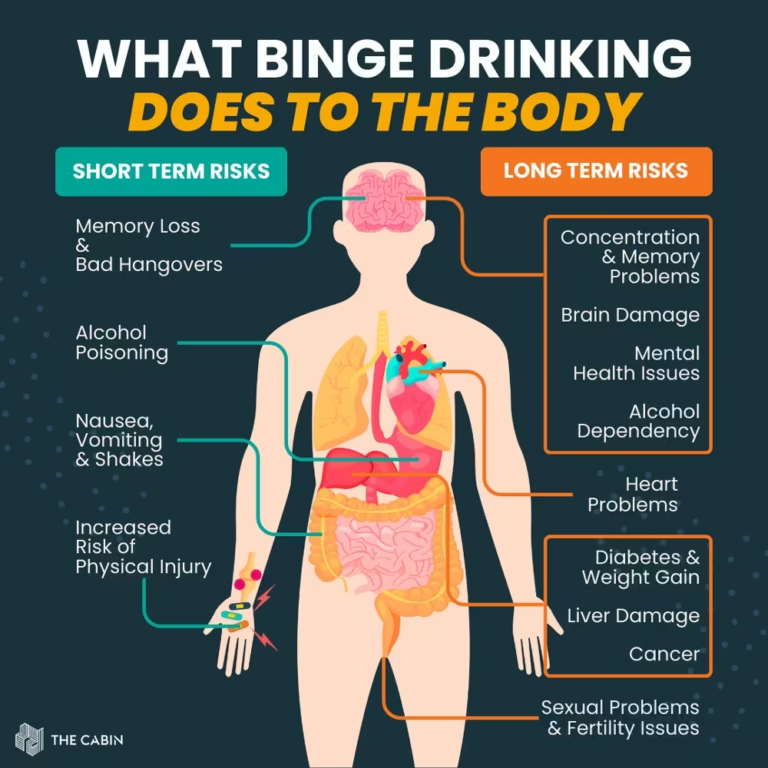
Yes, binge drinking is dangerous as it damages the brain and body, raising the risk of incidents, injuries, alcohol poisoning, and fatalities. Heavy drinking makes individuals vulnerable to violence and risky behavior, and it causes blackouts, in which one fails to recall what happened. The drinking pattern causes severe damage to organs, leading to disorders (cirrhosis). A compromised immune system, high blood pressure, heart disease, and certain types of cancer are increased risks. The form of alcoholism increases mental health problems (anxiety and depression) and has a poor influence on memory and thinking. Heavy drinking is risky and harmful to an individual’s life and health. Life-threatening effects result from acute injuries, alcohol poisoning, and long-term medical disorders or severe mental health issues. Binge drinking is when individuals drink a large amount of alcohol in a short period, which produces lasting medical challenges and immediate threats. Consuming four or more drinks in two hours for ladies, or five or more for men, is considered heavy drinking.
What are the Effects of Binge Drinking?
The effects of binge drinking are listed below.
- Physical Effects of Binge Drinking: Having frequent binge episodes increases the risk of accidents and damages essential organs, according to “Binge Drinking’s Effects on the Body” by Patricia E Molina and Steve Nelson, dated 2018. A single binge causes severe pancreatitis and weakens the immune system. The repeated consumption of alcohol increases liver damage, advances steatosis to steatohepatitis, and raises blood pressure, which increases the risk of a heart attack or stroke. For example, hospitalization for acute alcohol intoxication or injuries from falls brought on by poor balance.
- Psychological Effects of Binge Drinking: Excessive alcohol use alters brain chemistry, resulting in impulsivity, anxiety, sadness, mood swings, and cognitive deterioration. Young adults who binge drink often have increased impulsivity, poor emotional development, and low memory retention. For example, unexpected angry outbursts after drinking or difficulties recalling events while intoxicated.
- Social and Relationship Impacts of Binge Drinking: Binge drinking damages relationships with family, friends, and coworkers. Individuals may fail to meet employment or academic obligations, ignore responsibilities, or act irresponsibly (driving under the influence or indulging in unprotected sex). Conflict and social exclusion are the results. For example, arguments are driven by drinking or damaged relationships as a result of habitual flakiness.
How to Prevent Binge Drinking?
To prevent binge drinking, follow the seven steps. First, set personal drinking limits. Setting explicit guidelines on the number of drinks may help, and refraining from going overboard at social gatherings. Second, select alcohol-free days. Setting aside particular days of the week to abstain from drinking and allow the body to rest. Third, stay away from high-risk situations. Avoid situations or social circles that promote binge drinking or excessive drinking. Fourth, apply stress-reduction strategies. Avoid drinking by managing stress with constructive coping mechanisms (exercise, meditation, or hobbies). Fifth, drink plenty of water and eat before drinking. Eating a meal before consuming alcohol and drinking water in between reduces the absorption of alcohol and lessens the temptation to binge. Sixth, embrace a supportive environment. Spend time with loved ones who accept the decision to either entirely or moderately abstain from alcohol. Lastly, learn about the risks. Knowing about the physical, mental, and social effects of binge drinking may help individuals stay committed to healthy practices.
What are the Treatment Options for Binge Drinking?
The treatment options for binge drinking are listed below.
- Counselling or Therapy: The underlying psychological and emotional factors that lead to binge drinking are addressed by behavioral therapies and individual psychotherapy. Cognitive behavioral therapy (CBT) promotes long-lasting behavior change and develops better coping skills.
- Support Groups: Alcoholics Anonymous (AA) and other group-based programs offer accountability, shared experiences, and peer support. The groups promote continuing recovery and lessen feelings of loneliness during the process of recovering from alcoholism.
- Medical Withdrawal: Safe management of withdrawal symptoms is facilitated by supervised medical withdrawal. Healthcare providers monitor vital signs and offer therapies to prevent difficulties during the initial phase of abstaining from alcohol use.
- Medication: Medical professionals may recommend a prescription (disulfiram, acamprosate, or naltrexone) to curb cravings, stop relapses, and prevent the enjoyable effects of alcohol. The medication alternatives assist individuals in staying abstinent.
- Rehab Programs: Inpatient or outpatient rehabilitation programs provide comprehensive care that includes medical supervision, therapy, education, and relapse prevention plans. Rehab offers safe environments that are perfect for treating co-occurring mental health conditions and ending the cycle of excessive drinking.
- Lifestyle Changes and Healthy Coping Strategies: Alcohol-focused routines must be replaced with healthy habits that promote abstinence by embracing hobbies, mindfulness exercises, a balanced diet, and frequent exercise.
- Family or Peer Support for Accountability: Involving family members or trusted friends gives emotional support and establishes a network of accountability, boosting the chances of fast recovery while preventing recurrence.
How Effective is Rehab for Binge Drinkers?
Rehab is 40% to 60% effective for binge drinking, as it works well and provides a controlled environment that aids in overcoming problematic alcohol use and pursuing long-term recovery. Inpatient rehab combined with comprehensive continuous and structured intensive outpatient treatment improves the rate of effectiveness to 90%. The programs offer evidence-based therapies that are customized to meet the needs of each patient. Rehab clinics provide a range of evidence-based treatments to help people deal with Alcohol Use Disorder (AUD), which includes binge drinking. Treatments that are utilized either alone or in combination to maximize patient choice and outcomes include mutual support groups, FDA-approved medications, and behavioral health therapy.

Brief interventions and medication in basic care are used to treat less severe AUD, but licensed professional therapy is beneficial for severe instances or individuals with co-occurring mental health conditions. Secular alternatives, or mutual support organizations (Alcoholics Anonymous), are helpful if patients participate actively. Rehab programs assist by helping patients through withdrawal management to stop drinking safely. They offer therapy (cognitive behavioral therapy) to help patients learn coping mechanisms and identify what triggers them to seek alcohol. Drugs are used to lessen appetites or make drinking disagreeable. Rehab assists patients in making plans for long-term recovery through aftercare.

What are the Key Statistics about Binge Drinking?
The key statistics of binge drinking show preteens and teens have a 2% to 10.2% rate, young adults (18 to 25 years old) have 27.9% to 46.3%, and older adults (65 years old and up) have 12%, according to the 2023 National Survey on Drug Use and Health (NSDUH). Individuals consume more than the usual threshold, twice as much, and others drink regularly. “High-intensity” binge drinking is prevalent among young adults. The practice of consuming large amounts of alcohol rapidly, five or more drinks for males and four or more for women, elevates blood alcohol levels. Binge drinking’s frequency and volume are higher than expected. The figures emphasize the continuous heavy drinking and its association with serious health risks, monetary losses, and avoidable fatalities. Early detection and practical actions are required to diminish its high prevalence and related risks.
What Type of Alcoholic can Binge Drinkers become over time?
The type of alcoholic who can become a binge drinker is a functional alcoholic. The severity of dependence influences the progression from binge drinking to alcoholism, individual beliefs about controlled drinking versus abstinence, psychological and social stability, and family history of drinking. Heavy drinking episodes result in functional alcoholism, a condition in which individuals conceal increasing alcohol dependence while fulfilling social and professional commitments. Individuals who start binge drinking in social situations and increase the frequency and amount of their drinking begin to demonstrate it.
Genetic variables and a family history of alcohol use disorder cause some individuals to develop into intermediate familial alcoholics. Individuals have the potential to develop into young antisocial alcoholics if binge drinking begins early in life and is paired with dangerous behaviors, poor impulse control, or coexisting mental health disorders. Binge drinkers evolve into Types of Alcoholics when their drinking habits worsen and dependency develops. Binge drinking escalates from occasional overindulgence to chronic alcohol dependence, increasing the risk of organ damage, strained relationships, and fatal illnesses. The worst stage of alcoholism is chronic severe, characterized by intense cravings for liquor, withdrawal symptoms, and severe physical and mental health consequences.
Can Binge Drinking Cause Alcohol Poisoning?
Yes, binge drinking can cause alcohol poisoning. Alcohol metabolizes too quickly for the body to handle if consumed in excessive quantities. The bloodstream becomes extremely high after drinking alcohol, which stops vital functions in the body. Alcohol-related poisoning manifests as fainting, nausea, dyspnea, and confusion. If individuals experience symptoms after drinking, they need to be treated immediately because they indicate a medical emergency.
What is the Difference between Binge Drinking and Alcoholic Addiction?
The difference between binge drinking and alcohol addiction is in their patterns and the level of dependence, but they are associated with each other. Binge drinking (too much alcohol consumption) is the quick consumption of multiple drinks and five or more drinks for men and four for women within two hours. Alcoholic addiction refers to a reliance on alcohol. Alcohol Use Disorder (AUD) indicates alcohol dependence, which is common among youth and leads to health issues and increases the risk of developing it later. Individuals who tend to drink every day increase their alcohol intake after periods of sobriety. An “alcoholic addiction” involves a consistent and pervasive pattern of drinking.
Looking for Alcohol Treatment? We’re Here to Help
If you’re worried about the effects of alcohol on your body and are ready to make a change, we can help. The Cabin Chiang Mai is Asia’s respected rehab centre, providing a safe space to support you through early recovery phase and cravings. Contact us today for a free evaluation and start your journey toward a healthier life.
Begin Your Path to Recovery
For Healthcare Professionals Referring Clients
We collaborate with healthcare providers, including GPs, psychiatrists, psychologists, counsellors, and case managers, to ensure seamless referrals. If you wish to refer a client or patient, please connect with us via email, phone, or our online contact form; we’re here to help guide your clients on their path to recovery.
For Individuals Seeking Treatment
At the Cabin, treatment is more than addressing addiction or mental health challenges — it’s an opportunity to embark on a profound journey of self-care discovery and personal growth. Our holistic approach nurtures lasting change and a healthier, more fulfilled life.
For Loved Ones Seeking Support
The Cabin offers specialized care that tackles both addiction and related mental health concerns. We create a compassionate environment where loved ones can find the healing and support they need to rebuild their lives and move forward with confidence.