No, you cannot drink on Tylenol, as combining alcohol with the medication increases the risk of liver damage. When the liver processes alcohol and acetaminophen together, this places additional strain on the liver. A person’s current health condition determines the level of risk associated with alcohol consumption while taking Tylenol. Individuals diagnosed with liver disease must avoid alcohol entirely during treatment with acetaminophen to prevent severe hepatic injury. Dosage strength also influences the outcome, as higher doses of Tylenol significantly elevate the probability of liver damage when combined with alcohol.
The amount and type of alcohol consumed matter. Significant amounts or binge drinking, may worsen the risk of harmful interactions. Spacing out the time between alcohol consumption and taking Tylenol may reduce the risk. However, the safest approach is to avoid drinking while taking Tylenol. Doctors recommend avoiding alcohol while using Tylenol. Tylenol requires caution with alcohol, as even limited intake can cause adverse symptoms such as stomach pain or jaundice. Consulting a healthcare provider remains the safest approach, by having discussions around Drinking Alcohol when taking Tylenol
Can I drink alcohol after taking Tylenol 500 mg?
No, it’s safer to refrain from drinking on Tylenol due to the potential risk to liver health. Drinking alcohol on Tylenol must be done with extreme caution and under medical supervision. Drinking alcohol while taking medication delays the healing process and weakens the immune response. Alcohol consumption dehydrates the body, disrupts sleep quality, and reduces the effectiveness of medications. Alcohol consumption can hinder recovery from illness, especially in cases involving Tylenol and alcohol. Drinking alcohol on Tylenol should be done with extreme caution and only under medical supervision
What Happens if You Mix Tylenol and Alcohol?
Mixing Tylenol and alcohol causes significant stress on the liver and increases the risk of liver damage. Even though alcohol does not interfere with Tylenol’s pain-relieving effects, the combination of Tylenol with alcohol increases the risk of liver damage. This is especially concerning with frequent or heavy drinkers. Tylenol leads to liver toxicity when the liver is overwhelmed, making it harder for the body to process the medication effectively.
Is it bad to drink alcohol on Tylenol?
Yes, drinking alcohol on Tylenol increases the risks of liver damage and hepatotoxicity. Tylenol with alcohol leads to dangerous liver complications.The combination also raises the likelihood of acute liver failure when drinking alcohol on Tylenol. Combining Tylenol with alcohol significantly increases the risk of liver toxicity, according to The Risk of Liver Damage from Alcohol and Acetaminophen Combination, by Dr. Allen, published in 2019. The research emphasized the heightened danger of liver damage when acetaminophen and alcohol are consumed together.
How does Alcohol Affect Acetaminophen in the Body?
Alcohol affects acetaminophen in the body by undergoing primary metabolism in the liver, where both substances compete for enzymatic processing. Acetaminophen competition increases the production of toxic byproducts, elevates the risk of liver injury, and reduces the liver’s ability to clear harmful compounds efficiently. Alcohol increases the activity of cytochrome P450 2E1, which accelerates the conversion of acetaminophen into N-acetyl-p-benzoquinone imine, a toxic metabolite that damages liver cells. Chronic alcohol intake depletes hepatic glutathione, which reduces the body’s ability to neutralise the metabolite. Acute alcohol consumption slows gastric emptying, delaying acetaminophen absorption and altering peak plasma concentrations. High doses combined with alcohol significantly raise the risk of hepatotoxicity.
Prolonged exposure to alcohol and acetaminophen elevates oxidative stress and inflammation in liver tissue, according to Alcohol-Acetaminophen Syndrome, by Whitcomb and Block, published in The New England Journal of Medicine, 1994. Repeated concurrent intake leads to irreversible liver injury and, in severe cases, acute liver failure. Understanding the mechanism of Tylenol and alcohol interaction helps in recognising the heightened risk of hepatic toxicity.
Does Alcohol Reduce or Increase the Risk of Tylenol-Related Liver Damage?
Yes, alcohol increases the risk of Tylenol-related liver damage. Metabolism of alcoholic beverages induces cytochrome P450 2E1 activity, producing higher amounts of N-acetyl-p-benzoquinone imine, the toxic metabolite of acetaminophen. Consumption of ethanol depletes hepatic glutathione may reduce the body’s capacity to neutralise the metabolite. Intake of alcoholic substances during chronic use of acetaminophen amplifies oxidative stress and hepatocyte injury.
Does Alcohol Make Tylenol Less Effective?
No, alcohol does not reduce the analgesic effect of acetaminophen. Alcohol alters the drug’s pharmacokinetics by slowing gastric emptying, which delays acetaminophen absorption. Alcohol’s primary effect relates to toxicity rather than pain relief. Alcohol consumption, even in moderate amounts, increases the risk of hepatotoxicity when combined with acetaminophen. This tends to be common with long-term alcohol users, according to Alcohol-acetaminophen syndrome – Even moderate social drinkers are at risk, by Peter Draganov, Hugh Durrence, Christopher Cox, and Adrian Reuben, published in Postgraduate Medicine, February 2000. Case reports and biochemical evidence demonstrated that prolonged alcohol exposure intensifies the harmful effects of the Tylenol and alcohol interaction.
How Much Alcohol Can You Safely Drink with Tylenol?
No safe amount of alcohol exists when taking Tylenol. Alcohol metabolism increases cytochrome P450 2E1 activity, which elevates the production of N-acetyl-p-benzoquinone imine, a toxic acetaminophen metabolite. Alcohol intake depletes hepatic glutathione reserves, reducing the body’s capacity to neutralise the metabolite and increasing the risk of hepatotoxicity. Moderate drinking levels, defined as more than one drink per day for women or more than two drinks per day for men, raise the likelihood of liver injury during acetaminophen use. Chronic alcohol consumers experience higher rates of acute liver failure from combined use. Alcohol consumption, even in moderate amounts, increases the risk of hepatotoxicity when combined with acetaminophen, especially in long-term alcohol users, according to Alcohol-acetaminophen syndrome – Even moderate social drinkers are at risk, by Peter Draganov, Hugh Durrence, Christopher Cox, and Adrian Reuben, published in Postgraduate Medicine, February 2000.
Is it better to avoid alcohol when taking Tylenol?
Yes, it is better to avoid alcohol when taking Tylenol. Avoiding alcohol during acetaminophen use prevents additional strain on liver metabolism and reduces the risk of toxic metabolite accumulation.
Does Alcohol Addiction Increase the Risks of Taking Tylenol?
Yes, alcohol addiction increases the risk of taking Tylenol. Chronic alcohol intake elevates cytochrome P450 2E1 activity, which accelerates the conversion of acetaminophen into the toxic metabolite N-acetyl-p-benzoquinone imine. Long-term alcohol use depletes hepatic glutathione, lowering the body’s ability to cleanse the metabolite and intensifying oxidative stress in liver cells. Continuous liver strain from alcohol consumption combined with acetaminophen metabolism raises the probability of severe hepatotoxicity.
Alcohol addiction causes persistent metabolic alterations that heighten liver vulnerability to damage, even from therapeutic doses of acetaminophen. Regular exposure to ethanol amplifies inflammatory responses in hepatic tissue, which increases the risk of acute liver failure. Severe complications from concurrent use are more likely in individuals who are experiencing alcohol addiction.
Is Beginning Recovery from Alcohol before Taking Tylenol?
Yes, alcohol early recovery phase is essential before taking Tylenol. Chronic alcohol intake increases cytochrome P450 2E1 activity, which accelerates the formation of N-acetyl-p-benzoquinone imine, a harmful metabolite of acetaminophen. Persistent alcohol use depletes hepatic glutathione levels, reducing the liver’s capacity to neutralise the metabolite. Elevated oxidative stress and inflammation in liver tissue occur when alcohol is present during acetaminophen metabolism.

Alcohol early recovery phase lowers the risk of severe hepatotoxicity by restoring enzyme balance and replenishing antioxidant defences in the liver. Eliminating ethanol exposure before acetaminophen use allows the liver to process the drug more safely. Recovery steps that include alcohol early recovery phase often achieve greater protection against toxic metabolite buildup.
How do Different Alcohol Types Interact with Tylenol?
Different alcohol types interact with Tylenol through varying alcohol content and distinct chemical compositions that influence liver metabolism. Beer delivers ethanol in lower concentrations, but in higher volumes. This sustains prolonged ethanol presence and extends cytochrome P450 2E1 activation. Wine contains polyphenols and moderate ethanol levels, which combine with acetaminophen metabolism to maintain oxidative stress in hepatocytes. Spirits, vodka, whiskey, and rum deliver high ethanol concentrations, which rapidly induce toxic metabolite production and overwhelm early recovery.
Fortified wines and liquors contain concentrated ethanol and additional sugars, which further burden hepatic processing during acetaminophen metabolism. Mixed alcoholic beverages introduce artificial flavourings, colourants, and other additives that require separate enzymatic breakdown, intensifying metabolic load on the liver. Higher ethanol concentrations accelerate hepatotoxicity by improving toxic metabolite formation, according to “Alcohol-Acetaminophen Syndrome” by Whitcomb and Block, published in The New England Journal of Medicine in 1994. Greater severity of liver injury occurs when stronger alcohol types are consumed near acetaminophen intake, increasing the dangers of Tylenol and alcohol interaction.
Can you Drink Beer While Taking Tylenol?
No, you cannot drink beer while taking Tylenol. Drinking beer while taking Tylenol increases the risk of liver damage. Beer contains ethanol, which activates cytochrome P450 2E1, leading to greater production of N-acetyl-p-benzoquinone imine, the toxic metabolite of acetaminophen. Beer consumption prolongs ethanol presence in the bloodstream due to its volume, sustaining liver enzyme induction and extending the period of metabolite formation.
Beer intake during acetaminophen metabolism reduces hepatic glutathione levels, weakening the liver’s ability to neutralise toxic byproducts. Prolonged oxidative stress in liver cells heightens the probability of hepatotoxicity. Ethanol exposure significantly increases liver injury severity during acetaminophen use. The combination of ethanol from beer and acetaminophen metabolism produces harmful effects, confirming the dangers of Tylenol and beer being used together, according to Alcohol-Acetaminophen Syndrome, by Whitcomb and Block, published in The New England Journal of Medicine in 1994.
Can you Drink Wine with Tylenol?
No, you cannot drink wine while taking Tylenol. Drinking wine with Tylenol increases the risk of liver injury. Wine contains ethanol, which stimulates cytochrome P450 2E1 activity, leading to increased production of N-acetyl-p-benzoquinone imine, the toxic metabolite of acetaminophen. Wine ingestion prolongs ethanol exposure due to moderate alcohol concentration combined with sustained consumption patterns, which extends the period of toxic metabolite formation.
Wine intake during acetaminophen metabolism depletes hepatic glutathione reserves, reducing the liver’s ability to neutralize harmful byproducts. Polyphenols in wine create additional metabolic demands, adding strain to hepatic processing functions. Ethanol ingestion significantly increases the likelihood and severity of hepatotoxicity from acetaminophen, according to “Alcohol-Acetaminophen Syndrome” by Whitcomb and Block, published in The New England Journal of Medicine in 1994. The combination of ethanol from wine and acetaminophen metabolism presents a high-risk scenario, confirming the harmful effects of using Tylenol and wine together.
What are the Side Effects of Mixing Tylenol and Alcohol?
The side effects of mixing Tylenol and alcohol are listed below.
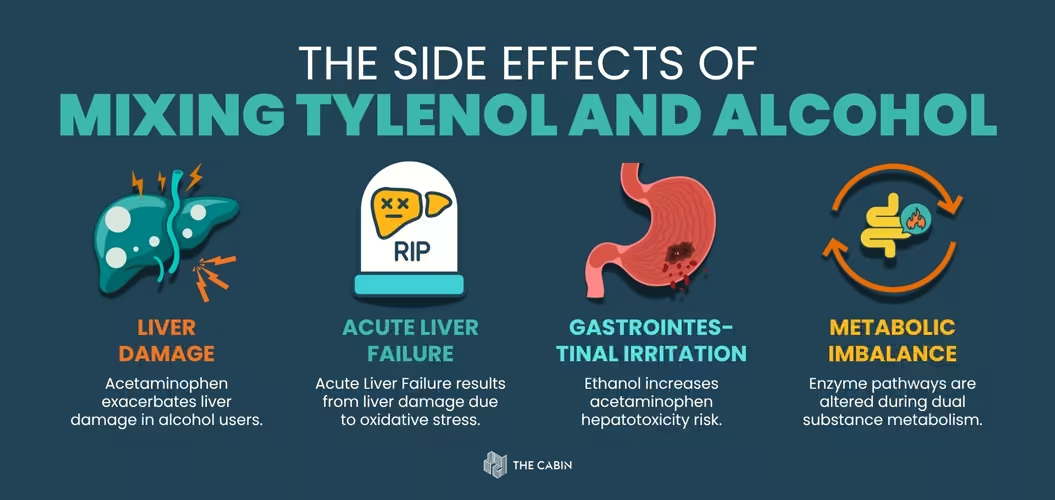
- Liver Damage: Occurs due to elevated production of N-acetyl-p-benzoquinone imine, a toxic metabolite of acetaminophen, which accumulates faster in the presence of ethanol. Alcohol consumption, even in moderate amounts, increases the risk of hepatotoxicity when combined with acetaminophen, especially in long-term alcohol users, according to Alcohol-acetaminophen syndrome – Even moderate social drinkers are at risk, by Peter Draganov, Hugh Durrence, Christopher Cox, and Adrian Reuben, published in Postgraduate Medicine, February 2000.
- Acute Liver Failure: Develops when extensive hepatocyte necrosis results from combined oxidative stress and depleted glutathione reserves. Alcohol consumption, even in moderate amounts, increases the risk of hepatotoxicity when combined with acetaminophen, especially in long-term alcohol users, according to Alcohol-acetaminophen syndrome – Even moderate social drinkers are at risk, by Peter Draganov, Hugh Durrence, Christopher Cox, and Adrian Reuben, published in Postgraduate Medicine, February 2000.
- Gastrointestinal Irritation: Arises from ethanol-induced mucosal inflammation compounded by acetaminophen’s mild gastric effects. Alcohol consumption, even in moderate amounts, increases the risk of hepatotoxicity when combined with acetaminophen, especially in long-term alcohol users, according to Alcohol-acetaminophen syndrome – Even moderate social drinkers are at risk, by Peter Draganov, Hugh Durrence, Christopher Cox, and Adrian Reuben, published in Postgraduate Medicine, February 2000.
- Metabolic Imbalance: Occurs through increased oxidative reactions and altered enzyme pathways during dual substance metabolism. Alcohol consumption, even in moderate amounts, increases the risk of hepatotoxicity when combined with acetaminophen, especially in long-term alcohol users, according to Alcohol-acetaminophen syndrome – Even moderate social drinkers are at risk, by Peter Draganov, Hugh Durrence, Christopher Cox, and Adrian Reuben, published in Postgraduate Medicine, February 2000.
How Does Alcohol Worsen the Side Effects of Tylenol?
Alcohol worsens the side effects of Tylenol by accelerating the production of N-acetyl-p-benzoquinone imine, the toxic metabolite of acetaminophen. Alcohol ingestion activates cytochrome P450 2E1, which increases the rate of acetaminophen conversion into a harmful compound. Alcohol use depletes hepatic glutathione levels, reducing the liver’s ability to neutralize toxic byproducts. Prolonged oxidative stress from combined exposure heightens the risk of hepatocellular injury, gastrointestinal irritation, and metabolic disruption.
Mixing alcohol with Tylenol increases the risks of side effects due to the combined metabolic burden placed on the liver. Ethanol metabolism competes with acetaminophen processing, causing accumulation of harmful intermediates that damage hepatocytes. Ethanol ingestion significantly increases the severity of hepatotoxicity during acetaminophen use. “Alcohol-Acetaminophen Syndrome” by Whitcomb and Block, published in The New England Journal of Medicine in 1994. The research examined biochemical pathways and clinical cases showing that concurrent exposure leads to higher rates of acute liver failure.
Why are the Side Effects Worse When Drinking Alcohol with a Higher Dose of Tylenol?
Side effects are worse when drinking alcohol with a higher dose of Tylenol because elevated acetaminophen levels produce more N-acetyl-p-benzoquinone imine. This is a toxic metabolite responsible for liver injury. Alcohol intake stimulates cytochrome P450 2E1 activity, which accelerates the conversion of acetaminophen into the harmful compound. Higher acetaminophen doses overwhelm early recovery, especially when alcohol has already depleted glutathione reserves. The combination intensifies liver strain, resulting in greater hepatocellular damage.
Greater acetaminophen doses with alcohol increase the severity of symptoms (nausea, dizziness, and gastrointestinal discomfort) compared to lower doses. High-dose exposure compounds metabolic stress, which prolongs toxin circulation and disrupts fluid balance, raising the risk of dehydration. Higher quantities consumed alongside ethanol lead to faster onset and greater severity of hepatotoxicity. “Alcohol-Acetaminophen Syndrome” by Whitcomb and Block, published in The New England Journal of Medicine in 1994, analysed clinical cases and biochemical pathways showing that combined high-dose acetaminophen and alcohol exposure produces more dangerous outcomes than lower-dose combinations.
Can You Drink Alcohol with Tylenol DM or Maximum Strength?
No, drinking alcohol with Tylenol DM or Maximum Strength increases the risk of severe liver injury. Tylenol DM contains acetaminophen and dextromethorphan. While Maximum Strength formulas contain higher acetaminophen concentrations. Alcohol stimulates cytochrome P450 2E1 activity, which increases the production of N-acetyl-p-benzoquinone imine, the toxic metabolite of acetaminophen. Higher drug concentrations combined with ethanol accelerate toxic buildup and deplete hepatic glutathione, weakening the liver’s defence system.
Alcohol ingestion with Tylenol DM or Maximum Strength raises the likelihood of central nervous system depression due to the sedative effects of dextromethorphan and ethanol. Increased sedation heightens the risk of dizziness, impaired coordination, and respiratory depression. High acetaminophen doses with ethanol exposure lead to more rapid and severe hepatotoxicity. “Alcohol-Acetaminophen Syndrome” by Whitcomb and Block, published in The New England Journal of Medicine in 1994, states that a greater danger exists with larger doses of Tylenol 500mg and alcohol, when combined, metabolic strain significantly increases toxic outcomes.
How long should you wait to Drink Alcohol After Taking Tylenol?
You should wait a minimum of 24 hours before drinking alcohol after taking Tylenol. Acetaminophen undergoes hepatic metabolism, producing N-acetyl-p-benzoquinone imine, a toxic metabolite that requires glutathione for neutralisation. Alcohol ingestion during the metabolic period increases cytochrome P450 2E1 activity, which accelerates toxic metabolite production and heightens the risk of hepatotoxicity. Waiting at least one full day allows the liver to complete most of the drug’s breakdown and restore antioxidant reserves, reducing the risk of cumulative liver damage.
Ethanol exposure during acetaminophen metabolism significantly raises the likelihood of acute liver failure. “Alcohol-Acetaminophen Syndrome” by Whitcomb and Block, published in The New England Journal of Medicine in 1994, analysed biochemical pathways and clinical data, confirming that separating alcohol consumption from acetaminophen intake by at least 24 hours lowers the danger of severe hepatic injury. Longer waiting periods offer even greater protection for individuals with frequent acetaminophen use or pre-existing liver strain.
What are the Long-Term Effects of Mixing Tylenol and Alcohol?
The long-term effects of mixing Tylenol and alcohol are listed below.
- Chronic Liver Disease: Chronic liver disease develops from repeated hepatocellular damage caused by sustained toxic metabolite buildup and reduced glutathione reserves.
- Cirrhosis: Cirrhosis forms through progressive scarring of liver tissue, which impairs metabolic function and increases the risk of liver failure.
- Gastrointestinal Disorders: Gastrointestinal disorders arise from persistent mucosal irritation and inflammation linked to ethanol and acetaminophen metabolism.
- Metabolic Dysfunction: Metabolic dysfunction occurs due to prolonged enzyme system disruption and oxidative stress, affecting multiple organ systems.
- Increased Risk of Acute Liver Failure: Increased risk of acute liver failure results from cumulative oxidative injury and the inability of the liver to recover from repeated exposure
Does Mixing Tylenol and Alcohol Increase the Risk of Drowsiness or Impaired Thinking?
Yes, mixing Tylenol and alcohol increases the risk of drowsiness and impaired thinking. Alcohol acts as a central nervous system depressant, which slows brain activity and reduces alertness. Tylenol, when combined with alcohol, contributes to overall physiological strain, which intensifies fatigue and mental sluggishness. The combination disrupts neurotransmitter balance and increases the likelihood of reduced cognitive performance.
Alcohol consumption during acetaminophen metabolism places additional stress on the liver, which indirectly affects brain function by altering blood toxin levels. Elevated blood toxins impair neurological signalling, leading to confusion, slowed reaction time, and difficulty concentrating. Prolonged or excessive intake of both substances amplifies the effects and increases the risk of persistent cognitive deficits. The heightened sedative impact makes the combination of Tylenol and alcohol particularly dangerous for activities requiring alertness.
Is the Risk of Liver or Central Nervous System Issues Greater If Alcohol Is Mixed with Tylenol DM?
Yes, the risk of liver or central nervous system issues is greater if alcohol is mixed with Tylenol DM. Tylenol DM contains acetaminophen and dextromethorphan, which both interact negatively with ethanol. Alcohol increases cytochrome P450 2E1 activity, accelerating the conversion of acetaminophen into N-acetyl-p-benzoquinone imine, a toxic metabolite that damages liver cells. Concurrent alcohol use depletes hepatic glutathione reserves, reducing the liver’s ability to neutralise harmful byproducts and intensifying hepatotoxicity.
Dextromethorphan in Tylenol DM acts as a cough suppressant with sedative properties. When combined with alcohol, it amplifies central nervous system depression. The combination increases the likelihood of excessive drowsiness, impaired motor coordination, slowed reflexes, and decreased cognitive performance. Prolonged or excessive intake raises the risk of severe respiratory depression and lasting neurological impairment. The combined metabolic and neurological strain confirms that alcohol mixed with Tylenol DM presents a significantly higher danger for both liver and brain health.
Why is Liver Damage a Major Concern When Mixing Tylenol and Alcohol?
Liver damage is a major concern when mixing Tylenol and Alcohol, because Acetaminophen undergoes primary conjugation, glucuronidation, and sulfation in the liver. A smaller metabolic fraction proceeds through CYP2E1, creating N-acetyl-p-benzoquinone imine (NAPQI), a highly reactive metabolite that requires glutathione for withdrawal management. Excess NAPQI overwhelms glutathione stores, triggers mitochondrial dysfunction, and causes hepatocellular necrosis.
CYP2E1 activity rises during ethanol metabolism, increasing NAPQI formation and depleting hepatic glutathione reserves. Ethanol intake elevates oxidative stress in hepatocytes, amplifies inflammatory signalling, and accelerates cellular injury. Combined exposure to acetaminophen and alcoholic substances burdens the liver, increases toxic metabolite accumulation, and narrows the organ’s safety threshold.
Recommended therapeutic doses of acetaminophen become hazardous during concurrent ethanol consumption due to accelerated NAPQI generation. Moderate drinking patterns further heighten the risk in states of malnutrition, fasting, or chronic ethanol use, where antioxidant capacity is already depleted. Standard dosing produces disproportionate harm under conditions of CYP2E1 induction and glutathione scarcity. Regulatory directives highlight the danger through Food and Drug Administration (FDA) warning language on acetaminophen packaging. Clinical surveillance identifies acetaminophen toxicity as a leading cause of acute liver failure in the United States, with ethanol coexposure evident in a substantial proportion of reported cases. Public health guidance reinforces the necessity of avoiding combined use to reduce compounded hepatic risk.
Can Occasional Drinking Increase the Risk When Taking Tylenol?
Yes, occasional drinking can increase the risk when taking Tylenol. Patients define occasional drinking as consuming alcohol up to a few times per week, typically in small to moderate amounts. However, even occasional alcohol intake may carry risk when combined with higher doses of Tylenol or chronic acetaminophen use.
Individuals with existing liver conditions, older age, or malnutrition amplify the risks. Cases of Tylenol nature compromise liver function, reducing the liver’s ability to process acetaminophen and alcohol effectively. Timing plays a critical role; drinking alcohol soon before or after taking Tylenol significantly increases the risk of liver damage. The combined stress on liver metabolism accelerates the production of toxic metabolites and depletes protective glutathione reserves, leading to a greater risk.
What are the Symptoms of Tylenol and Alcohol-Induced Liver Toxicity?
The early signs of Tylenol and alcohol-induced liver toxicity are listed below.
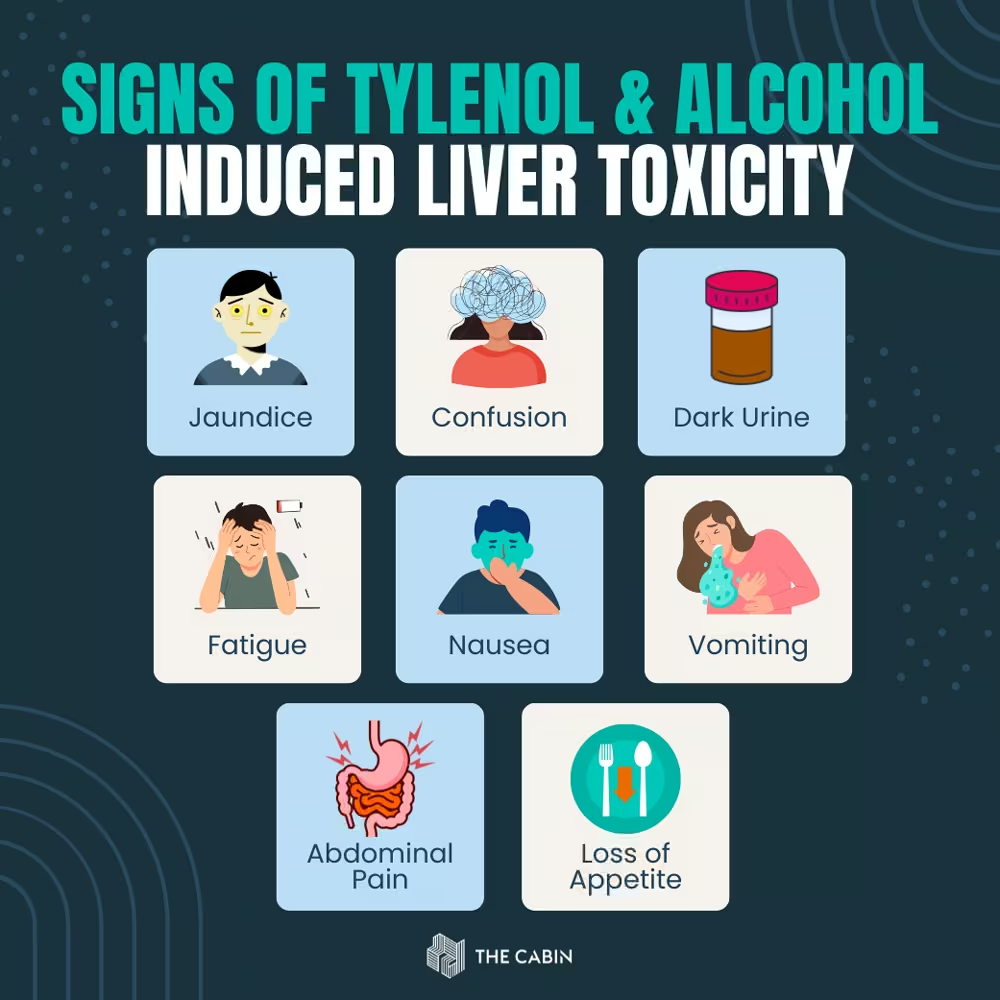
- Jaundice: Yellowing of the skin or eyes, signalling liver failure and bile buildup.
- Confusion: Mental disorientation or lack of clarity, a sign of hepatic encephalopathy.
- Dark urine: Urine turning brown or dark, indicative of liver impairment.
- Fatigue: Extreme tiredness due to decreased liver function and toxin buildup.
- Nausea: Persistent stomach discomfort, associated with a sense of sickness.
- Vomiting: Frequent episodes of vomiting, indicating digestive system distress.
- Abdominal pain: Pain, particularly in the upper right quadrant, suggests liver involvement.
- Loss of appetite: A noticeable decrease in desire to eat, linked to liver dysfunction
Does Mixing Alcohol and Ibuprofen Lead to Greater Risks for Those with Addiction?
Yes, mixing alcohol and ibuprofen leads to greater risks for those patients with addiction. Alcohol worsens the effects of ibuprofen, particularly in those with a history of substance abuse. Chronic alcohol use increases the risk of liver and kidney damage, which ibuprofen further strains. Patients with addiction may have impaired liver function, making them more vulnerable to the side effects of combining alcohol and ibuprofen.
Is the Combination of Ibuprofen and Alcohol a Form of Substance Misuse in Drug Addiction?
Yes, the combination of ibuprofen and alcohol is a form of substance abuse and drug addiction. Ibuprofen is a legal drug that you can buy without a prescription. Alcohol is also a legal drug that you can buy without a prescription. Careless mixing of alcohol and ibuprofen damages the liver, causes stomach bleeding, and impairs kidney function. Patients who are addicted to drugs lose their ability to make good decisions, which can lead to abusing drugs like ibuprofen and alcohol. Using ibuprofen and alcohol together regularly can make the long-term physical damage more likely and may make the addiction worse.
Stop Mixing – Start Recovering At The Cabin Today!
If you are looking for addiction treatment, we are here to help you. We offer a peaceful environment and caring staff, along with activities like nature excursions and art therapy. Contact us today for a free evaluation. We will respond within 24 hours to start your healing process.
Begin Your Path to Recovery
For Healthcare Professionals Referring Clients
We collaborate with healthcare providers, including GPs, psychiatrists, psychologists, counsellors, and case managers, to ensure seamless referrals. If you wish to refer a client or patient, please connect with us via email, phone, or our online contact form; we’re here to help guide your clients on their path to recovery.
For Individuals Seeking Treatment
At the Cabin, treatment is more than addressing addiction or mental health challenges — it’s an opportunity to embark on a profound journey of self-care discovery and personal growth. Our holistic approach nurtures lasting change and a healthier, more fulfilled life.
For Loved Ones Seeking Support
The Cabin offers specialized care that tackles both addiction and related mental health concerns. We create a compassionate environment where loved ones can find the healing and support they need to rebuild their lives and move forward with confidence.