Spironolactone and alcohol create significant health hazards (kidney damage, heart issues, liver strain, low blood pressure) for the human body. The interaction increases dehydration risk, electrolyte imbalance, and cardiovascular instability. Spironolactone acts as a potassium-sparing diuretic used for managing high blood pressure and heart failure. The medication blocks aldosterone receptors, which promotes sodium excretion while retaining potassium. Alcohol serves as a diuretic as well. Combining substances increases the risk of extreme dehydration and electrolyte imbalances. Excess fluid loss may elevate potassium levels or destabilize sodium balance, which impairs cardiac rhythm control. Dizziness and fainting occur regularly when blood pressure levels drop too rapidly. Orthostatic hypotension becomes more pronounced when both substances lower vascular tone. Liver function determines the specific rate of drug metabolism for every patient. Although spironolactone undergoes hepatic metabolism, alcohol-related liver stress may alter systemic tolerance and recovery. High doses of the medication require strict abstinence from ethanol to prevent cardiovascular collapse. A greater diuretic effect increases vulnerability to hypotension and arrhythmias. Side effects include severe lethargy and irregular heart rhythms. Safety protocols suggest waiting at least forty-eight hours after the final dose before consuming intoxicating beverages. This interval allows partial stabilization of fluid and electrolyte balance. Alcohol intake improves the sedative properties of the medication on the central nervous system. Additive central nervous system effects reduce alertness and impair coordination. A dangerous Spironolactone and alcohol interaction poses a threat to long-term physical stability, particularly in patients treated for heart failure, hypertension, or fluid retention disorders.
Can you Drink Alcohol While Taking Spironolactone?
No, you cannot drink alcohol while taking Spironolactone due to the risk of severe hypotension. The combination increases dehydration, electrolyte imbalance, and cardiovascular instability. Spironolactone is a medication used to treat fluid retention and high blood pressure.It functions as a potassium-sparing diuretic that blocks aldosterone receptors, promoting sodium excretion while retaining potassium. Alcohol acts as a depressant that slows down brain activity and reduces blood pressure further. Alcohol also promotes diuresis, which compounds fluid loss initiated by spironolactone. Combining the substances results in extreme dizziness and a higher probability of physical accidents. Additive hypotension and central nervous system depression increase fall and injury risk. General recommendations for medications affecting the central nervous system suggest total abstinence from ethanol. Mood changes occur as the brain struggles to maintain chemical balance during dehydration. Electrolyte shifts and sleep disruption may intensify irritability and fatigue. Long-term use of alcohol and Spironolactone leads to liver stress and kidney complications. Chronic alcohol intake may worsen renal function and interfere with electrolyte regulation. Patients struggling with consumption patterns find resources for addiction to alcohol. Professional counseling and medical supervision support safer medication management and long-term stability.
What Happens If you Mix Spironolactone and Alcohol?
Dangerous physiological (dehydration, electrolyte imbalances, and hypotension) and psychological (cognitive impairment, mood swings and depression, increased sedation and drowsiness) reactions happen if you mix Spironolactone and alcohol. The interaction compounds fluid loss, disrupts electrolyte balance, and destabilizes cardiovascular regulation. Spironolactone removes excess fluid from the body while retaining potassium. Aldosterone receptor blockade promotes sodium excretion and potassium conservation. Alcohol triggers additional fluid loss through the kidneys. Ethanol suppresses antidiuretic hormone, which increases urine output. Dual action leads to severe dehydration and electrolyte disturbances. Elevated potassium levels may impair cardiac conduction and rhythm stability. Dizziness and lightheadedness manifest immediately upon standing. Orthostatic hypotension becomes more pronounced due to reduced circulating blood volume. Impaired judgment follows the central nervous system depression caused by ethanol. Mood swings become more intense as the body struggles with low blood volume. Fatigue and irritability may increase as hydration status declines. Risks for falls and motor vehicle accidents increase for the user. Worsening anxiety occurs as the body reacts to physical stress. Coordination failure happens because the brain lacks sufficient hydration and stable blood flow. Reduced cerebral perfusion compromises balance and reflex response. Mental health declines as the depressive effects of alcohol counter the stabilization goals of the medication. Constant monitoring of heart rate is necessary during this interaction, especially for individuals treated for heart failure, hypertension, or fluid retention disorders.
Does Alcohol Affect How Spironolactone Works in the Body?
No, alcohol does not directly change how Spironolactone works in the body, but it interferes with its therapeutic goal of managing high blood pressure. The medication mechanism remains intact, yet alcohol counteracts the physiologic stability that spironolactone aims to maintain. Spironolactone blocks aldosterone receptors to lower blood pressure. Aldosterone antagonism promotes sodium excretion, conserves potassium, and reduces fluid overload. Alcohol disrupts regulation of fluids and minerals in the bloodstream. Ethanol increases urine output and alters electrolyte balance, which opposes blood pressure control. Alcohol depresses central nervous system activity and may worsen fatigue, mood instability, and reduced cognitive clarity during treatment. Liver metabolism prioritizes ethanol clearance, which may delay optimal systemic balance during therapy. Slow drug clearance increases the likelihood of chemical accumulation in vulnerable patients. Accumulation raises the risk of hyperkalemia, which can disturb cardiac rhythm and require prompt monitoring. The risk becomes more concerning considering alcohol remains one of the most abused substances globally, contributing to repeated metabolic disruption and cardiovascular strain.
What are the Side Effects of Combining Spironolactone and Alcohol?
The Side Effects of Combining Spironolactone and Alcohol are listed below. These effects result from additive dehydration, electrolyte imbalance, and central nervous system depression.
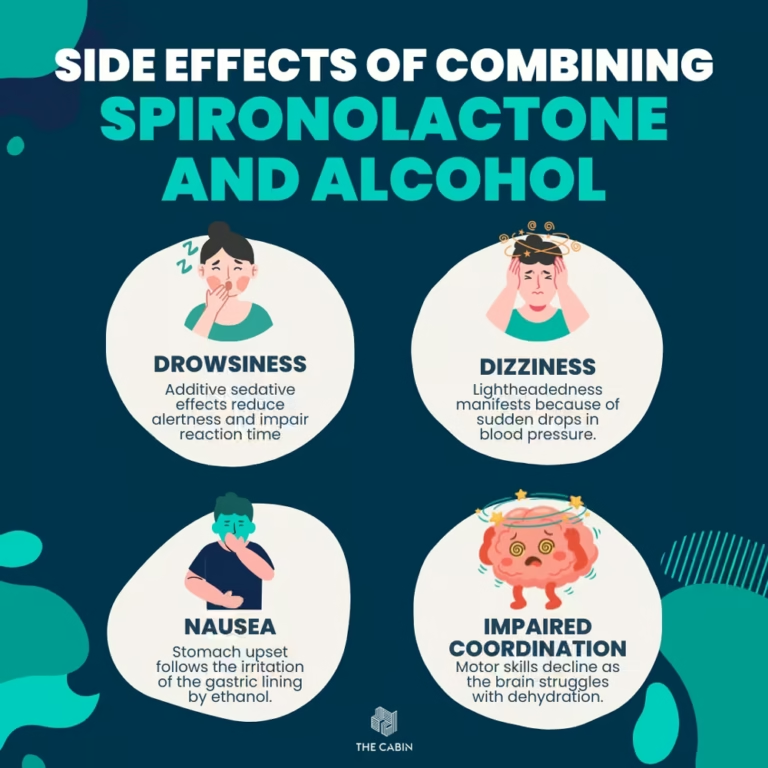
- Drowsiness: Extreme lethargy occurs as the central nervous system slows down. Staying awake becomes difficult for the user. Additive sedative effects reduce alertness and impair reaction time.
- Dizziness: Lightheadedness manifests because of sudden drops in blood pressure. Standing up too quickly results in a spinning sensation. Orthostatic hypotension becomes more pronounced due to reduced circulating blood volume.
- Nausea: Stomach upset follows the irritation of the gastric lining by ethanol. Digestion slows down significantly during the interaction. Fluid imbalance and electrolyte shifts may further aggravate gastrointestinal discomfort.
- Impaired coordination: Motor skills decline as the brain struggles with dehydration. Walking and balance become hazardous for the user.Reduced cerebral perfusion and slowed neural signaling increase fall and injury risk.
Patients with heart failure, kidney disease, or electrolyte instability should exercise heightened caution because combined diuretic effects increase vulnerability to complications.
Does Spironolactone Interact With Alcohol or Cause Dangerous Reactions?
Spironolactone interacts with alcohol to cause dangerous reactions (orthostatic hypotension). The interaction increases dehydration, electrolyte imbalance, and cardiovascular instability. Central nervous system depression reaches profound levels when the substances mix. Additive sedative effects reduce alertness, coordination, and reaction time. Heightened intoxication happens because the body processes ethanol more slowly. Fluid shifts and reduced metabolic resilience may intensify perceived intoxication. Dangers include fainting and potential heart rhythm irregularities. Elevated potassium levels increase the risk of arrhythmias in susceptible individuals. Concomitant use of other antihypertensives or sedatives may further amplify hypotension and central nervous system suppression. Warnings from medical sources emphasize the threat of sudden loss of consciousness. The FDA suggests avoiding ethanol to prevent severe electrolyte shifts. Regulatory guidance supports minimizing alcohol intake during diuretic therapy to preserve fluid and mineral stability. Respiratory rates decrease during periods of heavy intoxication. Physical safety requires total avoidance of the mixture, particularly for patients treated for heart failure, hypertension, or renal impairment.
Can you Drink Wine, Beer, or Liquor While on Spironolactone?
No, you cannot drink wine, beer, or liquor while on Spironolactone. Ethanol content, not beverage type, determines the interaction risk. The type of beverage does not change the ethanol content that reacts with the medication. Wine contributes to fluid loss and may lower blood pressure when combined with spironolactone’s diuretic action. Beer also promotes diuresis, which can compound sodium depletion and alter potassium balance. Liquor provides a concentrated dose of ethanol that stresses the liver and kidneys. Higher alcohol concentration increases dehydration risk and intensifies central nervous system depression. Complete avoidance is the only way to ensure the medication works correctly. Avoidance minimizes hypotension, hyperkalemia, and fluid imbalance. Individualized risks depend on the daily dose and kidney health. Patients with renal impairment or heart failure face higher vulnerability to electrolyte disturbances. Monitoring alcohol drinking habits prevents the development of chronic health issues, and consultation with a healthcare provider supports safer long-term management.
How Long After Taking Spironolactone can I Drink Alcohol Safely?
You can safely drink alcohol for at least two to three days after taking Spironolactone. This estimate reflects the time required for active metabolites to decline, although individual variability remains significant. Active chemicals remain in the bloodstream for approximately twenty-four hours after a single dose. Spironolactone is converted into active metabolites, including canrenone, which extend its pharmacologic effect. Long-term therapy results in the accumulation of metabolites that stay active for two to three days. Steady-state exposure during chronic use prolongs diuretic and potassium-sparing activity. Safe waiting periods prevent the residual drug from interacting with ethanol. Short-term use requires less time for clearance than chronic use. Extended therapy increases tissue distribution and metabolite persistence. Liver function and age influence the speed of metabolic processes. Reduced hepatic function or advanced age may delay clearance and extend interaction risk. Waiting ensures that blood pressure levels have stabilized without the influence of the diuretic. Dehydration risks decrease once the medication is fully excreted.Fluid and electrolyte balance must normalize before alcohol exposure to reduce hypotension and arrhythmia risk. Patience is necessary to avoid a sudden medical crisis, particularly for patients treated for heart failure, hypertension, or renal impairment.
Can I Take Spironolactone After Drinking Alcohol?
No, you cannot take Spironolactone after drinking alcohol due to the risk of extreme dehydration. Initiating the medication while ethanol remains active increases fluid loss and electrolyte instability. Resuming the medication while ethanol remains in the blood causes a double diuretic effect. Alcohol suppresses antidiuretic hormone, while spironolactone promotes sodium excretion, which compounds the risk. Physical reactions include severe headaches and rapid heart rates. Hypotension and electrolyte imbalance may also trigger dizziness and palpitations. A delay in effectiveness occurs as the liver prioritizes alcohol metabolism. Hepatic processing of ethanol may temporarily alter metabolic balance and systemic tolerance. The risk of adverse reactions like fainting increases for the individual. Reduced circulating blood volume elevates the probability of orthostatic hypotension and syncope. Consulting a healthcare provider is necessary if a dose is missed due to intoxication, especially for patients treated for heart failure, hypertension, or kidney disorders.
Is it Safe to Take Spironolactone the Next Morning after Alcohol use?
No, it is not safe to take Spironolactone the next morning after alcohol use if the body is still dehydrated. Residual ethanol and fluid depletion increase the risk of hypotension and electrolyte imbalance. Ethanol effects persist in the bloodstream for 12 to 24 hours after the last drink. Metabolic clearance depends on total intake, liver function, and body composition. Introducing a diuretic during a hangover results in a dangerous drop in blood volume. Reduced circulating volume may intensify orthostatic hypotension and dizziness. Severe dizziness and nausea manifest as the medication begins to work. Electrolyte shifts, particularly potassium changes, may further destabilize cardiac rhythm. Waiting for full hydration is necessary before resuming the prescription. Adequate fluid intake and normalized blood pressure reduce complication risk before restarting therapy.
Does Alcohol Reduce Spironolactone’s Effectiveness or Blood Pressure Benefits?
Alcohol reduces the effectiveness of Spironolactone by causing erratic shifts in blood pressure and fluid balance. The medication lowers blood pressure through aldosterone blockade, yet alcohol introduces hemodynamic instability that counteracts this control. Ethanol initially lowers blood pressure but leads to a rebound spike later. Acute vasodilation may be followed by sympathetic activation, which disrupts consistent blood pressure regulation. Repeated alcohol exposure strains cardiovascular regulation and increases variability in fluid retention. Chronic drinking interferes with the heart-protective benefits of the medication. Persistent ethanol use may worsen hypertension, cardiac remodeling, and renal stress. Efficiency in managing edema decreases when alcohol intake remains high. Alcohol-driven dehydration and sodium imbalance oppose spironolactone’s fluid-stabilizing goal. Sustained blood pressure variability reduces the long-term protective effect intended for heart failure and hypertension management.
What should you do If You Accidentally Drink Alcohol While Taking Spironolactone?
You should do the five steps listed below if you accidentally drink alcohol while taking Spironolactone. Immediate action reduces dehydration, hypotension, and electrolyte imbalance risk.
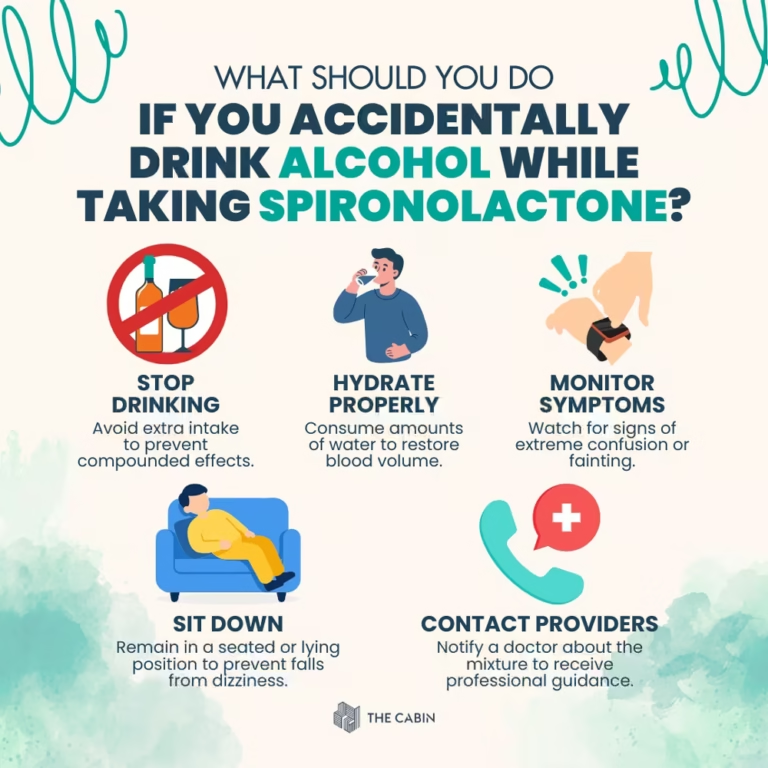
- Stop drinking. Cease all ethanol consumption immediately to limit the interaction. Avoid additional intake to prevent compounded diuretic and sedative effects.
- Hydrate properly. Consume large amounts of water to restore blood volume. Gradual fluid replacement supports circulatory stability and helps normalize electrolyte balance.
- Monitor symptoms. Watch for signs of extreme confusion or fainting. Observe for palpitations, severe weakness, or persistent dizziness that may signal a potassium imbalance.
- Sit down. Remain in a seated or lying position to prevent falls from dizziness. Stand slowly after resting to reduce orthostatic blood pressure shifts.
- Contact providers. Notify a doctor about the mixture to receive professional guidance. Medical consultation is especially important for patients treated for heart failure, hypertension, or kidney disorders.
Seek urgent care if symptoms such as chest pain, loss of consciousness, severe shortness of breath, or irregular heartbeat occur, because these signs may indicate significant cardiovascular or electrolyte disturbance.
Are There Safer Ways to Consume Alcohol While on Spironolactone?
No, there are no safe ways to consume alcohol while on Spironolactone. Complete avoidance remains the most reliable strategy to prevent dehydration, hypotension, and electrolyte imbalance. Moderation slightly reduces the probability of a serious reaction. However, even small amounts of ethanol can compound diuretic effects and alter potassium balance. Low-alcohol options contribute to dehydration and electrolyte loss. Reduced alcohol concentration does not eliminate fluid depletion or central nervous system depression. Spacing doses and drinks fails to account for the long-lasting metabolites of the medication. Active metabolites such as canrenone extend pharmacologic activity beyond the dosing window. Expert recommendations suggest avoiding all intoxicating beverages during treatment. Situations involving heavy heat or exercise require even stricter abstinence. Elevated temperatures and physical exertion increase fluid loss, which heightens hypotension and arrhythmia risk. Clinical safety is the priority for patients with heart conditions, particularly those treated for heart failure, hypertension, or renal impairment.

Can Mixing Spironolactone With Alcohol Affect Mood or Mental Health?
Yes, mixing Spironolactone with alcohol affects mood and mental health stability. The interaction alters hydration status, electrolyte balance, and central nervous system signaling, which influence emotional regulation. Alcohol acts as a depressant that worsens symptoms of anxiety and depression. Ethanol disrupts neurotransmitter balance, including GABA and glutamate pathways, which shape mood stability. The interaction with the medication leads to emotional blunting and cognitive fog. Additive sedation reduces alertness and impairs executive function. Behavioral implications include increased irritability and poor decision-making. Impaired judgment may increase risk-taking behaviors or reduce adherence to medical therapy. Cognitive function declines as the brain lacks proper hydration. Dehydration and electrolyte shifts may compromise concentration and memory processing. Worsening mood swings occur during the physical recovery from the drug interaction. Post-intoxication fatigue and blood pressure variability may intensify emotional instability.
Can Drinking Alcohol With Spironolactone Increase the Risk of Serotonin Syndrome?
No, drinking alcohol with Spironolactone does not directly increase the risk of serotonin syndrome. Spironolactone does not significantly influence serotonin pathways, and alcohol alone does not trigger serotonin toxicity. Serotonin syndrome is a dangerous condition involving excessive serotonergic activity in the central nervous system. The condition typically occurs when multiple serotonergic medications, such as selective serotonin reuptake inhibitors (SSRIs), monoamine oxidase inhibitors, or certain migraine therapies, are combined. Symptoms include agitation, high fever, muscle rigidity, rapid heart rate, and altered mental status.
Alcohol contributes to heightened central nervous system depression when combined with selective serotonin reuptake inhibitors (SSRIs). Sedation, impaired coordination, and cognitive slowing may intensify when alcohol is mixed with psychiatric medications. However, serotonin syndrome results from serotonergic drug interactions rather than from spironolactone and alcohol alone. Emergency signs require immediate medical attention to prevent permanent damage. Individuals taking antidepressants or other serotonergic agents should consult a healthcare provider before consuming alcohol. Safe medication management excludes unnecessary ethanol use, particularly in patients treated for heart failure, hypertension, or mental health conditions requiring complex pharmacotherapy.
Is One Glass of Wine Safe While on Spironolactone or Losartan?
No, drinking alcohol with Spironolactone does not directly increase the risk of serotonin syndrome. Spironolactone does not significantly influence serotonin pathways, and alcohol alone does not trigger serotonin toxicity. Serotonin syndrome is a dangerous condition involving excessive serotonergic activity in the central nervous system. The condition typically occurs when multiple serotonergic medications, such as selective serotonin reuptake inhibitors (SSRIs), monoamine oxidase inhibitors, or certain migraine therapies, are combined. Symptoms include agitation, high fever, muscle rigidity, rapid heart rate, and altered mental status.
Can Spironolactone Make You Feel Alcohol’s Effects More Strongly?
Yes, Spironolactone can make you feel alcohol’s effects more strongly. The medication alters fluid balance and blood pressure regulation, which increases sensitivity to ethanol. Improved sedation occurs because the body is in a state of altered fluid balance. Diuretic activity reduces circulating blood volume, which may intensify lightheadedness during alcohol intake. Dizziness and impaired coordination manifest after only a small amount of ethanol. Additive central nervous system depression slows reaction time and weakens balance control. Heightened intoxication increases the risk of accidents in the home. Reduced cerebral perfusion during hypotensive episodes may amplify perceived intoxication. Normal alcohol responses are amplified by the presence of the diuretic. Electrolyte shifts, particularly changes in potassium levels, may further influence neuromuscular stability and cognitive clarity.
Can Spironolactone Increase Sensitivity to Alcohol?
Yes, Spironolactone increases sensitivity to alcohol by reducing the total volume of fluid in the body. The medication’s diuretic action decreases circulating blood volume, which can intensify alcohol’s physiological impact. A lower blood volume leads to a higher concentration of ethanol in the bloodstream. Reduced fluid reserves may amplify perceived intoxication and accelerate dehydration. The brain reacts more aggressively to the presence of toxins. Central nervous system depression becomes more noticeable, which affects coordination and alertness. Physical symptoms (hangovers) become more severe and long-lasting. Electrolyte imbalance and fluid depletion may prolong headache, fatigue, and dizziness after alcohol exposure.
How Much Alcohol can you Drink While on High Blood Pressure Medication Like Spironolactone?
You can drink zero alcohol while taking high blood pressure medications such as Spironolactone. Complete avoidance minimizes hypotension, dehydration, and electrolyte imbalance risk. General guidelines for diuretics and other cardiac medications emphasize total abstinence. Antihypertensive therapy depends on consistent vascular stability, which ethanol disrupts through vasodilation and fluid shifts. Individual variation in liver and kidney function makes any amount of alcohol physiologically unpredictable. Renal clearance, hepatic metabolism, and baseline blood pressure determine tolerance variability. A healthcare consultation remains necessary before any alcohol exposure during treatment. Selecting non alcoholic beverages during social events reduces peer pressure while preserving cardiovascular safety. Stable blood pressure control requires a brain and body free from ethanol-related toxicity. Proper hydration, balanced electrolytes, and medication adherence support long term cardiovascular outcomes rather than attempting to drink alcohol with high blood pressure medication.
Can Alcohol Raise Blood Pressure Even While taking Spironolactone?
Yes, alcohol can raise blood pressure even while taking Spironolactone. The medication lowers blood pressure through aldosterone blockade, yet alcohol introduces counteracting cardiovascular stress. Chronic consumption leads to a sustained increase in heart rate and arterial tension. Long-term ethanol exposure stimulates sympathetic activity and vascular stiffness, which elevates baseline blood pressure. The medication fails to provide a protective benefit against the damage caused by heavy drinking. Persistent alcohol intake may overwhelm antihypertensive effects and promote fluid imbalance. Sudden spikes in pressure occur during the withdrawal phase of ethanol. Rebound sympathetic activation during withdrawal increases heart rate and vasoconstriction. Stability is only possible through consistent sobriety. Consistent medication adherence combined with limited or no alcohol intake supports optimal blood pressure control and cardiovascular protection.
Break free from alcohol and support your heart.
Don’t let alcohol hold you back from achieving your health goals. If you’ve noticed its impact on your well-being or recovery, now is the perfect time to reassess your habits. At The Cabin Chiang Mai, we offer supportive, judgment-free alcohol addiction treatment programs designed to help you reclaim your life. As a leading rehab facility in northern Thailand, we specialise in evidence-based treatments that are tailored to your unique needs – and we do it at a competitive price! Contact us today, and we’ll respond within 24 hours.