Sertraline and alcohol interact in ways that make drinking while taking the medication highly risky because it increases sedation, dizziness, impaired thinking, and emotional instability. Drinking alcohol while taking sertraline is not recommended, since the combination increases sedation, dizziness, impaired judgment, and emotional instability. Drinking on Sertraline intensifies the side effects and reduces the medication’s effectiveness. Alcohol may also worsen depressive symptoms, increase anxiety fluctuations, and interfere with consistent mood stabilization. Sertraline is a prescription selective serotonin reuptake inhibitor that treats depression, anxiety, panic disorder, obsessive-compulsive disorder, and post-traumatic stress disorder by increasing brain serotonin to improve mood and reduce anxiety. Sertraline works by inhibiting serotonin reuptake at the synaptic cleft, which increases serotonin availability and supports emotional regulation. The most common brand name for Sertraline is Zoloft. Alcohol depresses the central nervous system and worsens side effects while interfering with mental health treatment outcomes. Combined use may impair reaction time, reduce concentration, and increase the risk of poor decision-making or accidental injury. Patients with severe depression, suicidal ideation, or unstable anxiety symptoms face higher risk when alcohol disrupts therapeutic progress.
Can You Drink Alcohol While Taking Sertraline?
No, you cannot drink alcohol while taking sertraline because it increases sedation, dizziness, and confusion while reducing the medication’s effectiveness. Drinking alcohol while taking sertraline is strongly discouraged, since the combination increases sedation, dizziness, impaired judgment, and emotional instability while potentially reducing therapeutic effectiveness. Zoloft and alcohol interaction is explicitly warned against in brand and generic labeling due to the heightened risk of impaired coordination, slowed thinking, and worsening mood symptoms. Product labeling and prescribing information advise caution due to additive central nervous system depression and the possibility of intensified side effects. Sertraline’s therapeutic benefits for depression, anxiety, and related disorders are negated by the depressing effects of alcohol and Zoloft on brain function. Alcohol can counteract mood stabilization by worsening depressive symptoms, increasing anxiety variability, and impairing sleep quality, which are central targets of sertraline treatment. Official guidance consistently warns that combining alcohol with sertraline creates safety risks and undermines treatment outcomes. Individuals with severe depression, panic disorder, post-traumatic stress disorder, or suicidal ideation face heightened vulnerability when alcohol disrupts serotonin regulation and emotional control.
What Happens if You Drink Alcohol on Sertraline?
Amplified sedation, dizziness, and slowed thinking happen if you drink alcohol while taking Sertraline. Drinking alcohol while taking sertraline increases sedation, dizziness, slowed thinking, and impaired coordination. Sertraline and alcohol together depress the central nervous system, increasing the risk of impaired coordination, poor judgment, and accidents. The additive depressant effects reduce reaction time, weaken decision-making ability, and elevate injury risk during driving or complex tasks. Alcohol interferes with mood regulation, counteracting the therapeutic effects of sertraline on depression, anxiety, and related conditions. Alcohol may worsen depressive symptoms, intensify anxiety fluctuations, and disrupt sleep architecture, which are key targets of selective serotonin reuptake inhibitor therapy. Repeated or prolonged alcohol use while taking Sertraline intensifies emotional instability, worsens concentration, and reduces treatment effectiveness. Chronic alcohol exposure may increase relapse risk and delay symptom remission in individuals undergoing psychiatric treatment. Clinical guidance warns that combining alcohol with Sertraline generates significant safety risks and undermines the intended benefits of therapy. Patients with severe depression, suicidal ideation, or panic disorder require strict avoidance of alcohol to preserve treatment stability and reduce preventable harm.
How does Alcohol Interact with Sertraline in the Body?
Alcohol interacts with Sertraline in the body by amplifying sedation, dizziness, impaired coordination, and altered mood regulation. Alcohol interacts with sertraline primarily through additive central nervous system depression and disruption of mood regulation. The medication Sertraline and alcohol affect the central nervous system, and alcohol’s depressant effect disrupts neurotransmitter balance, opposing Sertraline’s role in increasing serotonin levels for mood stability. Sertraline increases serotonin availability by inhibiting reuptake at the synaptic cleft, while alcohol acutely alters serotonin, dopamine, and GABA signaling, which destabilizes emotional control. The interaction slows brain activity, impairing thinking, judgment, and motor control more than the substance alone. Alcohol affects the liver metabolism of Sertraline, creating competition for enzymes that process substances and potentially prolonging their effects or altering drug concentration in the bloodstream. Sertraline is metabolized primarily through hepatic cytochrome P450 enzymes, and heavy alcohol use may strain liver function, which can indirectly influence drug metabolism in vulnerable individuals. Psychological effects include intensified emotional instability, elevated sadness or anxiety, and reduced therapeutic impact of Sertraline on depression and anxiety. Alcohol-related sleep disruption further weakens antidepressant response and increases irritability. Physiological effects include increased drowsiness, dizziness, and compromised cognitive function, which together raise the risk of accidents and interfere with treatment outcomes. Repeated alcohol exposure during treatment may delay remission, increase relapse risk, and undermine long-term psychiatric stability.
Is It Safe to Drink Beer, Wine, or Liquor on Sertraline?
No, it is not safe to drink beer, wine, or liquor on Sertraline because all types of alcoholic drinks interact with the medication in ways that increase side effects and reduce treatment effectiveness. Drinking beer, wine, or liquor while taking sertraline is strongly discouraged, since all forms of alcohol can increase side effects and interfere with treatment stability. Alcohol depresses the central nervous system, and combined with Sertraline and alcohol it increases sedation, dizziness, confusion, and impaired thinking, affecting brain function and judgment with beer, wine, or spirits. The additive depressant effects slow reaction time, weaken concentration, and reduce situational awareness regardless of beverage type. The combination raises the risk of accidents, slowed motor skills, and worsened mood symptoms that Sertraline is prescribed to treat. Alcohol’s depressive effect on the brain undermines Sertraline’s action on serotonin, weakening its ability to improve mood and anxiety and potentiating emotional instability. Alcohol may also disrupt sleep quality, which is essential for antidepressant response and emotional regulation. All alcoholic drinks are processed by the liver, and processing Sertraline and ethanol increases liver strain and may alter how each substance is broken down, leading to prolonged effects of sedation and difficulty concentrating. Heavy or chronic alcohol use may further impair hepatic function, which can indirectly influence medication metabolism in susceptible individuals. Clinical guidance warns that using alcohol with Sertraline increases the risk of side effects and interferes with therapeutic goals, making the avoidance of beer, wine, or liquor during treatment the safest approach. Patients with severe depression, panic disorder, post-traumatic stress disorder, or suicidal ideation face heightened vulnerability when alcohol destabilizes serotonin regulation and mood control.
Can I have one glass of wine while on Sertraline?
No, you cannot have one glass of wine while on Sertraline because any amount of alcohol interacts with the medication and increases negative effects. Even one glass of wine is generally discouraged while taking sertraline, since alcohol can increase side effects and interfere with treatment response. Alcohol increases dizziness, drowsiness, confusion, and difficulty concentrating when taken with Sertraline and alcohol, raising the risk of impaired coordination and judgment. The additive central nervous system depression may impair reaction time, slow decision-making, and increase accident risk even after a single drink. Alcohol disrupts brain chemistry, reducing the antidepressant effect of Sertraline and worsening symptoms of depression or anxiety. Alcohol may intensify mood swings, increase irritability, and disrupt sleep quality, which are critical factors in antidepressant stability. Sedation, emotional instability, and cognitive impairment are exacerbated by binge drinking, which puts additional strain on the liver’s chemical-processing metabolism. Heavy or repeated alcohol intake further increases relapse risk and delays symptom remission. Even occasional alcohol use undermines treatment outcomes by decreasing Sertraline’s effectiveness and increasing the chance of adverse psychological and physiological reactions. Patients should consult their prescribing clinician before consuming alcohol, since individual response varies based on dosage, diagnosis, liver health, and psychiatric history.
How Dangerous is Drinking Alcohol While on Sertraline?
Drinking alcohol while on Sertraline increases side effects and reduces treatment effectiveness more than taking Sertraline alone. Drinking alcohol while taking sertraline increases side effects and may reduce therapeutic effectiveness compared to taking sertraline alone. Drinking while on Sertraline adds stress to the brain and liver systems already affected by the medication, increasing sedation, dizziness, cognitive impairment, and emotional instability. The additive central nervous system effects impair reaction time, judgment, coordination, and concentration, which increases accident risk. Alcohol itself depresses the central nervous system and worsens symptoms of depression or anxiety that Sertraline is intended to treat, while Sertraline does not directly amplify alcohol toxicity. Alcohol may intensify mood swings, increase irritability, and disrupt sleep patterns, which are central targets of selective serotonin reuptake inhibitor therapy. Combining alcohol with opioids or benzodiazepines produces a higher risk of life-threatening respiratory depression compared to other drug-alcohol interactions, while the Sertraline-alcohol combination carries a moderate risk with heightened side effects and impaired judgment. Although the sertraline–alcohol interaction is not typically classified as life-threatening on its own, risk increases substantially with high alcohol intake or concurrent sedative use.
Dangerous levels of alcohol are measured by blood alcohol concentration. A BAC of 0.08 percent or above, reached by binge drinking four or more standard drinks for women or five or more for men in a short time, sharply increases the risk of accidents and serious impairment even without medications. Combining Sertraline with alcohol at the level worsens central nervous system depression and increases the chance of severe outcomes, including loss of coordination, unsafe behavior, and intensified mood symptoms. Combining sertraline with alcohol at this level further worsens central nervous system depression and increases the likelihood of unsafe behavior, emotional instability, and impaired motor control. Typical Sertraline doses range from 50 mg to 200 mg daily, and alcohol intake at dangerous levels undermines the medication’s therapeutic effects while magnifying physical and psychological risks. Patients with severe depression, suicidal ideation, panic disorder, or post-traumatic stress disorder face heightened vulnerability when alcohol disrupts serotonin regulation and psychiatric stability.
Does Alcohol make Sertraline Stronger or Change its Effects?
Alcohol does not make Sertraline stronger in the sense of increasing its intended antidepressant effect, and alcohol changes how Sertraline works by reducing its impact on mood regulation while increasing side effects. Alcohol does not enhance sertraline’s antidepressant action, yet it can change the overall treatment experience by increasing side effects and disrupting mood stability. Alcohol’s central nervous system depressant action opposes Sertraline’s role in stabilizing serotonin levels in the brain, which undermines the medication’s ability to improve symptoms of depression and anxiety. Sertraline increases serotonin availability by inhibiting reuptake, while alcohol acutely alters serotonin, dopamine, and GABA signaling, which destabilizes emotional regulation. Alcohol and Sertraline used together increase sedation, dizziness, and impaired thinking more than Sertraline alone, and alcohol’s effect on neurotransmitters worsens emotional instability, countering therapeutic benefits. The additive depressant effects impair coordination, reaction time, and judgment, which increases safety risks. Sertraline does not directly amplify the mental and motor impairment caused by alcohol in experimental subjects, yet drinking alcohol during treatment is not advised because alcohol itself disrupts mood and interferes with treatment goals. Alcohol-related sleep disruption and dehydration further weaken antidepressant response and increase irritability. Alcohol lessens the effectiveness of Sertraline for mood improvement while increasing unwanted side effects and impairments rather than strengthening the antidepressant effect. Patients who are stabilizing on sertraline, adjusting dosage, or managing severe depression or anxiety face greater vulnerability when alcohol interrupts consistent serotonin regulation.
Can Mixing Alcohol and Sertraline Cause Serotonin Syndrome?
No, mixing alcohol and Sertraline does not cause serotonin syndrome, but alcohol does not prevent the risk. Mixing alcohol and sertraline does not typically cause serotonin syndrome, yet alcohol does not eliminate the underlying risk associated with serotonergic medications. Serotonin syndrome is a dangerous condition caused by excess serotonin in the central nervous system, leading to agitation, rapid heart rate, high blood pressure, fever, muscle rigidity, seizures, and possible death. Serotonin syndrome most arises when two or more serotonergic medications are combined or when a serotonergic drug dose is increased abruptly. Sertraline increases serotonin levels by blocking reuptake in nerve cells, and serotonin syndrome risk rises primarily when it is combined with other serotonergic agents such as monoamine oxidase inhibitors, certain migraine medications, tramadol, or St. John’s wort. Selective serotonin reuptake inhibitors (SSRIs) like Sertraline are listed among medications that cause serotonin syndrome when combined with other agents that raise serotonin levels.
Alcohol does alter brain chemistry and increase serotonin, yet there is no strong evidence that alcohol directly triggers serotonin syndrome with Sertraline in typical use. Alcohol’s primary pharmacological action involves central nervous system depression through GABA modulation rather than sustained serotonin elevation. Alcohol’s principal actions are central nervous system depression and disruption of mood regulation, not sustained elevation of serotonin. Clinical cautions regarding alcohol and Sertraline focus on increased sedation, impaired judgment, and worsened mood symptoms rather than a mechanistic increase in serotonin to dangerous levels. The combination increases risks because alcohol intensifies side effects and interferes with mental state, which complicates identification and management of severe symptoms, even though serotonin syndrome from alcohol plus Sertraline is rare. Patients should seek immediate medical attention if symptoms such as high fever, severe agitation, muscle rigidity, rapid heartbeat, or confusion occur, since these may indicate serotonin toxicity from medication interactions unrelated to alcohol. Healthcare providers continue to advise avoiding alcohol while on Sertraline to prevent addictive effects and safeguard treatment.
Does Alcohol Reduce Sertraline’s Effectiveness?
Yes, alcohol reduces Sertraline’s effectiveness by opposing the medication’s action on serotonin and impairing mood regulation. Alcohol can reduce sertraline’s overall treatment effectiveness by destabilizing mood and interfering with emotional regulation. Alcohol acts as a central nervous system depressant, which counters Sertraline’s ability to improve symptoms of depression and anxiety. Sertraline increases serotonin availability to support mood stabilization, while alcohol disrupts neurotransmitter balance and increases depressive symptom vulnerability. For example, alcohol increases sedation, dizziness, and cognitive impairment when combined with Sertraline, while undermining emotional stability. Alcohol may also impair sleep quality and stress tolerance, which are critical components of antidepressant response. Even small amounts of alcohol interfere with brain chemistry and weaken the antidepressant effect, and binge drinking amplifies the consequences, further reducing treatment outcomes. Repeated or heavy alcohol consumption increases relapse risk, delays remission, and intensifies anxiety or depressive symptoms during treatment. Clinical guidance warns that alcohol diminishes the therapeutic benefit of Sertraline and increases the risk of side effects that interfere with mental health improvement. Patients with severe depression, panic disorder, or suicidal ideation should avoid alcohol entirely to preserve medication stability and reduce preventable harm.
How Long After Stopping Sertraline can I Drink Alcohol?
You can drink alcohol safely about one week after stopping Sertraline because the medication is eliminated from the body within 5 to 7 days, although traces of its metabolite persist up to 2 to 3 weeks. Many clinicians suggest waiting at least one week after stopping sertraline before drinking alcohol, since most of the medication is eliminated within 5 to 7 days, although its active metabolite (desmethylsertraline) may persist for up to 2 to 3 weeks. Sertraline and alcohol interactions remain possible during the period, and drinking too soon increases the risk of sedation, dizziness, impaired thinking, and reduced antidepressant effectiveness. Sertraline has an elimination half-life of approximately 26 hours, which means several days are required for substantial clearance from the bloodstream. The direct pharmacological interaction with alcohol is much lower once the bulk of Sertraline is cleared after one week, but residual effects on mood regulation and nervous system function persist. Discontinuation symptoms such as irritability, dizziness, insomnia, or mood instability may still occur during this period. Waiting at least one week reduces the chance of acute side effects, while full clearance of all active compounds, including metabolites, takes up to three weeks. Patients should consult their prescribing clinician before drinking, especially if discontinuation symptoms, severe depression, or anxiety remain present.
How Long Should You Wait to Drink After Starting Sertraline?
You should wait at least one week after starting Sertraline before drinking alcohol because the medication reaches steady levels in the body, and its effects increase sedation, dizziness, and sensitivity to alcohol. Most clinicians recommend avoiding alcohol entirely after starting sertraline, particularly during the first one to two weeks while the body adjusts to the medication. Sertraline has an elimination half-life of 22 to 36 hours, and although steady-state blood levels are achieved within a week, combining alcohol with Sertraline during the period intensifies sedation, dizziness, impaired thinking, and emotional instability. Initial side effects such as nausea, sleep disturbance, increased anxiety, or fatigue are more common during early treatment and may worsen with alcohol exposure. Waiting one week allows the body to adjust to Sertraline while minimizing immediate interactions with alcohol. Even after steady state is reached, alcohol may counteract antidepressant benefits and increase relapse risk. Residual effects on mood and nervous system function persist even after the period, so caution remains important when drinking. Patients should consult their prescribing clinician before consuming alcohol, especially during dose adjustments or when managing severe depression, panic disorder, or suicidal ideation.
Can I drink alcohol the same day I take sertraline?
No, you cannot drink alcohol the same day you take Sertraline because the medication begins affecting the brain and liver immediately, increasing sedation, dizziness, impaired thinking, and emotional instability. Drinking alcohol on the same day you take sertraline is not recommended, since additive central nervous system effects may increase sedation, dizziness, and impaired judgment. Sertraline is prescribed as a daily oral dose ranging from 50 mg to 200 mg to maintain steady serotonin levels and stabilize mood. The medication works by inhibiting serotonin reuptake, which gradually improves mood regulation over several weeks. Consuming alcohol while the drug is active counteracts its antidepressant effect, worsens side effects, and places stress on liver metabolism. Alcohol may intensify drowsiness, slow reaction time, and disrupt emotional stability during active treatment. Waiting at least one week after starting Sertraline before drinking alcohol allows the body to adjust to the medication and reduces the risk of acute interactions. Clinicians often advise avoiding alcohol entirely during treatment, especially during dose adjustments or early stabilization. Even a single dose combined with alcohol can impair coordination, judgment, and mental clarity, making simultaneous use unsafe. Patients with severe depression, anxiety disorders, or suicidal ideation should avoid alcohol to preserve treatment consistency and reduce preventable harm.
What are the Side Effects of Combining Sertraline and Alcohol?
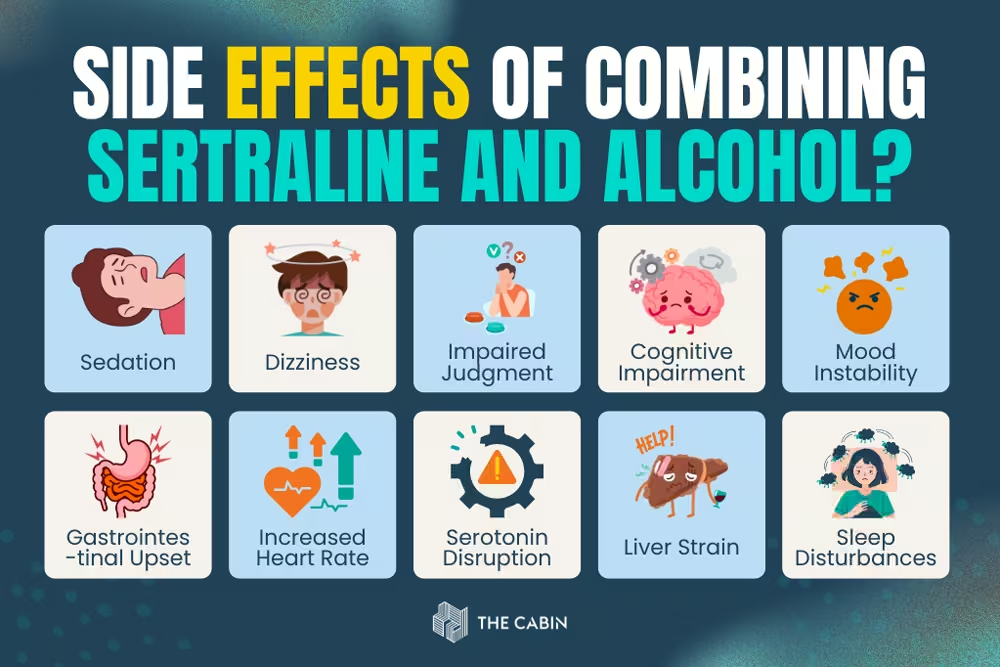
The side effects of combining Sertraline and alcohol are listed below.
- Sedation: Combining Sertraline and alcohol amplifies drowsiness and fatigue. Sedation is the most common side effect and is dangerous by increasing the risk of falls, accidents, and impaired daily functioning. Additive central nervous system depression slows reaction time and reduces situational awareness.
- Dizziness: The combination disrupts balance and coordination. The side effect is frequent and hazardous because it leads to physical injury from falls or accidents. Orthostatic changes and dehydration from alcohol may further worsen lightheadedness.
- Impaired Judgment: Alcohol depresses the central nervous system, counteracting Sertraline’s mood stabilization. The effect reduces decision-making ability and increases risk-taking behaviors, creating safety concerns. Impaired judgment elevates the likelihood of unsafe driving, poor impulse control, or hazardous social behavior.
- Cognitive Impairment: Memory, attention, and reaction time decline when two substances are present. The side effect affects work, driving, and daily tasks, making it moderately dangerous. Concentration deficits may delay recovery and interfere with therapy participation.
- Mood Instability: Alcohol interferes with Sertraline’s antidepressant effect, worsening anxiety, irritability, or depressive symptoms. The effect escalates to severe emotional distress and suicidal thoughts in vulnerable individuals. Repeated alcohol exposure increases relapse risk and delays symptom remission.
- Nausea and Gastrointestinal Upset: The combination irritates the stomach and digestive system, leading to vomiting, abdominal pain, and dehydration. The side effect is common but less life-threatening unless persistent or severe. Dehydration may intensify headache and fatigue.
- Increased Heart Rate and Blood Pressure: the two substances elevate cardiovascular activity, posing a moderate risk for patients with pre-existing heart conditions or hypertension. Palpitations and transient blood pressure changes may occur in sensitive individuals.
- Serotonin Disruption: Alcohol interferes with serotonin regulation and slightly increases the theoretical risk of serotonin syndrome in high doses or with other serotonergic drugs. Serotonin syndrome remains rare in this context and typically involves multiple serotonergic medications.
- Liver Strain: Alcohol and Sertraline metabolism involve the liver. Chronic use increases the risk of liver stress, reducing the body’s ability to process medications and toxins safely. Heavy alcohol consumption may elevate liver enzymes and complicate medication management.
- Sleep Disturbances: Disrupted sleep patterns, insomnia, or vivid dreams occur. The side effect is less dangerous acutely, but worsens mood and cognitive issues over time. Poor sleep quality weakens antidepressant response and emotional regulation.
Can Drinking on Sertraline Increase Anxiety or Depression?
Yes, drinking alcohol on Sertraline can increase anxiety and depression. Drinking alcohol while taking sertraline can worsen anxiety and depressive symptoms, particularly in vulnerable individuals. Sertraline is prescribed to treat anxiety disorders and depression by stabilizing serotonin levels in the brain, improving mood, and reducing excessive worry. The medication increases serotonin availability by inhibiting reuptake, which supports emotional regulation over time. Alcohol acts as a central nervous system depressant, which disrupts these therapeutic effects and counteracts Sertraline’s role in mood regulation. Alcohol acutely alters serotonin, dopamine, and GABA signaling, which destabilizes mood balance and stress response. Consuming alcohol while on Sertraline increases emotional instability, irritability, and negative thought patterns, worsening symptoms of anxiety and depression rather than alleviating them. Alcohol-related sleep disruption further intensifies anxiety sensitivity and depressive vulnerability. Even small amounts of alcohol interfere with cognitive function and neurotransmitter balance, making it more difficult for Sertraline to achieve its intended effects. Repeated or heavy drinking increases relapse risk, delays remission, and undermines long-term psychiatric stability during treatment.
What will happen if You Drink Alcohol on Antidepressants?
Severe sedation, impaired thinking, and emotional instability happen if you drink alcohol on antidepressants because alcohol depresses the central nervous system and interferes with the medication’s ability to regulate mood and neurotransmitters. Drinking alcohol while taking antidepressants commonly increases sedation, impairs thinking, and destabilizes mood, since alcohol depresses the central nervous system and interferes with neurotransmitter regulation. The combination reduces the therapeutic effect of antidepressants on depression and anxiety while worsening symptoms, impairs cognitive function and judgment, and raises the risk of accidents and unsafe behavior. Additive central nervous system depression slows reaction time, reduces coordination, and increases fall and driving risk. Side effects (nausea, rapid heart rate, and blood pressure fluctuations) occur, and long-term alcohol use further undermines mental health by counteracting antidepressant benefits and increasing vulnerability to mood swings and depressive episodes. Alcohol-related sleep disruption and dehydration further weaken emotional regulation and stress tolerance. The severity of the effects depends on the type of antidepressant, dosage, and amount of alcohol consumed, with any intake posing measurable interference with treatment outcomes when you drink alcohol on antidepressants. Certain antidepressants, including monoamine oxidase inhibitors and tricyclic antidepressants, carry higher interaction risks, while selective serotonin reuptake inhibitors primarily increase sedation and mood instability when combined with alcohol.
Can Drink while on Antidepressants like Sertraline or Escitalopram?
No, you cannot drink while on antidepressants like Sertraline or Escitalopram because alcohol increases sedation, dizziness, impaired thinking, and emotional instability. Drinking alcohol while taking antidepressants like sertraline or escitalopram is strongly discouraged, since alcohol increases sedation, impairs thinking, and destabilizes mood. Escitalopram regulates serotonin levels to reduce depression and anxiety, but alcohol depresses the central nervous system, counteracting its therapeutic effects and amplifying side effects. Escitalopram works by selectively inhibiting serotonin reuptake, which supports emotional regulation and anxiety reduction over time. Combining alcohol with escitalopram heightens the risk of mood swings, worsened anxiety, and reduced antidepressant effectiveness. Alcohol may also impair sleep quality and stress tolerance, which are essential for antidepressant response. Even moderate alcohol intake interferes with liver metabolism of escitalopram, prolonging its effects and increasing toxicity risk. Heavy or chronic alcohol use may strain liver metabolism, which can indirectly influence medication processing in susceptible individuals. Any alcohol consumption while taking the medications impairs judgment, raises the chance of accidents, and undermines mental health outcomes when taking Escitalopram and alcohol. Patients with severe depression, panic disorder, or suicidal ideation should avoid alcohol entirely to preserve treatment stability and reduce preventable harm.
Can Sertraline make you Drunk Faster when you drink?
Yes, Sertraline can make you drunk faster when you drink because it slows ethanol metabolism in the liver and amplifies sedation, dizziness, and impaired judgment. Sertraline does not directly make you drunk faster by slowing ethanol metabolism, yet it can increase sensitivity to alcohol’s cognitive and sedative effects in some individuals.Sertraline increases serotonin availability to stabilize mood, while alcohol depresses the central nervous system and alters neurotransmitter signaling, which can intensify perceived impairment. Combining Sertraline with alcohol increases sensitivity to intoxication, making even small amounts produce stronger effects on balance, reaction time, and cognitive function. Although blood alcohol concentration does not typically increase due to sertraline, additive sedation may make intoxication feel stronger or occur at lower amounts of alcohol. The interaction raises the risk of accidents, unsafe behavior, and worsening symptoms of anxiety or depression, without necessarily increasing blood alcohol concentration. Individual response varies based on dosage, liver function, tolerance, and concurrent medications, which makes cautious avoidance the safest approach.
Should I Skip Sertraline dose if I Plan to Drink?
No, you should not skip a Sertraline dose if planning to drink because missing a dose reduces the medication’s effectiveness in controlling depression and anxiety. You should not skip a sertraline dose in order to drink alcohol, since missing a dose can destabilize mood and reduce treatment consistency. Sertraline maintains steady serotonin levels in the brain, which stabilizes mood and cognitive function. The medication requires consistent daily dosing to maintain stable plasma concentration and therapeutic benefit. Skipping a dose does not prevent alcohol-related side effects and worsens withdrawal symptoms (irritability, dizziness, and mood swings). Missing doses may trigger discontinuation symptoms such as headache, nausea, sleep disturbance, and emotional instability. Drinking while taking Sertraline carries risks of sedation, impaired judgment, and intensified depression or anxiety, regardless of whether a dose is skipped. Alcohol-related impairment occurs independently of dosing timing and may still interfere with treatment response. Maintaining the prescribed schedule ensures the medication continues to provide therapeutic benefits even when alcohol intake occurs. Patients who plan to drink should consult their prescribing clinician for individualized guidance rather than altering medication schedules independently.
What should I do if I drank alcohol while on Sertraline and feel unwell?
If you drink alcohol while taking sertraline and begin to feel unwell, follow the eight steps below to reduce risk and protect your safety.
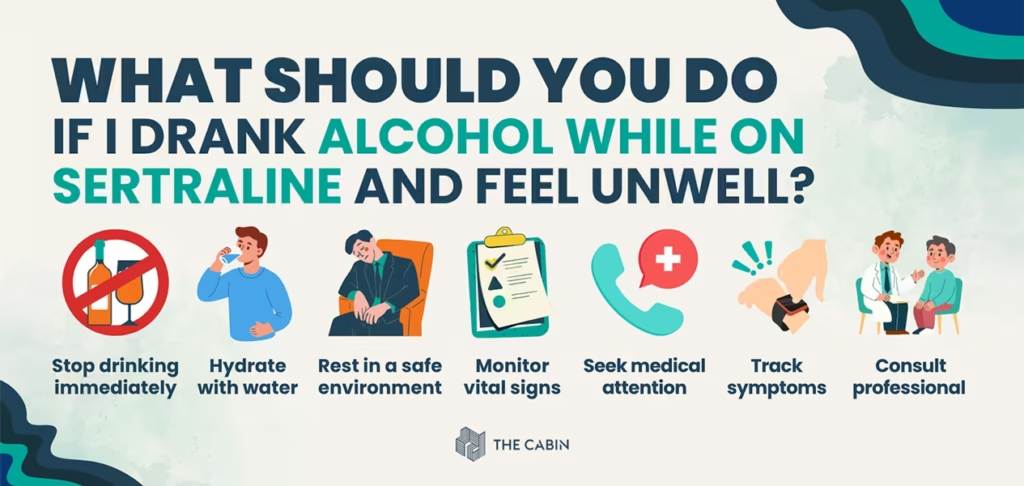
- Stop consuming alcohol immediately. Cease intake to prevent further central nervous system depression and worsening side effects. Discontinuing alcohol limits additional sedation and mood destabilization.
- Hydrate with water. Use fluids to support liver function and help the body process both alcohol and medication. Hydration may reduce headache, dizziness, and dehydration-related fatigue.
- Rest in a safe environment. Choose a calm, seated, or lying position to reduce dizziness, nausea, and risk of falls or injury. Avoid driving, operating machinery, or engaging in complex tasks until full alertness returns.
- Monitor vital signs. Check heart rate, breathing, and body temperature for abnormalities, noting rapid changes or severe symptoms. Seek urgent care if you notice persistent, rapid heartbeat, severe agitation, chest pain, or confusion.
- Seek medical attention if severe symptoms occur. Contact emergency services if experiencing confusion, vomiting, fainting, irregular heartbeat, or trouble breathing. Immediate care is necessary if suicidal thoughts, extreme mood shifts, or signs of serotonin toxicity appear.
- Avoid taking extra doses of Sertraline. Use the prescribed schedule to prevent overdose or amplified side effects. Do not skip future doses unless instructed by a healthcare professional.
- Track symptoms for follow-up. Record feelings of sedation, mood changes, or cognitive impairment to report to a healthcare professional. Documenting symptom timing helps clinicians assess interaction severity.
- Consult a healthcare provider. Apply professional guidance for continued Sertraline use and advice on future alcohol consumption. Personalized medical advice ensures safe continuation of therapy and reduces preventable complications.
Protect Your Path to Emotional Well-Being.
You deserve a life where your joy is authentic and your peace is lasting. If you’re struggling to stop drinking while coping with difficult feelings, reach out for help. At The Cabin, we offer professional support to help you regain control. Our team at The Cabin Chiang Mai provides a safe environment for early recovery phase and managing cravings. Take the first step toward a healthier future—start your recovery journey with us today!