Propranolol and alcohol interact through shared effects on cardiovascular regulation and central nervous system activity. Propranolol is a nonselective beta blocker prescribed for anxiety-related physical symptoms, palpitations, essential tremor, and migraine prevention because it reduces heart rate and blunts adrenaline-driven responses. It is also prescribed for hypertension, arrhythmias, and performance anxiety due to its ability to suppress sympathetic nervous system activation. The drug blocks beta-adrenergic receptors in cardiac and peripheral tissues, which stabilizes cardiovascular output and limits physiologic stress reactions. Alcohol use during Propranolol therapy requires caution rather than routine intake. Drinking alcohol while taking propranolol is not strictly contraindicated in all patients, yet it requires careful moderation and medical awareness. Propranolol and alcohol each lower blood pressure and depress central nervous system function, which increases drowsiness, dizziness, and orthostatic blood pressure drops. Additive vasodilation and reduced cardiac output may intensify hypotension in susceptible individuals. Combined exposure weakens compensatory cardiovascular responses and raises lightheadedness or fainting risk during drinking on propranolol during position changes or physical activity. Rapid standing, heat exposure, dehydration, or vigorous movement further increase syncope risk when both substances are active.
Can you Drink Alcohol While Taking Propranolol?
No, you cannot drink alcohol while taking Propranolol due to predictable cardiovascular risk. Drinking alcohol while taking propranolol is not recommended without medical guidance, since additive cardiovascular effects may increase safety risks. Propranolol is a nonselective beta-adrenergic blocker that lowers heart rate and blood pressure, and alcohol intensifies central nervous system depression and vascular dilation. Propranolol combined with alcohol increases orthostatic hypotension, excessive blood pressure reduction, bradycardia, dizziness, fatigue, and syncope risk during posture changes. The combination may also impair reflex tachycardia, which reduces the body’s ability to compensate for sudden drops in blood pressure. Propranolol undergoes extensive hepatic metabolism, and alcohol disrupts autonomic regulation, leading to unstable hemodynamic responses. Acute alcohol intake may further lower blood pressure, while chronic heavy use can alter liver metabolism and drug clearance. Monitoring of blood pressure and heart rate must occur during exposure, and consultation with the prescribing clinician must occur before alcohol intake if there is a risk of addiction to Alcohol, especially in individuals with cardiovascular disease, low baseline blood pressure, arrhythmias, or a history of alcohol misuse.
What Happens If You Mix Propranolol and Alcohol?
Serious cardiovascular and central nervous system effects can occur lowers heart rate and blood pressure through beta-adrenergic blockade, and the addition of alcohol intensifies central nervous system depression and vasodilation. The combination produces additive reductions in blood pressure and heart rate, along with dizziness, fatigue, and impaired coordination. Orthostatic hypotension and syncope risk. Propranolol metabolism occurs in the liver, and alcohol disrupts autonomic regulation, which can produce unpredictable hemodynamic responses and intensify side effects such as lethargy or lightheadedness. Clinical monitoring of blood pressure and heart rate is essential during co-exposure, and consultation with the prescribing clinician should occur before drinking alcohol to evaluate cardiovascular risk and overall safety. Even small amounts of alcohol can amplify these effects because both substances act on overlapping cardiovascular and neurological pathways, and individual tolerance, dosage, liver function, and underlying heart conditions further influence the severity of the interaction. In practical terms, mixing Propranolol and alcohol does not simply “double” side effects; it compounds them through shared mechanisms of action, creating clinically significant drops in blood pressure and heart rate that may require medical evaluation.
Does Alcohol Affect How Propranolol Works in the Body?
Yes, alcohol affects how Propranolol works in the body by altering cardiovascular and central nervous system responses, which changes both the intensity and predictability of its therapeutic effects. Propranolol is a nonselective beta-adrenergic blocker that reduces heart rate, blood pressure, and myocardial oxygen demand, while alcohol depresses the central nervous system and produces vasodilation, which further lowers systemic vascular resistance and amplifies circulatory changes. The combined effects intensify reductions in blood pressure and heart rate, and they increase the likelihood of dizziness, fatigue, and impaired coordination. Propranolol undergoes extensive hepatic metabolism via cytochrome P450 enzymes, and moderate alcohol intake does not significantly change propranolol blood levels in healthy adults, although transient hemodynamic fluctuations can still occur. Chronic or excessive alcohol consumption can impair liver function, which alters propranolol metabolism, slows drug clearance, and prolongs systemic beta-blockade. Monitoring cardiovascular parameters and consulting the prescribing clinician remain essential when alcohol exposure occurs during Propranolol therapy, because individual variability in liver function, dosage, and underlying cardiovascular status can significantly influence risk.
Can I have one glass of wine while on Sertraline?
No, you cannot have one glass of wine while on Sertraline because any amount of alcohol interacts with the medication and increases negative effects. Even one glass of wine is generally discouraged while taking sertraline, since alcohol can increase side effects and interfere with treatment response. Alcohol increases dizziness, drowsiness, confusion, and difficulty concentrating when taken with Sertraline and alcohol, raising the risk of impaired coordination and judgment. The additive central nervous system depression may impair reaction time, slow decision-making, and increase accident risk even after a single drink. Alcohol disrupts brain chemistry, reducing the antidepressant effect of Sertraline and worsening symptoms of depression or anxiety. Alcohol may intensify mood swings, increase irritability, and disrupt sleep quality, which are critical factors in antidepressant stability. Sedation, emotional instability, and cognitive impairment are exacerbated by binge drinking, which puts additional strain on the liver’s chemical-processing metabolism. Heavy or repeated alcohol intake further increases relapse risk and delays symptom remission. Even occasional alcohol use undermines treatment outcomes by decreasing Sertraline’s effectiveness and increasing the chance of adverse psychological and physiological reactions. Patients should consult their prescribing clinician before consuming alcohol, since individual response varies based on dosage, diagnosis, liver health, and psychiatric history.
What Are the Side Effects of Combining Propranolol and Alcohol?
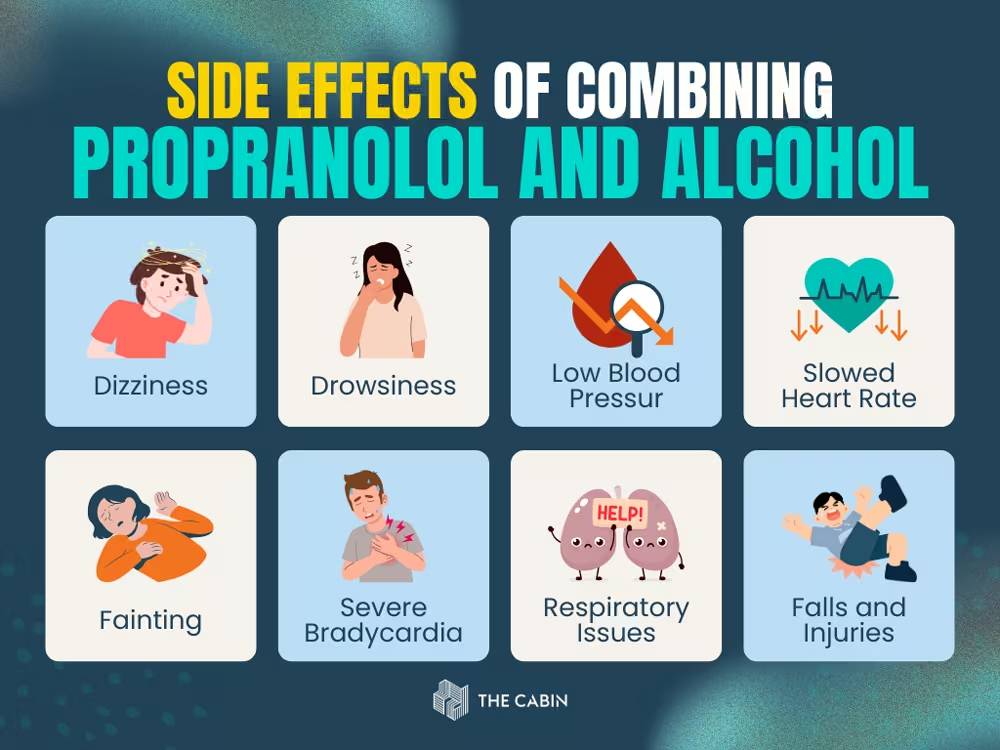
The side effects of combining Propranolol and alcohol are listed below, and each effect results from additive cardiovascular suppression and central nervous system depression that occur when both substances act simultaneously.
- Dizziness: A sensation of lightheadedness or unsteadiness caused by additive blood pressure reduction and central nervous system depression from Propranolol and alcohol, which can intensify during standing or sudden movement due to orthostatic changes.
- Drowsiness: Excessive fatigue and sleepiness resulting from the central nervous system depressant effects of alcohol combined with Propranolol’s cardiovascular slowing, which reduces cerebral perfusion and alertness.
- Low Blood Pressure (Hypotension): Reduced arterial pressure due to beta-adrenergic blockade and alcohol-induced vasodilation, increasing the risk of fainting, blurred vision, and weakness during routine activity.
- Slowed Heart Rate (Bradycardia): Reduced heart rate caused by Propranolol’s beta-blocking effects, amplified by alcohol’s impact on autonomic regulation, which can compromise adequate cardiac output in sensitive individuals.
- Fainting (Syncope): Loss of consciousness resulting from severe hypotension or bradycardia during posture changes or sudden activity, particularly in individuals with preexisting cardiovascular conditions.
- Severe Bradycardia: Critically low heart rate that can impair organ perfusion and oxygen delivery, requiring medical intervention, especially when symptoms include chest discomfort, confusion, or extreme weakness.
- Respiratory Issues in Asthma Patients: Intensification of bronchoconstriction due to nonselective beta-blockade, with alcohol potentially worsening central respiratory depression, which may aggravate wheezing or shortness of breath in susceptible patients.
- Falls and Injuries: Increased risk of accidents due to combined dizziness, impaired coordination, and reduced alertness from the interaction of Propranolol and alcohol, which significantly raises the likelihood of fractures, head injury, or emergency care visits
The overall risk increases with higher doses, rapid alcohol intake, underlying heart or liver disease, and concurrent use of other sedative medications, because these variables further destabilize cardiovascular and neurological regulation.
Does Propranolol Interact With Alcohol or Cause Dangerous Reactions?
Yes, Propranolol interacts with alcohol and can cause dangerous and clinically significant reactions, particularly when both substances are present in moderate to high amounts. The combination produces additive cardiovascular depression, which can lead to excessive hypotension, pronounced bradycardia, dizziness, and syncope. Alcohol enhances central nervous system depression, while Propranolol reduces heart rate and blood pressure through beta-adrenergic blockade, and this dual mechanism creates unpredictable hemodynamic responses that may destabilize otherwise controlled cardiovascular function. Populations at higher risk include elderly patients, patients with preexisting heart disease, and patients with asthma, in whom nonselective beta-blockade may worsen bronchoconstriction and impair respiratory stability. Monitoring of blood pressure and heart rate should occur during any period of co-exposure, and consultation with the prescribing clinician should take place before alcohol ingestion to assess cardiovascular risk, autonomic stability, and overall safety during Propranolol therapy. The interaction becomes more dangerous with higher doses, impaired liver function, or concurrent use of other sedative medications, because these factors further amplify cardiovascular suppression and central nervous system depression.
Can You Drink Wine, Beer, or Liquor While on Propranolol?
No, you should avoid drinking wine, beer, or liquor while taking Propranolol, because the combination produces additive cardiovascular and central nervous system effects that can destabilize blood pressure and heart rate. The risk depends on the alcohol dose rather than the type of beverage, which means ethanol quantity determines physiological impact more than whether the source is wine, beer, or distilled liquor. Small amounts of wine may produce minimal hemodynamic changes in some stable patients, whereas binge consumption of liquor sharply increases hypotension, pronounced bradycardia, dizziness, and risk of syncope. Propranolol reduces heart rate and blood pressure through beta-adrenergic blockade, and alcohol adds vasodilation and central nervous system depression, and this interaction creates unpredictable cardiovascular responses that can shift rapidly with posture changes or exertion. Populations at higher risk include elderly patients, patients with preexisting heart disease, and patients with asthma, in whom nonselective beta-blockade can worsen bronchoconstriction and compromise respiratory stability. Close monitoring of blood pressure and heart rate should occur during any co-exposure period, and consultation with the prescribing clinician should take place before alcohol ingestion to evaluate individualized cardiovascular risk and overall safety during Propranolol therapy. Individual factors such as dosage, liver function, concurrent medications, and baseline cardiovascular status further influence tolerance and risk severity.
How Long After Taking Propranolol Can I Drink Alcohol Safely?
You should generally wait at least 4 to 6 hours after taking an immediate-release formulation of Propranolol before drinking alcohol, while extended-release Propranolol typically requires a waiting period closer to 12 to 24 hours, because plasma concentration and cardiovascular effects remain sustained for longer durations. Propranolol reduces heart rate and blood pressure, while alcohol adds depressant cardiovascular effects, and waiting until after peak drug concentration helps reduce the likelihood of excessive hypotension, dizziness, and sedation. Immediate release Propranolol reaches peak plasma levels within 1 to 4 hours, which means interaction risk generally declines after the 4 to 6 hour window as plasma levels decrease. Extended release Propranolol maintains sustained plasma exposure across the dosing interval, which means interaction risk typically becomes lower near the end of the 24-hour dosing period when systemic exposure gradually tapers. Higher doses (40 mg) increase systemic exposure and extend interaction risk compared with 10 mg doses, as greater beta-adrenergic blockade produces more pronounced cardiovascular suppression. Reduced liver function slows hepatic metabolism of Propranolol and prolongs interaction duration, while alcohol tolerance changes symptom perception without reducing cardiovascular interaction risk related to alcohol drinking habits, which means individuals may feel less impaired subjectively, even though blood pressure and heart rate effects remain clinically significant.
Can I Take Propranolol After Drinking Alcohol?
No, you should avoid taking Propranolol immediately after drinking alcohol, because the combination increases cardiovascular and central nervous system risk during active intoxication. Propranolol and alcohol each lower blood pressure and slow heart rate, and their combined effects can produce exaggerated hypotension, dizziness, lightheadedness, and drowsiness when taken during recent intoxication. Propranolol suppresses compensatory adrenergic responses that normally counter alcohol-related vasodilation, and this suppression increases the likelihood of symptomatic blood pressure drops, particularly during standing or sudden movement.
Safer use requires waiting until alcohol effects fully resolve before taking Propranolol, so cardiovascular stability can return to baseline. Immediate-release Propranolol presents a lower interaction risk after alcohol clearance, which typically aligns with several hours after mild alcohol intake and substantially longer after heavier consumption. Extended-release Propranolol maintains sustained plasma exposure, which increases interaction risk if taken too soon after alcohol ingestion, as beta-adrenergic blockade remains prolonged. Higher doses deepen cardiovascular suppression and extend interaction risk, especially in individuals with lower baseline blood pressure or slower resting heart rates. Reduced liver function slows alcohol and Propranolol metabolism and prolongs interaction duration, which extends systemic exposure and delays full physiological recovery.
Does Alcohol Reduce Propranolol’s Effectiveness?
No, alcohol does not reduce Propranolol’s effectiveness at the pharmacologic receptor level, yet it can interfere with consistent symptom control for tremor, palpitations, and performance anxiety. Propranolol blocks beta-adrenergic receptors that drive heart rate elevation, tremor amplitude, and peripheral manifestations of anxiety, which directly suppresses sympathetic nervous system activity. Alcohol produces short-term sedation that masks anxiety perception while increasing vasodilation, heart rate variability, and rebound sympathetic activity after blood alcohol levels decline, which creates fluctuating autonomic responses over time.
Propranolol remains pharmacologically active for cardiovascular suppression during alcohol exposure, although symptom outcomes may appear inconsistent from a patient perspective. Tremor and palpitations may show less predictable improvement because alcohol independently alters neuromuscular control and autonomic tone. Performance anxiety symptoms often demonstrate reduced stability, since alcohol dampens anxiety perception initially, yet increases physiologic arousal during metabolic clearance. Propranolol’s effectiveness for symptom management depends on stable autonomic conditions, and alcohol disrupts these conditions through opposing effects on anxiety perception and cardiovascular regulation, which leads to variable subjective outcomes despite preserved beta-adrenergic blockade.
What Should You Do If You Accidentally Drink Alcohol While Taking Propranolol?
You should follow the six steps listed below if you accidentally drink alcohol while taking Propranolol, as each step reduces compounded cardiovascular and central nervous system effects.
- Stop consuming alcohol immediately. Cease further alcohol intake to prevent additional interaction with Propranolol and reduce compounding cardiovascular suppression, which lowers the risk of progressive hypotension and bradycardia.
- Monitor physical symptoms closely. Observe dizziness, lightheadedness, fatigue, nausea, weakness, slowed heart rate, and unusual sleepiness over the next several hours, as these symptoms reflect additive beta-adrenergic blockade and central depressant effects.
- Sit or lie down promptly. Assume a stable seated or lying position once dizziness or balance disturbance appears to reduce fall risk and minimize sudden blood pressure drops during posture changes, which helps maintain cerebral perfusion.
- Hydrate gradually with water. Drink water slowly to support circulatory stability without rapid fluid shifts that strain blood pressure regulation, since gradual hydration supports vascular tone more effectively than rapid intake.
- Pause further Propranolol dosing. Delay the next Propranolol dose until alcohol effects fully resolve and physical stability returns, unless your prescribing clinician instructs otherwise.
- Seek medical assistance when symptoms escalate. Contact medical services if symptoms intensify, fail to improve with rest and hydration, or include chest pain, confusion, severe weakness, fainting, or breathing difficulty, as these signs may indicate clinically significant cardiovascular suppression requiring prompt evaluation.
Taking prompt, measured action reduces complication risk because early stabilization supports blood pressure regulation and prevents injury related to syncope or impaired coordination.
Are There Safer Ways to Consume Alcohol While on Propranolol?
Yes, there are safer ways to consume alcohol while on Propranolol through structured harm reduction practices that limit overlapping cardiovascular and central nervous system effects. Propranolol lowers heart rate and blood pressure, while alcohol promotes vasodilation and sedation, and this combined physiology increases dizziness, fatigue, and balance impairment. Lower alcohol quantity reduces additive hypotensive stress, as total ethanol dose directly influences blood pressure reduction magnitude. Spacing drinks over time limits rapid blood alcohol concentration peaks that disrupt autonomic stability, which helps reduce sudden hemodynamic fluctuations. Hydration with water supports circulatory balance during alcohol intake, and steady fluid intake helps maintain vascular volume without abrupt shifts. Avoidance of binge drinking prevents abrupt blood pressure drops and excessive sedation, which lowers syncope and injury risk. Driving avoidance remains necessary because combined exposure impairs reaction time, coordination, and situational awareness. Lowest effective Propranolol dosing reduces interaction intensity during alcohol exposure, as lower systemic beta-adrenergic blockade produces less pronounced cardiovascular suppression.
Prescriber consultation remains essential for coordinated alcohol use during Propranolol therapy, since individualized risk assessment improves safety outcomes. Propranolol dose selection, formulation type, liver function status, and cardiovascular indication influence interaction risk, and these variables determine the degree and duration of beta-blockade during alcohol exposure. Modified medical guidance supports safer decision-making and reduces adverse outcomes when alcohol use occurs alongside Propranolol, particularly in patients with underlying heart disease, asthma, or impaired hepatic metabolism.
Can Mixing Propranolol With Alcohol Affect Mood, Sleep, or Mental Health?
Yes, mixing Propranolol with alcohol affects mood, sleep, and mental health through additive central nervous system depression, which alters emotional regulation, cognitive clarity, and autonomic balance. Propranolol dampens sympathetic nervous system activity that stabilizes heart rate and physiologic arousal, while alcohol suppresses cortical alertness and emotional regulation, and this dual suppression reduces adaptive stress responses. Combined exposure increases sedation, mental slowing, irritability, and mood fluctuation, particularly during periods of peak blood alcohol concentration and early drug absorption. Sleep quality declines, since alcohol fragments sleep architecture and Propranolol alters nighttime autonomic tone, which leads to lighter sleep cycles, reduced REM stability, and greater next-day fatigue.
Propranolol use for anxiety relies on consistent control of physical symptoms like tremor and palpitations, which supports perceived emotional stability. Alcohol disrupts that control by creating rebound sympathetic activation during metabolic clearance, and this rebound effect worsens anxiety perception and emotional instability after initial sedation fades. Daytime functioning declines due to impaired concentration, delayed reaction time, and residual drowsiness, which interfere with occupational and academic performance. Propranolol remains pharmacologically active during alcohol exposure, yet symptom outcomes become unpredictable, and this unpredictability undermines anxiety management goals and mental performance stability despite continued beta-adrenergic blockade.
Can Drinking Alcohol With Propranolol Increase Risk of Falls or Fainting?
Yes, drinking alcohol with Propranolol increases the risk of falls and fainting through compounded effects on blood pressure regulation and neuromuscular coordination, which destabilize posture control and cerebral perfusion. Propranolol lowers heart rate and limits reflex cardiovascular responses during position changes, while alcohol promotes vasodilation and central nervous system depression, and this combination weakens compensatory mechanisms that normally prevent sudden pressure drops. The combination heightens orthostatic hypotension, where standing leads to abrupt blood pressure reductions that cause dizziness, lightheadedness, or syncope, especially during rapid movement or dehydration. Impaired balance, slowed reaction time, and reduced muscle coordination further elevate fall risk during combined exposure, as central processing speed and motor response become blunted.
Older adults face greater susceptibility due to age-related autonomic decline and reduced physiologic reserve, which limits adaptive cardiovascular compensation. Polypharmacy increases danger, because additional medications may share hypotensive or sedating properties that compound with alcohol and Propranolol effects. Liver impairment prolongs drug and alcohol clearance, and this delayed clearance extends exposure duration and physiologic instability. Propranolol remains pharmacologically active during alcohol intake, and this sustained beta-adrenergic blockade makes fall and fainting risk clinically significant during routine daily activities and mobility tasks.
Is One Glass of Wine Safe While Taking Propranolol or Metoprolol?
No, one glass of wine is not considered safe while taking Propranolol or Metoprolol, because alcohol and beta blockers produce additive cardiovascular and central nervous system effects that alter hemodynamic stability and alertness. Propranolol and Metoprolol lower heart rate and blood pressure, while alcohol promotes vasodilation and sedation, and this combination increases dizziness, lightheadedness, and orthostatic hypotension, even at relatively low alcohol quantities. A standard glass of wine at about 5 ounces alters autonomic regulation, and this alteration creates unpredictable responses in blood pressure control, coordination, and cognitive clarity.
Propranolol presents higher interaction sensitivity than Metoprolol due to nonselective beta blockade and greater central nervous system penetration, which amplifies both peripheral and central depressant effects during alcohol exposure. Metoprolol shows relative cardioselectivity, yet blood pressure reduction and coordination impairment remain clinically relevant, particularly when alcohol intake coincides with peak plasma drug levels. Interaction risk rises with higher beta blocker doses, preexisting hypotension, cardiovascular disease, liver impairment, advanced age, or concurrent use of antihypertensive or sedating medications that compound cardiovascular suppression when combined with alcohol with Metoprolol. Even small alcohol quantities may feel subjectively mild, yet objective cardiovascular changes can still occur, which increases fall and fainting risk during routine activities.
Can Propranolol Make You Feel Alcohol’s Effects More Strongly?
Yes, Propranolol can make you feel alcohol’s effects more strongly through combined central nervous system depression and additive reductions in blood pressure and heart rate, which intensify perceived intoxication even at lower alcohol doses. Propranolol limits sympathetic responses that normally counter alcohol-related vasodilation, while alcohol suppresses alertness and coordination, and this dual suppression weakens cardiovascular compensation mechanisms. The interaction amplifies sedation, lightheadedness, and balance impairment, since cardiovascular compensation becomes less responsive during combined exposure. Clinical observations and patient-reported experiences describe increased dizziness, sleepiness, and fatigue even after small amounts of alcohol, which reflects overlapping depressant physiology rather than higher blood alcohol concentration. Propranolol remains pharmacologically active during alcohol intake, and this ongoing beta-adrenergic blockade can intensify perceived intoxication and prolong subjective recovery time. Daytime functioning declines due to slowed reaction time, impaired concentration, and residual drowsiness, which reinforces the heightened impact of alcohol when taken alongside Propranolol and increases safety concerns during driving or task performance.
How Much Alcohol Can You Drink While on Beta Blockers Like Propranolol?
One standard alcoholic drink is generally considered the maximum amount you can consume while on beta blockers like Propranolol, while zero intake remains the lowest-risk option, since complete avoidance eliminates additive cardiovascular suppression. Propranolol lowers heart rate and blood pressure and reduces sympathetic compensation, while alcohol adds vasodilation and central nervous system sedation, and these combined mechanisms increase dizziness, lightheadedness, impaired coordination, and fainting risk. A standard drink refers to approximately 5 ounces of wine, 12 ounces of beer, or 1.5 ounces of distilled spirits, and intake beyond that level raises interaction risk in an unpredictable manner, as blood alcohol concentration rises and autonomic regulation becomes less stable. Personal limits vary based on age, Propranolol dose, formulation type, and underlying health conditions, which determine the degree of beta-adrenergic blockade and physiologic reserve. Older adults face greater vulnerability due to reduced autonomic reserve, which limits rapid cardiovascular adjustment during posture changes. Higher Propranolol doses intensify blood pressure suppression and sedation, thereby narrowing the margin between mild symptoms and clinically significant hypotension. Cardiovascular disease, liver impairment, and diabetes further narrow safe margins, as these conditions impair circulatory stability and metabolic clearance. Binge drinking presents a clear danger, because rapid alcohol absorption overwhelms cardiovascular control and accelerates blood pressure decline. Mixing alcohol with other central nervous system depressants magnifies sedation and fall risk related to alcohol with Beta Blockers, which substantially increases injury potential during routine activities.
Your life deserves a steady rhythm
Don’t let the metabolic “traffic jam” from mixing beta-blockers and spirits hold you back. If you’re struggling to stop drinking, you don’t have to do it alone. Reclaim your life from alcohol misuse with expert treatment at The Cabin Chiang Mai, Asia’s leading rehabilitation clinic. Experience world-class support in a serene setting—all at a fraction of Western costs. Contact us today for a free intake call and take the first step towards a healthier, alcohol-free life.