No, you can not drink Mucinex with alcohol, as it is not recommended. Mucinex contains guaifenesin, which works by thinning mucus to relieve congestion. Alcohol increases drowsiness, dizziness, and impairments in motor skills when combined with Mucinex. With their combination, the effects intensify, making activities like driving dangerous. Alcohol also places extra strain on the liver, which processes both Mucinex and alcohol. This additional strain can lead to liver damage over time, particularly in individuals with existing liver conditions.
Time must be considered before drinking alcohol while taking Mucinex. The dose of Mucinex also plays a critical role in the risk level. Higher doses increase the likelihood of side effects. Current health conditions, such as liver problems or respiratory issues, heighten the risks associated with consuming alcohol. The amount and type of alcohol taken affect the level of risk. Larger quantities or stronger types of alcohol raise the potential for adverse effects. The time between taking Mucinex and drinking alcohol is essential. Waiting at least several hours (12 hours) reduces the risk, depending on the individual’s metabolism. However, it is safest to avoid alcohol altogether.
Doctors recommend avoiding alcohol while taking Mucinex. Drinking alcohol and taking Mucinex together increases the risk of serious side effects, such as impaired thinking, loss of fine motor skills, and liver strain. The safest approach is to avoid drinking alcohol while using Mucinex. Drinking alcohol on Mucinex raises the chances of complications and should be avoided.
Can you drink alcohol while taking Mucinex?
No, you cannot drink alcohol while taking Mucinex, as is not recommended. Mucinex contains guaifenesin, which works to thin mucus and relieve congestion. Alcohol increases the sedative effects of Mucinex, leading to heightened drowsiness and dizziness. Mixing Mucinex and alcohol also impairs motor skills and coordination, making tasks like driving dangerous. Alcohol places additional strain on the liver, which processes the substances. When alcohol and Mucinex are used together, over time, it can lead to liver damage in patients with existing liver conditions.
The dosage of Mucinex, current health condition, existing medical condition, amount and type of alcohol, as well as, the time between taking the medication and drinking must be considered before drinking alcohol while taking Mucinex. The dose of Mucinex is a key factor, as higher doses increase the risk of side effects. Current health conditions, like liver problems or respiratory issues, increase the risks when alcohol is taken. The amount and type of alcohol consumed also affects the level of risk. Larger quantities or stronger types of alcohol can worsen side effects. The time between taking Mucinex and drinking alcohol matters, and waiting a few hours can reduce the risk. However, it is not safe to Drink Alcohol with a cold or while taking other cold medications. Drinking on Mucinex raises the risk of serious side effects, including liver strain, impaired cognitive function, and loss of motor skills.
What Happens If You Drink Alcohol While Taking Mucinex?
Drinking alcohol while taking Mucinex increases drowsiness and dizziness and may worsen the side effects of Mucinex. Mixing the two substances impairs concentration and motor skills, making activities like driving dangerous. Mucinex contains guaifenesin, which works by thinning mucus in the respiratory tract. Alcohol interferes with the effectiveness of Mucinex. Research shows that alcohol consumption negatively impacts the body’s ability to fight infections and recover. The combination of alcohol and Mucinex puts unnecessary strain on the liver, especially in individuals with pre-existing liver conditions. Avoid alcohol to ensure safer results while using Mucinex. Drinking alcohol while on Mucinex can increase the risk of adverse effects. Drinking alcohol while taking Mucinex can lead to several adverse reactions, including increased drowsiness, dizziness, nausea, and potentially severe organ damage, particularly to the liver, according to “Side Effects Of Mixing Mucinex And Alcohol,” written by Kola, published on April 30, 2025.
Is it bad to drink alcohol on Mucinex?
No, drinking alcohol with Mucinex is not bad, per say, but not recommended. Exacerbating the sedative effects of Mucinex with alcohol may result in increased drowsiness and dizziness. The combination (Mucinex with alcohol ) may impair coordination and focus, making activities like driving dangerous. Mucinex contains guaifenesin and helps thin mucus, while alcohol can hinder its effectiveness and may also slow the recovery process. Alcohol can dehydrate the body, reducing Mucinex’s ability to work correctly. The liver processes both substances, and combining them can strain liver function, especially for patients with existing liver conditions. Alcohol can suppress the immune system, slowing recovery from illnesses like colds or the flu. Drinking alcohol on Mucinex is not advised for safety and better recovery. Drinking alcohol on Mucinex can increase the risk of unwanted side effects and complications.
How does Alcohol Affect Mucinex in the Body?
Alcohol affects Mucinex in the body by interacting in ways that can reduce the effectiveness of the medication and increase the risk of side effects. Alcohol and guaifenesin, the active ingredient in Mucinex, are processed by the liver. The liver is responsible for metabolizing alcohol, and at the same time, it also works to break down guaifenesin. When alcohol is present in the bloodstream, the liver prioritizes metabolizing alcohol, and it can slow the breakdown and absorption of Mucinex. Mucinex may not work as efficiently, resulting in relief from congestion. Alcohol also has a dehydrating effect on the body. Mucinex works by thinning mucus to help clear the respiratory tract. Dehydration can hinder its ability to perform its function. Alcohol consumption may exacerbate drowsiness and dizziness, which are common side effects of Mucinex. Combined effects can impair cognitive functions and motor skills could increase the risk of accidents and falls.
Alcohol can suppress the immune system, making it harder for the body to fight infections. Mucinex is used to relieve symptoms of respiratory diseases (cold or flu), and alcohol may delay recovery by weakening the immune response time.
Mixing Mucinex and alcohol is generally considered unsafe and can lead to various adverse effects, including a rapid heart rate and liver damage; according to “Mucinex and Alcohol: Safety, Risks, and More,” written by Hana Ames, published on November 16, 2022. Alcohol can delay the body’s absorption of medications and decrease their effectiveness. Combining alcohol with Mucinex is not advisable and may place additional stress on the liver, especially for patients with existing liver conditions, increasing the risk of liver damage. Avoiding Mucinex and alcohol interaction is essential to ensure optimal effectiveness and reduce the risk of side effects.
Does Alcohol Reduce the Effectiveness of Mucinex?
Yes, alcohol reduces the effectiveness of Mucinex by interfering with the body’s ability to absorb and process Mucinex, leading to reduced efficacy. The liver plays a central role in metabolising alcohol and guaifenesin, the active ingredient in Mucinex. The liver prioritises breaking down alcohol, delaying the breakdown of Mucinex if alcohol is consumed. A slower metabolism means the medication may not work as effectively to relieve symptoms, such as congestion and mucus buildup. Alcohol also affects hydration levels in the body. It is a diuretic as well, meaning it causes increased urination and can lead to dehydration. Mucinex works by thinning and loosening mucus. Dehydration can make the process less effective, preventing the medication from working as intended. Alcohol has a sedative effect and can increase feelings of drowsiness and dizziness when combined with Mucinex. This combined effect may impair coordination and cognitive function, making it more challenging to perform daily tasks safely.
Alcohol impairs the immune system, reducing the body’s ability to fight off infection, according to the study “Opposing Effects of Alcohol on the Immune System” written by Tasha Barr, published in July 2016. Mucinex is commonly used to relieve symptoms of respiratory infections like colds and flu. Alcohol consumption can slow this recovery, making it harder for the body to heal. The body’s weakened immune system is impacted by alcohol, meaning the body cannot effectively respond to illness, further decreasing the benefits of Mucinex. Combining alcohol with Mucinex is not advisable as their interaction can lead to a reduced therapeutic effect and increase the risk of side effects, such as drowsiness, dizziness, and dehydration. Avoiding alcohol while taking Mucinex is the safest approach for maximising the medication’s effectiveness.
Does Alcohol Make Mucinex Less Effective?
Yes, alcohol makes Mucinex less effective. Alcohol slows the absorption of guaifenesin, the active ingredient in Mucinex, reducing its ability to thin and loosen mucus. The liver metabolizes both alcohol and Mucinex, and unfortunately, the alcohol takes priority in processing. Mucinex remains in the system longer before being metabolized, delaying its effects. Alcohol may cause dehydration, making it harder for Mucinex to work as intended. The combination of alcohol with Mucinex can impair cognitive and motor functions, increasing the risk of side effects like drowsiness and dizziness. Alcohol should be avoided while using Mucinex to ensure optimal results.
How much Alcohol can you Safely Drink with Mucinex?
There is no specific amount of alcohol you can safely drink while taking Mucinex. Avoid drinking alcohol when taking Mucinex. Drinking alcohol can interfere with how Mucinex works, slowing its absorption and reducing its effectiveness. Alcohol may also increase the risk of side effects such as drowsiness and dizziness. Even small amounts of alcohol can affect the liver. When the liver has to process both alcohol and guaifenesin, the active ingredient in Mucinex, it has to work twice as hard. Drinking large amounts of alcohol while taking Mucinex can impair liver function and worsen side effects. Alcohol must be avoided altogether when taking Mucinex to have optimal, safe, and effective results.
Is it better to avoid alcohol when taking Mucinex?
Yes, it is better to avoid alcohol when taking Mucinex. Alcohol consumption slows the absorption of guaifenesin, the active ingredient in Mucinex, reducing its ability to relieve congestion. The liver processes alcohol and Mucinex together, but alcohol takes priority, delaying the breakdown of the medication. Alcohol can also dehydrate the body, hindering Mucinex’s ability to thin and loosen mucus. Small amounts of alcohol can interfere with Mucinex’s effectiveness. Drinking large amounts of alcohol while taking Mucinex significantly increases the risk of side effects such as dizziness, drowsiness, and impaired motor skills.
Does Alcohol Addiction Increase the Risks of Taking Mucinex?
Yes, alcohol addiction can increase the risks of taking Mucinex. Chronic alcohol use can severely impair liver function, as it plays an essential role in metabolizing alcohol and guaifenesin, the active ingredient in Mucinex. When the liver is compromised, its ability to process Mucinex is diminished, delaying its absorption and reducing its effectiveness. The body then does not fully benefit from Mucinex’s intended purpose of thinning mucus. Alcohol addiction suppresses the immune system further, making it more difficult for the body to recover from illnesses such as the common cold or flu. Mucinex is used to alleviate symptoms of these conditions, but a weakened immune system reduces the body’s ability to respond to the treatment. Chronic alcohol use increases the risk of long-term illness and further complicates the recovery process.
Alcohol is a diuretic that leads to increased urination and dehydration. Dehydration impacts Mucinex’s effectiveness, as it becomes harder for the medication to work correctly in a dry system. Alcohol-induced dehydration reduces mucus hydration, which Mucinex relies on to ease congestion. The combination of Mucinex and alcohol raises the risk of side effects like dizziness, drowsiness, and impaired coordination, making it more challenging to perform daily tasks safely. The risks and side effects of taking Mucinex are greater due to the strain on the liver, compromised immune function, and increased likelihood of dehydration in patients with alcohol addiction. The effectiveness of Mucinex and the possibility of adverse health outcomes may increase due to alcohol addiction risks.
Is Beginning Recovery from Alcohol before Taking Mucinex?
Yes, alcohol early recovery phase is important before taking Mucinex. Chronic alcohol consumption can severely impact liver function and the important role it plays in metabolizing medications like Mucinex. The liver processes alcohol and guaifenesin, the active ingredient in Mucinex, but alcohol takes priority. The liver is compromised due to the alcohol use, as it prioritizes alcohol metabolism, leading to slower breakdown and absorption of Mucinex. Mucinex may not work as efficiently, reducing its effectiveness in thinning and loosening mucus in the respiratory system. Liver impairment and alcohol consumption can weaken the immune system, making it harder for the body to fight off infections such as the common cold or flu. Mucinex is used to relieve symptoms of these illnesses by clearing congestion and reducing mucus buildup. The immune system is suppressed by alcohol, recovery may be slower, and the body may not respond as well to the treatment. A compromised immune system means that Mucinex may not provide the desired relief, leading to a longer illness duration.
Alcohol acts as a diuretic, leading to increased urination and dehydration. Dehydration can impair the body’s normal function and reduce the effectiveness of medications. Mucinex works best when the body is adequately hydrated, because the medication relies on moisture in the system to thin mucus and clear the airways. The dehydration caused by alcohol can hinder Mucinex’s ability to perform its function, making it less effective at relieving congestion.
Alcohol use can increase the likelihood of experiencing side effects like dizziness, drowsiness, and impaired coordination when combined with Mucinex. The side effects can be dangerous, especially when engaging in activities that require focus and motor skills. Combining alcohol and Mucinex can increase the risk of accidents or falls, leading to more severe health complications. Allowing time for the body to early recovery phase from alcohol ensures that the liver is functioning optimally. early recovery helps improve liver efficiency, allowing Mucinex to be processed correctly. The early recovery supports a healthier immune system and reduces the risk of dehydration, ensuring that Mucinex works as intended. For the best results and to minimise potential health risks, it is essential to early recovery phase from alcohol before taking Mucinex. The success of Mucinex in relieving symptoms and its overall effectiveness are significantly influenced by alcohol early recovery phase.
Can Mucinex be Addictive?
No, Mucinex can not be addictive. The active ingredient in Mucinex, guaifenesin, is an expectorant that helps thin and loosen mucus in the airways, making it easier to clear from the body. Guaifenesin does not affect the central nervous system in a way that leads to physical dependence or cravings, which are typical characteristics of addictive substances. Mucinex works by targeting respiratory symptoms and does not produce any euphoric effects that encourage misuse, unlike opioids or other drugs that alter brain chemistry.
Mucinex does not lead to addiction, but improper use of the medication can cause unwanted side effects. Taking more than the recommended dosage can result in nausea, dizziness, vomiting, and gastrointestinal distress. Overuse of Mucinex can lead to an upset stomach, dehydration, and even liver strain, primarily when used alongside other medications or substances. Patients may combine Mucinex with other substances to intensify its effects, but this does not indicate that the medication itself is addictive.
Mucinex is for short-term relief of respiratory symptoms, and when used as directed, it is generally safe and effective. The key to ensuring safety and avoiding potential complications is to follow the recommended dosage and avoid self-medicating beyond the prescribed amount. Misusing the drug or if dependence arises, it is important to consult a healthcare professional for guidance. The medication does not lead to Mucinex addiction when used as directed and when taken responsibly.
How does Alcohol Interact with Higher Doses of Mucinex?
Higher doses of Mucinex combined with alcohol can cause serious interactions, especially because the liver processes both substances. Alcohol early recovery phase is essential before taking Mucinex, as chronic alcohol consumption can impair liver function, which is crucial for metabolising medications like Mucinex. The liver prioritises alcohol metabolism, slowing down the breakdown and absorption of guaifenesin, the active ingredient in Mucinex, when alcohol is consumed alongside higher doses of Mucinex.
Alcohol consumption weakens the immune system, making it harder for the body to fight off infections such as the common cold or flu. Mucinex is often used to relieve symptoms of these illnesses by clearing congestion and reducing mucus buildup. When the immune system is suppressed by alcohol, the recovery may be slower, and the body may not respond well to the treatment. A compromised immune system means that Mucinex may not provide the desired relief, leading to a longer illness duration. Alcohol also acts as a diuretic and causes increased urination and dehydration. Dehydration affects the body’s ability to function correctly and impairs the effectiveness of medications. Mucinex works best when the body is adequately hydrated because the medication relies on moisture in the system to thin mucus and clear the airways. Dehydration caused by alcohol can hinder Mucinex’s ability to perform its function, making it less effective at relieving congestion.
Alcohol use may increase the likelihood of experiencing side effects like dizziness, drowsiness, and impaired coordination when combined with Mucinex. These side effects can be dangerous, especially when engaging in activities that require focus and motor skills. Combining alcohol and Mucinex can increase the risk of accidents or falls, leading to more severe health complications.
Alcohol interferes with the metabolism of various medications, including over-the-counter drugs like Mucinex, according to a study, “Alcohol and Medication Interactions,” authored by Ron Weathermon, Pharm.D., published in 1999. The study explains that alcohol affects the liver’s ability to process drugs, leading to altered drug levels in the body. The drug can amplify the effects of medications or lead to long-term exposure, increasing the risk of negative side effects. The research underscores the importance of avoiding alcohol while using medications like Mucinex to ensure safe and effective treatment. The treatment strongly advises avoiding alcohol when taking higher doses of Mucinex. Combining the two increases the likelihood of severe side effects and delays the body’s ability to recover from illness. Ensuring that Mucinex is taken as directed and without alcohol, is the safest approach to ensure optimal effectiveness and reduce the risk of unwanted complications. Alcohol early recovery phase improves the effectiveness of Mucinex, reducing side effects and supporting recovery.
How do Different Alcohol Types Interact with Mucinex?
Yes, different alcohol types can interact with Mucinex in similar ways (causing dehydration, liver strain, and increased sedation), depending on the type of alcohol consumed. Beer, wine, and liquor each have varying alcohol contents and ingredients, and influence their specific effects when combined with Mucinex. Beer and wine may have a lower alcohol content, but the sugar and other fermentable ingredients in these beverages can irritate the stomach, amplifying gastrointestinal side effects like nausea and upset stomach when combined with Mucinex. Liquor, with its higher alcohol content, places additional strain on the liver and is responsible for metabolising both alcohol and guaifenesin, the active ingredient in Mucinex. This strain delays the metabolism of Mucinex, leading to prolonged side effects and reduced effectiveness.
Alcohol in any form is a diuretic, can increase urination and lead to dehydration. Alcohol taken with Mucinex works best in a well-hydrated system, and unfortunately, alcohol exacerbates dehydration, reducing the medication’s ability to thin and loosen mucus effectively. Higher doses of Mucinex, already taxing the liver, are made even more difficult to process when alcohol is introduced. A combination of the different types of alcohol and Mucinex can increase the risk of liver damage, especially when alcohol is consumed in large quantities.
Alcohol competes with other substances for liver enzymes, slowing down the metabolism of medications, according to “Alcohol and Medication Interactions”, written by Ron Weathermon and David W. Crabb, published in March 1999. The study highlights that the effect is particularly noticeable when higher doses of medication are involved, leading to longer exposure and increased side effects. The interaction between alcohol and higher doses of Mucinex increases the likelihood of adverse reactions, including liver strain, gastrointestinal issues, and dehydration. Mucinex and alcohol interaction must be avoided, especially when taking higher doses of Mucinex, to ensure safe and effective use.
Can you Drink Beer While Taking Mucinex?
No, you can not drink beer while taking Mucinex, as is not recommended. Beer contains alcohol, processed by the liver, the same organ responsible for metabolizing guaifenesin, the active ingredient in Mucinex. Alcohol is introduced, and it competes for the liver’s attention, delaying the breakdown and absorption of Mucinex. Any type of alcoholic drink reduces the medication’s effectiveness in thinning and loosening mucus, which is its primary function.
Beer is a diuretic beverage, meaning it may increase the frequency of urination, leading to dehydration. Dehydration interferes with the body’s ability to maintain the moisture necessary for Mucinex to work effectively. Mucinex relies on proper hydration to thin mucus and aid in its removal from the airways. Dehydration makes it more difficult for the medication to achieve its effect and limits its benefits.
Alcohol consumption amplifies some of the side effects of Mucinex, such as dizziness, nausea, and upset stomach. The side effects are intensified and can increase the risk of discomfort and possible accidents due to impaired coordination or cognitive function. Even moderate alcohol consumption can worsen the symptoms, making it harder to function normally. Alcohol consumption weakens the immune system and may delay recovery from illnesses such as colds or the flu, conditions for which Mucinex is usually used to treat. Alcohol’s suppressive effects on the immune system can hinder the body’s ability to fight off infections, complicating the healing process further. Avoid drinking beer or any alcohol while taking Mucinex. Mucinex and beer do not mix well, as alcohol can reduce the medication’s effectiveness, increase side effects, and hinder the body’s recovery from illness.
Can you Drink Wine with Mucinex?
No, you can not drink wine with Mucinex, as it is not recommended. Wine contains alcohol and is processed by the liver, the same organ that metabolizes guaifenesin, the active ingredient in Mucinex. After consuming alcohol, it takes priority in the liver, slowing down the breakdown of Mucinex and reducing its effectiveness. Mucinex may not work as efficiently in thinning and loosening mucus, and its primary function can hinder the relief of congestion, leaving the respiratory system less clear. Wine is a diuretic, meaning it can increase urination and lead to dehydration. Dehydration is concerning when taking Mucinex because the medication relies on proper hydration to thin mucus and help it clear from the airways. Mucinex’s ability to effectively loosen and expel mucus is diminished, and its therapeutic effect relies on the hydration of the body. Dehydration places additional strain on the body, further complicating recovery
Alcohol, including wine, amplifies specific side effects of Mucinex. Taking wine with Mucinex may increase the likelihood of dizziness, drowsiness, upset stomach, and nausea. These effects may become more pronounced when alcohol is consumed alongside Mucinex, making it more difficult to function normally or perform tasks that require focus and coordination. The combination of alcohol and Mucinex can weaken the immune system, as alcohol suppresses immune function. Mucinex is used to treat symptoms of respiratory illnesses, such as colds or the flu. A compromised immune system can delay recovery, making it harder for the body to fight off infections. Avoid drinking wine while taking Mucinex to maximize its effectiveness and ensure safe results. Mucinex and wine do not mix well, as the interaction can impair the medication’s ability to relieve congestion and increase the risk of side effects and cause dehydration.
How Long After Taking Mucinex can You Drink Alcohol?
You can drink alcohol 24 hours after taking Mucinex. Alcohol can increase drowsiness and dizziness, which may worsen the side effects of Mucinex, such as fatigue and lightheadedness. The combination of the two impairs concentration and motor skills, making activities like driving or operating machinery more dangerous. Mucinex contains guaifenesin, a medication designed to thin mucus and clear the airways. Alcohol can interfere with guaifenesin’s ability to relieve congestion, reducing its intended benefits effectively.
Alcohol consumption negatively impacts the body’s immune system and its ability to recover from infections. Alcohol can delay healing by lowering the body’s defenses. The liver may face additional stress when alcohol and Mucinex are mixed, particularly in patients with pre-existing liver conditions, increasing the risk of liver damage. Avoiding alcohol while taking Mucinex can help minimize risks and reduce the chance of experiencing adverse effects. Consuming alcohol during medication use complicates the body’s recovery process by impairing the immune response and increasing the potential for side effects, according to “Mucinex and Alcohol: Why They’re Dangerous to Mix,” written by Chris Elkins, MA, with medical review by Ashraf Ali, MD, published on March 20, 2023.
What are the Side Effects of Mixing Mucinex and Alcohol?
The side effects of mixing Mucinex and Alcohol are listed below.
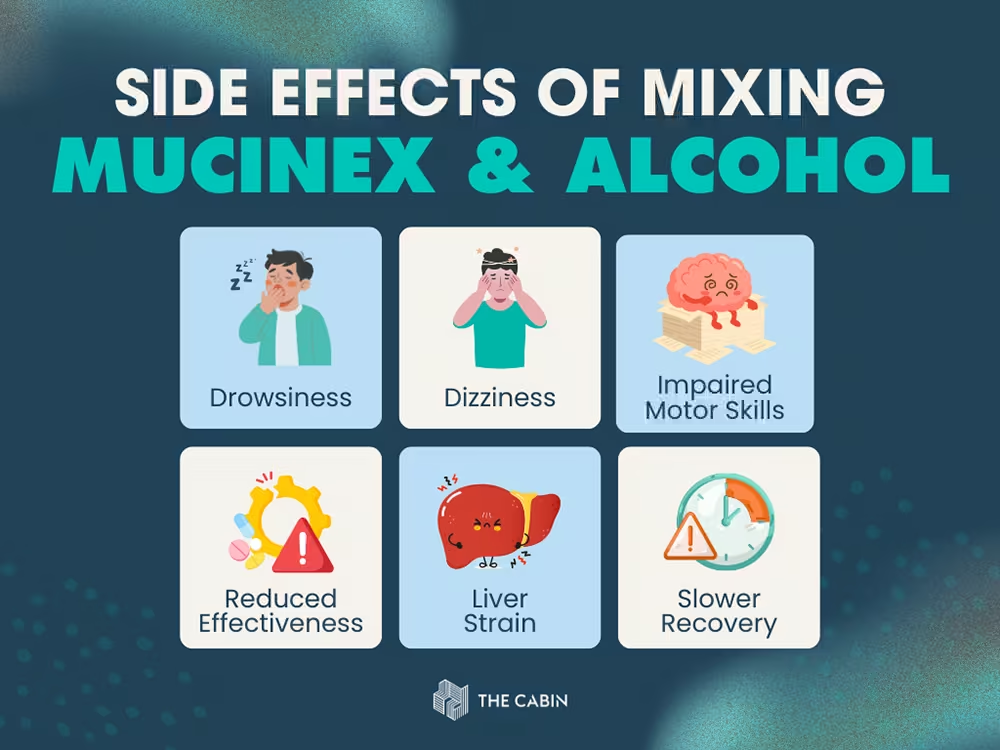
- Drowsiness: Alcohol enlarges the sedative effects of Mucinex, leading to heightened drowsiness.
- Dizziness: Alcohol and Mucinex can result in dizziness, making it harder to maintain balance.
- Impaired Motor Skills: The combination can affect coordination and skills, making tasks like driving hazardous.
- Reduced Effectiveness of Mucinex: Alcohol interferes with the effectiveness of guaifenesin, the active ingredient in Mucinex, decreasing its ability to thin mucus.
- Liver Strain: Mixing the two substances places additional strain on the liver, especially in individuals with existing liver conditions.
- Slower Recovery from Illness: Alcohol weakens the immune system and can delay recovery from respiratory infections. Alcohol intake during medication use complicates the body’s ability to recover from illness. It enlarges the risk of side effects, according to ‘Coming of Age in Recovery: The Prevalence and Correlation of Substance Use in the Recovery Status Among Adolescents and Emerging Adults, ‘ written by Douglas C. Smith and Crystal A. Reinhart, published on December 19, 2023.
How Does Alcohol Worsen the Side Effects of Mucinex?
Alcohol worsens the side effects of Mucinex by amplifying drowsiness and dizziness. Alcohol and Mucinex can independently cause these effects, but together, they intensify them. Alcohol impairs coordination and motor skills, making tasks like driving or operating machinery particularly dangerous. Mucinex contains guaifenesin, which helps thin mucus in the respiratory tract to ease congestion. Alcohol can reduce the effectiveness of guaifenesin, limiting its ability to relieve symptoms.
Mixing alcohol with Mucinex places additional strain on the liver, especially for individuals with existing liver conditions. Alcohol weakens the immune system, slowing the body’s recovery from illness. Consuming alcohol while taking Mucinex increases the risk of liver damage, impaired motor function, and slower recovery from infections. The combined use of alcohol and Mucinex can exacerbate symptoms and delay the healing process, making it essential to avoid alcohol when using Mucinex to ensure more effective treatment and a faster recovery.
What are the Long-Term Effects of Mixing Mucinex and Alcohol?
The Long-Term effects of mixing Mucinex and Alcohol are listed below.
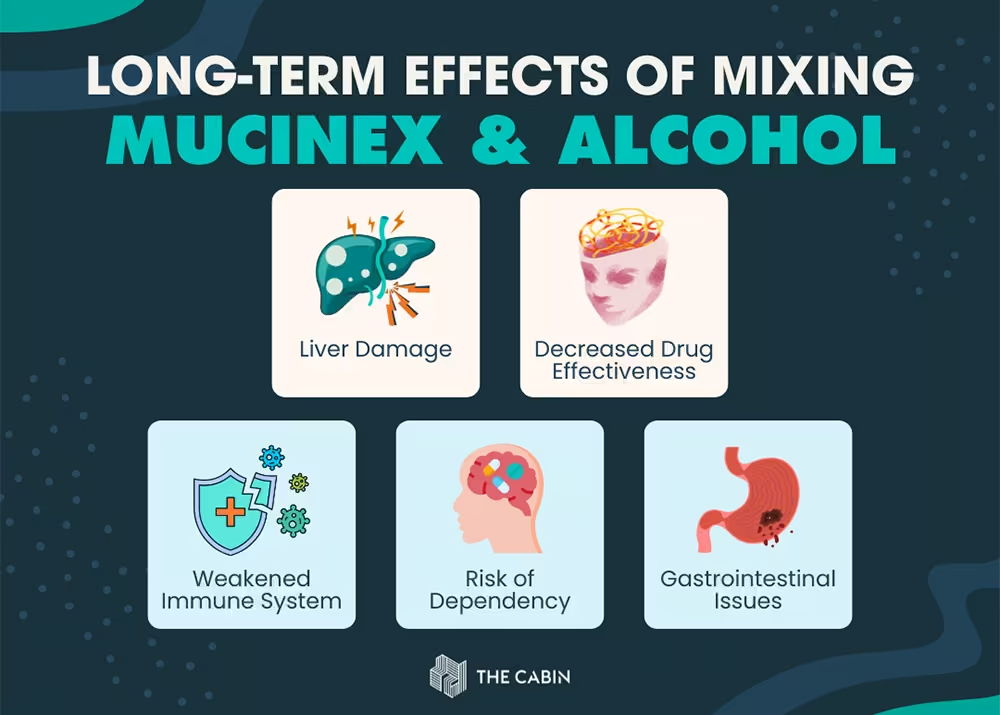
- Liver Damage: Long-term use of both alcohol and Mucinex together, increases strain on the liver. The liver processes alcohol, and Mucinex’s active ingredient, guaifenesin, is metabolized in the liver. The combined workload can lead to liver damage, liver disease, or even liver failure over time in individuals with pre-existing liver conditions.
- Impaired Cognitive Function: Regularly mixing alcohol and Mucinex can affect cognitive functions such as memory, concentration, and decision-making. Alcohol is a depressant, and its sedative effects, when combined with Mucinex, can intensify confusion and mental fog, making it more difficult to focus or think clearly.
- Weakened Immune System: Chronic alcohol consumption weakens the immune system, making the body more susceptible to infections. Mucinex is meant to help alleviate respiratory issues by thinning mucus, but alcohol can hinder the body’s ability to recover, delaying the healing process and potentially exacerbating symptoms of illness.
- Risk of Dependency: Alcohol is addictive, and using it regularly in combination with Mucinex may lead to dependency. Mixing alcohol with medications like Mucinex, primarily when used frequently, may increase the chance of developing a pattern of alcohol misuse or addiction, which presents long-term health risks.
- Gastrointestinal Issues: Chronic use of alcohol in combination with Mucinex can result in gastrointestinal problems. Alcohol irritates the stomach lining, and Mucinex’s impact on the digestive system, when combined with alcohol, may lead to ulcers, nausea, or indigestion over time.
Does Mixing Mucinex and Alcohol Increase the Risk of Drowsiness or Impaired Thinking?
Yes, mixing Mucinex and alcohol can increase the risk of drowsiness and impaired thinking. Mucinex contains guaifenesin, an expectorant that helps loosen and thin mucus in the airways, which aids in clearing congestion. Guaifenesin does not cause sedation or drowsiness on its own. Alcohol, when consumed in combination with Mucinex, can amplify the effects. Alcohol is a central nervous system depressant, meaning it slows down brain function and reflexes. Mixing alcohol and Mucinex can intensify the sedative effects of Mucinex and lead to heightened feelings of dizziness, fatigue, confusion, and an overall decrease in cognitive abilities. The combination of alcohol and Mucinex can impair motor coordination, making tasks like driving or operating machinery dangerous. Alcohol is capable of disrupting balance, which increases the risk of falls, accidents, and impaired decision-making. Even everyday activities, like walking, can cause drowsiness when alcohol is taken with Mucinex. The patients who are already experiencing side effects such as drowsiness or dizziness from Mucinex, by adding alcohol into the mix can worsen the symptoms, leading to severe discomfort and an increased risk of injury.
Alcohol can increase the other side effects of Mucinex, including nausea, upset stomach, and dehydration. Alcohol acts as a diuretic, which means it increases urination and leads to dehydration. This can negatively affect the effectiveness of Mucinex. Mucinex works by thinning and loosening mucus in the airways, and staying properly hydrated is essential for it to perform the function efficiently. The dehydrated body struggles to clear mucus from the airways, leading to prolonged symptoms and potentially slowing the recovery time from the respiratory illnesses.Mixing alcohol with Mucinex increases the risk of cognitive and physical impairments and hampers the medication’s ability to clear mucus effectively. The combination of the two can lead to prolonged congestion, a slower healing process, and an overall decrease in the effectiveness of the treatment. Avoid drinking alcohol together with Mucinex, as it is essential to prevent compounded risk and ensure safer results.
Is the Risk of Liver or Central Nervous System Issues Greater If Alcohol Is Mixed with Mucinex DM?
Yes, the risk of liver and central nervous system (CNS) issues is greater if alcohol is mixed with Mucinex DM. Alcohol increases the burden on the liver, which processes alcohol and Mucinex DM. The combination of alcohol and Mucinex may overwhelm the liver, increasing the risk of liver damage or long-term complications such as liver disease or failure. Dextromethorphan, the active ingredient in Mucinex DM, is a CNS depressant. Alcohol amplifies these effects, leading to excessive sedation and increased drowsiness. Cognitive functions like memory, concentration, and decision-making can be impaired, making tasks like driving or operating machinery extremely risky. Coordination and reaction times are slowed, and in severe cases, the CNS depression can lead to breathing difficulties, unconsciousness, or even a coma.
The combination may also raise the risk of an overdose. Dextromethorphan, when taken in large amounts, can cause hallucinations or other severe side effects. Alcohol worsens these risks by further depressing the respiratory system and vital functions. Individuals with pre-existing health conditions or patients who take Mucinex DM regularly, combining alcohol with the medication may complicate recovery from illness or infection. The weakened immune response from the alcohol use, combined with the medication’s effects, can slow down healing and recovery times. The safest approach is to completely avoid alcohol while using Mucinex DM to reduce the risk of liver damage and CNS complications.
Can Mucinex Make You Sleepy If Mixed with Alcohol?
Yes, Mucinex can cause sleepiness when mixed with alcohol. Guaifenesin, the active ingredient in standard Mucinex, does not typically cause drowsiness. Mucinex works by thinning and loosening mucus in the airways to help clear congestion. When alcohol is consumed alongside Mucinex, if the product contains dextromethorphan, like Mucinex DM, the effects change. Dextromethorphan is a cough suppressant with sedative properties. Combined with alcohol, a central nervous system depressant, the sedative effects of dextromethorphan are amplified.
Alcohol increases sedation, leading to drowsiness, dizziness, and impaired motor skills. The combination of alcohol and Mucinex DM makes coordination more difficult, slows reaction times, and impairs judgment. The effects raise the risk of accidents when driving or operating heavy machinery. The extra strain on the liver, due to processing alcohol and the medication, reduces the body’s ability to metabolise either substance, worsening side effects. Exercising caution when using multi-symptom cold medicine like Mucinex is essential, especially when alcohol is involved. Drinking alcohol with Mucinex, particularly Mucinex DM, heightens sedation and impairs cognitive and physical function. Avoiding alcohol while using medication ensures they are working effectively and reduces the risk of adverse reactions.
What Ingredients in Mucinex are Dangerous when Mixed with Alcohol?
The Ingredients in Mucinex that are dangerous when mixed with alcohol are listed below.
- Guaifenesin: Guaifenesin is the primary active ingredient in many Mucinex formulations. Guadenesin works by thinning and loosening mucus in the airways, making it easier to cough up and clear congestion. Alcohol does not directly interact with guaifenesin, but when consumed alongside the medication, it can amplify side effects such as dizziness, lightheadedness, or nausea. Alcohol is a diuretic, leading to dehydration, and can reduce the effectiveness of guaifenesin in thinning mucus. Dehydration can make the respiratory system less effective at clearing mucus, further reducing the benefits of Mucinex. Check the label for guaifenesin content and consider alcohol’s potential impact.
- Dextromethorphan: Dextromethorphan is an ingredient found in Mucinex DM and is used to suppress coughing. Dextromethorphan can cause increased sedation, drowsiness, and impaired coordination when mixed with alcohol. Alcohol is a central nervous system depressant, and when combined with dextromethorphan, it can improve these effects. The interaction can lead to dangerously slow brain function, making it risky to engage in activities that require concentration, such as driving or operating machinery. Always check the label for dextromethorphan content and avoid alcohol if it is present.
- Pseudoephedrine: Pseudoephedrine is commonly included in Mucinex products for relieving nasal congestion. The ingredients work as a decongestant by narrowing blood vessels in the nasal passages. Alcohol can worsen pseudoephedrine’s side effects. Combining alcohol with pseudoephedrine can increase the risk of cardiovascular issues, such as elevated blood pressure or irregular heart rhythms. Alcohol may mask the stimulant effects of pseudoephedrine, potentially causing discomfort, jitteriness, or an elevated heart rate. A combination of the two can cause significant anxiety, dizziness, or agitation in individuals. Always check the label for pseudoephedrine and consider the effects of alcohol.
- Acetaminophen: Acetaminophen, found in Mucinex products like Mucinex Fast-Max, is a common pain reliever and fever reducer. It is processed by the liver, and by consuming alcohol while using acetaminophen, this increases the strain on the liver. Substances are metabolized in the liver, and excessive use of either can lead to liver toxicity or even liver failure. Drinking alcohol while taking Mucinex products with acetaminophen can cause irreversible liver damage if alcohol is consumed in large quantities or over an extended period of time. Always check the label for acetaminophen and avoid alcohol to reduce the risk of liver damage.
Who should Avoid Alcohol While Taking Mucinex DM?
Individuals who should avoid alcohol while taking Mucinex DM are listed below.
- Users with liver conditions: Patients with liver conditions must avoid alcohol while taking Mucinex DM. When the liver processes both alcohol and dextromethorphan (the active ingredient in Mucinex DM), this combination can strain the liver and increase the risk of liver damage or failure.
- Patients with a history of alcohol abuse: Patients with a history of alcohol abuse must avoid alcohol while taking Mucinex DM. Alcohol can amplify the sedative effects of dextromethorphan, leading to impaired thinking, poor coordination, and affected judgment.
- Individuals taking other central nervous system depressants: Patients who are taking other medications that depress the central nervous system, such as sleep aids or anti-anxiety medications, must avoid alcohol with Mucinex DM. Alcohol can increase the sedative effects of dextromethorphan, leading to drowsiness, dizziness, and the risk of overdose.
- Elderly individuals: Older adults may be more sensitive to the effects of alcohol and Mucinex DM. Alcohol can increase the risk of dizziness, falls, and confusion, and is particularly dangerous for the elderly.
- Patients using Mucinex DM regularly or for extended periods: Zero alcohol intake is recommended for patients taking Mucinex DM regularly or for extended periods. Chronic use of Mucinex DM with alcohol can increase the likelihood of serious side effects, such as liver damage, sedation, and impaired cognitive function.
Is Mixing Alcohol with Mucinex Safer Than Mixing with Tylenol?
No, mixing alcohol with Mucinex is not safer than mixing with Tylenol. Mucinex contains guaifenesin and works as an expectorant, helping to thin and loosen mucus in the airways to ease congestion. Guaifenesin alone does not cause drowsiness or impair cognitive functions, but alcohol can amplify side effects such as dizziness, drowsiness, and nausea. Alcohol is a diuretic, leading to dehydration, and reduces the effectiveness of Mucinex. Dehydration prevents Mucinex from working correctly by reducing the moisture necessary for thinning mucus and making it harder for the body to expel it. Alcohol can hinder recovery from respiratory conditions like colds or the flu, prolonging symptoms and decreasing the benefits of the medication. Mixing alcohol with Tylenol (acetaminophen) is much more dangerous. The liver processes both acetaminophen and alcohol, and when consumed together, they place a significant strain on the liver. Alcohol and acetaminophen share the same metabolic pathway, and when taken together, they compete for liver enzymes. Competition can lead to a buildup of toxic substances in the liver, increasing the risk of liver damage. Chronic alcohol consumption already compromises liver function, and adding acetaminophen into the mix increases the chances of liver toxicity, inflammation, and ultimately liver failure. Small amounts of alcohol can heighten the risk of liver damage, and excessive drinking can be life-threatening.
Alcohol does not cause direct harm to the liver when combined with Mucinex, but it does pose risks, such as exacerbating side effects like dizziness, nausea, and dehydration. The combination of alcohol and Mucinex can affect the body’s ability to clear mucus effectively and can make it harder to recover from illness. Mixing alcohol with Tylenol can lead to immediate and severe liver damage. Alcohol-related liver toxicity can result in irreversible liver failure and can be fatal. The side effects of combining alcohol with Mucinex are relatively mild compared to Tylenol. Avoiding alcohol while using Mucinex is still essential to ensure the medication works as intended. Minimising or avoiding alcohol intake is considered the best practice for patients using Mucinex regularly or for extended periods, as the use of alcohol increases the risk of dehydration and reduces the medication’s effectiveness over time.
Moderate alcohol consumption can put individuals at risk of serious liver damage when using Tylenol. Consulting a healthcare professional before mixing alcohol with any medication is recommended for patients who consume alcohol regularly or have liver conditions. Warning signs of liver damage may include nausea, persistent stomach pain, yellowing of the skin or eyes (jaundice), and dark urine. Symptoms (dizziness, nausea, and drowsiness) occur after consuming alcohol with Mucinex or Tylenol, and immediate medical attention must be sought to prevent further complications. Avoid consuming alcohol when taking Tylenol, particularly for individuals with a history of alcohol abuse or liver problems. With Mucinex use, while the risks are less severe, alcohol still impairs the medication’s effectiveness and increases the likelihood of side effects like dehydration and dizziness. Avoid drinking alcohol while taking Mucinex, particularly for individuals who are using it regularly or for extended periods. Mixing alcohol with either medication increases health risks. The potential for severe liver damage is more likely with the combination of Tylenol and Alcohol, making this combination more dangerous.
Begin Your Path to Recovery
For Healthcare Professionals Referring Clients
We collaborate with healthcare providers, including GPs, psychiatrists, psychologists, counsellors, and case managers, to ensure seamless referrals. If you wish to refer a client or patient, please connect with us via email, phone, or our online contact form; we’re here to help guide your clients on their path to recovery.
For Individuals Seeking Treatment
At the Cabin, treatment is more than addressing addiction or mental health challenges — it’s an opportunity to embark on a profound journey of self-care discovery and personal growth. Our holistic approach nurtures lasting change and a healthier, more fulfilled life.
For Loved Ones Seeking Support
The Cabin offers specialized care that tackles both addiction and related mental health concerns. We create a compassionate environment where loved ones can find the healing and support they need to rebuild their lives and move forward with confidence.