Eliquis and alcohol increase bleeding risk and should not be used together. Eliquis reduces clotting by blocking factor Xa, while alcohol weakens platelets, irritates tissue, and burdens liver metabolism. This dual mechanism amplifies anticoagulant activity and reduces the body’s ability to form stable clots. The combination intensifies anticoagulation, leading to internal bleeding, dizziness, and a greater fall risk. Even small amounts of alcohol increase danger in older adults or patients with liver issues or other medications. Risk escalates further in people who take additional blood thinners, antiplatelet drugs, or nonsteroidal anti-inflammatory medications. Side effects include bruising, black stools, vomiting blood, and delayed clotting. Patients may also notice prolonged nosebleeds or bleeding gums, which signal impaired hemostasis. Alcohol heightens Eliquis’s sedative effects, making intoxication stronger than normal. Impaired coordination and slowed reflexes compound fall risk, which directly increases the chance of traumatic bleeding. No safe waiting period exists between doses and alcohol intake. Eliquis maintains steady anticoagulant levels in the bloodstream, so spacing alcohol away from a dose does not eliminate interaction risk. Medical guidance advises complete avoidance to prevent serious complications from Eliquis and alcohol interaction. Clinicians recommend full abstinence during treatment, since even moderate alcohol consumption can destabilise clotting balance and increase hemorrhage probability.
Can you Drink Alcohol While Taking Eliquis?
No, you cannot drink alcohol while taking Eliquis. Eliquis (apixaban) functions as an oral anticoagulant that reduces blood clot formation through factor Xa inhibition. Eliquis does not act on serotonin pathways and does not alter neurotransmitter balance. The medication does not treat depression, anxiety, or other psychiatric conditions. Alcohol suppresses central nervous system activity and disrupts judgment, but those effects are separate from Eliquis’s anticoagulant mechanism. Alcohol presents a risk during Eliquis treatment by increasing bleeding probability through gastrointestinal irritation and impaired platelet activity, rather than through direct central nervous system or mood effects linked to Addiction to Alcohol. The interaction increases hemorrhage risk through physiological clotting disruption, not through psychiatric or addiction-based pathways, because alcohol weakens platelet aggregation and irritates the gastrointestinal lining.
What Happens If you Mix Eliquis and Alcohol?
Increased bleeding risk happens if you mix Eliquis and alcohol. Eliquis interferes with clot formation through factor Xa inhibition, while alcohol disrupts platelet activity and irritates gastrointestinal tissue. This dual interference weakens primary and secondary hemostasis at the same time. Combined exposure produces additive blood-thinning effects that raise the probability of gastrointestinal bleeding, internal hemorrhage, and prolonged bleeding after minor injury. Even small injuries may bleed longer than expected, which signals impaired coagulation response. Eliquis interaction risk escalates during heavy or binge drinking, because alcohol places additional stress on liver metabolism and vascular stability. Alcohol impairs hepatic enzyme function, which can further destabilize drug processing and clotting balance. Eliquis maintains anticoagulant activity during alcohol exposure, which removes protective clotting mechanisms during intoxication. Intoxication also reduces coordination and reaction time, which increases fall-related trauma risk. Concurrent Eliquis use and high alcohol intake are associated with higher rates of bleeding complications and emergency medical intervention. Emergency presentations often involve gastrointestinal hemorrhage or head injury bleeding, which require immediate evaluation and reversal planning.
Does Alcohol Affect How Eliquis Works in the Body?
Yes, Alcohol affects how Eliquis works in the body by amplifying its blood-thinning effects and increasing the physiological risk. Eliquis (apixaban) inhibits factor Xa to reduce clot formation and lower the risk of stroke or thromboembolism. The medication maintains consistent anticoagulant activity throughout the dosing interval. Alcohol interferes with vascular integrity and platelet function, which disrupts hemostatic balance and increases bleeding susceptibility during active treatment. This disruption reduces the body’s ability to stabilize small vessel injuries and control internal bleeding events.
The liver plays a central role in metabolizing alcohol and Eliquis through shared pathways (CYP3A4 and P-glycoprotein). These enzymatic systems regulate drug concentration and systemic exposure. Alcohol consumption burdens hepatic clearance mechanisms, particularly during chronic exposure or binge intake, and can intensify the anticoagulant response. Impaired metabolism may increase circulating drug levels, which further elevates bleeding probability. Alcohol use is associated with elevated rates of gastrointestinal bleeding, spontaneous bruising, and extended clotting times in patients receiving Eliquis. Clinical observations link heavy alcohol intake with higher hospitalization rates for anticoagulant-related bleeding.
Combined exposure becomes more dangerous in individuals with liver disease, older age, low body mass, or concurrent medications that affect coagulation. Risk compounds when patients take antiplatelet drugs, nonsteroidal anti-inflammatory agents, or additional anticoagulants. The interaction places alcohol among the most abused substances that worsen treatment outcomes under anticoagulant therapy. Alcohol remains widely consumed, which increases real-world exposure risk during long-term treatment. Eliquis requires consistent blood levels and physiological stability, which alcohol disrupts, leading to unpredictable and unsafe treatment responses. Stable anticoagulation depends on metabolic balance, and alcohol directly undermines that balance through hepatic stress and platelet inhibition.
What are the Effects of Combining Eliquis and Alcohol?
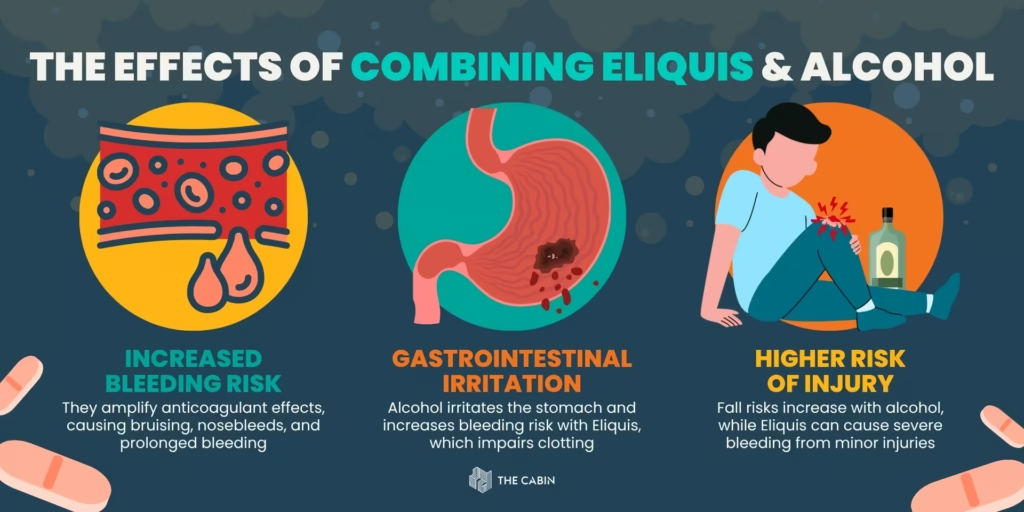
The side effects of combining Eliquis and alcohol are listed below.
- Increased Bleeding Risk: Eliquis reduces clot formation through factor Xa inhibition, while alcohol interferes with platelet activity and vascular stability. Combined exposure amplifies anticoagulant effects, which raises the chances of gastrointestinal bleeding, nosebleeds, bruising, and prolonged bleeding after minor trauma. Patients may also experience bleeding gums or extended bleeding from small cuts, which indicate impaired hemostatic control.
- Gastrointestinal Irritation: Alcohol irritates the stomach and intestinal lining, which increases susceptibility to gastrointestinal bleeding during Eliquis therapy. Eliquis’s presence limits the natural clotting response once mucosal irritation progresses to active bleeding. Ongoing irritation may lead to black stools or vomiting blood, which requires urgent medical evaluation.
- Higher Risk of Injury: Alcohol impairs coordination, balance, and reaction time, which increases fall and injury incidence. Eliquis therapy magnifies harm severity because even minor injuries produce excessive or prolonged bleeding under anticoagulation. Head injuries present particular danger, because intracranial bleeding can occur without immediate visible symptoms.
Does Eliquis Interact With Alcohol or Cause Dangerous Reactions?
Yes, Eliquis interacts with alcohol and increases the risk of dangerous reactions. Eliquis functions as an oral anticoagulant that limits clot formation through factor Xa inhibition, while alcohol interferes with platelet activity and damages gastrointestinal tissue. This combined pharmacological and physiological interference weakens clot stability at multiple stages of hemostasis. Combined exposure intensifies blood-thinning effects, which raises the probability of internal bleeding, gastrointestinal hemorrhage, and prolonged bleeding after injury. Even minor trauma can result in extended bleeding duration, which reflects impaired coagulation response. Eliquis interaction risk extends beyond bleeding, because alcohol places metabolic stress on the liver, which creates hepatic strain that disrupts normal coagulation balance and complicates drug clearance. Altered liver function can modify drug metabolism rates, which may increase circulating anticoagulant levels. Eliquis safety evidence links concurrent alcohol intake with higher rates of bleeding complications and medical intervention during repeated or heavy alcohol consumption. Recurrent heavy drinking episodes correlate with emergency care visits for hemorrhagic events in anticoagulated patients.
Can you Drink Wine, Beer, or Liquor While on Eliquis?
No, you cannot drink beer, wine, or liquor while on Eliquis. Eliquis functions as an oral anticoagulant that limits clot formation through factor Xa inhibition, while all forms of alcohol impair platelet activity and irritate gastrointestinal tissue. Ethanol serves as the active compound in each beverage type, which means physiological risk depends on total alcohol intake, rather than branding or category. Wine, beer, and liquor differ in alcohol concentration, yet ethanol content drives clinical risk rather than beverage type. Higher alcohol concentration increases bleeding probability more rapidly, which places liquor at a higher risk than beer or wine during equivalent intake. Rapid consumption of high-proof liquor can elevate blood alcohol levels quickly, which intensifies anticoagulant-related bleeding danger. Complete avoidance presents the lowest risk profile during Eliquis therapy, because moderation does not eliminate anticoagulant interaction effects. Individual risk increases with higher Eliquis dosage, prior bleeding history, liver impairment, advanced age, or existing gastrointestinal conditions. Patients with previous ulcers or hepatic disease face compounded bleeding vulnerability during combined exposure. Eliquis safety evaluations consistently identify bleeding complications as the primary concern during alcohol exposure, regardless of the beverage category linked to Alcohol Drinking Habits. Clinical guidance therefore emphasizes abstinence rather than beverage substitution to maintain stable and predictable anticoagulation.
How Long After Taking Eliquis can I Drink Alcohol Safely?
No specific waiting period exists after taking Eliquis, where you can drink alcohol safely. Eliquis maintains anticoagulant activity for 24 hours because factor Xa inhibition persists throughout the dosing interval, which means timing separation does not remove bleeding risk. The drug sustains steady plasma levels, which preserve anticoagulant effects across the entire day. Alcohol intake during Eliquis therapy increases bleeding probability regardless of whether consumption occurs shortly after dosing or later in the day. Temporal spacing does not neutralize pharmacodynamic interaction. Risk level depends on alcohol quantity rather than elapsed time since the Eliquis dose. Higher alcohol intake intensifies platelet dysfunction and gastrointestinal irritation, which compounds Eliquis’ blood-thinning effects. Even moderate intake can elevate hemorrhage likelihood, particularly in vulnerable populations. Complete avoidance presents the lowest risk profile during active Eliquis therapy, particularly for patients with prior bleeding events, liver impairment, gastrointestinal disorders, or higher Eliquis dosage. Stable anticoagulation requires predictable physiology, and alcohol introduces variability that undermines treatment safety.
Can I Take Eliquis After Drinking Alcohol?
No, you cannot take Eliquis after drinking alcohol. Alcohol intake before Eliquis use increases bleeding risk by impairing platelet function and stressing gastrointestinal tissue. Alcohol also disrupts vascular integrity, which reduces the body’s ability to contain minor bleeding. Eliquis begins its anticoagulant effect through factor Xa inhibition, which overlaps with the vascular effects of alcohol and creates an unsafe environment for initiating or resuming treatment. The overlap produces additive anticoagulant stress on hemostatic pathways. Liver strain from alcohol consumption interferes with coagulation stability and drug metabolism, which heightens the chance of adverse events. Impaired hepatic processing can alter drug concentration, which may increase systemic exposure. Risk intensifies after heavy or repeated alcohol intake in patients with preexisting liver issues, prior bleeding complications, or high-dose anticoagulation schedules. Older adults and individuals with low body weight also demonstrate elevated hemorrhage susceptibility under combined exposure. Clinical safety guidelines recommend delaying Eliquis until alcohol is cleared from the system and medical consultation confirms timing suitability. Medical supervision ensures appropriate dosing continuity and reduces preventable bleeding outcomes.
Does Alcohol Reduce Eliquis’s Effectiveness or Blood Thinning Benefits?
No, alcohol does not reduce the effectiveness of Eliquis but increases its blood-thinning effect and bleeding risk. Eliquis functions by inhibiting factor Xa, which prevents clot formation and maintains consistent anticoagulant action across the dosing interval. Alcohol does not block the mechanism. Alcohol does not reverse factor Xa inhibition, nor does it neutralize anticoagulant activity. Alcohol impairs platelet aggregation, damages gastrointestinal lining, and adds vascular stress, which amplifies the anticoagulant effect already established by Eliquis. This combined physiological burden heightens hemostatic instability. The synergistic interaction increases the probability of adverse bleeding events in the gastrointestinal tract or following minor injuries. Patients may experience spontaneous bruising or prolonged bleeding from small cuts, which reflects intensified anticoagulation. Alcohol intake is associated with elevated bleeding complications in patients receiving anticoagulants like Eliquis during episodes of binge drinking or chronic alcohol use. Repeated heavy intake correlates with increased emergency evaluations for hemorrhagic complications. Increased liver strain from alcohol consumption interferes with coagulation homeostasis and drug metabolism, which worsens the clinical safety profile of combined exposure. Hepatic stress can alter drug clearance, which may elevate circulating anticoagulant concentration. Eliquis safety documentation warns against alcohol intake during treatment due to the elevated risk profile. Clinical guidance emphasizes abstinence to preserve predictable anticoagulation and minimize preventable bleeding outcomes.
What should you do If You Accidentally Drink Alcohol While Taking Eliquis?
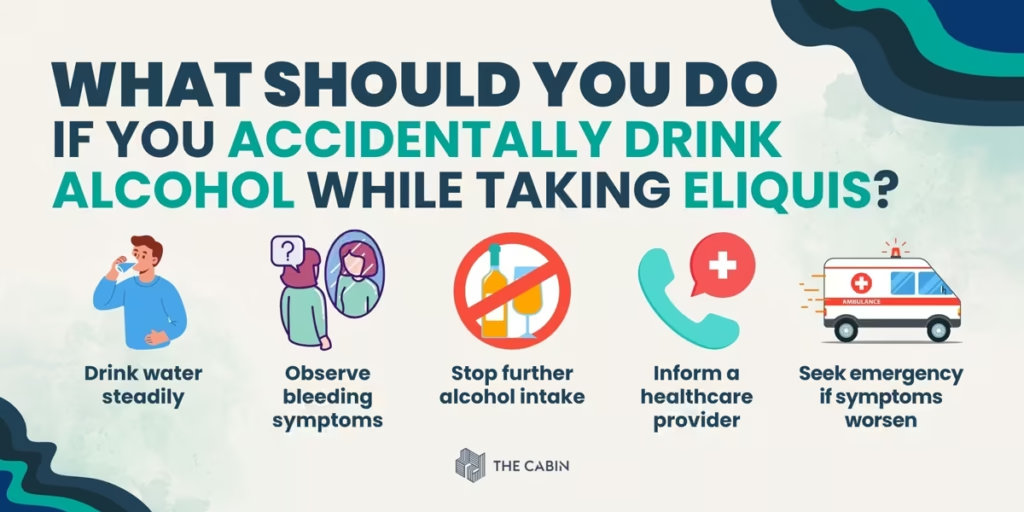
Things you should do if you accidentally drink alcohol while taking Eliquis include taking the following five steps.
- Drink water steadily. Support circulation and reduce gastrointestinal irritation following alcohol intake during Eliquis therapy. Adequate hydration helps stabilize blood volume and may lessen mucosal irritation, although it does not reverse anticoagulation.
- Observe bleeding symptoms. Track bruising, nosebleeds, prolonged bleeding, dark stools, and abdominal discomfort. Monitor for headache, dizziness, or unusual fatigue, which may indicate internal bleeding progression.
- Stop further alcohol intake. Prevent compounded anticoagulant effects that raise the chance of hemorrhagic events. Avoid additional substances that impair coagulation, including nonsteroidal anti-inflammatory drugs, unless a clinician approves use.
- Inform a healthcare provider. Report the incident to assess medical risks and receive personalized recommendations. A clinician can evaluate dosage timing, bleeding history, and liver status to determine appropriate next steps.
- Visit an emergency facility if symptoms escalate. Respond immediately to signs (vomiting blood, black stools, fainting, or severe weakness) during active Eliquis exposure. Rapid intervention reduces complications, because early treatment improves outcomes in anticoagulant-related bleeding emergencies.
Are There Safer Ways to Consume Alcohol While on Eliquis?
No, there are no safe ways to consume alcohol while on Eliquis. Eliquis functions as a direct factor Xa inhibitor that maintains continuous anticoagulation regardless of alcohol timing or beverage type. The medication sustains stable plasma concentrations, which preserve anticoagulant activity across the full dosing interval. Alcohol increases blood thinning by impairing platelet aggregation, irritating gastrointestinal tissue, and adding hepatic strain, which elevates bleeding probability during Eliquis therapy. Ethanol exerts systemic effects that compromise vascular integrity and clot stability. Spacing doses, choosing low alcohol beverages, or limiting quantity does not remove interaction risk, because ethanol affects coagulation independently of timing or concentration. Even small amounts can intensify bleeding tendency in susceptible individuals. Complete avoidance remains critical for patients with prior gastrointestinal bleeding, liver disease, advanced age, or higher Eliquis dosage. Individuals taking additional antiplatelet or anticoagulant medications face compounded hemorrhage risk. Clinical guidance identifies alcohol avoidance as the safest approach during Eliquis treatment to reduce hemorrhagic complications. Abstinence supports predictable anticoagulation and lowers the likelihood of emergency medical intervention.
Can Drinking Alcohol With Eliquis Increase Risk of Internal Bleeding?
Yes, drinking alcohol with Eliquis can increase the risk of internal bleeding. Internal bleeding refers to blood loss that occurs inside the body rather than through visible wounds. Internal hemorrhage may develop gradually or suddenly, depending on the affected organ and bleeding severity. Internal bleeding symptoms include black or tar-like stools, blood in urine, severe abdominal pain, persistent dizziness, weakness, unexplained bruising, and vomiting blood. Additional warning signs include sudden headache, visual changes, or joint swelling, which may indicate concealed bleeding. Eliquis increases bleeding tendency through factor Xa inhibition, which limits clot formation and prolongs bleeding time. Reduced thrombin generation weakens stable clot development at injury sites. Alcohol contributes to elevated bleeding risk by impairing platelet function, irritating gastrointestinal tissue, and disrupting normal vascular stability. Alcohol-related mucosal damage can trigger bleeding that becomes harder to control under anticoagulation. Combined exposure to alcohol and Eliquis intensifies anticoagulation effects, which raises the chances of gastrointestinal bleeding and internal hemorrhage. Risk increases further during binge drinking episodes because higher ethanol levels amplify platelet dysfunction. Emergency medical attention becomes necessary during symptoms that include fainting, sudden severe pain, confusion, rapid heartbeat, or signs of significant blood loss during Eliquis therapy with alcohol exposure. Immediate evaluation improves survival outcomes because early intervention limits blood loss progression and stabilizes hemodynamics.
Is One Glass of Wine Safe While on Eliquis or Xarelto?
No, one glass of wine is not safe while on Eliquis or Xarelto. Eliquis and Xarelto work as factor Xa inhibitors that reduce clot formation and increase bleeding sensitivity. Both medications suppress thrombin generation, which weakens stable clot development at sites of vascular injury. Alcohol interferes with platelet function, irritates gastrointestinal tissue, and adds strain to hepatic pathways involved in drug metabolism. These combined effects amplify anticoagulant action and raise the chance of internal or gastrointestinal bleeding. Even small quantities of alcohol increase risk in patients with low body mass, advanced age, impaired liver function, or coexisting medication regimens. Individuals taking additional antiplatelet agents or nonsteroidal anti-inflammatory drugs face compounded hemorrhage susceptibility. Expert guidelines in anticoagulation management discourage alcohol intake during active therapy. Clinical recommendations emphasize consistent anticoagulant control, which alcohol disrupts through platelet inhibition and hepatic stress. Complete avoidance aligns with clinical safety standards to reduce preventable complications from Alcohol with Xarelto. Abstinence supports a predictable drug response and lowers the likelihood of emergency bleeding events.
Can Eliquis Make you Feel Alcohol’s Effects More Strongly?
Yes, Eliquis can make you feel alcohol’s effects more strongly. Eliquis increases physical sensitivity to alcohol by amplifying its sedative impact and lowering the body’s tolerance to impairment. The drug does not chemically intensify ethanol, but it heightens vulnerability to alcohol-related side effects. Alcohol already slows coordination, reaction time, and decision-making. Alcohol also impairs balance and visual focus, which increases accident susceptibility. The effects become more intense due to overlapping symptoms such as dizziness, fatigue, and reduced blood pressure stability when combined with Eliquis. Combined exposure compounds hypotension risk, which may trigger lightheadedness or near-fainting episodes.
Users experience more rapid intoxication, a higher risk of falls, and reduced alertness after smaller quantities compared to a normal alcohol response. Older adults demonstrate greater instability, which further elevates injury probability. Accidents involving head trauma or uncontrolled bleeding become more likely because Eliquis suppresses the clotting ability during any injury. Even minor head impacts can result in delayed intracranial bleeding under anticoagulation. Medical guidelines highlight the combined risk as a serious safety concern during anticoagulant therapy. Clinical recommendations emphasize alcohol avoidance to maintain stable coordination and predictable hemostasis. Eliquis must never be taken with alcohol if balance, motor function, or cognition is already compromised. Preexisting impairment magnifies hemorrhage danger because reduced awareness delays recognition of internal bleeding symptoms.
How Much Alcohol can you Drink While on Blood Thinners Like Eliquis?
No specific amount of alcohol you can drink while taking blood thinners like Eliquis. There is no medically established safe threshold during active anticoagulant therapy. Clinical recommendations discourage alcohol intake entirely during anticoagulant therapy due to increased bleeding risk, regardless of quantity or beverage type. Alcohol interferes with platelet function, damages gastrointestinal tissue, and places metabolic stress on the liver, all of which amplify the anticoagulant effect of Eliquis. Ethanol-related platelet inhibition compounds factor Xa suppression, which weakens clot formation at multiple stages. Even low-volume or occasional drinking elevates the risk of gastrointestinal hemorrhage and internal bleeding. Minor injuries may bleed longer than expected under combined exposure. The risk increases further in individuals with impaired liver function, advanced age, low body mass, or concurrent use of medications that affect coagulation. Patients taking antiplatelet drugs or nonsteroidal anti-inflammatory agents face compounded hemorrhage probability.
Safe management of social situations involving alcohol includes choosing non-alcoholic beverages, informing hosts or companions about current medication restrictions, and planning ahead to avoid exposure. Clear communication reduces social pressure and supports adherence to medical guidance. Healthcare consultation remains essential for assessing personalized risk levels and determining whether short-term exceptions exist based on current health status and treatment dosage. A clinician can evaluate bleeding history, liver function, and dosing schedule before providing individualized advice. Eliquis must remain the priority in any decision related to lifestyle or social settings involving drink alcohol with Blood Thinners. Treatment consistency preserves predictable anticoagulation and lowers preventable emergency complications.
Don’t let alcohol get in the way of your health!
Taking care of your health and helping you recover are our main goals, especially when it comes to the impact of alcohol on important medications like Eliquis. At The Cabin Chiang Mai, we understand the challenges of dealing with alcohol use and the importance of sticking to your treatment plan. Our friendly and alcohol-free space is designed to support you in overcoming your dependence on alcohol, so your recovery can be smooth and successful. Contact us today to talk about how we can help you on your healing journey. We promise to respond within 24 hours!
Begin Your Path to Recovery
For Healthcare Professionals Referring Clients
We collaborate with healthcare providers, including GPs, psychiatrists, psychologists, counsellors, and case managers, to ensure seamless referrals. If you wish to refer a client or patient, please connect with us via email, phone, or our online contact form; we’re here to help guide your clients on their path to recovery.
For Individuals Seeking Treatment
At the Cabin, treatment is more than addressing addiction or mental health challenges — it’s an opportunity to embark on a profound journey of self-care discovery and personal growth. Our holistic approach nurtures lasting change and a healthier, more fulfilled life.
For Loved Ones Seeking Support
The Cabin offers specialized care that tackles both addiction and related mental health concerns. We create a compassionate environment where loved ones can find the healing and support they need to rebuild their lives and move forward with confidence.