Buspirone and alcohol should not be mixed, because the combination increases neurological and safety risks. The interaction primarily involves additive central nervous system effects and impaired judgment. Buspirone and alcohol both affect the central nervous system (CNS), causing increased drowsiness, dizziness, and impaired coordination. Although buspirone is not a strong CNS depressant, alcohol amplifies its side effects and reduces mental clarity. Alcohol reduces Buspirone’s ability to manage anxiety and amplifies side effects. Ethanol disrupts serotonin and dopamine balance, which may counteract therapeutic anxiolytic benefits.The risks increase depending on factors (Buspirone dosage, liver function, overall health status, and other medications). Patients with liver issues or those taking higher doses of Buspirone face a greater likelihood of adverse reactions. Alcohol competes for hepatic metabolism, which may alter buspirone plasma levels. Buspirone undergoes first-pass metabolism in the liver, and alcohol intake may introduce variability in drug concentration. Buspirone and alcohol interaction leads to heightened side effects such as nausea, dizziness, headache, and impaired motor function. Severe sedation and impaired coordination may increase fall risk, particularly in older adults or individuals taking additional CNS-active medications. Avoid alcohol while taking Buspirone to maintain stable anxiety control and reduce unpredictable side effects. There is no clearly established “safe” waiting window because buspirone is typically taken on a consistent dosing schedule and maintains ongoing therapeutic levels.
Can you Drink Alcohol While Taking Buspirone?
No, you should not drink alcohol while taking Buspirone. The combination increases side effects and reduces treatment stability. Buspirone is an anxiolytic prescribed for generalized anxiety disorder. Buspirone influences serotonin 5 HT1A receptors and dopamine pathways to reduce anxiety symptoms. The medication does not act as a benzodiazepine and does not produce strong sedation on its own. Alcohol depresses central nervous system activity, and combined exposure increases drowsiness, dizziness, impaired coordination, and slowed reaction time. Additive cognitive impairment compromises driving safety and decision-making. Alcohol interferes with Buspirone’s effectiveness and contributes to mood swings or emotional instability. Ethanol alters serotonin balance, which counteracts anxiolytic benefits. Avoiding alcohol preserves therapeutic response and minimizes adverse reactions. Persistent intake raises concern for addiction to alcohol, which worsens anxiety patterns and undermines long-term mental health stability.
Who Should Avoid Alcohol Completely While using Buspirone?
Patients with a history of alcohol use disorder, liver disease, or those taking other interacting medications should avoid alcohol completely while using Buspirone. These groups face a higher risk of adverse neurological and metabolic effects. Buspirone is an anxiolytic medication prescribed for generalized anxiety disorder (GAD). Alcohol worsens central nervous system (CNS) side effects, leading to increased drowsiness, dizziness, and impaired coordination. Additive cognitive impairment increases fall and accident risk. The interaction becomes more concerning in patients with a history of alcohol misuse, because alcohol destabilizes anxiety treatment and increases relapse risk. Patients with liver disease face additional danger because the liver metabolizes both alcohol and Buspirone. Buspirone undergoes extensive first-pass hepatic metabolism, and impaired liver function may increase drug levels and side effect intensity. People taking medications that interact with alcohol, such as sedatives, antidepressants, or antipsychotics, must exercise heightened caution. Combined CNS-active substances may amplify dizziness, confusion, and reduced alertness. Mixing alcohol with Buspirone affects the drug’s effectiveness and may contribute to mood instability or psychiatric complications. Complete avoidance supports stable anxiety control and safer long-term outcomes.
What Happens If you Mix Buspirone and Alcohol?
Excessive drowsiness, dizziness, and impaired coordination happen if you mix Buspirone and alcohol. The interaction increases central nervous system side effects and reduces cognitive stability. Although Buspirone is not a strong CNS depressant, alcohol amplifies its side effects and increases sedation. Alcohol increases the sedative properties of Buspirone, which may impair focus and reaction time. Slowed reflexes and reduced alertness elevate accident risk. The combination may result in mood swings, irritability, or poor decision-making. Alcohol alters serotonin balance, which may counteract Buspirone’s anxiolytic action. The interaction raises the risk of accidents due to reduced motor skills and impaired judgment. Mixing alcohol with Buspirone may worsen anxiety symptoms or emotional instability in susceptible individuals, making it more difficult to manage their condition. Consistent avoidance of alcohol supports stable therapeutic response and minimizes unpredictable side effects.
What Happens If you Mix Buspirone and Alcohol?
Excessive drowsiness, dizziness, and impaired coordination happen if you mix Buspirone and alcohol. The interaction increases central nervous system side effects and reduces cognitive stability. Although Buspirone is not a strong CNS depressant, alcohol amplifies its side effects and increases sedation. Alcohol increases the sedative properties of Buspirone, which may impair focus and reaction time. Slowed reflexes and reduced alertness elevate accident risk. The combination may result in mood swings, irritability, or poor decision-making. Alcohol alters serotonin balance, which may counteract Buspirone’s anxiolytic action. The interaction raises the risk of accidents due to reduced motor skills and impaired judgment. Mixing alcohol with Buspirone may worsen anxiety symptoms or emotional instability in susceptible individuals, making it more difficult to manage their condition. Consistent avoidance of alcohol supports stable therapeutic response and minimizes unpredictable side effects.
Does Alcohol Affect How Buspirone Works in the Body?
Yes, alcohol affects how Buspirone works in the body. The interaction alters neurotransmitter balance and introduces variability in drug response. Buspirone acts as a partial agonist at serotonin 5 HT1A receptors and influences dopamine pathways to reduce anxiety. Buspirone binds to serotonin receptors and modulates signaling to improve mood stability. Alcohol disrupts serotonin and dopamine regulation by altering neurotransmitter release and receptor sensitivity. Ethanol increases inhibitory signaling followed by rebound neurochemical shifts that destabilize mood. The interaction reduces perceived effectiveness in anxiety control and increases dizziness, headache, and drowsiness. Buspirone undergoes extensive first-pass hepatic metabolism primarily through CYP3A4 enzymes. Acute or chronic intake alters hepatic enzyme activity and affects drug clearance rates. Variability in metabolism increases side effect intensity or reduces therapeutic consistency, particularly in individuals with liver impairment or high intake. Combining alcohol with Buspirone introduces treatment instability, especially considering alcohol remains one of the most abused substances worldwide.
Can Alcohol Reduce Buspirone’s Ability to Control Anxiety Symptoms?
Yes, alcohol can reduce Buspirone’s ability to control anxiety symptoms. The interaction destabilizes serotonin signaling and introduces mood variability. Buspirone works by modulating serotonin activity in the brain, primarily through partial agonism at 5-HT1A receptors. This receptor modulation supports gradual anxiety reduction without strong sedation. By regulating serotonin receptor sensitivity, Buspirone helps improve emotional balance and decrease persistent worry. Alcohol interferes with this process by altering serotonin and dopamine release patterns. Ethanol initially enhances inhibitory signaling, then triggers rebound neurochemical shifts that may intensify anxiety. Alcohol also amplifies side effects such as dizziness and impaired concentration. When combined, these effects may blunt Buspirone’s therapeutic impact and worsen anxiety symptoms rather than relieve them. The depressant properties of alcohol impair cognitive clarity and emotional regulation. Reduced executive function makes coping strategies less effective. Alcohol can also influence liver metabolism, where Buspirone undergoes extensive first-pass processing through CYP3A4 enzymes. Acute or chronic alcohol intake may alter enzyme activity, which can introduce variability in Buspirone plasma levels. When neurotransmitter stability and drug concentration become inconsistent, anxiety control may weaken. Consistent therapeutic response depends on predictable neurochemical conditions, which alcohol disrupts.
What are the Side Effects of Combining Buspirone and Alcohol?
The side effects of combining Buspirone and alcohol are listed below. Most reactions result from additive central nervous system effects and altered serotonin balance.
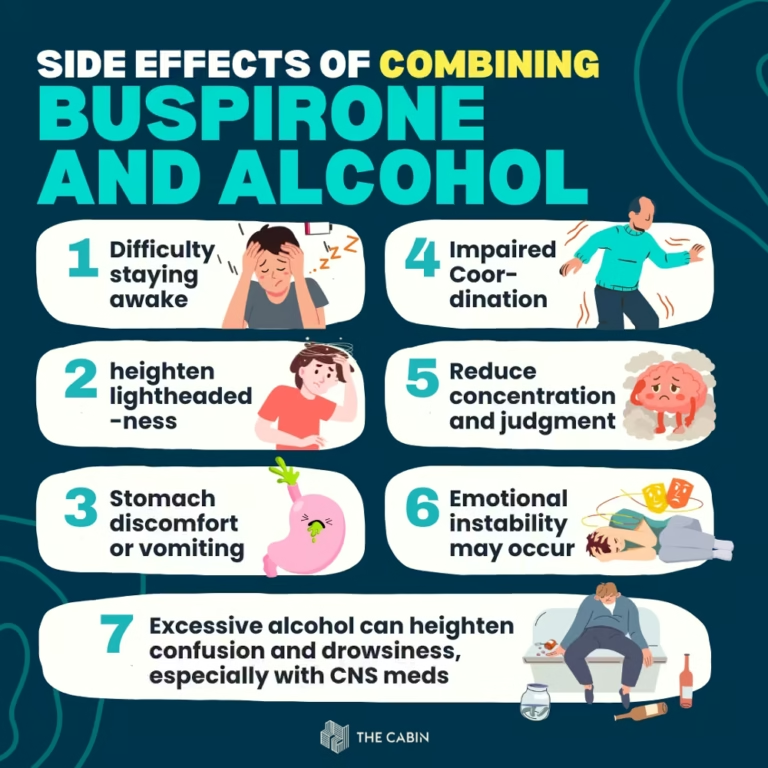
- Drowsiness: Increased sedation may cause significant tiredness and difficulty staying awake. Reaction time slows and daytime alertness declines.
- Dizziness: The combination can heighten lightheadedness, especially when standing up quickly. Orthostatic changes may increase fall risk.
- Nausea: Using both substances together may trigger stomach discomfort or vomiting. Alcohol-related gastric irritation can intensify this effect.
- Impaired Coordination: Alcohol reduces motor control, and Buspirone may amplify balance instability. Fine motor skills and spatial awareness may weaken.
- Cognitive Impairment: Alcohol disrupts memory, attention, and decision-making. Combined use may further reduce concentration and judgment.
- Mood Swings: Emotional instability or heightened anxiety may occur. Rebound anxiety after alcohol intake may counteract Buspirone’s calming effect.
- Severe Sedation: Excessive alcohol intake may intensify confusion, disorientation, or extreme drowsiness, particularly in individuals taking other CNS-active medications.
Risk severity depends on dosage, liver function, and concurrent medications, which influence how strongly the interaction presents.
Does Buspirone Interact With Alcohol or Cause Dangerous Reactions?

Yes, Buspirone interacts with alcohol and can lead to clinically significant adverse effects. The primary concern is amplified central nervous system side effects rather than life-threatening toxicity in healthy individuals. Combining Buspirone and alcohol increases dizziness, drowsiness, impaired coordination, and slowed reaction time. Although Buspirone is not a strong CNS depressant, alcohol magnifies its neurological side effects. The interaction may compromise judgment, motor control, and situational awareness. Severe respiratory depression is uncommon with Buspirone alone, yet combined use may still increase accident and fall risk. Buspirone does not typically cause serotonin syndrome when combined with alcohol, because alcohol does not directly elevate serotonin to toxic levels. Alcohol can amplify side effects and increase perceived intoxication. Ethanol disrupts serotonin and dopamine balance, which may counteract Buspirone’s anxiolytic effect. Regulatory guidance advises avoiding alcohol while taking Buspirone to reduce unpredictable reactions. The interaction may reduce treatment consistency and increase safety concerns in daily activities. Minimizing alcohol intake supports more stable anxiety control and clearer cognitive function during therapy.
Can Combining Buspirone and Alcohol Lead to Excessive Sedation?
Yes, combining Buspirone and alcohol can lead to excessive sedation. The interaction increases central nervous system side effects and slows cognitive processing. Alcohol acts as a CNS depressant, and although Buspirone is not strongly sedating on its own, alcohol can amplify its side effects. Their combined effects may result in excessive sleepiness, lightheadedness, and difficulty staying awake. Reaction time and alertness may decline more than expected from alcohol alone. Increased sedation impairs motor skills, coordination, and cognitive performance, making activities such as driving or operating machinery unsafe. Impaired judgment and delayed reflexes elevate accident risk. While Buspirone alone is not typically associated with overdose-related respiratory suppression, excessive alcohol intake can intensify confusion, disorientation, and profound drowsiness. Avoiding alcohol during Buspirone treatment helps maintain clearer cognition and more stable anxiety control.
Can you Drink Wine, Beer, or Liquor While on Buspirone?
No, you should not drink wine, beer, or liquor while on Buspirone. The interaction increases side effects and reduces treatment stability. Wine, beer, and liquor all contain ethanol, which affects central nervous system function. Combined exposure raises the likelihood of dizziness, drowsiness, and impaired coordination. Slowed reaction time and reduced concentration compromise daily functioning. Alcohol interferes with Buspirone’s ability to manage anxiety symptoms. Ethanol alters serotonin and dopamine balance, which counteract anxiolytic benefits. Moderation does not eliminate risk, since small amounts may intensify lightheadedness and cognitive slowing. Risk severity depends on dosage, liver function, overall health status, and concurrent medications. Patients with liver impairment or higher dosing schedules face stronger adverse reactions. Buspirone undergoes extensive first-pass hepatic metabolism, which creates variability when ethanol is introduced. Chronic intake increases instability and worsens anxiety patterns, particularly in individuals with risky alcohol drinking habits. Avoiding alcohol supports consistent anxiety control and clearer mental functioning during Buspirone therapy.
How Long After Taking Buspirone can I Drink Alcohol Safely?
There is no clearly established “safe” waiting period after taking Buspirone before drinking alcohol. Buspirone is often taken two or three times daily, which maintains recurring therapeutic exposure rather than allowing full clearance between doses. Buspirone has a relatively short half-life of approximately two to three hours. Elimination in healthy adults typically occurs within several hours, yet clinical use involves repeated dosing that sustains pharmacologic activity. Peak plasma concentrations usually occur within sixty to ninety minutes after ingestion. Severe respiratory depression is not typical with Buspirone alone, but alcohol may intensify dizziness and sedation while drug levels remain active. Long-term treatment produces steady exposure patterns across days, which means residual pharmacologic effects may overlap with alcohol intake.
Liver enzymes, particularly CYP3A4, metabolize Buspirone. Individual metabolic health influences clearance speed and side effect sensitivity. Alcohol can introduce variability in hepatic enzyme activity, which may alter how consistently the medication performs. Rather than relying on a specific time interval, clinical guidance favors minimizing or avoiding alcohol during Buspirone therapy. Predictable anxiety control depends on stable neurotransmitter conditions, and alcohol disrupts that balance.
Can I Take Buspirone After Drinking Alcohol?
No, you should not take Buspirone while actively intoxicated with alcohol. The concern involves amplified side effects and impaired neurological stability rather than guaranteed severe toxicity. Resuming the medication while ethanol remains in the bloodstream may increase dizziness, lightheadedness, and excessive drowsiness. Reaction time and coordination may decline further when both substances overlap. Alcohol is metabolized at an average rate of about one standard drink per hour in healthy adults, although this varies by body weight, sex, liver function, and drinking pattern. It is generally safer to wait until you are no longer intoxicated and feel fully alert before taking the next scheduled dose. While severe respiratory suppression is uncommon with Buspirone alone, overlapping effects may increase confusion, imbalance, or near-fainting in sensitive individuals. Starting the medication while still impaired may worsen sedation and cognitive slowing. Alcohol may also counteract Buspirone’s anxiolytic benefit by disrupting serotonin balance.
Do not double a missed dose to compensate. If uncertainty exists about timing or symptoms such as severe dizziness occur, consult a healthcare professional for guidance on resuming the regular dosing schedule. Maintaining sobriety during treatment supports more predictable anxiety control and clearer cognitive function.
Can Alcohol use Reduce the Anti-Anxiety Benefits of Buspirone?
Yes, alcohol use can reduce the anti-anxiety benefits of Buspirone by disrupting neurotransmitter balance in the brain. The interaction destabilizes serotonin signaling and weakens treatment consistency. Buspirone functions as a partial agonist at serotonin 5-HT1A receptors, which helps regulate stress responses and lower persistent anxiety. Alcohol acts as a central nervous system depressant that may initially create a sense of relaxation but later triggers rebound anxiety as ethanol leaves the system. This rebound effect reflects compensatory neurochemical shifts after acute inhibition fades. Rebound anxiety often appears as restlessness, irritability, or heightened worry after drinking. These symptoms directly counteract Buspirone’s therapeutic goal of stabilizing mood. Chronic alcohol use introduces repeated fluctuations in serotonin and dopamine activity, which may undermine steady anxiolytic response. Repeated alcohol exposure may blunt therapeutic progress by introducing ongoing neurochemical instability.
Research consistently associates heavy alcohol use with poorer mental health outcomes and reduced adherence to psychiatric treatment plans. Mood instability may intensify when neurotransmitter systems fluctuate unpredictably. Long-term anxiety management depends on maintaining a stable neurological environment, and alcohol disrupts that balance. Minimizing or avoiding alcohol supports more reliable anxiety control and sustained therapeutic benefit.
What should you do If You Accidentally Drink Alcohol While Taking Buspirone?
If you accidentally drink alcohol while taking Buspirone, follow the steps below. Early monitoring reduces the likelihood of worsening side effects.
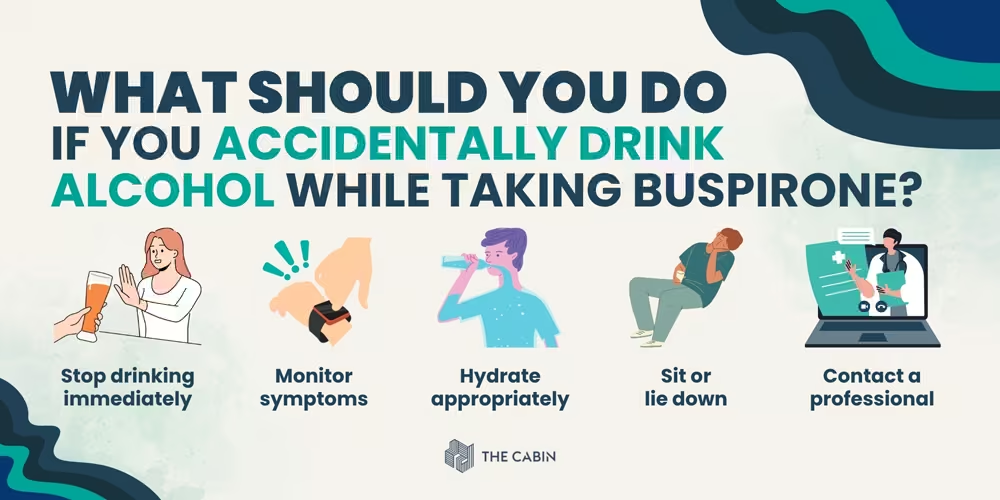
- Stop drinking immediately. Cease all alcohol intake to prevent further interaction. Higher blood alcohol levels increase dizziness, drowsiness, and impaired coordination.
- Monitor symptoms. Watch for unusual confusion, severe lightheadedness, vomiting, or difficulty staying awake. Seek urgent care if breathing becomes labored, chest pain develops, or consciousness changes.
- Hydrate appropriately. Drink water to support metabolic recovery and reduce dehydration. Moderate hydration helps maintain blood pressure and reduce headache intensity.
- Sit or lie down. Stay in a safe position if you feel dizzy or unsteady. Standing up slowly reduces the risk of orthostatic lightheadedness.
- Contact a healthcare professional if symptoms escalate. Fainting, persistent vomiting, severe confusion, or inability to stay awake warrant medical evaluation. Do not drive or operate machinery until fully alert.
Do not skip or double your next Buspirone dose without professional guidance. Maintaining a consistent dosing schedule supports stable anxiety management once alcohol has cleared from your system.
Are There Safer Ways to Consume Alcohol While on Buspirone?
No, there are no reliably safer ways to consume alcohol while on Buspirone. The interaction increases side effects and reduces treatment predictability. Moderation does not fully eliminate the risk of excessive sedation or impaired coordination. Severe respiratory depression is uncommon with Buspirone alone, yet alcohol can significantly intensify dizziness and cognitive slowing. Low-alcohol options still contain ethanol and may contribute to central nervous system impairment. Alcohol dose, not beverage type, determines neurological impact. Spacing medication timing and drinking may create a false sense of safety, because Buspirone is typically taken on a consistent schedule and maintains ongoing pharmacologic activity. Expert guidance generally recommends limiting or avoiding alcohol during anxiety treatment. Situation-dependent risks, such as driving, swimming, or operating machinery, increase the danger of even small amounts of alcohol. Clinical specialists caution against combining Buspirone and alcohol due to unpredictable mood and cognitive effects. Maintaining a stable internal environment supports more consistent anxiety control and clearer mental functioning throughout treatment.
Can Mixing Buspirone With Alcohol Affect Mood or Mental Health?
Yes, mixing Buspirone with alcohol can affect mood and mental health outcomes. The interaction disrupts serotonin stability and increases emotional variability. Alcohol acts as a central nervous system depressant that may initially produce relaxation but often triggers rebound anxiety or low mood as it leaves the system. Buspirone works by partially stimulating serotonin 5-HT1A receptors to reduce persistent anxiety. When alcohol is introduced, this regulatory balance becomes less predictable. Interaction between alcohol and Buspirone may lead to emotional blunting, irritability, or reduced motivation. Fluctuating serotonin and dopamine levels can intensify mood swings. Behavioral effects may include poor judgment, impulsivity, or reduced self-control. Cognitive clarity declines as sedation and slowed processing interfere with emotional regulation. Repeated alcohol use may destabilize serotonin signaling, which can weaken therapeutic progress in anxiety management. Mental health treatment relies on consistent neurochemical conditions. Alcohol introduces variability that can undermine long-term mood stability and anxiety control. Minimizing or avoiding alcohol supports steadier emotional outcomes during Buspirone therapy.
Can Drinking Alcohol With Buspirone Increase Risk of Serotonin Syndrome?
No, drinking alcohol with Buspirone does not typically increase the risk of serotonin syndrome. Alcohol does not directly elevate serotonin to toxic levels in the way serotonergic drug combinations do. Serotonin syndrome is a potentially life-threatening condition caused by excessive serotonergic activity in the central nervous system. Symptoms include agitation, tremors, rapid heart rate, elevated body temperature, muscle rigidity, and confusion. Severe cases may involve seizures or altered consciousness requiring emergency care. The condition most commonly occurs when multiple serotonin-enhancing medications are combined, such as selective serotonin reuptake inhibitors (SSRIs), serotonin–norepinephrine reuptake inhibitors (SNRIs), monoamine oxidase inhibitors, or certain migraine treatments.
Buspirone acts as a partial agonist at 5-HT1A receptors, yet alcohol does not significantly increase serotonin levels. While combining alcohol with Buspirone can increase dizziness, sedation, and impaired judgment, these effects differ from true serotonin toxicity. Healthcare professionals recommend caution with alcohol during psychiatric treatment, not because of serotonin syndrome risk, but due to amplified side effects and reduced treatment stability. Avoiding alcohol supports clearer cognition and more consistent anxiety management.
Is One Glass of Wine Safe While on Buspirone or Hydroxyzine?
No, one glass of wine is not considered reliably safe while taking Buspirone or Hydroxyzine. Both medications can amplify alcohol’s sedative and cognitive effects. Buspirone is an anxiolytic that modulates serotonin receptors, while Hydroxyzine is an antihistamine with strong sedating properties. Alcohol acts as a central nervous system depressant. When combined, these substances may increase drowsiness, dizziness, slowed reaction time, and impaired coordination. Hydroxyzine, in particular, significantly heightens sedation when alcohol is present. Safety varies based on body weight, age, liver function, dosage, and concurrent medications. Even small amounts of ethanol can reduce mental focus and motor control. The dosage strength of either medication influences how strongly side effects present. Expert guidance generally advises limiting or avoiding alcohol while taking either medication. Combining alcohol with hydroxyzine poses a higher sedation risk, especially in older adults or those using additional CNS-active drugs. Minimizing alcohol intake supports clearer cognition and more stable anxiety management.
Can Buspirone Make you Feel Alcohol’s Effects More Strongly?
Yes, Buspirone can make you feel alcohol’s effects more strongly. The interaction increases central nervous system side effects and alters perceived intoxication. Although Buspirone is not a powerful sedative on its own, alcohol can amplify dizziness, lightheadedness, and cognitive slowing when both are present. Improved sedation may occur as serotonin modulation from Buspirone overlaps with alcohol’s depressant action. Dizziness and impaired coordination can appear after smaller amounts of alcohol than expected. Slowed reaction time and reduced balance increase fall risk. Heightened intoxication may raise the likelihood of accidents in the home or during routine activities. Users report feeling blacked out much faster than they usually experience. Some individuals may perceive stronger intoxication at lower alcohol quantities, particularly if they are sensitive to medication-related dizziness. Alcohol can also counteract Buspirone’s anxiolytic effect by disrupting serotonin balance, which may contribute to mood variability during or after drinking. Minimizing or avoiding alcohol helps maintain clearer cognition and more consistent anxiety control.
How much Alcohol can you Drink While Taking Buspirone for Anxiety?
No amount of alcohol is considered completely safe while taking Buspirone for anxiety. Clinical guidance generally recommends minimizing or avoiding alcohol to maintain treatment stability. Medical recommendations for anxiety medications advise limiting ethanol intake because alcohol interferes with therapeutic progress. Individual variation in liver enzymes, body weight, dosage, and concurrent medications makes alcohol response unpredictable. Even a small drink increases dizziness, lightheadedness, or impaired concentration. Healthcare consultation helps create a personalized strategy for social situations without attempting to drink alcohol with anxiety medication. Non alcoholic beverages, herbal teas, or sparkling water provide safer alternatives during social events. Stable neurochemical conditions support Buspirone regulation of serotonin signaling and anxiety reduction. Binge drinking triggers rebound anxiety and emotional instability the following day. Long-term anxiety management depends on consistent neurotransmitter balance. Alcohol introduces variability that weakens treatment response and cognitive clarity.
You Deserve More Than Temporary Relief
Your Peace of Mind Matters. Using alcohol to soothe anxiety while taking Buspirone can create a frustrating cycle that actually worsens your mental health and triggers dangerous neurological side effects. If you are trapped in this loop, now may be the right time to seek support. At The Cabin Chiang Mai, you can find a peaceful sanctuary where you can safely detox, realign your mind, and learn sustainable tools for anxiety management. Enjoy a supportive community and healing activities like art therapy and nature excursions. Contact us now for a free evaluation, and we will get back to you within 24 hours.