
No, you cannot not drink alcohol while taking antibiotics, because it can increase the risk of side effects (nausea, dizziness, and liver stress), and may interfere with your recovery from infection. Antibiotics and Alcohol are substances that work in unique ways inside the body. Antibiotics treat bacterial infections, while alcohol affects the liver, brain, and nervous system. Mixing the Antibiotics and Alcohol creates problems, because alcohol interferes with how antibiotics are absorbed, broken down, and cleared. Some antibiotics (metronidazole, tinidazole, and sulfamethoxazole-trimethoprim) lose their strength when alcohol is in the system, while others lead to dangerous side effects (nausea, dizziness, or irregular heartbeat).
The safety of drinking alcohol on antibiotics depends on several factors, including the specific type of antibiotic, the dosage and duration of treatment, individual health conditions, and potential adverse interactions. The dose of antibiotics taken, current health condition, and any existing medical conditions can also determine how strongly the body reacts. The amount and type of alcohol matter, since strong drinks stress the liver more than lighter drinks. The timing between medication and alcohol makes a difference, as drinking too soon after taking antibiotics leads to reduced effectiveness. Doctors recommend avoiding alcohol until the whole course is finished. Health professionals explain that drinking alcohol on antibiotics lowers the ability to fight infection and puts unnecessary strain on organs already working to process the medication.
Why can’t you drink while taking antibiotics? You can’t drink on antibiotics, because alcohol and antibiotics compete for processing in the liver. This combination increases the risk of side effects and lowers the drug’s ability to clear the infection. The body needs full energy to recover, and alcohol slows that healing process. Mixing the two prolongs illness and raises the chance of complications.
What Happens when you Drink Alcohol while on Antibiotics?
Nausea, dizziness, and increased fatigue happen when you drink alcohol while on antibiotics. Alcohol does not usually cause dangerous interactions with certain antibiotics (amoxicillin, penicillin, doxycycline, and cephalexin), but it can cause increased side effects, such as slowing the recovery time. It must be avoided during treatment. Medical guidance advises against drinking alcohol because it interferes with the body’s natural recovery process and may decrease the effectiveness in fighting infection. Alcohol strains the liver, which is working to process the antibiotic, increasing the risk of digestive upset and headaches. Alcohol can weaken the immune system, resulting in prolonged illness and a delayed recovery.
Antibiotics (metronidazole, tinidazole, and sulfamethoxazole-trimethoprim) react more strongly with alcohol, leading to more serious side effects. For example, drugs like metronidazole, tinida
zole, and linezolid can cause intense nausea, vomiting, flushing, rapid heartbeat, or shortness of breath when mixed with alcohol. Drinking alcohol on antibiotics can make dehydration worse, by slowing down the absorption of nutrients, and intensifying drowsiness, which negatively affects concentration and coordination. Avoiding alcohol during treatment supports the body’s healing process and lowers the risk of unwanted reactions.
How Long should I Wait to Drink Alcohol After Taking Antibiotics?
You should wait at least 48 to 72 hours after taking antibiotics before drinking alcohol. This amount of time allows the body to process the medication fully and reduces the risk of unpleasant effects (nausea, dizziness, drowsiness, and stomach upset). Certain antibiotics (metronidazole, tinidazole, and linezolid) have a higher chance of causing severe reactions when mixed with alcohol, including rapid heartbeat, facial flushing, and low blood pressure. Waiting ensures the drug has cleared from the system and helps the immune system focus on recovery without interference.
The study published in Antimicrobial Agents and Chemotherapy explores how alcohol interacts with specific antibiotics (metronidazole and tinidazole), which can cause severe reactions when combined with alcohol. An investigation recommends waiting at least 48 to 72 hours after the final dose of the antibiotics before consuming alcohol to avoid adverse effects such as nausea, flushing, and rapid heartbeat, according to the study “Fact versus Fiction: A Review of the Evidence behind Alcohol and Antibiotic Interactions” by K. Mergenhagen, Bethany A. Wattengel, published on February 21, 2020.
Drinking alcohol too soon after antibiotic treatment can reduce energy levels, slow the healing process, and make side effects more intense. Alcohol may irritate the stomach lining, which can worsen digestive discomfort caused by antibiotics. It is recommended to allow a longer waiting period for stronger antibiotics and medications prescribed for severe infections to avoid potentially harmful interactions. A cautious approach supports the effectiveness of the medication and the body’s natural healing process.
How does Alcohol React with Antibiotics in the Body?
Alcohol reacts with antibiotics in the body by influencing how the drugs are absorbed, distributed, and broken down. Antibiotics and alcohol interaction occurs predominantly in the liver, where enzymes process both substances. Alcohol is broken down first by the liver, which delays the breakdown, leading to lower levels of medicine in the bloodstream. The slower absorption can make the treatment less effective, as the drug may not reach the concentration needed to fight infections properly.
Alcohol reacts with antibiotics in the body by adding extra strain on the liver and affecting the immune system’s efficiency. Certain antibiotics (metronidazole and tinidazole) can trigger strong adverse reactions when mixed with alcohol, including nausea, flushing, and rapid heartbeat. Alcohol causes dehydration and disrupts standard sleep patterns, which can hinder the body’s natural recovery process. This effect makes antibiotics and alcohol a risk for reduced treatment success and increased side effects.
A study found that antibiotics (oral penicillins, cefdinir, cefpodoxime, fluoroquinolones, azithromycin, tetracycline, nitrofurantoin, secnidazole, tinidazole, fluconazole) can be safely used with alcohol, with no significant changes in efficacy or toxicity reported, according to a research entitled “Fact versus Fiction: a Review of the Evidence behind Alcohol and Antibiotic Interactions” by K. Mergenhagen and Bethany A. Wattengel on December 23, 2019.
Does Alcohol Make Antibiotics Less Effective?
No, alcohol does not make antibiotics less effective in killing bacteria. Drinking alcohol while on antibiotics can lead to more potent side effects (nausea, dizziness, headache, and stomach discomfort). Certain antibiotics (metronidazole and tinidazole) may react badly with alcohol and could cause severe symptoms like rapid heartbeat, flushing, and vomiting. The combination of alcohol and antibiotics can place extra stress on the liver, which is responsible for processing alcohol and antibiotic substances, and may slow down recovery from infection.
Heavy drinking during an infection can weaken the immune system, making it harder for the body to fight illness. The problem can interfere with sleep quality, hydration levels, and nutrient absorption, which are essential for healing. An addiction to alcohol increases the risk of poor medication adherence, meaning doses are missed or taken at the wrong time, which reduces the treatment’s success. Alcohol use during illness can affect judgment and energy levels. This may lead to delays in seeking additional medical care if symptoms worsen. Alcohol does not directly inhibit most antibiotics, but its impact on the body’s ability to recover makes it best to avoid during treatment.
Is there a Safe Amount of Alcohol to Drink while on Antibiotics?
No, there is no safe amount of alcohol to drink while taking antibiotics. Alcohol can interfere with how the body absorbs and processes certain antibiotics, which can reduce their ability to treat infections effectively. Some antibiotics (metronidazole or tinidazole) can trigger severe reactions when combined with alcohol, including nausea, vomiting, rapid heartbeat, and low blood pressure.
Drinking alcohol can worsen side effects that antibiotics already cause (dizziness, drowsiness, and stomach discomfort), even when a severe reaction is not expected. Alcohol can weaken the body’s ability to fight infections by affecting the immune system and delaying recovery. Antibiotics must be taken without alcohol, until the whole course is completed to avoid health risks and ensure the medicine works properly.
Can Drinking Alcohol Delay Recovery while on Antibiotics?
Yes, drinking alcohol delays recovery while on antibiotics. Alcohol places extra stress on the liver, which processes certain antibiotics, and the stress can interfere with the body’s ability to handle the medicine and the infection. The antibiotic weakens the immune system by lowering white blood cell activity, making it harder to fight bacteria. Antibiotics (metronidazole and tinidazole) may have a reaction to alcohol and cause nausea, headache, rapid heartbeat, and stomach pain. Alcohol increases dehydration, which affects nutrient absorption and slows tissue repair. Avoiding alcohol during treatment supports the medicine’s effectiveness and shortens recovery time.
Does Alcohol Addiction Worsen the Side Effects of Antibiotics?
Yes, alcohol addiction worsens the side effects of antibiotics. Regular intake of large amounts of alcohol strains the liver, which is responsible for breaking down most antibiotics. The added stress on the liver increases the risk of side effects such as nausea, dizziness, headache, and, in severe cases, liver damage. Alcohol dehydrates the body, which makes it harder for the system to process medication effectively.
Addiction to alcohol affects the immune system by weakening the body’s natural defenses, making it harder to recover from infections that require antibiotics. Stronger side effects of an addiction to alcohol may include stomach pain, digestive problems, and irregular heartbeats. Certain antibiotics, like metronidazole or tinidazole, cause severe reactions when mixed with alcohol, including vomiting, flushing, and rapid heartbeat. The combination of a weakened immune system and reduced liver function leads to longer recovery times and higher health risks.
Is Beginning Recovery from Alcohol before Taking Antibiotics?
Yes, alcohol early recovery phase is important before taking antibiotics because alcohol interferes with how some antibiotics work and increases the risk of potential side effects. Alcohol use before treatment increases the chance of dehydration, weakens the immune system, and puts more strain on the liver, which is the same organ responsible for breaking down many medications. Certain antibiotics (metronidazole and tinidazole) cause severe reactions when mixed with alcohol, including nausea, rapid heartbeat, and low blood pressure. Alcohol can delay recovery and make it harder for the body to fight infections effectively. This can occur even if the antibiotic does not directly interact with alcohol.

Completing an Beginning Recovery from Alcohol period before taking antibiotics gives the body time to process and remove alcohol from the system, which helps prevent harmful interactions. in early recovery from alcohol allows the liver to focus on metabolising the medication instead of handling alcohol breakdown at the same time, reducing the likelihood of side effects like stomach irritation, dizziness, and headaches. A better absorption of the drug also allows it to work effectively against the infection. For example, avoiding alcohol for at least 48 to 72 hours before starting certain antibiotics helps ensure safer treatment and a stronger recovery process.
Can Antibiotics be Addictive?
No, antibiotics are not addictive and do not trigger chemical reactions in the brain that cause dependency, cravings, or withdrawal symptoms in the way substances such as nicotine, alcohol, or opioids do. Antibiotics work by killing or stopping the growth of bacteria and are used to treat infections, not to alter mood or produce pleasurable sensations.
Proper use under professional supervision helps ensure that antibiotics remain effective for serious infections. Examples of misuse include taking leftover pills from a past prescription, skipping doses, or stopping treatment early, which reduces effectiveness and contributes to resistant infections. The idea of antibiotic addiction is a misconception. However, some users misuse antibiotics by taking them without medical guidance or for illnesses caused by viruses, such as the common cold or flu. The misuse leads to antibiotic resistance, where bacteria adapt and become harder to treat.
How do Different Alcohol Types Interact with Antibiotics?
Different Alcohol Types Interact with Antibiotics by influencing how the body processes the medicine and by increasing the risk of unwanted effects. Antibiotics and alcohol interaction occurs because alcohol places extra stress on the liver, which is responsible for breaking down many antibiotics. Beer, wine, spirits, and flavored liquors differ in alcohol content and additional compounds that influence the interaction. Beer contains lower alcohol levels but includes hops and fermentation byproducts that may upset the stomach when combined with antibiotics. Wine contains higher alcohol content than beer and has natural acids that may increase stomach irritation and cause dehydration during antibiotic treatment. Spirits such as vodka, whiskey, or rum have the highest alcohol content, placing a greater strain on the liver and increasing the chance of dizziness, rapid heartbeat, or nausea when paired with antibiotics.
Alcoholic drinks with added sugars, artificial flavors, or caffeine (cocktails, liquors, and certain mixed beverages) introduce more substances for the body to metabolize, which may slow down antibiotic effectiveness and raise the likelihood of digestive upset or headaches. Stronger drinks require more processing by the liver, which competes with antibiotic metabolism and may reduce the medicine’s impact against infections. The combination of high alcohol concentration and antibiotic use raises the possibility of prolonged recovery time, decreased energy levels, and a higher chance of side effects like flushing, vomiting, or irregular heartbeat. The safest approach during treatment is to avoid alcohol entirely until the antibiotic course is finished and the body has fully recovered.
A systematic review found that for common antibiotics (penicillins, cephalosporins, fluoroquinolones, azithromycin, tetracycline, nitrofurantoin, fluconazole), moderate alcohol consumption does not significantly alter efficacy or toxicity. However, antibiotics (erythromycin, doxycycline in chronic alcoholism, metronidazole, cephalosporins with specific side chains) may have reduced efficacy or increased risk of adverse reactions when combined with alcohol. The evidence base is limited and sometimes conflicting, highlighting the need for more thorough research according to “Fact versus Fiction: a Review of the Evidence behind Alcohol and Antibiotic Interactions” by K. Mergenhagen on December 23, 2019.
Can you Drink Beer while Taking Antibiotics?
No, you cannot drink beer while taking antibiotics. The alcohol in beer and the antibiotics may interact in a way that increases side effects such as nausea, dizziness, headache, and stomach upset. Certain antibiotics (metronidazole and tinidazole) can cause severe reactions when combined with alcohol, leading to flushing, rapid heartbeat, and vomiting. Drinking beer while taking antibiotics can increase the liver’s workload, even if alcohol does not directly interact with the medication.
Mixing antibiotics and beer can reduce the body’s ability to recover from infection. Alcohol can weaken immune function, slow healing, and cause dehydration, which interferes with proper recovery. Some antibiotics require consistent levels in the blood to work effectively, and alcohol can disrupt routines or cause missed doses. For example, taking metronidazole, tinidazole, or certain cephalosporins with beer can lead to dangerous side effects. The intake of antibiotics and beer must be kept separate until the course of medication has been completed.
Can you Drink Wine with Antibiotics?
No, you cannot drink wine with antibiotics. Alcohol, including wine, can interfere with how certain antibiotics work in the body and increase the risk of side effects such as dizziness, upset stomach, headaches, and drowsiness. Some antibiotics (metronidazole and tinidazole) react strongly with alcohol, leading to severe nausea, rapid heartbeat, and flushing of the skin. The interaction can make the treatment less effective and prolong recovery time.
Combining antibiotics and wine puts extra strain on the liver, which processes both substances. Slow breakdown of the medicine can cause the medication to stay in the system longer or reduce its effectiveness. Drinking alcohol weakens the immune system even if the effects are not immediate, making it harder to fight infections. Waiting until the full course of antibiotics is finished before drinking wine supports proper healing and reduces unnecessary health risks.
What are the Side Effects of Mixing Antibiotics and Alcohol?
The side effects of mixing antibiotics and alcohol are listed below.
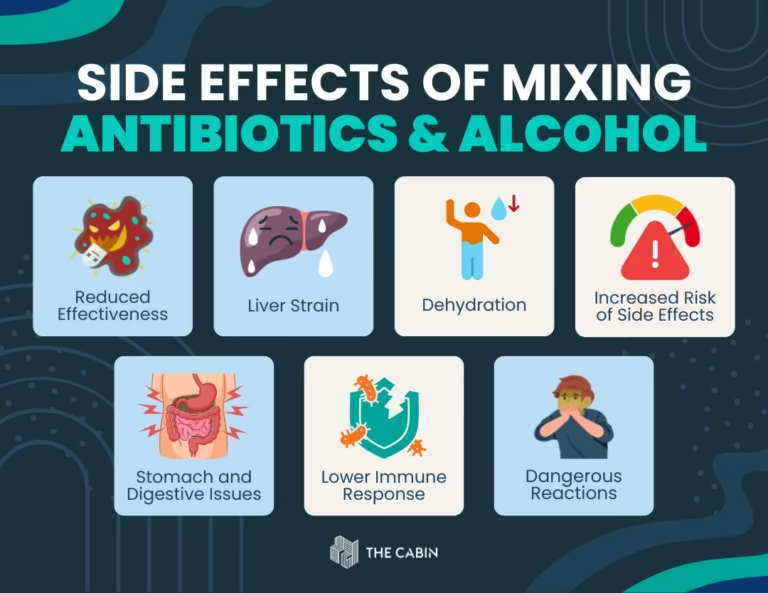
- Reduced Antibiotic Effectiveness: Alcohol can interfere with how the body absorbs and processes antibiotics. A weaker treatment result may result in slower recovery from infection. Alcohol can alter the pharmacokinetics of antibiotics, reducing their absorption and efficacy according to “The interference of alcohol consumption in the effectiveness of pharmacotherapy with antibiotics” by Jaqueline Cavalcante Alves, Lucas Alexandre Umbelino, and Carolinne de Oliveira Marquez, published on December 9, 2023.
- Increased Risk of Side Effects: Combining alcohol with antibiotics can make side effects like dizziness, nausea, or drowsiness stronger, making daily activities harder to perform safely. Alcohol can intensify side effects like nausea, dizziness, and drowsiness when combined with antibiotics, according to the research “Antibiotics & Alcohol: Risks and Safety Tips” by Reframe Content Team, Kevin Bellack CPRC, edited by Vedant Pradeep on August 20, 2024.
- Liver Strain: Alcohol and certain antibiotics are processed in the liver, increasing the workload on the organ. The result raises the chance of liver irritation or damage. Alcohol and antibiotics metabolize in the liver, increasing the risk of hepatic stress or damage, according to “Advances in the management of alcohol-associated liver disease” by Ahmad Anouti and Thomas A. Kerr, published on November 5, 2024
- Dehydration: Alcohol promotes fluid loss, while antibiotics require proper hydration to work effectively. Dehydration can cause headaches, weakness, and fatigue. Alcohol is a diuretic and can worsen dehydration, which impairs antibiotic efficacy, according to “Why You Should Avoid Alcohol on Antibiotics” by Colleen Clayton, MD, published on April 22, 2024.
- Stomach and Digestive Issues: Mixing alcohol with antibiotics can upset the stomach and may cause pain, cramping, or diarrhea. Drinking alcohol can reduce appetite and make it more challenging to eat well during recovery. Alcohol can irritate the gastrointestinal tract, compounding antibiotic-induced digestive symptoms, according to “Combining Antibiotics and Alcohol: Is It Safe?” by Healthline Editorial Team on June 18, 2025.
- Lower Immune Response: Alcohol affects the body’s ability to fight infection, making it harder to heal. A weaker immune response can extend the length of an illness. Alcohol impairs immune cell function, reducing the body’s ability to fight infection, according to “Influence of Alcohol on the Intestinal Immune System” by Henriette Kreimeyer, Cristina Llorente, and Bernd Schnabl on March 14, 2025.
- Risk of Dangerous Reactions: Some antibiotics (metronidazole) can cause severe reactions with alcohol. Side effects may include; a rapid heartbeat, flushing, or vomiting. The reactions can be sudden and intense. Metronidazole and alcohol can trigger a disulfiram-like reaction, including vomiting and a fast heartbeat, according to “What happens if you drink alcohol with metronidazole?” by Carmen Pope, BPharm, on April 29, 2025.
What Antibiotics Should Never Be Taken with Alcohol?
The antibiotics that should never be taken with alcohol are listed below.
- Tinidazole: Tinidazole is an antimicrobial drug used to treat infections caused by bacteria and protozoa. Drinking alcohol during treatment can cause severe nausea, vomiting, flushing, headache, and low blood pressure. It is given for intestinal infections, vaginal infections, and certain gum or dental infections.
- Cefotetan: Cefotetan is a cephalosporin antibiotic that kills bacteria by preventing them from forming protective cell walls. Alcohol use while taking cefotetan can cause flushing, headache, sweating, stomach cramps, and low blood pressure. It is used for infections in the lungs, skin, urinary tract, and bones, and for preventing infections during surgery.
- Cefoperazone: Cefoperazone is a broad-spectrum cephalosporin antibiotic that blocks bacterial growth. Alcohol taken with cefoperazone can cause facial redness, pounding heartbeat, stomach pain, and dizziness. It is prescribed for serious infections in the respiratory tract, urinary tract, abdomen, skin, and blood.
- Metronidazole (Flagyl): Metronidazole is an antibiotic that stops the growth of certain bacteria and parasites in the body. Mixing Metronidazole and alcohol can lead to nausea, vomiting, flushing, rapid heartbeat, and severe stomach discomfort due to a reaction similar to disulfiram. The drug is used to treat stomach, skin, joint, respiratory, and sexually transmitted diseases.
- Linezolid: Linezolid is an antibiotic that stops bacteria from producing proteins needed for their survival. Drinking alcohol while on linezolid can increase blood pressure to dangerous levels with drinks high in tyramine, like beer and red wine. It is used for pneumonia, skin infections, and infections caused by drug-resistant bacteria.
How Does Alcohol Worsen the Side Effects of Antibiotics?
Alcohol worsens the side effects of antibiotics by putting additional strain on the body’s systems that are already working to process and remove the medication. Alcohol affects the liver, which plays a major role in breaking down antibiotics, leading to slower drug metabolism and higher levels of the medication in the bloodstream. Stronger adverse reactions may include nausea, dizziness, drowsiness, headaches, and stomach upset. Alcohol dehydrates the body and irritates the stomach lining, which increases the chances of gastrointestinal issues like vomiting, diarrhea, and abdominal pain when antibiotics are present.
Mixing alcohol with antibiotics increases the risks of side effects because it forces the body to manage two substances that compete for the same processing pathways. Research mentions that alcohol and pharmaceuticals can interact, leading to increased toxicity, diminished therapeutic efficacy, or unforeseen side effects. This highlights the need for tailored medical guidance and strict vigilance when combining them, according to “Alcohols and Pharmaceutical – A Drug Interaction Study” by Jay B. Badwaik on December 31, 2024. The dual burden can cause the antibiotic to stay in the body longer, making certain reactions more intense. For example, drugs like metronidazole and tinidazole are known to cause strong adverse effects when alcohol is consumed during treatment. The combined impact on the liver, stomach, and nervous system makes recovery more complicated and increases the likelihood of unwanted complications.
Why are Certain Antibiotics More Dangerous to Mix with Alcohol?
Certain antibiotics are more dangerous to mix with alcohol because the combination places a heavier strain on the liver and disrupts the body’s ability to process the drug efficiently. The liver works harder to break down alcohol and certain antibiotics together, which increases the risk of liver irritation or damage. The interaction increases the strength of unwanted effects such as nausea, dizziness, flushing, headaches, and stomach upset. This makes the reaction more severe and unpleasant. Metronidazole or tinidazole are antibiotics that trigger a reaction with alcohol that produces a rapid heartbeat, vomiting, and extreme discomfort. It occurs because the breakdown of alcohol is interrupted, allowing unwanted toxic byproducts to accumulate.
Adding alcohol to a high dose of antibiotics increases the stress on metabolic functions. Higher doses produce stronger side effects on their own, but when combined with alcohol, symptoms become more intense and recovery time lengthens. Dehydration risk increases as alcohol and antibiotics contribute to fluid loss through sweating, urination, or vomiting. A lower dose of antibiotics continues to interact with alcohol, but the strain on the liver and the severity of side effects tend to be less extreme. Any amount of alcohol reduces the body’s efficiency in handling infections and prolongs healing, making the interaction undesirable in all cases.
Research found that alcohol warnings for many common antibiotics are based on limited evidence, with some drugs potentially having reduced efficacy and others having increased risks of disulfiram-like reactions, according to “Main Interactions with Antibiotics” by Jessica Julia de Mendonca de Moura and Helen Mariana Baldan Cimatti on March 18, 2024.
Does Dosage Matter When Mixing Alcohol and Antibiotics?
Yes, dosage matters when mixing alcohol and antibiotics. The amount of alcohol consumed influences how the body processes the medication and how strong the side effects become. Drinking on antibiotics can lead to reactions such as nausea, vomiting, dizziness, and rapid heartbeat, and stronger doses of alcohol raise the likelihood of these effects. Certain antibiotics (metronidazole, tinidazole, and cefotetan) cause severe reactions when alcohol is present, and even small amounts can trigger problems.
The dosage of the antibiotic matters because higher doses place more demand on the liver, which is the same organ that processes alcohol. Combining large amounts of alcohol with a strong antibiotic dose increases the strain on the body and can slow recovery from infection. Drinking on antibiotics may weaken the medicine’s ability to work against bacteria, increasing the risk of prolonged illness. Alcohol avoidance during treatment prevents harmful interactions and supports the body’s ability to heal effectively.
Can Alcohol Affect Recovery from an Ear Infection While on Antibiotics?
Alcohol can affect the recovery process from an ear infection while taking antibiotics by increasing the risk of side effects (dizziness, stomach upset, and dehydration), which can make symptoms feel worse and delay healing. The usual antibiotics for ear infection dosage depends on the medicine prescribed. For adults, amoxicillin is prescribed at 500 mg every 8 hours or 875 mg every 12 hours, for 7 to 10 days. The amount of medicine remains the same, regardless of moderate alcohol intake, but alcohol adds unnecessary strain to the body, which must be focused on fighting the infection.
Avoiding alcohol during the entire treatment period gives the antibiotics the best chance to work and helps the immune system recover faster. Seek medical advice when drinking heavily or continuously to prevent complications, reduce treatment failure risks, and address any underlying health concerns. The approach supports the effectiveness of the medication and the body’s natural healing process.
Are Antibiotics Addictive?
No, antibiotics are not addictive. Antibiotics do not trigger cravings, cause withdrawal symptoms, or create a cycle of dependence like addictive substances such as nicotine, alcohol, or opioids. The primary purpose of antibiotics is to kill bacteria or stop their growth.
Strep throat, urinary tract infections, and bacterial pneumonia can be treated with antibiotics under medical guidance. Misuse, such as taking them for viral infections or stopping the treatment early, leads to antibiotic resistance. This can make future infections harder to treat. The absence of addictive properties does not mean they are free from risks, and proper use is important for health and recovery.
Do Alcohol and Antibiotics Increase Liver or Kidney Risks?
Yes, alcohol and certain antibiotics can increase liver or kidney risks. Alcohol puts extra strain on the liver, which processes and breaks down alcohol into less harmful substances. Antibiotics that require liver metabolism, such as amoxicillin-clavulanate or erythromycin, can increase liver workload and lead to inflammation or injury. The combined effect raises the chance of liver damage when the body is exposed to higher amounts of alcohol or strong antibiotics for extended periods.
The kidneys process antibiotics (aminoglycosides or vancomycin), and their tissues can be damaged when antibiotics are used in high doses or for long treatments. Alcohol can lead to dehydration, which reduces kidney filtration and makes the kidneys more vulnerable to harm from certain drugs. The combined strain from alcohol and antibiotics can increase the risk of reduced organ function, slow the recovery time from infections, and cause more severe side effects. Avoid mixing alcohol with antibiotics and follow the prescribed medical recommendations to prevent avoidable harm to the liver and kidneys.
Looking for Alcohol Treatment? We’re Here to Help
If you’re worried about the effects of alcohol on your body and are ready to make a change, we can help. The Cabin Chiang Mai is Asia’s respected rehab centre, providing a safe space to support you through early recovery phase and cravings. Contact us today for a free evaluation and start your journey toward a healthier life.
Begin Your Path to Recovery
For Healthcare Professionals Referring Clients
We collaborate with healthcare providers, including GPs, psychiatrists, psychologists, counsellors, and case managers, to ensure seamless referrals. If you wish to refer a client or patient, please connect with us via email, phone, or our online contact form; we’re here to help guide your clients on their path to recovery.
For Individuals Seeking Treatment
At the Cabin, treatment is more than addressing addiction or mental health challenges — it’s an opportunity to embark on a profound journey of self-care discovery and personal growth. Our holistic approach nurtures lasting change and a healthier, more fulfilled life.
For Loved Ones Seeking Support
The Cabin offers specialized care that tackles both addiction and related mental health concerns. We create a compassionate environment where loved ones can find the healing and support they need to rebuild their lives and move forward with confidence.