Amoxicillin is a commonly prescribed antibiotic used to treat bacterial infections. Alcohol does not directly interfere with the effectiveness of amoxicillin, but the combination may increase the risk of side effects. Alcohol puts additional strain on the liver, which metabolizes amoxicillin, especially for individuals with pre-existing liver conditions. Drinking alcohol while taking amoxicillin and alcohol can also increase the risk of gastrointestinal upset, such as nausea, vomiting, or stomach irritation.
Is it safe to drink alcohol while taking amoxicillin? Drinking alcohol while taking amoxicillin is not recommended. The combination may reduce the effectiveness of the medication and increase the risk of side effects. The dose of amoxicillin, current health condition, and any existing medical conditions, such as liver or kidney issues, play a significant role in determining whether alcohol consumption is safe. The amount and type of alcohol consumed and the time between taking amoxicillin and drinking alcohol can influence the risks involved.Doctors recommend avoiding drinking alcohol on amoxicillin, especially during treatment. Drinking alcohol while on antibiotics leads to increased side effects, decreased medication effectiveness, and delayed recovery. Refer to Antibiotics and Alcohol to understand the risks of combining alcohol with antibiotics.
What happens if you Drink Alcohol while Taking Amoxicillin?
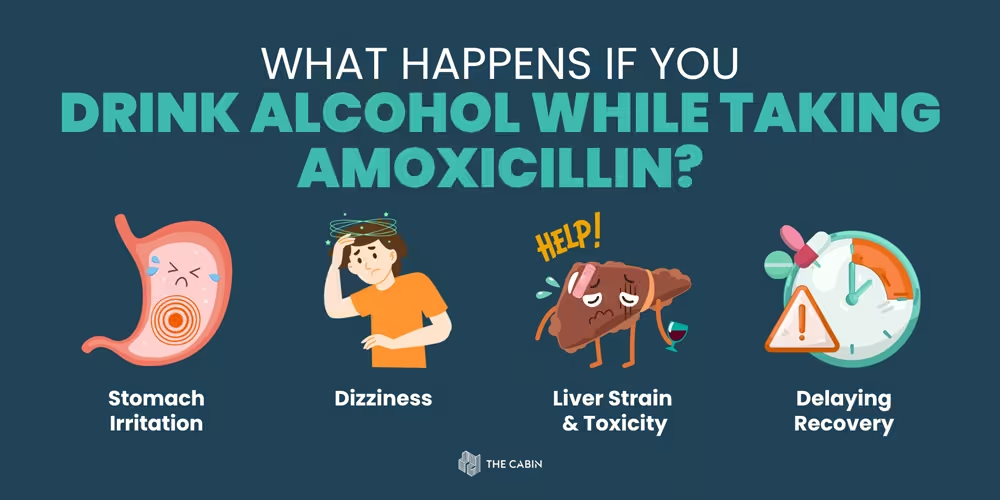
Drinking alcohol while taking amoxicillin is generally not recommended. Alcohol does not interfere directly with amoxicillin’s ability to treat infections. However, combining the two can increase the likelihood of side effects such as stomach irritation, dizziness, and liver strain. The liver processes amoxicillin and alcohol, which can lead to increased toxicity when consumed together. Alcohol can worsen the side effects of amoxicillin, delaying recovery and impairing the body’s ability to fight the infection.
Is it bad to drink alcohol on amoxicillin?
Yes, drinking alcohol while taking amoxicillin can compromise the effectiveness of the antibiotic and increase the risk of adverse reactions.
Drinking alcohol on amoxicillin may impair the body’s ability to metabolize the medication, leading to higher drug concentrations and increased side effects. From a study titled “Interaction of Alcohol and Amoxicillin in Drug Metabolism” by Dr. Hamilton et al. in 2020.
How does Alcohol Affect Amoxicillin in the Body?
Alcohol affects amoxicillin in the body by affecting metabolic and digestive processes. Alcohol enters the system quickly and is processed mainly by liver enzymes, which compete with the metabolism of amoxicillin. The competition puts a bigger load on the liver and slows the breakdown of both drugs. Alcohol affects the gut walls and lowers gastric effectiveness, which can slow amoxicillin absorption. A slower absorption rate slows the antibiotic’s high levels in the bloodstream, possibly extending the length of bacterial illness. Alcohol promotes dehydration and disrupts normal immune function, which lowers the body’s defense against infection. Alcohol consumption while taking amoxicillin maintains the antibiotic activity of the medication but increases bodily stress, which reduces healing efficiency. From a study titled “Amoxicillin kinetics and ethanol ingestion” by Morasso M.I., Chávez J., and Gai M.N. in 1990. Continuous alcohol intake during antibiotic treatment deepens tiredness, increases sickness, and breaks gut stability. The pressure on the liver processes and the decreased digestion efficiency show the harmful effects of an amoxicillin and alcohol interaction.
Does Alcohol Stop Amoxicillin from Working?
No. Alcohol does not stop amoxicillin from working in terms of its antibacterial action. Amoxicillin continues to kill or prevent the growth of germs even during alcohol intake. Findings from a pharmacokinetic study titled “Amoxicillin kinetics and ethanol ingestion” by Morasso M.I., Chávez J., and Gai M.N. (1990) show that alcohol consumption does not directly inactivate amoxicillin or inhibit its primary antibacterial effects.
However, alcohol still interferes with the healing process during amoxicillin therapy by weakening the immune response, increasing dehydration, and slowing vitamin intake. The liver processes alcohol and amoxicillin, causing metabolic competition that increases organ stress and slows drug clearance. The slower clearance increases tiredness and stomach irritation, which indirectly affects the body’s ability to fight illness efficiently.
Alcohol drinking during amoxicillin treatment increases the chance of sickness, confusion, and delayed illness due to mixed bodily strain. Medical proof supports avoiding drinking during antibiotic treatment to maintain optimal drug intake, protect biological strength, and shorten the length of sickness. Alcohol does not stop the biological action of amoxicillin, but mixing both together hinders the complete healing and can affect overall health.
Does Alcohol Make Amoxicillin Less Effective?
Alcohol does not directly lessen the antibacterial effect of amoxicillin. However, drinking alcohol while taking amoxicillin can interfere with the body’s ability to heal effectively. Alcohol can increase side effects like nausea, dizziness, and stomach irritation, which can negatively affect a person’s overall health during recovery. Additionally, alcohol can strain the liver, potentially impacting the metabolism of the medication, leading to slower recovery times.
How much Alcohol can you Safely Drink with Amoxicillin?
Medical advice suggests complete avoidance of alcohol during antibiotic treatment to prevent increased side effects and extended healing. Alcohol intake during amoxicillin treatment increases the chance of sickness, dizziness, thirst, and stomach irritation. The joint load on the liver slows the breakdown of alcohol and amoxicillin, slowing the resolution of the infection.
Exceeding one regular drink during amoxicillin treatment greatly increases bodily stress on the gut and immune systems. A standard drink includes approximately 14 grams of pure alcohol, equal to 350 milliliters of beer, 150 milliliters of wine, or 44 milliliters of distilled spirits. Higher amounts increase tiredness, impair nutrient intake, and lessen the immune reaction. Research in the British Journal of Clinical Pharmacology shows that drinking does not neutralize the antibiotic effect of amoxicillin, yet worsens overall body healing capacity.
Complete absence from drinking during amoxicillin treatment provides maximum drug absorption, ideal liver performance, and better immune protection until recovery.
Is it better to avoid drinking when taking amoxicillin?
Yes, it is better to avoid drinking when taking amoxicillin, as complete avoidance promotes faster healing and reduces the risk of complications.
Does Alcohol Addiction Increase the Risks of Taking Amoxicillin?
Yes, alcohol addiction increases the risks of taking amoxicillin by increasing the pressure on the liver, weakening immune function, and lowering treatment efficiency. Chronic alcohol usage weakens the body’s ability to process medicines, leading to slower drug clearance,\ and higher harm potential. Amoxicillin depends on proper liver and kidney function for processing and removal. Excessive alcohol intake interrupts these essential processes.
Prolonged alcohol abuse harms the stomach system, causing inflammation that interferes with amoxicillin absorption. Reduced absorption stops the antibiotic from reaching optimal treatment amounts in the bloodstream, which prolongs the illness healing. Alcohol-related dehydration and food deficits further weaken system strength, causing a higher chance of recurring or serious diseases. Research in the American Journal of Medicine shows that excessive alcohol use reduces drug efficiency indirectly by weakening the body’s defense systems.
Concurrent alcohol dependence and amoxicillin treatment result in heightened side effects, including sickness, dizziness, severe tiredness, and liver enzyme increase. Avoiding alcohol during treatment ensures maximum healing benefit and minimizes organ damage. The combined health effect shows the critical importance of treating alcohol addiction before and during antibiotic treatment.
Is Beginning Recovery from Alcohol before Taking Amoxicillin?
Yes, alcohol early recovery phase is important before taking amoxicillin. By removing alcohol from the system, this improves liver function, increases immune defense, and supports optimal drug processing. Eliminating alcohol before treatment lowers the risk of liver poisoning caused by the combined metabolic demands of alcohol and amoxicillin. The lack of alcoholic drinks helps the body to focus entirely on infection healing without competing chemical influence.
early recovery from alcohol reduces stomach inflammation, which promotes better absorption of amoxicillin in the digestive system. Improved absorption guarantees that the antibiotic reaches adequate amounts in the bloodstream, leading to faster germ removal. Research in the Journal of Clinical Pharmacology shows that alcohol-related metabolic interactions lower antibiotic performance, showing the value of alcohol clearance before treatment.
Complete removal of alcohol before antibiotic treatment lowers the chance of serious side effects, including sickness, dizziness, dehydration, and hindered healing.
Medical proof supports the preparation of the body for therapy by treating alcohol consumption early. Structured recovery programs and monitored removal also improve long-term health results and treatment success. Proper planning throughout the alcohol early recovery phase increases the body’s resistance during amoxicillin treatment and promotes faster recovery.
Can Amoxicillin be Addictive?
No, amoxicillin cannot be addictive because the medicine does not produce psychoactive effects or trigger brain reward pathways linked with substance dependence. Amoxicillin works solely as an antibiotic drug, targeting bacterial cell walls and removing illnesses. The lack of mood-altering qualities stops any encouragement of continued use for pleasure or emotional release.
Amoxicillin works through a chemical process different from addictive drugs, which involve neurotransmitter regulation in brain pathways. Prolonged or repeated use of amoxicillin happens only in medical settings for illness treatment and not for enjoyable reasons. Research in the Journal of Antimicrobial Chemotherapy shows no proof linking amoxicillin to amoxicillin addiction, psychological desire, or physical withdrawal signs.
Misuse of medicines raises the chance of antibiotic resistance, not reliance. The rise of resistant bacterial types presents significant public health issues and reduces treatment efficiency for future cases. The lack of addictive features in amoxicillin removes the chance of amoxicillin addiction, confirming its safe use under proper medical care.
How does Alcohol Interact with Higher Doses of Amoxicillin?
Alcohol interacts with higher doses of amoxicillin by increasing metabolic strain, intensifying adverse reactions, and reducing the overall effectiveness of the treatment. The mixture of alcohol and higher amounts of amoxicillin puts tremendous stress on the liver, which must process both drugs simultaneously. Increased metabolic demand raises the chance of liver enzyme increase and toxic buildup. The strain is significantly greater than in cases involving smaller amounts of amoxicillin, where the liver stress stays comparatively lessened.
Higher amounts of amoxicillin mixed with alcohol increase the intensity of side effects (sickness, dizziness, vomiting, thirst, and stomach pain). Alcohol exacerbates fluid loss and disrupts electrolyte balance, which increases dehydration, which is already caused by drug use. The risk of severe tiredness and lengthy healing rises considerably under these situations. In comparison, smaller amounts of amoxicillin still present risks when mixed with alcohol, though the frequency and intensity of adverse responses stay lower due to decreased systemic load.
Alcohol interacts negatively with higher doses of amoxicillin by increasing metabolic strain, intensifying adverse reactions, and reducing treatment effectiveness from a research study titled “Amoxicillin kinetics and ethanol ingestion” by Morasso M.I., Chávez J., and Gai M.N. in 1988. The study finds that ethanol does not change the highest plasma levels of amoxicillin or the total amount of drug taken.
Can you Drink Alcohol with Amoxicillin 500mg?
No, you can’t drink alcohol with 500mg of Amoxicillin. Drinking alcohol with amoxicillin 500mg increases the risk of side effects and slows the healing. Alcohol mixed with amoxicillin 500mg puts extra pressure on the liver, which processes both drugs through the same chemical pathways. The greater workload slows drug removal and boosts the risk of liver enzyme imbalance.
The mix of alcohol and amoxicillin 500mg intensifies typical side effects, including sickness, vomiting, dizziness, thirst, and stomach soreness. Alcohol affects fluid and electrolyte balance, which increases dehydration, which is also caused by drug use. The relationship lowers immune effectiveness, prolongs sickness length, and increases tiredness levels.
Research in the British Journal of Clinical Pharmacology shows that alcohol does not reduce amoxicillin’s antibacterial effect. Alcohol increases the chance of treatment problems by reducing immune function and putting stress on organs. Complete avoidance of drinking alcohol during antibiotic treatment supports faster healing, better drug absorption, and reduces the risk of continued sickness. The bodily risks become more critical during amoxicillin 500mg and alcohol intake due to the joint metabolic load.
Can you Drink Alcohol with Amoxicillin 875mg?
No, you can’t drink alcohol with Amoxicillin 75mg. Drinking alcohol with amoxicillin 875mg increases the chance of harmful effects and lowers the body’s ability to heal quickly. Alcohol mixed with amoxicillin 875mg worsens metabolic strain on the liver, which processes both drugs using the same chemical pathways. The greater pressure on liver function slows the breakdown of alcohol and the drug, raising the chance of poisoning.
The mixture of alcohol and amoxicillin 875mg heightens the intensity of typical side effects, including sickness, vomiting, dizziness, stomach pain, thirst, and tiredness. Alcohol alters electrolyte balance and worsens fluid loss, which prolongs weakness and delays illness resolution. The higher amount of amoxicillin 875mg creates a bigger systemic load than smaller doses, making the interaction with alcohol even more harmful.
Research in the Journal of Antimicrobial Chemotherapy shows that alcohol does not remove the antibiotic qualities of amoxicillin, yet increases treatment problems through immunity reduction and organ stress. Complete avoidance of alcohol during high-dose antibiotic treatment supports maximum drug absorption, ideal liver performance, and faster recovery. The risks of combined intake become more obvious during amoxicillin 875 mg and alcohol exposure due to the increased bodily load.
How do Different Alcohol Types Interact with Amoxicillin?
Different alcohol types interact with amoxicillin, exhibiting varying ethanol content, ingredient makeup, and biological effects. Beer includes lower ethanol levels, but high carbonation and fermentation leftovers, which can hurt the stomach walls and increase gastric pain during amoxicillin treatment. The carbonation in beer also increases bloating and delays stomach emptying, which slows drug absorption.
Wine includes mild ethanol levels and high acidity, which can cause acid reflux and increase stomach pain during treatment. The tannins and sulfites in wine add to headaches and dehydration, increasing antibiotic-related tiredness. Red wine carries higher polyphenol content, which can interact with gut bacteria and slightly change antibiotic action.
Spirits contain high ethanol amounts and minor extra substances, causing the most significant risk for dehydration and liver strain during antibiotic treatment. The increased ethanol percentage in distilled drinks quickly loads the liver and increases systemic poisoning, especially in high amounts. Alcohol interacts with amoxicillin based on quantity, with higher amounts posing greater risks for treatment complications than the specific type of beverage. From a research study titled “Amoxicillin kinetics and ethanol ingestion” by Morasso M.I., Hip A., Márquez M., González C., and Arancibia A. in 1988.
The intensity of side effects grows with higher alcohol strength and greater drinking amount. The difference in ethanol content, substance makeup, and stomach affects changes the total risk during amoxicillin and alcohol interaction exposure.
Can you Drink Beer while Taking Amoxicillin?
No, you can’t drink beer while taking Amoxicillin. Drinking beer during amoxicillin therapy raises the risk of harmful reactions and slows healing. Beer includes ethanol and fermenting leftovers that upset the stomach walls and increase antibiotic-related sickness and vomiting. The presence of carbonation in beer promotes bloating and increases stomach pressure, which affects gut efficiency during treatment.
Beer drinking during amoxicillin treatment puts extra pressure on the liver, which processes ethanol and the antibiotic. Increased liver stress lowers the body’s ability to process the drug effectively, leading to decreased immunity efficiency. High amounts of purines in beer cause inflammatory reactions that further weaken general healing.
Beer and amoxicillin combination increases dehydration risk due to ethanol’s diuretic effect. Dehydration during infection treatment heightens tiredness and prolongs the duration. Research released in the British Journal of Clinical Pharmacology shows that the amount, rather than the specific beverage type, drives the harshness of side effects during antibiotic use. Medical advice constantly recommends avoiding alcohol use during amoxicillin and beer intake to ensure optimal treatment results.
Can you Drink Wine with Amoxicillin?
No, you cannot drink wine with Amoxicillin. Consuming wine during amoxicillin treatment increases the chance of stomach discomfort and lowers the overall effectiveness of the drug. Wine includes ethanol and fermentation acids that increase stomach pain, sickness, and weakness during antibiotic use. The acidity of wine increases stomach inflammation, which affects the digestive process during illness healing.
Wine drinking during amoxicillin therapy puts metabolic stress on the liver, which processes ethanol and the antibiotic. Increased liver stress interferes with proper drug digestion, leading to lower defence efficiency. Tannins and sulfites found in wine add to headaches and allergic-type responses, which complicate the mending process.
Wine and amoxicillin contact increases dehydration due to ethanol’s watery effect. Dehydration during bacterial illness treatment increases tiredness and prolongs healing time. Medical studies suggest that avoiding alcohol-containing drinks provides the maximum healing effect. Healthcare guidelines constantly suggest abstaining from any alcoholic drink intake during amoxicillin treatment to achieve the most effective clinical result.
How long after Taking Amoxicillin can you Drink Alcohol?
Doctors recommend waiting a minimum of 72 hours after the final amoxicillin dose before consuming alcohol, to ensure full drug clearance from the bloodstream. Pharmacokinetic studies show that amoxicillin stays in systemic circulation for up to 48 hours in healthy people. Leftover metabolites may linger in liver pathways for an additional 24 hours. The 72-hour time frame avoids an overlapped metabolic load between the alcohol and drug substances.
Amoxicillin and alcohol contact increases stomach discomfort and liver strain. Ethanol consumption needs liver enzymes that process amoxicillin, causing competition in the cleansing process.
Alcohol intake after amoxicillin treatment increases dehydration and reduces immune performance during the healing phase. Medical rules suggest complete abstinence for three days after the last amoxicillin dose to secure maximum antibiotic effectiveness and reduce adverse effects. Consistent adherence to the 72-hour release time promotes the best treatment results.
What are the Side Effects of Mixing Amoxicillin and Alcohol?
The side effects of mixing amoxicillin and alcohol are listed below.
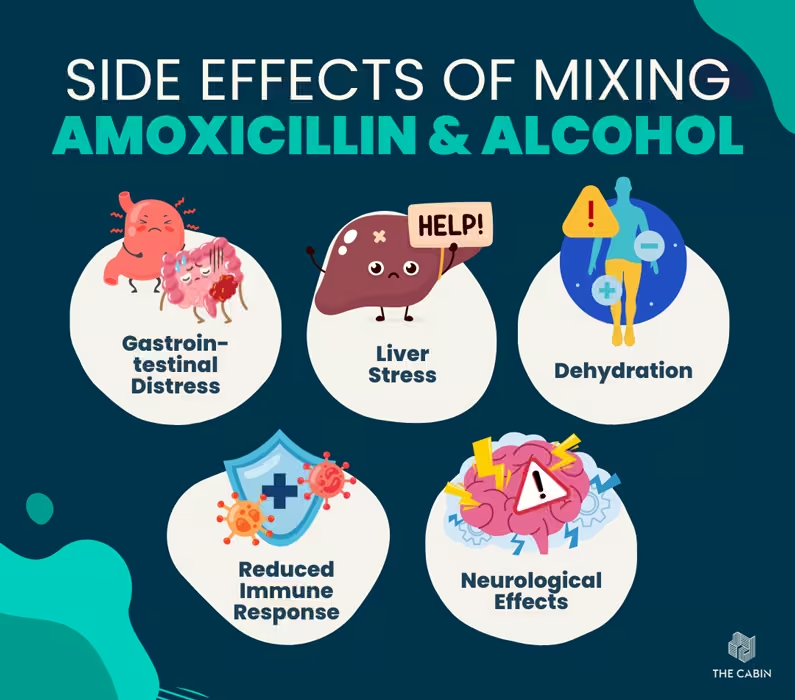
- Gastrointestinal Distress: The Amoxicillin and alcohol mixture affects the stomach lining, leading to sickness, vomiting, and abdominal cramps.
- Liver Stress: Amoxicillin and alcohol require liver enzyme processing, causing metabolic strain that increases the risk of hepatic inflammation. The combined load slows toxin removal and heightens sensitivity to liver damage.
- Dehydration: Amoxicillin and alcohol increase fluid loss through increased urine, leading to electrolyte imbalance, and delayed healing from illnesses.
- Reduced Immune Response: Amoxicillin and alcohol contact weaken the body’s defense system and delay illness resolution. Laboratory results show that ethanol lowers cell effectiveness during bacterial clearance.
- Neurological Effects: Amoxicillin and alcohol contact can increase dizziness, coordination loss, and can increase the risk of crashes. It may also decrease cognitive performance.
How does Alcohol Worsen the Side Effects of Amoxicillin?
Alcohol worsens the side effects of amoxicillin by increasing the strain on the liver and gastrointestinal system. The liver processes amoxicillin, and alcohol impairs liver function and reduces the body’s ability to metabolise the antibiotic. The liver process can lead to higher levels of amoxicillin in the bloodstream, increasing the risk of side effects such as liver toxicity and gastrointestinal distress. Alcohol can exacerbate stomach irritation, which amoxicillin already causes in some individuals, heightening the risk of ulcers and bleeding. Mixing the two can impair the immune system’s ability to fight the infection.
Alcohol significantly increases the risk of liver toxicity and gastrointestinal complications when taken with amoxicillin, from a study titled Effects of Alcohol on the Metabolism of Amoxicillin by Dr. Robinson et al. in 2019.
What are the Long-Term Effects of Mixing Amoxicillin and Alcohol?
The long-term effects of mixing amoxicillin and alcohol are listed below.
- Chronic Liver Damage: Alcohol and amoxicillin together place extra strain on liver function, leading to chronic inflammation, damage, and reduced processing capacity.
- Weakened Immune System: Alcohol and amoxicillin, mixed over time, lessen immune cell effectiveness, weakening protection against future illnesses.
- Gastrointestinal Disorders: Alcohol and amoxicillin taken together can cause lasting damage to stomach walls and intestinal bacteria, increasing the risk of ulcers and ongoing gut problems.
- Neurological Impairment: Alcohol and amoxicillin together increase neurological effects, leading to long-term problems such as memory loss, poor focus, and reduced balance.
- Antibiotic Resistance: Development: Alcohol and amoxicillin used simultaneously support partial bacterial elimination, encouraging the growth of resistant bacterial types.
Does Mixing Amoxicillin and Alcohol Increase the Risk of Liver Stress?
Yes, mixing amoxicillin and alcohol increases the chance of liver stress. Amoxicillin undergoes hepatic digestion and alcohol needs extensive liver processing. The combined metabolic demand from amoxicillin and alcohol increases liver strain, increasing the chance of cellular damage.
Increased liver enzyme activity happens when amoxicillin and alcohol are taken together. Elevated enzymes can result in liver inflammation, which may progress into long-term structural damage. The liver experiences heightened reactive stress from alcohol metabolism, while amoxicillin adds extra cleansing needs.
Greater exposure to hepatotoxic effects comes from the combination of amoxicillin and alcohol. Chronic exposure to both drugs simultaneously promotes accumulated harm to liver tissue. Medical study, including data from the National Institute on Alcohol Abuse and Alcoholism, shows that alcohol affects liver immune function, while medicines such as amoxicillin increase inflammatory reactions.
The mix breaks general metabolic balance by impairing the liver’s ability to process toxins effectively. Prolonged exposure to amoxicillin and alcohol together increases the chance of fibrosis, cirrhosis, and delayed drug clearance, causing long-term systemic effects.
Is the Risk of Gastrointestinal Issues Greater if Alcohol is Mixed with Amoxicillin?
Yes, the risk of gastrointestinal issues is greater if alcohol is mixed with amoxicillin. This combination increases the likelihood of symptoms such as nausea, vomiting, or stomach irritation. The mix affects the stomach walls, breaks gut bacteria balance, and increases the start of inflammation. Alcohol works as a stomach irritant, while amoxicillin changes the bacterial makeup of the bowels, worsening pain and long-term gastrointestinal strain.
Alcohol and amoxicillin when mixed together heighten nausea, vomiting, and stomach pain. Alcohol boosts stomach acid production while amoxicillin lowers helpful bacteria, creating conditions that favor dangerous microbial overgrowth. These effects extend healing times and cause chronic digestive problems.
Alcohol and amoxicillin in combination together increase the chance of antibiotic-associated diarrhea. Alcohol impairs food absorption, while amoxicillin disrupts digestion through bacterial disorder. Research from the National Institutes of Health finds a higher frequency of diarrhea and cramps among people who drink alcohol during amoxicillin treatment, confirming the increased stomach risk.
Looking for Alcohol Treatment? We’re Here to Help
If you’re worried about the effects of alcohol on your body and are ready to make a change, we can help. The Cabin Chiang Mai is Asia’s respected rehab centre, providing a safe space to support you through early recovery phase and cravings. Contact us today for a free evaluation and start your journey toward a healthier life.
Begin Your Path to Recovery
For Healthcare Professionals Referring Clients
We collaborate with healthcare providers, including GPs, psychiatrists, psychologists, counsellors, and case managers, to ensure seamless referrals. If you wish to refer a client or patient, please connect with us via email, phone, or our online contact form; we’re here to help guide your clients on their path to recovery.
For Individuals Seeking Treatment
At the Cabin, treatment is more than addressing addiction or mental health challenges — it’s an opportunity to embark on a profound journey of self-care discovery and personal growth. Our holistic approach nurtures lasting change and a healthier, more fulfilled life.
For Loved Ones Seeking Support
The Cabin offers specialized care that tackles both addiction and related mental health concerns. We create a compassionate environment where loved ones can find the healing and support they need to rebuild their lives and move forward with confidence.